

Hotel Hirschen · Fine Hotel, Restaurant & Spa · Schwarzenberg
Schwarzenberg
Hotel in Schwarzenberg, Austria
 Book with Pearl
The Read
Bregenzerwald Craft Hospitality
Why go
Book this for a quiet Schwarzenberg stay where dinner, spa time, and village calm matter more than resort scale. The strongest fit is a couple's celebration or low-key family occasion, especially for travelers who want the restaurant on site rather than a separate destination meal.
About Hotel Hirschen · Fine Hotel, Restaurant & Spa · Schwarzenberg
Hotel Hirschen · Fine Hotel, Restaurant & Spa · Schwarzenberg is a Schwarzenberg venue: the name identifies it as a hotel, restaurant, and spa, the dress code is smart casual, and La Liste Top Hotels lists it for 2026 with 94pts.
That makes it best to approach the property with grounded expectations. The property offers a Schwarzenberg stay with on-site hospitality, but details like specific cuisine, chef, menu format, room type, price point, opening hours, or service style are not available. For planning, confirm current details directly with the venue before booking around a meal, spa time, or a special occasion.
Book it for a calm Schwarzenberg stay
The clearest reason to shortlist Hotel Hirschen · Fine Hotel, Restaurant & Spa · Schwarzenberg is that it combines hotel, restaurant, and spa in its identity, with a smart-casual dress code and a La Liste Top Hotels (2026) score of 94pts. These facts give it a credible place in a Schwarzenberg itinerary.
For dining-first planning, keep the expectation broad. Details like a tasting-menu format, a signature dish, a cuisine, or a beverage program are not available. If those elements matter, check the venue's official channels before treating dinner as the centerpiece of the trip. If the priority is a composed stay in Schwarzenberg with the convenience of a restaurant and spa named on site, Hotel Hirschen · Fine Hotel, Restaurant & Spa · Schwarzenberg is a reasonable candidate.
Who should book, and who should look elsewhere
Book if you want a Schwarzenberg hotel with a smart-casual setting and La Liste Top Hotels (2026) recognition. Look elsewhere, or ask more questions before committing, if your decision depends on specific room categories, dietary accommodations, lunch service, a particular cuisine, prices, or detailed wellness facilities, as those details are not specified.
Recognition from La Liste Top Hotels in 2026 gives the hotel a useful credibility signal, especially for travelers comparing serious hotel stays. It should not be read as a guarantee of a specific room, dish, amenity, or service style, but it does justify taking the property seriously when comparing options in and around Schwarzenberg.
If the trip is still open-ended, compare category first, not just place. For Schwarzenberg dining context, use Our full Schwarzenberg restaurants guide. Other natural reference points include Alpenloge Hotel, Biohotel Schwanen, Genießer - & Romantikhotel DAS SCHIFF, and Hotel Post Bezau, depending on whether you are prioritizing hotel atmosphere, dining, or a broader stay.
Inside Hotel Hirschen · Fine Hotel, Restaurant & Spa · Schwarzenberg
Planning details
- Location
- Hof 14, 6867 Schwarzenberg
- Website
- hotel-hirschen-bregenzerwald.at
- Phone
- +43 5512 29440
The take
The Take
The Vibe
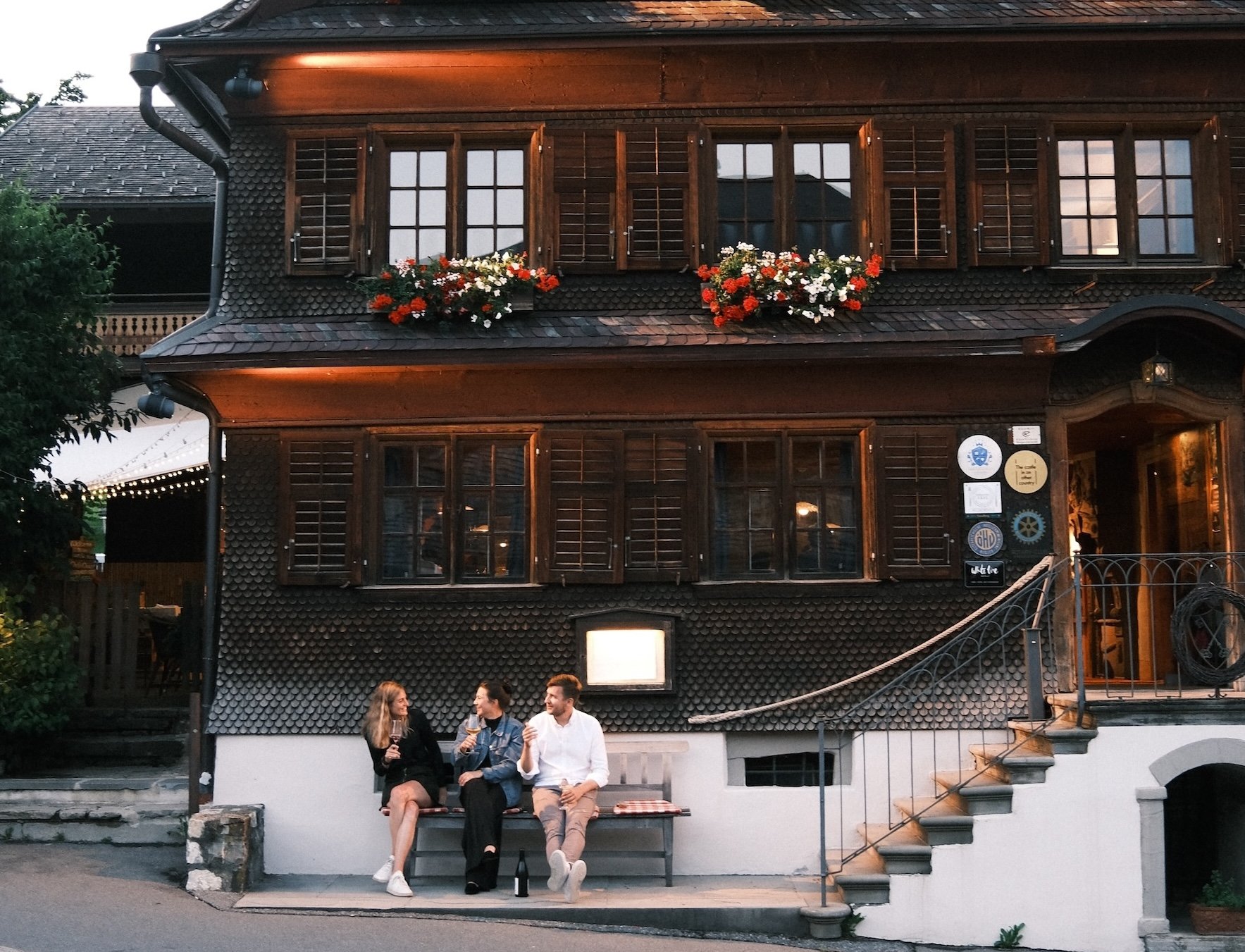
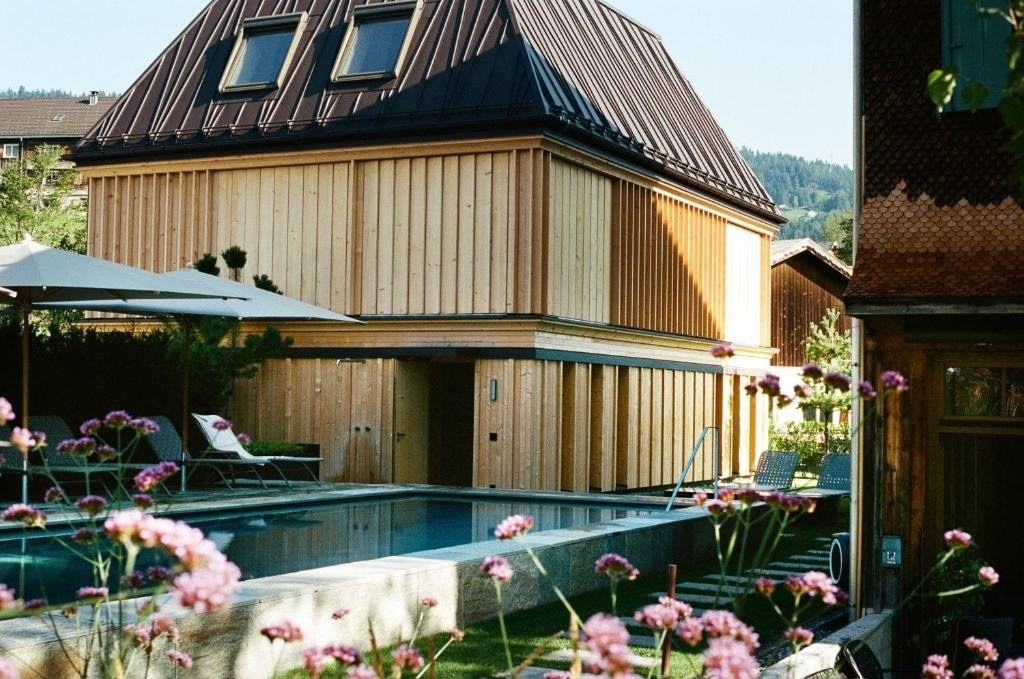
Hotel Hirschen reads as a quietly confident alpine property that puts craftsmanship and material quality at the foreground. It occupies a central village address in Schwarzenberg and sits within the Bregenzerwald’s well-documented timber-architecture tradition: precise joinery, honest weathering façades and interiors that prioritise materiality over decoration. The hotel combines the refinement of a fine-property restaurant and a spa with the small‑scale intimacy of a village inn, creating an experience that feels both design-led and deeply rooted in local craft traditions. Its La Liste recognition underlines the high standards guests can expect.
Best For
This is a destination for travellers who come with purpose: music and culture attendees, couples looking for a focused romantic escape, and guests seeking a restorative weekend with spa facilities. The hotel’s compact scale and serious restaurant make it especially well suited to stays tied to the annual Schubertiade and similar cultural events, when visitors want both high-quality food and easy access to the village’s cultural life. It also suits those who prize architecture and design, given the property’s clear connection to Bregenzerwald building traditions.
Stay Tips
Dining at Hirschen is driven by a 'serious restaurant kitchen,' so book ahead—especially during festival periods and weekends—because the hotel operates at village scale. Expect a fine‑hotel service style; reservations for dinner are advisable and timing treatments in the spa in advance helps secure preferred slots. If you're visiting for a cultural event, align your restaurant and spa bookings with performance schedules to avoid conflicts. Because the description emphasises quality and limited scale rather than high turnover, plan and reserve to get the full experience.
Venue details
Ambiance
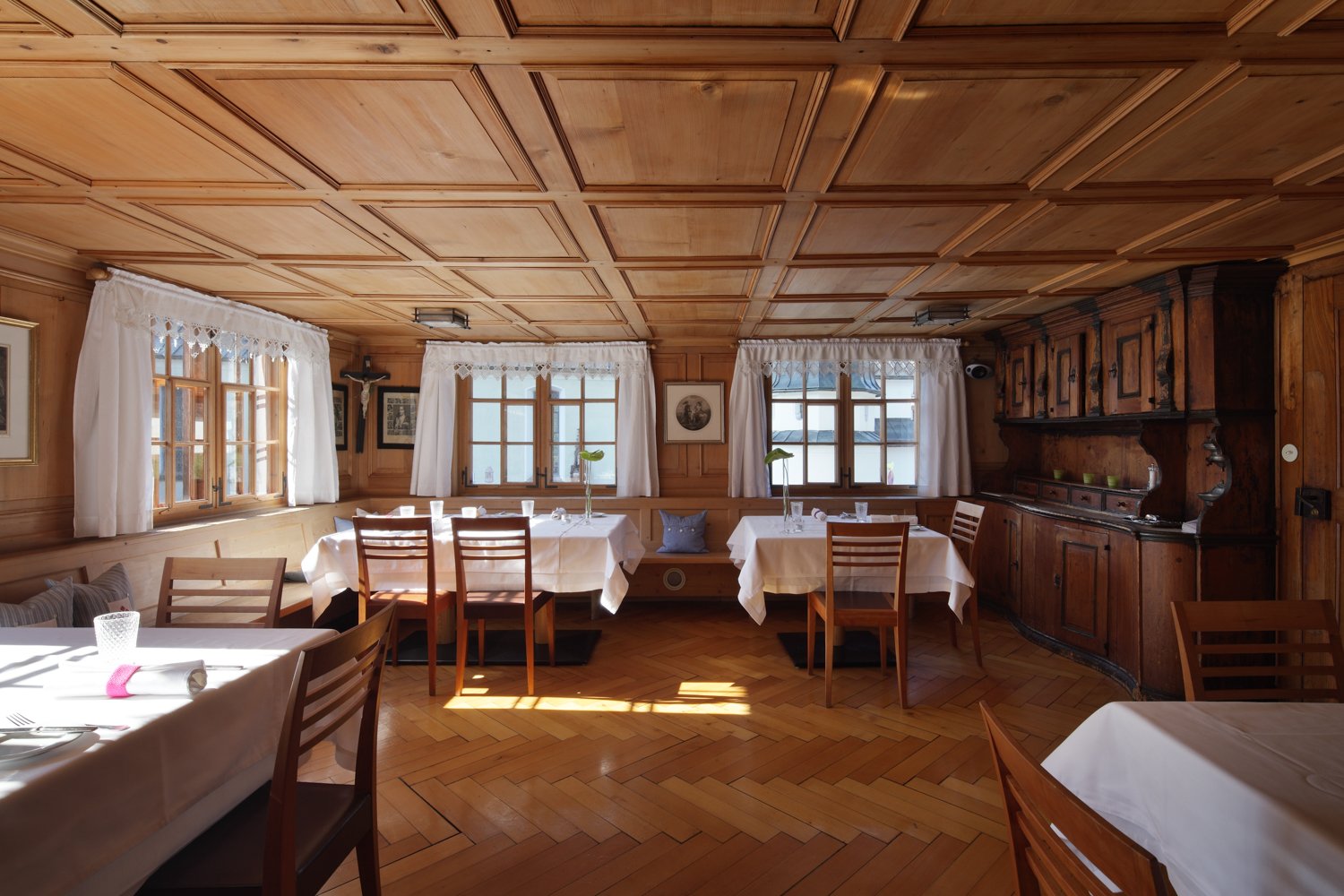
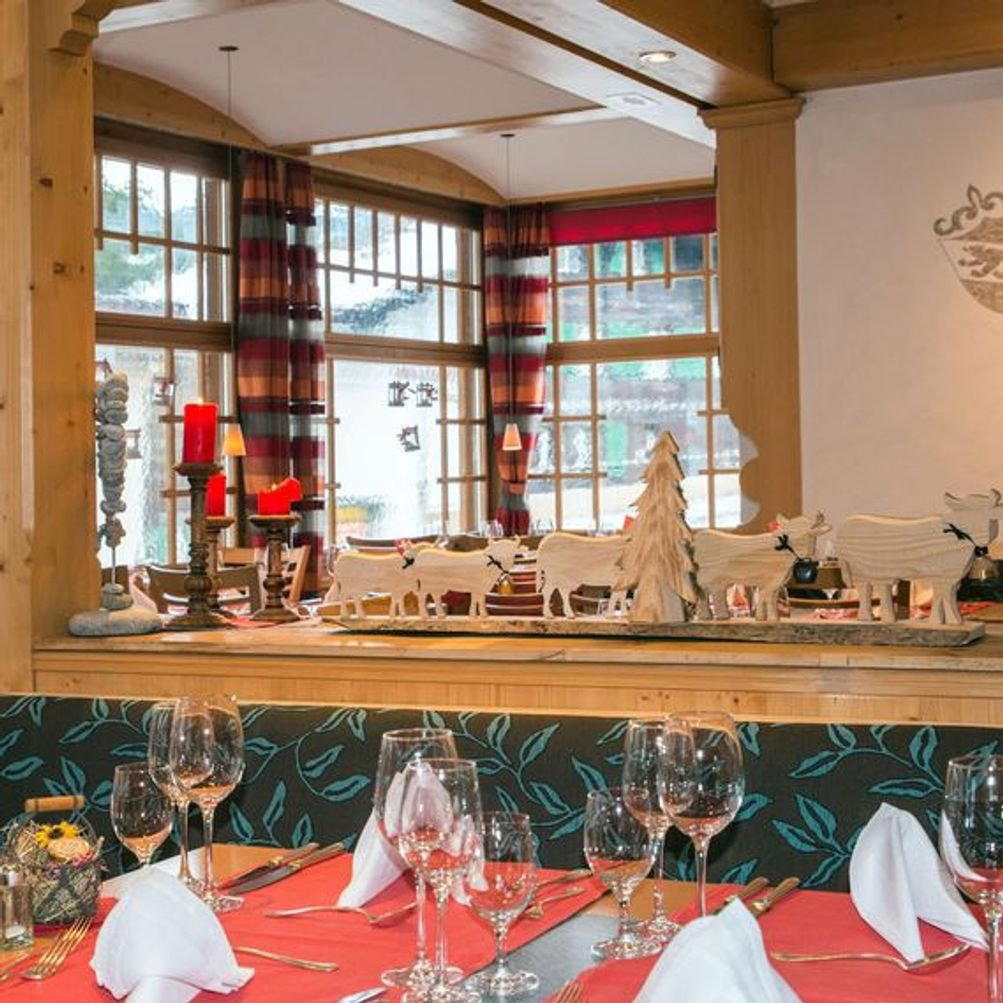
Cozy parlors with open fireplaces, carved wooden ceilings, and a warm, familial atmosphere enhanced by attentive service.
Tags
Vibe
Best For
Experience
Amenities
View
About the Stay
- Rooms
- 0
- Check-in
- 15:00
- Property Style
- Historic Inn with Modern Extensions in Bregenz Forest
- Design Style
- Traditional Alpine with Stylish Contemporary Elements and Art Focus
Know before you go
Know Before You Go
- Getting there
- Hof 14, 6867 Schwarzenberg
Planning details
Location
Recognition and awards

Also consider
Also Consider
- Hotel Post Bezau, Notable alternative
- Biohotel Schwanen, Notable alternative
- Genießer - & Romantikhotel DAS SCHIFF, Notable alternative
- Genießer - & Romantikhotel DAS SCHIFF, Notable alternative
- Alpenloge Hotel, Notable alternative
Hotel context
How it compares in the Bregenzerwald set
Hotel Post Bezau is the more obvious cross-shop if wellness is the lead priority, while Hotel Hirschen · Fine Hotel, Restaurant & Spa · Schwarzenberg is the cleaner pick when dinner is central to the stay. Choose Hirschen for a quieter celebration in Schwarzenberg; choose Post Bezau if the trip is built around a larger wellness-hotel feel.
Biohotel Schwanen is the better comparison for travelers who care about a smaller, values-led hotel mood. Hirschen reads more occasion-ready because the hotel, restaurant, and spa proposition is bundled into one stay. For value, compare live rates rather than assuming one is cheaper, since no reliable public price tier is available here.
Genießer - & Romantikhotel DAS SCHIFF is the natural alternative for a romantic food-focused break, while Alpenloge Hotel suits travelers who want a more lodge-like alpine base. Booking difficulty is marked easy for Hirschen, so it is the practical first call when the date matters and the plan should not depend on a hard-to-secure room.
Explore Schwarzenberg
Around this place
Discover more on Pearl
Unlock the full Hotel Hirschen · Fine Hotel, Restaurant & Spa · Schwarzenberg guide in Pearl, including awards, comparisons, FAQs, planning details, and nearby places.
Compare Hotel Hirschen · Fine Hotel, Restaurant & Spa · Schwarzenberg
| Venue | Location | Awards |
|---|---|---|
| Hotel Hirschen · Fine Hotel, Restaurant & Spa · Schwarzenberg | Schwarzenberg | 2026 La Liste Top Hotels2025 Michelin Selected Hotels |
| Hotel Post Bezau | Bezau | No published awards |
| Biohotel Schwanen | Bizau | 2026 La Liste Top Hotels |
| Genießer - & Romantikhotel DAS SCHIFF | Hittisau | Michelin 1 Key 20252025 Michelin 1 Key |
| Genießer - & Romantikhotel DAS SCHIFF | Vorarlberg | Michelin 1 Key 20252025 Michelin 1 Key |
| Alpenloge Hotel | Scheidegg | 2025 Michelin 1 Key |

How Hotel Hirschen Schwarzenberg compares with similar nearby venues.
FAQ
Frequently Asked Questions
Is Hotel Hirschen · Fine Hotel, Restaurant & Spa · Schwarzenberg family-friendly?
Family-specific facilities or policies are not specified. The venue is in Schwarzenberg, and key details are its smart-casual dress code and La Liste Top Hotels (2026) score of 94pts. If family amenities are essential, ask the hotel directly and compare the fit with Biohotel Schwanen or Hotel Post Bezau.
What is check-in like at Hotel Hirschen · Fine Hotel, Restaurant & Spa · Schwarzenberg?
Check-in details are not specified. Treat Hotel Hirschen · Fine Hotel, Restaurant & Spa · Schwarzenberg as a hotel in Schwarzenberg, then confirm arrival times, parking, luggage handling, and any restaurant or spa coordination directly with the venue. Alpenloge Hotel may be another useful option to compare while planning.
Which room category is best at Hotel Hirschen · Fine Hotel, Restaurant & Spa · Schwarzenberg?
Specific room categories are not specified, so the safest approach is to ask the venue directly which room best fits your stay. If you are pairing the hotel with dinner or spa time, confirm the room details, cancellation terms, and any package inclusions before booking. Biohotel Schwanen and Hotel Post Bezau are also worth comparing.
How does Hotel Hirschen · Fine Hotel, Restaurant & Spa · Schwarzenberg compare to other hotels?
Hotel Hirschen · Fine Hotel, Restaurant & Spa · Schwarzenberg stands out for its smart-casual dress code and La Liste Top Hotels (2026) score of 94pts. Hotel Post Bezau, Biohotel Schwanen, Alpenloge Hotel, and Genießer - & Romantikhotel DAS SCHIFF are useful reference points, but confirm current details directly as specific amenities, prices, and service styles are not specified.
When is the best time to book Hotel Hirschen · Fine Hotel, Restaurant & Spa · Schwarzenberg?
Specific demand patterns are not specified. If your stay depends on dinner, spa plans, or a special date, book only after confirming availability and current details with the venue. For flexible planning, Alpenloge Hotel can be another option to compare.
How is the pool and spa at Hotel Hirschen · Fine Hotel, Restaurant & Spa · Schwarzenberg?
The venue name includes spa, but specific pool and spa facilities are not specified. Confirm the current wellness offering directly with the hotel before booking around it. If wellness is a priority, Hotel Post Bezau and Biohotel Schwanen are also useful comparisons.