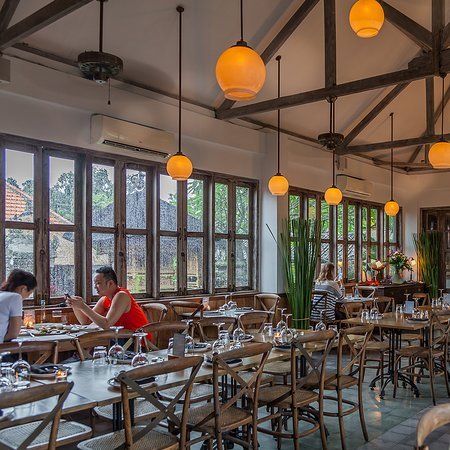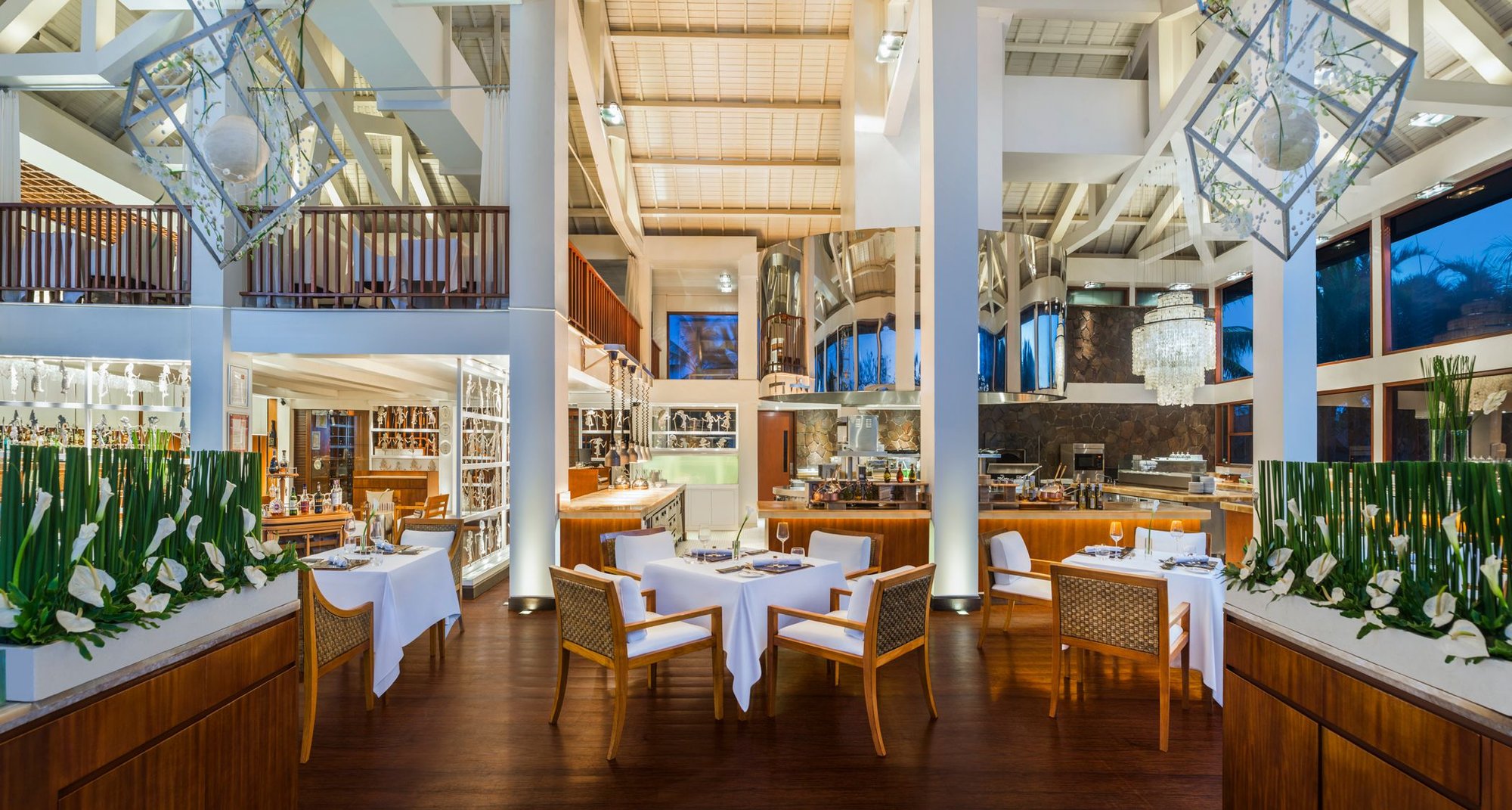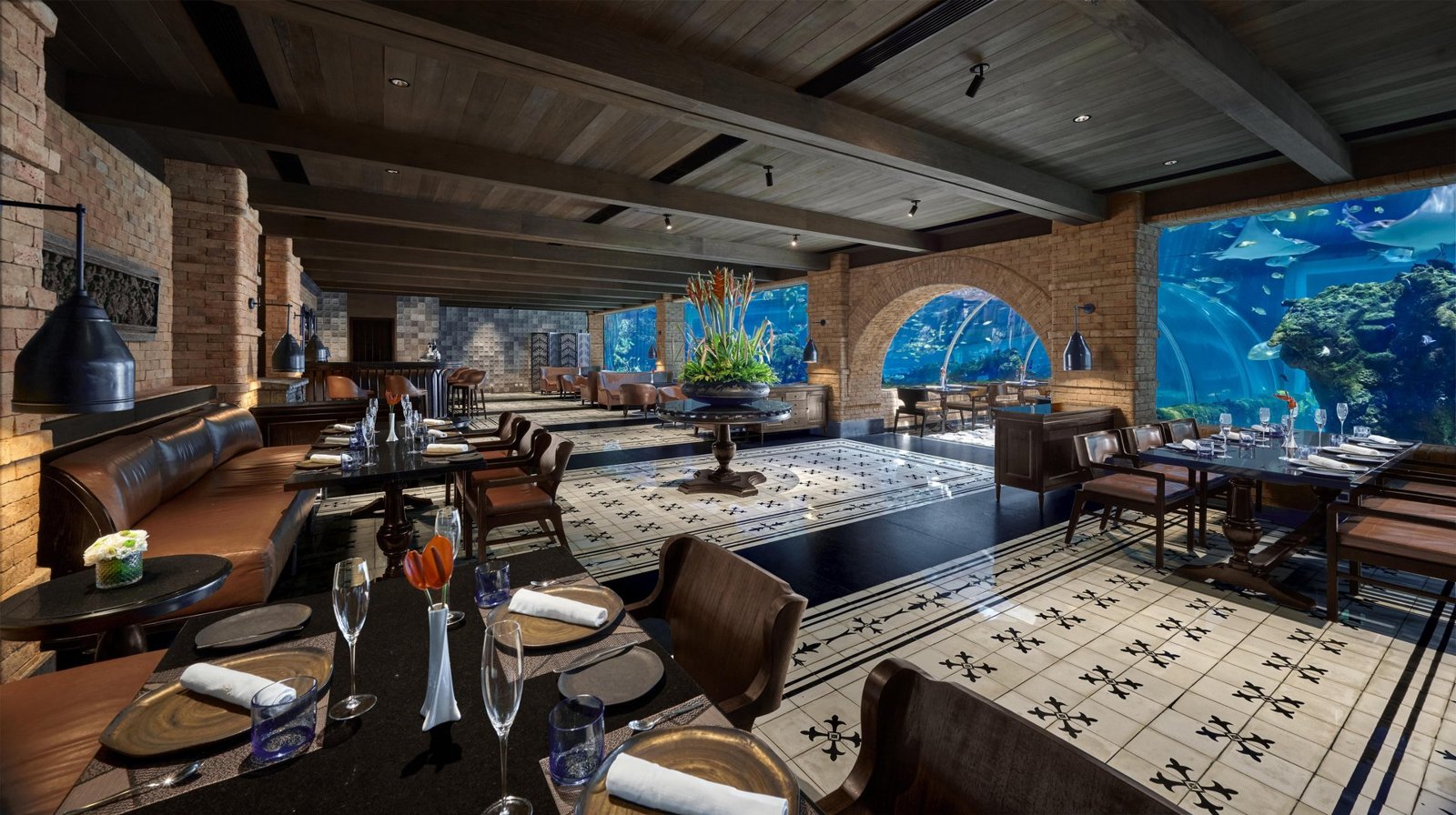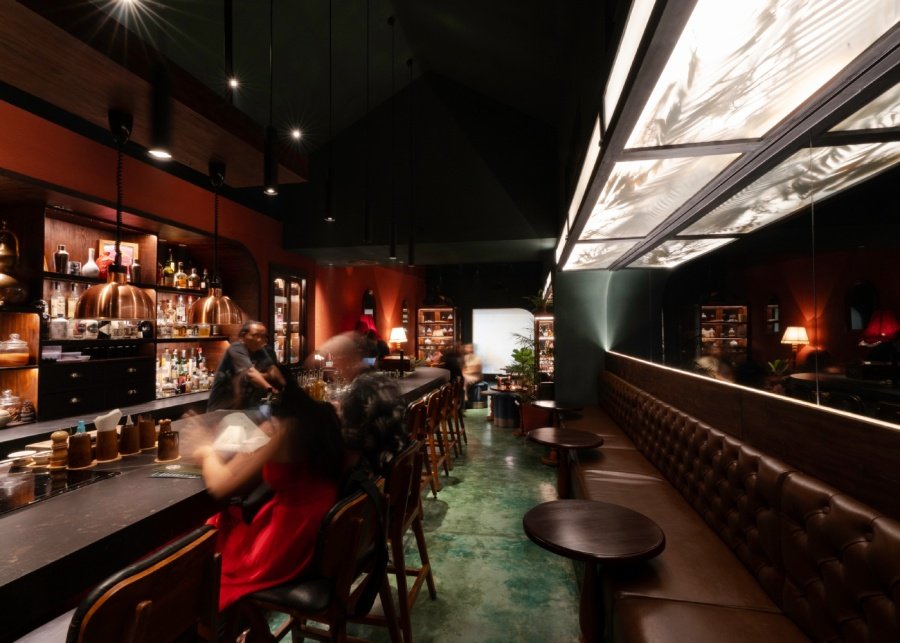

The Oberoi Beach Resort, Bali
Seminyak, Bali
Hotel in Bali, Indonesia
 Book with Pearl
Why go
The Oberoi Beach Resort, Bali is the Seminyak choice for travelers who want a composed beachfront resort rather than a louder lifestyle hotel. It is strongest for couples, celebrations, and business-leisure stays, especially when Virtuoso-advisor benefits can improve the total value. Compare Hotel Indigo Bali Seminyak Beach for a more contemporary feel.
About The Oberoi Beach Resort, Bali
The Oberoi Beach Resort, Bali is a premium hotel option in Bali. Key details include its smart casual dress code and its recognition as a Virtuoso Luxury Hotel Partner (2026). Travelers should confirm specific claims about facilities, room types, dining, service style, pricing, and exact location details directly before booking.
The practical read: this is best evaluated as a resort choice in Bali rather than through assumptions about a particular neighborhood, beach position, dining program, or guest profile. If you are comparing similar stays, consider how The Oberoi Beach Resort, Bali fits your own priorities against Bliss Sanctuary for Women Villa Peace, Grand Seminyak – Lifestyle Boutique Bali Resort, Hotel Indigo Bali Seminyak Beach, or Seminyak Bali Resort.
Choose it for a Bali stay with Virtuoso recognition
A strong reason to consider The Oberoi Beach Resort, Bali is its Virtuoso Luxury Hotel Partner status for 2026. That recognition may be relevant for travelers booking through an appropriate advisor or related channel, though any specific inclusions, amenities, or booking benefits should be confirmed at the time of reservation.
The smart casual dress code is another practical detail, but it should not be used to infer details about restaurants, bars, event spaces, room categories, or on-property services. For an accurate comparison, ask the hotel or booking advisor for current details that matter to your stay.
Who should choose a peer instead
Choose Grand Seminyak – Lifestyle Boutique Bali Resort, Hotel Indigo Bali Seminyak Beach, Seminyak Bali Resort, or Bliss Sanctuary for Women Villa Peace if one of those properties better matches the kind of stay you are planning.
For families, business travelers, celebrations, or longer leisure stays, the decision should come down to current room availability, policies, booking terms, and the specific services you need. The Oberoi Beach Resort, Bali remains a credible Bali hotel candidate, but the final value judgment should be based on trip-specific details rather than assumptions.
Part of
Oberoi17 locations on PearlPlanning details
- Location
- Seminyak Beach, Jalan Kayu Aya, P.O.Box 3351
The take
The Take
The Vibe
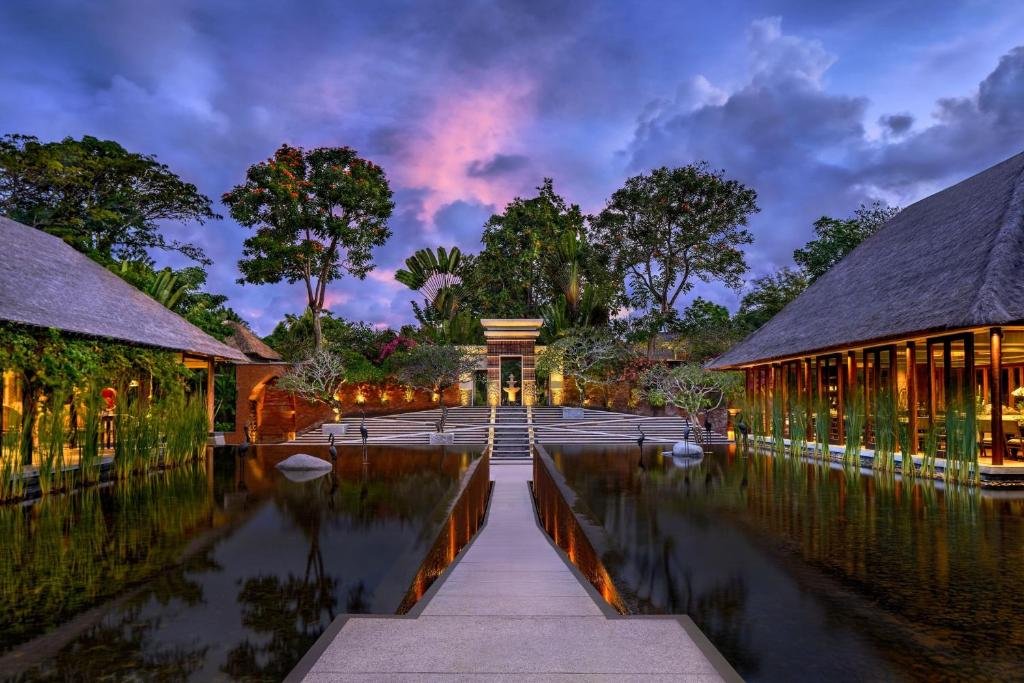
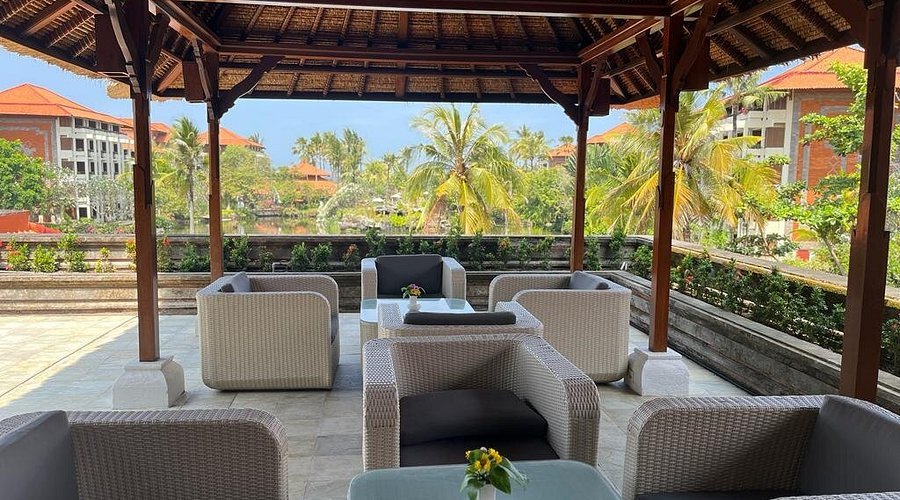
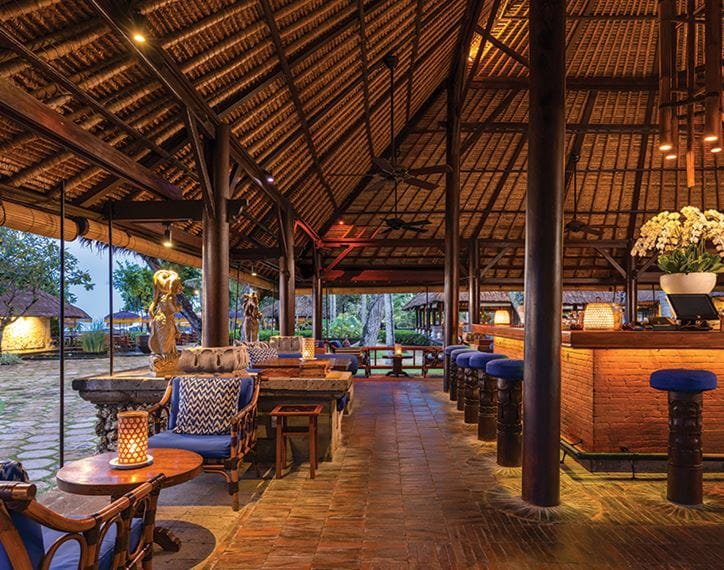
The Oberoi Beach Resort reads as a low-rise, village-scale retreat that foregrounds privacy and classic Balinese design. Set across fifteen acres of manicured garden and thatched pavilions, the property resists the high-rise resort typology in favour of clusters of accommodation—lanai rooms and standalone villas—arranged like a traditional compound. The direct-beachfront site and west-facing shoreline provide a steady backdrop of sunset theatre, while coral-stone walls and enclosed courtyards cultivate a quiet, intimate atmosphere. Overall the resort feels composed and restrained: a refined, deliberately small-scale alternative to larger beachfront hotels.
Best For
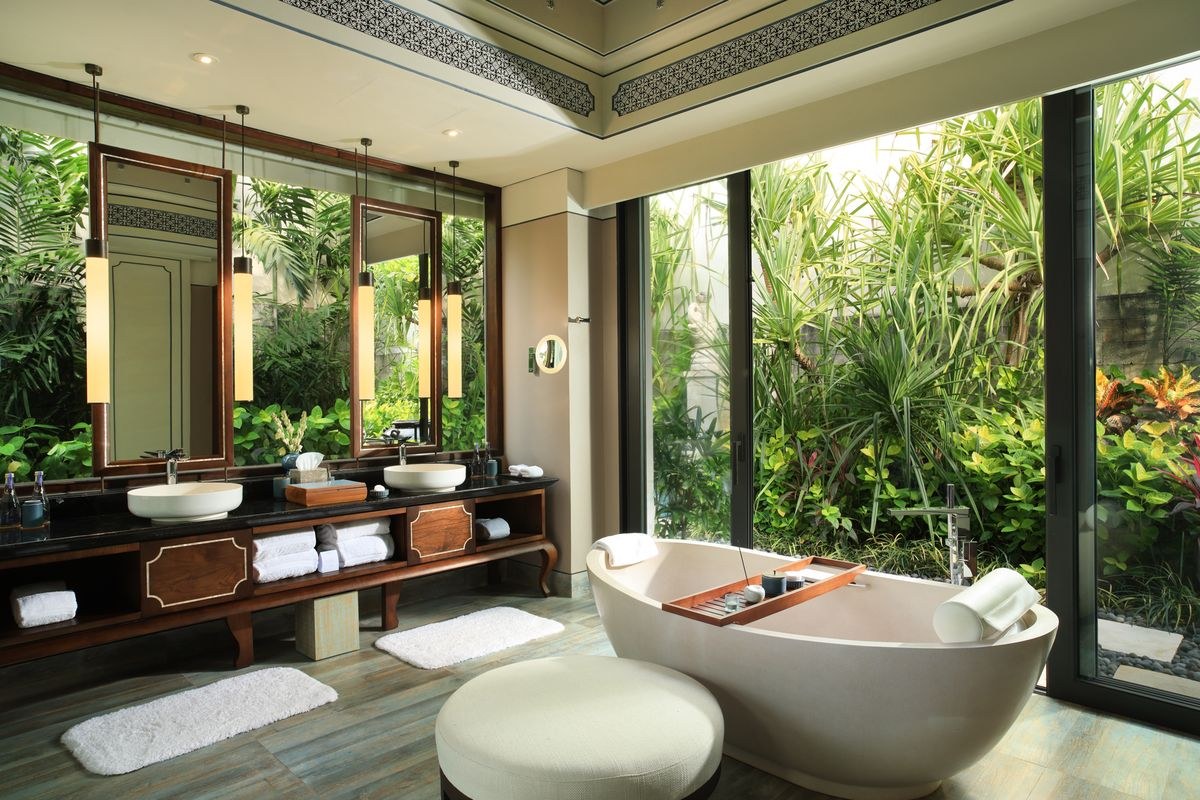
This resort is best for travelers seeking privacy and a picture-postcard beachfront escape. The villa tier is ideal for anniversaries, honeymoons and milestone birthdays—the Luxury Villas explicitly include private pools inside walled courtyards and marble bathrooms opening onto enclosed garden space. Couples and small groups who value seclusion, sunset views and the sensory calm of manicured tropical grounds find the property especially appealing. It also suits guests wanting a measured, design-led stay rather than a high-energy resort experience.
Stay Tips
Book one of the Luxury Villas if a private pool and enclosed garden are priorities—the description confirms most Luxury Villas include a private swimming pool inside a walled courtyard and marble bathrooms that open onto garden space. Because the beach faces west and the coast is prized for sunsets, request a west-facing villa or lanai when reserving to maximise evening light. The property is deliberately small-scale (74 keys), so secure reservations well in advance for peak-season travel and special occasions.
Venue details
Ambiance
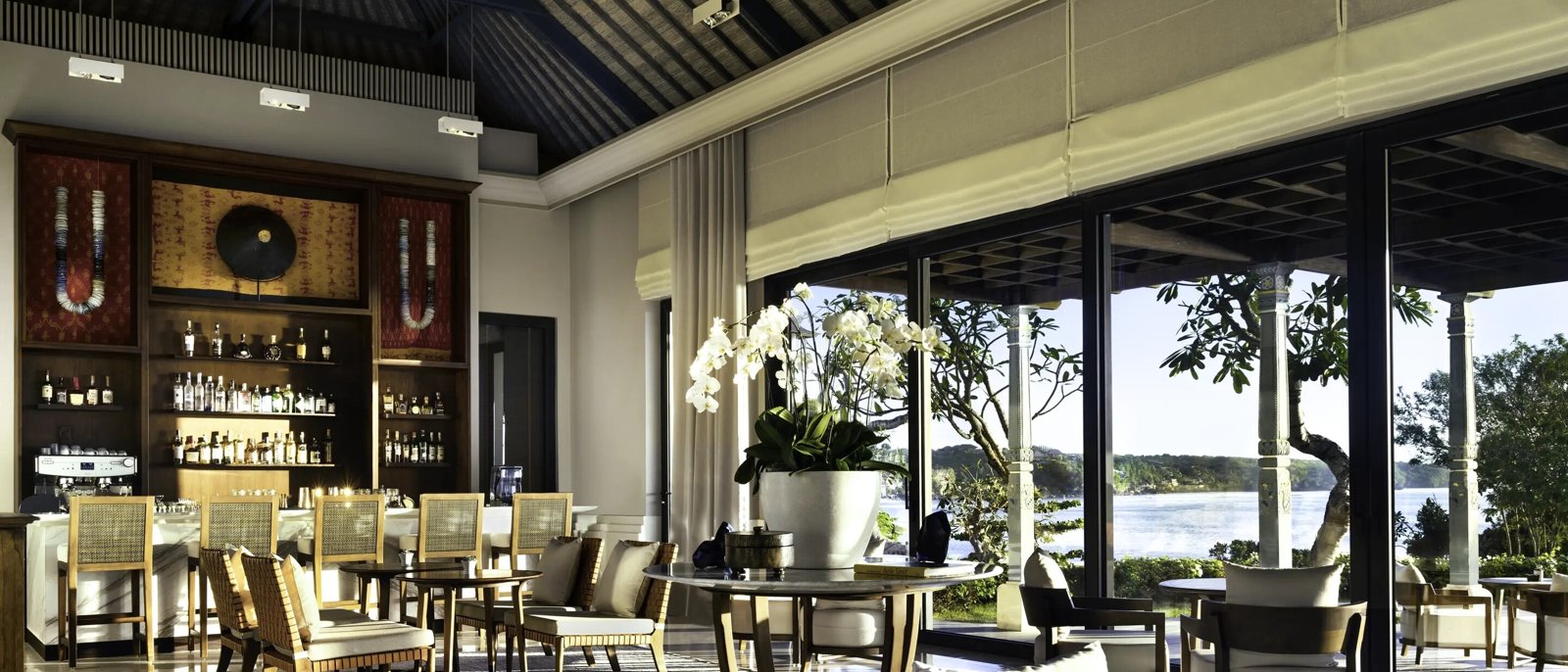
Serene and luxurious atmosphere with lush tropical gardens, ocean views, and Balinese elegance enhanced by warm hospitality and natural surroundings.
Tags
Vibe
Best For
Experience
Amenities
View
Accessibility
About the Stay
- Rooms
- 74
- Property Style
- Balinese Luxury Beach Resort with Private Villas and Lush Gardens
- Design Style
- Traditional Balinese with Elegant Marble Bathrooms and Tropical Decor
Know before you go
Know Before You Go
- Getting there
- Seminyak Beach, Jalan Kayu Aya, P.O.Box 3351
Planning details
Location
Seminyak Beach, Jalan Kayu Aya, P.O.Box 3351 · Directions
Recognition and awards

Also consider
Where to look if this is not the right fit
Choose Hotel Indigo Bali Seminyak Beach if the stay should feel more contemporary and design-led. Choose Grand Seminyak – Lifestyle Boutique Bali Resort if a boutique-lifestyle mood matters more than a classic resort feel.
Hotel context
How It Compares
The Oberoi Beach Resort, Bali is the safer special-occasion pick if the priority is a composed beachfront setting in Seminyak. Grand Seminyak – Lifestyle Boutique Bali Resort is the better cross-shop for travelers who want a lifestyle-boutique mood, while Hotel Indigo Bali Seminyak Beach suits guests who prefer a more contemporary hotel feel and a less classic resort tone.
Against Seminyak Bali Resort, the decision comes down to experience quality rather than just location: choose The Oberoi Beach Resort, Bali when a polished, quieter resort stay matters more than chasing the broadest value spread. Bliss Sanctuary for Women Villa Peace is the more specific alternative for wellness-led or women-focused villa travel, not a like-for-like beach-resort swap.
o is too thinly defined as a peer to beat the main Seminyak options on decision confidence. If booking ease is the deciding factor, compare live availability across these hotels, but for a celebration stay the safer shortlist is The Oberoi Beach Resort, Bali, Hotel Indigo Bali Seminyak Beach, and Grand Seminyak – Lifestyle Boutique Bali Resort.
Explore Bali
Around this place
Discover more on Pearl
Unlock the full The Oberoi Beach Resort, Bali guide in Pearl, including awards, comparisons, FAQs, planning details, and nearby places.
Compare The Oberoi Beach Resort, Bali
| Venue | Location | Awards |
|---|---|---|
| The Oberoi Beach Resort, Bali | Bali | 2026 Virtuoso Luxury Hotel Collection |
| Grand Seminyak – Lifestyle Boutique Bali Resort | Bali | No published awards |
| Seminyak Bali Resort | Badung | No published awards |
| o | Badung | No published awards |
| Hotel Indigo Bali Seminyak Beach | Bali | No published awards |
| Bliss Sanctuary for Women Villa Peace | Seminyak | No published awards |
How The Oberoi Beach Resort, Bali compares with similar nearby venues.
FAQ
Frequently Asked Questions
Is The Oberoi Beach Resort, Bali good for business travel?
It may work for some business trips, but meeting facilities, work amenities, or corporate services are not listed. Business travelers should confirm current facilities and booking terms directly before choosing it.
Is The Oberoi Beach Resort, Bali family-friendly?
Family-specific services, bedding options, kids' facilities, or activity programs are not listed. Families should check current room layouts, policies, and services before booking.
How is the location of The Oberoi Beach Resort, Bali?
The location is Bali. Specific street, neighborhood, beach, or landmark claims should be confirmed directly with the hotel or booking provider.
How does The Oberoi Beach Resort, Bali compare to other hotels?
It can be compared with Grand Seminyak – Lifestyle Boutique Bali Resort, Hotel Indigo Bali Seminyak Beach, Seminyak Bali Resort, and Bliss Sanctuary for Women Villa Peace. The Oberoi Beach Resort, Bali is distinguished by its Virtuoso Luxury Hotel Partner (2026) recognition and smart casual dress code.
Which room category is best at The Oberoi Beach Resort, Bali?
Room categories or views are not listed. Choose based on current room descriptions, privacy needs, bedding requirements, and booking terms.
Do loyalty programs work at The Oberoi Beach Resort, Bali?
The hotel is a Virtuoso Luxury Hotel Partner (2026). Any specific partner benefits, inclusions, or eligibility rules should be confirmed through the relevant booking channel before reserving.