La Valise Bacalar will debut on December 15, 2026 on the shores of Laguna Bacalar in Mexico's southeast with 22 treehouse suites and villas designed by Frida Escobedo. The property has limited inventory, a setting of 36 hectares of protected jungle, and will reopen under Namron Hospitality's La Valise brand (Hoteldesigns1).
Why La Valise Bacalar Belongs on Your 2026 Shortlist
La Valise Bacalar is Namron Hospitality's La Valise brand in a lagoon, forest, and small-key-count setting. The brand already has properties in Mexico City, Tulum, San Miguel de Allende, Mazunte, and Los Cabos, but Bacalar gives the collection a 22-key treehouse retreat on the Lagoon of Seven Colours rather than another urban residence or coastal hideaway.
There are 22 suites and villas. If the opening lands cleanly in December 2026, the first season will suit travelers who book early, care about design authorship, and would rather spend the trip inside one tightly edited property than move around town for every meal and treatment.
La Valise Mexico City has 8 suites in a restored townhouse in Roma Norte, while Bacalar is a slower stay with water access and a protected jungle setting. Compared with La Valise Tulum, which has 22 oceanfront and jungle-submerged suites, Bacalar trades beachfront positioning for a lagoon deck, treehouse structures, and a quieter nature-led format (Hoteldesigns1).
Frida Escobedo's Treehouses Are the Main Draw
Frida Escobedo designed La Valise Bacalar. Escobedo is the Mexican architect who became the youngest architect to design London's Serpentine Pavilion in 2018 (Hoteldesigns1).
The suites and villas sit on stilts above the forest floor, a design choice tied to the land beneath them. The structure protects the soil and surrounding root systems while giving the stay its treehouse format. La Valise Bacalar emphasizes room-scale architecture rather than a conventional suite in Los Cabos.
The wooden screens are made from reclaimed chicozapote, an evergreen tree native to Mexico, and regional hardwoods. Those screens filter natural light, frame birdsong, and allow natural ventilation through the interiors. The stay centers on the structure, the shade, the airflow, the forest position, and the bed.
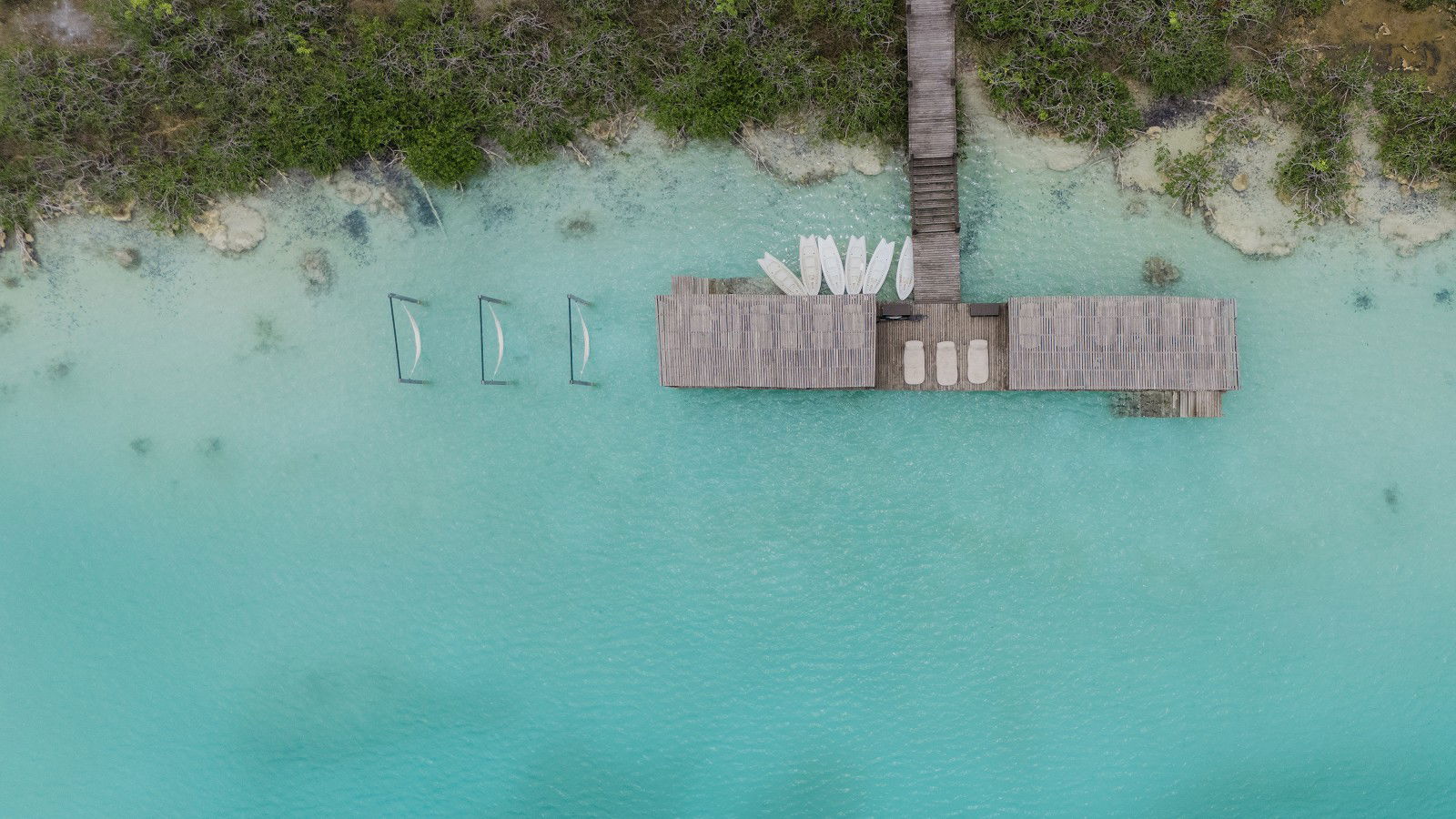
Guest movement runs across three levels: the high jungle canopy, the forest floor, and a private wooden deck resting directly on the lagoon. That layout moves guests from the trees through the forest to the water. The hotel is not clustered around one pool terrace. At Bacalar, the paths are part of the stay (Hoteldesigns1).
The Lagoon Setting Is the Point
Laguna Bacalar, known as the Lagoon of Seven Colours, gives La Valise Bacalar its reason to exist. The property sits on the lagoon's shore in Mexico's southeast, surrounded by 36 hectares of protected jungle linking two nature reserves. More than 90 percent of that land remains untouched, which gives the hotel a rare buffer for a 22-key property.
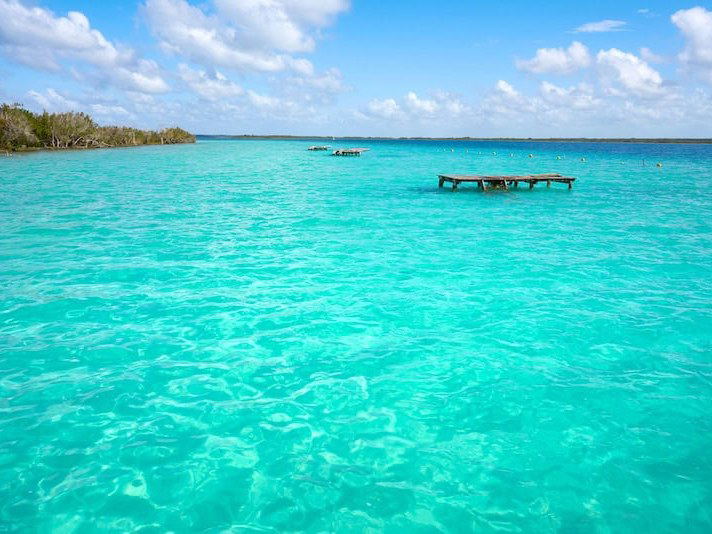
The property is a 22-key hotel on 36 hectares spread across a large natural setting: fewer rooms spread across a large natural setting, with the lagoon and jungle doing the work that a bigger resort would try to cover with multiple pools, retail, and a louder public-area program. The value here is space, not spectacle.
Bacalar differs from Tulum and Los Cabos. Tulum has the beach and La Valise's existing 22 oceanfront and jungle-submerged suites. Los Cabos has 9 handcrafted suites along the Sea of Cortez within the same brand family. La Valise Bacalar has freshwater lagoon access, jungle pathways, and Escobedo's treehouse structures in one small property.
The lagoon deck is a key area in the property's opening plan. Namron plans light-touch changes to the wellness areas, rooftop, cenote-style pool, and lagoon deck later this year. Those are the pieces that will determine how much time guests spend outside their rooms and whether Bacalar becomes a two-night design stop or a longer stay built around water, wellness, and slow mornings.
Food and Wellness Need to Carry the Stay
La Valise Bacalar will need strong food and wellness because the 22-key format asks guests to stay close to the property. Dining will follow a jungle-to-table approach across three open-air venues, with contemporary Mexican cooking, Yucatecan flavors, and ingredients grown in on-site regional Kanché gardens, an ancestral Mayan agricultural structure used to create raised gardens.
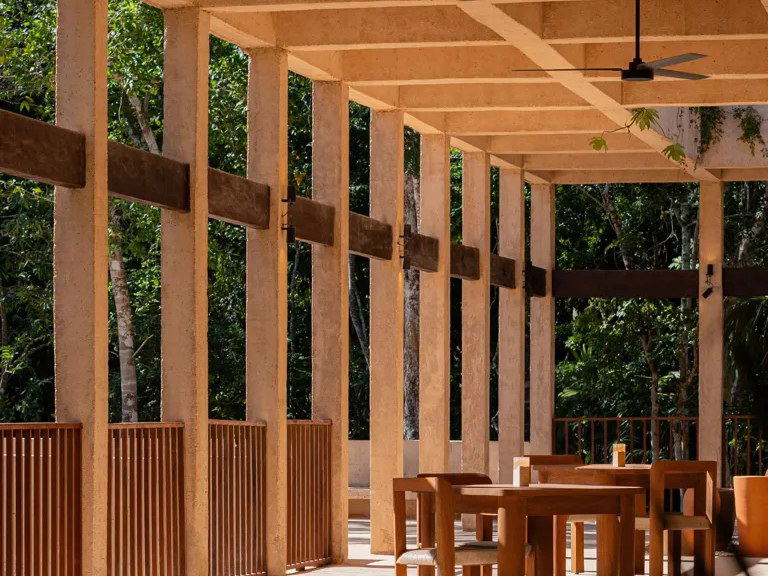
Bacalar's three open-air venues give it more range than a single dining room, while the Kanché gardens give the kitchen a specific local framework rather than a generic farm-to-table claim.
Namron Hospitality has developed and operated restaurant concepts in Mexico, including NÜ Tulum, which has appeared in the Michelin Guide for three consecutive years. That credential does not guarantee Bacalar's dining will land at the same level, but it does make the food program more than a hotel afterthought.
The property is being updated in the areas guests use between the room and the lagoon. Planned changes include the rooftop, cenote-style pool, and lagoon deck. For a hotel of this size, those spaces need to be precise: too little programming and guests may run out of reasons to stay on property; too much and the jungle starts to feel managed rather than protected.
How Bacalar Fits the La Valise Collection
La Valise began with founder and CEO Yves Naman's conversion of a townhouse in Mexico City into the original La Valise. The brand now comprises six properties across Mexico totaling 78 keys, which keeps it firmly in the small-hotel category even after Bacalar joins the collection.
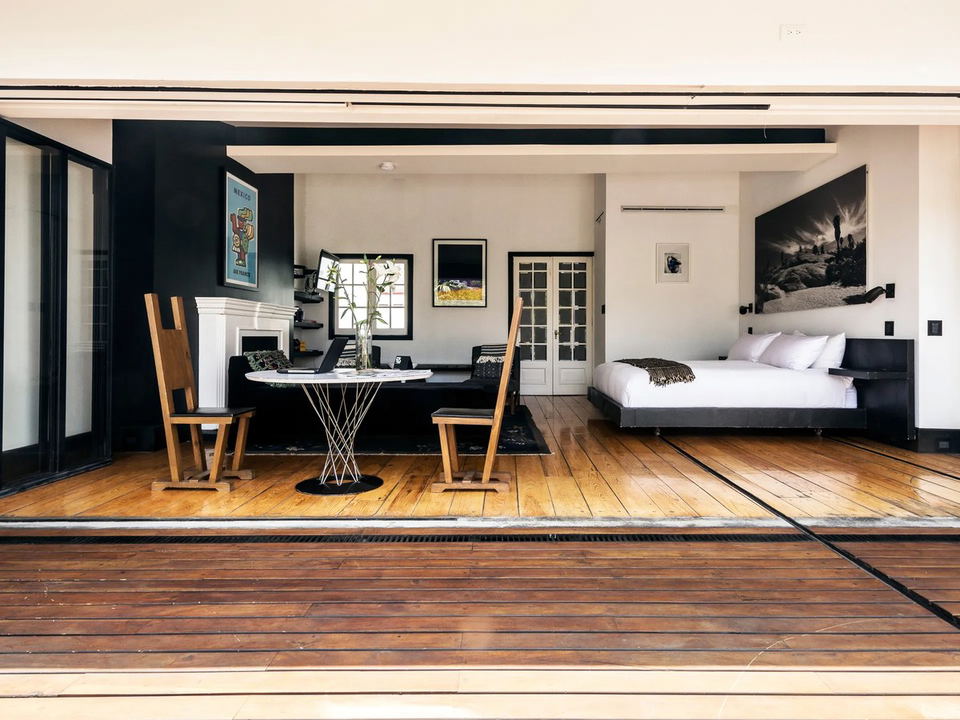
La Valise San Miguel de Allende has 6 suites in a preserved historic residence. La Valise Mazunte has 11 suites built into the Oaxacan cliffs. La Valise Los Cabos has 9 handcrafted suites along the Sea of Cortez. The pattern is site-specific lodging with very few keys.
La Valise Bacalar fits that pattern, but it also broadens it. Mexico City is the urban townhouse. Tulum is the beachfront and jungle address. San Miguel de Allende is the historic-residence play. Mazunte and Los Cabos lean into cliff and sea settings. Bacalar adds a lagoon-and-jungle property with Escobedo's treehouse architecture, and that combination gives Namron a stronger answer for travelers who want nature without a big resort format.
La Valise Mexico City is an 8-suite city base. La Valise Tulum is the ocean and the brand's existing 22-suite beach format. La Valise Bacalar is the architecture on stilts, the Lagoon of Seven Colours, and a 36-hectare protected-jungle setting.
Booking Timeline and Who Should Track It
La Valise Bacalar is a December 15, 2026 opening, with rates, room categories, and the reservation path still to come into view. The key practical fact already matters: 22 suites and villas is a small pool of inventory for a design-led Mexico opening attached to a known boutique brand.
This is most likely to suit couples, design travelers, and Mexico repeat visitors who have already done the familiar coastal circuit and want a slower lagoon stay. The entire property has fewer keys than a single floor of many luxury resorts, which makes it less obvious for large groups. The final room mix remains a factor for families.
This is a treehouse retreat in protected jungle on a lagoon, not a city hotel with everything outside the door. The payoff should be direct access to water, forest, open-air dining, and architecture by Frida Escobedo. The tradeoff is that the property itself has to supply most of the stay.
La Valise Bacalar is worth tracking because it gives Mexico's luxury hotel circuit a rare combination: 22 keys, a Frida Escobedo design, 36 hectares of protected jungle, and a December 2026 opening on Laguna Bacalar. Namron's handling of the wellness areas, rooftop, cenote-style pool, lagoon deck, and first season of dining will determine whether this becomes a design stop or a full-stay reason to reroute your next Mexico trip.