


La Valise Mexico City
Roma Norte, Mexico City
Hotel in Mexico City, Mexico
 Book with Pearl
The Read
Designer-Suite Concept Store
Why go
La Valise Mexico City is a strong boutique pick for a special-occasion stay in Roma Norte, especially if the room and neighborhood matter more than large-hotel amenities. The Michelin 1 Key and Small Luxury Hotels of the World membership add credible luxury signals, but travelers who need loyalty points, meeting space, or restaurant-led hotel planning should compare nearby boutique peers first.
About La Valise Mexico City
La Valise Mexico City is a Mexico City hotel with recognition points for travelers to consider: a Michelin 1 Key in 2025 and membership in Small Luxury Hotels of the World in 2025. The dress code is smart casual. Beyond those confirmed details, the safest way to evaluate the stay is to focus on whether the hotel itself fits your trip rather than relying on claims about on-property dining, room formats, amenities, or neighborhood specifics. If dinner planning is a major part of the visit, use Our full Mexico City restaurants guide for separate dining decisions.
The confirmed positioning is clearest for travelers who value a recognized hotel stay in Mexico City and are comparing it with other city options. Natural comparisons include Nima Local House hotel, Casa Goliana, Brick Hotel, Hotel Parian, and Hotel Casa Awolly. Because the record here is limited, avoid choosing on the basis of unsupported details such as exact room count, service style, restaurant format, or special amenities unless you confirm them directly with the hotel.
Book for the confirmed hotel credentials, not for extras
For a trip where confirmed hotel recognition matters, La Valise Mexico City makes sense to consider when a Michelin 1 Key and Small Luxury Hotels of the World membership are meaningful signals in your hotel search. Those credentials can help frame the property in your shortlist, but they do not verify every practical detail a traveler may care about. Before booking, confirm the current room options, arrival details, dining arrangements, and any service needs directly with the hotel.
Mexico City also gives travelers many ways to plan meals outside the hotel. That can be useful if you want the stay and the dining itinerary to be separate decisions. For a tighter hotel shortlist, scan Our full Mexico City hotels guide and compare La Valise Mexico City with other options in the city.
The smart booking case
Book La Valise Mexico City when its confirmed recognition matters to the trip and when you are comfortable verifying practical details before committing. It is worth comparing against Hotel Parian and Hotel Casa Awolly if you are building a Mexico City shortlist, and against Brick Hotel, Casa Goliana, or Nima Local House hotel if you want other named alternatives to weigh. The short version: choose it for a recognized Mexico City hotel stay, and cross-shop if you need confirmed details on specific services, room setup, or hotel infrastructure before booking.
Planning details
- Location
- Tonalá 53, Roma Nte., Cuauhtémoc, 06700 Ciudad de México, CDMX
- Website
- lavalisecdmx.com
- Phone
- +1 386-301-4831
The take
The Take
The Vibe
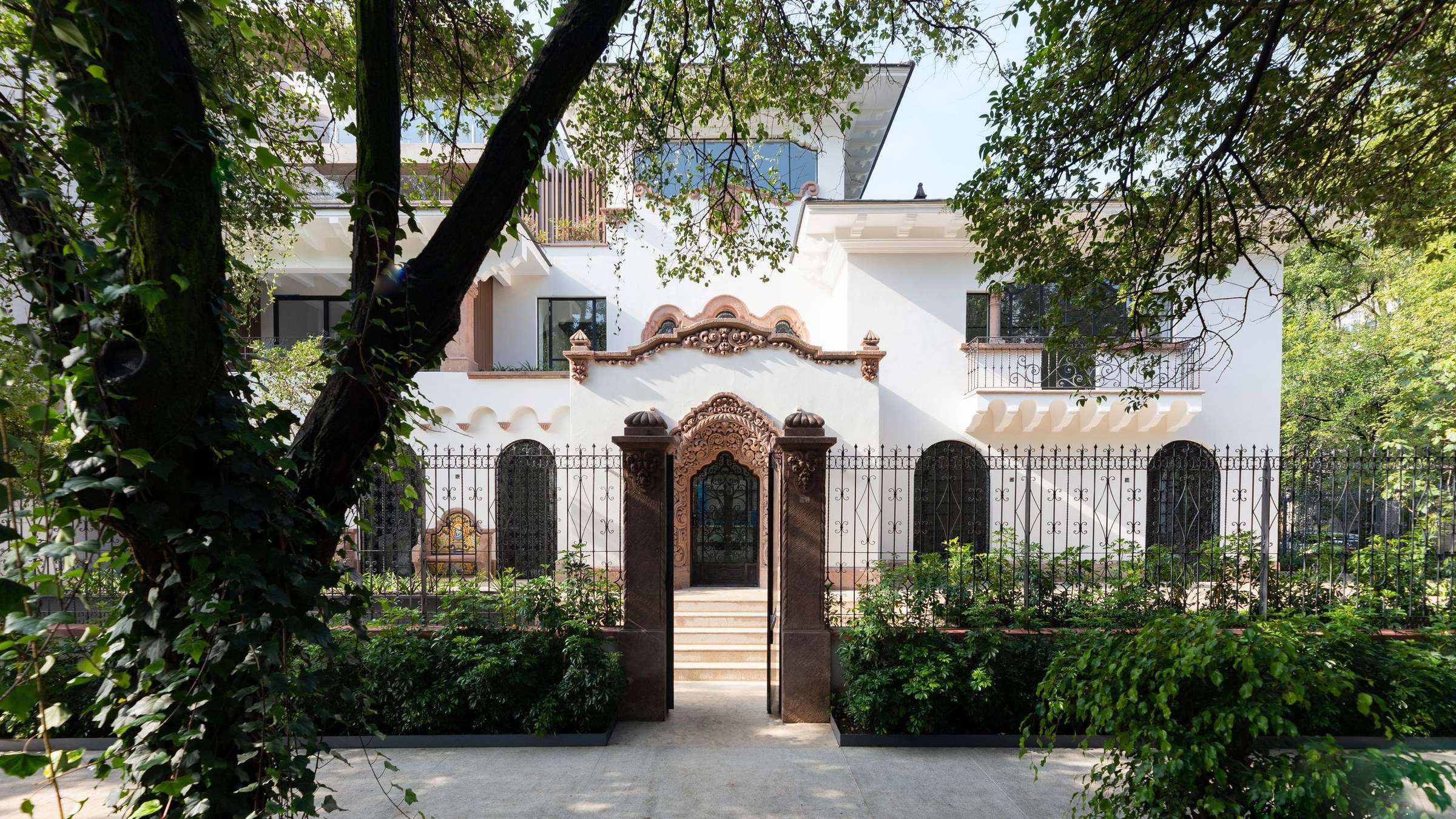
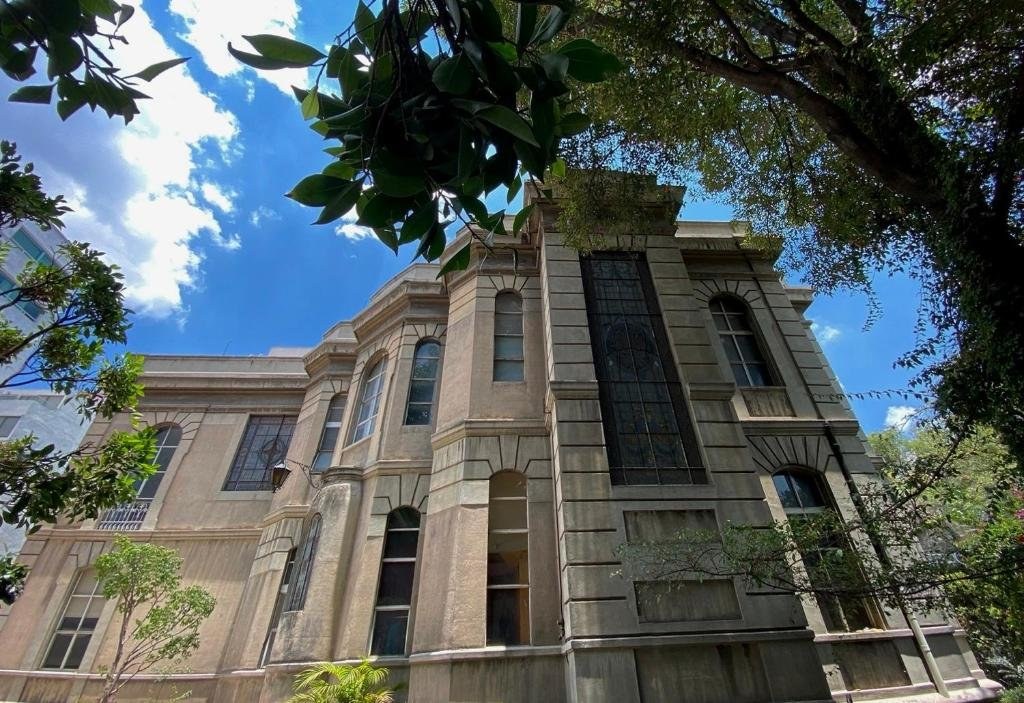
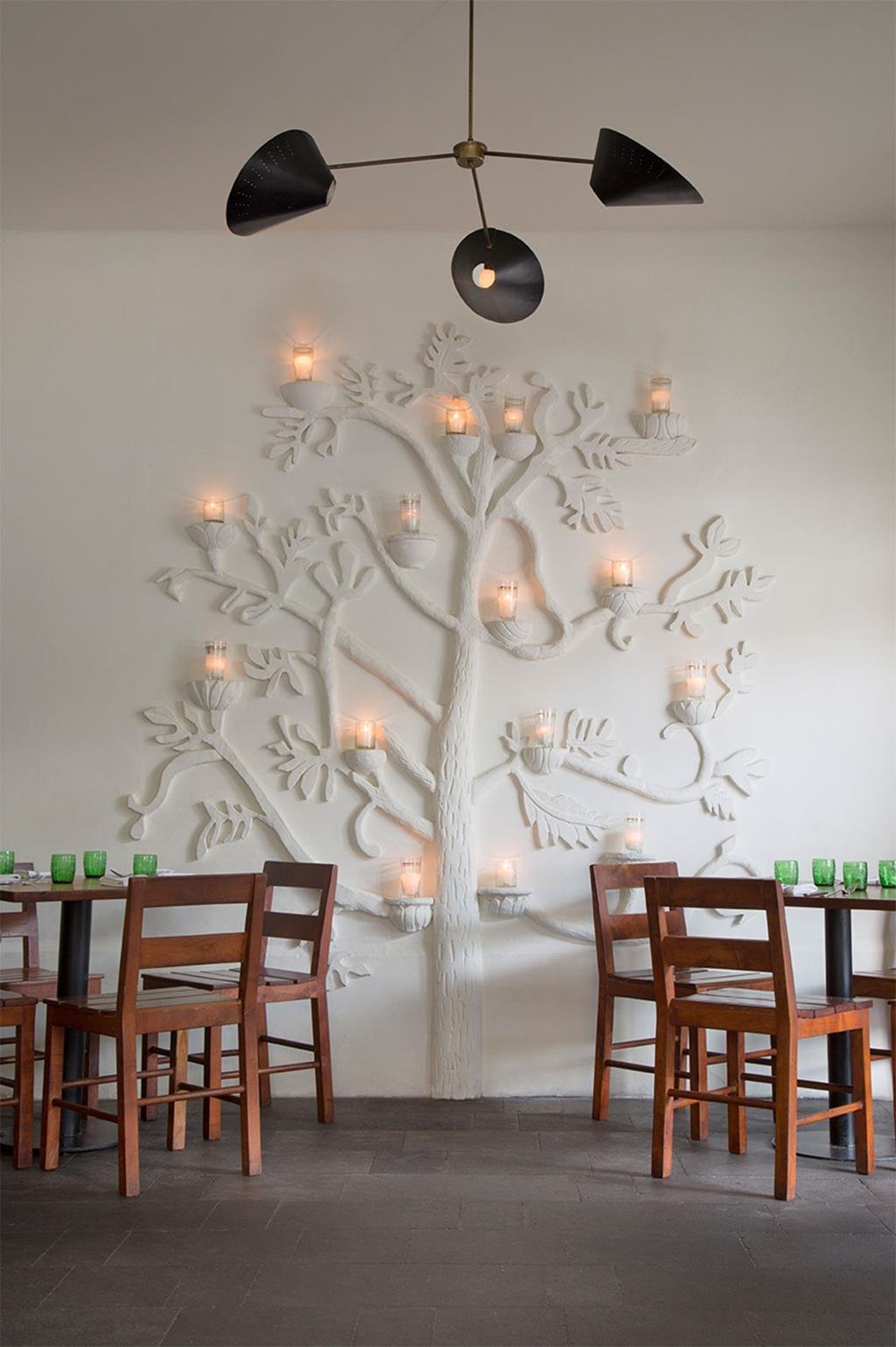
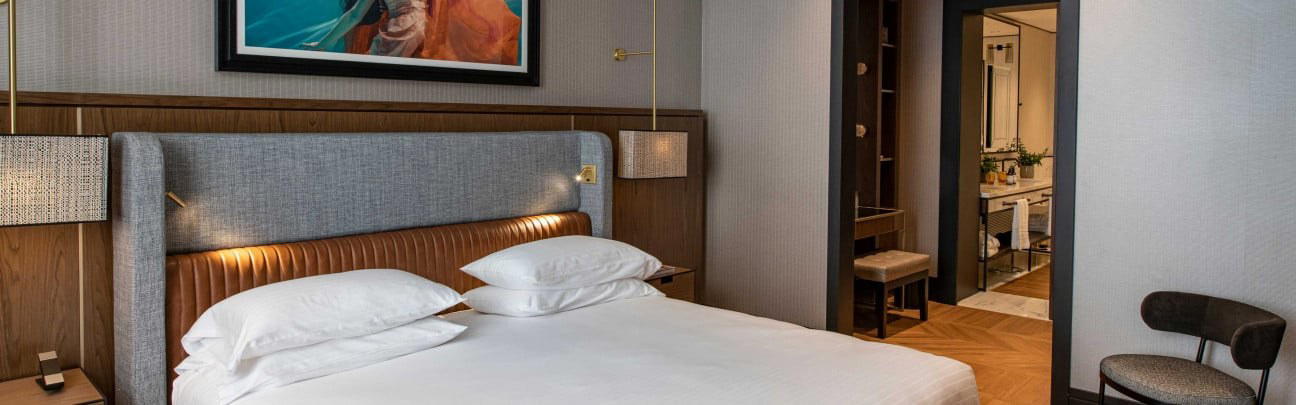
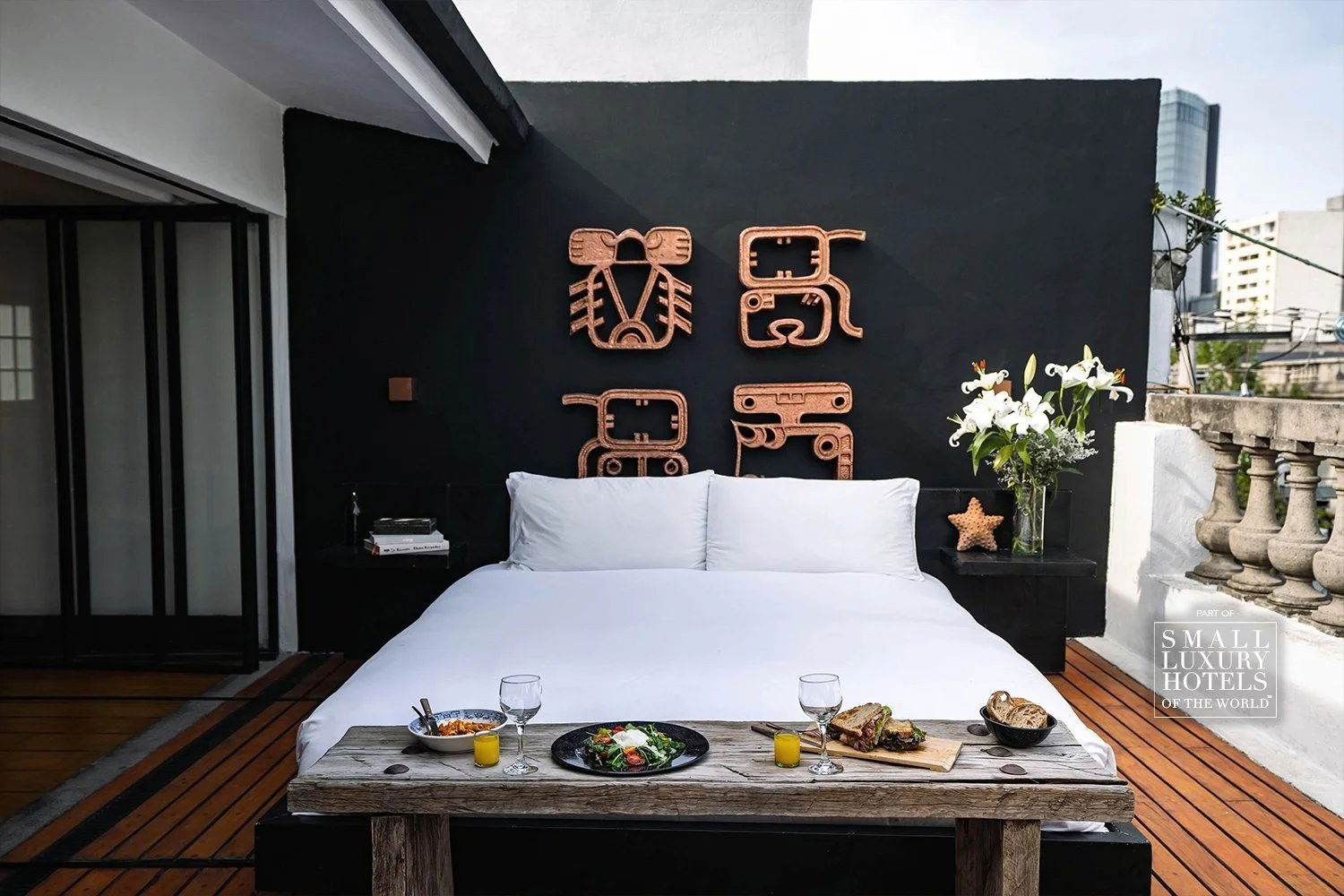
La Valise is a compact, design-forward hotel that inhabits a 1920s Roma Norte townhouse, and the building’s period bones shape the entire stay. Thick walls, high ceilings and residential proportions give rooms a measured, classic feeling, while the small size and ground-floor concept store lend a quietly charming, boutique sensibility. The hotel deliberately rejects full-service, tower-style programming in favor of an intimate, neighbourhood-rooted approach: with only eight suites and no conventional lobby or restaurant, the property reads like a thoughtfully curated private residence rather than a hotel chain outpost.
Best For
This property is best for travelers who want to live inside Roma Norte rather than above it: people who prioritize neighbourhood immersion, architecture and room-by-room design over on-site amenities. It suits design-minded couples and solo explorers who value the quiet of a residential street and prefer to use the city as their restaurant and bar program. La Valise is not a full-service option; instead it offers a quietly bespoke base for exploring Mexico City’s celebrated local dining and cultural scene from a compact, historically rooted address.
Stay Tips
Expect a pared-back, suite-centered experience: the hotel operates eight suites and intentionally forgoes a full lobby and an on-site restaurant. Plan to eat and drink in Roma Norte—one of the city’s most talked-about neighbourhoods—rather than relying on hotel dining. Take time to explore the ground-floor concept store for Mexico-made objects and treat each suite as the primary locus of the stay; individual room design carries the weight of the guest experience here, so choose a room that aligns with your preferences and the kind of residential scale you want for your visit.
Venue details
Ambiance
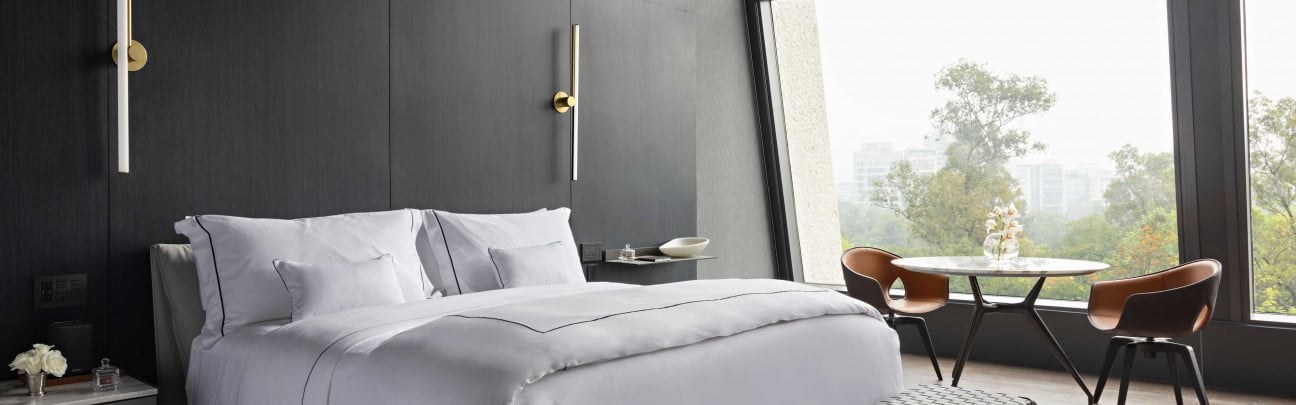
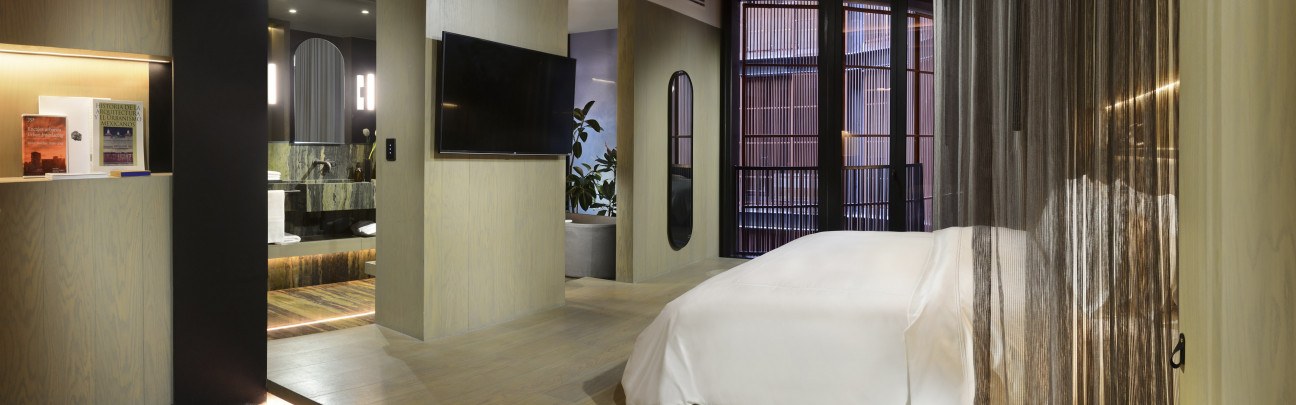
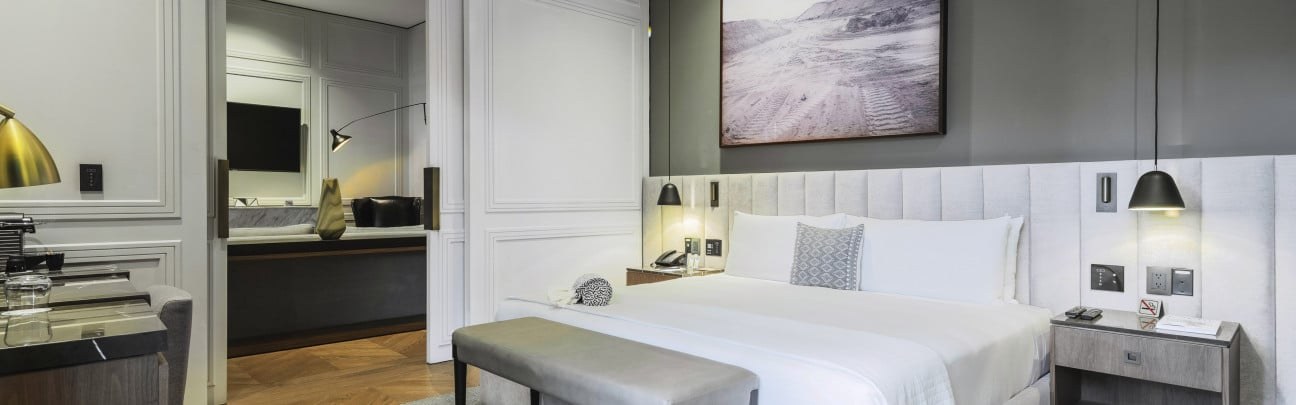
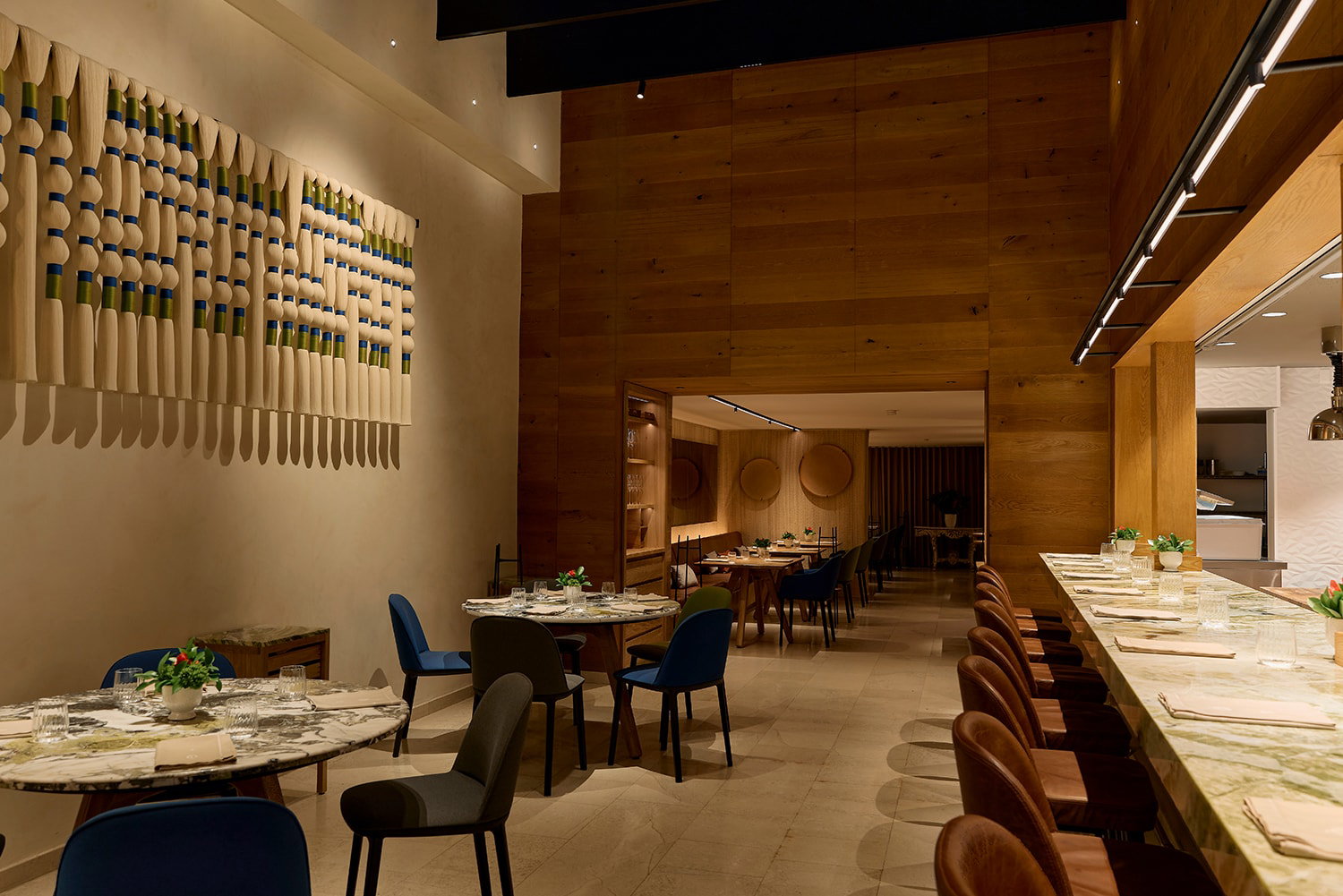
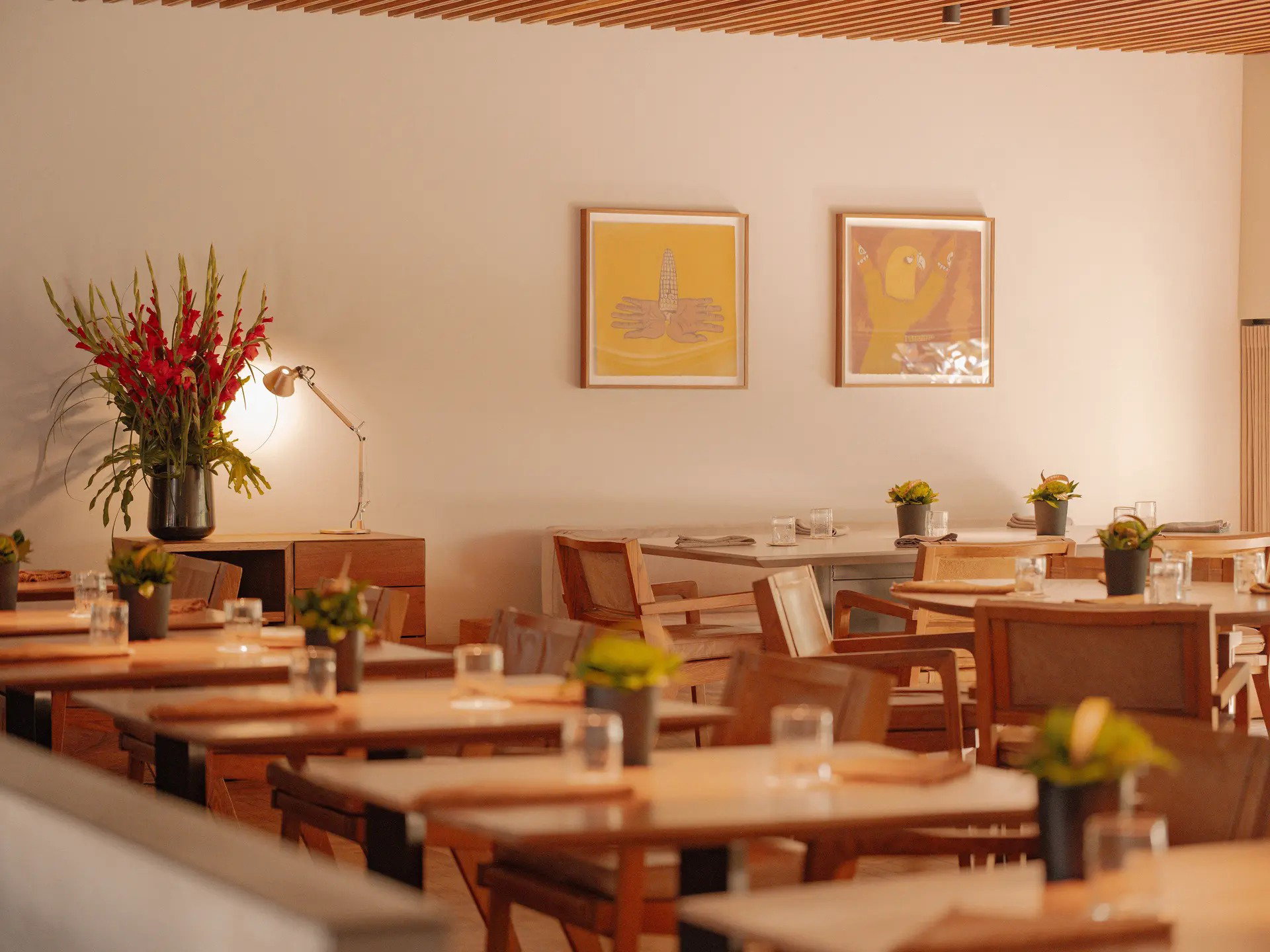
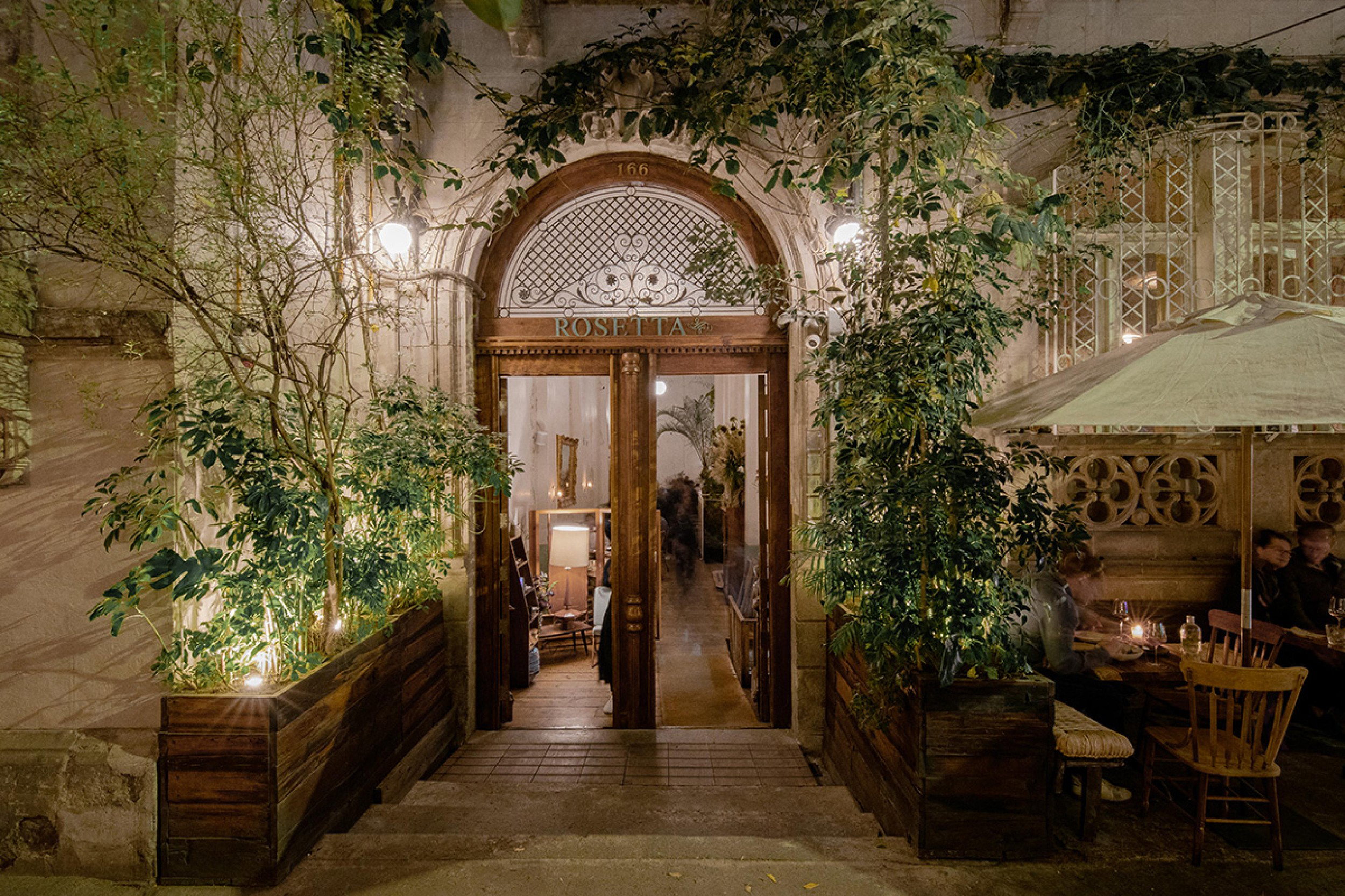
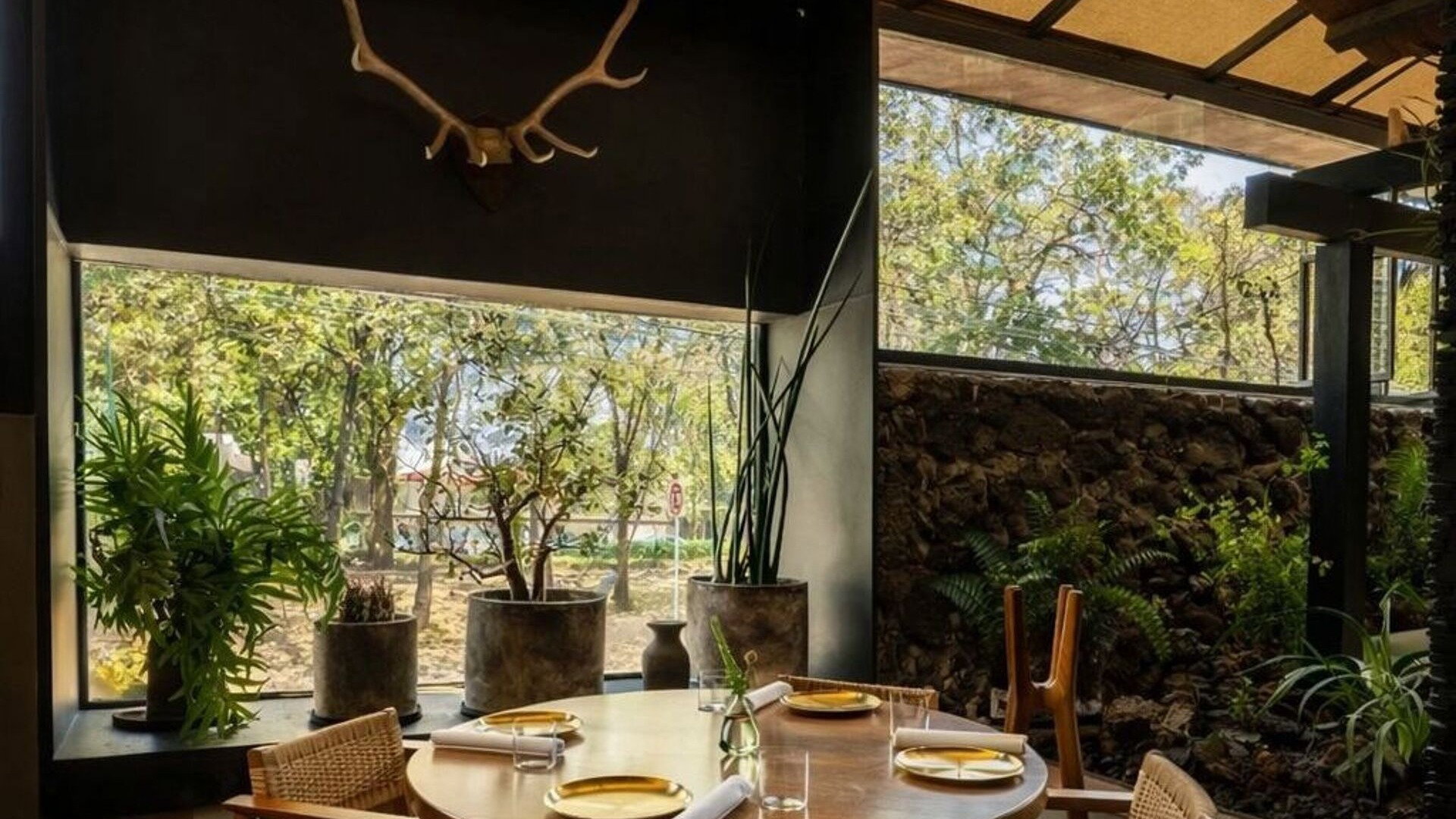
Intimate and refined with soft, curated lighting throughout the property; feels like a private residence with high ceilings, ornate moldings, and carefully layered natural textures creating a quietly glamorous atmosphere.
Tags
Vibe
Best For
Experience
Amenities
View
About the Stay
- Rooms
- 8
- Property Style
- Artfully Curated Luxury Boutique Hotel Blending 1920s French Architecture with Contemporary Mexican Design and Regional Artisanal Craftsmanship.
- Design Style
- Eclectic Bohemian Modern with Rich Natural Textures, Vintage Furnishings, Original Artwork, Mexican Antiques, and Sustainably Sourced Materials Throughout.
Know before you go
Know Before You Go
- Getting there
- Tonalá 53, Roma Nte., Cuauhtémoc, 06700 Ciudad de México, CDMX
Planning details
Location
Tonalá 53, Roma Nte., Cuauhtémoc, 06700 Ciudad de México, CDMX · Directions
Recognition and awards


Also consider
Also Consider
- Nima Local House hotel, Notable alternative
- Hotel Parian, Notable alternative
- Brick Hotel, Notable alternative
- Casa Goliana, Notable alternative
- Hotel Casa Awolly, Notable alternative
Hotel context
How It Compares
Choose La Valise Mexico City over Nima Local House hotel if the stay is the occasion and booking difficulty is part of the trade-off. Nima is the more obvious cross-shop for travelers who want a similarly intimate Mexico City base, while La Valise has the stronger luxury signal thanks to its Michelin 1 Key and Small Luxury Hotels of the World membership.
Brick Hotel is the safer choice for travelers who want a more conventional boutique-hotel feel with broader hospitality infrastructure. Hotel Parian and Hotel Casa Awolly are better cross-shops when value and easier planning matter more than a splurge stay.
Casa Goliana is the closest practical alternative for travelers who want Roma Norte character without pushing as hard into special-occasion territory. For a romantic trip, La Valise is the sharper pick; for a lower-pressure stay with a similar neighborhood brief, start with Casa Goliana or Nima.
Explore Mexico City
Around this place
Discover more on Pearl
Unlock the full La Valise Mexico City guide in Pearl, including awards, comparisons, FAQs, planning details, and nearby places.
Compare La Valise Mexico City
| Venue | Location | Awards |
|---|---|---|
| La Valise Mexico City | Mexico City | 2026 Vogue Best Hotels in Mexico City2026 Michelin 1 KeyMichelin 1 Key 20252025 Michelin 1 KeySmall Luxury Hotels Member 2025 |
| Nima Local House hotel | Mexico City | 2026 Mr & Mrs Smith Luxury Hotels2026 Michelin 1 Key2025 Michelin 1 Key |
| Hotel Parian | Mexico City | No published awards |
| Brick Hotel | Mexico City | 2026 Mr & Mrs Smith Luxury Hotels2026 Michelin 1 Key2025 Michelin 1 KeySmall Luxury Hotels Member 2025 |
| Casa Goliana | Mexico City | No published awards |
| Hotel Casa Awolly | Mexico City | No published awards |

How La Valise Mexico City compares with similar nearby venues.
FAQ
Frequently Asked Questions
How is the location of La Valise Mexico City?
La Valise Mexico City is in Mexico City. The information here does not support a more specific public location description, so confirm the exact address and arrival details directly with the hotel before travel. If you are comparing Mexico City stays, Brick Hotel is another option to consider.
What is check-in like at La Valise Mexico City?
The hotel does have a Michelin 1 Key and is a Small Luxury Hotels of the World member, but travelers should confirm arrival timing, luggage handling, and any special requests directly with the property. Hotel Parian is a useful comparison if you are weighing other Mexico City options.
Is La Valise Mexico City good for business travel?
If those details matter, check with the hotel before booking and compare with Nima Local House hotel or Brick Hotel as part of a broader Mexico City shortlist.
Do loyalty programs work at La Valise Mexico City?
La Valise Mexico City is as a Small Luxury Hotels of the World member in 2025. Specific loyalty benefits, earning rules, or booking-channel advantages are not here, so confirm current program details before reserving. Casa Goliana is another Mexico City comparison if you are choosing based on overall hotel fit.
How does La Valise Mexico City compare to other hotels?
La Valise Mexico City stands out on the record for its Michelin 1 Key and Small Luxury Hotels of the World membership. Brick Hotel, Hotel Casa Awolly, Nima Local House hotel, Casa Goliana, and Hotel Parian are useful names to compare when building a Mexico City hotel shortlist.
Which room category is best at La Valise Mexico City?
The information provided here does not include room-category details. The safest advice is to choose only after reviewing the hotel's current room descriptions and confirming any needs around space, privacy, accessibility, or bedding directly with the property. Hotel Parian may also be worth comparing if you want another Mexico City option.