Janu Tokyo ’s Chaji Experience is a hotel-guest-only tea ceremony in Azabudai Hills that starts at Iikura and moves to Ohashi Saryo for nicotine-free chakou. Worth booking if you are staying at Janu Tokyo on or after August 1, 2026 and want cultural access attached to dinner, not a public tea-house appointment. It is priced at ¥80,000 inclusive of tax and service for two guests, and is bookable only through Janu Tokyo Concierge (Tokyoweekender1).
This matters because Janu Tokyo, the first hotel under Aman’s sibling brand Janu, has chosen a tighter format than the usual hotel cultural add-on: a five-course gozen meal, a short walk to a Tangible Cultural Property, a tea-smoking session using Japanese green tea leaves, then matcha and seasonal wagashi. If you are already paying for a stay in Azabudai Hills, this is the programming to ask about before you fill the night with another sushi counter (Tokyoweekender1).
What Makes the Janu Tokyo Tea Ceremony Different
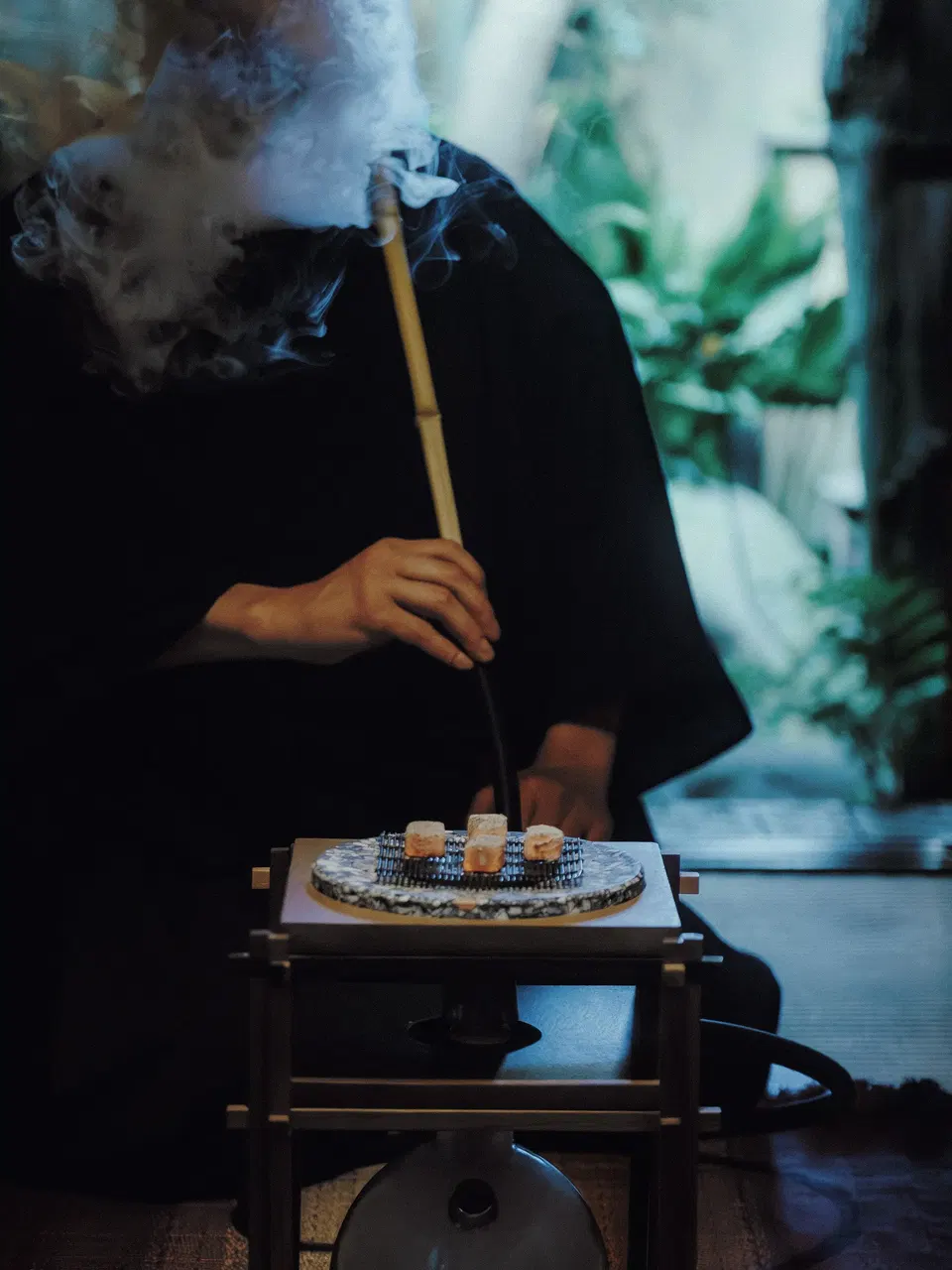
The Janu Tokyo tea ceremony is not built around a conventional matcha-only format. The hook is saen, a tea smoke session using chakou, or tea incense. Chakou is nicotine-free and uses a water pipe to heat pure Japanese green tea leaves over charcoal. Guests inhale the vapor through bespoke bamboo apparatuses.
That format gives you the decision point. Book it if you want a contemporary hotel-led interpretation of chaji, with food, access, and ritual handled as one evening. Skip it if you want a classic public tea ceremony with fewer moving parts, a lower price, and no inhalation component. Compared with a standard tea-house booking, Janu’s version is less flexible and more expensive, but the Ohashi Saryo access is the reason to care.
The guest-only restriction is not a side note. Janu Tokyo introduced the Chaji Experience in August, and the published booking details say it is available only to staying guests through Janu Tokyo Concierge. That means the hotel stay is part of the cost of entry. If you are not sleeping at Janu Tokyo, this is not something to chase as a standalone Tokyo reservation.
The stronger use case is a two-person stay where you want one night to do more than dinner. At ¥80,000 for two guests, inclusive of tax and service, the experience costs less than many high-end tasting menus for two in Tokyo, but it is also not a meal-only transaction. You are paying for sequence: Iikura, Ohashi Saryo, chakou, matcha, wagashi, and the concierge-controlled access around it.
Inside Ohashi Saryo, the Rare-Access Tea House
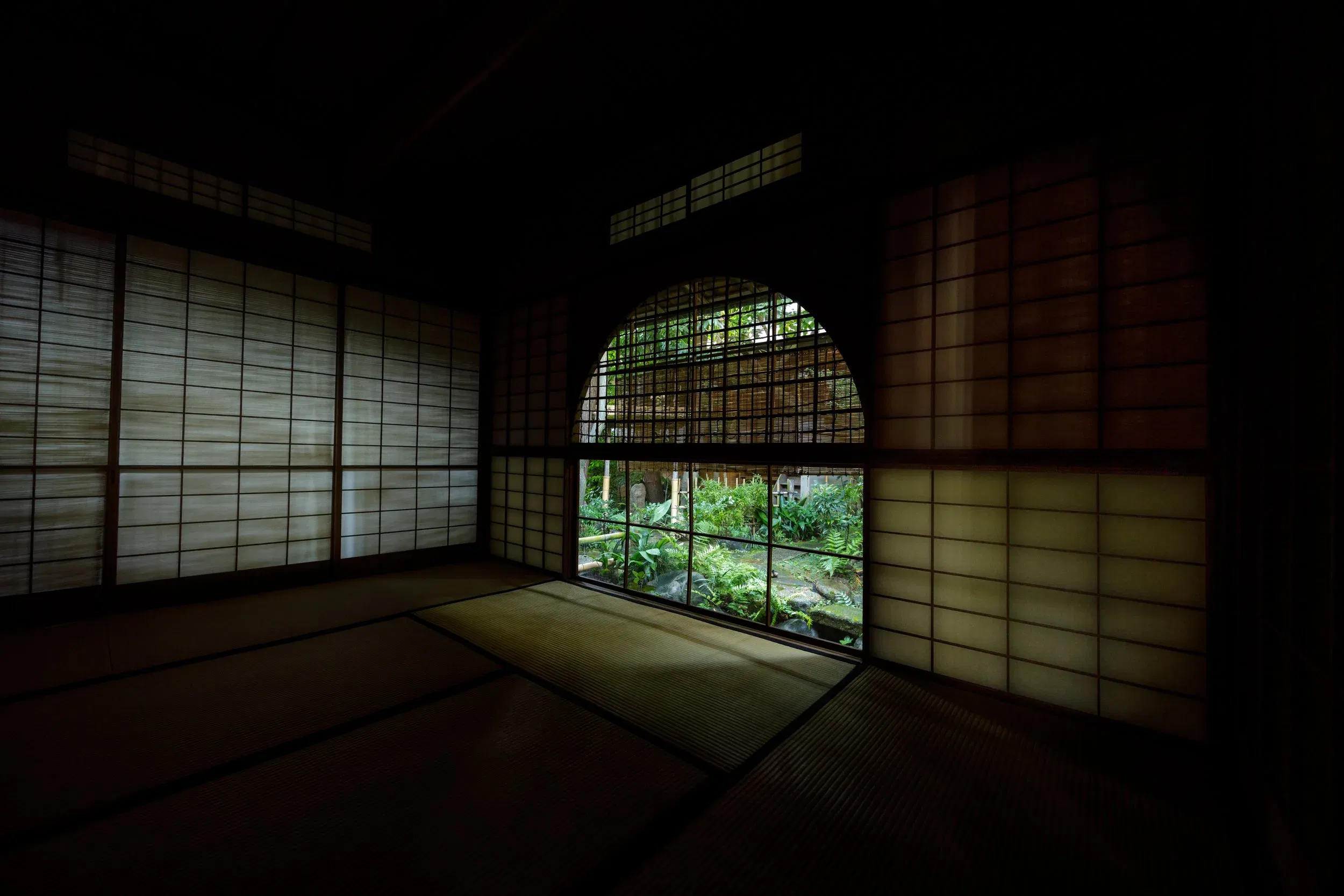
Ohashi Saryo is the part that separates this from a hotel lounge ritual. It is a Tangible Cultural Property built in 1947 by Master Carpenter Seibei Kimura, a figure associated with modern Sukiya-style architecture. Ohashi Saryo is rarely open to guests (Tokyoweekender1).
That rarity changes the value calculation. A hotel can create a nice tea room; it cannot easily create the credibility of walking from Azabudai Hills into a 1947 tea house with a formal cultural designation. If you care about place, this is the argument for booking. If you mainly want matcha and photos, the cost and guest-only hurdle will feel excessive.
The experience moves guests from Janu Tokyo to Ohashi Saryo after the meal at Iikura. There is a wooden gate, a roji garden path, and tea rooms set around a central garden. Those are not decorative footnotes. In chaji, the move from outside world to tea space is part of the structure, and Janu is using that physical transition rather than keeping the whole evening inside the hotel.
This is also where Janu’s Azabudai Hills location matters. The district gives the hotel the energy of newer Tokyo development, while Ohashi Saryo supplies the historical counterweight. That pairing is more useful to a luxury traveler than another generic wellness session inside a treatment room. You get a controlled hotel experience, but the strongest chapter happens outside the hotel.
How the Tea-Smoking Ceremony Actually Works
The saen session is curated in collaboration with Ochill, an art collective from Kyoto’s meditation room Ochiru, and directed by culture studio Mucha Kucha. Those names matter because the chakou portion is the riskiest part of the experience. Without a clear hand behind it, tea smoking could read as a gimmick. Janu has at least anchored the format to a Kyoto-based collective and a culture studio rather than presenting it as a spa novelty.
The mechanics are specific. Pure Japanese green tea leaves are heated over charcoal through a water pipe, and guests inhale the vapor through bamboo apparatuses. The scent begins with notes of young spring shoots, moves toward the roastiness of hojicha, and settles into a sweet finish in the room. If you like incense, tea, and slow rituals, that will probably be the chapter you remember. If you dislike smoke-adjacent formats, the nicotine-free detail may not be enough to change your answer.
The experience also references cha-yoi, translated as tea drunkenness, a calm floating feeling tied to the tea smoke session. Treat that as part of the ritual language, not a medical promise. The useful takeaway is simpler: Janu is designing the middle of the evening around scent, breath, and shared quiet rather than another pour of rare tea.
After chakou, the ritual returns to traditional matcha and seasonal wagashi. That ending matters because it prevents the experience from becoming only about the smoke device. For a reader who already respects chanoyu, the structure will matter: meal first, then movement to the tea house, then chakou, then matcha and sweets. Janu is not replacing the entire tea ceremony. It is inserting a contemporary inhalation ritual into the sequence.
What You Eat at Iikura Before the Ritual
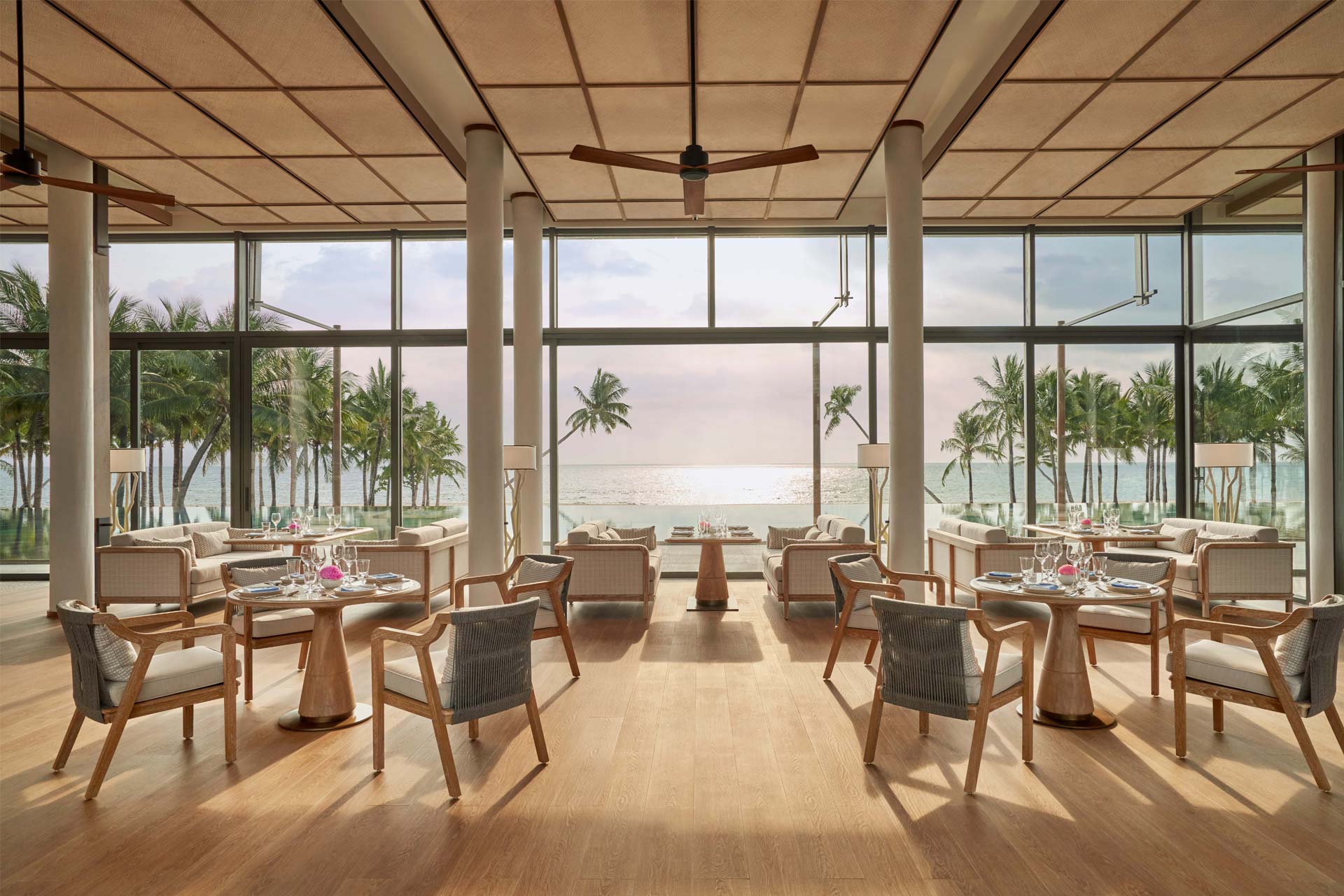
The evening begins at Iikura, Janu Tokyo’s sushi restaurant, with a seasonal gozen meal. It is a five-course meal that includes sakizuke, muko-zuke, grilled delicacies, nigiri, and tome-wan soup. The published inclusions also list a sake pairing at Iikura (Tokyoweekender1).
That is a smart start for two reasons. First, it gives the experience a proper dining spine before the cultural portion begins. Second, it keeps the evening from asking too much of the tea house itself. You are not going to Ohashi Saryo hungry and expecting a restaurant. You eat at Iikura, then shift into the slower ritual.
For guests comparing this with a regular dinner reservation, the question is whether you want Iikura as the whole night or Iikura as the first act. If your priority is sushi alone, book the restaurant separately if available and keep your evening focused. If your priority is a hotel-arranged cultural sequence, the Chaji Experience gives Iikura a defined role without turning the meal into the only reason to go.
The five-course format also makes the ¥80,000 price easier to parse. You are not paying that sum for tea smoke alone. You are paying for dinner, sake pairing, access to Ohashi Saryo, the chakou session, and the matcha ceremony. For two guests staying at Janu Tokyo, that is a cleaner proposition than adding several separate cultural bookings across the city and hoping the timing holds.
Booking Access and Pricing Details
The key booking fact is simple: staying guests only, via Janu Tokyo Concierge. Do not plan this like a public restaurant reservation. Ask the concierge before arrival, especially if the Chaji Experience is the reason you are choosing Janu Tokyo over another Tokyo hotel.
Availability runs from August 1, 2026 and the price is ¥80,000 inclusive of tax and service for two guests. They also recommend confirming lead time directly with the concierge. That last part is not boilerplate. Because Ohashi Saryo is rarely open to guests and the experience involves both Iikura and an off-hotel tea house, the logistics are more constrained than a spa appointment or bar booking.
This is best for couples or two travelers who want a structured evening and are already committed to Janu Tokyo. It is less useful for larger groups unless the concierge confirms an arrangement, and group capacity beyond the listed price for two guests has not been provided. Do not assume extra seats, private timing, or public access. Ask directly.
Do not invent a costume for it. The practical move is to dress as you would for a refined hotel restaurant and a formal cultural visit: comfortable enough for the walk, respectful enough for Iikura and Ohashi Saryo. The bamboo apparatuses, charcoal-heated tea leaves, and matcha service are the focus, not fashion theater.
Janu Tokyo’s Chaji Experience belongs on your shortlist if the hotel stay is already under consideration and you want one tightly managed evening that connects Azabudai Hills, Iikura, and Ohashi Saryo. Skip it if you are not staying at the hotel, if you want a public tea ceremony, or if the idea of inhaling tea vapor is not your format. The next thing to watch is whether Janu keeps this as a narrow guest-only ritual or uses similar collaborations to make hotel cultural programming harder to copy.