Book Four Seasons I for the chef program and the small-ship service, not for a prepaid cruise deal. The first Four Seasons yacht is a 95-suite vessel that left Athens on a 10-day Greek isles sailing with 11 dining and drinking venues. It makes sense if you want Four Seasons running a moving hotel with serious restaurant programming. Skip it if you want an all-inclusive fare or every meal priced before you board.
What Makes the Four Seasons Yacht Different From Ocean Cruising
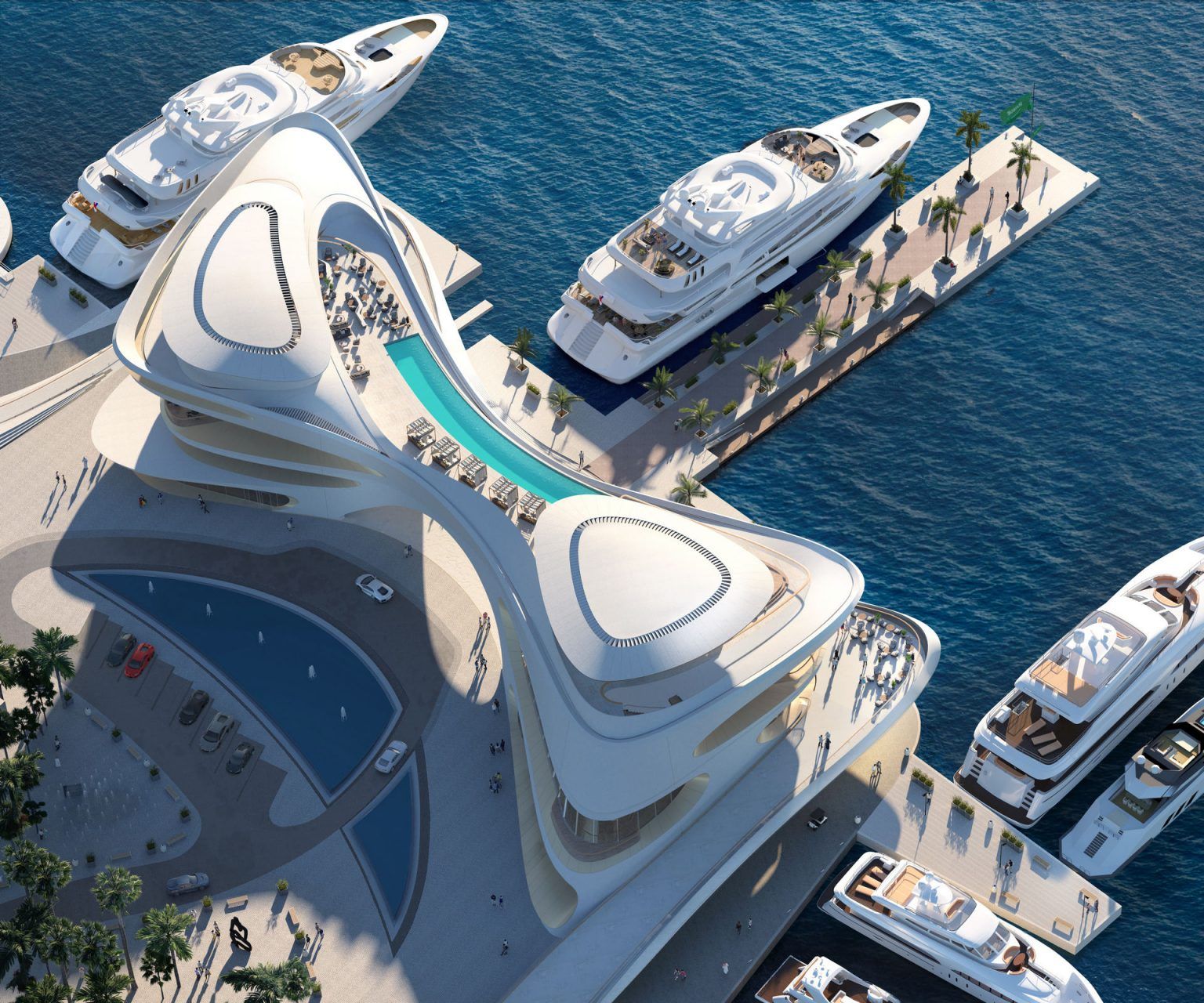
Four Seasons I is built for travelers who usually dislike cruise dining. The source reports only 95 suites and a 1:1 guest-to-staff ratio, which puts the experience closer to a small Four Seasons resort than a mass-market ship. That matters if you choose hotels for the concierge desk, the breakfast room, and the restaurant list, not for the size of the pool deck.
The useful comparison is not cruise versus hotel. It is Four Seasons I versus a high-touch resort stay where you also have to arrange boats, restaurant reservations, and private transfers yourself. Four Seasons I wins if you want Athens, the Greek isles, Spetses, Santorini, and Crete linked without rebuilding the trip every morning. A land-based Four Seasons stay still wins if you want one restaurant team, one neighborhood, and no movement between courses.
The timing makes sense. Cruise Lines International Association projects 37.5 million people will take cruises in 2025, up 7.5% from the prior year and 25% above pre-pandemic levels. Four Seasons Yachts, led by CEO Ben Trodd, is meeting that demand with a hotelier’s model: small capacity, concierge-led days ashore, and dining that changes with the route.
The catch is cost control. According to Bon Appétit, Four Seasons I is not all-inclusive: breakfast is included, but other food and beverage is paid for à la carte. That works if you already treat hotel restaurants, Champagne, and caviar as part of the trip budget. It does not work if you want the fare to settle the whole bill before you board.
Inside the Chef in Residence Program on Four Seasons I
Sedna is the dining reason to watch specific sailings, not just the ship. The fine dining restaurant hosts the Chef in Residence program, bringing rotating chefs from other Four Seasons properties on board to cook their signatures during selected voyages. If you care who is cooking, do not book Four Seasons I like a normal cruise cabin. Ask which chef is assigned before you choose dates.

During Bon Appétit’s reported sailing, Luca Piscazzi of Pelagos at Four Seasons Astir Palace in Athens led the tasting menu. Later this year, Yoric Tièche of Le Cap at the Grand-Hôtel du Cap-Ferrat and Paolo Lavezzini of Il Palagio at Four Seasons Hotel Firenze are scheduled to appear. That chef list gives Sedna a stronger booking case than a generic shipboard fine dining room. It also means one Four Seasons yacht sailing can be materially different from the next.
The Chef in Residence format is the strongest argument for food obsessives who have avoided cruises. Most ship dining is built for repetition: consistent menus, steady sourcing, predictable formats. Sedna is built around rotation. That adds risk, because a changing program depends on logistics and the chef calendar. It also adds the upside: you are not just buying a room at sea, you are buying a moving reservation platform.
Book the sailing for Sedna if you would plan a hotel stay around a chef residency on land. Skip it if you need a published menu before committing. The detail that matters is not the ship’s general dining promise. It is the name on the pass during your week.
The 11 Dining Venues: What to Expect at Miuna, Sedna, and Beyond
Miuna is the clearest scarcity signal on board: 16 seats, mostly at a Hinoki wood chef’s counter, with an omakase-style menu that changes from port to port. That is where the ship’s movement can help the meal, because the kitchen can pull the menu toward each stop instead of forcing one static sushi program across the season.
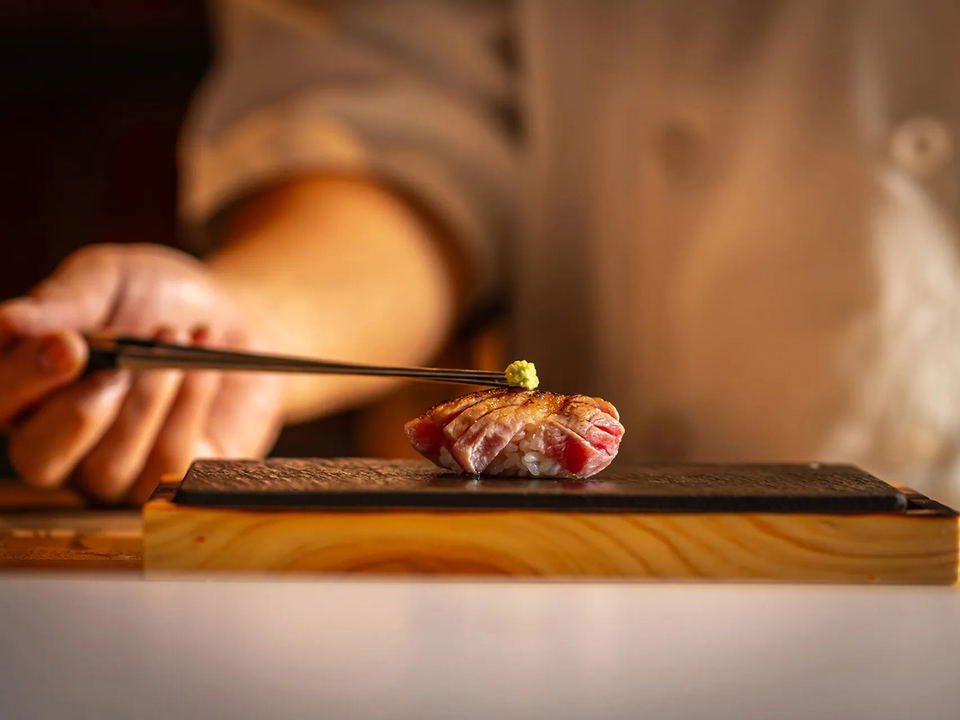
The Bon Appétit report describes oysters with brown butter soy mignonette and microgreens arriving on a graphite-colored stone at Miuna. That is the detail sushi people should notice: the venue is not a token raw bar. It is a counter-format restaurant on a yacht with only 16 seats. If omakase is your priority, ask about Miuna availability early rather than assuming you can drift in after boarding.
Sedna handles the fine dining lane, but the ship’s 11 dining and drinking establishments also cover lower-friction meals: pastry and espresso at breakfast, poolside Wagyu cheeseburgers, and cocktails made with vintage spirits, according to the source. The range matters because a 10-day sailing cannot run on tasting menus alone. You want the omakase counter, but you also want the burger after a port day.
Trodd’s best detail is operational, not decorative. “One of our bartenders even foraged wild berries on the island of Spetses, bringing them onboard to craft unique cocktails for guests,” said Ben Trodd.1 That is the difference between a hotel bar at sea and a beverage team using the route as an ingredient list.
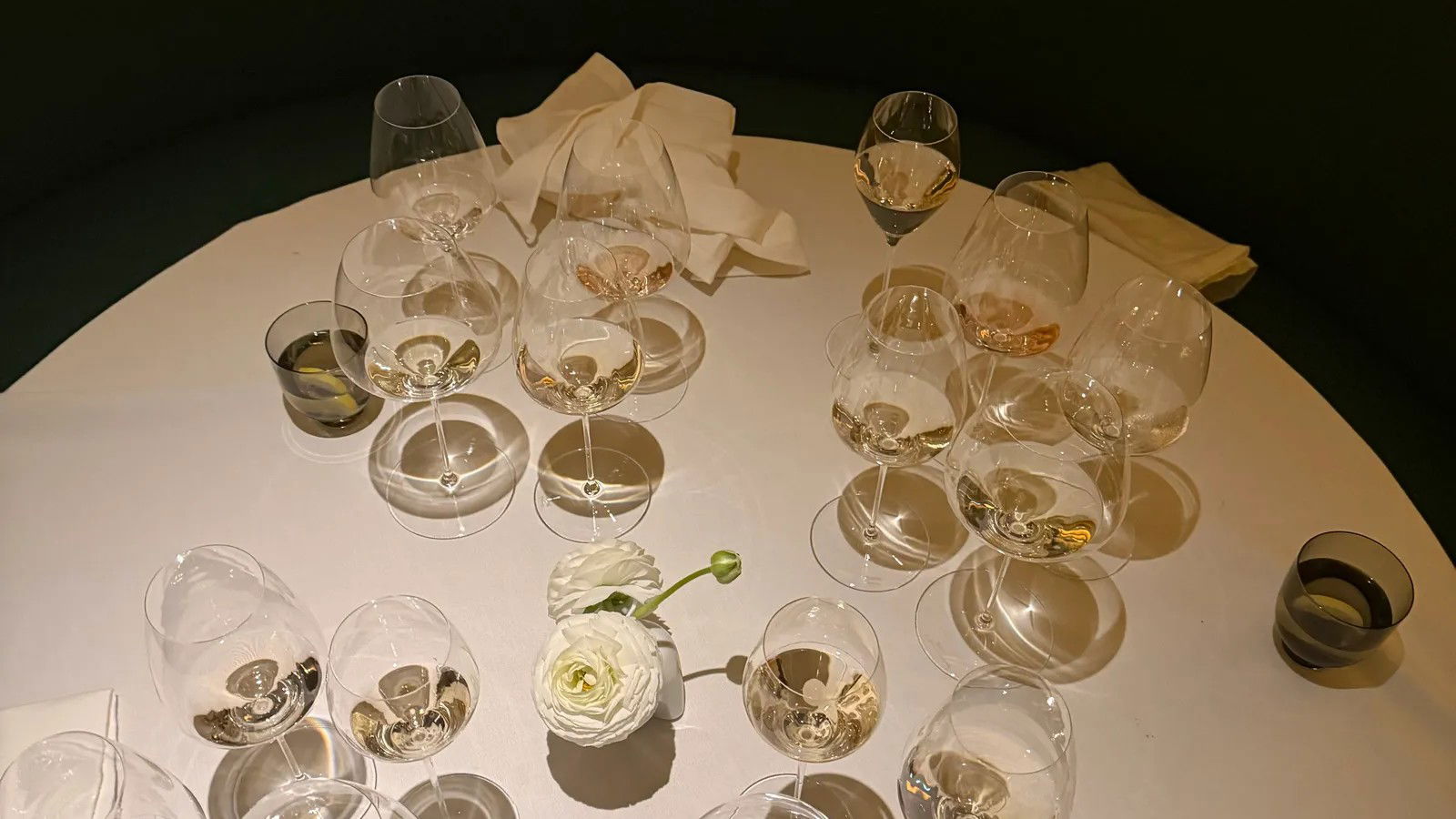
The bar program also has the kind of bottle math Pearl readers will notice. The ship offers more than 40 varieties of Champagne, and Bon Appétit reports a 1989 Pétrus on board priced at $21,000 per bottle. That is not a reason to book by itself. It is a reason to understand the spending model before you board. Breakfast may be included, but the memorable drinking is priced like a luxury hotel, not a cruise package.
Suite Count, Service Ratio, and Design Details Worth Knowing
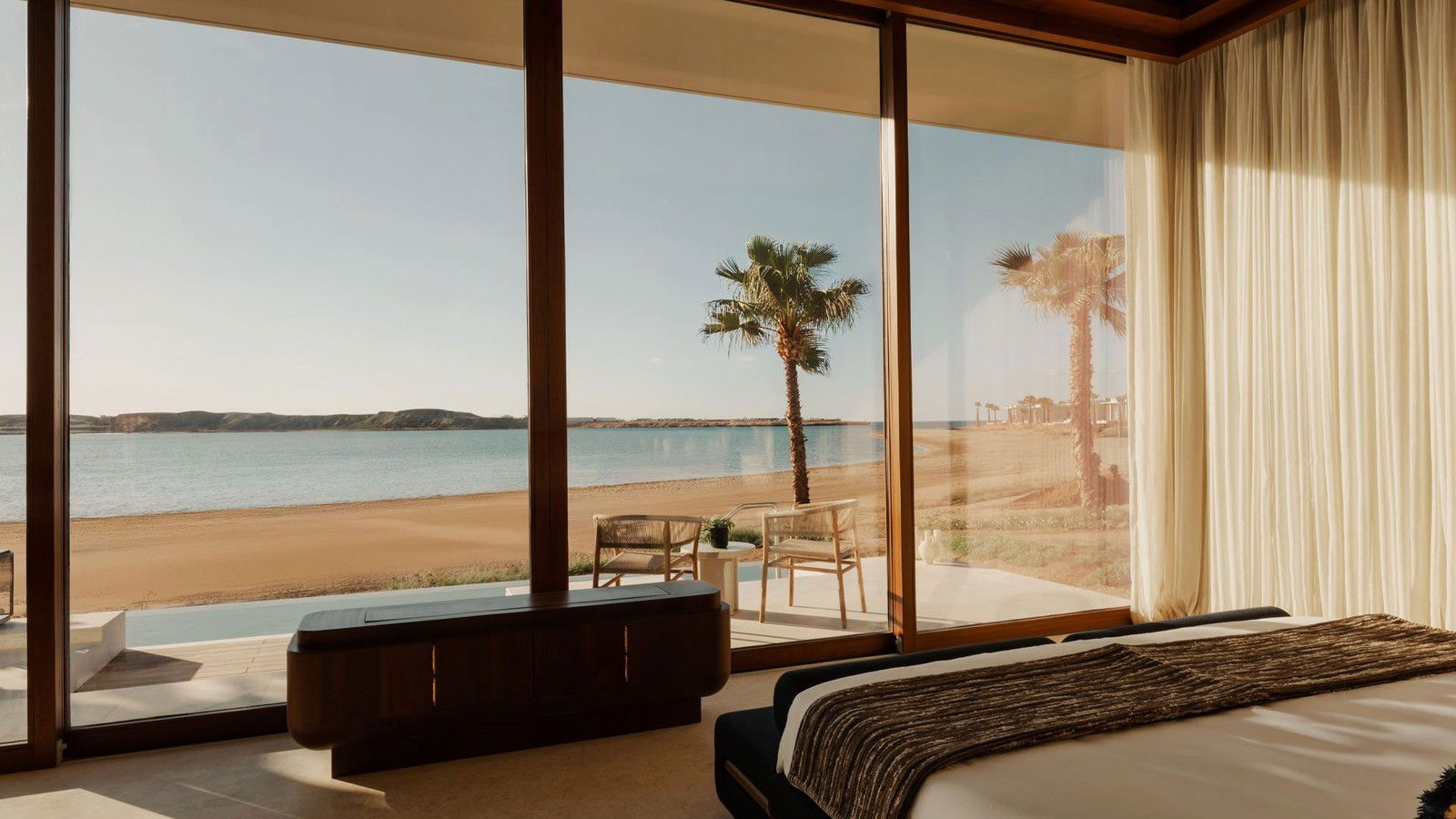
The 95-suite count is the practical number to remember. It limits the ship in the right way: fewer cabins to service, fewer guests competing for reservations, and a better chance that the concierge can build port days around actual preferences. Bon Appétit reports a 1:1 guest-to-staff ratio, which matters more than any adjective attached to the interiors.
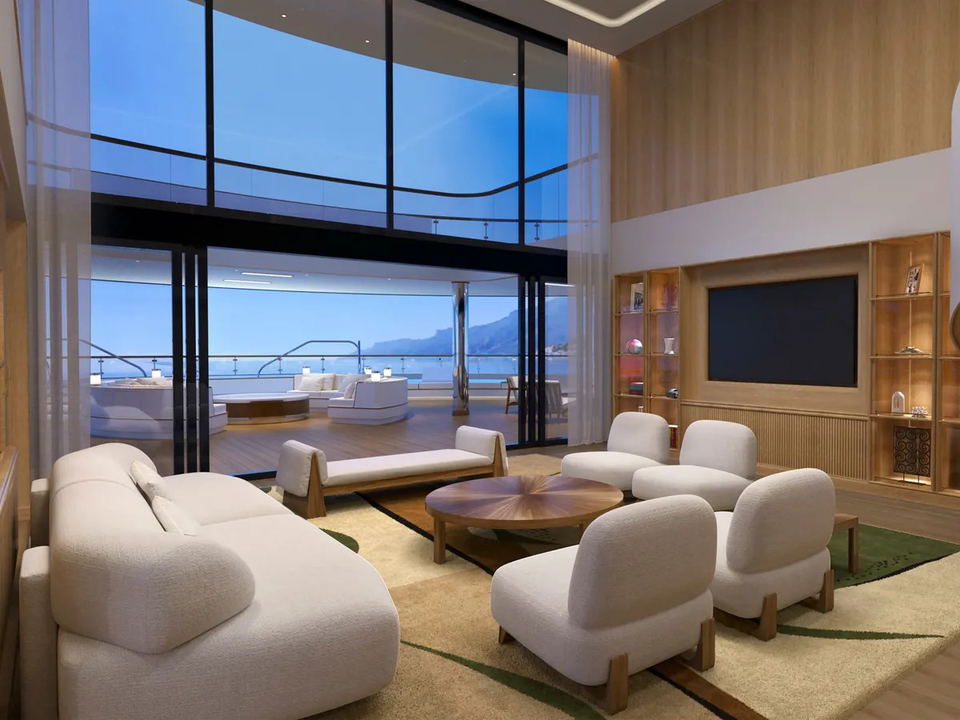
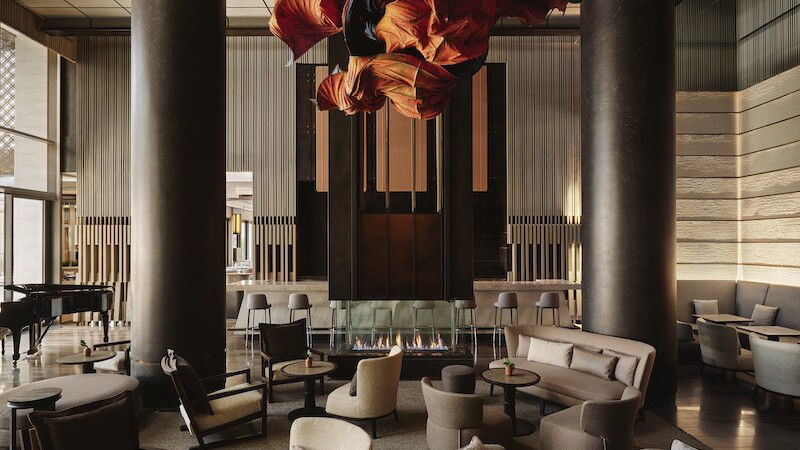
Design-focused travelers get another reason to care. The source reports interiors with work from creative designer Prosper Assouline and inspiration from Christina O. Do not book solely for that reference unless design is a deciding factor for you. Book because the ship tries to translate Four Seasons hotel habits into yacht constraints: private-suite time, restaurant variety, concierge planning, and service that follows you between ports.
The concierge model sounds more valuable than a long list of shore excursions. On the reported voyage, the source describes a tailored food-led outing on Spetses ending with lunch on the veranda at the Poseidonion Grand Hotel, with local cheese, horta, and foraged greens. That is the port day Four Seasons I should be judged on. If the team can consistently turn stops into meals and access rather than bus schedules, the yacht has a reason to exist beyond the logo.
For group size, think couples, two-couple trips, and families who already travel at Four Seasons pricing. A larger celebration could work if your group is comfortable splitting across restaurants and paying à la carte throughout. If your group includes people who count drinks against a package mentality, this is the wrong format.
Mediterranean and Caribbean Itineraries: Routes and Timing
The inaugural route gives the dining program a strong first stage. Four Seasons I raised anchor in Athens for a 10-day Greek isles voyage, and the Mediterranean spring and summer menus featured fresh-pressed olive oil, handmade pasta, and seasonal produce, according to the source. That is the right region for a food-led debut: short hops, port-specific sourcing, and enough culinary identity to make menus change without forcing the issue.
The Caribbean starts this fall, with Trodd indicating guests can expect tropical flavors and cooking techniques tied to the region. That is the next test. The Mediterranean gives the Four Seasons yacht immediate credibility with olive oil, seafood, pasta, and island produce. The Caribbean will show whether the same model works when the ingredient set and cooking references shift.
For 2025 planning, pick Mediterranean if your priority is port-to-port dining detail and chefs connected to European Four Seasons properties. Track the Caribbean if you prefer warmer-weather sailing later in the year and want to see how the kitchen adapts beyond the opening season. Either way, confirm the Chef in Residence schedule, Miuna access, and à la carte dining expectations before you commit.
Four Seasons II is scheduled to launch in 2027, so Four Seasons I is not just a first ship. It is the operating test for the brand’s yacht division. If Sedna keeps attracting named Four Seasons chefs and Miuna stays tight at 16 seats, the Four Seasons yacht program will matter most to travelers who choose a sailing the same way they choose a hotel: by the restaurants first, and the route second.