Genagricola
Trieste
Winery in Trieste, Italy
 Book with Pearl
Why go
Genagricola is worth considering if the goal is agricultural heritage and sustainability context rather than a conventional tasting-room experience. Its value is in scale, land stewardship, biogas, forestry, and a farming identity dating to 1851, so it suits business or specialist travel better than a romantic wine stop.
About Genagricola
Is Genagricola worth planning into a Trieste itinerary? Consider it if the appeal is agricultural heritage, land stewardship, and a more corporate, agriculture-focused profile rather than a conventional hospitality-driven stop. The picture is quiet, rustic, classic, and sustainability-minded, with a $$ price tier.
It is best suited to readers interested in agrarian heritage and stewardship, rather than those looking for confirmed details about cuisine, menus, tastings, drinks, private formats, or group capacity.
A land-first profile, not a cellar-first visit
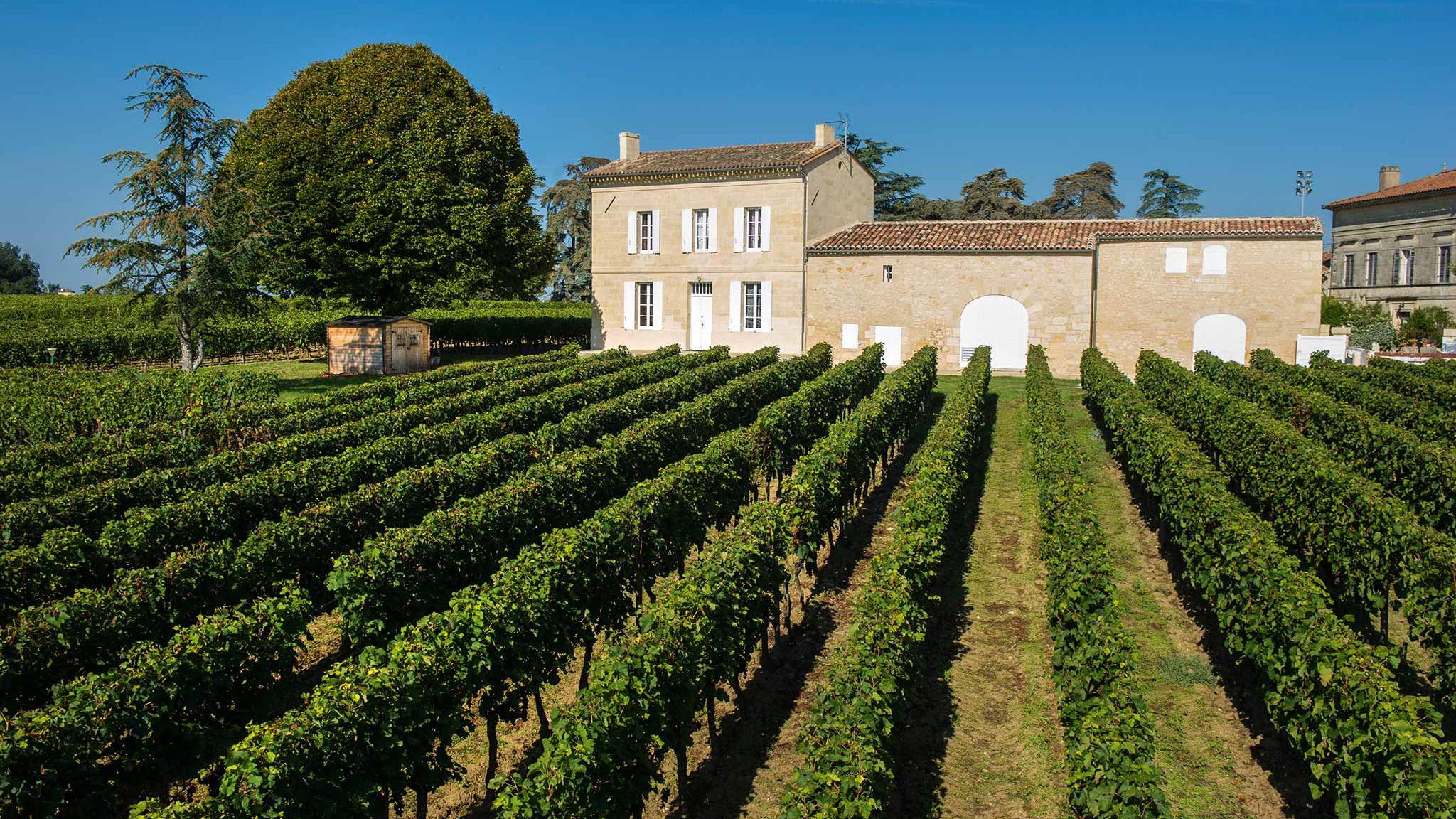
The useful way to judge this place is by its confirmed identity. Genagricola is presented as sustainable, agriculture-focused, and corporate rather than hospitality-driven, with an emphasis on long-running agrarian heritage and care of the land. That makes the recommendation narrower but clearer: go for the agricultural context, not for a confirmed dining or tasting format.
Its confirmed recognition includes Falstaff Listed (2026). That signal can help place it on a planning shortlist, but it should not be stretched into claims about a specific menu, beverage program, service style, or visitor experience.
For a visitor, the fit is strongest when the interest is stewardship, agrarian heritage, or agriculture as an enterprise. For a couple or leisure traveler in Trieste, it is more of a specialist stop than an all-purpose celebration venue. Treat it as a venue to consider for its land-focused identity, and confirm any practical details directly before planning around it.
Where it fits in a Trieste plan
Trieste is a practical base for broader trip planning, but Genagricola should sit in the agriculture-focused lane of the itinerary. For the rest of the trip, pair that planning with our full Trieste restaurants guide, our full Trieste hotels guide, our full Trieste bars guide, and our full Trieste experiences guide.
If timing, group size, access, tastings, dining, or private arrangements matter, confirm them directly with Genagricola before committing the rest of the day around the visit.
Verdict: worth considering for agriculture-minded travelers, sustainability-focused guests, and visitors who want a land-stewardship angle in Trieste. Skip it if you need confirmed dining, tasting, or hospitality details before making a plan.
Planning details
- Location
- Trieste, Friuli-Venezia Giulia, Italien
Venue details
Ambiance
Sustainable, agriculture-focused, and corporate rather than hospitality-driven, with an emphasis on land stewardship and long-running agrarian heritage.
Tags
Vibe
Best For
Experience
Sourcing
At the Vineyard
- Visits
- By appointment only
- Farming
- Sustainable
- Production
- Large producer
- Founded
- 1851
- Wine Club
- Not available
Know before you go
Know Before You Go
- Getting there
- Trieste, Friuli-Venezia Giulia, Italien
Planning details
Location
Trieste, Friuli-Venezia Giulia, Italien
Recognition and awards

Around this place
Discover more on Pearl
Unlock the full Genagricola guide in Pearl, including awards, comparisons, FAQs, planning details, and nearby places.
FAQ
Frequently Asked Questions
How long should I plan for a visit to Genagricola?
When is the best time to visit Genagricola?
Plan around confirmed information from Genagricola rather than assuming a midday, afternoon, or drop-in format.
Can Genagricola handle large groups?
If you are planning for more than a small party, contact Genagricola directly to confirm whether the venue can accommodate the group and what format is available.
Does Genagricola offer private arrangements?
Genagricola is best evaluated on its confirmed agriculture-focused, land-stewardship profile in Trieste, and any private arrangements should be confirmed directly.
What is Genagricola known for?
Genagricola is a sustainable, agriculture-focused venue in Trieste with a land-stewardship profile, long-running agrarian heritage, a quiet rustic classic character, and Falstaff Listed (2026) recognition.