Somlói Apátsági Pince
Somlójenő
Winery in Somlójenő, Hungary
 Book with Pearl
The Read
Volcanic Cellar Viticulture
Why go
Prioritise Somlói Apátsági Pince if the trip is built around serious Somló wine rather than easy drop-in touring. It suits explorers who want a focused volcanic-hill reference point, but larger groups and convenience-first travellers should cross-shop Tornai Winery or Kreinbacher Birtok before committing.
About Somlói Apátsági Pince
Somlói Apátsági Pince is a Somlójenő venue with Pearl 2 Star Prestige recognition for 2025. That recognition makes it worth noting for travellers who are already looking closely at Somlójenő. Planning should stay conservative: confirm visit details directly before building an itinerary around it, and avoid treating any assumption as part of the experience.
The clearest reasons to note the venue are its Somlójenő location, its casual dress code, and its Pearl 2 Star Prestige (2025) recognition. Those details give a basic frame, but they do not describe the full practical shape of a visit. Specific claims about menus, opening hours, pricing, visitor format, group capacity, or other services should not be inferred from the recognition alone. In practical terms, the venue can be listed as a possible stop, but not one that should be planned down to the minute without direct confirmation.
Plan with only the confirmed details
If you are comparing options for a Somló-focused trip, Somlói Apátsági Pince can be considered alongside Tornai Winery, Kreinbacher Birtok, Fekete Pince (Somló), Gilvesy Winery, and Villa Sandahl. Use those names as planning references, then verify current availability and visit requirements with each venue before travelling. This approach keeps the comparison useful without overstating what is known: Somlói Apátsági Pince belongs in the same regional planning conversation, but you may still need logistical details before committing time to a stop.
For a first trip to the area, keep the plan flexible and avoid assuming that any service detail is available. Somlói Apátsági Pince is best treated as a confirmed Somlójenő venue in Pearl's guide with casual dress and a 2025 Pearl 2 Star Prestige recognition, rather than as a fully documented visitor experience. That distinction matters when building a day around multiple places: the confirmed facts can justify further research, while the missing details mean you should leave room to adjust timing, order, and expectations once you have checked directly with the venue.
Who should prioritise it, and who should pick an easier peer
Prioritise Somlói Apátsági Pince if the confirmed Pearl 2 Star Prestige (2025) recognition makes it relevant to your Somlójenő planning. It may suit travellers who are comfortable making decisions from a small set of facts and then following up before they go. If you need firm details on hours, food, pricing, accessibility, or group arrangements before choosing, check directly with the venue first or compare with other Somló options such as Tornai Winery, Kreinbacher Birtok, Fekete Pince (Somló), Gilvesy Winery, or Villa Sandahl. In that case, the easier choice is the one that can answer your practical questions before the itinerary is fixed.
Pearl does not provide detail here for a chef, owner, menu, visitor format, seat count, phone number, or specific visitor services. That absence should be read carefully: it is not a negative claim about what the venue offers, but it is a limit on what can be responsibly promised from this record. The safest reading is simple: Somlói Apátsági Pince is a casual Somlójenő venue with Pearl 2 Star Prestige recognition in 2025, and any practical arrangements should be confirmed directly. If those arrangements are important to the success of your visit, make that confirmation the first step rather than the last.
Planning details
- Location
- Somlóvásárhely, Somló-hegy 1070. hrsz, 8481
- Website
- juhfark.hu
The take
The Take
The Vibe
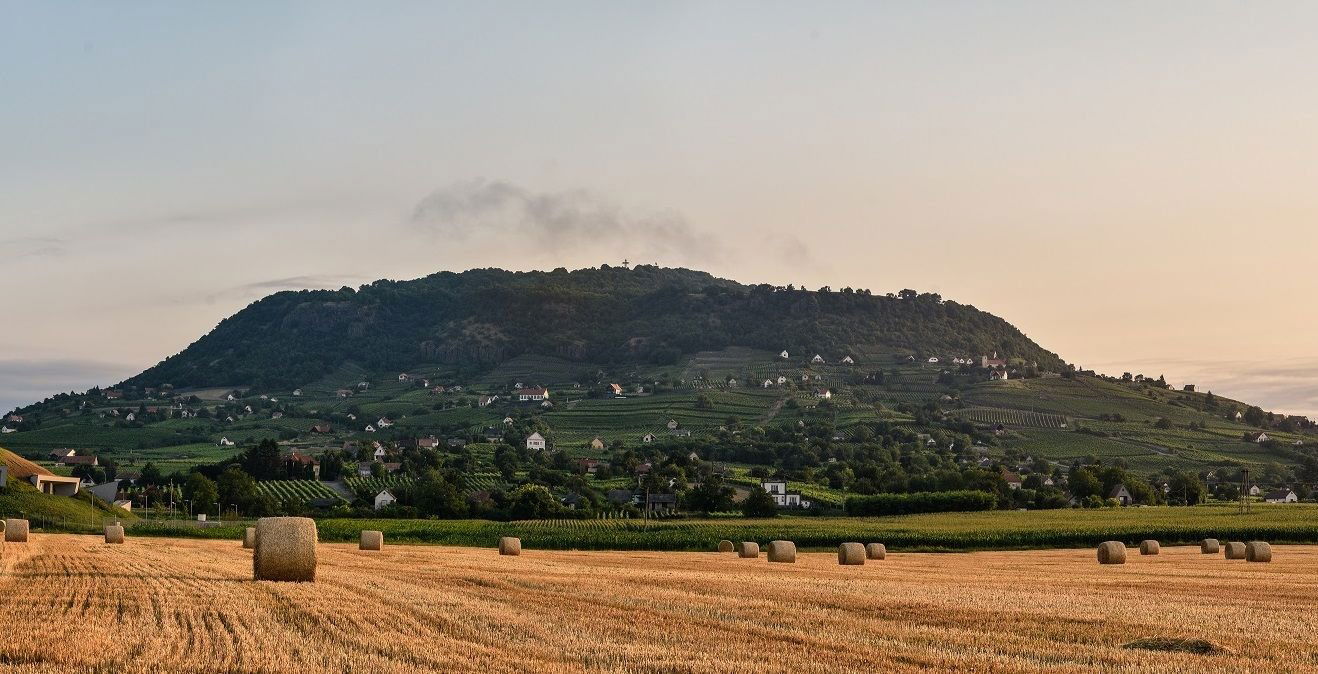
Somlói Apátsági Pince reads as a quietly remarkable destination that foregrounds geology and history over hospitality spectacle. Perched on the basalt butte of Somló and set amid terraced vines, the cellar carries a palpable sense of age — vineyards worked since the twelfth century and an identity literally named for an abbey cellar. The place feels like a well-preserved, off-the-beaten-path discovery: intimate and understated, with an austere, classic character shaped by volcanic soils and enduring winemaking traditions rather than modern flash.
Best For
This cellar suits travelers who come to learn and to listen: wine students, geology-minded tasters and solitary explorers find the setting particularly rewarding. The description emphasizes Somló as an instructive, small-scale region whose volcanic soils and basaltic tuff give white wines a distinct mineral persistence and age-worthiness. Visitors seeking hands-on context about terroir, vineyard siting and the historical continuity of vine growing on the hill will get the most from a visit here, where the landscape itself is central to the experience.
Tasting Tips
When tasting here, prioritize the local white wines that the text highlights for their mineral salinity and capacity to age; these examples best convey the influence of Somló's basaltic tuff and Pannonian limestone. Ask hosts about specific vineyard parcels on the hill and how slope, exposure and soil composition shape individual bottlings. Given the cellar's instructive emphasis, request guidance that links tasting notes to geologic and vineyard details rather than generic descriptors, so you can taste for structure, minerality and longevity.
Venue details
Ambiance
Cozy, traditional atmosphere in a centuries-old rock-built cellar with natural temperature and humidity control.
Tags
Vibe
Best For
Experience
Sourcing
View
Accessibility
At the Vineyard
- Appellation
- Somló
- Varietals
- Furmint, Juhfark, Hárslevelű, Olaszrizling
- Visits
- By reservation
- Farming
- Organic
- Production
- Small producer
- Wine Styles
- Still White
- Wine Club
- Not available
Know before you go
Know Before You Go
- Getting there
- Somlóvásárhely, Somló-hegy 1070. hrsz, 8481
Planning details
Location
Somlóvásárhely, Somló-hegy 1070. hrsz, 8481 · Directions
Also consider
If this is hard to arrange
Try Tornai Winery first if the priority is an easier Somlójenő winery visit. Choose Kreinbacher Birtok if the group needs a broader hospitality setup and a less specialist day plan.
Winery context
How it compares in and around Somlójenő
Somlói Apátsági Pince is the pick for travellers who want the more focused Somló decision, especially if the day is already built around the hill. Fekete Pince (Somló) is the closest peer for a similarly serious cellar-led choice, while Kreinbacher Birtok is the more practical option when hospitality infrastructure matters as much as the wines.
Tornai Winery is the safer recommendation for first-time visitors to Somlójenő who want an easier, more conventional winery stop. Gilvesy Winery and Villa Sandahl make more sense for travellers comparing broader Hungarian winery styles rather than trying to understand Somló specifically.
Value depends on what the reader wants from the day. Choose Somlói Apátsági Pince for depth and a tighter Somló focus; choose Tornai Winery for simpler logistics; choose Kreinbacher Birtok if the group needs a more polished all-round visit.
Explore Somlójenő
Around this place
Discover more on Pearl
Unlock the full Somlói Apátsági Pince guide in Pearl, including awards, comparisons, FAQs, planning details, and nearby places.
Compare Somlói Apátsági Pince
| Venue | Location | Awards |
|---|---|---|
| Somlói Apátsági Pince | Somlójenő | No published awards |
| Fekete Pince (Somló) | Somlóvásárhely | No published awards |
| Kreinbacher Birtok | Somlóvásárhely | 2024 Michelin Plate |
| Tornai Winery | Somlójenő | No published awards |
| Gilvesy Winery | Hegymagas | 2026 Falstaff Winery Guide |
| Villa Sandahl | Badacsonytomaj | 2026 Falstaff Winery Guide |
.png?width=1200&quality=80)

How Somlói Apátsági Pince compares with similar nearby venues.
FAQ
Frequently Asked Questions
Does Somlói Apátsági Pince serve food?
Food availability should be checked directly with Somlói Apátsági Pince before planning around it.
Can Somlói Apátsági Pince handle large groups?
What is confirmed about Somlói Apátsági Pince?
The confirmed details are that Somlói Apátsági Pince is in Somlójenő, has a casual dress code, and holds Pearl 2 Star Prestige recognition for 2025. Other practical details should be checked directly with the venue.
What should I confirm before visiting Somlói Apátsági Pince?
Confirm current hours, visit requirements, pricing, availability, and any services you need directly with Somlói Apátsági Pince before planning around them.
What other venues can I compare with Somlói Apátsági Pince?
For Somló planning, compare Somlói Apátsági Pince with Tornai Winery, Kreinbacher Birtok, Fekete Pince (Somló), Gilvesy Winery, and Villa Sandahl. Check each venue directly for current visit details.