Fekete Pince Somló
Somlóvásárhely
Winery in Somlóvásárhely, Hungary
 Book with Pearl
The Read
Basalt-Cellar Viticulture
Why go
Fekete Pince (Somló) is worth prioritizing if the purpose of the trip is serious Somló wine rather than a broad hospitality experience. Treat it as a wine-first booking for collectors, couples, or focused drinkers, and compare it with Kreinbacher Birtok if food, estate polish, or easier planning matters more.
About Fekete Pince Somló
Fekete Pince (Somló) is a Somlóvásárhely venue with Pearl 2 Star Prestige recognition for 2025. Along with that recognition, it has a casual dress code.
Use Fekete Pince (Somló) as a considered stop if the recognition is the reason for your interest. If your plans depend on a specific service, schedule, menu, drinks list, purchase arrangement, or other offering, confirm those details directly before building the day around the visit. For another option to compare while planning, consider Kreinbacher Birtok.
Choose it for the confirmed recognition, not extras
The clearest grounded reason to prioritize Fekete Pince (Somló) is its Pearl 2 Star Prestige recognition for 2025. That is the main signal available here, and it should carry more weight than any unsupported claims about a particular experience style, hospitality setup, or product range.
The practical takeaway is simple: dress casually, and avoid assuming details that are not confirmed. Food service, hours, direct booking method, phone contact, online purchase options, shipping, seating, and price information are not confirmed. If any of those points matter to your visit, check before committing.
Where it fits in a Somlóvásárhely day
Fekete Pince (Somló) can be part of a Somlóvásárhely itinerary for travelers specifically interested in the venue's recognition. It is best treated as one planned component rather than the only fixed point of the day.
For wider planning, pair this profile with Somlóvásárhely venue guides. If the trip needs a fuller structure, use the Somlóvásárhely restaurants guide, Somlóvásárhely hotels guide, Somlóvásárhely bars guide, and Somlóvásárhely experiences guide to keep the day from depending on one venue visit.
Planning details
- Location
- Somlóvásárhely, H-8481, 8481
- Website
- feketepincesomlo.hu
- Phone
- +36 20 331 9994
The take
The Take
The Vibe
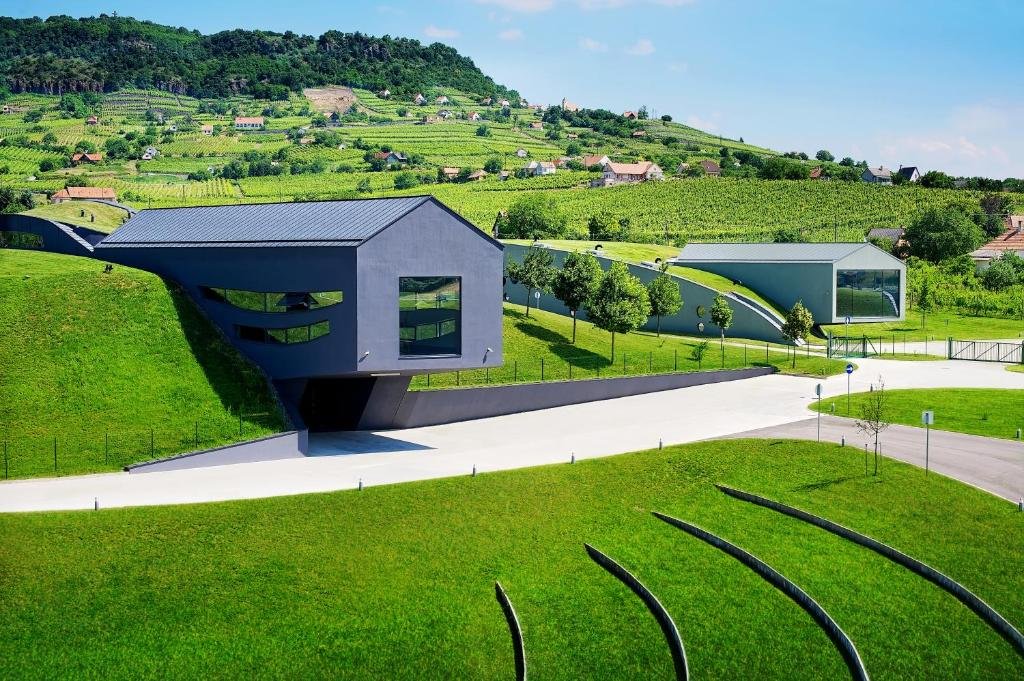
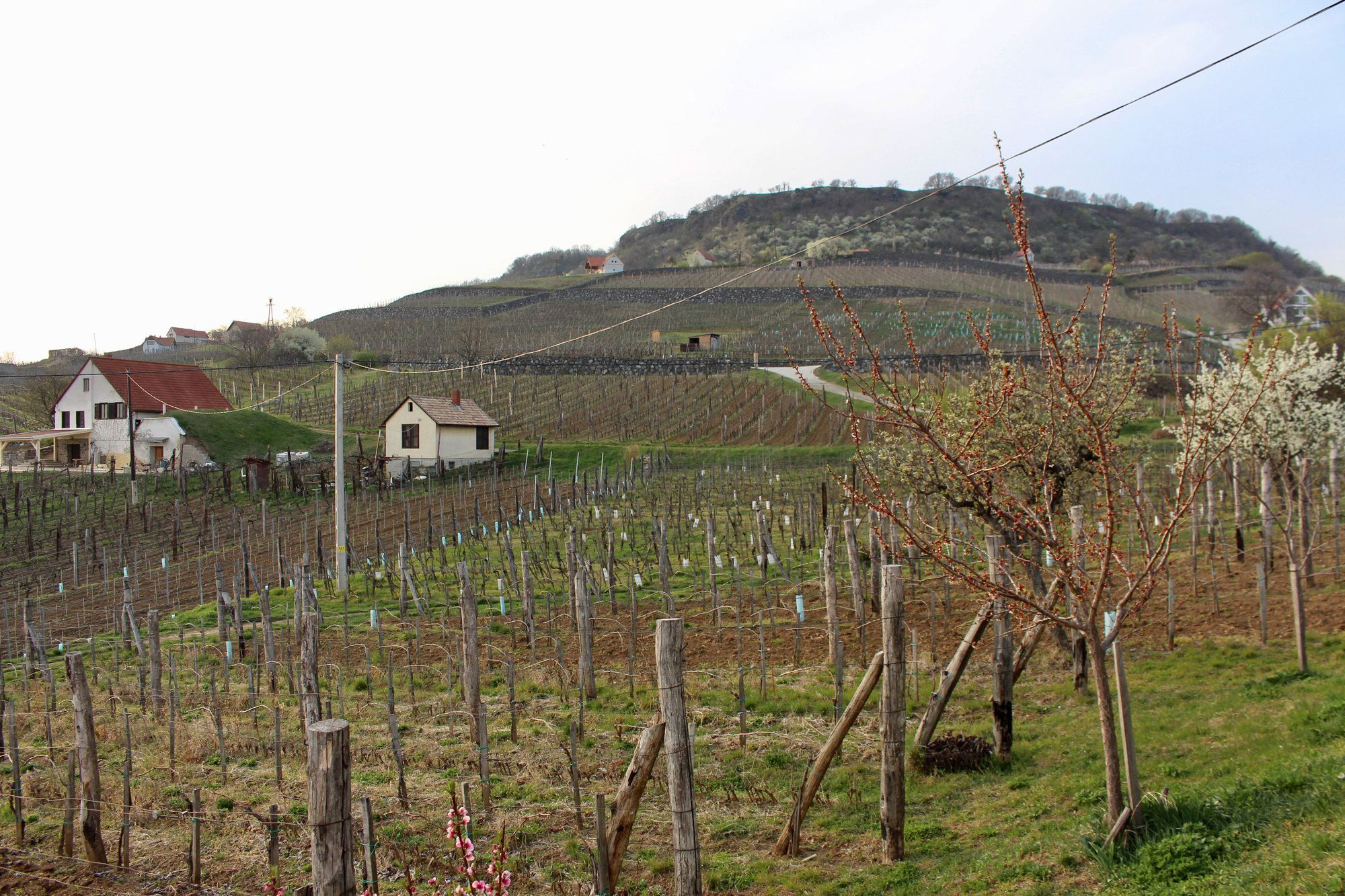
Fekete Pince reads like a focused, terroir-first producer tucked into one of Hungary’s most compact appellations. The winery sits on the solitary Somló hill, amid terraced vineyards and basalt-rich soils that shape the character of every bottle. Recognition such as a Pearl 2 Star Prestige rating underscores a commitment to precision over scale, and the place attracts informed visitors rather than mass tourism. The overall impression is quiet and refined — a sophisticated, small-scale operation where the landscape and geology do much of the talking and tasting feels deliberately concentrated and contemplative.
Best For
This is a destination for people who come to learn from the land: students of terroir, solo explorers, and small groups who want a concentrated tasting rather than a busy commercial outing. Visitors who appreciate mineral-driven white varieties or who are curious about how basalt soils influence structure and salinity will find the visit rewarding. Because Somló is a tiny, focused region rather than a developed wine-tourism hub, the cellar appeals to those seeking thoughtful, educational encounters with varietals like Juhfark, Olaszrizling and Furmint.
Tasting Tips
Prioritize the region’s signature white varieties—Juhfark, Olaszrizling and Furmint—when you taste, since the text highlights how basalt soils give them structural density and mineral salinity. Ask staff to explain how the volcanic terroir and terraced sites shape each wine’s profile; that geology is described as “the wine's entire argument.” Seek out bottles or tastings noted for the estate’s Pearl 2 Star Prestige recognition to sample the terroir-driven, precision-focused expressions that distinguish Fekete Pince.
Venue details
Ambiance
Rustic cellar environment with a focus on traditional winemaking; intimate and educational atmosphere centered on the volcanic minerality and complexity of the wines.
Tags
Vibe
Best For
Experience
Sourcing
View
At the Vineyard
- Appellation
- Somló
- Varietals
- Hárslevelű, Juhfark, Furmint, Olaszrizling
- Visits
- By appointment only
- Farming
- Organic
- Wine Styles
- Still White
- Shipping
- Available
- Wine Club
- Not available
Know before you go
Know Before You Go
- Getting there
- Somlóvásárhely, H-8481, 8481
Planning details
Location
Also consider
Where to look if this does not work
If the visit cannot be arranged, start with Kreinbacher Birtok for a more structured Somlóvásárhely wine stop. If the goal is to stay close to the same serious Somló lane, check Somlói Apátsági Pince next.
Winery context
How it compares in and around Somlóvásárhely
Fekete Pince (Somló) is the more specialist choice: better for drinkers who want the visit to answer a bottle-buying question than for groups seeking a broad estate day. Somlói Apátsági Pince is the closer cross-shop if the priority is Somló identity and a similarly serious wine focus, while Kreinbacher Birtok is the safer option for visitors who want a more developed hospitality framework.
For value and ease, Tornai Winery and Gilvesy Winery are better fallback names to check before locking the day around a harder-to-secure stop. If the occasion needs a calmer, more intimate feel, Villa Sandahl is the peer to weigh against Fekete Pince (Somló), especially for couples who care about setting as much as cellar credibility.
Explore Somlóvásárhely
Around this place
Discover more on Pearl
Unlock the full Fekete Pince Somló guide in Pearl, including awards, comparisons, FAQs, planning details, and nearby places.
Compare Fekete Pince Somló
| Venue | Location | Awards |
|---|---|---|
| Fekete Pince (Somló) | Somlóvásárhely | No published awards |
| Somlói Apátsági Pince | Somlójenő | No published awards |
| Kreinbacher Birtok | Somlóvásárhely | 2024 Michelin Plate |
| Tornai Winery | Somlójenő | No published awards |
| Gilvesy Winery | Hegymagas | 2026 Falstaff Winery Guide |
| Villa Sandahl | Badacsonytomaj | 2026 Falstaff Winery Guide |
.png?width=1200&quality=80)

How Fekete Pince (Somló) compares with similar nearby venues.
FAQ
Frequently Asked Questions
Are memberships or recurring purchases available at Fekete Pince (Somló)?
Membership or recurring purchase information is not available here. The confirmed details are that Fekete Pince (Somló) is in Somlóvásárhely, has a casual dress code, and holds Pearl 2 Star Prestige recognition for 2025. If membership or recurring purchases matter to you, confirm those terms directly before deciding.
When is the best time to visit Fekete Pince (Somló)?
Opening hours are not provided, so there is no confirmed best time to visit. Plan only after checking the current schedule. The confirmed points are the Somlóvásárhely location, casual dress code, and Pearl 2 Star Prestige recognition for 2025.
How long should I plan for a visit to Fekete Pince (Somló)?
No visit length, format, or seating information is provided. Build in enough flexibility to account for details you confirm directly, and avoid relying on an assumed duration for a stop in Somlóvásárhely.
What specific offering is Fekete Pince (Somló) known for?
No named offering is provided. The confirmed distinction is Pearl 2 Star Prestige recognition for 2025. If a specific product, service, or style is important to your visit, confirm the current details directly with the venue.