
Batič
Šempas, Sempas
Winery in Sempas, Slovenia
 Book with Pearl
Why go
Batič is worth planning around if the goal is a serious, intimate Vipava Valley tasting rather than a polished wine-tourism stop. The estate suits couples and small wine-focused groups who care about biodynamic farming, natural cellar work, and family history; it is less suitable for visitors expecting food service or a casual drop-in format.
About Batič
In the Vipava Valley, Batič is a grounded choice for visitors who want the wine and estate context to lead the day rather than a polished tourism setup. The appeal is the combination of biodynamic farming, a family-run estate setting, and a relaxed tasting style built around the story of the wines, so the visit is less about being moved through a standardized program and more about slowing down with the place itself. For a celebration or date, it works if the priority is conversation, context, and wines with a clear point of view; if the group needs a confirmed meal format or a highly choreographed visitor facility, verify those details directly before planning around them.
A biodynamic Vipava visit for serious wine drinkers
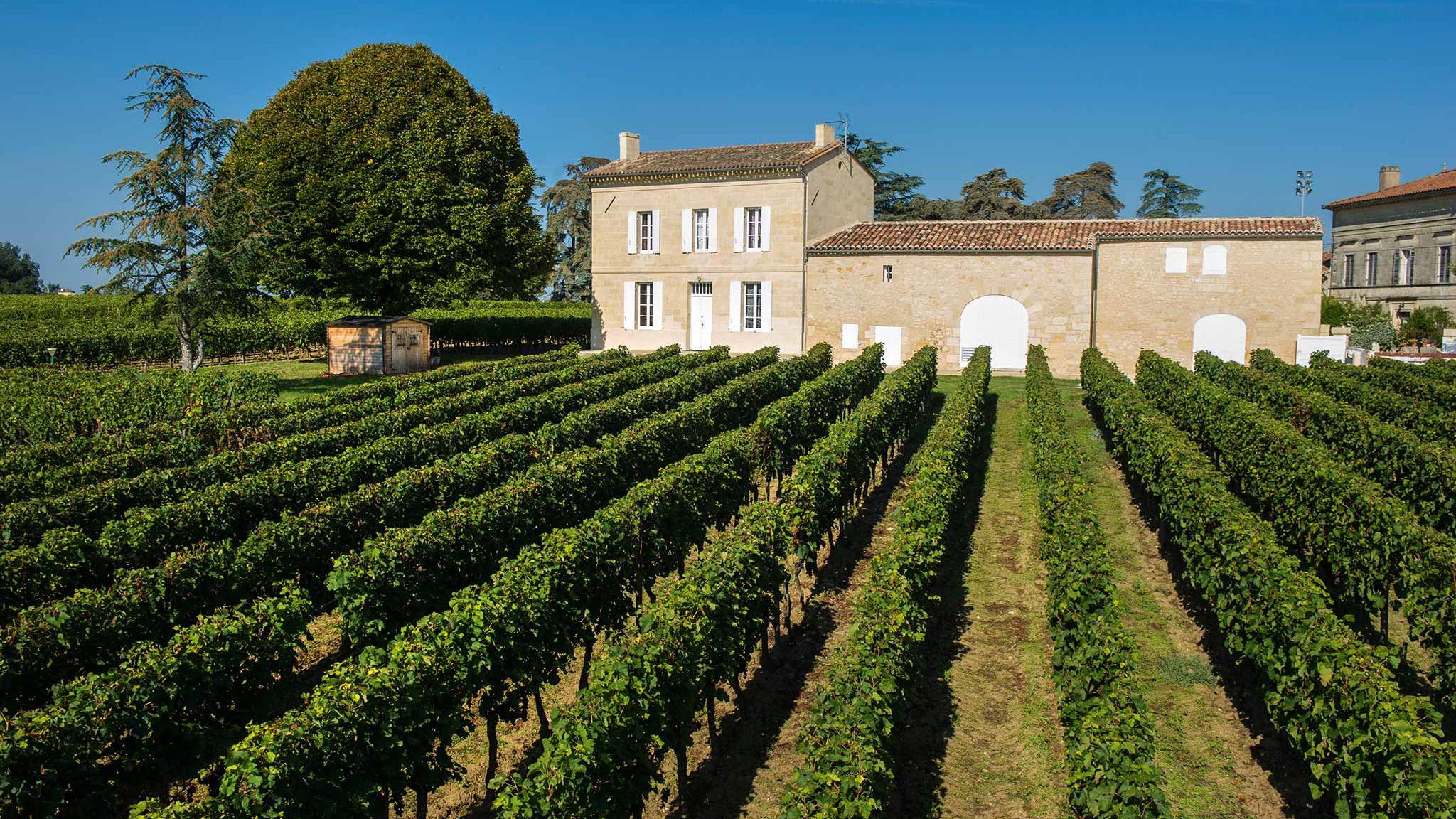
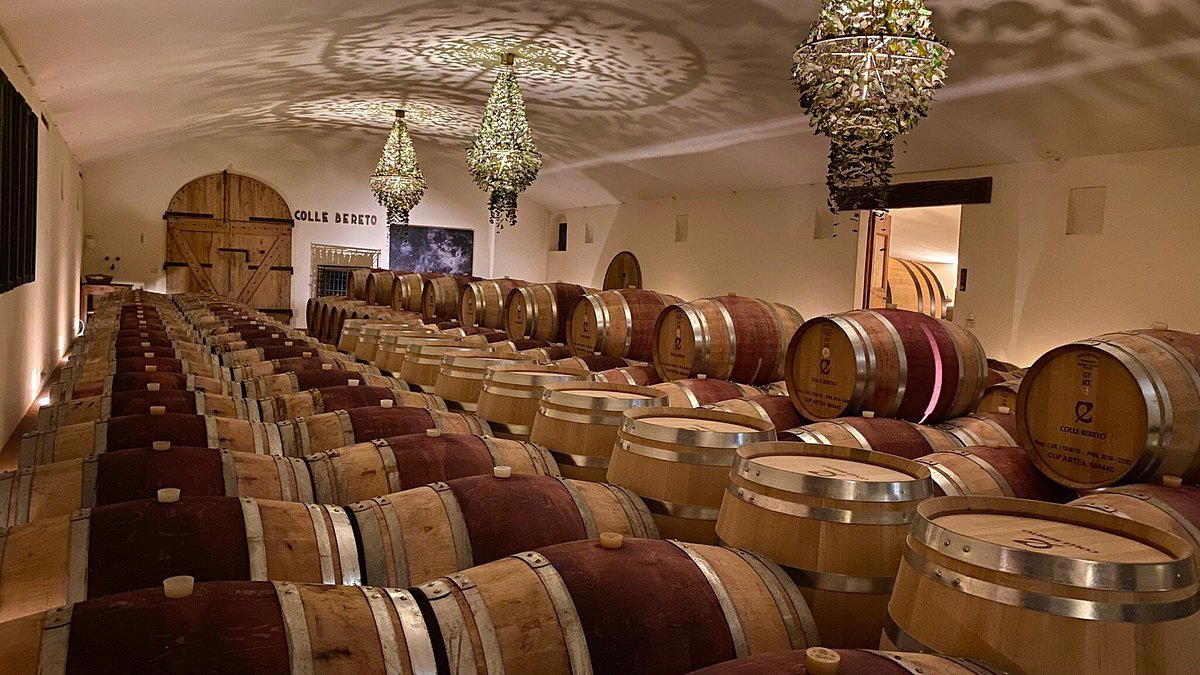
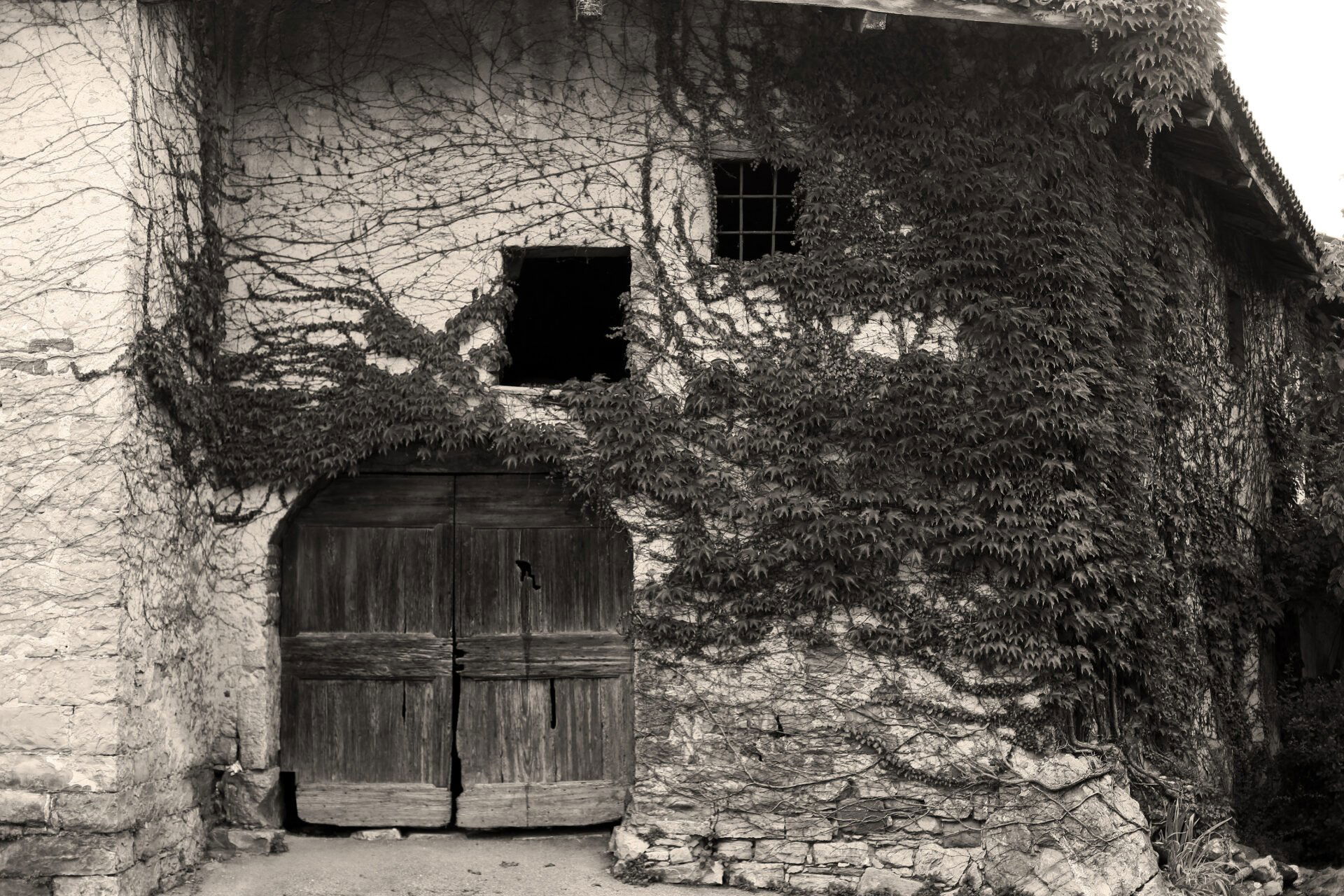
Batič is strongest for guests who care about how wine is grown and want a tasting that feels connected to place. The appeal is not a glossy facility or a formal dining format, but a biodynamic estate in Sempas with an unassuming, traditional farm setting. That distinction matters, because the experience is best read through the estate’s farming choices and family-run character rather than through the usual signals of luxury hospitality. The experience is best understood as hospitable and relaxed, with the story of the wines carrying the visit and giving structure to the time spent there.
That makes Batič a better fit for guests who enjoy focused wine conversation than for anyone looking for a broad hospitality stop with many confirmed add-ons. The point is to arrive ready to listen, ask questions, and let the estate context do much of the work. It verifies the $$$ price level and Falstaff 4 Stars recognition for 2026, but specific menu formats, dish pairings, and visitor-center-style amenities should not be assumed from that alone. Treat those markers as useful context, not as a substitute for checking what the actual visit includes.
Plan it as the anchor of a wine day, not a quick stop
The practical move is to treat Batič as the main wine stop in Sempas. The setting is family-run, traditional, rustic, and scenic, which is exactly the appeal: the estate reads more like a working farm than a sleek tourism project. That makes it well suited to wine-focused plans where the value comes from atmosphere, hospitality, and explanation, rather than from stacking many different services into one visit. Visitors with tight itineraries or expectations around food service should confirm the current visit format before building the day around it, especially if the timing of the day depends on a particular structure.
For trip-building, start with ’s full Sempas wineries guide, then use the city guides for the surrounding plan. In practice, that means giving Batič enough room in the schedule so it can function as the wine anchor, while the rest of the day supports it rather than competes with it. If the route expands beyond Sempas, map other wineries separately rather than treating them as part of the same stop.
The visit verdict is simple: pursue Batič if the party is wine-literate or curious enough to spend time on biodynamic farming, estate context, and the story behind the wines. It is most rewarding when everyone understands that the visit’s strength is its specificity: a rustic estate setting, a family-run feel, and a tasting shaped by place. For a special occasion, the rustic estate setting is the selling point. For a general sightseeing day, it may feel too focused unless the group genuinely wants the estate visit to shape the itinerary.
Planning details
- Location
- Šempas, Nova Gorica, Slowenien
Venue details
Ambiance
Family-run biodynamic estate in the Vipava Valley with an unassuming, traditional farm setting; tastings are hospitable and relaxed, focusing on the story of the wines rather than a polished tourist facility.
Tags
Vibe
Best For
Experience
Sourcing
View
At the Vineyard
- Appellation
- Vipava Valley
- Varietals
- Malvazija, Rebula, Pinela, Sivi Pinot (Pinot Gris), Cabernet Franc
- Tour Languages
- Slovenian, English, Italian
- Visits
- By appointment only
- Farming
- Biodynamic
- Wine Styles
- Still Red, Still White, Still Rose, Orange
- Shipping
- Available
- Wine Club
- Not available
Know before you go
Know Before You Go
- Getting there
- Šempas, Nova Gorica, Slowenien
Planning details
Location
Šempas, Nova Gorica, Slowenien · Directions
Recognition and awards

Explore Sempas
Around this place
Discover more on Pearl
Unlock the full Batič guide in Pearl, including awards, comparisons, FAQs, planning details, and nearby places.
FAQ
Frequently Asked Questions
Is a tasting at Batič worth it?
Yes, if you want a focused wine stop in Sempas rather than a generic sightseeing add-on. Batič has a $$$ price range and Falstaff 4 Stars recognition for 2026, so a planned visit makes sense for guests who want the estate to anchor the day.
What other wineries are near Batič?
The practical answer is to build Batič into a Vipava Valley wine day, since it is in Sempas. For exact pairing options, compare other estates in the wider area rather than trying to rush Batič into a quick stop.
How long should I plan for a visit to Batič?
Plan it as a meaningful stop, not a rushed tasting. Batič works better as the anchor of a wine day in Sempas than as a filler between other plans.
Is Batič worth the price?
Yes for wine-focused visitors, because the $$$ price level is attached to a focused estate experience in Sempas rather than a casual pour. The combination of biodynamic farming, a relaxed family-run setting, and Falstaff 4 Stars recognition for 2026 gives the visit real weight.
Who is Batič best for?
Batič is best for visitors who want a relaxed, story-led tasting at a biodynamic winery in Sempas. It is a focused wine destination rather than a broad hospitality stop, so the upside is strongest for people who want the estate context to define the visit.