Acacia Vineyard
Carneros, Napa
Winery in Napa, United States
 Book with Pearl
The Read
Carneros Terroir Focus
Price
$10–20tasting
Why go
Acacia Vineyard is worth considering for a Napa itinerary built around timing and convenience rather than a full-day estate visit. It is a stronger fit for repeat visitors, couples, and small celebration plans that need a wine stop close to the rest of a Napa day, but compare it with Blackbird Vineyards, Etude Wines, Bouchaine Vineyards, Saintsbury, and Hyde Vineyard Estate before treating it as the anchor booking.
About Acacia Vineyard
The safest way to plan around it is to treat the published hours, smart-casual dress code, and Napa location as the dependable facts rather than assuming a specific format, price, menu, or service style.
The main decision point is planning style. If the day is built around comparing venues, consider Acacia Vineyard alongside Blackbird Vineyards, Etude Wines, Hyde Vineyard Estate, Bouchaine Vineyards, or Saintsbury. If the goal is a simple Napa plan with room for dining or a hotel stop before or after, build the rest of the itinerary from current venue information.
A Napa stop that works better as part of a planned day
The useful way to think about Acacia Vineyard is as one piece of a Napa itinerary, especially when timing matters. The hours are 10 AM–4 PM Monday through Saturday and 12–4 PM on Sunday, which supports daytime planning. For the rest of the day, pair the timing with Our full Napa restaurants guide, Our full Napa hotels guide, or Our full Napa bars guide.
Because price, visit format, menu, and service details are not available here, value is harder to judge in isolation. That makes direct confirmation important before committing. Bouchaine Vineyards and Saintsbury are natural comparison points for travelers weighing other options, while Blackbird Vineyards, Etude Wines, and Hyde Vineyard Estate can also help frame the broader shortlist.
Who should put it on the shortlist
Be more cautious if your group needs published pricing, a clearly stated visit format, or detailed service information before making plans. For first-time Napa visitors, a broader Napa guide may be the better starting point; for repeat visitors, Acacia Vineyard can be considered as part of a more selective Napa day.
For a broader comparison set, stay focused on venue details. Acacia Vineyard can be weighed against Blackbird Vineyards, Bouchaine Vineyards, Etude Wines, Hyde Vineyard Estate, and Saintsbury, while other Napa dining and hotel plans should be checked separately for hours, reservations, and current policies.
Planning details
- Hours
- Monday: 10 AM–4 PM · Tuesday: 10 AM–4 PM
- Location
- 555 Gateway Dr, Napa, CA 94558
The take
The Take
The Vibe
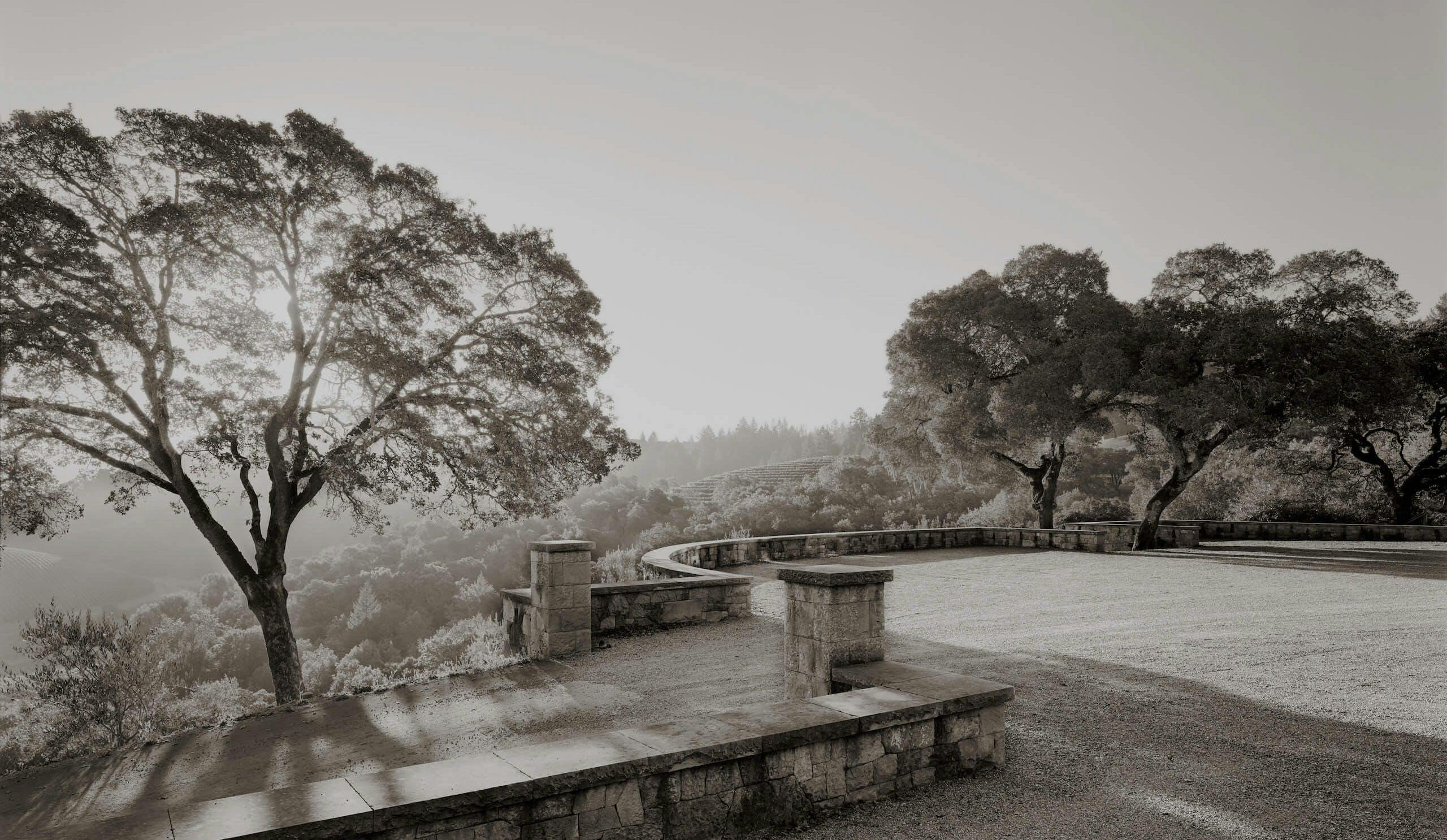
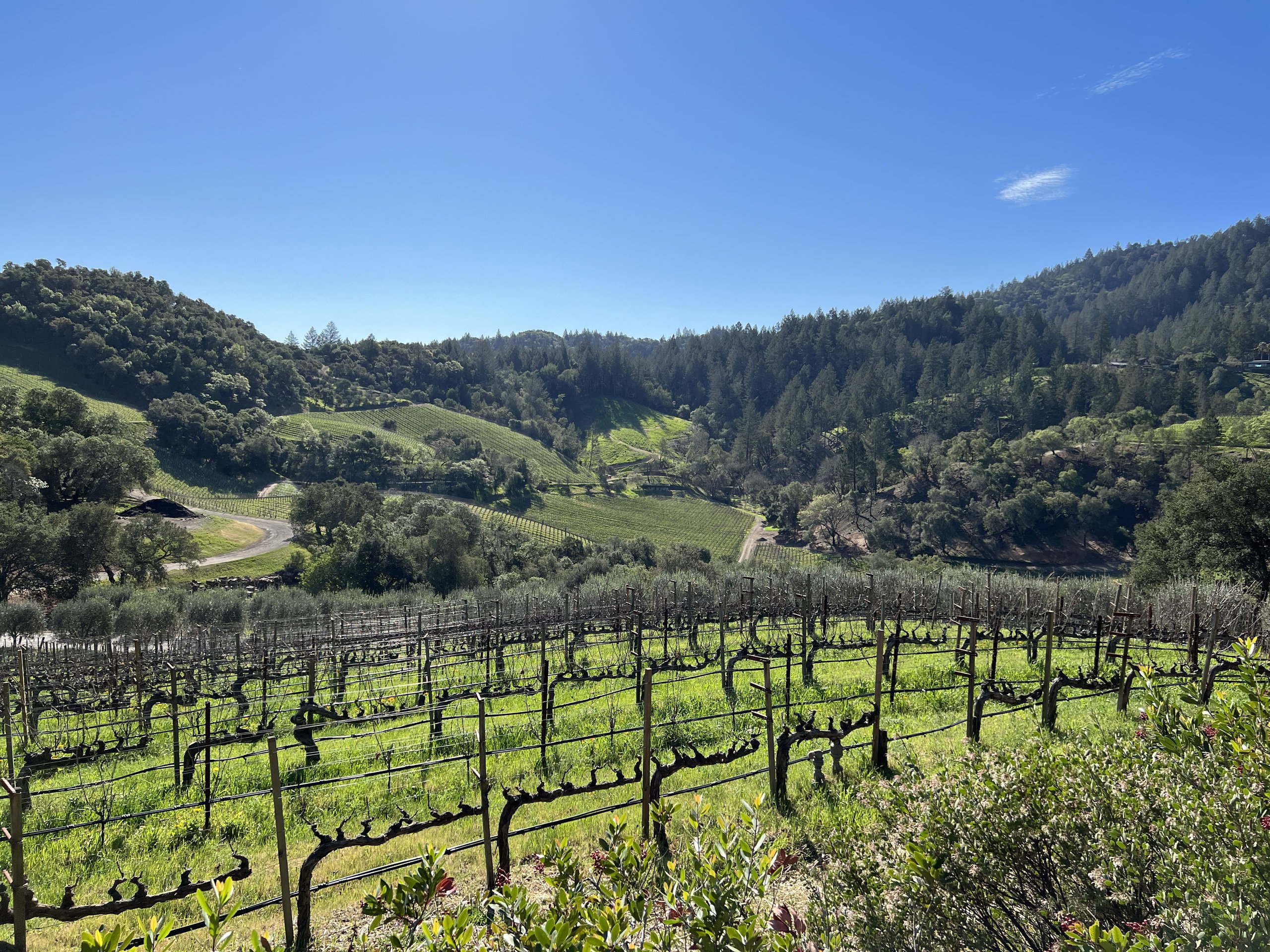
Acacia Vineyard reads as a focused, terroir-first estate that privileges restrained, cool-climate expression over bold, high-octane fruit. Set at the eastern edge of Carneros, the property occupies a wind-sculpted landscape where Pinot Noir and Chardonnay are the natural languages of the site. Visitors encounter a vineyard-minded sensibility and a quietly assured professionalism rather than flash; the overall impression is refined and considered, geared toward those who prize nuance and site specificity.
Best For
Acacia is best for visitors who want to study cool-climate California wine and experience a vineyard-focused perspective. The text positions the estate as a counterpoint to Napa's warmer, Cabernet-led areas, making it ideal for people interested in Pinot Noir and Chardonnay and in learning how wind and proximity to San Pablo Bay shape style.
Tasting Tips
Focus your tasting on the Carneros specialties: Pinot Noir and Chardonnay. Acacia has a restrained, acid-driven house style, so expect wines that show brightness, clarity and site expression. If you prefer a Bay-influenced profile, ask to compare expressions that highlight coastal acidity and the wind-sculpted character described in the notes.
Venue details
Ambiance
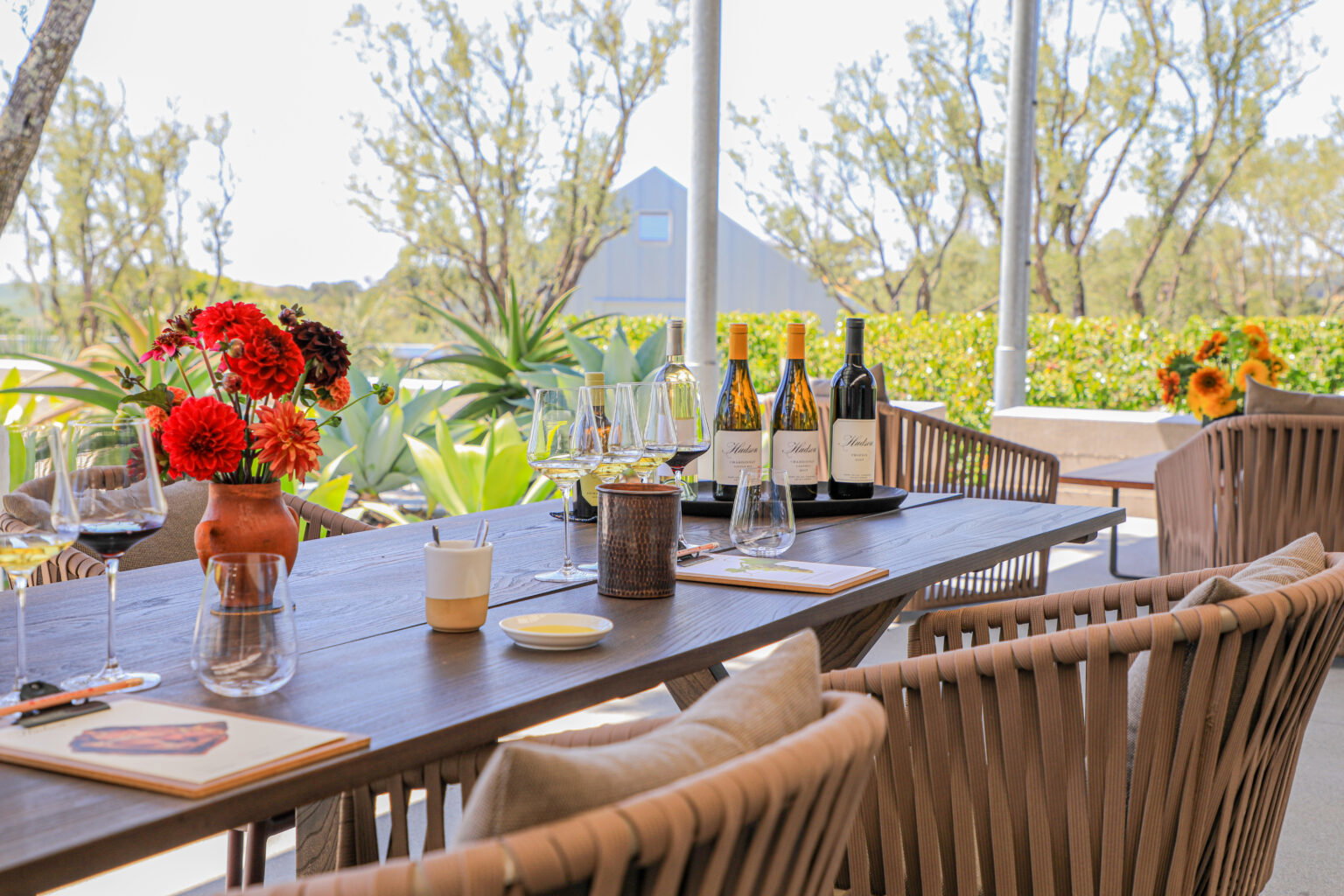
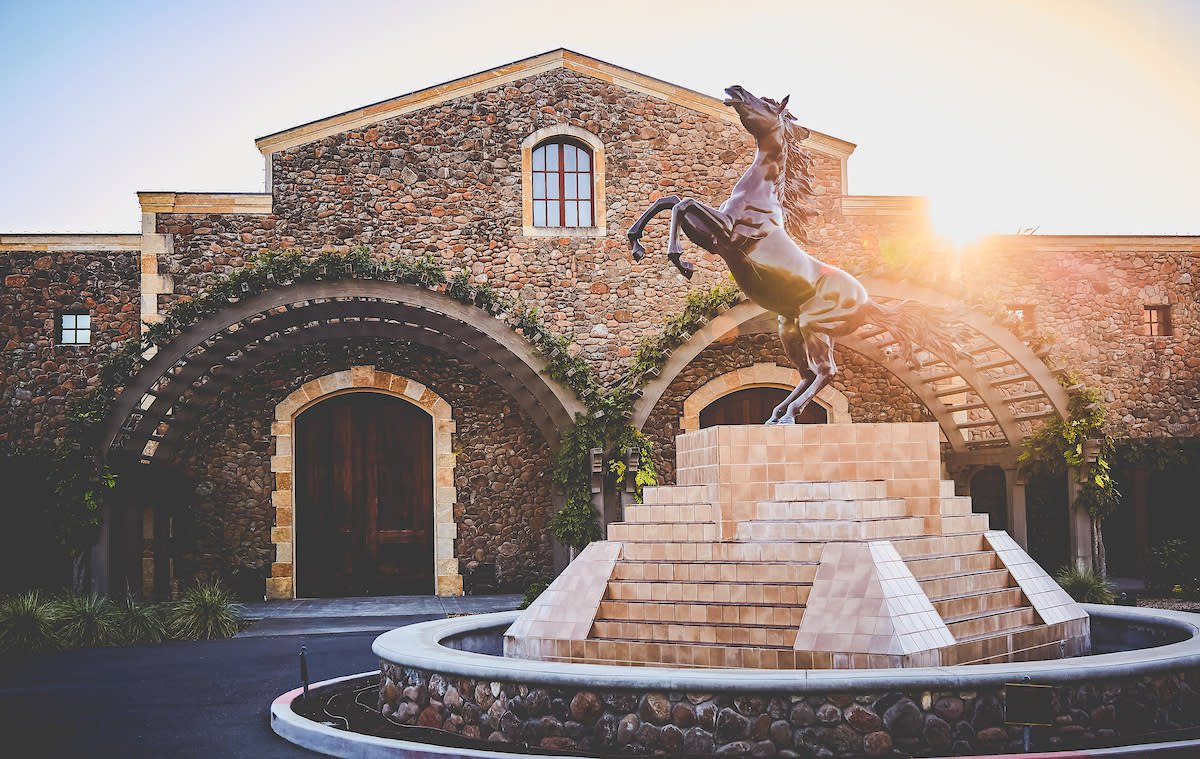
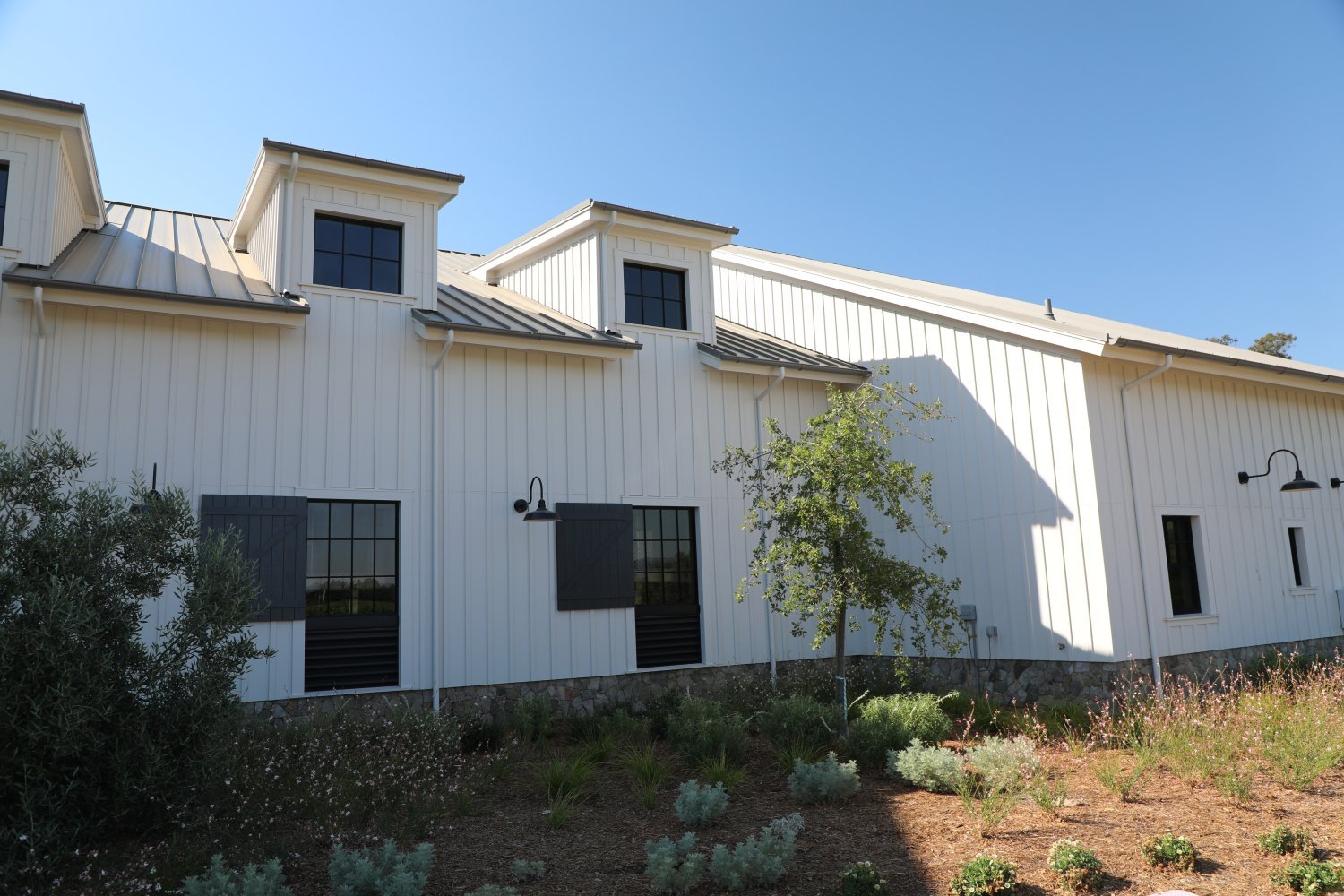
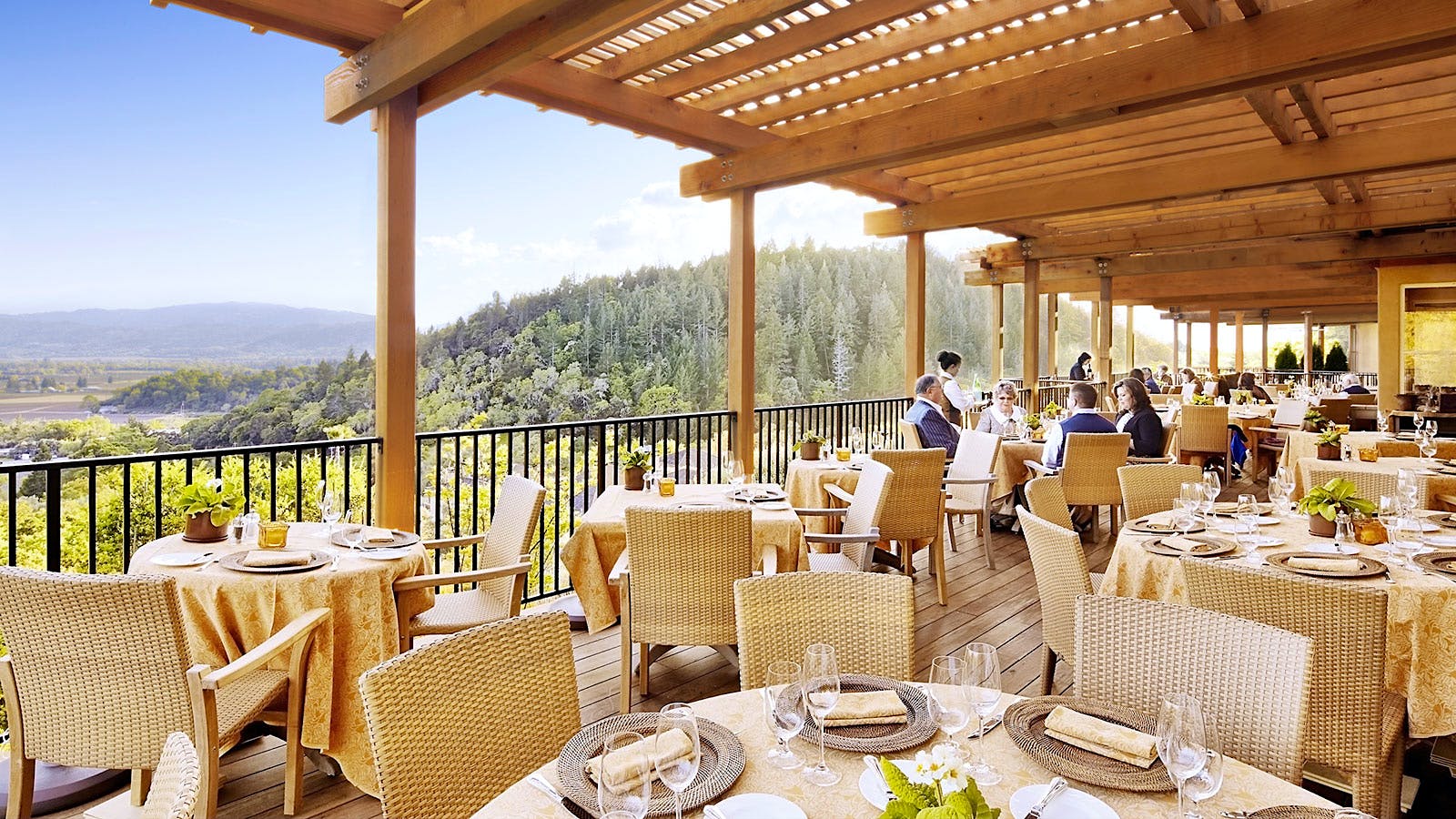
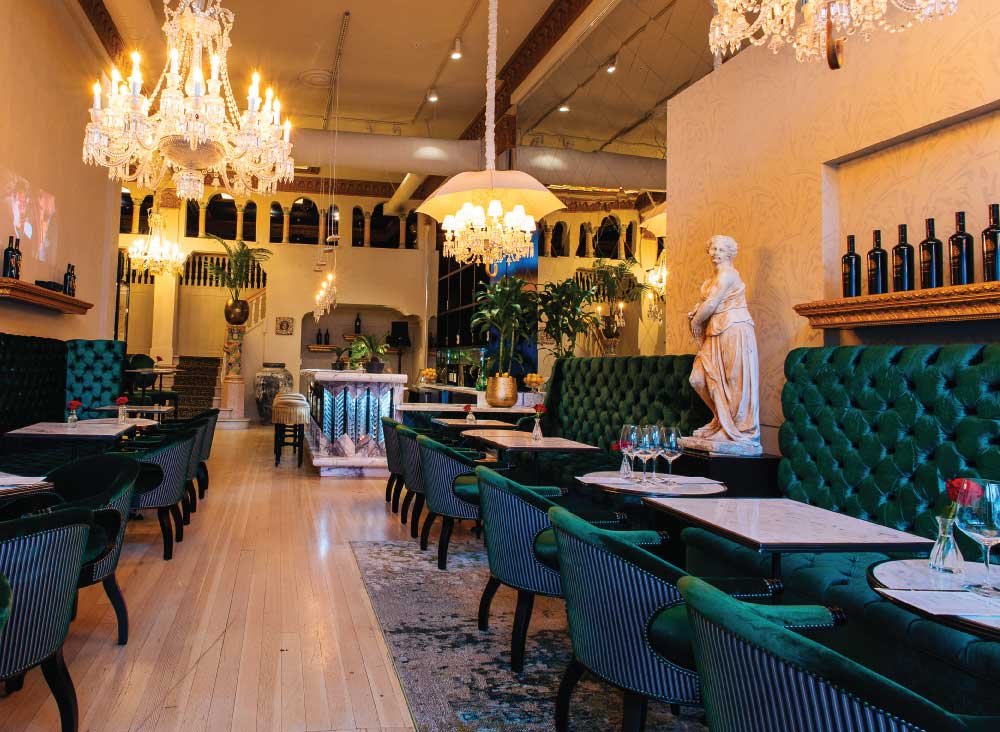
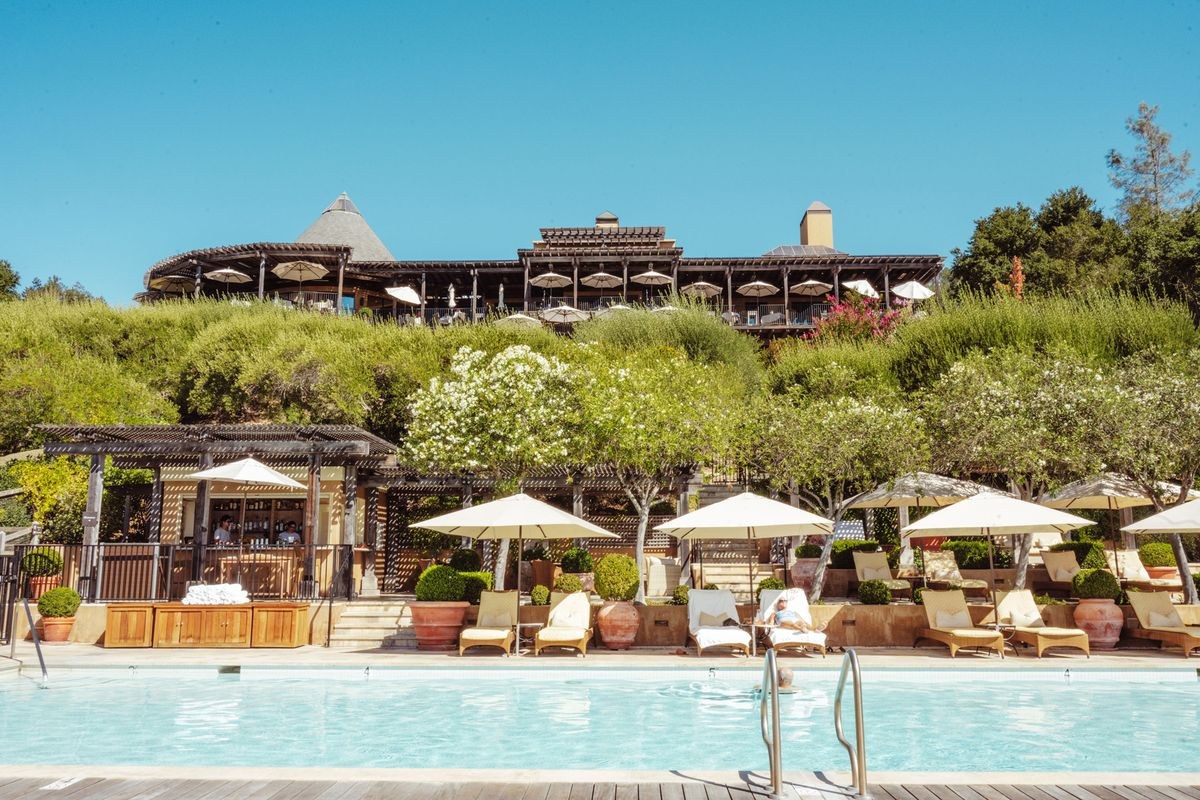
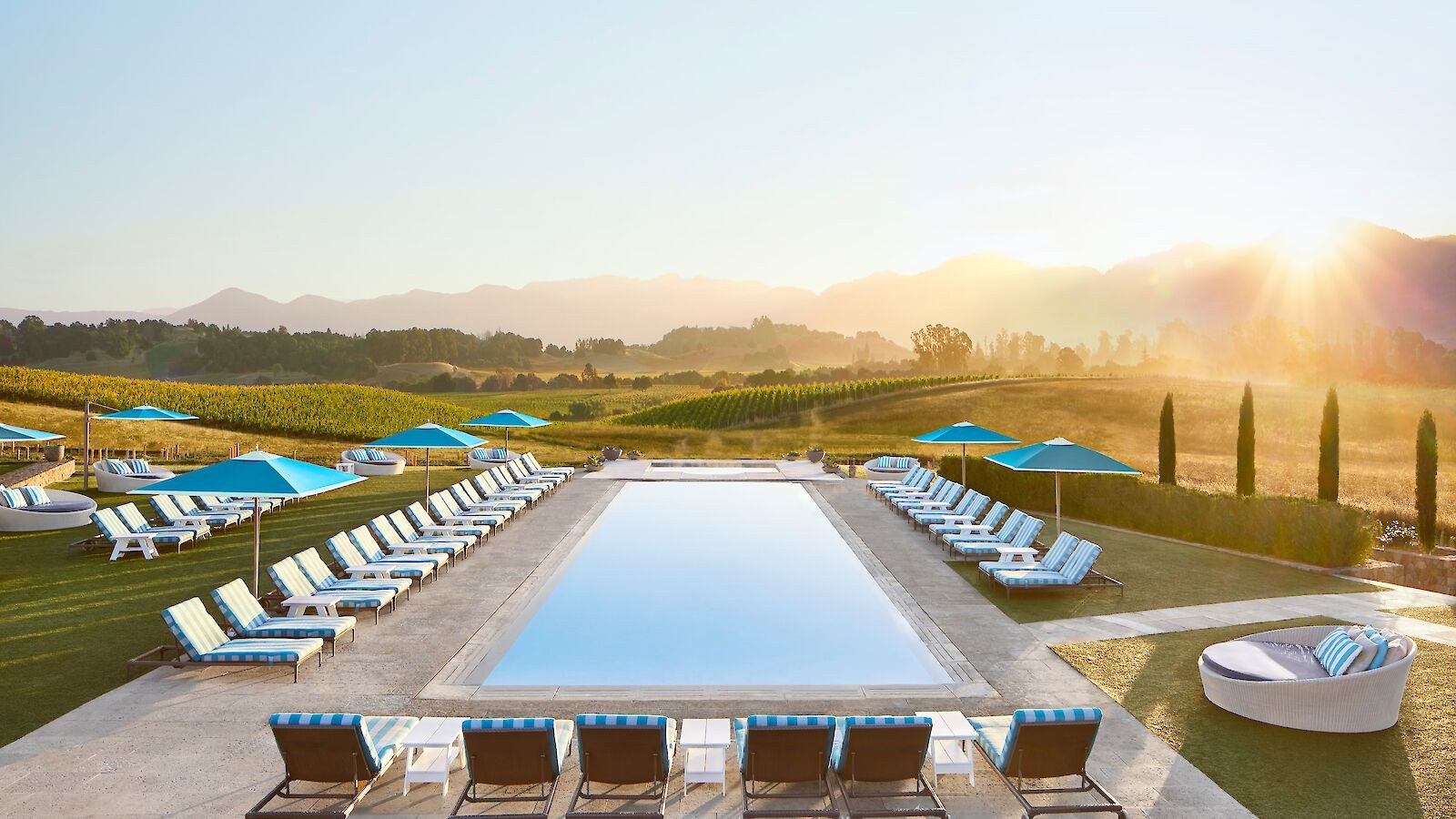
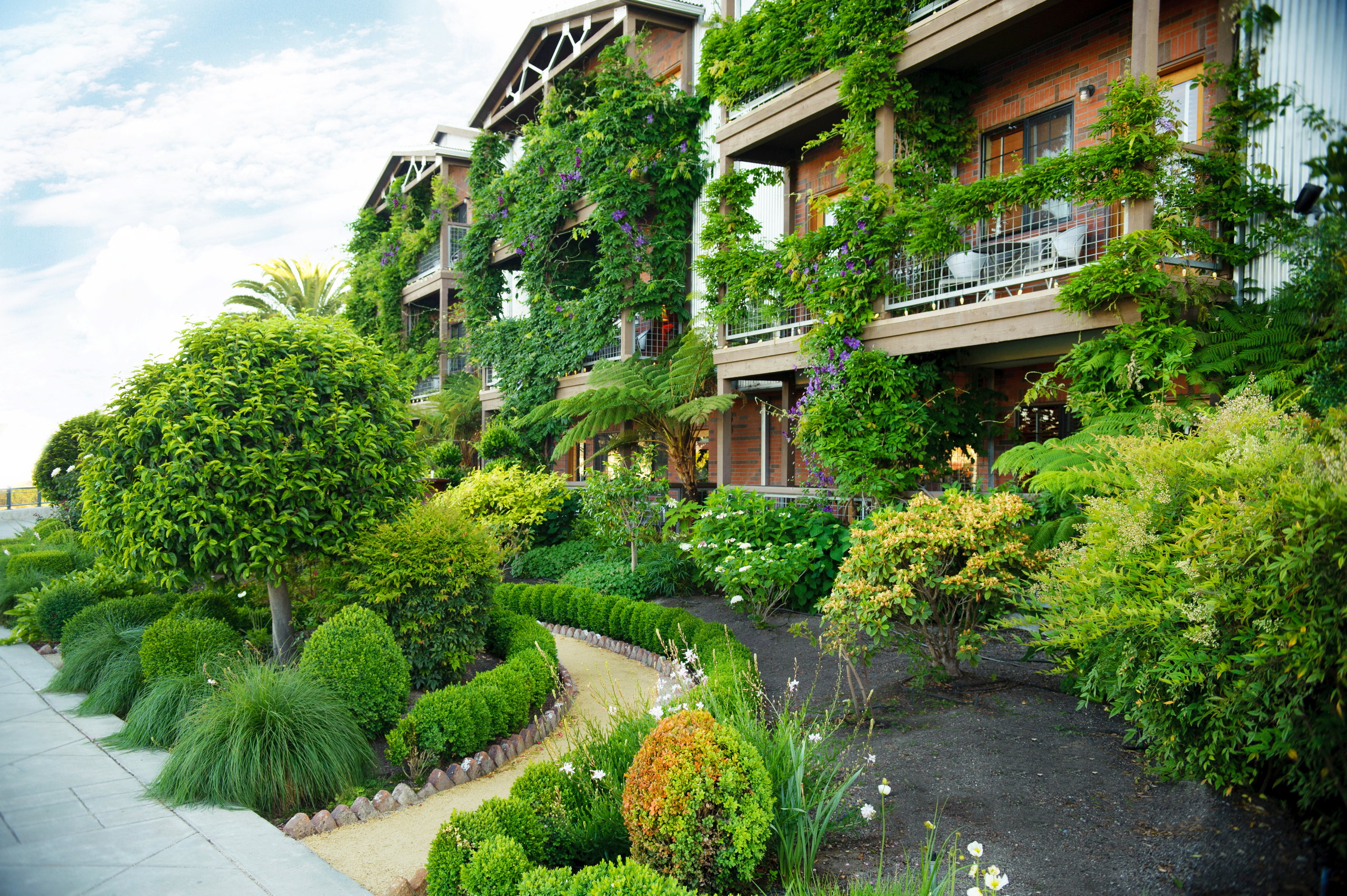
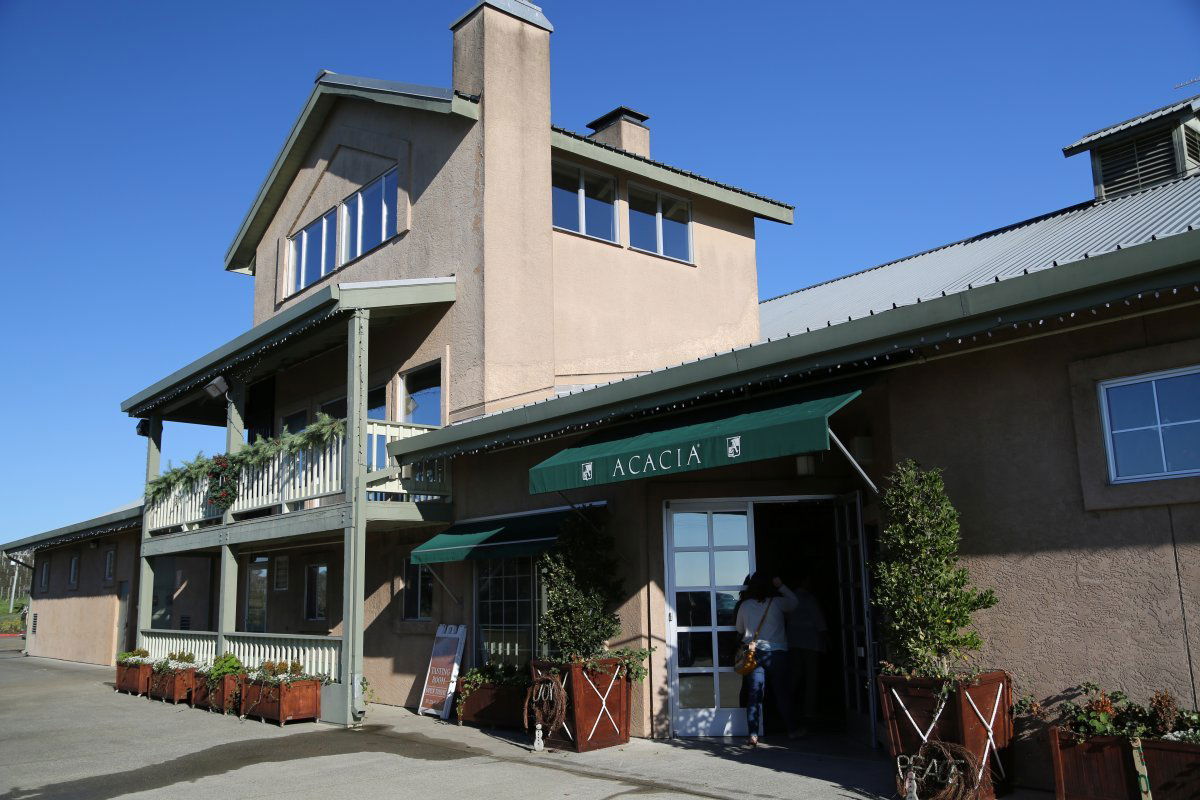
Relaxed and welcoming with knowledgeable staff pouring in a rustic, authentic winery setting overlooking beautiful vineyard views.
Tags
Vibe
Best For
Experience
View
At the Vineyard
- Appellation
- Los Carneros AVA
- Varietals
- Pinot Noir, Chardonnay
- Tour Duration
- 60-90 minutes
- Visits
- By reservation
- Production
- Mid-size producer
- Wine Styles
- Still Red, Still White
- Wine Club
- Available
Know before you go
Know Before You Go
- Getting there
- 555 Gateway Dr, Napa, CA 94558
Planning details
Hours
- Monday
- 10 AM–4 PM
- Tuesday
- 10 AM–4 PM
- Wednesday
- 10 AM–4 PM
- Thursday
- 10 AM–4 PM
- Friday
- 10 AM–4 PM
- Saturday
- 10 AM–4 PM
- Sunday
- 12–4 PM
Location
555 Gateway Dr, Napa, CA 94558 · Directions
Also consider
Also Consider
- Blackbird Vineyards, Notable alternative
- Etude Wines, Notable alternative
- Bouchaine Vineyards, Notable alternative
- Saintsbury, Notable alternative
- Hyde Vineyard Estate, Notable alternative
Winery context
How it compares in Napa
Choose Acacia Vineyard when the day needs a Napa-based winery stop that does not force the whole itinerary around travel time. Blackbird Vineyards is the stronger cross-shop for a more collector-led plan, while Etude Wines and Bouchaine Vineyards make more sense for visitors comparing Carneros-leaning options.
For ambiance, Saintsbury and Bouchaine are better comparisons if the group wants a softer, longer wine-country rhythm. Acacia Vineyard is easier to justify as a practical city-day piece: one tasting slot, then lunch, dinner, or a hotel bar nearby. That is useful for couples and business guests who care more about flow than a showpiece setting.
If the trip is built around one serious splurge, compare with Hyde Vineyard Estate before deciding. If the goal is value for time, Acacia Vineyard has the cleaner argument: less itinerary sprawl, simpler pairing with Napa plans, and a better fit for visitors who have already done the obvious valley circuit.
Around this place
Discover more on Pearl
Unlock the full Acacia Vineyard guide in Pearl, including awards, comparisons, FAQs, planning details, and nearby places.
Compare Acacia Vineyard
| Venue | Location | Awards |
|---|---|---|
| Acacia Vineyard | Napa | No published awards |
| Blackbird Vineyards | Napa | 2026 Falstaff Winery Guide |
| Etude Wines | Napa | No published awards |
| Bouchaine Vineyards | Napa | No published awards |
| Saintsbury | Napa | No published awards |
| Hyde Vineyard Estate | Napa | No published awards |

How Acacia Vineyard Napa compares with similar nearby venues.
FAQ
Frequently Asked Questions
How can I contact Acacia Vineyard?
Use the venue's official channels for current contact information.