
Restaurant in Osaka, Japan
Yakitori Matsuri
370Pearl PointsOmakase yakitori with a Michelin nod. Book it.


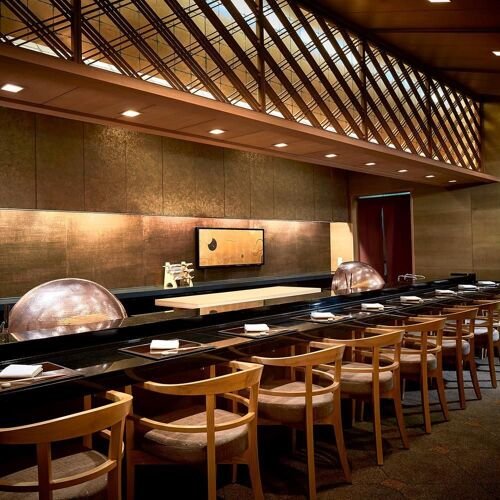
About Yakitori Matsuri
Yakitori Matsuri is a Michelin Plate omakase yakitori counter in Osaka's Dojima district, built on the site where the chef first trained. The structured menu moves from chicken ham through a deliberate salt-to-sweet progression. At ¥¥¥ with easy booking, it is the right call for food-focused visitors who want serious single-protein cooking without the competition for seats that Osaka's starred kaiseki venues demand.
Verdict: A Michelin-recognised omakase yakitori in Dojima worth booking for the format, not just the protein
At the ¥¥¥ price point, Yakitori Matsuri delivers a structured omakase experience that goes well beyond the grilled chicken you might expect from a casual yakitori counter. The Michelin Plate recognition in 2025 signals technical competence rather than spectacle, and that framing is accurate: this is precise, deliberate cooking, with a menu that moves from salty to sweet and from light to rich across a single sitting. If you are visiting Osaka for serious eating rather than sightseeing, it belongs on your shortlist. If you want French technique or kaiseki theatre, look elsewhere first.
Portrait
Yakitori Matsuri occupies a first-floor space in the Res Dojima Building in Kita Ward, one of Osaka's more functional commercial districts rather than a neighbourhood with a built-in culinary identity. That location tells you something about who the restaurant is for: it is not trading on atmosphere or foot traffic. The name itself is loaded with intention — formed by combining one character from Ichimatsu, the venue where the chef trained, and one from the Japanese word for hometown. The restaurant literally stands on the same site as its predecessor. For a food explorer, that kind of origin story is more interesting than a chef's international CV: the cooking grew out of this specific place, from a specific lineage, and the menu reflects that accumulated knowledge rather than imported ideas.
The omakase format here is built around a visual and textural progression that is worth understanding before you sit down. The meal opens with chicken ham, a preparation that signals early on that this kitchen is interested in the full range of what chicken can do rather than simply moving through skewer types. What you see in front of you as the meal progresses is a sequence of small, carefully sized pieces: the Michelin notes specifically reference the gauging of chunk size when bitten and the texture on the teeth. Those are not decorative details. In yakitori at this level, the geometry of the cut and the degree of doneness interact directly with what the diner experiences. Visually, the skewers arriving from the grill carry char marks and colour gradients that are the result of deliberate control rather than improvisation.
The seasoning logic is equally deliberate. Matsuri moves from salt-forward preparations (tare, the dipping sauce, comes in later) through to sweeter, richer finishes. This is a considered arc, not a random sequence. For a diner who has eaten widely across Japan — at Torisaki in Kyoto or Yakitori Omino in Tokyo , this kind of structured progression from light to rich will read as confident menu engineering. For a first-time yakitori omakase, it is an excellent introduction to what the format can achieve at its upper tier.
Lunch vs Dinner
Operating hours are not confirmed in our data, so the lunch versus dinner comparison here is contextual rather than specific. In Osaka's mid-to-upper yakitori tier, lunch seatings , where they exist , tend to offer shorter menus at lower price points, making them the more accessible entry point for the format. Dinner omakase at a Michelin Plate venue like Matsuri is typically the fuller commitment: longer menu, higher spend, the full arc of seasoning the kitchen is designed to deliver. If the restaurant offers a lunch service, it is likely the better value option for first-time visitors who want to assess the kitchen before committing to a full dinner. For repeat visitors or those travelling specifically for the meal, dinner is the appropriate context. Confirm current service times directly with the venue before booking.
Osaka's dining density means that for a serious food trip, yakitori can sit alongside kaiseki, creative French, and regional Japanese without feeling like a lesser choice. Torisho Ishii, Yakitori Torisen, Ayamuya, and Ishii represent the broader yakitori field in the city if you are building a multi-day itinerary. Matsuri's Michelin recognition and its omakase structure put it at the more intentional end of that group.
Booking and Practical Details
Booking difficulty is rated Easy. For a Michelin Plate venue with an omakase format, that is a meaningful distinction: you are not fighting for seats weeks in advance the way you would at a Michelin-starred kaiseki counter. That said, omakase seatings at any counter are inherently limited by seat count, so booking ahead is still the sensible approach rather than walking in and hoping. No online booking link or phone number is currently listed in our data; approach the venue directly or use a local concierge if you do not read Japanese. The address is 2 Chome-2-33 Res Dojima Building 1F East, Dojima, Kita Ward, Osaka.
Dress code is not formally specified, but at a ¥¥¥ omakase counter in Osaka, smart casual is the safe default. Nothing that reads as beachwear or activewear; nothing that requires the table to accommodate excess volume. The Dojima location sits in a business district, which tends to self-select for a slightly more composed crowd than tourist-facing restaurant strips.
For broader Osaka planning, see our full Osaka restaurants guide, our full Osaka hotels guide, our full Osaka bars guide, our full Osaka wineries guide, and our full Osaka experiences guide. If you are building a wider Kansai or Japan itinerary, Gion Sasaki in Kyoto and akordu in Nara are both worth considering alongside Matsuri. Further afield, Harutaka in Tokyo and Goh in Fukuoka represent comparable levels of intention in different cuisines. 1000 in Yokohama and 6 in Okinawa round out the picture for a serious multi-city trip.
Quick reference: ¥¥¥ omakase yakitori, Michelin Plate 2025, Dojima Kita Ward Osaka, booking difficulty Easy, smart casual dress, confirm hours directly.
Frequently Asked Questions
What should I order at Yakitori Matsuri?
There is no à la carte here — Yakitori Matsuri runs an omakase format, so the kitchen decides. The menu opens with chicken ham and moves through a progression from salt-seasoned to sweet tare, shifting from lighter to richer flavours as the meal progresses. Trust the sequence; that arc is the point of booking.
How far ahead should I book Yakitori Matsuri?
Booking difficulty is rated Easy for a Michelin Plate omakase venue, which means you are not competing for seats weeks out. A few days to a week of lead time should be sufficient in most cases, though special occasions or weekend visits warrant earlier planning. No online booking link is confirmed in our data, so check the venue's official channels.
Is Yakitori Matsuri worth the price?
At ¥¥¥, this is mid-to-upper tier Osaka dining for a yakitori specialist, and the Michelin Plate recognition in 2025 confirms the kitchen is operating at a serious level. The value case is strongest if you are committed to the omakase format — the structured progression from chicken ham through varying seasonings is where the price is justified. If you want grilled chicken with drinks and no fixed menu, a neighbourhood kushiyaki spot will cost you a fraction of this.
What should I wear to Yakitori Matsuri?
No dress code is documented in our data, but a ¥¥¥ omakase counter in Osaka's Kita Ward warrants putting in some effort — neat casual is a reasonable baseline. You will likely be seated close to the grill, so avoid anything you would be unhappy to have carry smoke.
What are alternatives to Yakitori Matsuri in Osaka?
For a completely different format and price tier, Hajime and Fujiya 1935 are Osaka's multi-Michelin-starred options with a far higher price floor and much harder reservations. If you want structured tasting-menu dining closer to the ¥¥¥ range, La Cime and Taian are strong alternatives in the same city. None of those are yakitori specialists, so if the format matters to you, Yakitori Matsuri occupies its own category in Osaka.
Is Yakitori Matsuri good for a special occasion?
Yes, with one caveat: the omakase counter format suits pairs and small groups better than larger parties. The structured menu arc, from chicken ham through to richer tare-seasoned cuts, gives the meal a natural shape that works well as a celebratory dinner. If you need a private room or a flexible menu for a group, look elsewhere; if two to four people want a focused, Michelin-recognised meal in Dojima, this is a solid call.
Location
Japan, 〒530-0003 Osaka, Kita Ward, Dojima, 2 Chome−2−33 Res 堂島 ビル 1F東
Osaka, Japan
Compare Yakitori Matsuri
| Venue | Cuisine | Awards | Booking Difficulty |
|---|---|---|---|
| Yakitori Matsuri | Yakitori | Easy | |
| HAJIME | French, Innovative | Michelin 3 Star, World's 50 Best | Unknown |
| La Cime | French | Michelin 2 Star, World's 50 Best | Unknown |
| Kashiwaya Osaka Senriyama | Japanese | Michelin 3 Star | Unknown |
| Taian | Kaiseki, Japanese | Michelin 3 Star | Unknown |
| Fujiya 1935 | Innovative | Michelin 2 Star | Unknown |
Comparing your options in Osaka for this tier.
Also Consider
- HAJIME, French, Innovative, ¥¥¥¥
- La Cime, French, ¥¥¥¥
- Kashiwaya Osaka Senriyama, Japanese, ¥¥¥
- Taian, Kaiseki, Japanese, ¥¥¥
- Fujiya 1935, Innovative, ¥¥¥¥
Yakitori Matsuri sits at ¥¥¥ alongside Kashiwaya Osaka Senriyama and Taian in Osaka's mid-to-upper tier. The key distinction is format: Matsuri is a single-protein omakase built around yakitori, while Kashiwaya and Taian offer the full kaiseki experience with seasonal range across multiple ingredients and courses. If depth of Japanese culinary tradition across a broad ingredient set is what you are looking for, Kashiwaya or Taian will deliver more. If you want focused, technically precise chicken cookery in a structured sequence, Matsuri is the better call at the same price point. Both Taian and Matsuri carry Michelin recognition, so the choice is genuinely about format preference rather than quality gap.
At the ¥¥¥¥ tier, HAJIME, La Cime, and Fujiya 1935 represent Osaka's most ambitious cooking. HAJIME holds three Michelin stars and operates in a different competitive register entirely; La Cime and Fujiya 1935 bring strong creative credentials in French and innovative formats respectively. These are longer, more elaborate experiences at higher spend. Book Matsuri when you want a tighter, more intimate evening centred on one ingredient done well. Book in the ¥¥¥¥ tier when the occasion calls for a full production and you want the full breadth of Osaka's most decorated kitchens.
On booking difficulty, Matsuri is the easiest of the group to access. HAJIME in particular requires significant advance planning given its three-star status. If you are building an Osaka itinerary with limited lead time, Matsuri's Easy booking rating makes it a practical anchor for a serious food evening without the logistical pressure of competing for seats at the city's most in-demand counters. That accessibility is a genuine advantage, not a consolation prize.
Recognized By


Explore Osaka
Save or rate Yakitori Matsuri on Pearl
Keep this venue in your Pearl passport, rate it after you visit, and track it alongside every other place you collect.