.png?width=1200&quality=80)
Shōtō
Japanese · Downtown, Washington DC
Restaurant in Washington DC, United States
 Book with Pearl
The Read
Robata-Anchored Japanese Counter
Price
$150–200per person
Dress
Smart Casual
Why go
Shōtō earns its Michelin Plate with a well-calibrated combination of robata grilling, sushi, and one of D.C.'s more serious Japanese whiskey programs, all at the $$$ price point. The Midtown Center room is large and design-forward without sacrificing warmth. Book one to two weeks out for weeknights; the counter is the seat to request on a return visit.
About Shōtō
Shōtō, Washington D.C.: The Verdict
If you have already been to Shōtō once, you already know the answer: yes, go back. The combination of a serious Japanese whiskey program, robata-grilled preparations, and sushi in a room this well-designed is not common at the $$$ price point in Washington D.C. The question on a return visit is not whether to book, but how to approach it differently.
The Room, The Format, The Fit
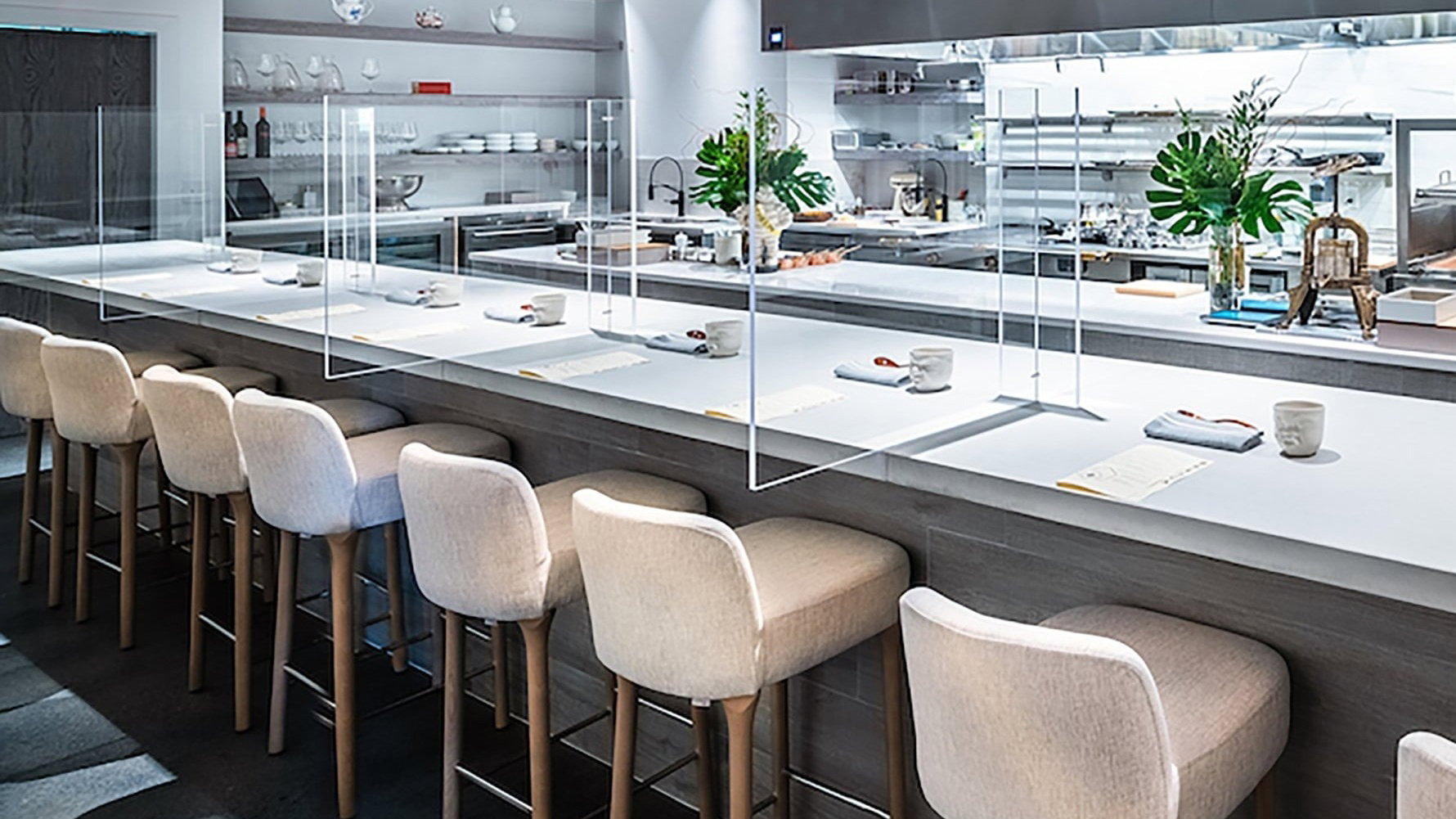
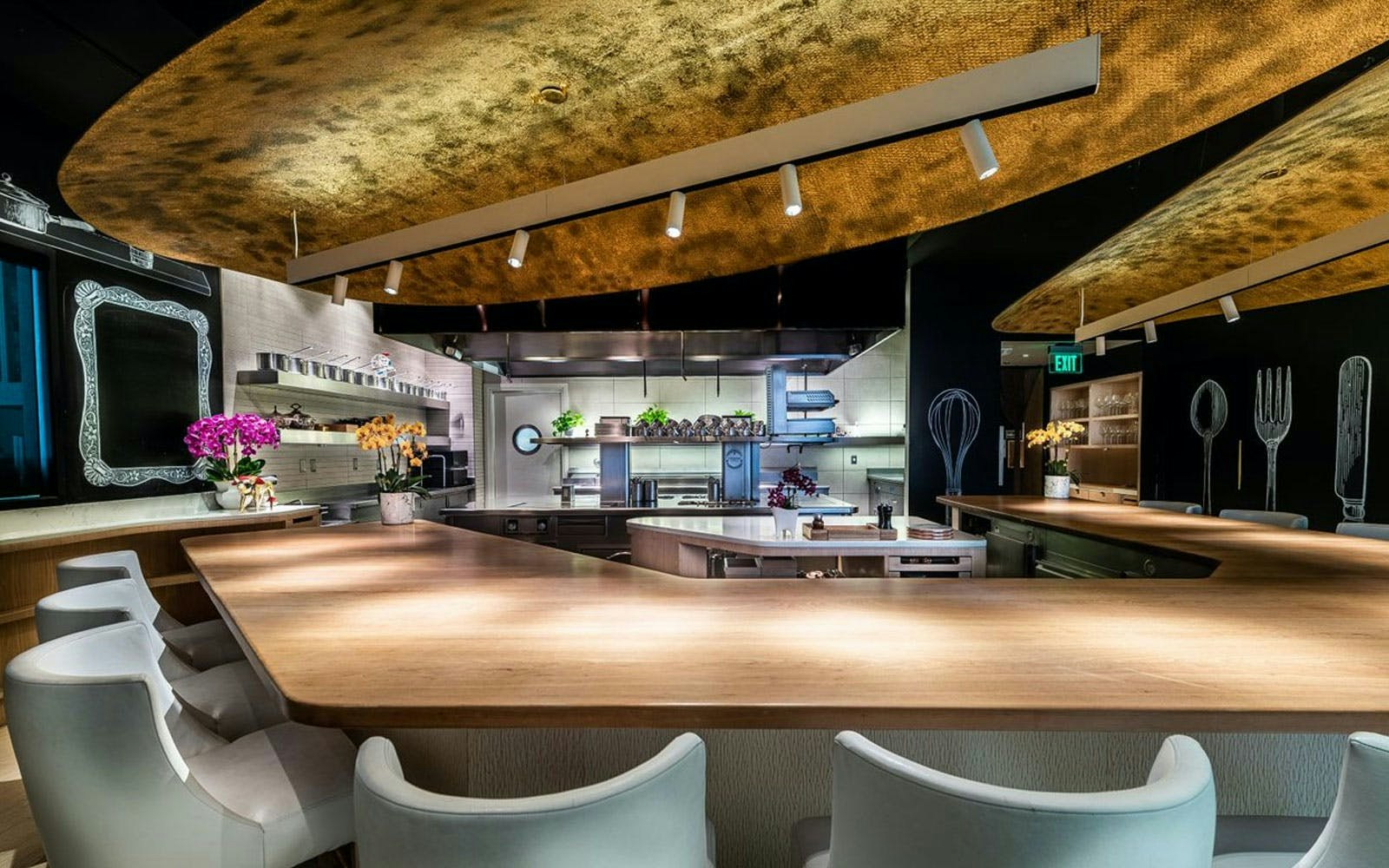
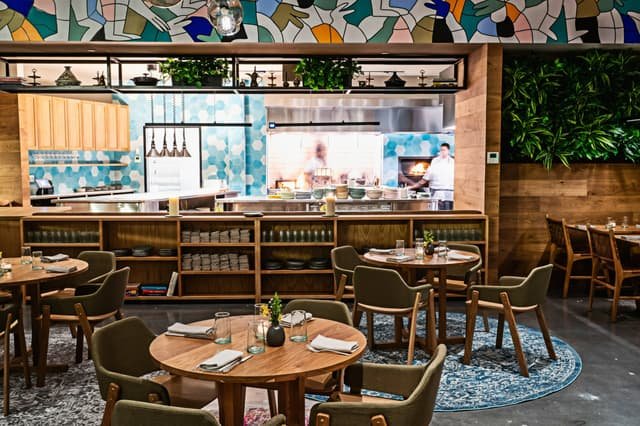
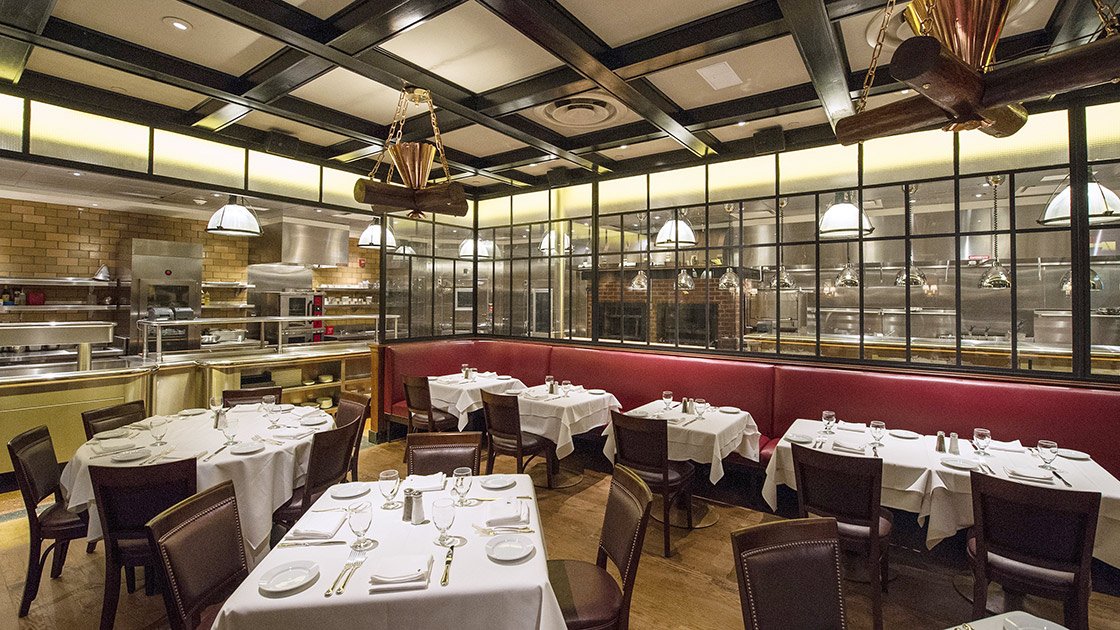
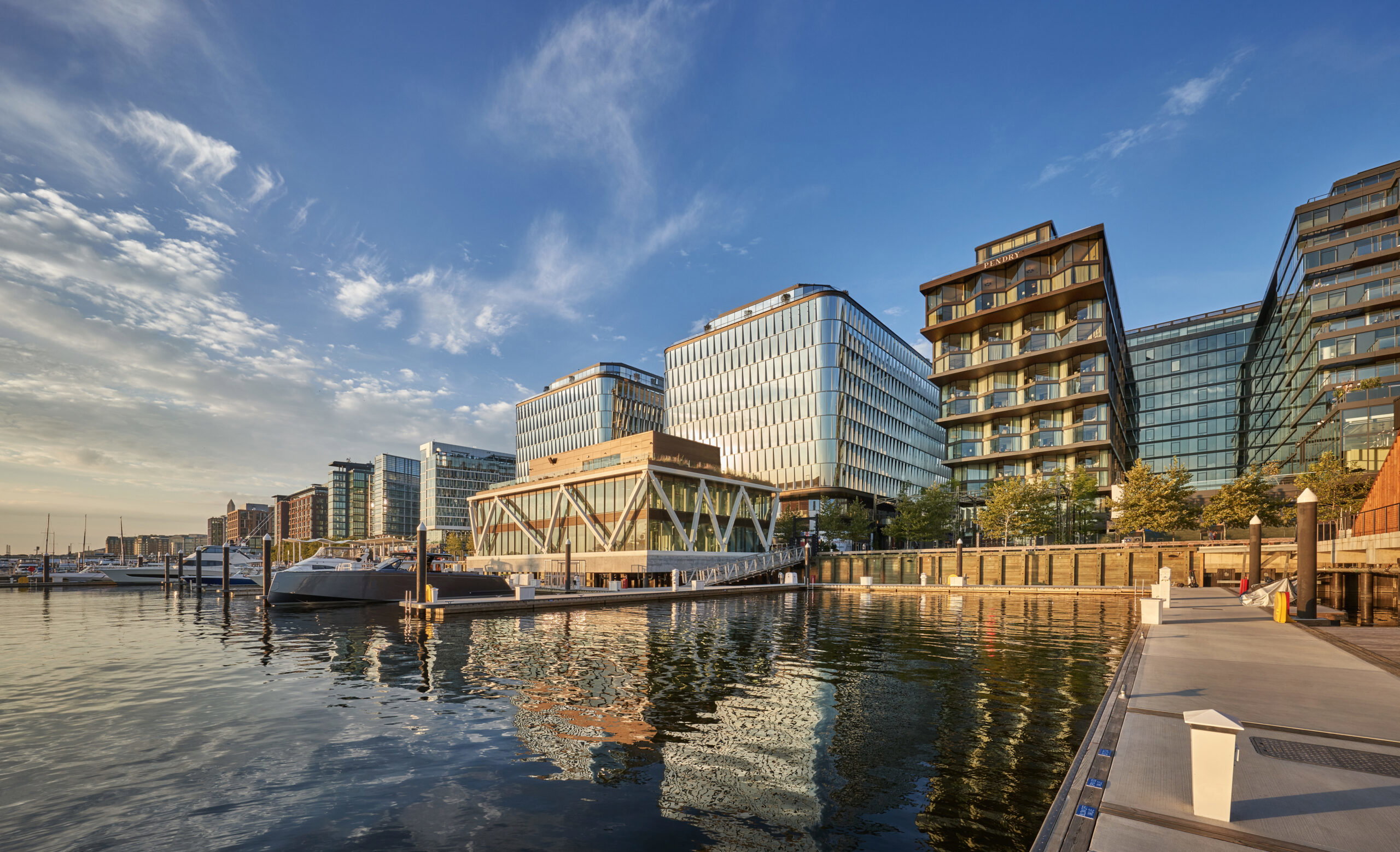
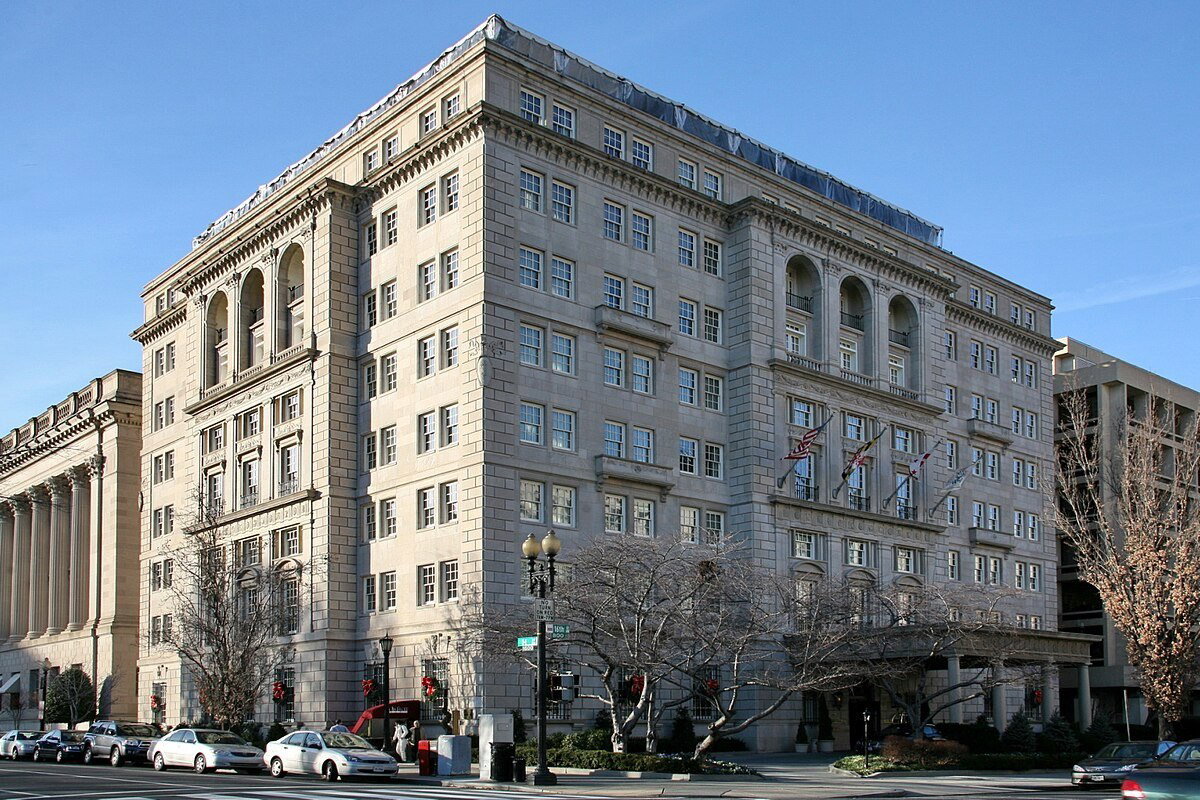
Shōtō occupies space inside Midtown Center, the mixed-use development that replaced the former Washington Post headquarters on 15th Street NW. The setting matters for how you plan your visit. The room is large by Japanese restaurant standards — bar, open tables, and a dining counter, which means it handles different group sizes and visit intentions without feeling like a compromise. A first visit probably lands at a table. A second visit is better spent at the counter, where the robata preparations and the pacing of the meal read differently up close.
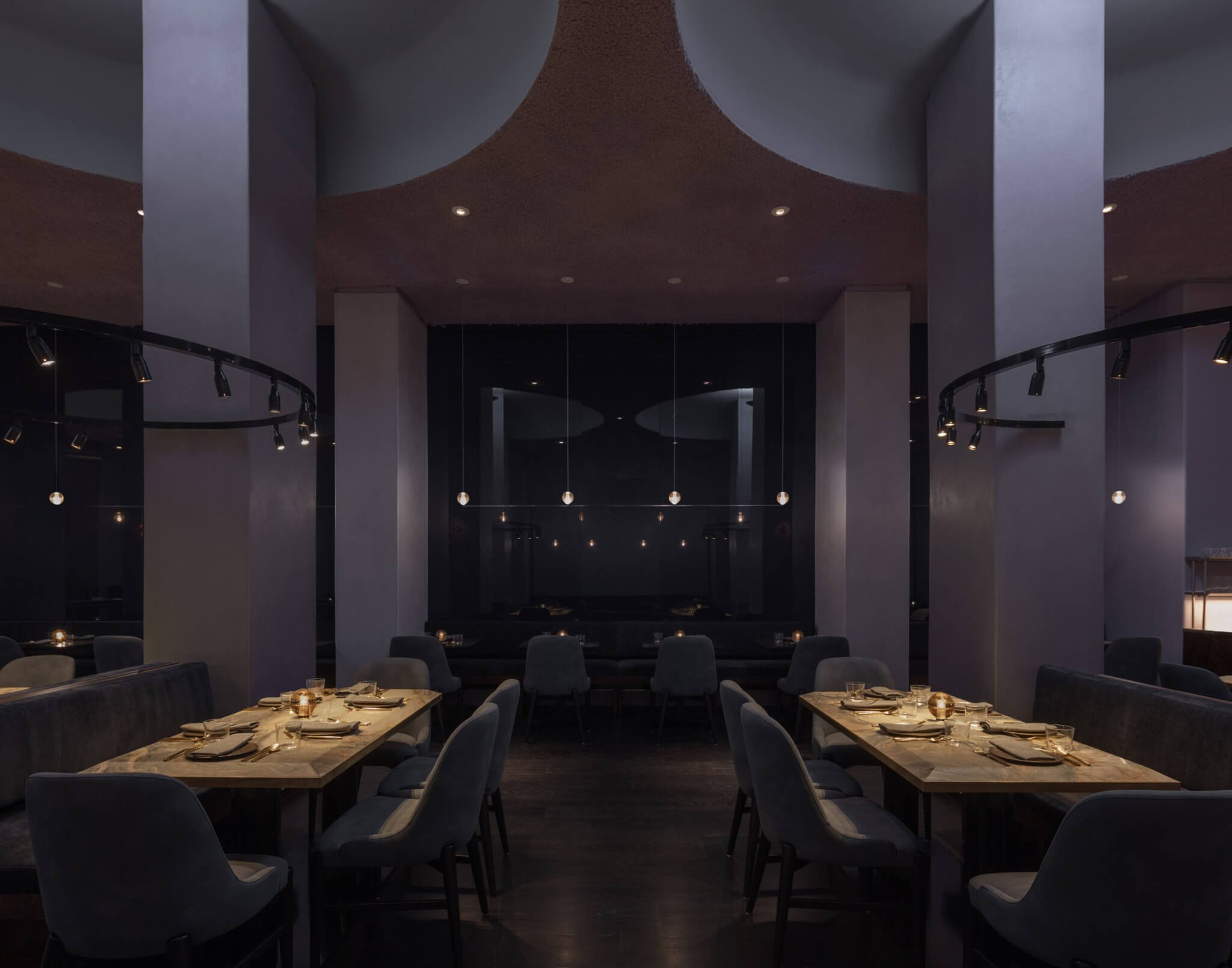
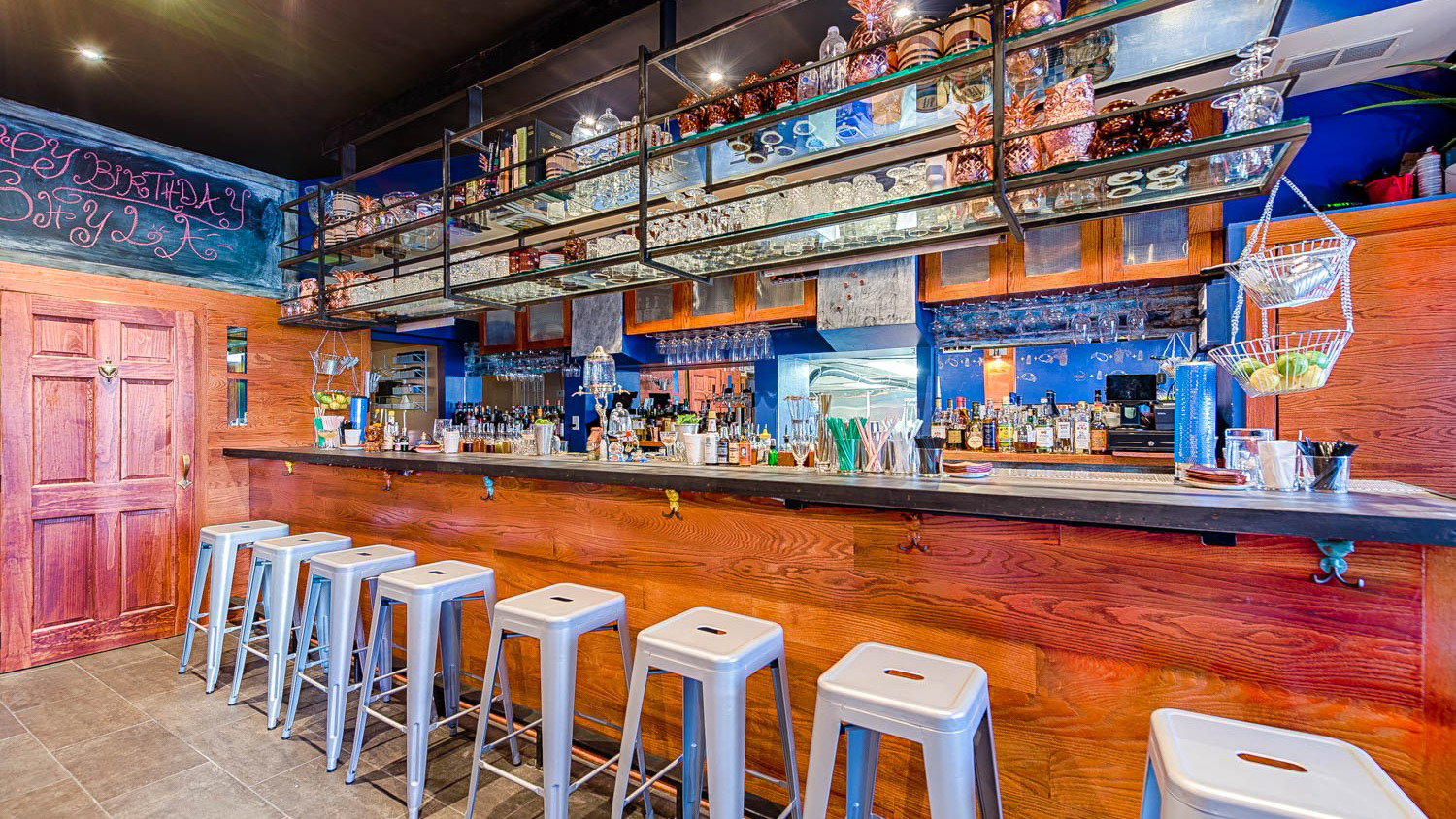
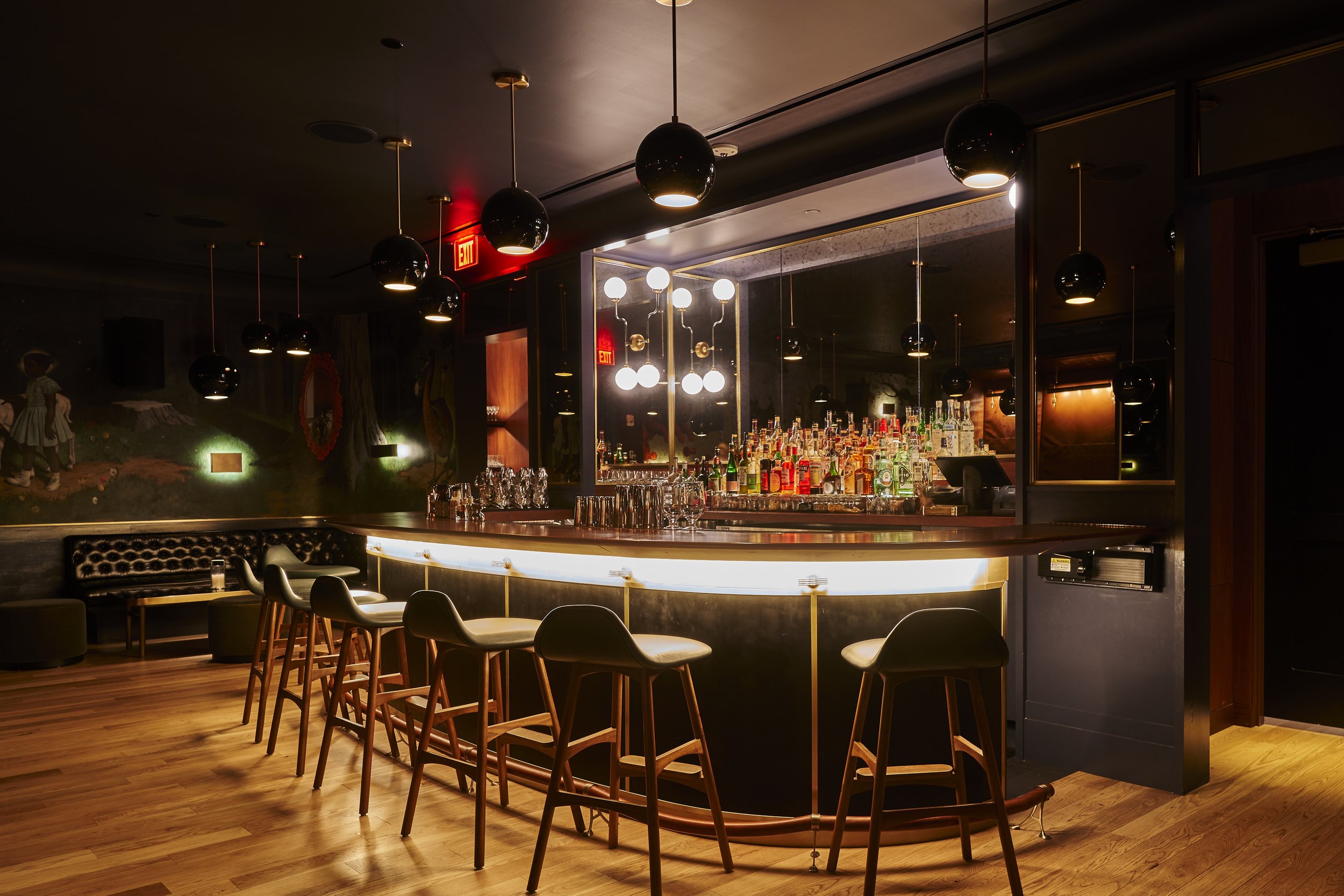
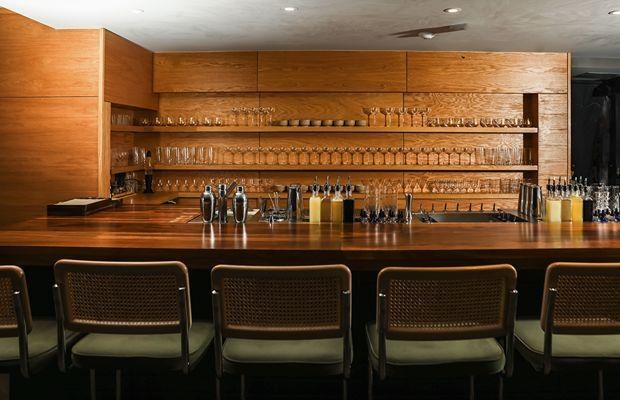
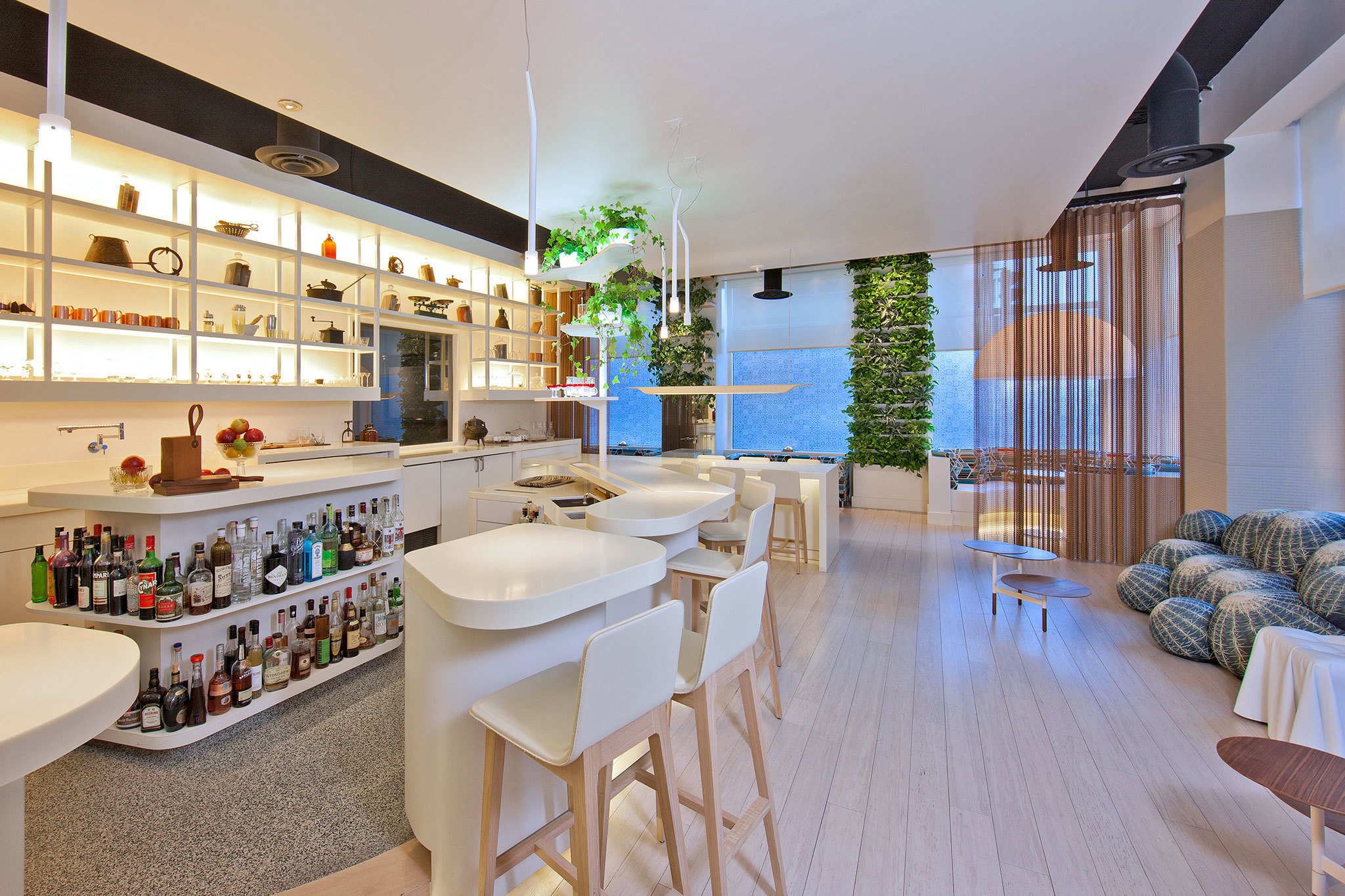
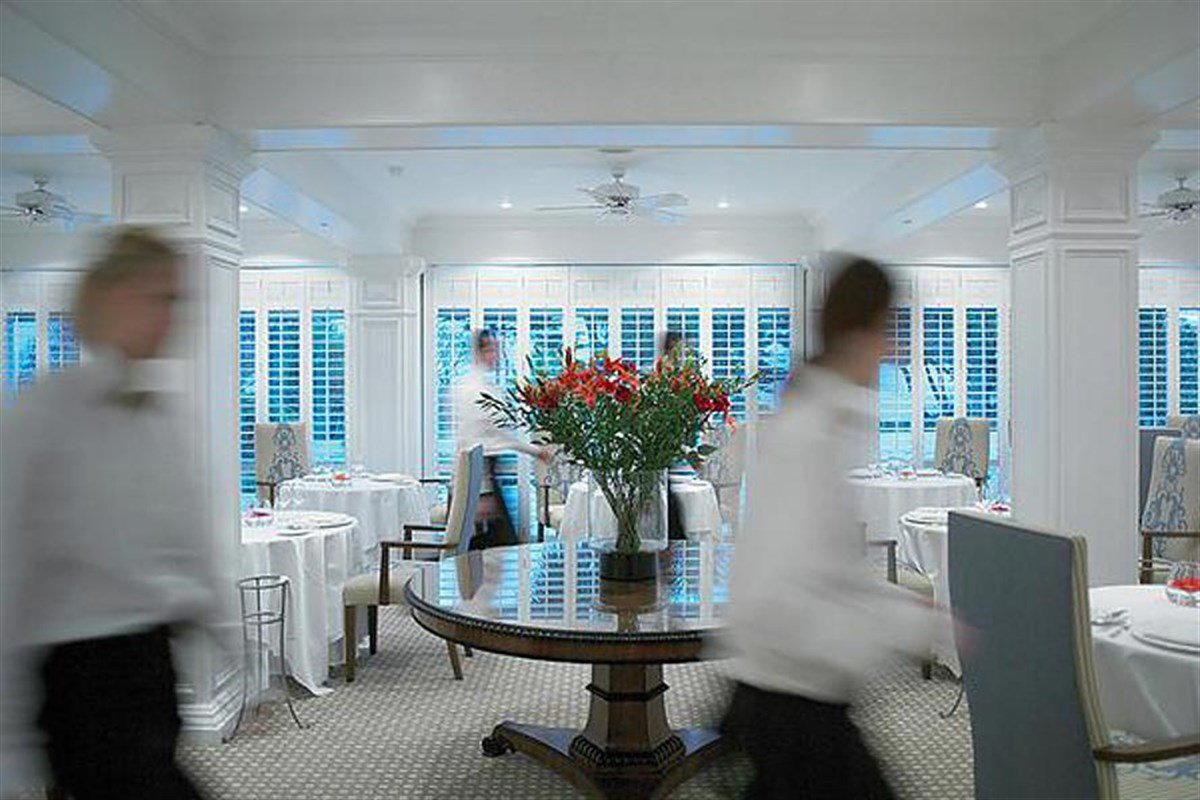
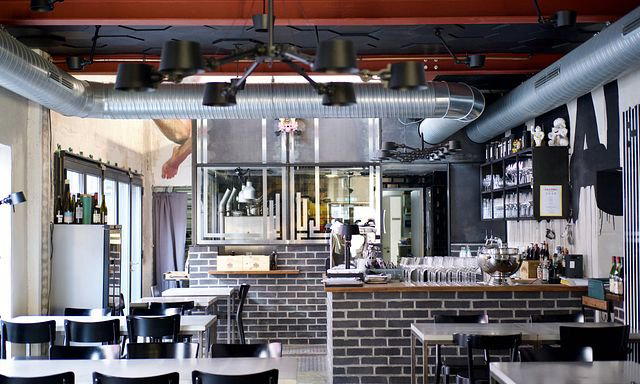
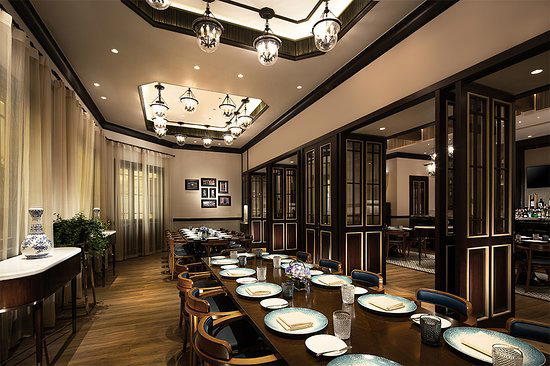
The design is worth noting as practical context: volcanic stone installation overhead, ivy along the walls, warm wood throughout, and lighting calibrated well enough that the room flatters without feeling staged. This is not a space that hides behind dim lighting to compensate for weak cooking. The room and the food are working in the same direction.
Multi-Visit Strategy: How to Approach Shōtō Across Two or Three Visits
First Visit: Ground Yourself in the Core Format
On a first visit, let the robata anchor the meal. Skewered chicken wings and prawn and black cod gyoza represent the kitchen's Japanese fare at its most direct, grilled protein with enough technique to justify ordering a second round. The soft-shell crab maki gives you a read on the sushi side of the menu. Finish with the yuzu cheesecake, which handles the transition from savory to sweet without leaning on novelty. Open with the Toki old fashioned: it is the drink the Michelin inspectors noted, and it sets the register for the meal correctly.
Second Visit: Shift to the Bar and Whiskey Program
Shōtō carries an impressive selection of Japanese whiskey, this is not a list that exists as decoration. On a second visit, arrive early and spend time at the bar before sitting down. Japanese whiskey at this level of curation is not a common offering in D.C. and the bar format allows you to work through the list without the pacing pressure of a full dinner. This visit is also the right moment to request the counter if you want a closer view of the robata preparations.
Third Visit: Test the Range
By a third visit, you have enough baseline to push into the parts of the menu you skipped. The sushi program runs alongside the robata, and the two do not always get equal attention from first-time diners who come in on the strength of the grill. A third visit structured around the sushi counter, with the whiskey list as the throughline, gives you a materially different experience from the first two.
For those planning ahead across visits, Shōtō competes with a small peer group in D.C.'s Japanese dining tier. Omakase at Barracks Row is the city's most focused omakase option if pure sushi is the goal. Kappo offers a different Japanese format, more austere, less design-forward. Beloved BBQ at Love, Makoto and Perry's round out D.C.'s Japanese and Japanese-adjacent dining options at various price points. None of them replicate Shōtō's combination of robata, sushi, and serious whiskey in a single large-format room at $$$.
Booking and Timing
At moderate booking difficulty, Shōtō does not require the six-week lead time of D.C.'s hardest reservations, but it is not a walk-in venue either. Book one to two weeks out for a standard weeknight table. Weekend bookings, particularly Friday and Saturday dinner, need more runway, aim for two to three weeks. The counter seats, if available, may have more flexibility on shorter notice than the main dining room during off-peak hours. Lunch availability is not confirmed in the venue data, so verify directly before planning a midday visit.
The Midtown Center location at 1100 15th St NW puts Shōtō within easy reach of downtown D.C. practical if you are combining dinner with an early evening event nearby, less convenient if you are coming from the eastern neighborhoods without a direct Metro line.
Ratings and Recognition
Michelin Plate (2024) is the relevant trust signal here. A Michelin Plate does not carry the weight of a star, but it does signal that Michelin inspectors found the cooking worth flagging to readers, in a city where the Michelin Guide is selective, that distinction has meaning.
For comparison within the broader Japanese dining category, Myojaku in Tokyo and Azabu Kadowaki in Tokyo represent what the format looks like at its most technically demanding. Shōtō is not competing at that level, nor is it priced as if it were. What it offers is a well-executed, atmospherically strong Japanese dining experience at a price point that makes repeat visits practical rather than aspirational.
Explore More in Washington D.C.
Shōtō fits into a broader D.C. dining picture worth knowing before you book. See our full Washington, D.C. restaurants guide for the complete category view. If you are planning a full trip, our Washington, D.C. hotels guide, bars guide, wineries guide, and experiences guide cover the rest. For reference points on what serious Japanese cooking looks like at the highest tier elsewhere in the U.S. Le Bernardin in New York and The French Laundry in Napa anchor the fine dining end of the spectrum. For tasting-menu formats at a similar price register, Smyth in Chicago, Lazy Bear in San Francisco, and Single Thread Farm in Healdsburg are worth knowing. Emeril's in New Orleans offers a useful comparison for high-volume, design-forward dining rooms at similar price points.
FAQs
What should a first-timer know about Shōtō?
- The room is large and handles solo diners, couples, and small groups without issue. Counter seating is the most engaging option if you want to watch the kitchen.
- Book one to two weeks out for weeknights; two to three weeks for weekends. It is not the hardest reservation in D.C. but it is not a drop-in spot either.
- The menu spans robata-grilled preparations and sushi, plan to order across both rather than treating it as a pure sushi bar or a pure grill.
- The Japanese whiskey list is a genuine asset, not a decorative afterthought. If whiskey interests you at all, allocate time to the bar program.
What should I order at Shōtō?
- Start with the Toki old fashioned, it is Michelin-noted and sets the right tone for the meal.
- Prawn and black cod gyoza and skewered chicken wings are the robata anchors confirmed in the venue record. Order both on a first visit.
- Soft-shell crab maki is the sushi item to benchmark the kitchen's technique.
- The yuzu cheesecake is the dessert to close, yuzu brings enough acidity to work as a palate reset after robata and sushi.
- On a return visit, push into the sushi program more deliberately and use the Japanese whiskey list as the throughline rather than defaulting to cocktails.
Planning details
- Location
- 1100 15th St NW, Washington, DC 20005
- Reservations
- Book on SevenRooms
- Website
- sevenrooms.com/reservations/shotowashingtondc
- Phone
- (202) 796-0011
The take
The Take
The Vibe
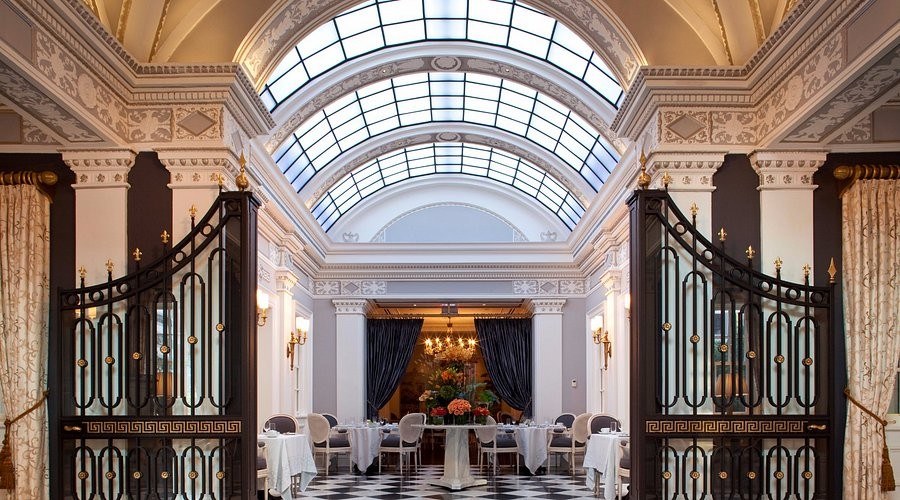
Shōtō occupies a quietly commanding space inside the Old Washington Post Building, where material choices and lighting shape the mood. Volcanic stone, an ivy-clad wall and deep, warm wood tones create a room that absorbs sound and light rather than bouncing them back. The design reads as deliberate rather than trendy: the bar, counter and tables are arranged with sectional discipline so each area keeps its own rhythm. The overall effect is a historic-meets-contemporary dining room that feels warm, considered and restrained—a modern interpretation of Japanese restraint that favors atmosphere over flash.
Best For
This is a dinner destination that suits evenings when quality and focus matter. The menu spans robata grill work and sushi at a level that earned a Michelin Plate in 2024, and the thoughtful room supports both quieter table service and focused counter dining. The whiskey program and bar seating make it a natural stopping point after work, while the composed atmosphere and high-quality preparations make it appropriate for date nights and more formal dinners where atmosphere and technique are equally important.
Ordering Tips
Start with the house gyoza—called out in the room’s introductory copy as worth ordering first—and share selections from the robata grill. Signature items include the Wagyu Tomahawk Steak for a show-stopping centerpiece, Hamachi Pirikara for crisper, brighter sushi flavors, and Gyu To Shishito No Kushiyaki for skewered savory bites. Pairing plates with pours from the Japanese whiskey list or curated cocktails at the bar lets groups compare tastes while enjoying the counter’s view of the kitchen.
Venue details
Ambiance
Low-lighting creating an underground nightclub vibe with DJ music on weekends, buzzing atmosphere, and sleek, elegant decor.
Tags
Vibe
Best For
Experience
At the Table
- Dress Code
- Smart Casual
- Noise Level
- Lively
- Service Style
- Upscale Casual
- Meal Pacing
- Leisurely
- Capacity
- Medium
- Kitchen
- Modern
- Menu Format
- A la carte, Omakase, Small plates
- Wine Program
- Curated
- Drinks Focus
- Sake, Japanese whiskey
- Dietary
- Gluten-free options, Allergy accommodating
Signature Dishes
- Wagyu Tomahawk Steak
- Hamachi Pirikara
- Gyu To Shishito No Kushiyaki
Know before you go
Know Before You Go
- Getting there
- 1100 15th St NW, Washington, DC 20005
Planning details
Location
1100 15th St NW, Washington, DC 20005 · Directions
Recognition and awards
Also consider
Also Consider
- Oyster Oyster, New American, Vegetarian, Vegetarian (Sustainable), $$$
- Albi, United States, Middle Eastern, $$$$
- Causa, Peruvian, $$$$
- Rooster & Owl, Contemporary, $$$
- Rose’s Luxury, New American, Contemporary, $$$$
Restaurant context
Against D.C.'s $$$–$$$$ dining field, Shōtō occupies a specific lane: Japanese cooking with a strong bar program, in a large and well-designed room, at a price point that makes repeat visits realistic. Rooster & Owl sits at the same $$$ tier and delivers a contemporary tasting-menu format, stronger if format-driven dining is what you want, but without the Japanese whiskey focus or robata depth. Oyster Oyster is also $$$ and the right call if sustainable, vegetable-forward cooking matters more than a specific cuisine type. Neither competes directly with Shōtō's Japanese format.
At $$$$, Albi and Causa both deliver more ambitious tasting-menu experiences with stronger culinary specificity, Albi for Middle Eastern cooking at a high level, Causa for Peruvian. If the meal is the main event and budget is secondary, either outpaces Shōtō for pure culinary ambition. Rose's Luxury at $$$$ is the D.C. reservation that requires the most lead time and rewards the most adventurous diners. None of these offer Shōtō's combination of Japanese whiskey depth and robata-anchored menu.
The practical decision: book Shōtō if you want a Japanese-focused dinner with serious drinks at the $$$ price point and moderate booking difficulty. Move up to Albi or Causa if you want to spend more for a more singular culinary experience. Choose Rooster & Owl if contemporary tasting menus at the same price range are the preference. Shōtō is the easiest repeat booking of the group, the format rewards multiple visits in a way that a tasting-menu-only restaurant does not.
Explore Washington DC
Around this place
Discover more on Pearl
Unlock the full Shōtō guide in Pearl, including awards, comparisons, FAQs, planning details, and nearby places.
Compare Shōtō
| Venue | Cuisine | Awards | Booking Difficulty |
|---|---|---|---|
| Shōtō | Japanese | 2025 Michelin Plate2024 Michelin Plate | Moderate |
| Oyster Oyster | New American, Vegetarian, Vegetarian (Sustainable) | Washingtonian 100 Very Best Restaurants 2026 · #622026 OAD Top Restaurants in North America Highly Recommended2025 Food & Wine Global Tastemakers Top Restaurants · #152025 OAD Top Restaurants in North America Ranked · #251We're Smart World Top Restaurants 20252025 Wine Spectator Award of Excellence2025 The Best Chef One Knife2025 Michelin 1 Star2024 OAD Top Restaurants in North America Ranked · #203 | Unknown |
| Albi | United States, Middle Eastern | Washingtonian 100 Very Best Restaurants 2026 · #12026 North America's 50 Best Restaurants · #6RAMMYS 2026 Winners - Formal Fine Dining Restaurant of the Year2025 World's 50 North America's Best Restaurants · #342025 Robb Report 100 Greatest American Restaurants of the 21st Century · #892025 OAD Casual in North America Ranked · #1302025 Michelin 1 Star2024 James Beard Awards · #12024 OAD Casual in North America Ranked · #109 | Unknown |
| Causa | Peruvian | Washingtonian 100 Very Best Restaurants 2026 · #162025 OAD Top Restaurants in North America Ranked · #2752025 James Beard Awards2025 Michelin 1 Star2024 OAD Top Restaurants in North America Ranked · #2252024 Michelin 1 Star | Unknown |
| Rooster & Owl | Contemporary | Washingtonian 100 Very Best Restaurants 2026 · #652026 OAD Casual in North America Recommended2025 OAD Casual in North America Ranked · #7532025 Michelin 1 Star2024 Michelin 1 Star | Unknown |
| Rose’s Luxury | New American, Contemporary | Washingtonian 100 Very Best Restaurants 2026 · #232026 OAD Top Restaurants in North America Ranked · #682025 OAD Top Restaurants in North America Ranked · #572025 Michelin 1 Star2024 OAD Top Restaurants in North America Ranked · #562024 Michelin 1 Star2023 OAD Gourmet Casual Dining in North America Ranked · #12023 OAD Top Restaurants in North America Ranked · #74Pearl Recommended Restaurants | Unknown |












How Shōtō stacks up against the competition.
FAQ
Frequently Asked Questions
What should a first-timer know about Shōtō?
Come expecting a full-format Japanese restaurant, not a quiet izakaya: Shōtō runs a bar, open tables, and a dining counter across a sizable room inside Midtown Center on 15th Street NW. At $$$, it sits at moderate price and moderate booking difficulty — you need a reservation, but not six weeks out. The Michelin Plate (2024) tells you the kitchen is competent; the Japanese whiskey list tells you the bar program is a genuine reason to be here, not an afterthought. If you prefer a more intimate, counter-only format, Shōtō is not that — the room is large, the energy is social.
What should I order at Shōtō?
Anchor your first visit to the robata-grilled preparations: skewered chicken wings and prawn and black cod gyoza are the dishes the kitchen is known for. The sushi program runs alongside the robata, with soft-shell crab maki as a documented option worth ordering. Open with a Toki old fashioned — the Japanese whiskey list is a real draw, and the cocktail menu uses it well. Save room for the yuzu cheesecake; it's the dessert the kitchen puts forward and it fits the meal's Japanese fare throughline.
What is Shōtō known for?
Shōtō is primarily known for Japanese in Washington, D.C.
Where is Shōtō located?
Shōtō is located in Washington, D.C. at 1100 15th St NW, Washington, DC 20005.