





The Jefferson
Dupont Circle, Washington DC
Hotel in Washington DC, United States
 Book with Pearl
The Read
Historic-Scale Boutique Precision
Why go
The Jefferson is the right D.C. pick when you want a quiet, polished boutique stay rather than a large downtown hotel scene. Its Michelin 2 Keys, 2025 World Travel Awards recognition, and Travel + Leisure ranking make it a credible splurge, especially for couples, business travelers, and first-timers who value atmosphere over amenity volume.
About The Jefferson
The Jefferson in Washington, D.C. is a premium hotel entry. Recognition includes Michelin 2 Keys in 2024, World Travel Awards 2025 Leading Boutique Hotel, and Travel + Leisure 100 Favorite Hotels in the World #53 in 2025 with 98 points. The dress code is smart casual.
A recognized Washington, D.C. hotel
A strong reason to consider The Jefferson is its recent recognition. Michelin 2 Keys in 2024, a 2025 World Travel Awards Leading Boutique Hotel honor, and a 2025 Travel + Leisure placement support treating it as a notable hotel option in Washington, D.C.
If specific room features, service style, restaurant format, wellness facilities, family amenities, prices, hours, or neighborhood positioning are important, travelers should confirm any trip-critical amenities directly before booking.
Who should book, and who should cross-shop
Book The Jefferson if hotel recognition and a smart-casual setting are enough to make it a strong candidate for your Washington, D.C. stay. It is best evaluated as a recognized hotel rather than through claims about a particular dining program, spa setup, room count, or location advantage.
Cross-shop if your decision depends on details such as loyalty-program benefits, family amenities, wellness facilities, room configuration, or a specific dining experience. In that case, compare current information for The Jefferson with Hotel Washington, Kimpton Banneker Hotel by IHG, The Darcy, The St. Regis Washington, D.C. or Mayflower Inn as relevant to your trip.
For broader planning, use our full Washington, D.C. hotels guide, then pair the stay with our full Washington, D.C. restaurants guide or our full Washington, D.C. bars guide if food and drinks are central to the trip.
Quick reference: choose this for a recognized Washington, D.C. hotel; confirm any amenity, dining, family, or wellness details before committing.
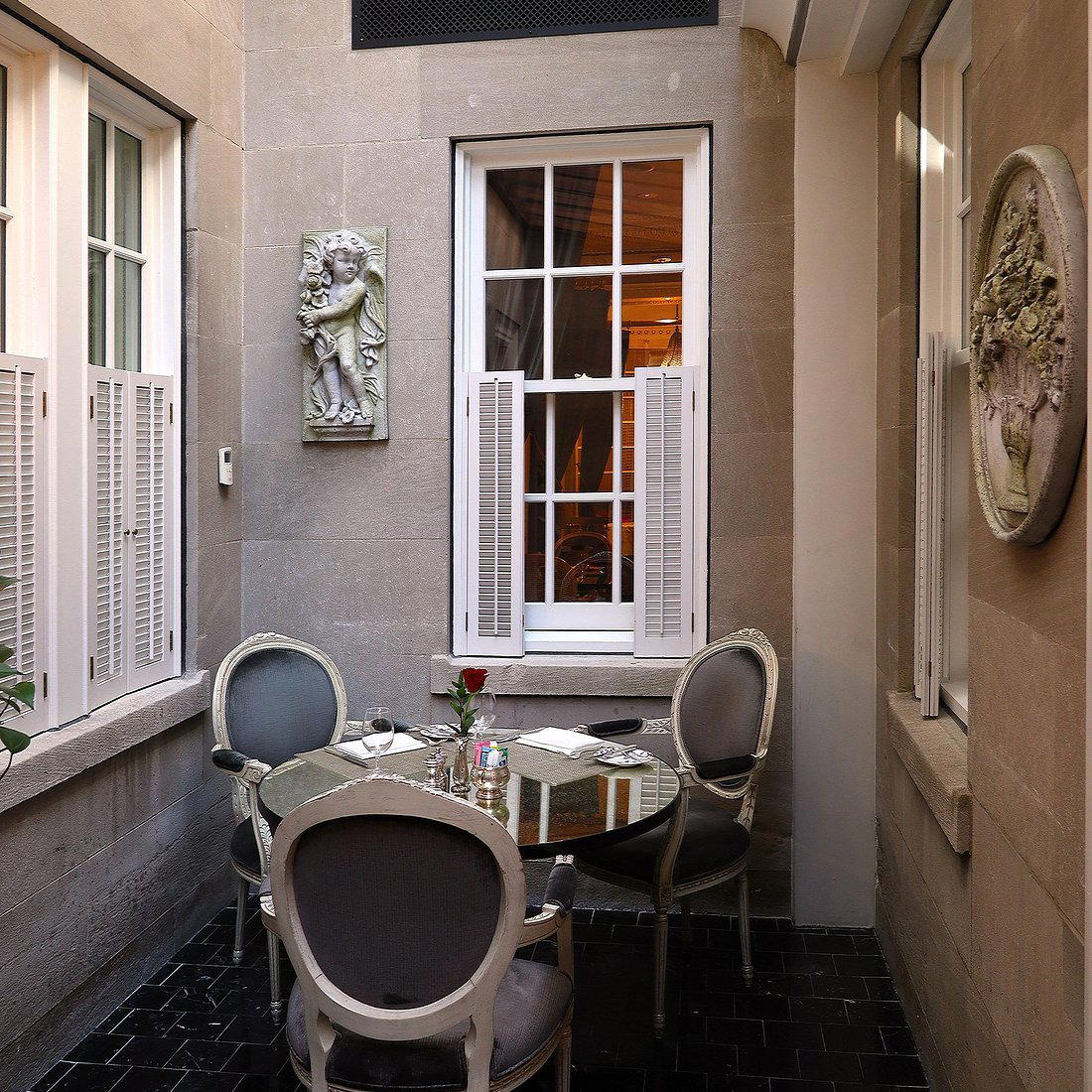
Inside The Jefferson
Planning details
- Location
- 1200 16th St NW, Washington, DC 20036
- Website
- jeffersondc.com
- Phone
- +1 202-448-2300
The take
The Take
The Vibe
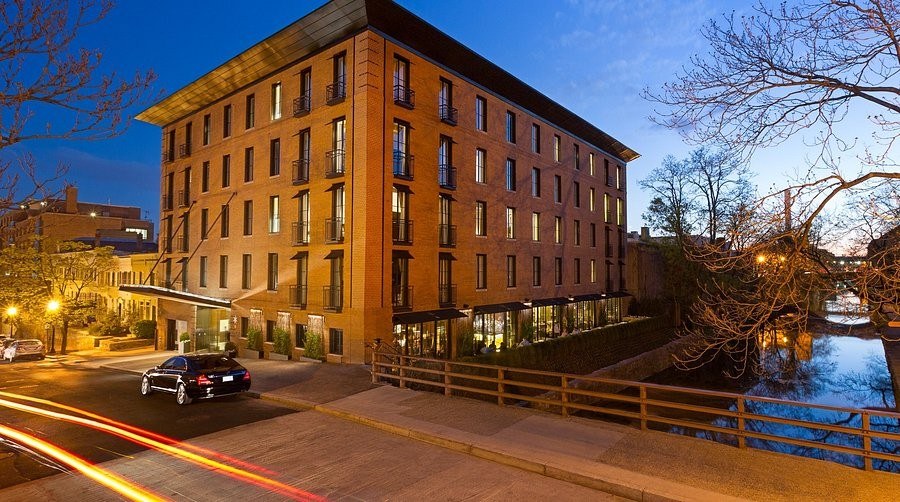
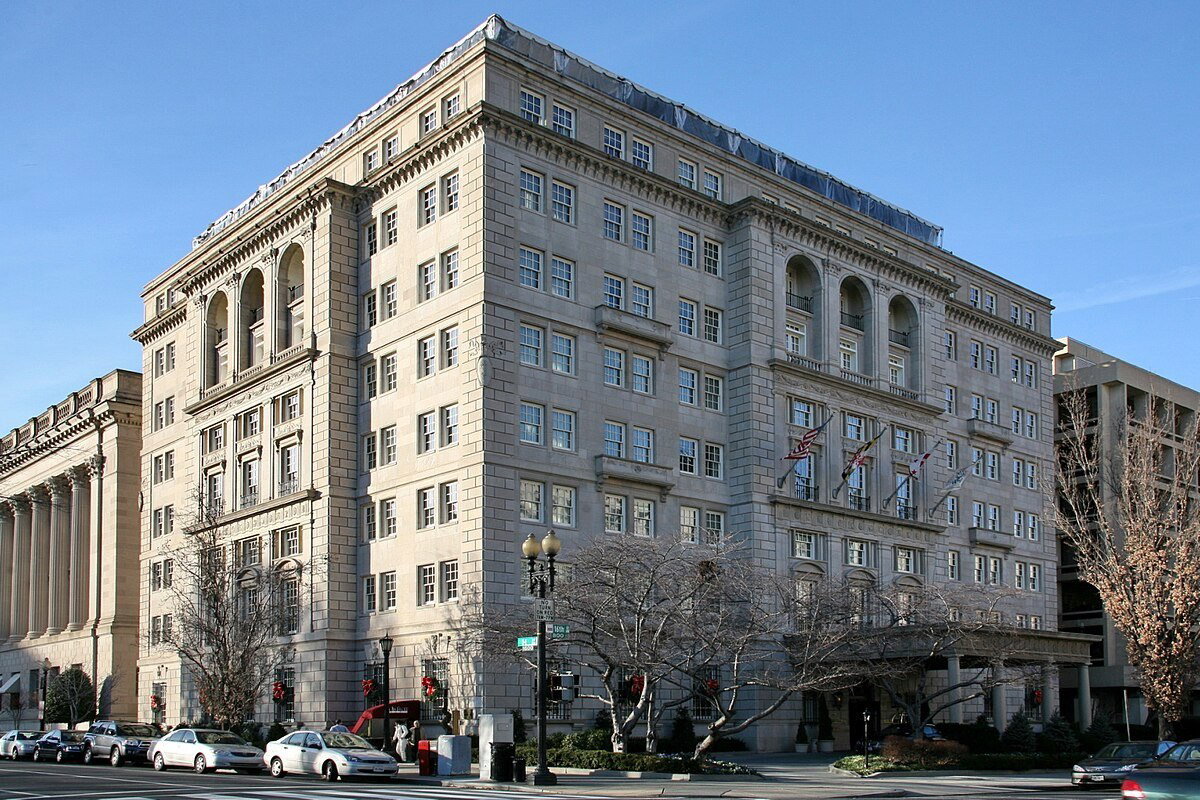
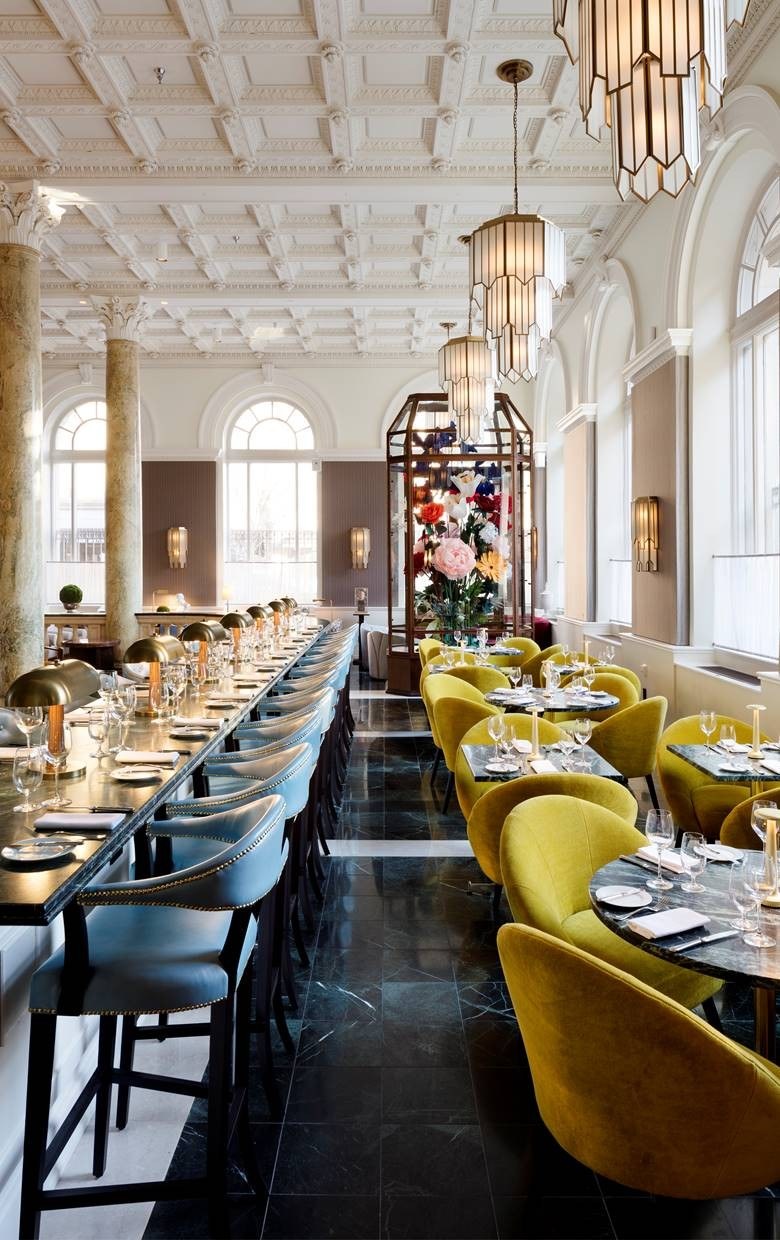
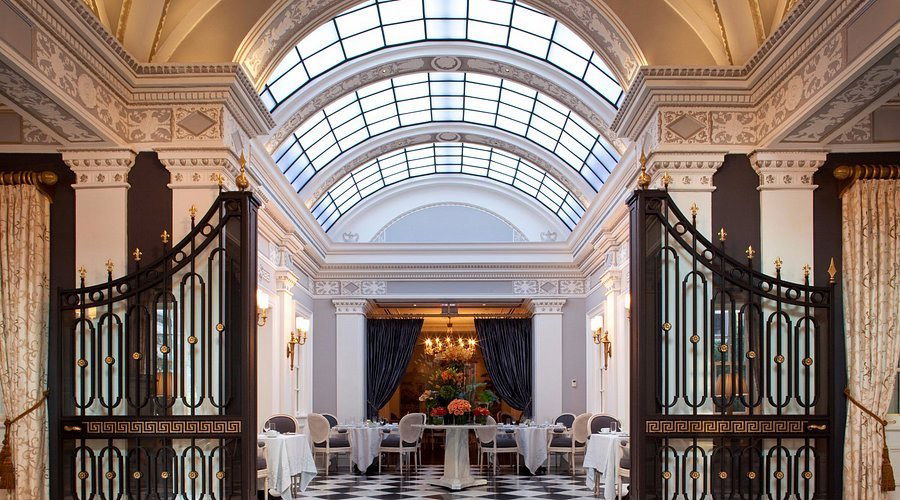
The Jefferson balances Beaux‑Arts grandeur with a boutique hotel’s attentiveness. Its 1920s bones are visible but carefully reworked: a restored skylight and original mailboxes anchor a lobby that reads as both ceremonial and welcoming. At just 99 rooms the property feels intimate and personality‑driven rather than institutional, trading on historical authenticity rather than pastiche. The renovation language and emphasis on adaptive reuse give the hotel a quietly curated atmosphere—elegant and refined without feeling distant—so guests experience historic architecture through thoughtful modern interventions.
Best For
The Jefferson suits travelers who value architectural character and discreet, personalized service. Business travelers appreciate its boutique sensibility and central West End address, while couples find the scale and restored historic details conducive to romantic stays and anniversaries. Its small room count and polished, non‑branded luxury make it a strong choice for visitors seeking a quieter, design‑minded alternative to larger landmark hotels. For those comparing the capital’s historic properties, the Jefferson is ideal when you want classical architecture presented with contemporary boutique comfort.
Stay Tips
Book early—at 99 rooms the Jefferson operates on a smaller scale, so reservations can fill faster than larger luxury hotels. When you arrive, take time in the lobby to see the restored skylight and original mailboxes, which illustrate the property’s preservation approach. If you prefer a quieter, more personalized stay, mention your priorities to the reservations team; the hotel emphasizes tailored service over a standardized chain experience. These small requests help ensure you get a room and service experience that highlights the property’s historic character and boutique personality.
Venue details
Ambiance
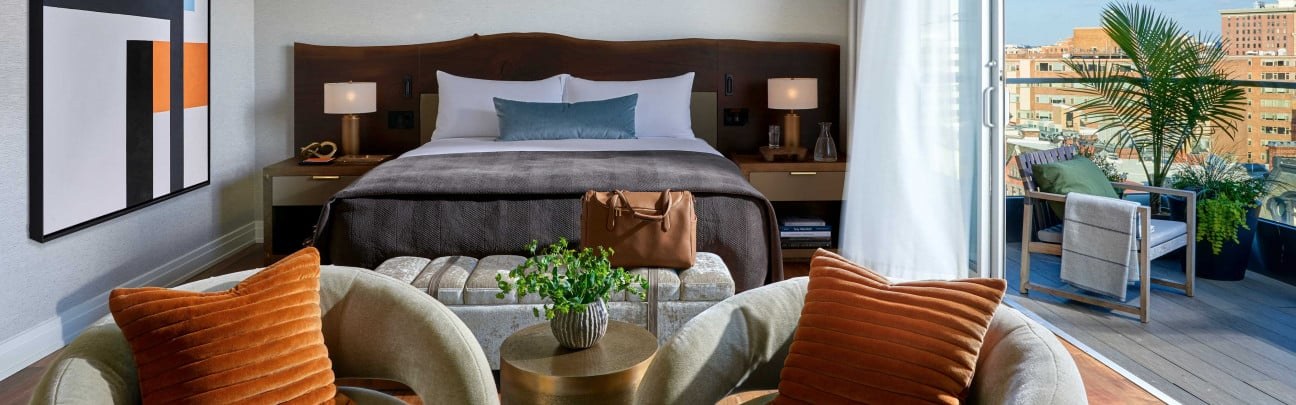
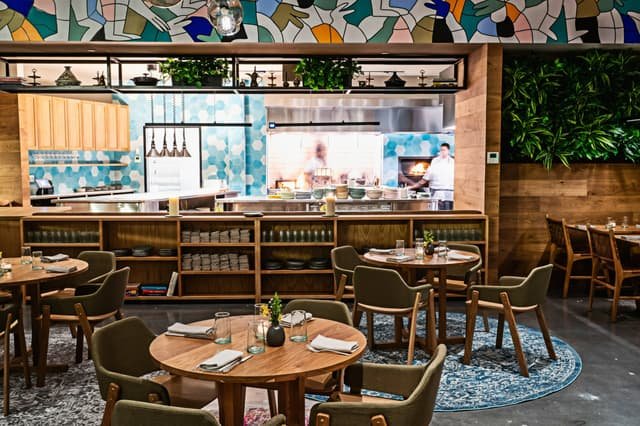
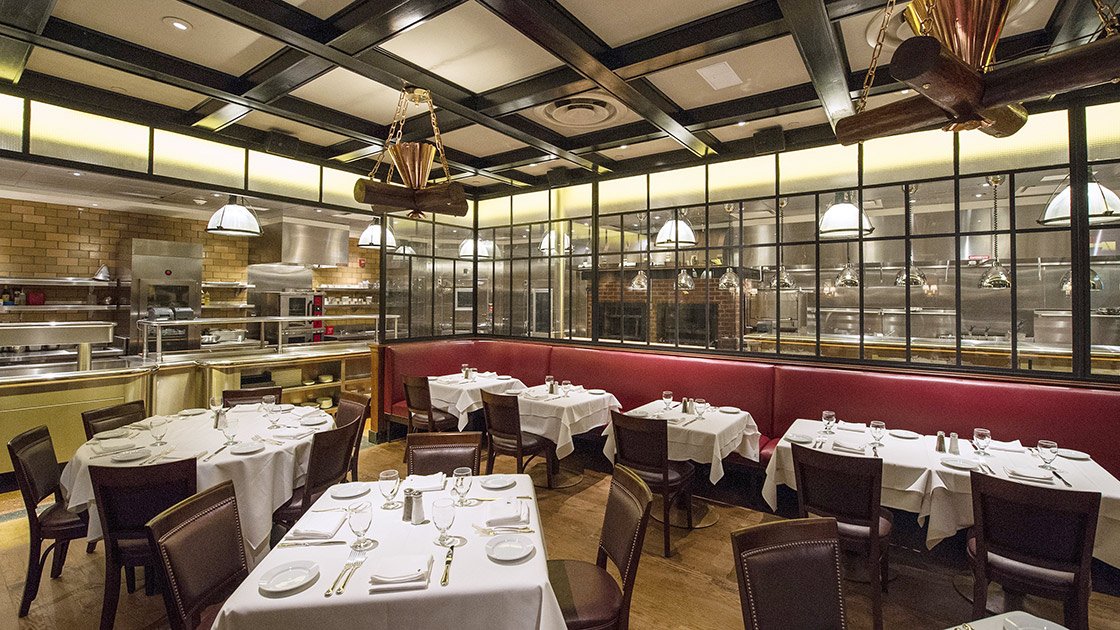
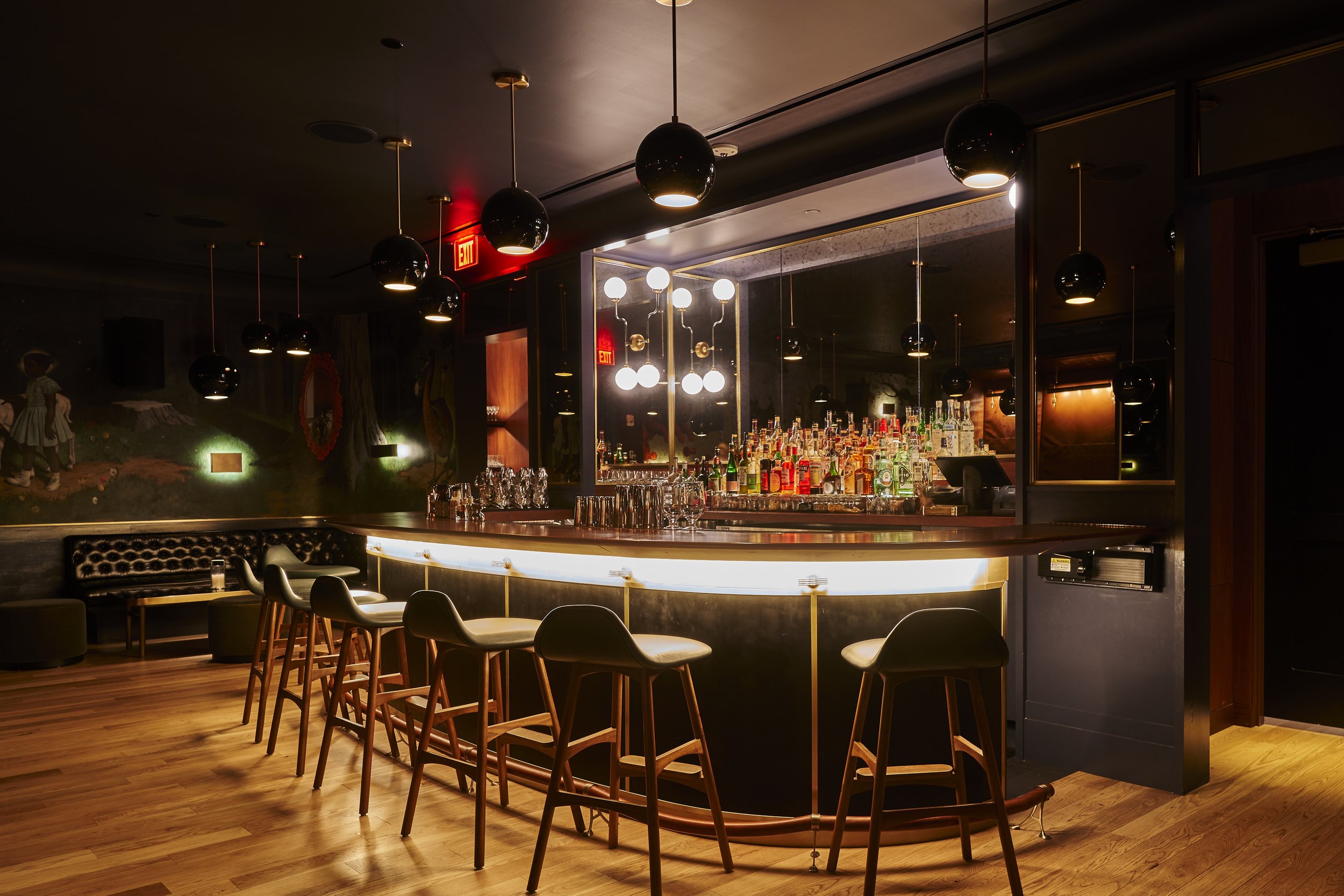
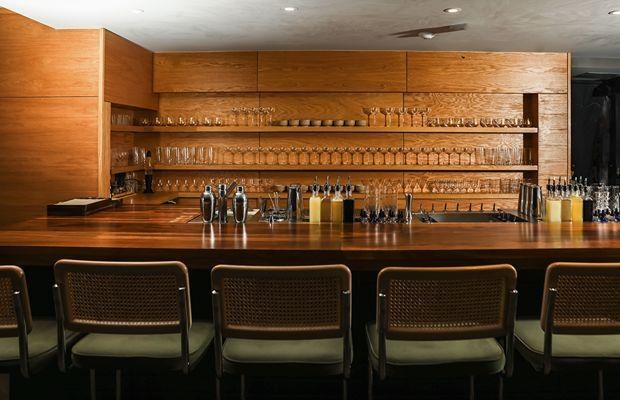
Elegant and intimate with classic European charm, warm lighting from fireplaces, and sophisticated residential atmosphere.
Tags
Vibe
Best For
Experience
Amenities
View
Accessibility
About the Stay
- Rooms
- 99
- Check-in
- 15:00
- Check-out
- 12:00
- Property Style
- Historic Luxury Boutique with Thomas Jefferson Inspirations
- Design Style
- Classic European Beaux Arts with Modern Comforts
Know before you go
Know Before You Go
- Getting there
- 1200 16th St NW, Washington, DC 20036
Planning details
Location
Recognition and awards





Also consider
Also Consider
- Hotel Washington, Notable alternative
- The Darcy, Notable alternative
- Kimpton Banneker Hotel by IHG, Notable alternative
- Mayflower Inn, Notable alternative
- The St. Regis Washington, D.C., Notable alternative
Hotel context
How The Jefferson compares in Washington, D.C.
Choose The St. Regis Washington, D.C. if you want a grander, more formal luxury-hotel experience with a stronger classic-brand signal. Choose The Jefferson if a quieter boutique atmosphere is the reason for the spend. Both sit in the luxury conversation, but the decision is scale: St. Regis for a more traditional statement stay, The Jefferson for a lower-profile, design-led base.
Hotel Washington is the better cross-shop for travelers who want a livelier central stay and more of a social-hotel feel. The Darcy and Kimpton Banneker Hotel by IHG are more practical alternatives if value, easier booking, or a less formal mood matters more than award-backed boutique polish.
Mayflower Inn is the outlier in this set: consider it only if the trip benefits from a more retreat-like hotel choice rather than a central D.C. base. For most first-time Washington stays, The Jefferson is the stronger call when location and calm are both priorities; Hotel Washington or The Darcy make more sense when the hotel is mainly a launchpad for the city.
Explore Washington DC
Around this place
Discover more on Pearl
Unlock the full The Jefferson guide in Pearl, including awards, comparisons, FAQs, planning details, and nearby places.
Compare The Jefferson
| Venue | Location | Awards |
|---|---|---|
| The Jefferson | Washington, D.C. | 2026 Virtuoso Luxury Hotel Collection2026 Forbes RecommendedStar Wine Lists 20262025 Travel + Leisure 100 Favorite Hotels in the World · #53World Travel Awards 2025Michelin 2 Keys 20252025 Michelin 2 Keys2024 Michelin 2 Keys |
| Hotel Washington | Washington, D.C. | No published awards |
| The Darcy | Washington, D.C. | No published awards |
| Kimpton Banneker Hotel by IHG | Washington, D.C. | No published awards |
| Mayflower Inn | Washington, D.C. | No published awards |
| The St. Regis Washington, D.C. | Washington, D.C. | 2026 Forbes 4-StarStar Wine Lists 20262026 Michelin Guide New Hotels2025 Michelin Selected Hotels2025 Forbes 4-Star |

How The Jefferson Washington, D.C. compares with similar nearby venues.
FAQ
Frequently Asked Questions
How does The Jefferson compare to other hotels?
The Jefferson stands out for Michelin 2 Keys in 2024, World Travel Awards 2025 Leading Boutique Hotel, and a 2025 Travel + Leisure placement. If you are comparing options, also check current details for Hotel Washington, The St. Regis Washington, D.C., The Darcy, and Kimpton Banneker Hotel by IHG.
Is The Jefferson family-friendly?
How is the location of The Jefferson?
The Jefferson is in Washington, D.C. Confirm the street address, neighborhood, and landmark proximity against your itinerary before booking.
Do loyalty programs work at The Jefferson?
If points or chain benefits are important, compare current booking terms with alternatives such as Kimpton Banneker Hotel by IHG.