


Omakase at Barracks Row
Japanese · Capitol Hill, Washington DC
Restaurant in Washington DC, United States
 Book with Pearl
The Read
Capitol Hill Omakase Counter
Price
$$$$
Dress
Smart Casual
Why go
Chef Ricky Wang's Michelin-starred omakase counter on Capitol Hill is the most technically serious Japanese dining option in Washington, D.C. right now. Trained under Chef Nakazawa, Wang runs a focused nigiri progression that earns its $$$$ price point. Book four to six weeks out minimum — seats are limited and demand is high since the 2024 Michelin recognition.
About Omakase at Barracks Row
Should You Book Omakase at Barracks Row?
If you have already been to one of Washington D.C.'s more accessible omakase counters and are ready to step up, Omakase at Barracks Row is the clear next destination. Chef Yi "Ricky" Wang earned a Michelin star in 2024, and the counter on Capitol Hill delivers the kind of technically focused nigiri progression that justifies both the $$$$ price point and the effort required to secure a seat. First-timers should know upfront: this is not a drop-in dinner. Booking is hard, the format is structured, and the experience rewards guests who arrive having done some preparation. If that sounds like your kind of evening, read on.
What to Expect on a First Visit
The entrance itself sets the tone. You climb a set of metal stairs in an industrial-chic space, and the staircase walls are lined with paintings that reference a longstanding tradition among Japanese fishermen: pressing their catch with ink onto rice paper, a practice called gyotaku. Wang has carried this into his counter, and guests may leave with a piece of that artwork. It is a visual and conceptual thread that runs through the entire meal, connecting the sourcing ethos to the presentation before a single bite is served.
The meal opens with otsumami — small composed bites before the nigiri sequence begins. The progression moves from precise technique to bold regional sourcing: Boston surf clam finished with kumquat kosho, hay-smoked Spanish mackerel sourced from the Carolinas, and a closing course of musk melon with strawberries imported from Japan. The menu is chef-driven and changes with the season, so what you encounter will shift depending on when you visit. That is worth factoring into your timing if you plan a return trip, since the counter rewards revisits differently than a static menu restaurant would.
Wang trained under Chef Nakazawa, one of the most referenced names in American omakase, before running a series of pop-ups in D.C. That trajectory matters for context: the precision and sourcing philosophy at this counter did not arrive fully formed. It was built through years of technical apprenticeship and local market experimentation. For guests comparing this counter to others in the city, that lineage is a meaningful differentiator. For reference, the kind of training-to-counter arc Wang followed is more typical of counters like Myojaku in Tokyo or Azabu Kadowaki than of the more accessible prix-fixe operations that dominate mid-tier D.C. dining.
Booking and Timing
Plan to book well in advance. Given the Michelin recognition and small counter size, seats move quickly. A reasonable working assumption for first-timers is four to six weeks out, though demand can push that further during peak seasons. The counter format means there is no flexibility on timing once you have a reservation: you arrive, you sit, the meal proceeds at the kitchen's pace. There are no walk-in seats in any practical sense. If you are coordinating with out-of-town guests, lock the date before you make travel arrangements, not after.
As a late-night option, this counter operates on omakase schedule rather than a traditional dinner-service window. That typically means a single seating or very limited seatings per evening, so the end time will be determined by the meal's length rather than a closing-time cutoff. If your evening requires flexibility on timing, this is the wrong format. If you want a longer, immersive dinner that runs into the later hours without feeling rushed, the omakase structure suits that preference well. For broader evening planning in the area, see our full Washington, D.C. bars guide for options before or after.
Know Before You Go
Know Before You Go
- Address: 522 8th St SE, Washington, DC 20003
- Cuisine: Japanese omakase
- Price: $$$$
- Awards: Michelin 1 Star (2024)
- Booking difficulty: Hard — reserve four to six weeks out minimum
- Format: Counter omakase with otsumami and nigiri progression
- Access: Up a set of metal stairs; industrial-chic space on Capitol Hill's Barracks Row
- Groups: Counter format limits flexibility for larger parties; see FAQ below
- D.C. guides: Restaurants | Hotels | Bars | Wineries | Experiences
How Omakase at Barracks Row Fits the D.C. Japanese Scene
Within D.C.'s Japanese dining tier, this counter sits alongside Shōtō and Kappo as the options worth serious consideration at the top of the price range. If you want a more relaxed Japanese format with less commitment, Beloved BBQ at Love, Makoto offers a different Japanese-influenced experience with a lower barrier to entry. For a non-Japanese $$$$ dinner with similar ambition and Michelin recognition, Albi is the strongest alternative in the city right now.
For comparison at the national level, the omakase format here is in the same conversation as counters attached to destinations like Le Bernardin in New York City or chef-driven tasting experiences at Alinea in Chicago, counters where a single seating demands full commitment from the guest and delivers technically at a high level in return. That is the peer group Wang is operating in, and the 2024 Michelin star confirms the comparison is fair.
If you are building a broader D.C. evening, Perry's offers a completely different format and price point if you need a pre-dinner option in a more casual register. And if the counter format is new to you and you want to understand what to expect from high-commitment tasting experiences before committing here, looking at how guests describe counters like Single Thread Farm in Healdsburg or The French Laundry in Napa will calibrate expectations usefully.
The Verdict
Omakase at Barracks Row is the strongest case for serious omakase dining in Washington, D.C. right now. Book it if precision-focused nigiri at a chef-driven counter is what you are after, and book it early. If you are on the fence about the format or the price, this is not the place to test whether omakase is for you. Try a lower-commitment counter first and return when you are ready to give the experience the attention it requires.
Planning details
- Location
- 522 8th St SE, Washington, DC 20003
- Reservations
- Book on Resy
- Website
- omakasedc.com
- Phone
- (202) 481-1640
The take
The Take
The Vibe
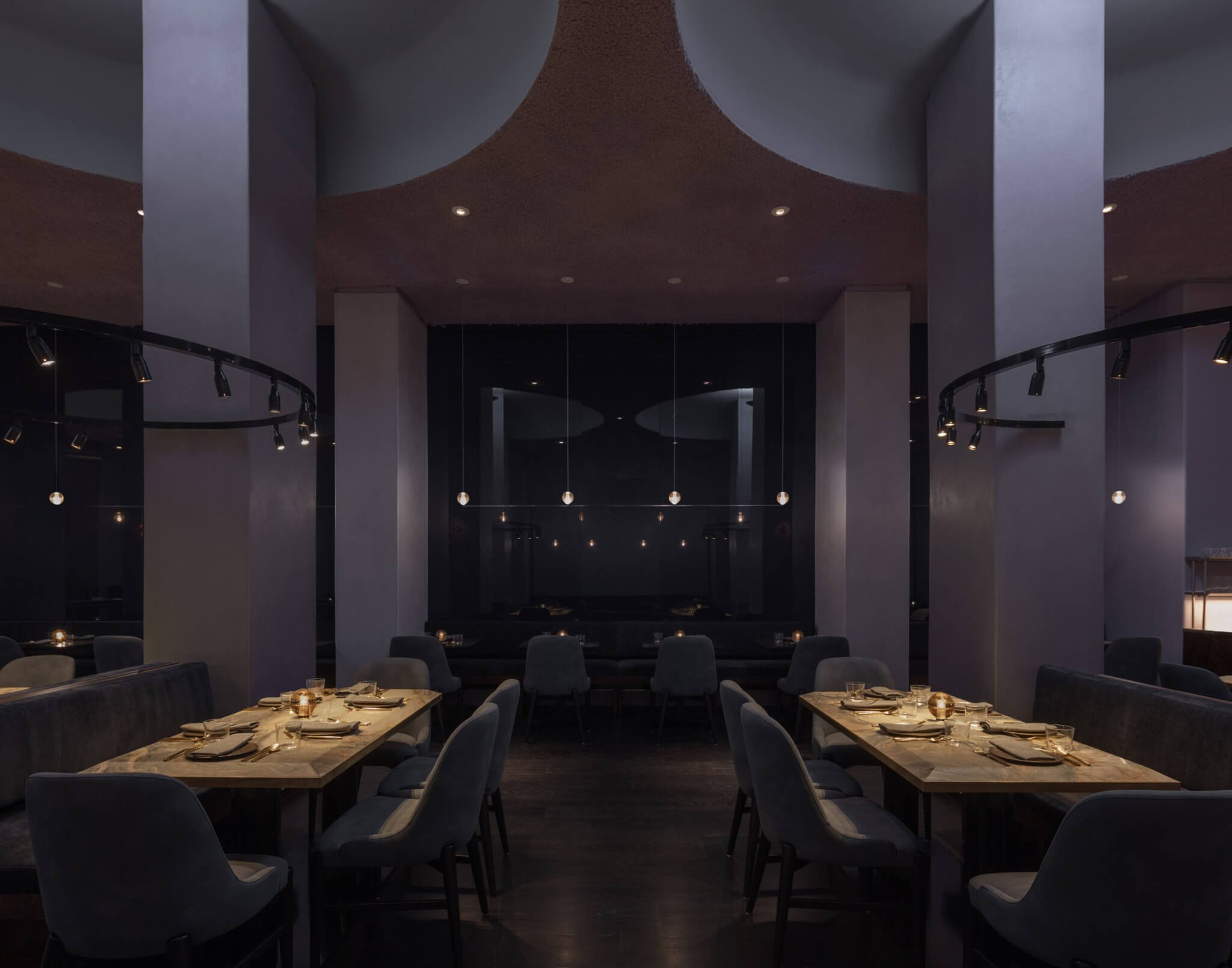
Omakase at Barracks Row presents an industrial-chic counter experience that foregrounds craftsmanship and quiet ceremony. A metal staircase lined with gyotaku-inspired artworks leads guests into a compact, carefully curated room where the counter dictates the evening’s rhythm. The writing highlights conceptual care—art and tradition are part of the entry ritual—and the kitchen’s sourcing moves between local American fisheries and direct imports from Japan. The overall mood is controlled and attentive: the environment feels purposeful rather than decorative, and every detail signals that this is a high-register, chef-led tasting dedicated to nigiri and precise sequencing.
Best For
This is a small, reservation-driven counter best suited to intimate, celebratory evenings where the meal itself is the main event. The venue’s Michelin-starred status and strict omakase structure make it a natural choice for date nights and special occasions when diners want a focused, chef-led progression from otsumami to nigiri. Its location on Barracks Row—east of the Capitol and apart from downtown clusters—also makes it appealing for guests seeking a standout counter experience outside the usual fine-dining corridors.
Ordering Tips
The service follows a disciplined omakase format: expect a short run of otsumami to calibrate the palate, then a sequence of nigiri determined entirely by the chef. Surrendering control and trusting the progression is part of the experience; the kitchen’s sourcing shifts between hyperlocal American fish and direct Japanese imports, so highlight moments in the tasting will vary. Note the small scale of the counter and the exacting format—book ahead and be prepared for a contiguous, multi-course counter service rather than à la carte ordering. Occasionally guests receive a gyotaku print as part of the ritual.
Venue details
Ambiance
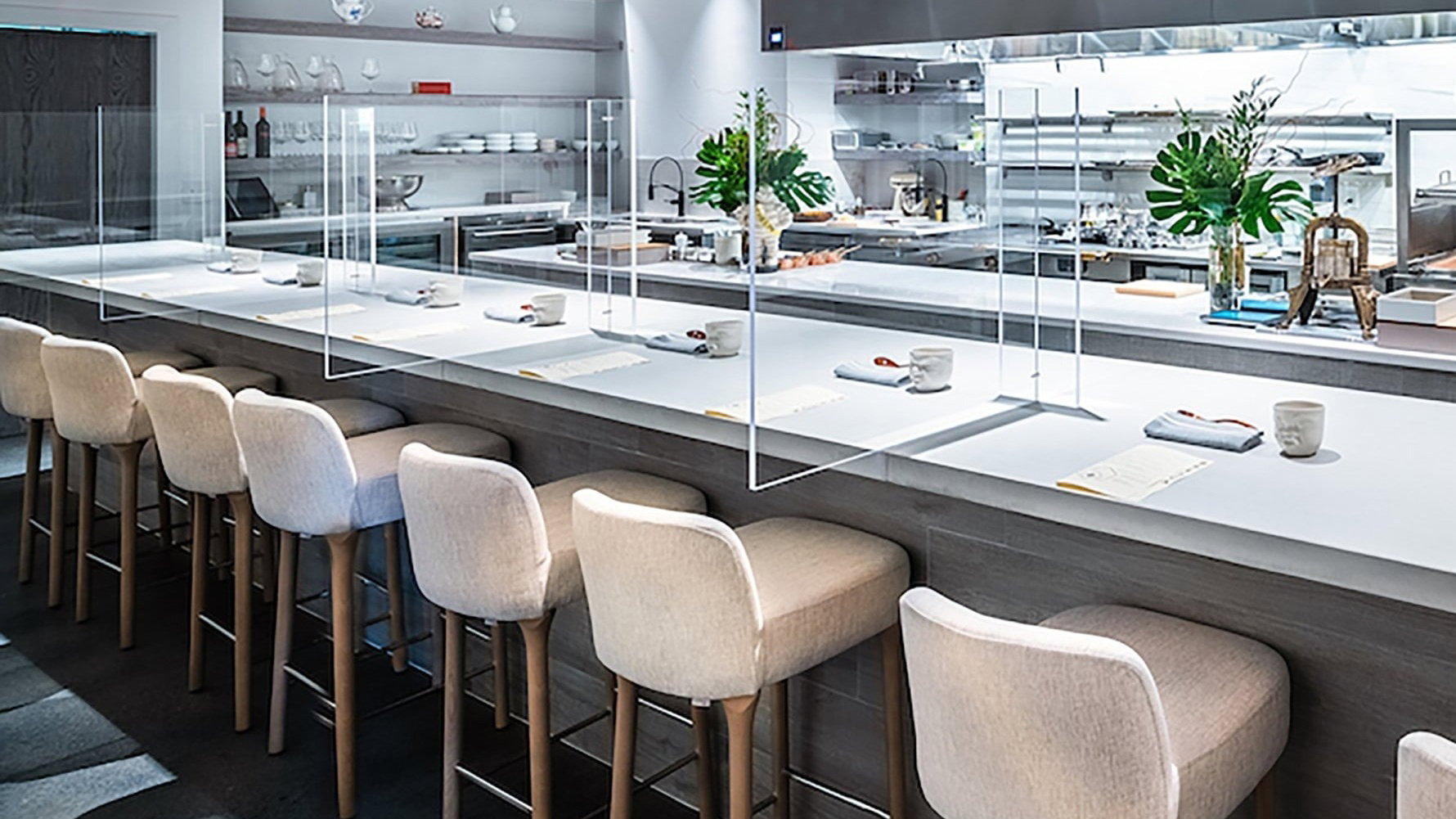
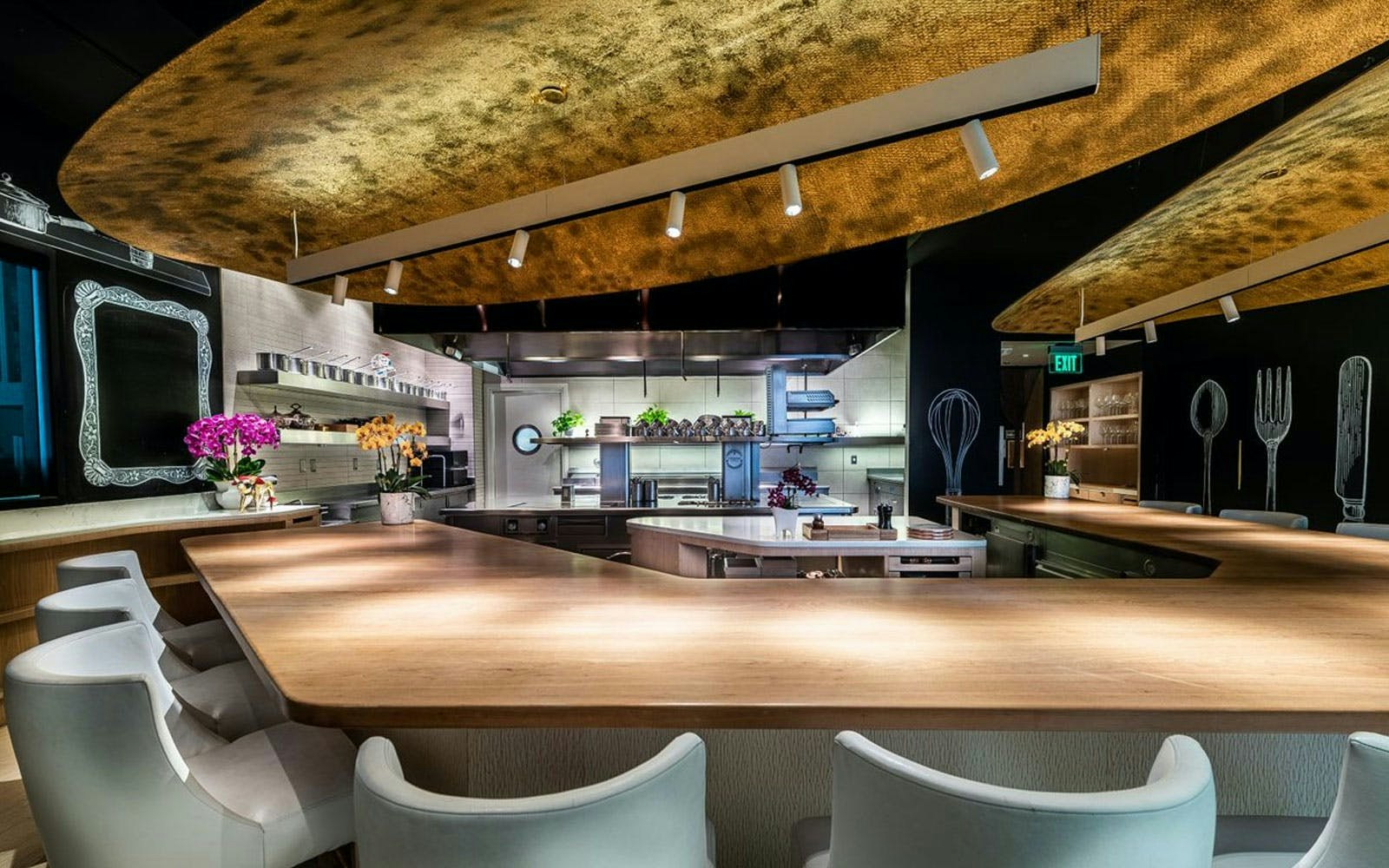
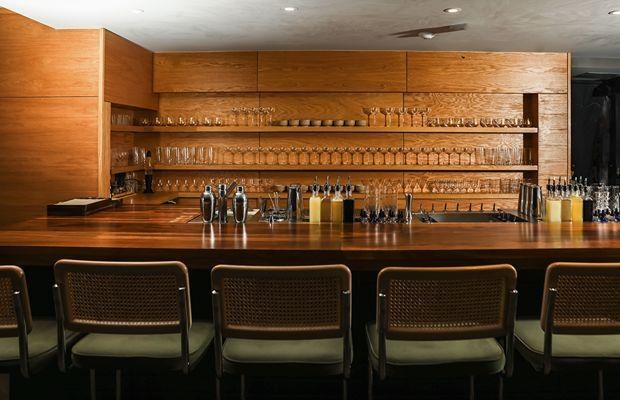
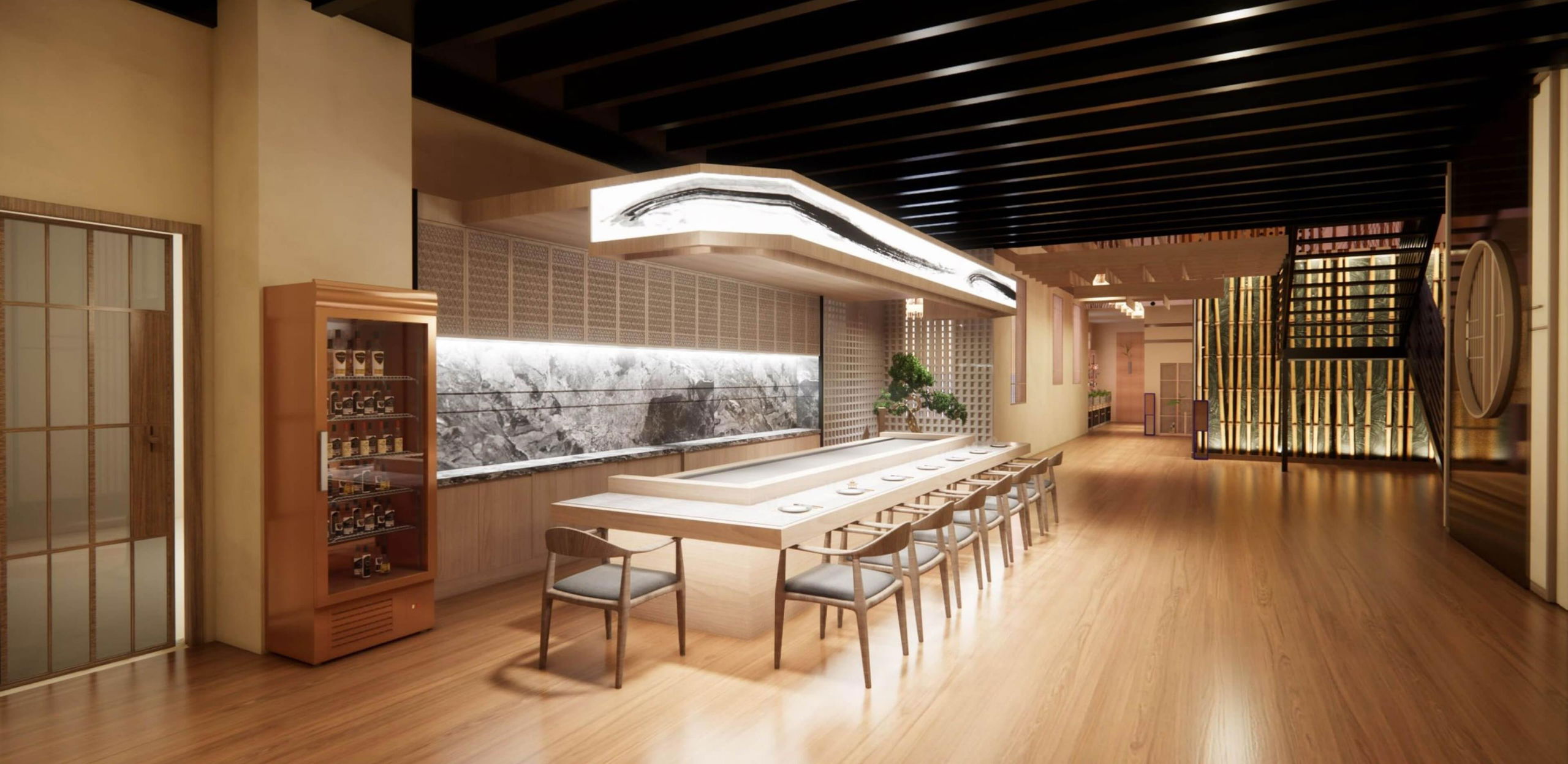
Minimalistic second-floor counter setting focused on the chef's craftsmanship, creating an intimate and engaging atmosphere.
Tags
Vibe
Best For
Experience
Sourcing
At the Table
- Dress Code
- Smart Casual
- Noise Level
- Quiet
- Service Style
- Omakase Bar
- Meal Pacing
- Extended Experience
- Capacity
- Intimate
Signature Dishes
- sea bream with sake sauce
- horse mackerel
- wagyu beef with caviar
Know before you go
Know Before You Go
- Getting there
- 522 8th St SE, Washington, DC 20003
Planning details
Location

Also consider
Also Consider
- Albi, United States, Middle Eastern, $$$$
- Causa, Peruvian, $$$$
- Oyster Oyster, New American, Vegetarian, Vegetarian (Sustainable), $$$
- Bresca, Modern French, Contemporary, $$$$
- Gravitas, New American, Contemporary, $$$$
Restaurant context
At the $$$$ tier in Washington, D.C. Omakase at Barracks Row is the clearest choice if Japanese omakase is your format. Its 2024 Michelin star put it above most of the city's competition on credentials alone, but the comparison that matters most is format: this is a counter-driven, chef-paced experience with no a la carte option and no flexibility on structure. If that commitment suits you, nothing else in D.C. competes directly. Shōtō and Kappo are the closest format peers within D.C.'s Japanese dining tier.
For guests who want Michelin-level ambition without the omakase format, Bresca and Gravitas both operate at $$$$ with tasting menus that allow slightly more guest control over the experience. Albi is the strongest single alternative for guests who want high-commitment cooking at $$$$ but prefer Middle Eastern-influenced flavours and a more sociable room. None of these directly replaces what Wang is doing at the counter, but they are the right comparisons if you are deciding between D.C.'s top-tier dinner options. Causa offers Peruvian tasting-menu cooking at the same price tier and is worth considering for groups where Japanese omakase is not universally appealing.
On value, Oyster Oyster is the most interesting trade-down: it operates at $$$ rather than $$$$ and delivers a focused, produce-driven experience with its own critical following. It will not satisfy a guest specifically seeking nigiri, but for a group where dietary preferences vary or budget is a factor, it is the most practical alternative at a lower price point. If omakase is confirmed as your format and budget is not the constraint, Omakase at Barracks Row is the booking to make.
Explore Washington DC
Around this place
Discover more on Pearl
Unlock the full Omakase at Barracks Row guide in Pearl, including awards, comparisons, FAQs, planning details, and nearby places.
Compare Omakase at Barracks Row
| Venue | Cuisine | Price | Booking Difficulty | Awards |
|---|---|---|---|---|
| Omakase at Barracks Row | Japanese | $$$$ | Hard | Washingtonian 100 Very Best Restaurants 2026 · #42026 OAD Top Restaurants in North America Recommended2025 Michelin 1 Star2024 Michelin 1 Star |
| Albi | United States, Middle Eastern | $$$$ | Unknown | Washingtonian 100 Very Best Restaurants 2026 · #12026 North America's 50 Best Restaurants · #6RAMMYS 2026 Winners - Formal Fine Dining Restaurant of the Year2025 World's 50 North America's Best Restaurants · #342025 Robb Report 100 Greatest American Restaurants of the 21st Century · #892025 OAD Casual in North America Ranked · #1302025 Michelin 1 Star2024 James Beard Awards · #12024 OAD Casual in North America Ranked · #109 |
| Causa | Peruvian | $$$$ | Unknown | Washingtonian 100 Very Best Restaurants 2026 · #162025 OAD Top Restaurants in North America Ranked · #2752025 James Beard Awards2025 Michelin 1 Star2024 OAD Top Restaurants in North America Ranked · #2252024 Michelin 1 Star |
| Oyster Oyster | New American, Vegetarian, Vegetarian (Sustainable) | $$$ | Unknown | Washingtonian 100 Very Best Restaurants 2026 · #622026 OAD Top Restaurants in North America Highly Recommended2025 Food & Wine Global Tastemakers Top Restaurants · #152025 OAD Top Restaurants in North America Ranked · #251We're Smart World Top Restaurants 20252025 Wine Spectator Award of Excellence2025 The Best Chef One Knife2025 Michelin 1 Star2024 OAD Top Restaurants in North America Ranked · #203 |
| Bresca | Modern French, Contemporary | $$$$ | Unknown | 2026 Wine Spectator Award of Excellence2025 OAD Top Restaurants in North America Ranked · #322025 Wine Spectator Award of Excellence2025 Michelin 1 Star2024 OAD Top Restaurants in North America Ranked · #372024 Michelin 1 Star2023 OAD Gourmet Casual Dining in North America Ranked · #212023 OAD Top Restaurants in North America Ranked · #35 |
| Gravitas | New American, Contemporary | $$$$ | Unknown | 2026 OAD Top Restaurants in North America Recommended2025 OAD Top Restaurants in North America Ranked · #4952025 Michelin 1 Star2024 OAD Top Restaurants in North America Ranked · #5362024 Michelin 1 Star2023 OAD Top Restaurants in North America Recommended |








How Omakase at Barracks Row stacks up against the competition.
FAQ
Frequently Asked Questions
Can Omakase at Barracks Row accommodate groups?
The counter format makes this a difficult fit for larger parties. Omakase counters of this type typically seat between 8 and 12 guests per service, so a group of more than four risks being split or turned away entirely. For a group dinner where the Michelin-star tier matters but a shared table is more practical, Bresca or Gravitas in D.C. offer private dining formats better suited to the format. If your group is two to three people, book as early as possible given how quickly seats move at a Michelin-recognised counter at this price range ($$$$).
What is Omakase at Barracks Row known for?
Omakase at Barracks Row is primarily known for Japanese in Washington, D.C.
Where is Omakase at Barracks Row located?
Omakase at Barracks Row is located in Washington, D.C. at 522 8th St SE, Washington, DC 20003.