.png?width=1200&quality=80)
Kappo
Japanese · The Palisades, Washington DC
Restaurant in Washington DC, United States
 Book with Pearl
The Read
Kappo-Style Omakase Precision
Price
$$$$
Chef
Minoru Ogawa
Dress
Smart Casual
Why go
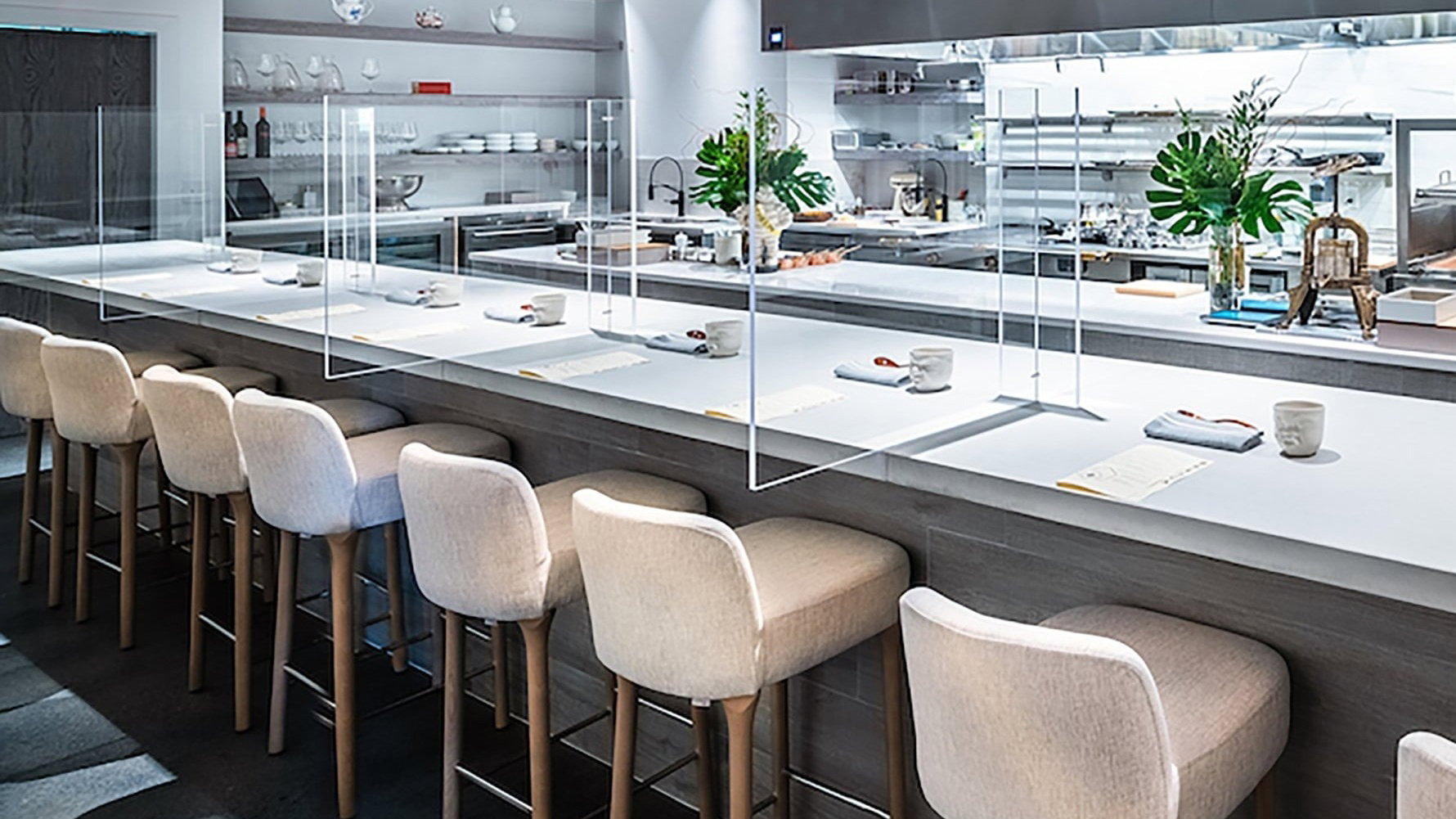
A 12-seat kappo counter on MacArthur Boulevard NW running a single omakase menu across two sittings — this is Washington D.C.'s most focused Japanese counter dining experience. Michelin Plate recognised in 2025. Book weeks ahead; the format is chef-driven and fixed, with no à la carte alternative.
About Kappo
The Verdict
Twelve seats. One menu. No choices to make except whether to book in time. Kappo on MacArthur Boulevard NW is the kind of omakase room that Washington D.C. has too few of, and its 2025 Michelin Plate recognition confirms it has earned attention beyond its residential address. If you are serious about Japanese counter dining in the capital, this is where you should go. Book as far ahead as your schedule allows.
What Kappo Is
The name translates from Japanese as "cut and cook" — a reference to a style of dining that sits between the formality of kaiseki and the directness of a sushi bar. Chef Tiago Penão leads the kitchen at this 12-seat counter, running a single omakase menu across two sittings. The room is intimate in the way that actually matters: the chef is directly in front of you, the team is small, and the experience is built around Omotenashi, the Japanese principle of hospitality that anticipates rather than reacts. That philosophy shapes the pace, the service, and the way the evening moves.
The address on MacArthur Boulevard NW surprises first-timers. This is not a downtown restaurant block, and Kappo does not announce itself the way a hotel dining room might. That understated quality is part of what makes it worth seeking out.
Seasonal Rotation and When to Visit
Omakase is inherently a seasonal format. The chef composes the menu around what is at peak quality, which means the experience you have in late autumn differs materially from what you would find in early spring. In Japanese kappo tradition, the kitchen's relationship with seasonal ingredients is not decorative — it determines the entire structure of the meal. Ingredients like matsutake mushrooms, Pacific saury, and new-harvest rice anchor autumn menus; spring brings bamboo shoots, cherry blossom-season fish, and lighter preparations. If you have flexibility in your travel dates, visiting during seasonal transitions, late March to April, or October to November, tends to coincide with the most technically interesting menus, as chefs work across the boundary between two ingredient cycles.
Because Kappo runs two sittings, timing within the evening also matters. The earlier sitting is typically better suited to diners who want to move through the meal without feeling the pressure of a second turn. For explorers who want to linger over each course and ask questions of the team, requesting the later sitting or confirming availability at booking is advisable.
For comparable seasonal omakase experiences that Washington D.C.-based diners often consider, Omakase at Barracks Row and Shōtō are the most direct alternatives in the city. Internationally, the kappo tradition is leading understood at restaurants like Azabu Kadowaki and Myojaku in Tokyo, which represent the format at its most refined. Kappo in D.C. is drawing from that same tradition and applying it seriously.
Who Should Book
This restaurant is priced at $$$$ and operates exclusively as an omakase counter. If you want to choose your dishes, adjust the menu, or arrive late and eat quickly, this is not the right room. If you are the kind of diner who finds a fixed, chef-driven progression more satisfying than a la carte decision-making, and if Japanese seasonal cooking is a format you return to rather than sample once, Kappo will reward you.
It also suits diners who are building out a mental map of serious counter dining across U.S. cities. Washington D.C. is not the first city people name when discussing Japanese counter dining, that conversation tends to start with New York, or with destination rooms like Single Thread Farm in Healdsburg or The French Laundry in Napa. Kappo belongs in that national conversation about serious tasting-format dining in smaller rooms, alongside places like Lazy Bear in San Francisco and Alinea in Chicago.
For the food and travel enthusiast who makes dining decisions deliberately and wants depth rather than novelty, Kappo is a direct yes, provided you plan ahead and treat the booking as a fixed commitment in your schedule rather than a tentative plan.
Practical Details
Reservations: Advance booking is strongly advised; two sittings per service means availability is limited and the room fills. Treat this as a Hard booking, plan weeks ahead, not days. Seats: 12-seat counter only, omakase format. Price: $$$$ (omakase pricing; confirm current cost at time of booking). Address: 4822 MacArthur Blvd NW, Washington, DC 20007. Recognition: Michelin Plate 2025. Dress: Not confirmed in available data; smart casual is a reasonable assumption for a Michelin-recognized omakase counter. Hours: Not confirmed; verify directly when booking.
Also Worth Knowing in Washington D.C.
If you are building a full trip around food in the capital, see our full Washington D.C. restaurants guide for the broader picture. For drinks, our Washington D.C. bars guide covers where to go before or after. Accommodation options are covered in our Washington D.C. hotels guide, and for day trips outside the city, our D.C.-area wineries guide and experiences guide have practical starting points.
Other Japanese and Japanese-influenced restaurants worth considering on a D.C. trip include Beloved BBQ at Love, Makoto and Perry's, both of which occupy different price and format positions from Kappo but share Japanese culinary roots. For something entirely different in feel but equally committed at the $$$$ tier, Albi is worth knowing.
Planning details
- Location
- 4822 MacArthur Blvd NW, Washington, DC 20007
- Reservations
- Book on Tock
- Website
- kappodc.com
- Phone
- (202) 885-9086
The take
The Take
The Vibe
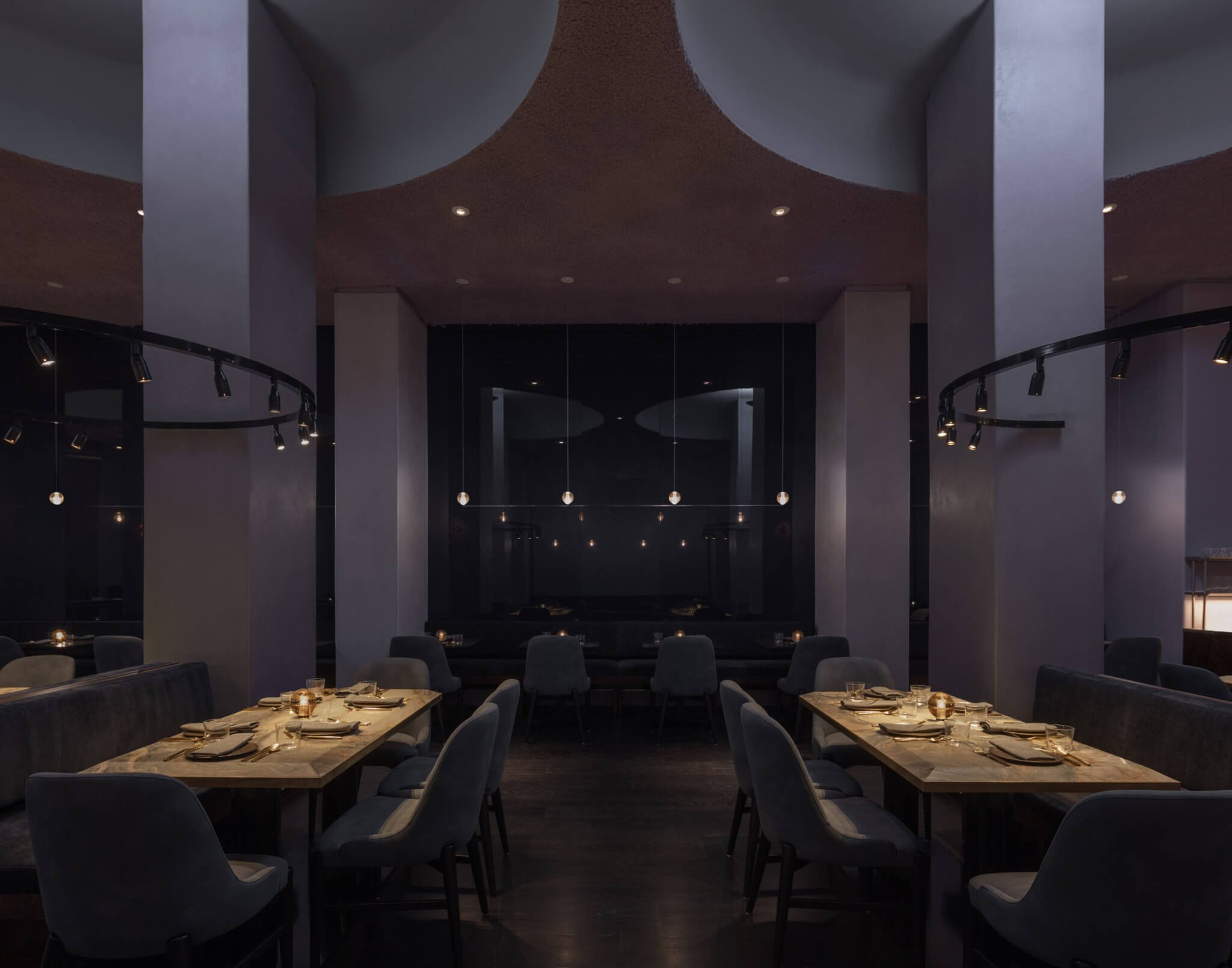
Kappo presents an understated, highly focused counter experience tucked into a quiet Palisades street. The twelve-seat counter immediately collapses the distance between guests and cooks, trading spectacle for a refined, restrained choreography rooted in the kappo tradition. The interior register feels deliberately elevated against the unhurried residential exterior, and the kitchen’s practice of omotenashi — anticipatory, selfless hospitality — shapes every exchange. The result is an intimate, composed room where technique and restraint take precedence over flash, and the service feels responsive and quietly exacting rather than performative.
Best For
This is a place for diners who want a concentrated, chef-driven experience: intimate date nights, small celebrations and solo diners who appreciate direct interaction with the chef. As a twelve-seat omakase counter awarded a 2025 Michelin Plate, Kappo suits anyone seeking credentialed Japanese dining outside the city’s main restaurant districts. The kappo format rewards guests who are curious about method and hospitality — those who prefer a thoughtful, course-by-course conversation at the counter rather than a conventional table service evening.
Ordering Tips
Kappo operates as a counter-first kappo where the chef responds to guests in real time, so plan on a seat at the counter and an experience driven by the kitchen’s choices. Expect the menu to lean on omakase-style sequencing and the kappo “cut-and-cook” approach; trust the chef to curate progressions that showcase technique and seasonal ingredients. Highlights to look for include the wagyu beef steak, chawanmushi with wagyu and foie gras, and lobster saikyo misoyaki. With only twelve seats, the service is close and attentive, and the meal unfolds as a deliberate, communal exchange between cook and diner.
Venue details
Ambiance
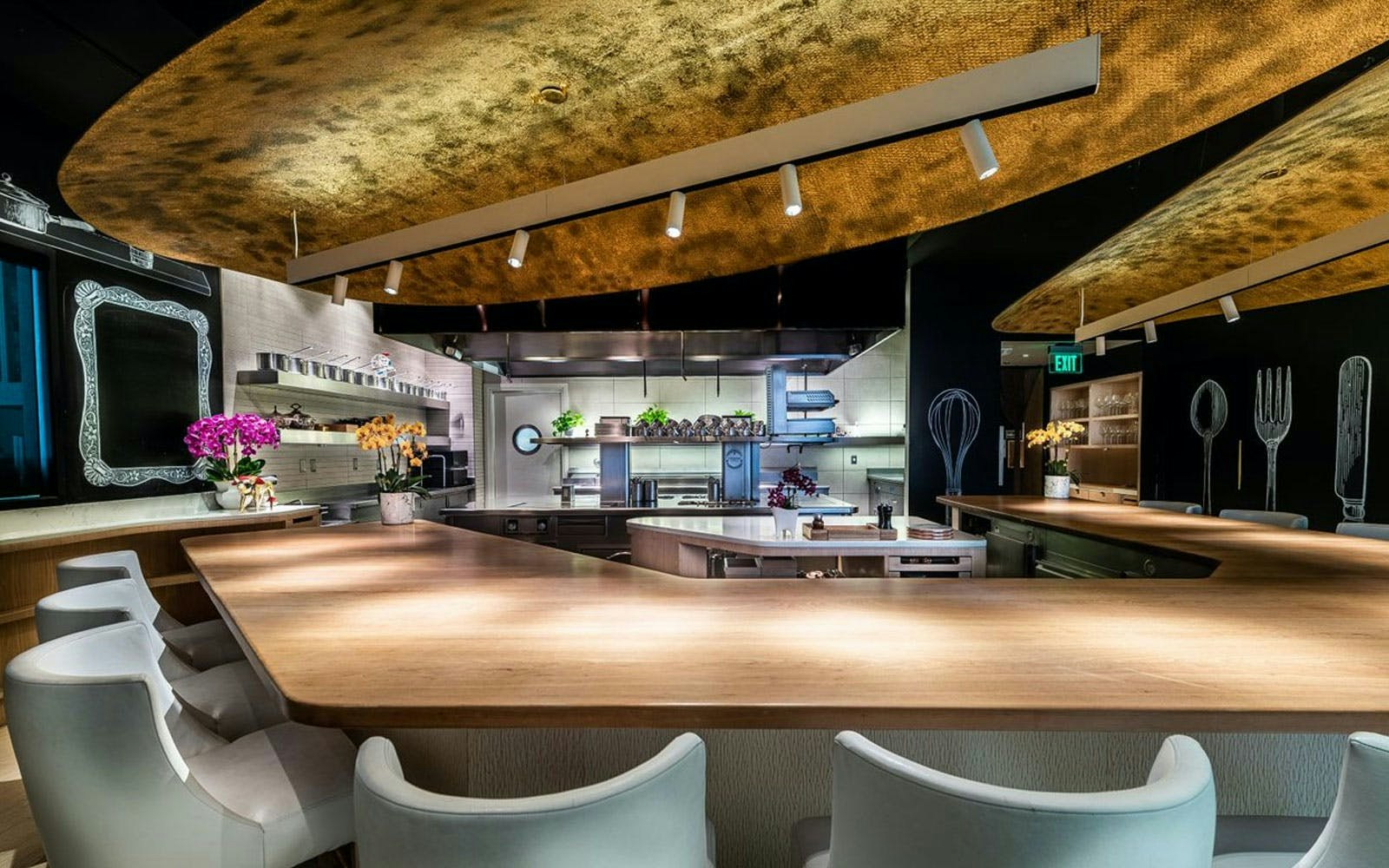
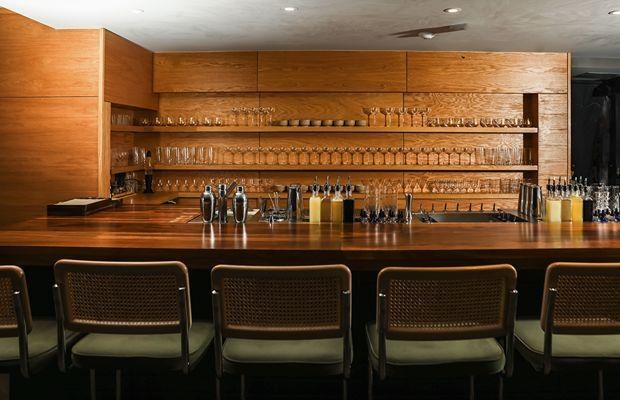
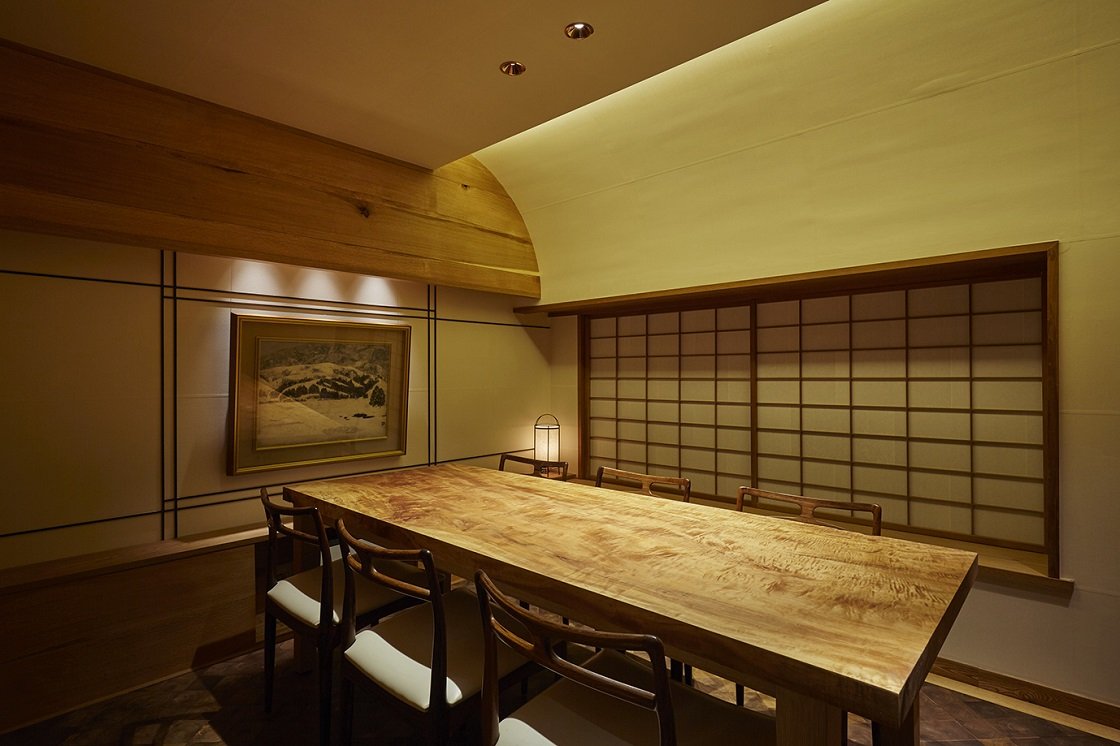
Cozy and minimalist decor with counter seating facing the sunken kitchen.
Tags
Vibe
Best For
Experience
Accessibility
At the Table
- Dress Code
- Smart Casual
- Noise Level
- Quiet
- Service Style
- Upscale Casual
- Meal Pacing
- Leisurely
- Capacity
- Intimate
Signature Dishes
- wagyu_beef_steak
- chawanmushi_with_wagyu_and_foie_gras
- lobster_saikyo_misoyaki
Know before you go
Know Before You Go
- Getting there
- 4822 MacArthur Blvd NW, Washington, DC 20007
Planning details
Location
Recognition and awards
Also consider
Also Consider
- Albi, United States, Middle Eastern, $$$$
- Causa, Peruvian, $$$$
- Oyster Oyster, New American, Vegetarian, Vegetarian (Sustainable), $$$
- Bresca, Modern French, Contemporary, $$$$
- Gravitas, New American, Contemporary, $$$$
Restaurant context
Among Washington D.C.'s $$$$ restaurants, Kappo occupies the narrowest format: one menu, one counter, no substitutions. That specificity makes direct comparisons awkward, but it also sharpens the decision. If you want the most technically disciplined, chef-controlled tasting experience at the top price tier, Kappo and Bresca are the two rooms to consider. Bresca runs a more European-inflected contemporary tasting format with more visual theatricality; Kappo is quieter, more precise, and rooted in Japanese seasonal tradition. Your preference between those two approaches should settle the choice.
Gravitas and Causa both operate at $$$$ with tasting-menu formats, and both offer slightly more flexibility in how you engage with the meal. Causa in particular is worth knowing if Peruvian technique and ingredient diversity interest you alongside Japanese counter dining, the two rooms share a commitment to precise, product-led cooking but arrive at it from opposite culinary traditions. For diners who want a fixed-menu experience but are less certain about the omakase format, Gravitas may be the lower-pressure entry point.
Oyster Oyster operates at $$$ rather than $$$$, making it the most accessible option in this comparison set. It is a credible choice if budget is a factor, or if sustainable New American cooking appeals more than Japanese counter dining. Albi at $$$$ is the right pick if you want the energy of a larger room with a more social format alongside serious cooking. Kappo is the call when you want the meal to be the whole evening, contained, deliberate, and driven entirely by the kitchen.
Explore Washington DC
Around this place
Discover more on Pearl
Unlock the full Kappo guide in Pearl, including awards, comparisons, FAQs, planning details, and nearby places.
Compare Kappo
| Venue | Cuisine | Awards | Booking Difficulty |
|---|---|---|---|
| Kappo | Japanese | 2026 Michelin Plate2025 Michelin Plate | Hard |
| Albi | United States, Middle Eastern | Washingtonian 100 Very Best Restaurants 2026 · #12026 North America's 50 Best Restaurants · #6RAMMYS 2026 Winners - Formal Fine Dining Restaurant of the Year2025 World's 50 North America's Best Restaurants · #342025 Robb Report 100 Greatest American Restaurants of the 21st Century · #892025 OAD Casual in North America Ranked · #1302025 Michelin 1 Star2024 James Beard Awards · #12024 OAD Casual in North America Ranked · #109 | Unknown |
| Causa | Peruvian | Washingtonian 100 Very Best Restaurants 2026 · #162025 OAD Top Restaurants in North America Ranked · #2752025 James Beard Awards2025 Michelin 1 Star2024 OAD Top Restaurants in North America Ranked · #2252024 Michelin 1 Star | Unknown |
| Oyster Oyster | New American, Vegetarian, Vegetarian (Sustainable) | Washingtonian 100 Very Best Restaurants 2026 · #622026 OAD Top Restaurants in North America Highly Recommended2025 Food & Wine Global Tastemakers Top Restaurants · #152025 OAD Top Restaurants in North America Ranked · #251We're Smart World Top Restaurants 20252025 Wine Spectator Award of Excellence2025 The Best Chef One Knife2025 Michelin 1 Star2024 OAD Top Restaurants in North America Ranked · #203 | Unknown |
| Bresca | Modern French, Contemporary | 2026 Wine Spectator Award of Excellence2025 OAD Top Restaurants in North America Ranked · #322025 Wine Spectator Award of Excellence2025 Michelin 1 Star2024 OAD Top Restaurants in North America Ranked · #372024 Michelin 1 Star2023 OAD Gourmet Casual Dining in North America Ranked · #212023 OAD Top Restaurants in North America Ranked · #35 | Unknown |
| Gravitas | New American, Contemporary | 2026 OAD Top Restaurants in North America Recommended2025 OAD Top Restaurants in North America Ranked · #4952025 Michelin 1 Star2024 OAD Top Restaurants in North America Ranked · #5362024 Michelin 1 Star2023 OAD Top Restaurants in North America Recommended | Unknown |










A quick look at how Kappo measures up.
FAQ
Frequently Asked Questions
How far ahead should I book Kappo?
Book as early as possible — two sittings per service and only twelve seats means this fills quickly. Treat it as a hard booking: plan around the reservation, not the other way around. Last-minute availability is unlikely, particularly on weekends.
What should I order at Kappo?
There is nothing to order. Kappo runs a single omakase menu with no à la carte option — the chef decides the full sequence for every diner. If having that control is important to you, this is the wrong format; if you want someone else to make every call at the $$$$ price point, that is exactly what Kappo delivers.
Can I eat at the bar at Kappo?
The counter is the restaurant. All twelve seats face the kitchen in a single counter configuration, so every diner is effectively at the bar — that is the intended experience, not a casual alternative to table seating. Expect direct interaction with the kitchen team as part of the format.
What should a first-timer know about Kappo?
Kappo is a committed omakase format: one menu, two sittings, twelve seats, and a $$$$ price tag that reflects the product quality and the omotenashi service philosophy. Arrive on time — two sittings means the schedule is fixed. First-timers who have only experienced à la carte Japanese dining should know that kappo-style counters are less formal than kaiseki but more structured than a typical sushi bar; the Michelin Plate recognition in 2025 signals consistent kitchen execution.