
Isshin
Sushi · Taitō, Tokyo
Restaurant in Tokyo, Japan
 Book with Pearl
The Read
Edomae Precision, Old-Tokyo Address
Price
$10–20per person
Chef
Various
Dress
Smart Casual
Why go
Ranked in Opinionated About Dining's Top 500 restaurants in Japan for two consecutive years, Isshin delivers credible sushi quality in Asakusa — one of Tokyo's most accessible neighbourhoods. Open seven days a week for lunch and dinner with no complicated booking process, it suits food-focused travellers who want serious sushi without the formality or price anxiety of the Ginza omakase circuit.
About Isshin
Isshin, Asakusa: The Verdict
Ranked #404 in Japan by Opinionated About Dining in 2024 and #458 in 2025, Isshin is a sushi restaurant in Asakusa that delivers serious technical quality in one of Tokyo's most approachable, neighbourhood-scaled settings. If you want high-calibre sushi without the reservation anxiety or ceremony of the counter-only omakase circuit, Isshin is worth booking. It, which is a reliable signal for consistent execution rather than occasional brilliance.
About Isshin
Asakusa is not where most food-focused visitors to Tokyo first look for sushi. The neighbourhood is better known for Senso-ji, street snacks, and tourist foot traffic. That is exactly why Isshin is worth knowing about. It operates away from the concentration of high-stakes counters in Ginza, Roppongi, and Nihonbashi, and the atmosphere reflects that: quieter, less performative, with the kind of room where the food does the talking rather than the setting. For the explorer-type diner who prefers to eat where the experience is not stage-managed, this is a better fit than a formal omakase room in central Tokyo.
The kitchen runs a split-session format across all seven days: lunch from 11:30 am to 2 pm and dinner from 5 pm to 11 pm. That consistency, seven days a week with no midweek closures, makes Isshin significantly easier to plan around than many of Tokyo's top-ranked sushi venues, where availability is tightly controlled and foreign-language bookings can be complicated. This is a meaningful practical advantage.
The OAD ranking places Isshin in a credible tier: not in the top 100, but in the top 500 of an entire country that treats sushi as a serious discipline. For context, Japan has thousands of sushi restaurants. Appearing twice on the OAD list, in consecutive years, indicates that serious diners are returning and recommending it, not just visiting once on a tip. The slight movement from #404 to #458 between 2024 and 2025 is minor and should not factor into a booking decision.
Asakusa as a base also makes this a practical choice if you are spending time on the east side of Tokyo. Visitors staying near Ueno, Asakusa, or Akihabara have fewer high-quality sushi options nearby compared to those staying in central or west Tokyo. Isshin fills that gap more than adequately. For a broader picture of what else is available across the city, see our full Tokyo restaurants guide.
Noise level sits on the calmer end of what you would expect from a neighbourhood sushi restaurant: not silent-counter formal, but not a crowded izakaya either. The Asakusa location gives it a lower ambient energy than restaurants in busier commercial districts, which works in its favour for diners who want to focus on what is in front of them. This is a place to eat and pay attention, not to be seen.
For comparison within the sushi category: Harutaka and Sushi Kanesaka operate at a higher price point and with more formal omakase structure. Edomae Sushi Hanabusa and Hiroo Ishizaka offer different neighbourhood contexts. Isshin's appeal is specifically its combination of OAD-recognised quality with an Asakusa address and accessible booking. If you are already planning to spend a day in the area visiting Senso-ji or the craft shops of Nakamise, building a lunch or dinner around Isshin is a natural fit rather than a detour.
If your trip extends beyond Tokyo, Japan's sushi and fine dining circuit continues to reward dedicated exploration. HAJIME in Osaka, Gion Sasaki in Kyoto, and Goh in Fukuoka are all worth adding to an itinerary. For sushi specifically in the wider region, Sushi Shikon in Hong Kong and Shoukouwa in Singapore represent the format transplanted to Southeast Asian settings. For other dining experiences closer to Tokyo, 1000 in Yokohama and akordu in Nara are both worth the short trip.
Booking: Easy. No specialist reservation service required. Plan your visit with our Tokyo hotels guide, bars guide, and experiences guide to build out a full Asakusa day.
Quick reference: Isshin, Asakusa. OAD Top 500 Japan (2024, 2025). Open daily, lunch 11:30 am–2 pm, dinner 5–11 pm. Easy to book. Good for solo diners and small groups. Well suited to explorers who want neighbourhood-quality sushi without omakase formality.
Planning details
- Hours
- Monday: 11:30 am–2 pm, 5–11 pm · Tuesday: 11:30 am–2 pm, 5–11 pm
- Location
- 4 Chome-11-3 Asakusa, Taito City, Tokyo 111-0032, Japan
- Phone
- +81 3-5603-1108
The take
The Take
The Vibe
Isshin reads like a focused, low-key sushi counter rooted in old Tokyo. The copy places it in Asakusa’s shitamachi milieu — narrow streets, incense and traditional vendors — and stresses a craft-oriented approach where the fish speaks without theatrics. The room is quieter and less staged than Ginza counters, so the overall impression is intimate and classic rather than showy. Its placement in a respected peer-ranked list underlines that this is a serious, understated counter for people who value technique and provenance over performance.
Best For
This counter rewards diners who are deliberately exploring Asakusa and who want a straightforward, craft-focused sushi experience. It suits visitors who prefer a quieter, counter-led meal rather than the high-drama counters of central Tokyo. The profile and neighborhood context make Isshin a good pick for curious solo diners and for anyone seeking an authentic, down-to-earth encounter with Tokyo’s traditional sushi culture rather than a spectacle-driven tasting.
Ordering Tips
Approach Isshin expecting a traditional counter rhythm: a small, focused menu and an emphasis on the quality of fish rather than theatrical service. The write-up notes that Isshin sits below the highest-tier Ginza counters in terms of booking frenzy, so it can be easier to secure a seat — still, plan ahead and check the listing (the address is given as 4 Chome-11-3 in Taito City). Sit at the counter to appreciate the craftsmanship and let the ingredients lead your meal rather than seeking elaborate presentation.
Venue details
Ambiance
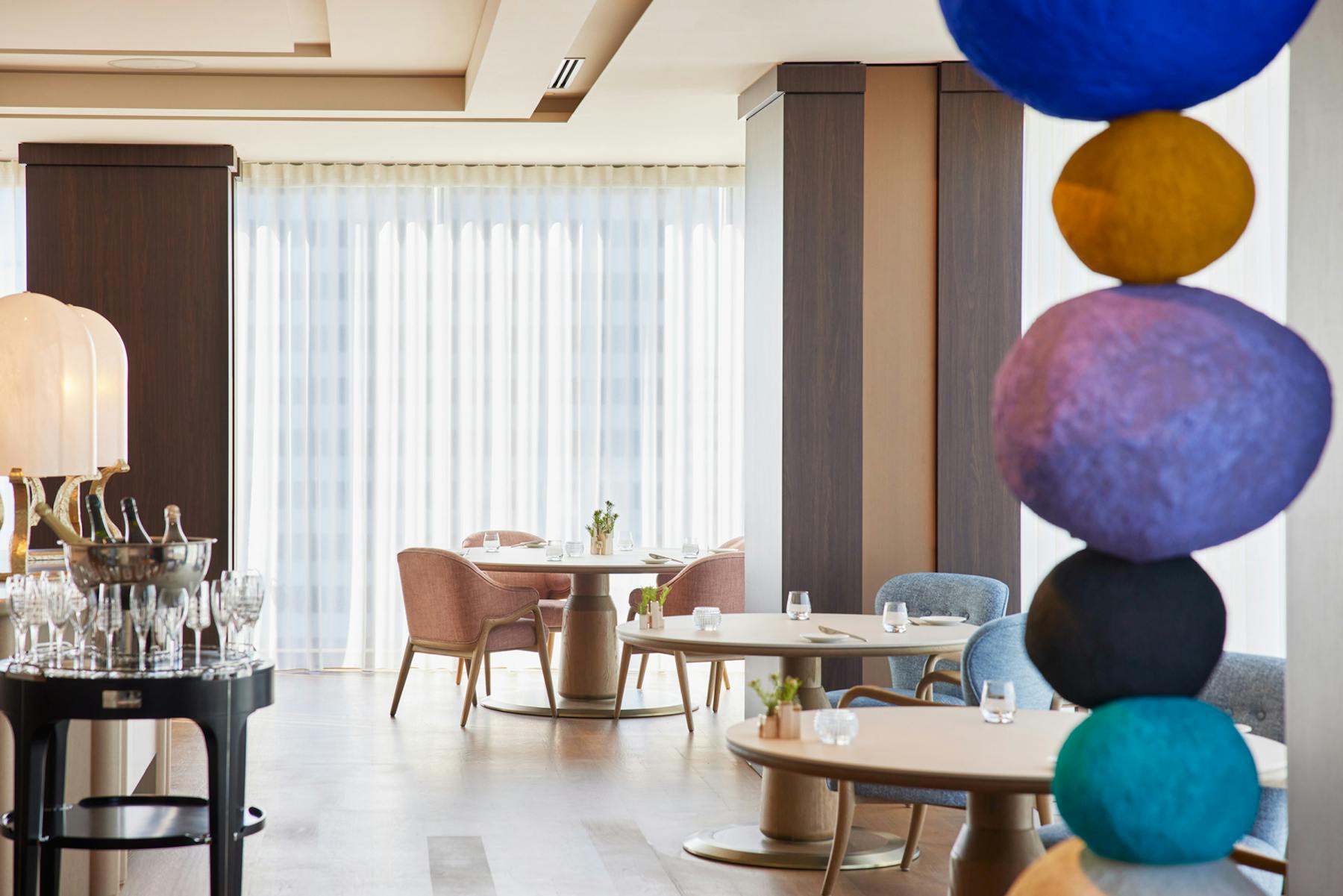
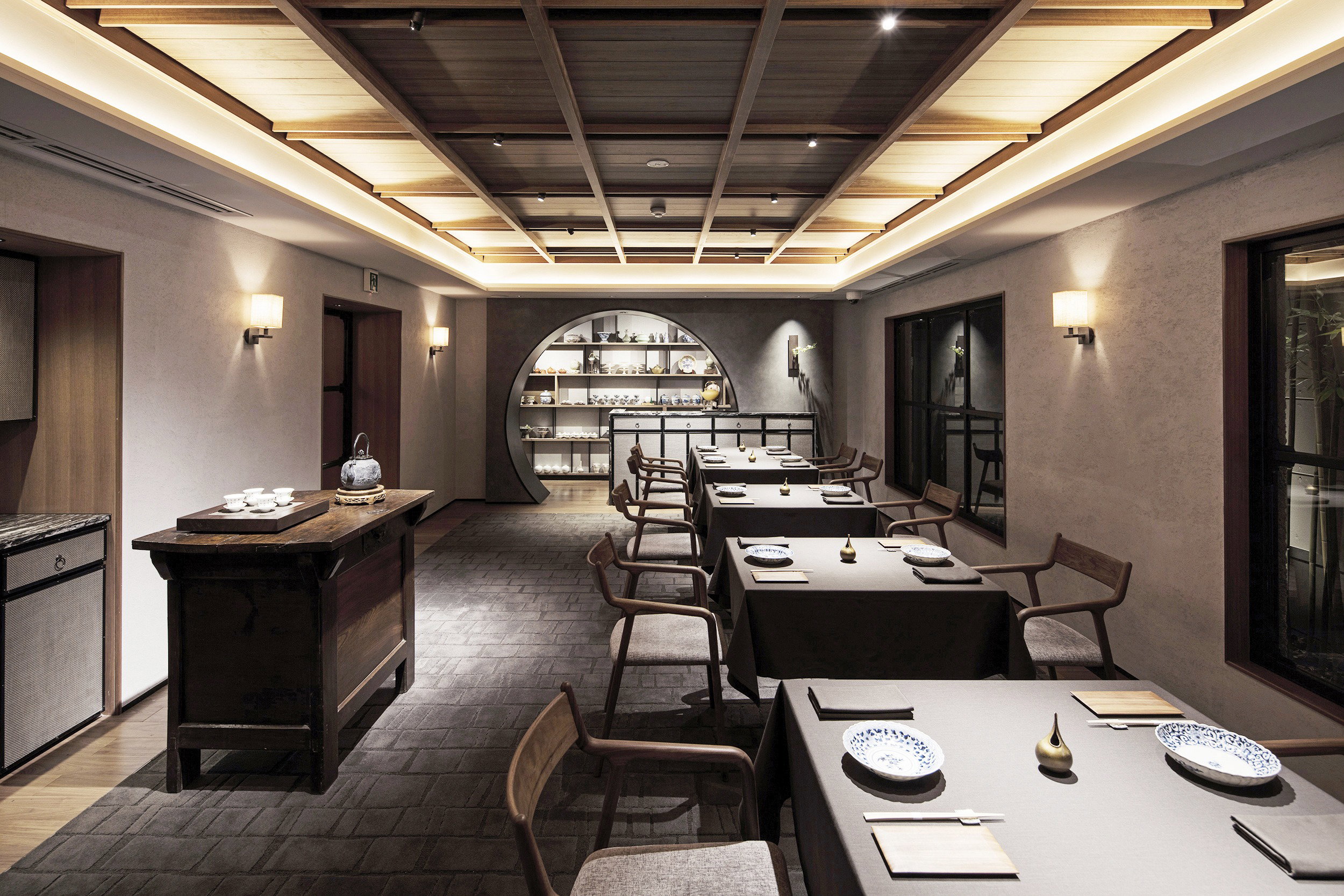
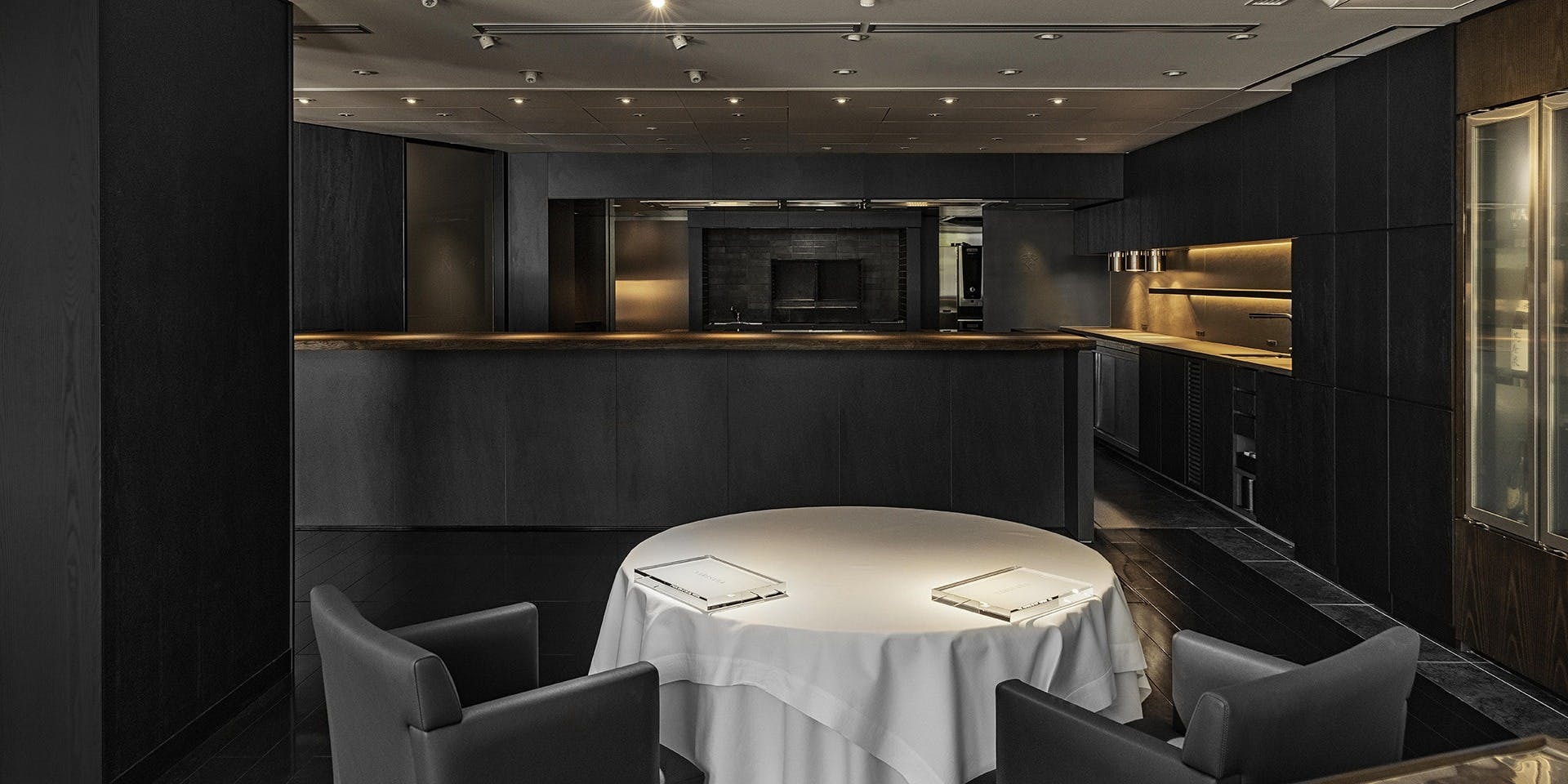
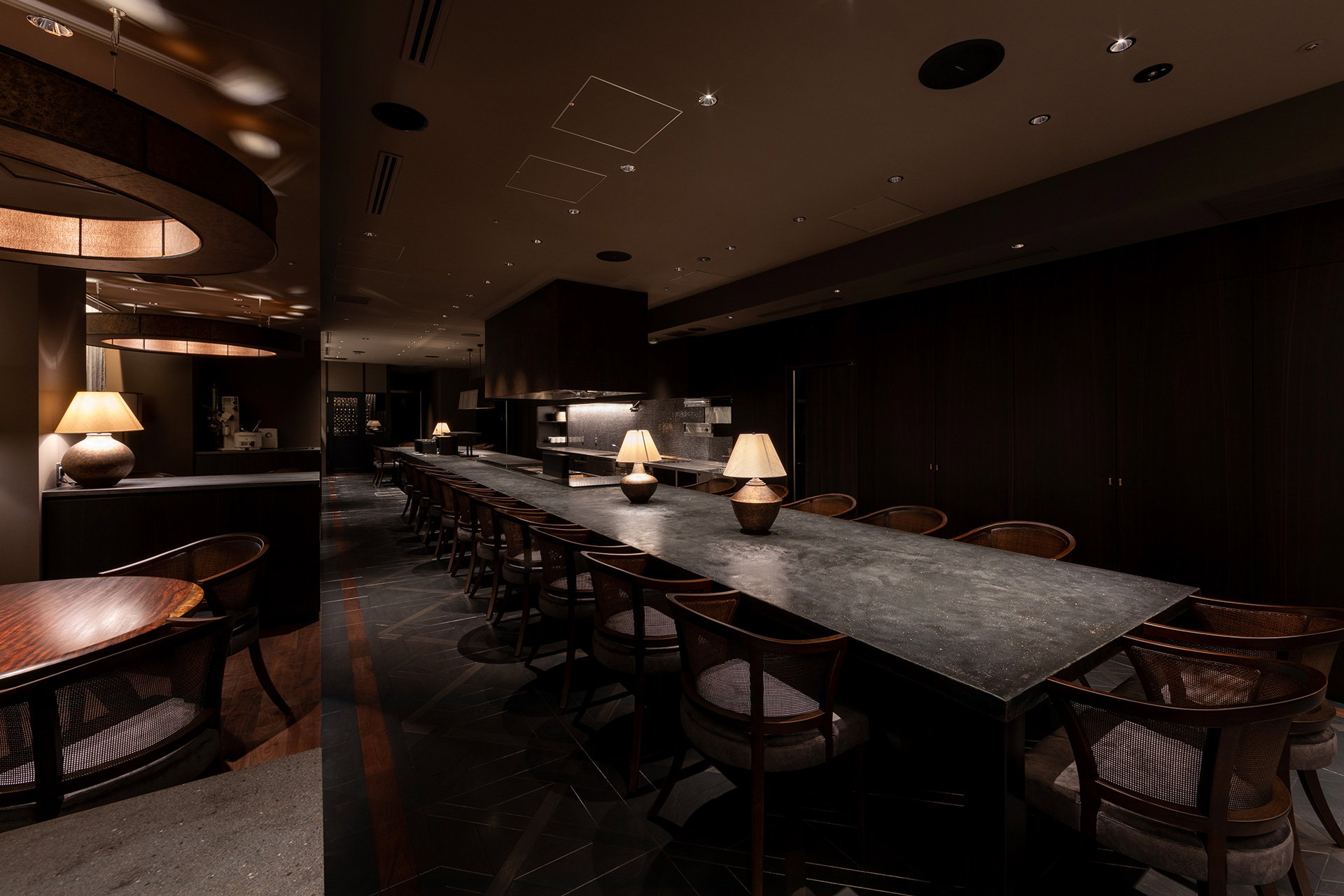
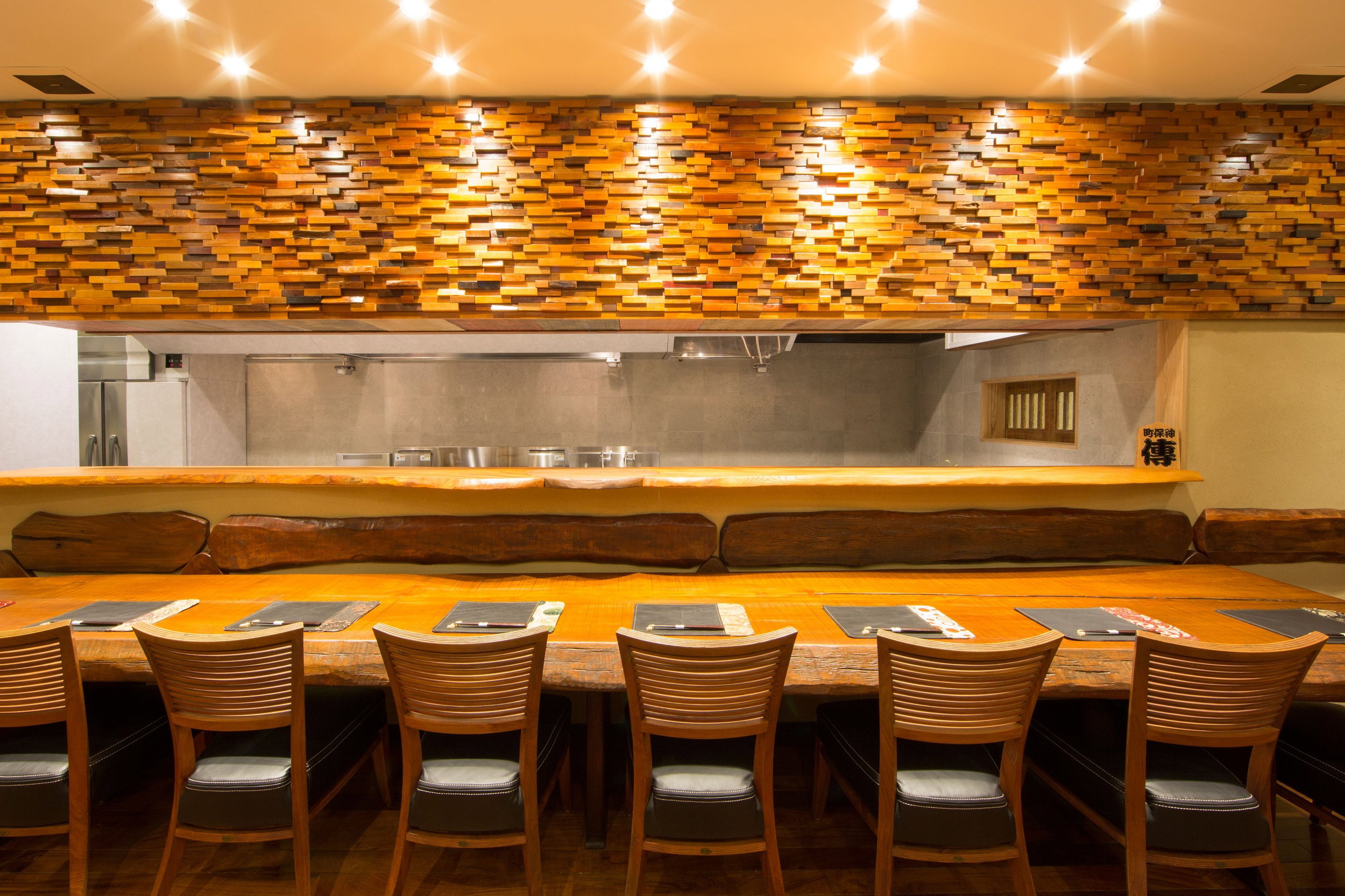
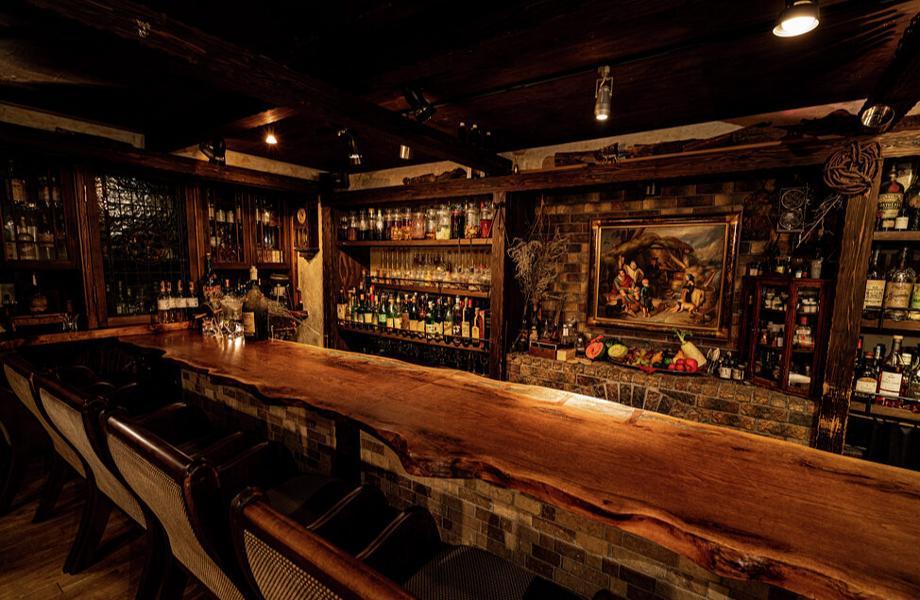
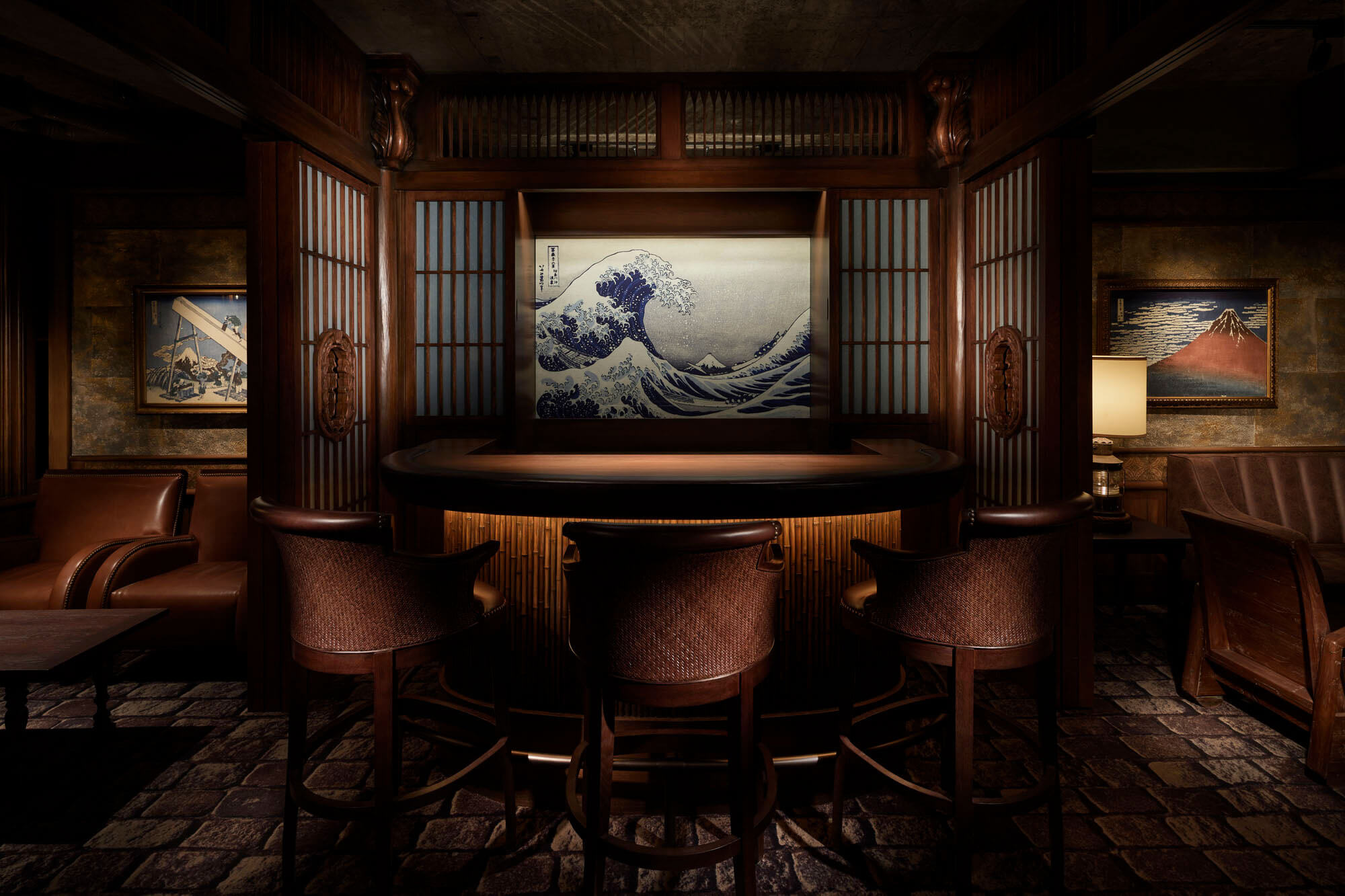
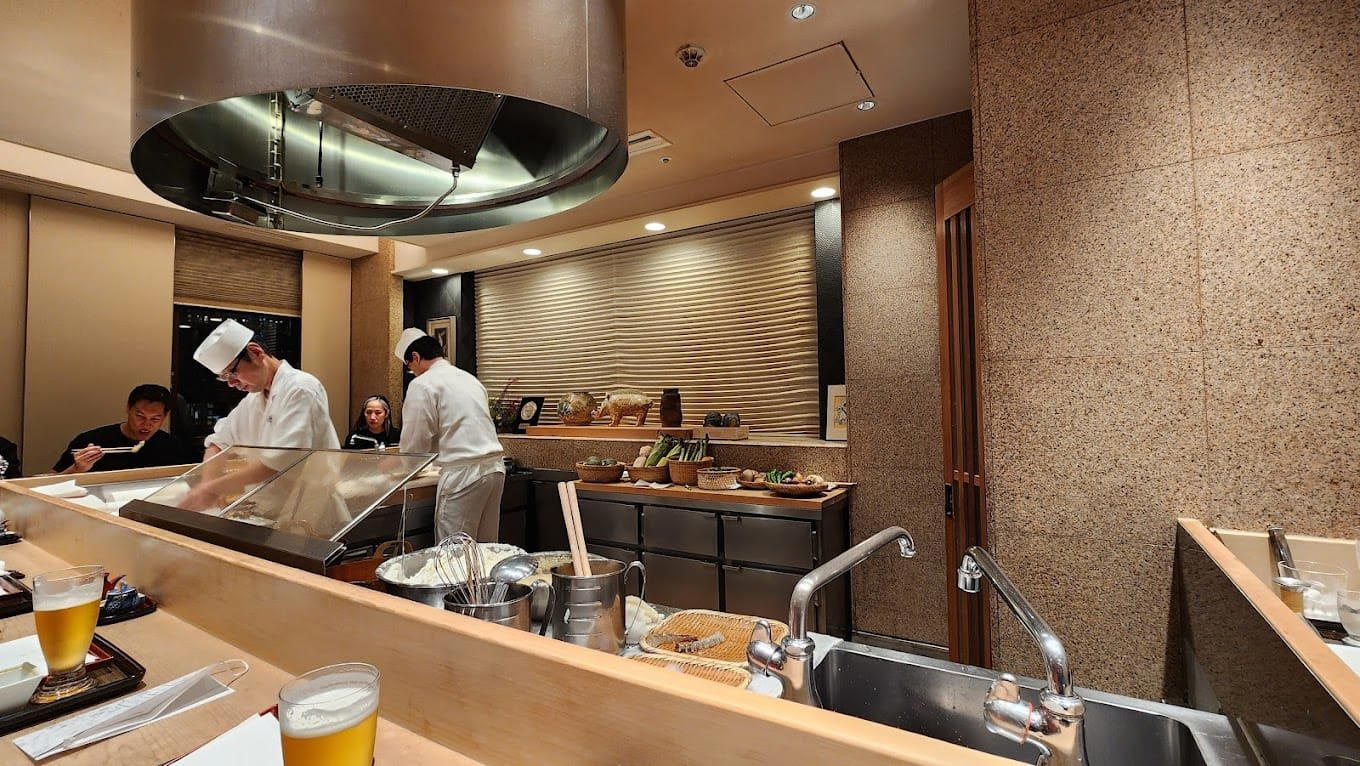
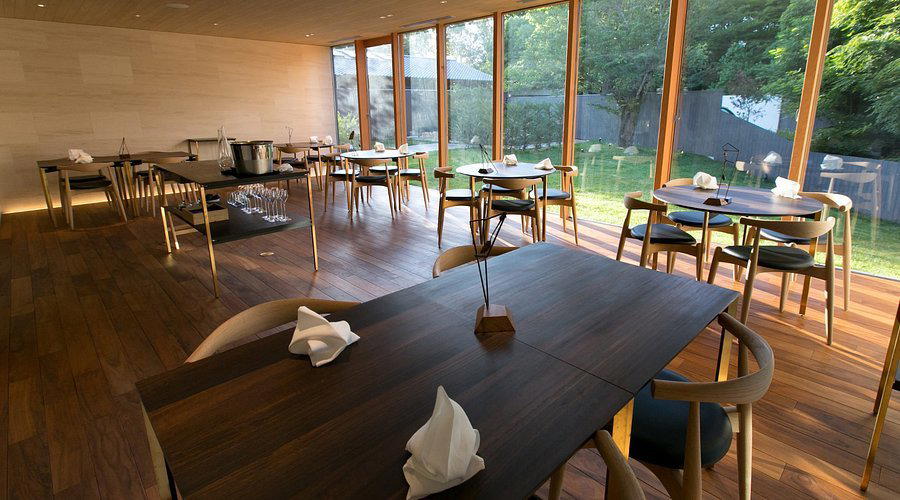
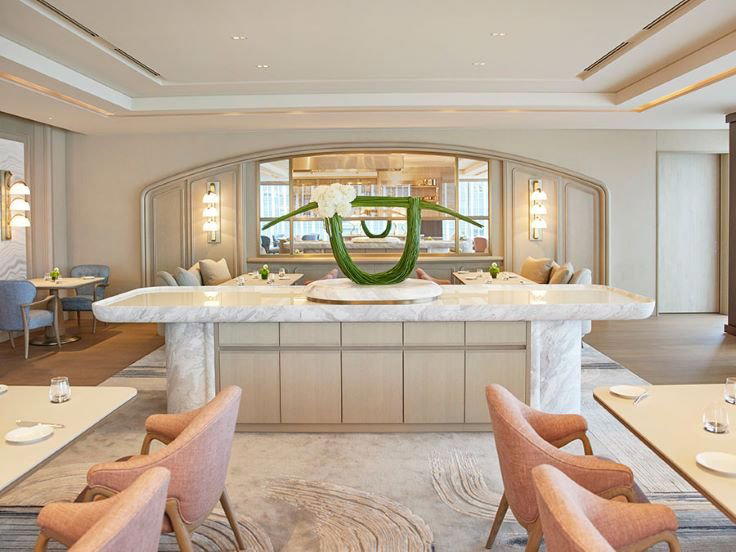
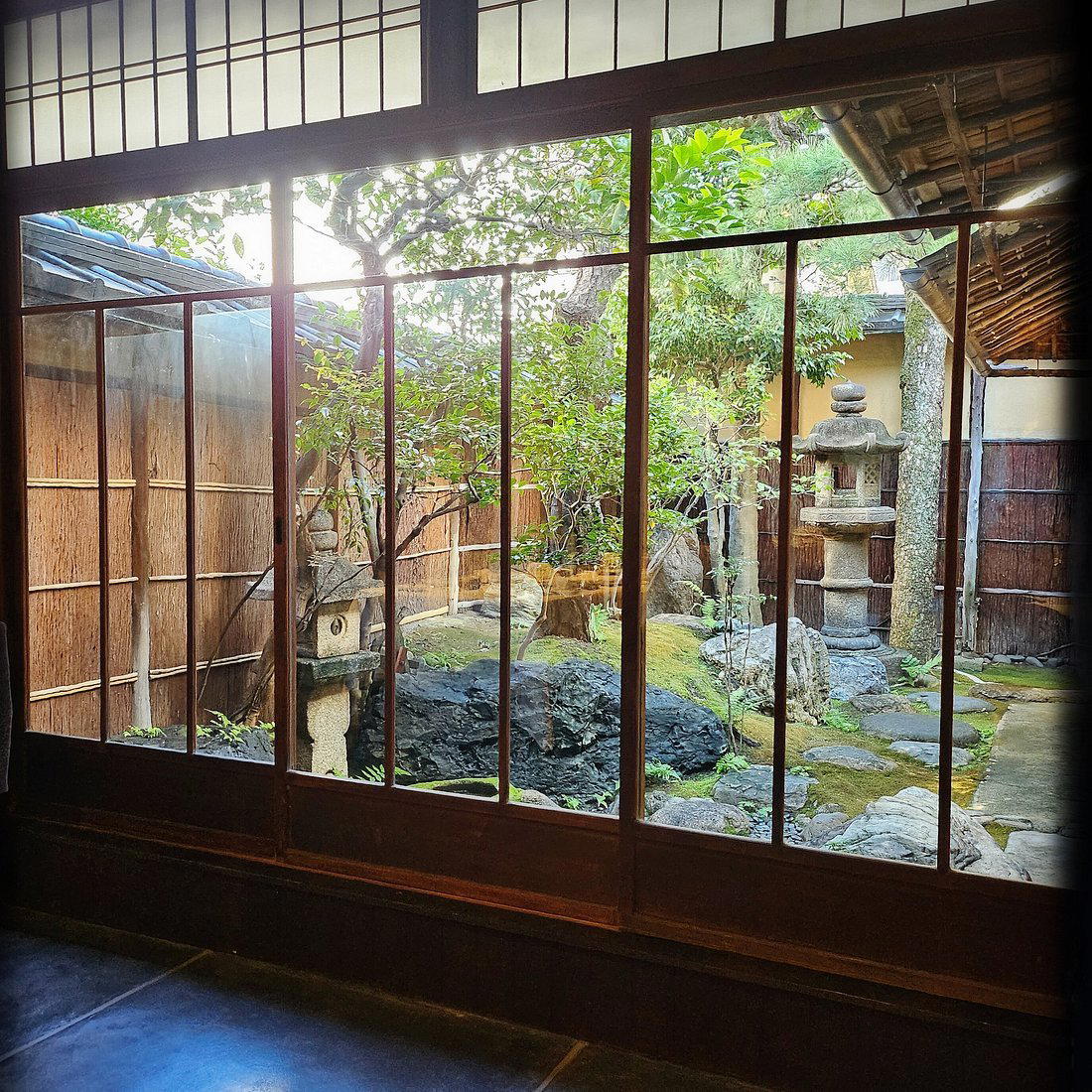
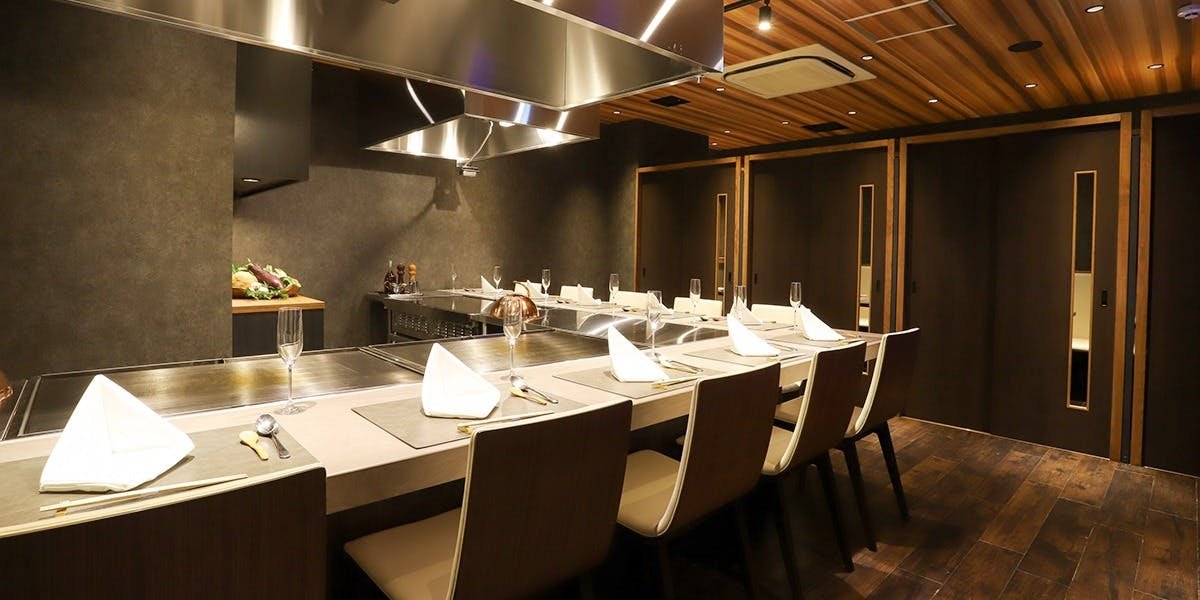
Minimal Japanese aesthetics with soothing jazz, wooden style entrance, homey and relaxed casual atmosphere.
Tags
Vibe
Best For
At the Table
- Dress Code
- Smart Casual
- Noise Level
- Conversational
- Service Style
- Casual
- Meal Pacing
- Standard
- Capacity
- Intimate
- Kitchen
- Traditional
- Menu Format
- A la carte
- Dietary
- Vegetarian friendly
Signature Dishes
- pork belly
- tempura
- sashimi
Know before you go
Know Before You Go
- Getting there
- 4 Chome-11-3 Asakusa, Taito City, Tokyo 111-0032, Japan
Planning details
Hours
- Monday
- 11:30 am–2 pm, 5–11 pm
- Tuesday
- 11:30 am–2 pm, 5–11 pm
- Wednesday
- 11:30 am–2 pm, 5–11 pm
- Thursday
- 11:30 am–2 pm, 5–11 pm
- Friday
- 11:30 am–2 pm, 5–11 pm
- Saturday
- 11:30 am–2 pm, 5–11 pm
- Sunday
- 11:30 am–2 pm, 5–11 pm
Location
4 Chome-11-3 Asakusa, Taito City, Tokyo 111-0032, Japan · Directions

Also consider
Also Consider
- Harutaka, Sushi, ¥¥¥¥
- L'Effervescence, French, ¥¥¥¥
- RyuGin, Kaiseki, Japanese, ¥¥¥¥
- HOMMAGE, Innovtive French, French, ¥¥¥¥
- Crony, Innovative, French, ¥¥¥¥
Restaurant context
Isshin competes in a different register from Tokyo's high-end sushi establishments. Harutaka operates at ¥¥¥¥ with an omakase-only format and booking difficulty that can stretch to months for first-time visitors without a Japanese-speaking contact. Sukiyabashi Jiro Roppongiten and Sushi Kanesaka are similarly structured: precise, formal, expensive, and logistically demanding. Isshin's OAD Top 500 standing indicates quality that serious diners recognise, but the Asakusa address, daily hours, and easier access make it a fundamentally different kind of booking. If your priority is Tokyo's ceiling for sushi, book Harutaka or Kanesaka. If you want a high-quality sushi meal without the planning overhead, Isshin is the more practical choice.
Against the wider Tokyo fine dining field, the comparison shifts significantly. L'Effervescence and RyuGin both operate at ¥¥¥¥ with very different formats, French modernist and kaiseki respectively, and both demand more advance planning and higher spend. HOMMAGE and Crony sit in the innovative French tier, appealing to diners who want Tokyo's international cooking alongside its Japanese traditions. Isshin does not compete with any of these on price or format, but for a diner specifically seeking sushi in a neighbourhood context, it outperforms all of them on accessibility and value-to-quality ratio.
The clearest practical split: book Isshin if you are in Asakusa, want recognised sushi quality without omakase pricing, or need a venue that works without weeks of advance planning. Book Harutaka or Kanesaka if budget is not the constraint and technical precision at the top of the sushi category is the objective. For everything beyond sushi, L'Effervescence remains Tokyo's strongest case for French fine dining, and RyuGin is the right call if kaiseki is the priority.
Explore Tokyo
Around this place
Discover more on Pearl
Unlock the full Isshin guide in Pearl, including awards, comparisons, FAQs, planning details, and nearby places.
Compare Isshin
| Venue | Cuisine | Awards | Booking Difficulty |
|---|---|---|---|
| Isshin | Sushi | 2026 OAD Top Restaurants in Japan Recommended2025 OAD Top Restaurants in Japan Ranked · #4582024 OAD Top Restaurants in Japan Ranked · #404 | Easy |
| Harutaka | Sushi | 2026 Tabelog Silver · #312026 OAD Top Restaurants in Japan Ranked · #1282026 Michelin 3 Stars2026 La Liste Top RestaurantsTabelog 100 - Sushi - TOKYO - 2025 · #372025 Asia's 50 Best Restaurants · #762025 OAD Top Restaurants in Japan Ranked · #1172025 La Liste Top Restaurants2025 Tabelog Bronze | Unknown |
| L'Effervescence | French | 2026 Tabelog Silver · #682026 OAD Top Restaurants in Japan Ranked · #103Star Wine Lists 20262026 Black Pearl 2 Diamond2026 Relais Chateaux Restaurants2026 La Liste Top Restaurants2026 Michelin 3 Stars2025 Asia's 50 Best Restaurants · #692025 OAD Top Restaurants in Japan Ranked · #92 | Unknown |
| RyuGin | Kaiseki, Japanese | 2026 OAD Top Restaurants in Japan Ranked · #802026 Tabelog Bronze · #3772026 Michelin 3 Stars2026 La Liste Top RestaurantsTabelog 100 - Japanese cuisine - TOKYO - 2025 · #212025 OAD Top Restaurants in Japan Ranked · #542025 Michelin 3 Stars2025 La Liste Top Restaurants2025 The Best Chef Three Knives | Unknown |
| HOMMAGE | Innovtive French, French | 2026 Tabelog Bronze · #1232026 OAD Top Restaurants in Japan Highly Recommended2026 Michelin 2 StarsTabelog 100 - French - TOKYO - 2025 · #762025 Asia's 50 Best Restaurants · #782025 OAD Top Restaurants in Japan Ranked · #1752025 Michelin 2 Stars2025 The Best Chef One Knife2025 La Liste Top Restaurants | Unknown |
| Crony | Innovative, French | 2026 Asia's 50 Best Restaurants · #34Star Wine Lists 20262026 OAD Top Restaurants in Japan Recommended2026 Michelin 2 Stars2025 Asia's 50 Best Restaurants · #30Tabelog 100 - French - TOKYO - 2025 · #782025 OAD Top Restaurants in Japan Ranked · #227We're Smart World Top Restaurants 20252025 Michelin 2 Stars | Unknown |













What to weigh when choosing between Isshin and alternatives.
FAQ
Frequently Asked Questions
What should I wear to Isshin?
There is no formal dress code documented for Isshin, but Asakusa sushi counters in this tier typically expect neat, clean casual clothing. Avoid heavy cologne or perfume — sushi restaurants at this level are close quarters and chefs notice. Nothing in the venue record contradicts a relaxed-but-tidy approach.
Is Isshin good for solo dining?
Yes, this is a strong solo call. Asakusa sushi restaurants at Isshin's ranking tier typically operate counter formats where solo diners are the norm, not the exception. Isshin's OAD placement in Japan's top 500 for two consecutive years signals a kitchen focused on the food rather than the social spectacle — exactly the right environment for a focused solo meal.
Can I eat at the bar at Isshin?
Counter seating is the standard format for sushi restaurants at Isshin's level in Tokyo. While the venue record does not specify exact seating configurations, expect the counter to be the primary — and likely preferred — way to eat here. Walk-in availability at the counter is unconfirmed, so treat a reservation as the default plan.
Is Isshin good for a special occasion?
It works for a considered special occasion, though it reads more as a serious food destination than a celebratory-atmosphere restaurant. Ranked #404 in Japan by Opinionated About Dining in 2024 and #458 in 2025, the credential is there. If the occasion calls for theatre or a grand room, look elsewhere in Tokyo. If it calls for precise sushi in a neighbourhood setting, Isshin fits.
What are alternatives to Isshin in Tokyo?
For higher-profile omakase with a comparable or stronger OAD standing, Harutaka in Ginza is the direct comparison — more central, harder to book, and priced accordingly. RyuGin offers a kaiseki format if the occasion calls for a broader tasting structure rather than pure sushi. Isshin's Asakusa address is the trade-off: less booking competition, lower profile, same serious intent.
Is lunch or dinner better at Isshin?
Lunch runs 11:30am–2pm and dinner 5–11pm, seven days a week. Lunch is the practical call for visitors on a tight schedule — shorter, typically less expensive in Tokyo sushi at this tier, and easier to pair with Asakusa sightseeing. Dinner gives more time at the counter and is the better option if you want the full experience without a clock overhead.