.png?width=1200&quality=80)
Gendaisaryo Ginza Fugetsudo
French · Chūō, Tokyo
Restaurant in Tokyo, Japan
 Book with Pearl
The Read
Cookbook-Anchored French
Price
$200–300per person
Dress
Smart Casual
Why go
A classical French dining room on the third floor of Ginza's heritage Fugetsudo building, Gendaisaryo brings old-cookbook technique — pâté en croûte, meunière, pastry-wrapped meats, sauce-driven courses — to a ¥¥¥ price point with Michelin Plate recognition in 2024 and 2025. Easier to book than most comparable Ginza addresses, and worth it if traditional French is your format.
About Gendaisaryo Ginza Fugetsudo
A Rare Corner of Classic French Technique in the Heart of Ginza
There are not many seats in Tokyo where you can eat traditional French cuisine prepared with the kind of institutional seriousness that comes from decades of confectionary craft.
The restaurant sits on the third floor of the Ginza Fugetsudo building at 6 Chome-6-1 Ginza, Chuo City — an address that carries weight. Ginza Fugetsudo is one of Tokyo's most storied confectionary houses, and Gendaisaryo operates as its restaurant expression: a dining room where the same attention to precision that governs wagashi and sweets is applied to the classical French canon. This is not a fusion concept or a reinterpretation exercise. The kitchen draws from old French cookbooks, and the menu reflects that commitment to tradition with a fidelity you rarely encounter in a city that more often favours novelty.
What the Kitchen Does, and Why It Matters
The technical emphasis here is on classical French method. Pâté en croûte is a frequently ordered starter, a dish that requires patience, structural precision, and an understanding of pastry as architecture rather than decoration. The approach to fish is meunière, the approach to meat is either roasting or wrapping in pastry. Both techniques demand timing and heat control that are unforgiving. Sauces, which the restaurant itself frames as the soul of French cuisine, are the thread that connects each course.
For the food-curious diner who has eaten their way through Tokyo's French restaurants, this matters as a point of differentiation. Most contemporary French dining in the city tilts toward Japanese ingredient integration or modern plating aesthetics. Gendaisaryo chooses neither path. It stays close to the source material, the kind of classical French cooking that Hotel de Ville Crissier in Switzerland has made its signature, or that informs the foundational technique behind restaurants like Château Restaurant Joël Robuchon in Tokyo. The difference is that Gendaisaryo delivers this at a ¥¥¥ price point, not ¥¥¥¥, which changes the value calculation significantly.
The Michelin Plate recognition in both 2024 and 2025 confirms the kitchen is cooking at a consistent, creditable level. A Michelin Plate is not a star, but it is the guide's signal that the food is worth eating, and for a restaurant operating within this specific, demanding classical tradition, consistency is the harder thing to sustain.
The Room and the Experience
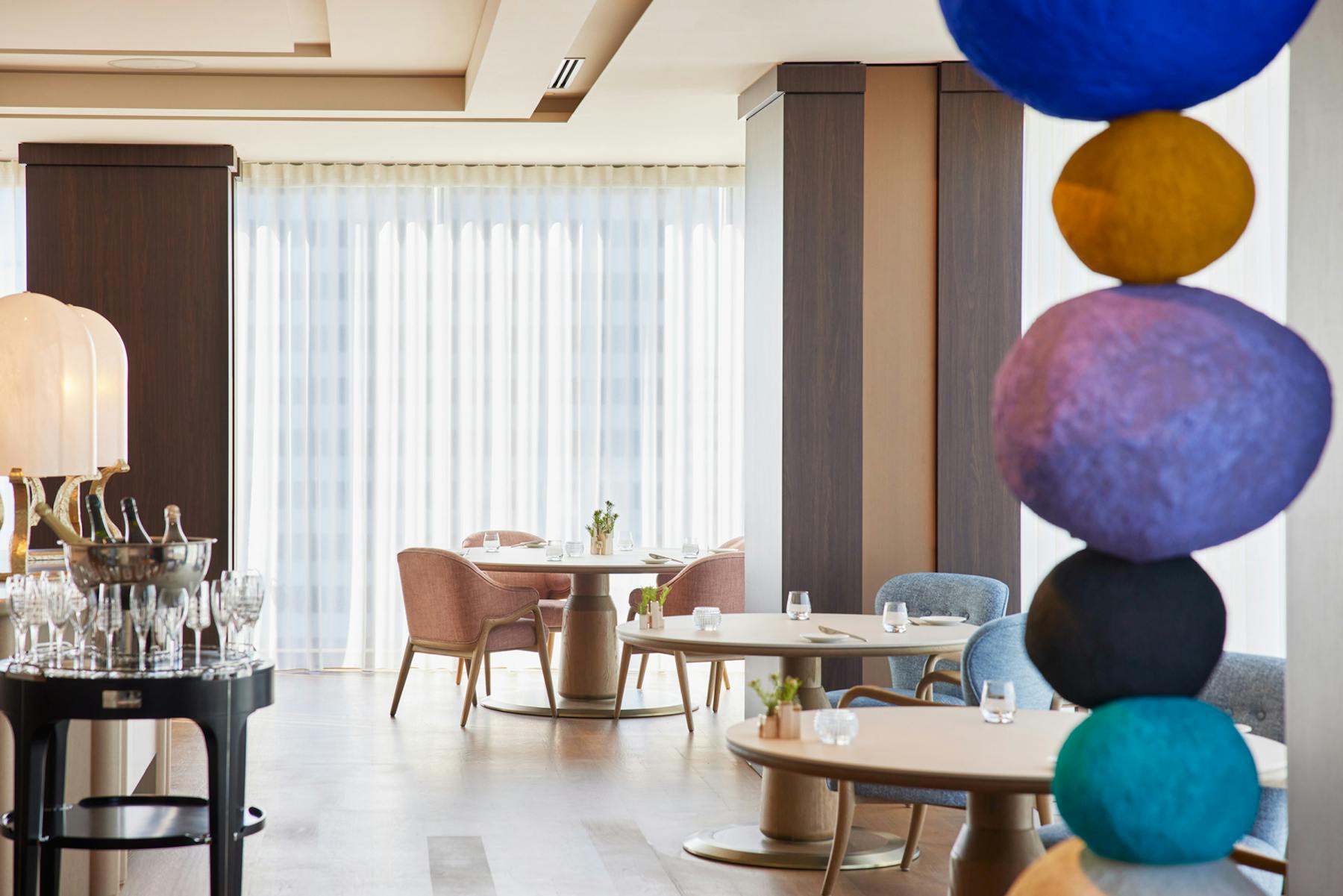
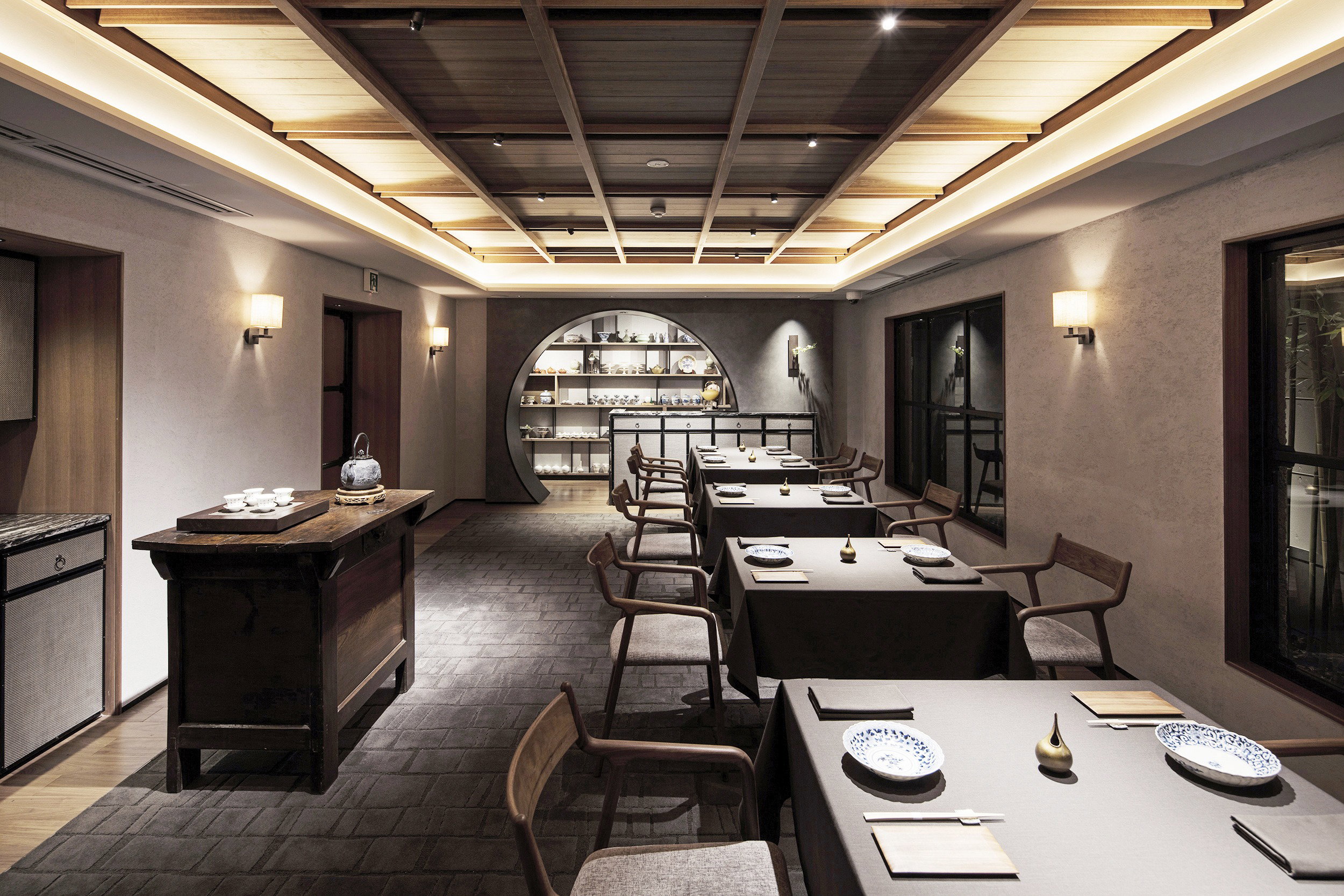
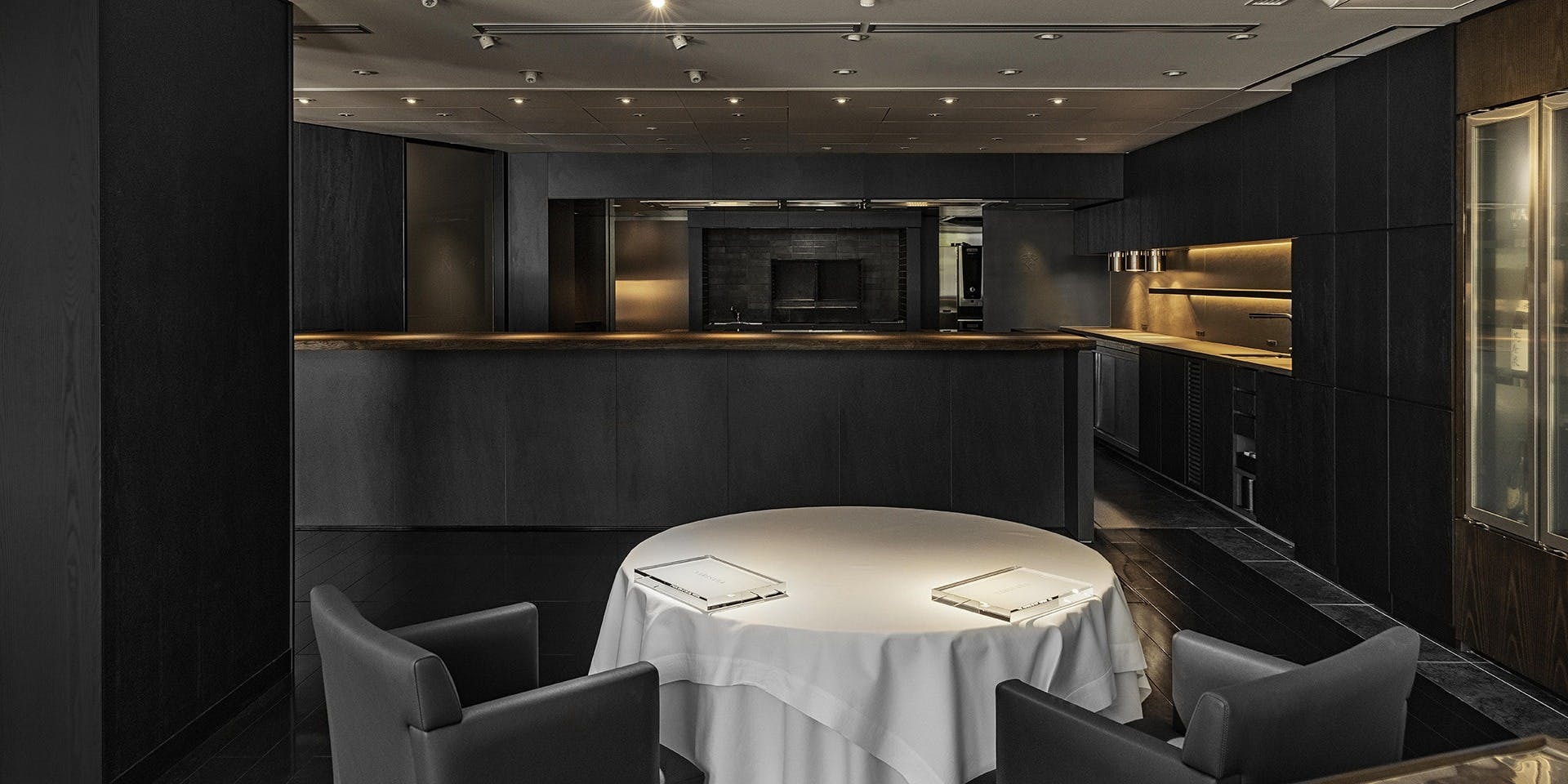
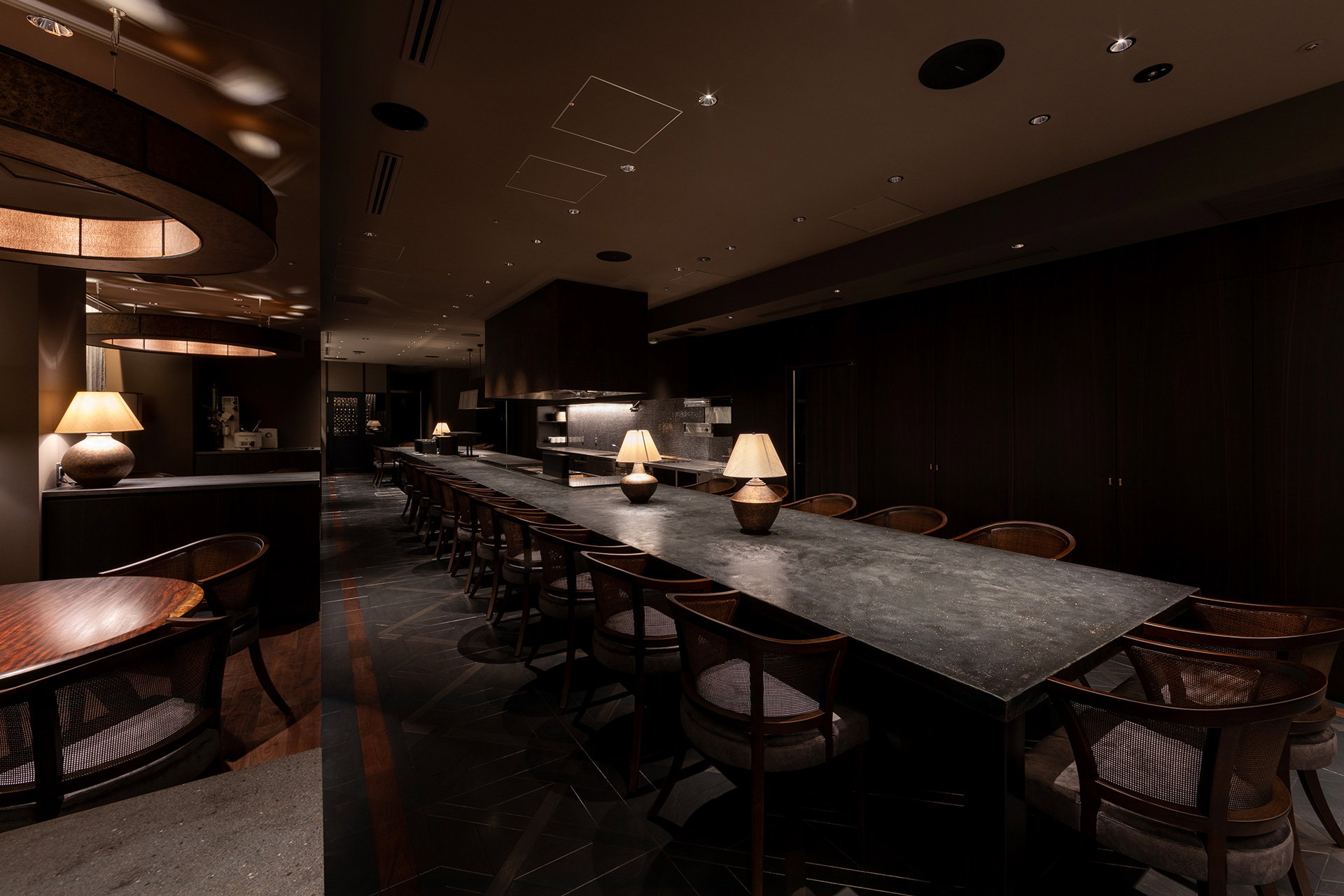
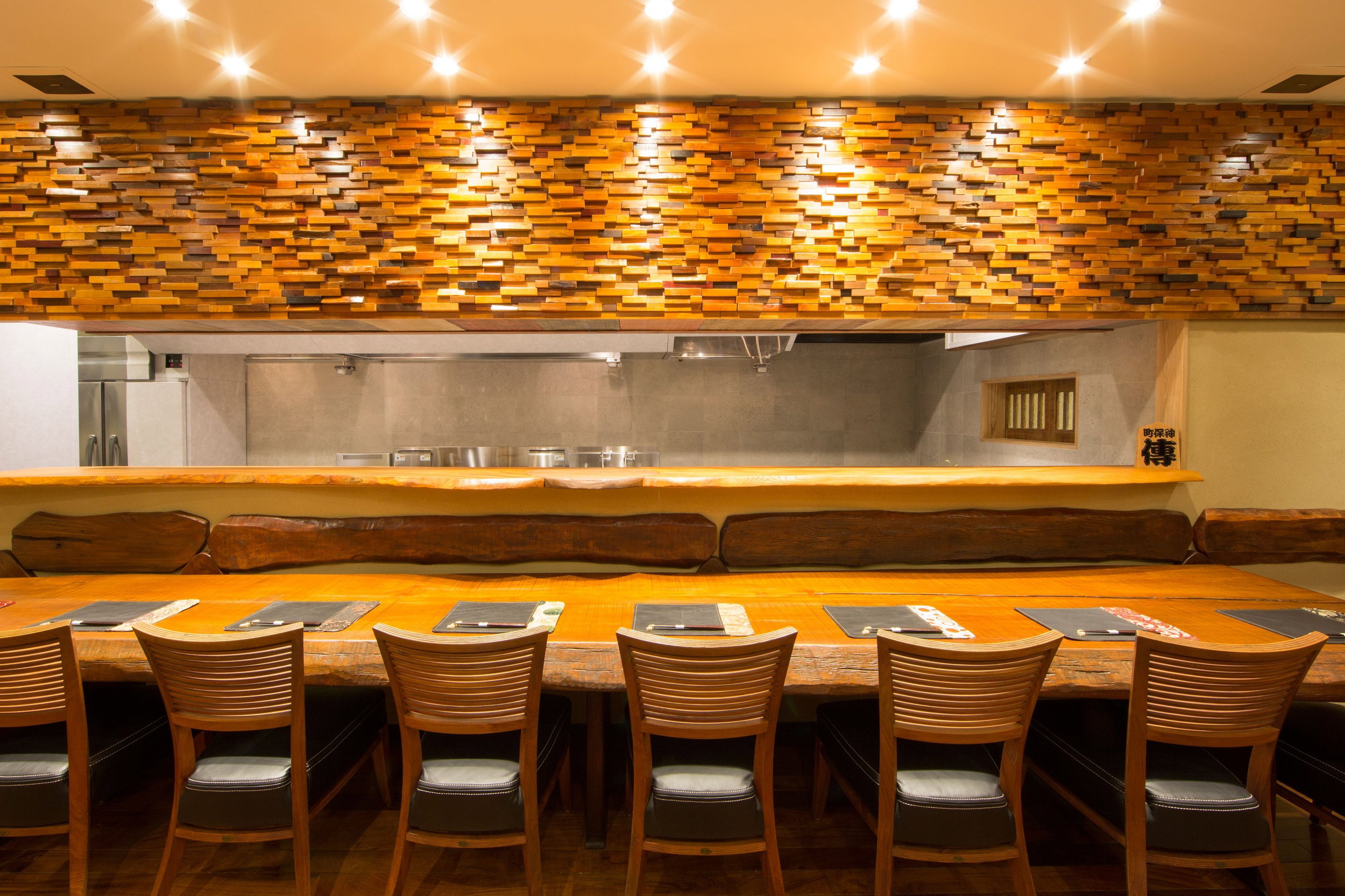
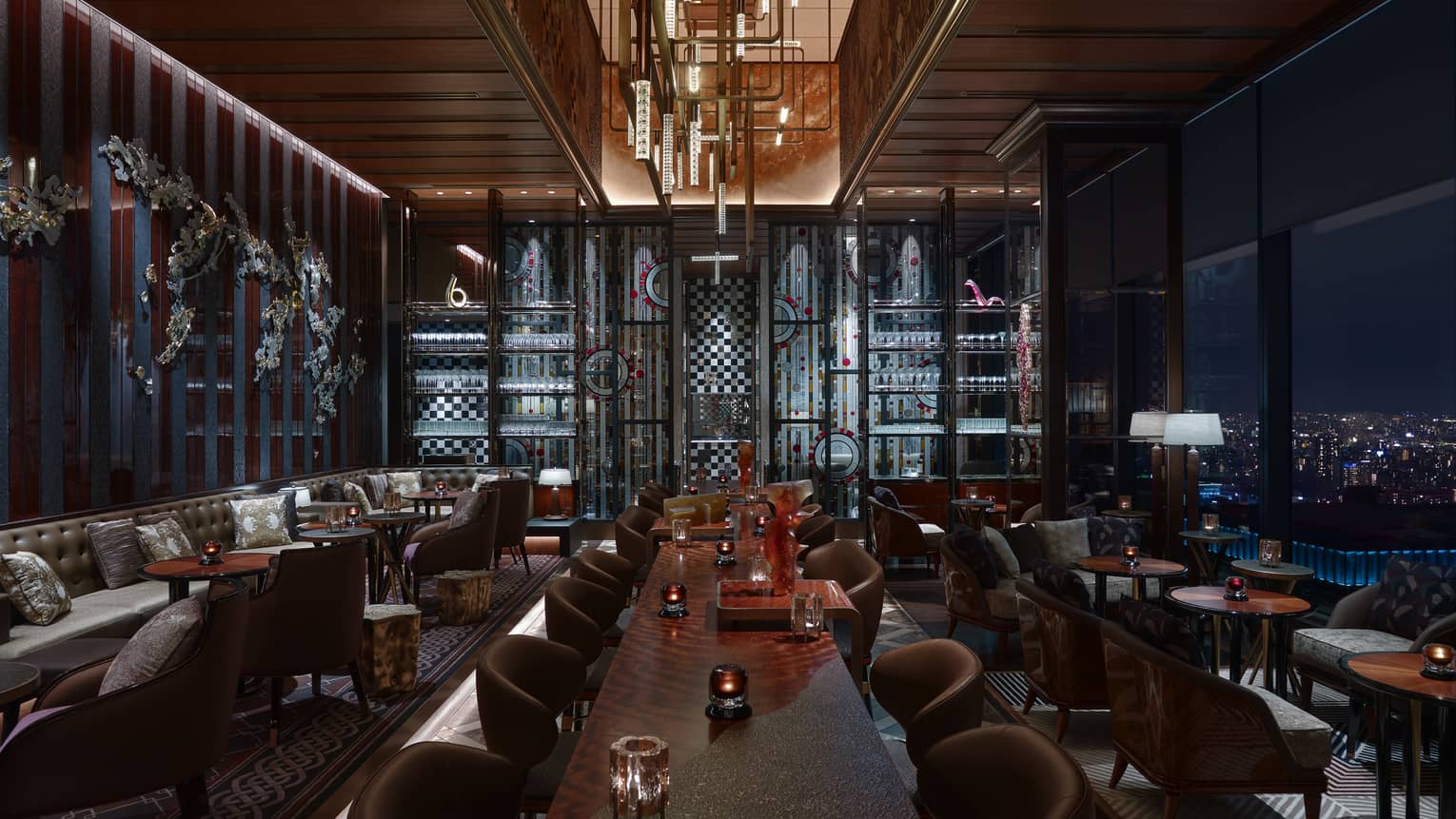
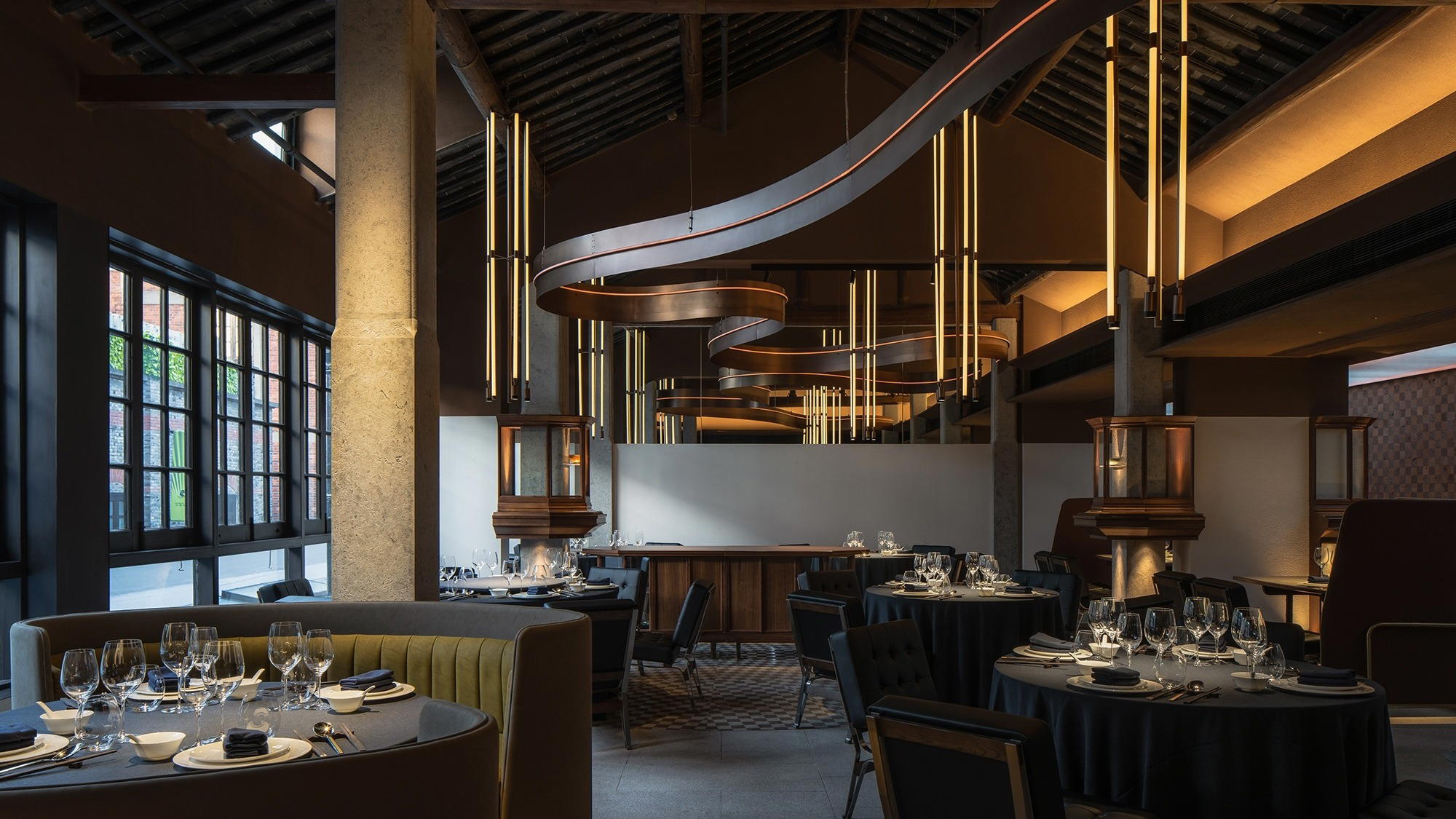
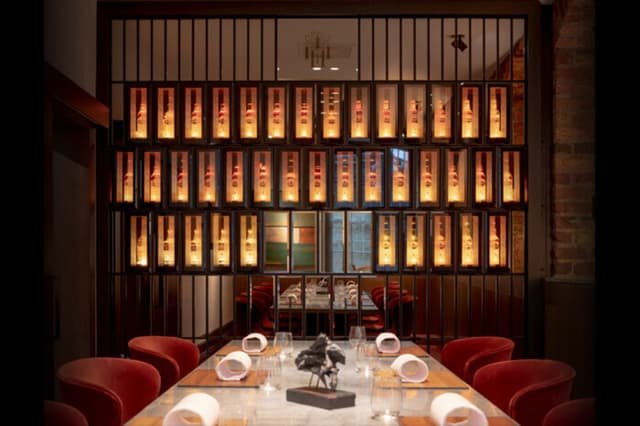
The atmosphere here is calm and considered. As a third-floor dining room in a building associated with one of Tokyo's heritage confectionary brands, it carries a quieter register than street-level Ginza. The mood suits the food: this is not a room built for loud celebration or high-energy group dining. It reads better as a destination for a serious lunch, a long midweek dinner, or an occasion where the food itself is the conversation. The ambient feel is closer to a formal French provincial dining room than a contemporary Tokyo restaurant, unhurried and deliberate.
For the explorer-minded diner who has already worked through Tokyo's better-known French addresses, L'Effervescence, Sézanne, ESqUISSE, or Florilège, Gendaisaryo offers a genuinely different reference point. Rather than competing on creativity or modern sensibility, it competes on fidelity to a tradition that shaped the entire category. That is a meaningful position to hold, and it is underexplored in most Tokyo French dining conversations.
Booking and Practical Details
Booking difficulty at Gendaisaryo Ginza Fugetsudo is rated Easy, which makes it accessible relative to many of Tokyo's starred and high-demand French restaurants. For context, securing a table at L'Effervescence or a seat at some of the city's omakase counters requires weeks of lead time and often a Japanese-language booking process. Gendaisaryo does not present that obstacle. The address is in central Ginza, making it convenient from most Tokyo neighbourhoods and direct to reach by train.
Price sits at ¥¥¥, positioning it above casual dining but below the ¥¥¥¥ bracket that defines Tokyo's most formal French restaurants. For classical French cooking with Michelin recognition, that pricing is fair. Specific menu prices and hours are not published in our current data, so check directly before visiting.
If your Tokyo trip extends beyond the city, the classical French tradition connects interestingly to other Japan destinations: HAJIME in Osaka applies French-rooted technique through a very different lens, and akordu in Nara brings European method to a quieter setting. For broader planning, see our full Tokyo restaurants guide, our full Tokyo hotels guide, our full Tokyo bars guide, our full Tokyo experiences guide, and our full Tokyo wineries guide. Further afield, Les Amis in Singapore is the regional benchmark for classical French in Asia and a useful comparison point for what this style of cooking can achieve at higher investment. Regional explorers should also consider Gion Sasaki in Kyoto, Goh in Fukuoka, 1000 in Yokohama, and 6 in Okinawa for serious dining outside Tokyo.
Quick reference:
Planning details
- Location
- Japan, 〒104-0061 Tokyo, Chuo City, Ginza, 6 Chome−6−1 銀座風月堂ビル 3階
- Reservations
- Book on TableCheck
- Website
- ginza-fugetsudo.co.jp
- Phone
- +81 3-3572-1777
The take
The Take
The Vibe
Gendaisaryo Ginza Fugetsudo reads like an institutional classic: a French restaurant nested within a venerable confectionery house on Ginza's mid-floors. The piece emphasizes continuity over personality, so the experience feels measured and proper rather than trend-driven. Service and room tempo are described as formal and unhurried, and the menu is positioned around technique and correctness rather than provocation. The setting conveys a sense of history and restraint—an old-school Ginza dining room where longevity and craft shape expectations more than culinary fashion.
Best For
This is a place for diners seeking a composed, traditional French meal in a storied Ginza setting. The copy situates the restaurant within the district's fine-dining lineage and notes a mid-to-upper price positioning, which makes it a natural fit for business dinners, anniversaries, and other special occasions where correctness and a deliberate pace matter. Guests who value classical technique, an unhurried service rhythm, and the formality associated with longstanding Tokyo institutions will find it especially appropriate.
Venue details
Ambiance
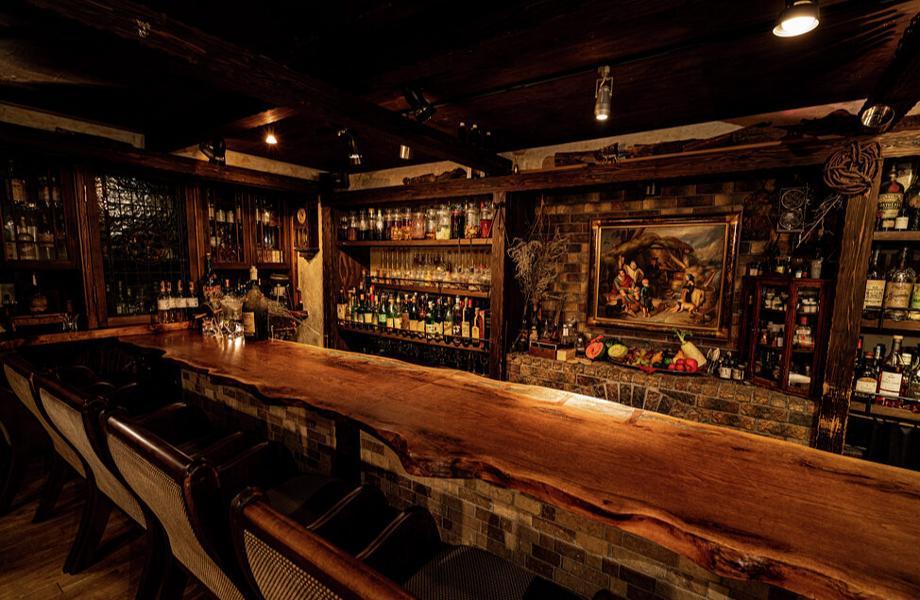
Luxurious, detail-oriented interior designed to engage all five senses; intimate counter seating with attentive service in a refined, hideout-like setting.
Tags
Vibe
Best For
Experience
Accessibility
At the Table
- Dress Code
- Smart Casual
- Noise Level
- Quiet
- Service Style
- Formal
- Meal Pacing
- Extended Experience
- Capacity
- Intimate
- Kitchen
- Seasonal
- Menu Format
- Tasting menu, Counter dining, Prix fixe
- Wine Program
- Curated
- Drinks Focus
- Wine, Cocktails
- Dietary
- Allergy accommodating
- Private Dining
- Available
Know before you go
Know Before You Go
- Getting there
- Japan, 〒104-0061 Tokyo, Chuo City, Ginza, 6 Chome−6−1 銀座風月堂ビル 3階
Planning details
Location
Japan, 〒104-0061 Tokyo, Chuo City, Ginza, 6 Chome−6−1 銀座風月堂ビル 3階 · Directions
Recognition and awards
Also consider
Also Consider
- Harutaka, Sushi, ¥¥¥¥
- RyuGin, Kaiseki, Japanese, ¥¥¥¥
- L'Effervescence, French, ¥¥¥¥
- HOMMAGE, Innovtive French, French, ¥¥¥¥
- Florilège, French, ¥¥¥
Restaurant context
How It Compares
Gendaisaryo Ginza Fugetsudo sits at ¥¥¥, which makes it the most accessible entry point among Tokyo's creditable French restaurants. Florilège (¥¥¥) is its closest price-bracket peer, but the two kitchens read very differently: Florilège pushes a modern, produce-led French sensibility, while Gendaisaryo stays firmly in the classical tradition. If you want contemporary French cooking at ¥¥¥, Florilège wins. If you want old-school French technique, pâté en croûte, meunière, roasted meats in sauce, Gendaisaryo is the clearer choice.
Step up to the ¥¥¥¥ tier and the comparison set changes sharply. L'Effervescence and HOMMAGE both operate French kitchens at a higher price point with stronger Michelin credentials, and both reward diners who want more creative or evolved interpretations of French cooking. For classical fidelity, however, neither directly competes with Gendaisaryo's specific positioning. RyuGin (¥¥¥¥, Kaiseki) and Harutaka (¥¥¥¥, Sushi) are different categories entirely, mention them only if you are building a multi-night Tokyo itinerary and want to contrast Japanese and French traditions at different investment levels.
On booking difficulty, Gendaisaryo is rated Easy, which is a real practical advantage in Ginza. Most ¥¥¥¥ French restaurants in Tokyo require advance planning, Japanese-language reservations, or third-party booking services. Gendaisaryo removes that friction. For a visitor who wants formal French cooking in Ginza without the logistics overhead of Tokyo's most in-demand tables, it is the most straightforward option in its category.
Explore Tokyo
Around this place
Discover more on Pearl
Unlock the full Gendaisaryo Ginza Fugetsudo guide in Pearl, including awards, comparisons, FAQs, planning details, and nearby places.
Compare Gendaisaryo Ginza Fugetsudo
| Venue | Price | Booking Difficulty | Awards |
|---|---|---|---|
| Gendaisaryo Ginza Fugetsudo | ¥¥¥ | Easy | 2026 Michelin Plate2025 Michelin Plate2024 Michelin Plate |
| Harutaka | ¥¥¥¥ | Unknown | 2026 Tabelog Silver · #312026 OAD Top Restaurants in Japan Ranked · #1282026 Michelin 3 Stars2026 La Liste Top RestaurantsTabelog 100 - Sushi - TOKYO - 2025 · #372025 Asia's 50 Best Restaurants · #762025 OAD Top Restaurants in Japan Ranked · #1172025 La Liste Top Restaurants2025 Tabelog Bronze |
| RyuGin | ¥¥¥¥ | Unknown | 2026 OAD Top Restaurants in Japan Ranked · #802026 Tabelog Bronze · #3772026 Michelin 3 Stars2026 La Liste Top RestaurantsTabelog 100 - Japanese cuisine - TOKYO - 2025 · #212025 OAD Top Restaurants in Japan Ranked · #542025 Michelin 3 Stars2025 La Liste Top Restaurants2025 The Best Chef Three Knives |
| L'Effervescence | ¥¥¥¥ | Unknown | 2026 Tabelog Silver · #682026 OAD Top Restaurants in Japan Ranked · #103Star Wine Lists 20262026 Black Pearl 2 Diamond2026 Relais Chateaux Restaurants2026 La Liste Top Restaurants2026 Michelin 3 Stars2025 Asia's 50 Best Restaurants · #692025 OAD Top Restaurants in Japan Ranked · #92 |
| HOMMAGE | ¥¥¥¥ | Unknown | 2026 Tabelog Bronze · #1232026 OAD Top Restaurants in Japan Highly Recommended2026 Michelin 2 StarsTabelog 100 - French - TOKYO - 2025 · #762025 Asia's 50 Best Restaurants · #782025 OAD Top Restaurants in Japan Ranked · #1752025 Michelin 2 Stars2025 The Best Chef One Knife2025 La Liste Top Restaurants |
| Florilège | ¥¥¥ | Unknown | 2026 Asia's 50 Best Restaurants · #312026 Tabelog Bronze · #712026 OAD Top Restaurants in Japan Ranked · #1242026 Black Pearl 1 Diamond2026 Michelin 2 Stars2026 La Liste Top Restaurants2025 Asia's 50 Best Restaurants · #172025 World's 50 Best Restaurants · #36Tabelog 100 - French - TOKYO - 2025 · #68 |













Comparing your options in Tokyo for this tier.
FAQ
Frequently Asked Questions
Is the tasting menu worth it at Gendaisaryo Ginza Fugetsudo?
If classical French structure is what you want, yes. The kitchen draws from traditional French cookbooks, so expect pâté en croûte, fish meunière, and roasted or pastry-wrapped meats with proper sauces — not a modern tasting menu that reinvents the form. At ¥¥¥ pricing with a Michelin Plate recognition in both 2024 and 2025, the value holds for diners who want technique over trend. If you prefer contemporary French, L'Effervescence or Florilège will suit you better.
What should a first-timer know about Gendaisaryo Ginza Fugetsudo?
The restaurant sits on the third floor of the Ginza Fugetsudo building at 6-6-1 Ginza, Chuo City — a confectionary house with serious heritage in Tokyo. The kitchen leans hard into classical French tradition, not fusion or novelty, so come expecting dishes sourced from old cookbooks rather than a chef's personal reinvention. Booking is rated Easy relative to Tokyo's competitive French dining scene, which makes this a reliable option when other Ginza restaurants are fully committed weeks out.
What should I wear to Gendaisaryo Ginza Fugetsudo?
The setting is a calm, considered third-floor dining room in one of Ginza's more storied buildings, and the cuisine is classically French, so dress accordingly — neat and presentable at minimum. Ginza norms trend more formal than much of Tokyo, and the traditional character of the restaurant supports that. Turning up in casualwear would feel out of step with the room.
Is Gendaisaryo Ginza Fugetsudo worth the price?
At ¥¥¥ with two consecutive Michelin Plate recognitions (2024, 2025), it sits at a fair price point for what it delivers: disciplined classical French cooking with institutional seriousness behind it. It is not the place for innovation or spectacle, but for traditional technique — sauces, pastry work, meunière — executed with consistency in a Ginza address, the value is reasonable. Harutaka or RyuGin will cost more and demand more planning; this is the lower-friction option without cutting corners on method.
Is Gendaisaryo Ginza Fugetsudo good for a special occasion?
Yes, with the right expectations. The classical French format, Ginza location, and connection to one of Tokyo's most respected confectionary houses make it a credible choice for a celebratory dinner. It is not a high-drama tasting-menu experience, so if someone in your party expects theatre or avant-garde courses, look at Florilège instead. For a composed, traditional French dinner in a setting with genuine heritage behind it, this works well.