
Enseigne d'angle Harajuku ten
Shibuya, Tokyo
Restaurant in Tokyo, Japan
 Book with Pearl
The Read
Price
$10–20per person
Dress
Casual
Why go
A Tabelog-recognized kissaten in Harajuku's Sendagaya district, offering counter and sofa seating for coffee, light meals, and desserts at JPY 1,000–1,999. The basement location and 40-seat capacity keep the room quieter than street-level cafes, with weekday afternoons and evenings offering the calmest visits. Walk-ins work most days; cash only.
About Enseigne d'angle Harajuku ten
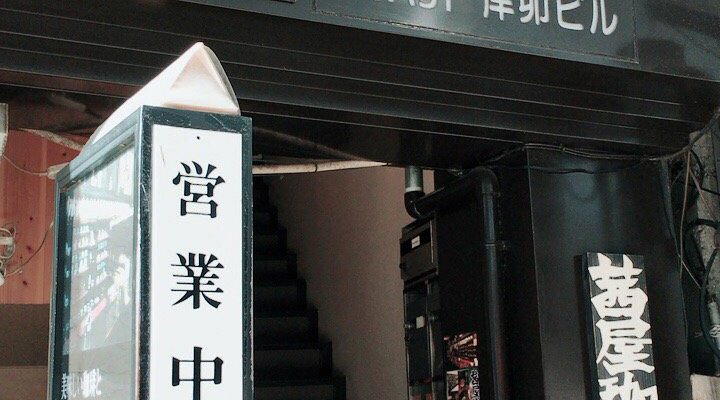
Forty seats in a basement cafe near Harajuku Station doesn't sound like scarcity, until you factor in that this kissaten made Tabelog's 100 Best Coffee Shops list in both 2021 and 2022, and the city's cafe culture pulls weekday crowds by mid-morning. Walk-ins work most afternoons, but expect queues during weekend lunch hours when the sofa seating fills fast.
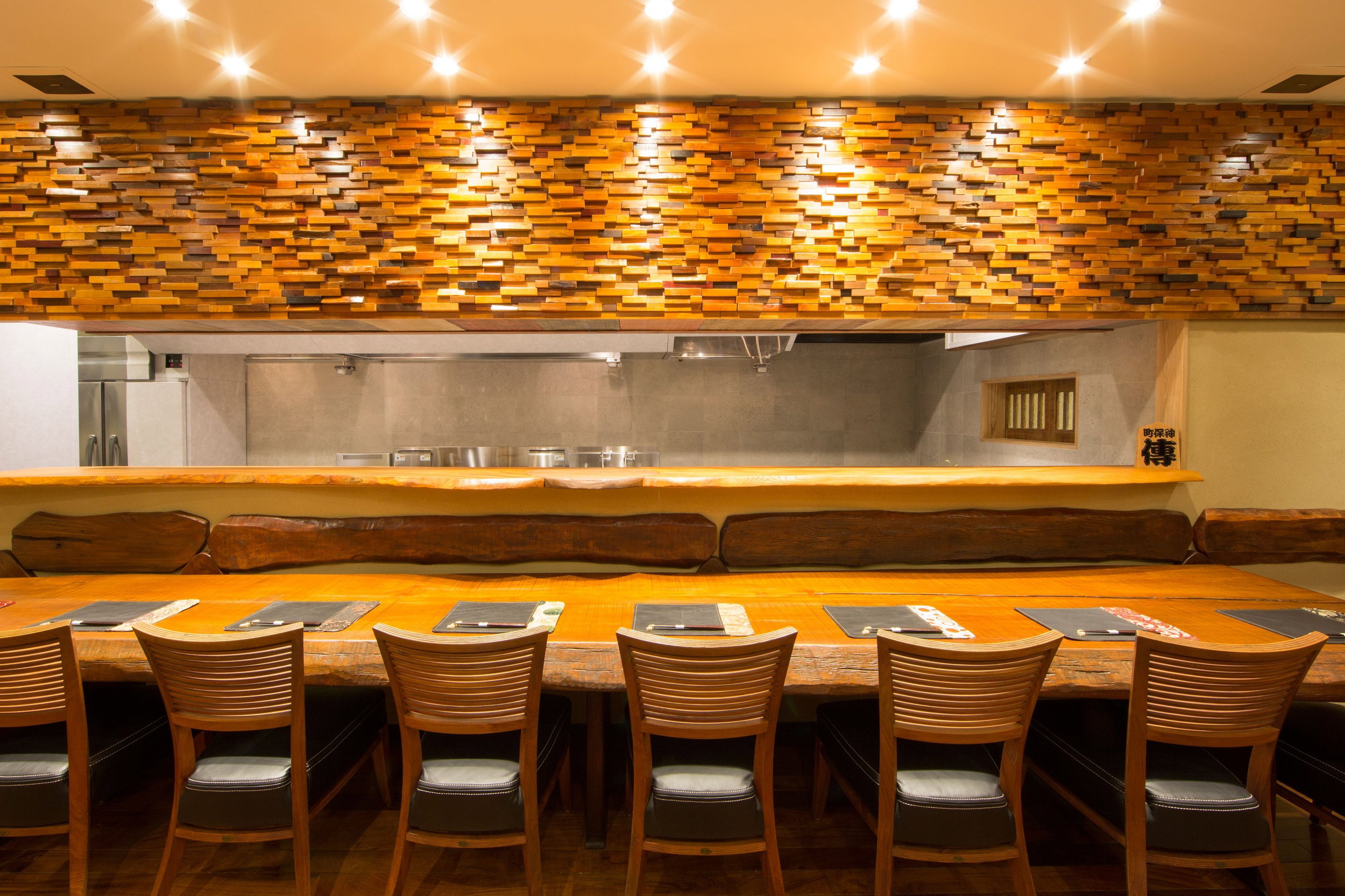
The format is classic Tokyo kissaten, counter and table service in a cash-only room where the menu spans coffee, light meals, and desserts at JPY 1,000–1,999 per visit. That price point puts it well below Ristorante Hamasaki and closer to CURRY UP, though the draw here is the beverage program rather than a single-dish specialty. The basement location keeps foot traffic visible but mutes street noise; sofa seating and counter spots offer different experiences, with the counter giving a view of preparation and the sofas better for longer stays.
Counter Seating and Service Format
Counter seating at a kissaten is where you watch the brewing method, the pour, and the plating, a quiet theater that turns a JPY 1,200 coffee into a fifteen-minute ritual. The counter here seats a handful; the rest of the room is divided between tables and sofas, so choose based on whether you want proximity to the process or a longer, more relaxed visit. Solo diners and pairs do well at the counter; groups of three or four should aim for the sofas or tables, where conversation won't compete with the close quarters. No reservations are required for most visits, though calling ahead (03-3405-4482) on weekends can save you a wait.
The Tabelog recognition matters in Tokyo's crowded cafe scene because it signals consistency and technique, the kind of place where the coffee is roasted and brewed with intent, not just poured. That said, kissaten culture rewards patience over speed; if you're after a quick espresso on the way to Yoyogi Park, you'll find faster service elsewhere. But if you want to understand why Tokyo takes its coffee shops seriously, this is a practical entry point at a price that won't sting.
Timing and Occasion
Open daily except Tuesdays, 10 AM to 9 PM, with the quietest windows typically mid-afternoon on weekdays. Lunch service (11 AM–2 PM) draws neighborhood regulars and shoppers from the Harajuku district, so plan around that if you're sensitive to wait times. Evening visits skew calmer, though the room stays open later than many kissaten, which makes it useful for an after-dinner coffee or dessert stop when you're already in Shibuya.
Dress code is unstated but tilts casual, this is a Harajuku basement, not a Ginza salon. The no-smoking policy and relaxed-space setup make it suitable for solo work sessions, friend meetups, or low-key dates, though it's not the venue for a celebratory dinner (no alcohol license, and the food menu is secondary to the drinks). For a special occasion that hinges on coffee or a specific kissaten aesthetic, it works; for a milestone meal, look to Takenoshita Soba or another dining-focused spot nearby.
The 40-seat capacity and basement location mean the space absorbs sound better than street-level cafes, but weekend crowds still raise the noise floor. If quiet is essential, visit on a weekday afternoon or after 7 PM. Payment is cash only, no cards, no digital wallets, so plan accordingly before you sit down.
Planning details
- Location
- 3 Chome-61-11 Sendagaya, Shibuya, Tokyo 151-0051, Japan
- Website
- elw6.warabimochi.net/coffee
- Phone
- +81 3-3405-4482
Venue details
Ambiance
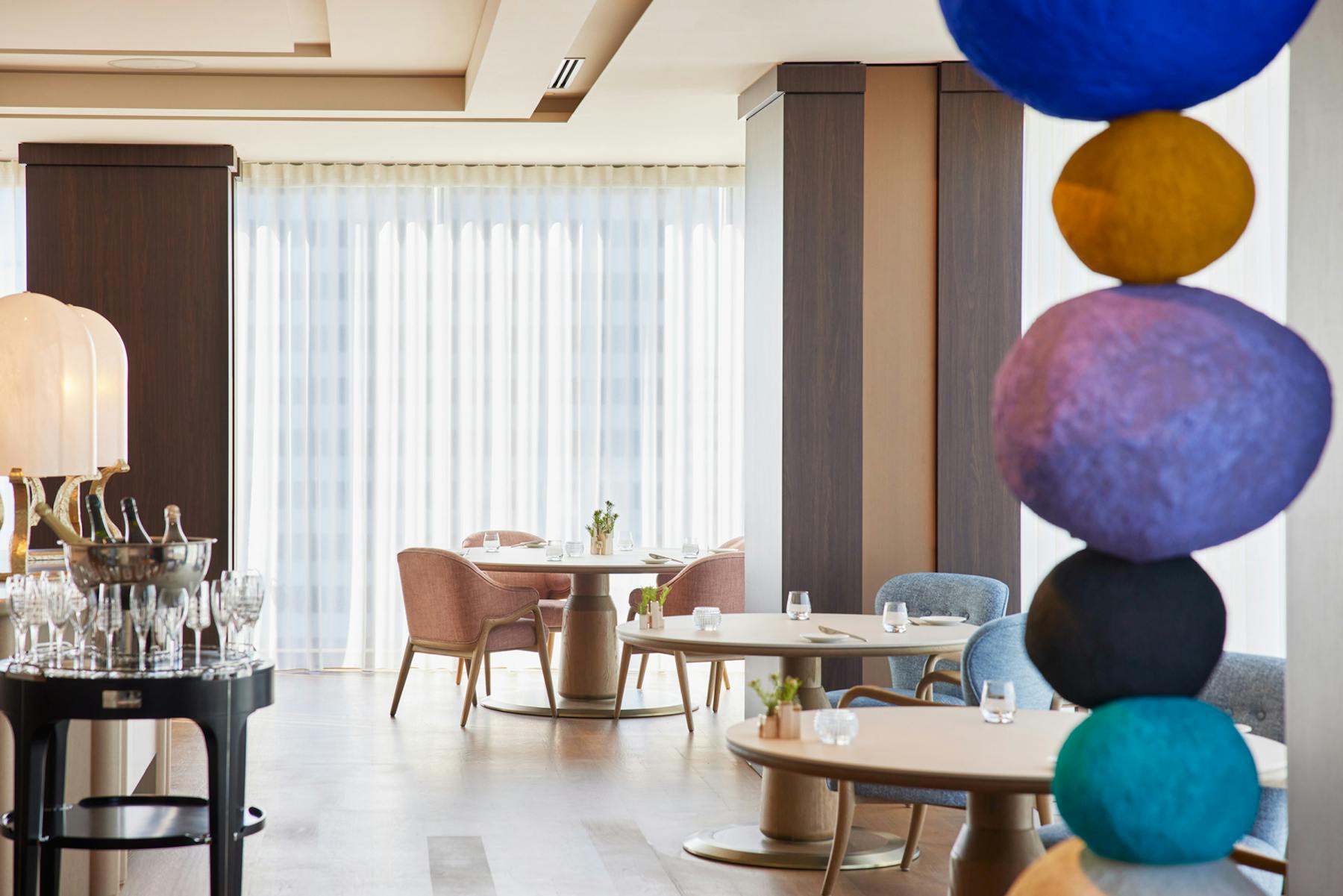
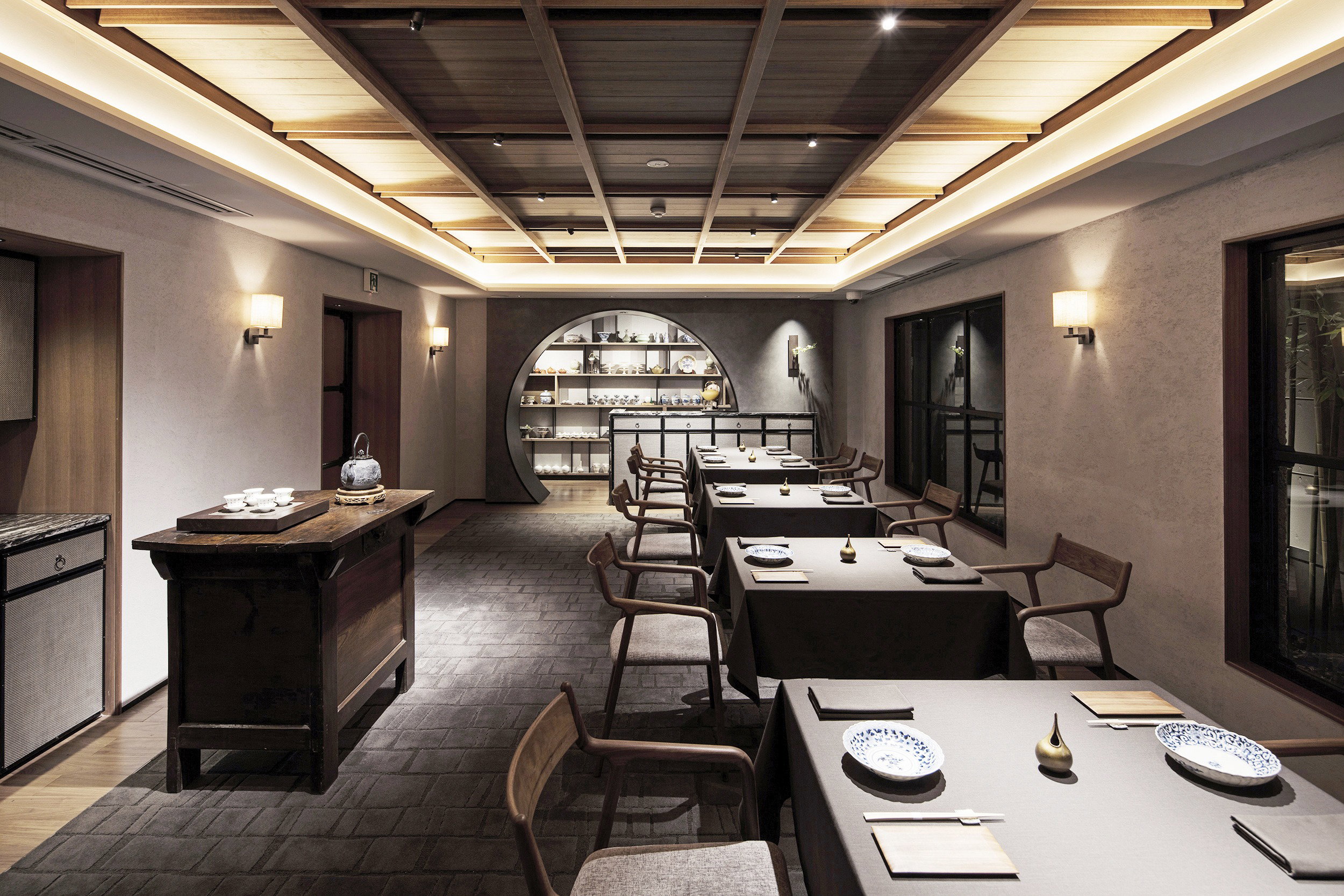
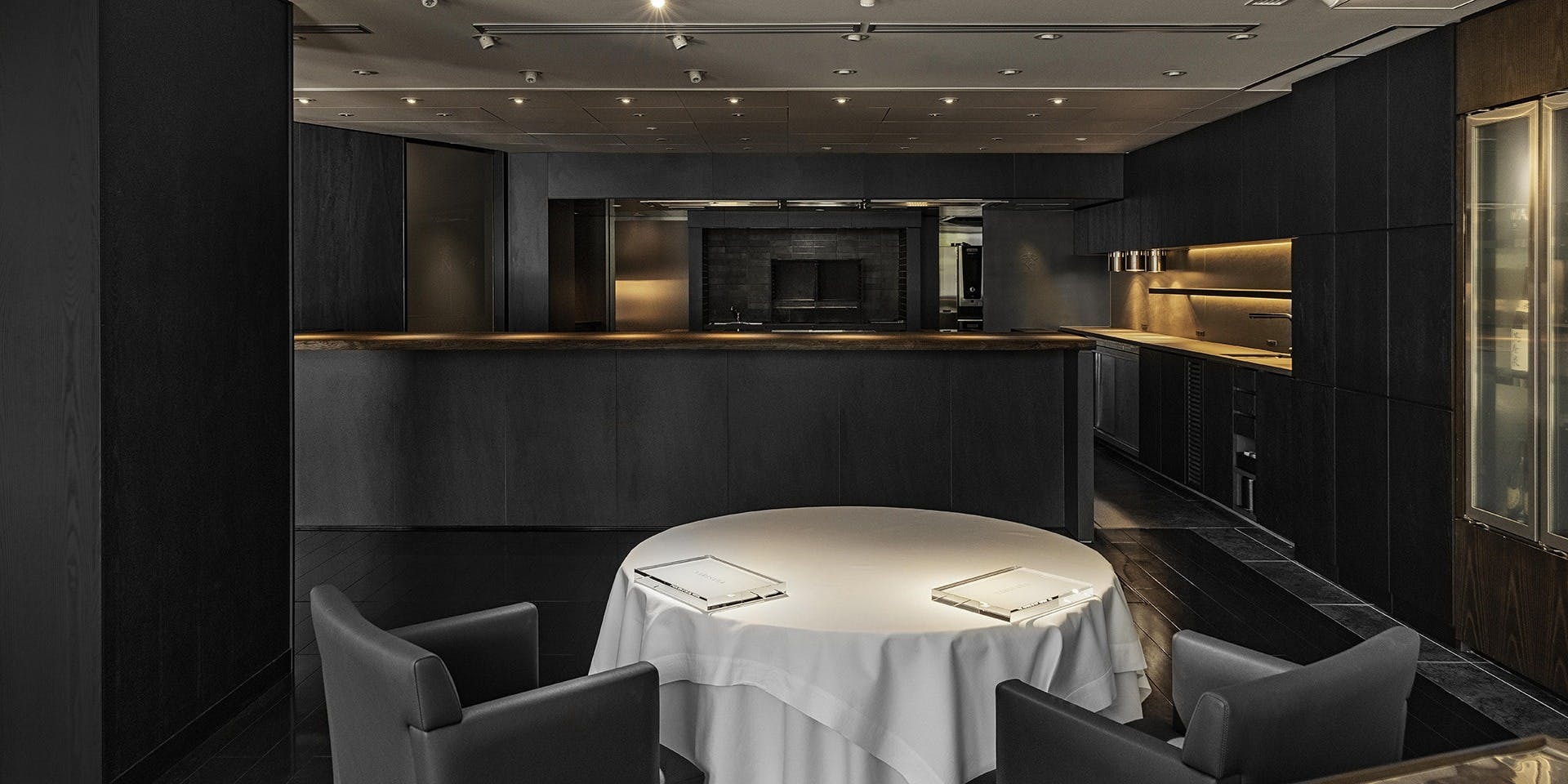
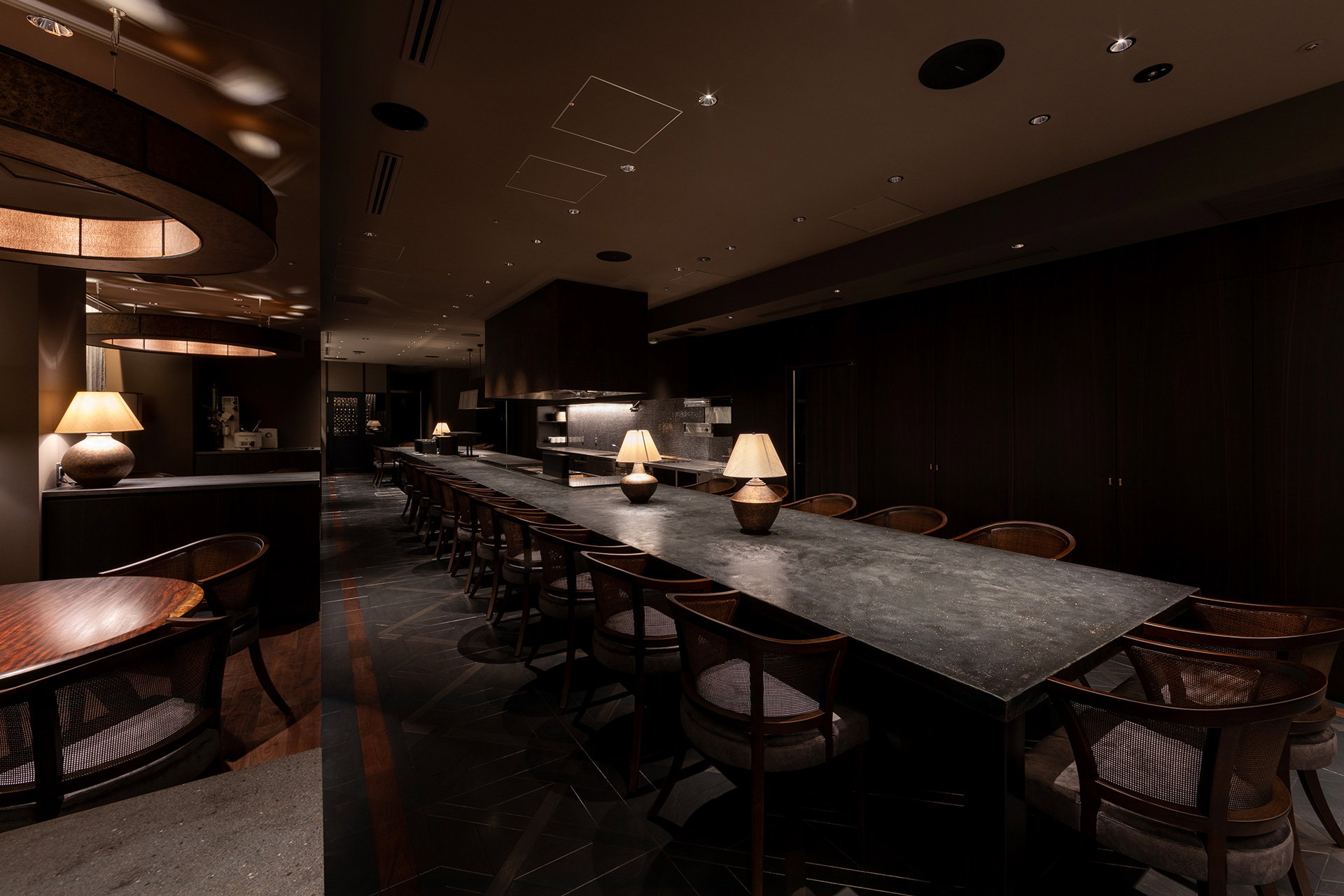
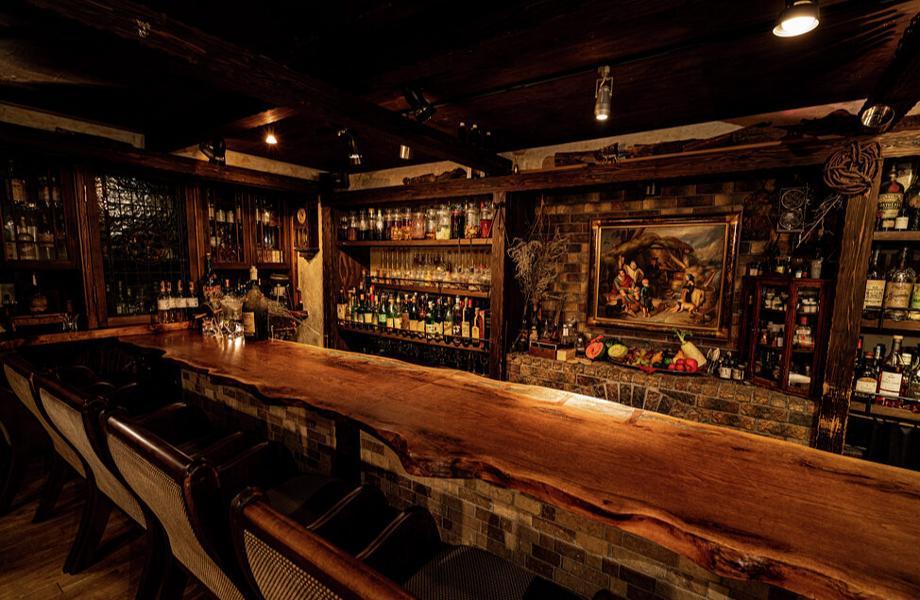
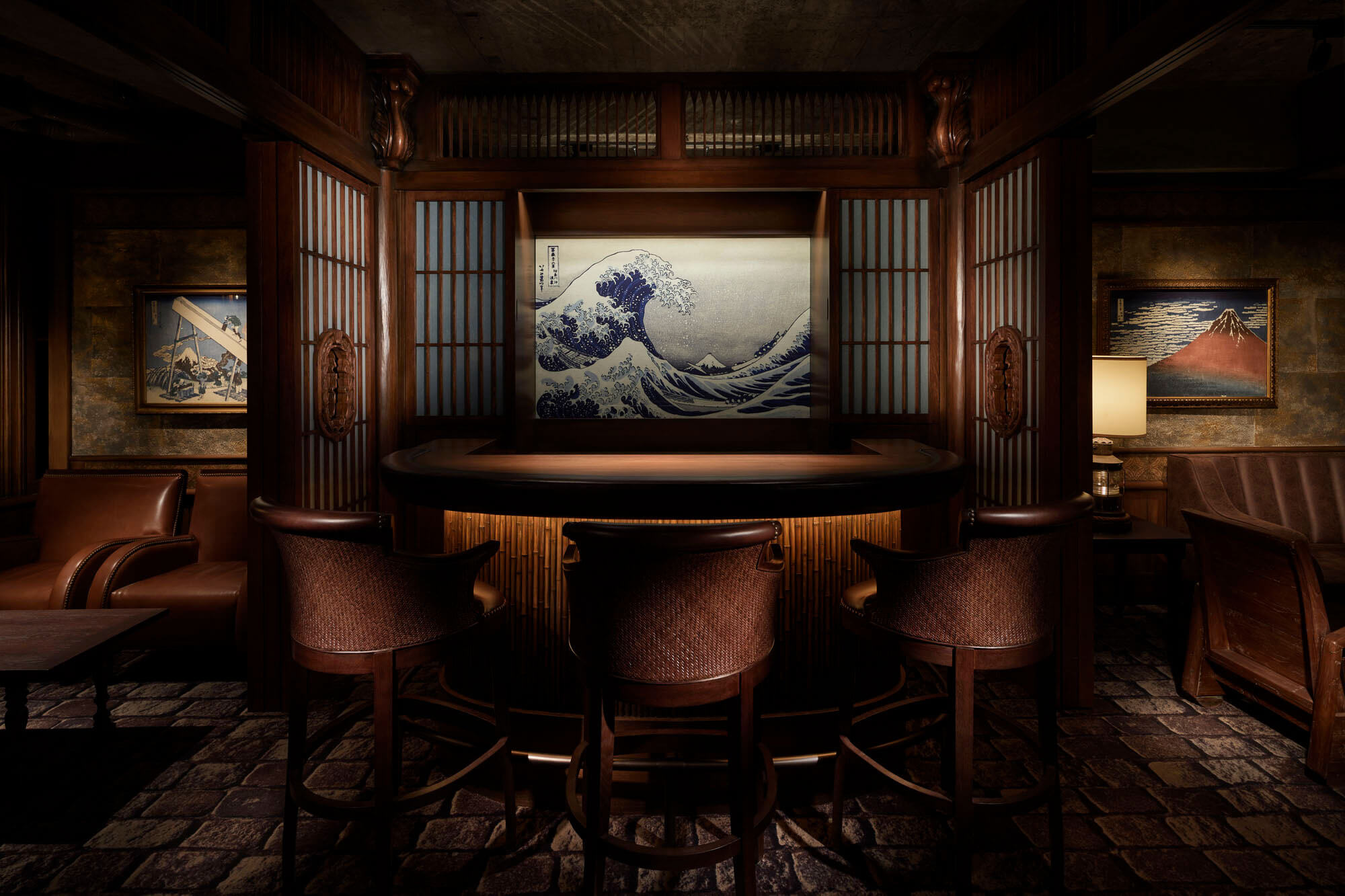
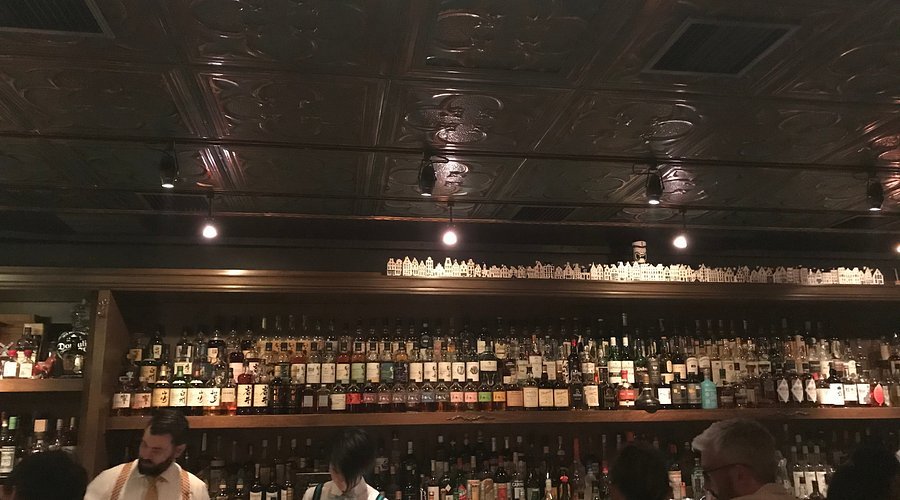
Calm and nostalgic with low lighting, antique decor, classical cafe styling, and a quietly relaxing atmosphere that feels far removed from the busy Harajuku streets above.
Tags
Vibe
Best For
Experience
At the Table
- Dress Code
- Casual
- Noise Level
- Quiet
- Service Style
- Casual
- Meal Pacing
- Leisurely
- Capacity
- Small
- Kitchen
- Comfort cooking
- Menu Format
- A la carte, Counter dining
- Drinks Focus
- Coffee, Espresso drinks
Signature Dishes
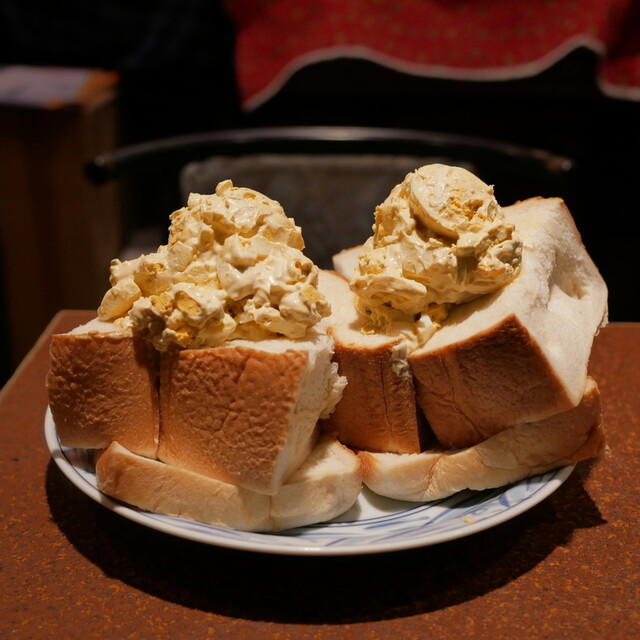
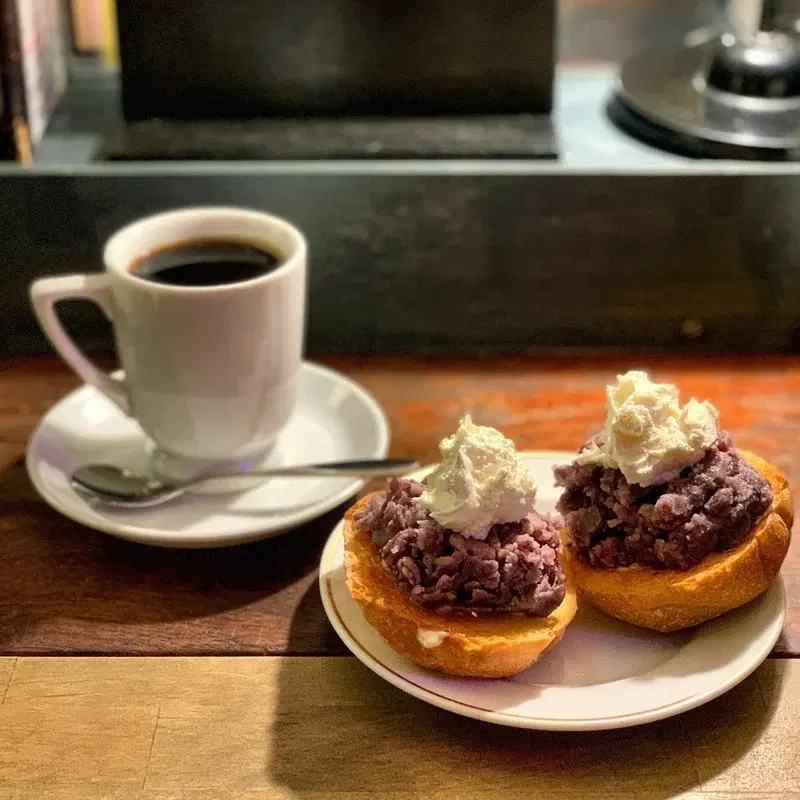
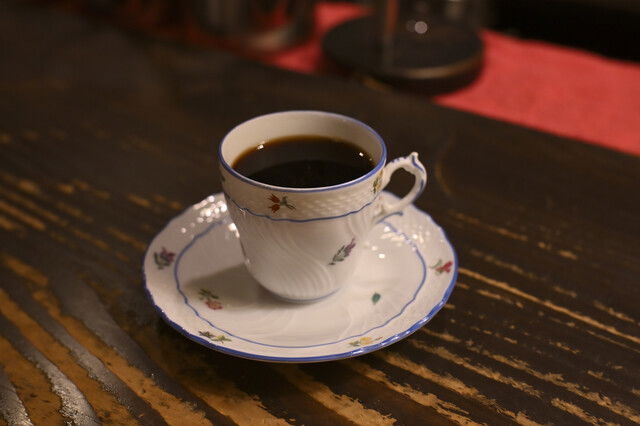
- Blend coffee (ネルドリップ)
- Café au lait
- Croque monsieur
- Cheesecake
Know before you go
Know Before You Go
- Getting there
- 3 Chome-61-11 Sendagaya, Shibuya, Tokyo 151-0051, Japan
Planning details
Location
3 Chome-61-11 Sendagaya, Shibuya, Tokyo 151-0051, Japan · Directions
Recognition and awards
Also consider
Also Consider
- AFURI Harajuku, Notable alternative
- Minoringo, - JPY 999 - JPY 999, - JPY 999 - JPY 999
- Takenoshita Soba, JPY 20,000 - JPY 29,999 JPY 5,000 - JPY 5,999, JPY 20,000 - JPY 29,999 JPY 5,000 - JPY 5,999
- CURRY UP, JPY 1,000 - JPY 1,999 JPY 1,000 - JPY 1,999, JPY 1,000 - JPY 1,999 JPY 1,000 - JPY 1,999
- Ristorante Hamasaki, Italian, Italian
Restaurant context
At JPY 1,000–1,999 per visit, this kissaten sits in the same budget band as CURRY UP and Minoringo, though it competes on format rather than cuisine, you're here for the coffee ritual and the sofa seating, not a curry or a quick bowl. AFURI Harajuku offers ramen in the same neighborhood at a similar price, with faster turnover and no wait; choose that if you need a meal under 30 minutes. For a longer, more considered meal in the JPY 5,000–29,999 range, Takenoshita Soba shifts the experience to traditional soba with a wider price spread depending on your order.
The Tabelog 100 recognition (2021, 2022) gives this cafe credibility in a city where kissaten options number in the hundreds, but it doesn't guarantee a seat without a wait on weekends. Minoringo offers easier walk-in access at a slightly lower price, though without the same award pedigree. If you're comparing kissaten experiences across Tokyo, the counter seating here delivers more engagement than a table-only setup, and the basement acoustics make it better for conversation than louder street-level spots.
For visitors splitting time between Harajuku's cafes and Tokyo's bar scene, this works as a daytime anchor before evening drinks elsewhere, the 9 PM close gives you a clear cutoff. If you're after Italian food instead, Ristorante Hamasaki offers a different experience at a higher price; the two don't cross-shop unless you're deciding between a coffee afternoon and a formal dinner.
Explore Tokyo
Around this place
Discover more on Pearl
Unlock the full Enseigne d'angle Harajuku ten guide in Pearl, including awards, comparisons, FAQs, planning details, and nearby places.
FAQ
Frequently Asked Questions
Is lunch or dinner better at Enseigne d'angle Harajuku ten?
Come for the counter coffee experience any time between 10 AM and 9 PM, this is a kissaten, not a meal destination. Lunch (11 AM–2 PM) draws neighborhood regulars and fills the 40-seat space quickly, so mid-afternoon weekdays offer quieter counter access. Closed Tuesdays.
Is Enseigne d'angle Harajuku ten worth the price?
At JPY 1,000–1,999 per visit, you're paying for Tabelog 100 recognition and counter-side brewing theater, not just coffee. The format delivers if you want to watch the pour and the plating up close. For faster service without the counter ritual, AFURI Harajuku offers a different pace at a similar price point.
How far ahead should I book Enseigne d'angle Harajuku ten?
Reservations are available but rarely required, the 40-seat layout (counter, sofa, and table seating) absorbs walk-ins outside peak lunch hours. Mid-afternoon on weekdays is your safest walk-in window. If you're visiting on a weekend or during lunch service, call ahead to confirm availability.
What should I wear to Enseigne d'angle Harajuku ten?
Dress as you would for any Harajuku errand, the basement space and counter-sofa setup favor comfort over formality. Solo diners, friends meeting for coffee, and neighborhood regulars fill the room in everyday clothing. No dress code applies.
What should I order at Enseigne d'angle Harajuku ten?
Order whatever coffee preparation catches your eye, the counter format means you'll see the brewing method and technique in real time. Light food is available, but the Tabelog 100 Kissaten recognition reflects the coffee program, not the kitchen. Come for the pour, stay if the space suits you.
Is Enseigne d'angle Harajuku ten good for a special occasion?
Only if your occasion is a coffee appreciation session. The 40-seat basement space, counter seating, and JPY 1,000–1,999 pricing signal a neighborhood kissaten format, not a celebration venue. For a meal-centered occasion near Harajuku Station, Ristorante Hamasaki or Minoringo offer sit-down service and private room options.
What are alternatives to Enseigne d'angle Harajuku ten in Tokyo?
AFURI Harajuku offers faster turnover and a ramen-forward menu at the same price bracket if you want a meal, not just coffee. Takenoshita Soba delivers counter service in a traditional soba format, while CURRY UP serves quick curry plates for under JPY 1,500. Each trades the kissaten ritual for speed and food volume.