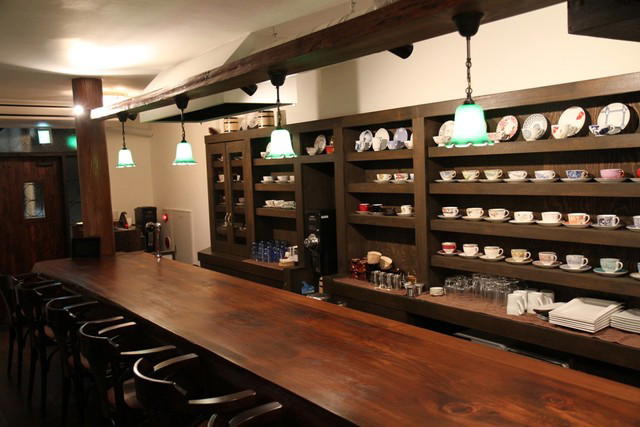
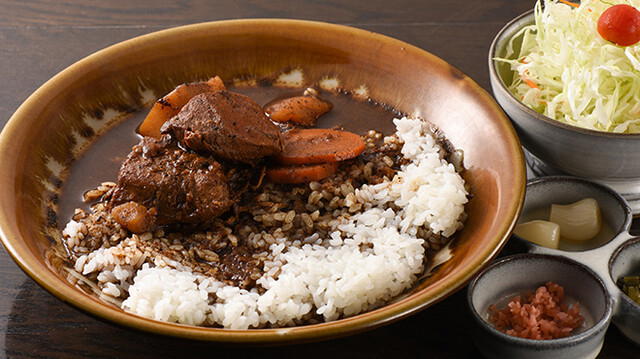
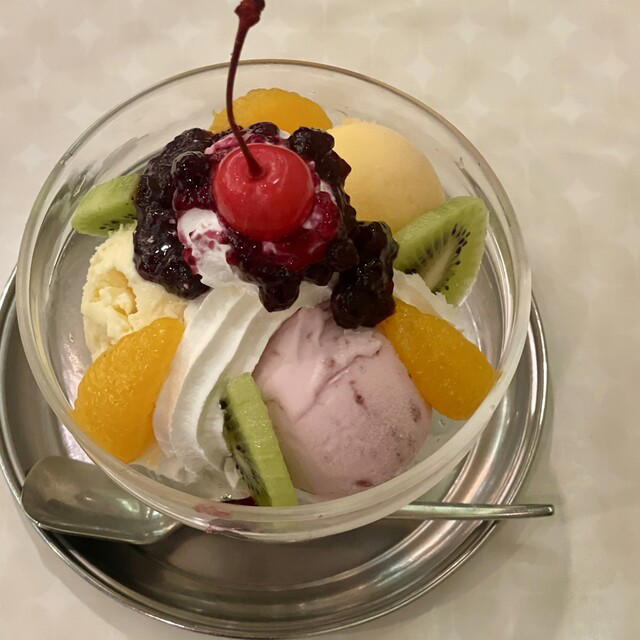
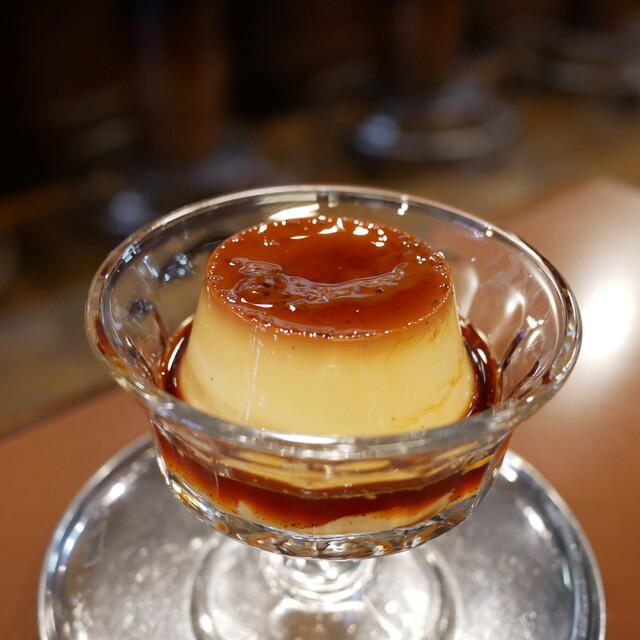
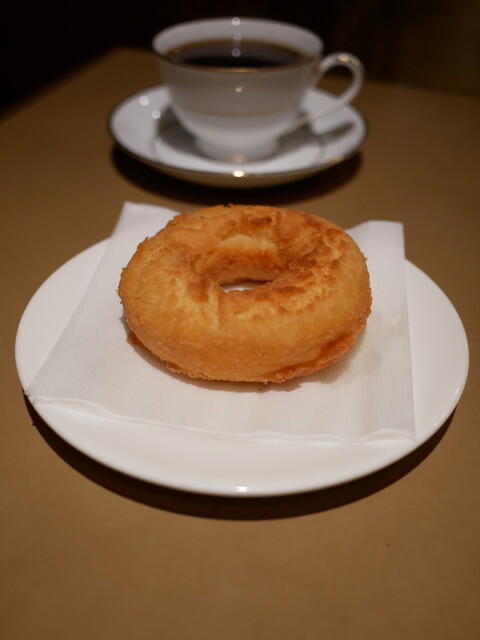
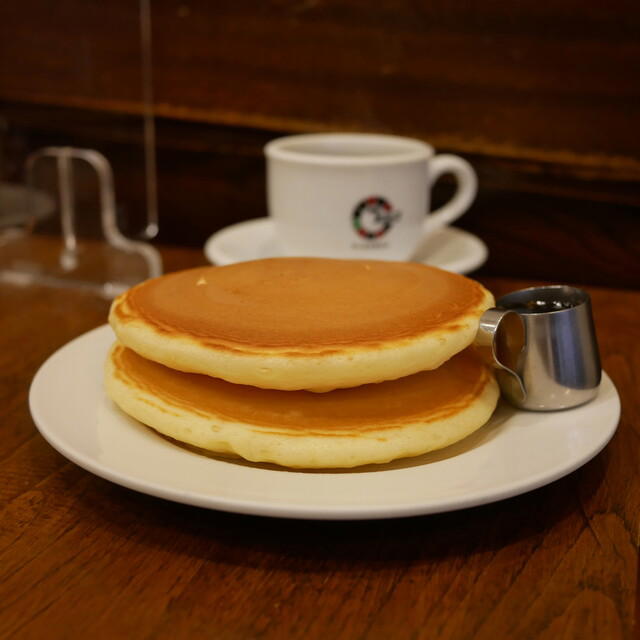
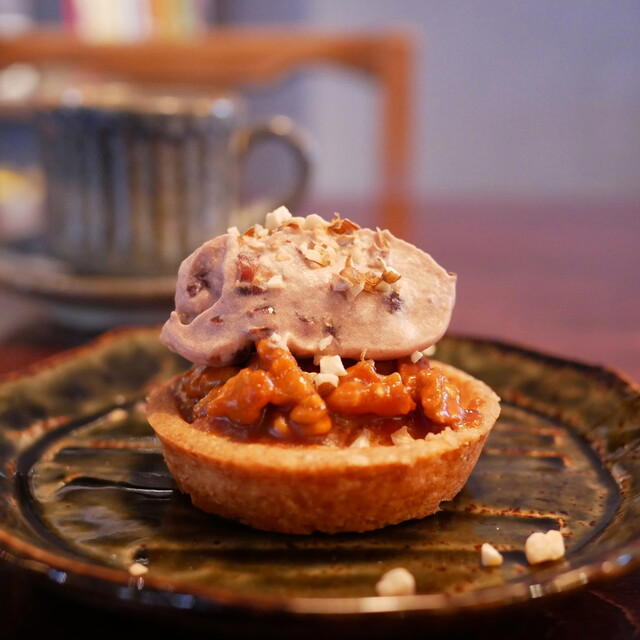
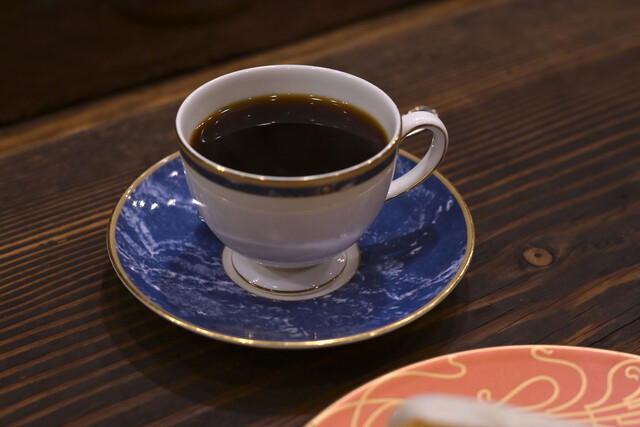
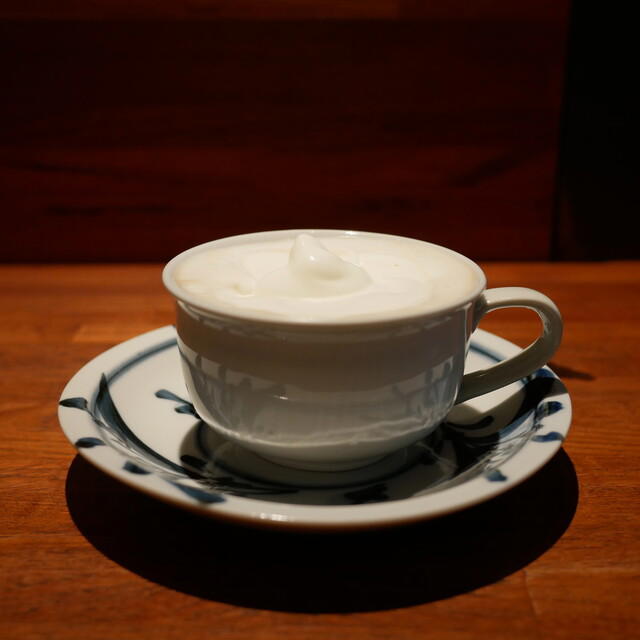
Tabelog 100 - Kissaten - 2022 by Tabelog (2022)
    Restaurant2022

    Tabelog 100 - Kissaten - 2022: Japan’s Best Traditional Coffee Shops

    Tabelog 100 (Hyakumeiten) Kissaten selection for 2022. Tabelog publishes these as source-ordered lists of 100 restaurants.

    How many of these have you visited?

    Discover on Pearl
    99 locationsTabelog

    Venues on this list

    Trois Bagues, Tokyo, Japan
    #1

    Trois Bagues

    Tokyo, Japan

    Restaurant

    Trois Bagues sits in Jimbocho’s old-school kissaten culture, where coffee shops function as reading rooms, neighborhood salons, low-cost pauses between the area’s bookshops. Its Tabelog 100 Kissaten selections in 2021 and 2022 place it in a recognized tier of Tokyo cafés, with a sub-¥1,000 price band that keeps the experience grounded rather than ceremonial.

    Enseigne d'angle Harajuku ten, Tokyo, Japan
    #2

    Enseigne d'angle Harajuku ten

    Tokyo, Japan

    Restaurant

    A serious Harajuku kissaten entry rather than a fashion-district pit stop, Enseigne d'angle Harajuku ten belongs to Tokyo’s older coffee-shop tradition: measured pacing, low intervention, a room built for sitting rather than circulating. Its Tabelog Kissaten 100 selection in 2021 and 2022 gives it a useful signal in a category where reputation often travels by habit, not spectacle.

    TIES, Tokyo, Japan
    #3

    TIES

    Tokyo, Japan

    Restaurant

    TIES belongs to Tokyo’s quieter kissaten culture: compact, low-priced, built around coffee, cafe fare, cake rather than spectacle. Its Tabelog 100 - Kissaten selections in 2021 and 2022 place it in a recognized tier of Japanese coffee shops, while the Yushima-Bunkyo setting keeps the experience closer to an everyday Tokyo ritual than a destination dining performance.

    Rokuyosha Coffee Ten, Kyoto, Japan
    #4

    Rokuyosha Coffee Ten

    Kyoto, Japan

    Restaurant

    Kyoto’s kissaten culture rewards patience, routine, low-key sequencing rather than spectacle. Rokuyosha Coffee Ten sits in that tradition near Kyoto Shiyakusho Mae, with Tabelog 100 Kissaten selections in 2021 and 2022, sub-¥1,000 pricing, breakfast availability, a no-reservations format that makes timing matter more than advance planning.

    Takayama Coffee, Tokyo, Japan
    #5

    Takayama Coffee

    Tokyo, Japan

    Restaurant

    Tokyo’s kissaten culture rewards restraint: small rooms, daytime hours, coffee as a ritual rather than a lifestyle accessory. Takayama Coffee belongs to that older Kanda-Awajicho circuit, with Tabelog Kissaten 100 selections in 2021 and 2022, a 20-seat room, no reservations, a cash-only format that keeps the experience closer to neighbourhood habit than destination theatre.

    Coffee Kizoku Edinburgh, Tokyo, Japan
    #6

    Coffee Kizoku Edinburgh

    Tokyo, Japan

    Restaurant

    Tokyo’s kissaten culture rewards patience, utility, routine as much as coffee technique. Coffee Kizoku Edinburgh sits in Shinjuku Sanchome’s practical café tier, with siphon coffee, breakfast service, take-out, Wi-Fi, power outlets, Tabelog 100 Kissaten recognition in 2021 and 2022 marking it as more than a convenience stop.

    Pinocchio, Tokyo, Japan
    #7

    Pinocchio

    Tokyo, Japan

    Restaurant

    Pinocchio belongs to Tokyo’s kissaten tradition rather than the city’s tasting-menu economy: small-scale, daytime-leaning, built around coffee-shop rhythm, pancakes, neighborhood use. Its Tabelog 100 Kissaten selections in 2021 and 2022 place it among the city’s recognized old-school café addresses, with prices in the JPY 1,000–1,999 bracket.

    Danke Shinsaibashi, Osaka, Japan
    #8

    Danke Shinsaibashi

    Osaka, Japan

    Restaurant

    Danke Shinsaibashi belongs to Osaka’s kissaten tradition rather than the city’s louder dining grammar. Its Tabelog 100 - Kissaten - 2022 selection places it among Japan’s recognized coffee-shop addresses, with a compact Shinsaibashi format that suits solo coffee, sweets, a slower pause between shopping streets and evening reservations.

    Coffee Senmon Ten Tomii, Tokyo, Japan
    #9

    Coffee Senmon Ten Tomii

    Tokyo, Japan

    Restaurant

    A Kinshicho kissaten with Tabelog 100 Kissaten selections in 2021 and 2022, Coffee Senmon Ten Tomii belongs to Tokyo’s older coffee-shop tradition rather than the city’s new café circuit. The draw is scale and category: a 17-seat, no-reservations room where Japanese coffee shop culture, pancakes, counter seating, Sumida’s everyday rhythm carry the experience.

    Coffee Dojo Samurai, Tokyo, Japan
    #10

    Coffee Dojo Samurai

    Tokyo, Japan

    Restaurant

    Coffee Dojo Samurai places the old Tokyo kissaten in a current Kameido frame: coffee shop, cafe, bar under one roof, with Tabelog 100 Kissaten selection in 2021 and 2022. The draw is less trend-chasing cafe culture than the persistence of a working neighbourhood format: counter seats, table seating, non-smoking service, a budget that keeps it in daily-use territory.

    coffee house KAKO Hanaguruma honten, Nagoya, Japan
    #11

    coffee house KAKO Hanaguruma honten

    Nagoya, Japan

    Restaurant

    Nagoya’s kissaten culture rewards patience, morning regularity, close attention to coffee rather than spectacle. coffee house KAKO Hanaguruma honten belongs to that old-city grammar: an 18-seat Japanese coffee shop near the Meieki business district, recognised in Tabelog’s Kissaten 100 selections for 2021 and 2022.

    Akaneya Coffee Ten, Kobe, Japan
    #12

    Akaneya Coffee Ten

    Kobe, Japan

    Restaurant

    Akaneya Coffee Ten belongs to Kobe’s old-school kissaten culture rather than the city’s steak-and-harbor shorthand. The draw is a counter-led coffee ritual with Tabelog Kissaten 100 recognition in 2021 and 2022, a 1966 opening date, a compact format that rewards solo visitors who understand the slower grammar of Japanese café service.

    Sabo Musashino Bunko, Tokyo, Japan
    #13

    Sabo Musashino Bunko

    Tokyo, Japan

    Restaurant

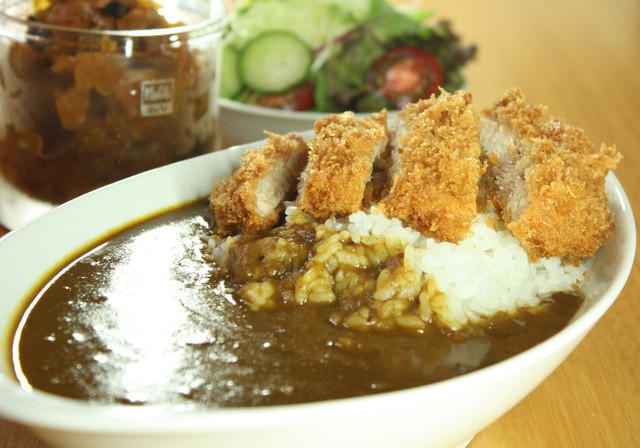
    Sabo Musashino Bunko places Kichijoji’s kissaten culture in a practical, everyday register: coffee shop, curry house, literary room and neighbourhood meeting point rather than destination dining theatre. Its Tabelog 100 Kissaten selections in 2021 and 2022 place it among Japan’s recognised traditional coffee-shop addresses, with curry and café staples at the centre of the appeal.

    Coffee Sha Kura, Tokyo, Japan
    #14

    Coffee Sha Kura

    Tokyo, Japan

    Restaurant

    Coffee Sha Kura is a Jinbocho kissaten for travelers who care about old Tokyo café culture as much as they care about value. Its Tabelog 100 Kissaten selections in 2021 and 2022 place it in a serious coffeehouse tier, while the low listed spend keeps the experience unusually accessible for central Tokyo.

    Junkissa American, Osaka, Japan
    #15

    Junkissa American

    Osaka, Japan

    Restaurant

    Junkissa American places Osaka’s kissaten tradition in a large-format Dotonbori setting, with pancakes, sandwiches, coffee-shop staples, a price point that keeps the occasion casual rather than ceremonial. Its Tabelog 100 Kissaten selections in 2021 and 2022 give it a credible marker in a category where atmosphere, pacing, old-school breadth matter as much as the plate.

    ARABIYA, Osaka, Japan
    #16

    ARABIYA

    Osaka, Japan

    Restaurant

    ARABIYA places Osaka’s kissaten culture in a compact, affordable frame: coffee-shop service, cafe food, sandwich options near Namba rather than a long tasting-menu commitment. Its Tabelog Kissaten 100 selection in 2021 and 2022 gives it credible standing in a category where age, regulars, daytime rhythm matter as much as polish.

    Sabou Tenjou Sajiki, Yufu, Japan
    #17

    Sabou Tenjou Sajiki

    Yufu, Japan

    Restaurant

    Sabou Tenjou Sajiki places Yufuin’s kissaten culture inside the slower rhythm of an onsen town, where coffee, sweets, a house-restaurant setting matter as much as a full meal. Its selection for Tabelog 100 - Kissaten - 2022 gives it a clear marker within Japan’s classic coffee-shop category, while the modest spend keeps it grounded rather than ceremonial.

    Daphne, Tokyo, Japan
    #18

    Daphne

    Tokyo, Japan

    Restaurant

    Daphne belongs to Tokyo’s kissaten tradition rather than the city’s newer specialty-coffee circuit: small room, slow tempo, low spend, a ritual built around staying put. Its Tabelog 100 Kissaten selections in 2021 and 2022 place it among the city’s more closely watched old-school coffee-shop addresses, while the six-seat format keeps the experience intimate by design.

    Motomachi Kissa, Kobe, Japan
    #19

    Motomachi Kissa

    Kobe, Japan

    Restaurant

    Motomachi Kissa belongs to Kobe’s old-school kissaten culture: compact, quiet, built around coffee-shop ritual rather than café spectacle. Its Tabelog 100 Kissaten selections in 2021 and 2022 place it in a serious national conversation about Japanese coffee shops, while its low-priced format keeps the experience closer to everyday Motomachi than destination dining.

    Coffee Tei Ruan, Tokyo, Japan
    #20

    Coffee Tei Ruan

    Tokyo, Japan

    Restaurant

    Coffee Tei Ruan belongs to Tokyo’s kissaten tradition: coffee shop as daily room, breakfast stop, cake counter, neighbourhood social space rather than lifestyle café. Its Tabelog 100 Kissaten selections in 2021 and 2022 place it within a documented old-school category, with Omori giving the experience a residential cadence outside the city’s usual dining circuits.

    Tricolore Honten, Tokyo, Japan
    #21

    Tricolore Honten

    Tokyo, Japan

    Restaurant

    Tricolore Honten is a Ginza kissaten with roots in 1936, a Tabelog Kissaten 100 selection in 2021 and 2022, a modest JPY 1,000–1,999 spend. The appeal is not novelty but continuity: cloth-filter coffee, cake, breakfast availability, a room built for regulars rather than spectacle.

    Kayaba Coffee, Tokyo, Japan
    #22

    Kayaba Coffee

    Tokyo, Japan

    Restaurant

    In Yanaka, Tokyo’s kissaten tradition is measured in low ceilings, morning coffee, kakigori, prices that sit far below the city’s tasting-menu economy. Kayaba Coffee carries Tabelog 100 Kissaten selections from 2021 and 2022, with a 35-seat house-restaurant format that makes it a useful counterpoint to the capital’s reservation-heavy dining culture.

    Sabouru, Tokyo, Japan
    #23

    Sabouru

    Tokyo, Japan

    Restaurant

    Sabouru belongs to Tokyo’s old kissaten tradition, the coffee-shop culture that shaped neighbourhood dining before specialty cafés took over the city. In Jimbocho, where used-book shops and student traffic keep daytime eating casual, its Tabelog Kissaten 100 selection and low price bracket make it a useful reference point for classic Japanese café cooking rather than modern café design.

    Sunshine, Osaka, Japan
    #24

    Sunshine

    Osaka, Japan

    Restaurant

    Sunshine belongs to Osaka’s kissaten tradition: coffee, pancakes and café staples served with the rhythm of a neighbourhood room rather than the choreography of fine dining. Its Tabelog 100 Kissaten selections in 2021 and 2022 place it in a small national cohort of Japanese coffee shops that have retained relevance while café culture has become more global and design-led.

    Kissa Ashijima, Kyoto, Japan
    #25

    Kissa Ashijima

    Kyoto, Japan

    Restaurant

    Kissa Ashijima brings Kyoto’s kissaten tradition into a compact, critically noticed coffee-shop format near the city’s central river-and-shopping corridor. Its Tabelog 100 Kissaten selections in 2021 and 2022 place it in a national conversation about Japanese coffee rooms, with a narrow food offering, cake, café service, a reputation built on precision rather than spectacle.

    Saera, Sapporo, Japan
    #26

    Saera

    Sapporo, Japan

    Restaurant

    Saera belongs to Sapporo’s practical kissaten tradition: coffee-shop rhythms, sandwiches and café service rather than ceremony. Its Tabelog 100 Kissaten 2022 selection, 41-seat room, counter seating and Odori location put it in a useful bracket for travelers who want a low-friction, ingredient-led daytime meal in central Sapporo.

    Lodge Akaishi, Tokyo, Japan
    #27

    Lodge Akaishi

    Tokyo, Japan

    Restaurant

    Asakusa’s kissaten culture sits closer to daily ritual than destination dining, Lodge Akaishi belongs to that older Tokyo register: coffee-shop, yoshoku counter, breakfast stop and neighbourhood room in one. Its Tabelog Kissaten 100 selection in 2021 and 2022 places it within a documented group of Japanese coffee shops where atmosphere, price discipline and continuity matter as much as the plate.

    Sumibi Yaki Coffee Kura, Tokyo, Japan
    #28

    Sumibi Yaki Coffee Kura

    Tokyo, Japan

    Restaurant

    Sumibi Yaki Coffee Kura belongs to Tokyo’s old-school kissaten lane: coffee-first, compact, built for a pause rather than a long laptop session. Its Tabelog 100 Kissaten selections in 2021 and 2022 place it among Japan’s better-documented coffee-shop addresses, while the Ikebukuro setting makes it a practical counterpoint to the station area’s faster dining circuits.

    One More, Tokyo, Japan
    #29

    One More

    Tokyo, Japan

    Restaurant

    A 29-seat kissaten in Hirai, One More belongs to Tokyo’s older coffee-shop culture rather than the city’s specialty-coffee circuit. Its Tabelog Kissaten 100 selection in 2021 and 2022 places it among a documented group of Japanese cafés where pancakes, counter seats, sofa seating, daytime rhythms matter as much as espresso technique.

    Kanda Brazil, Tokyo, Japan
    #30

    Kanda Brazil

    Tokyo, Japan

    Restaurant

    Kanda Brazil sits in Jimbocho’s old coffee-shop culture, where kissaten are judged less by novelty than by consistency, source discipline, the ability to hold a room through the day. Its Tabelog 100 Kissaten selections in 2021 and 2022 place it in a serious category for Tokyo cafe regulars, especially readers tracking coffee, cake, classic kissa formats rather than trend-led cafe openings.

    Kurashiki Coffee Kan, Kurashiki, Japan
    #31

    Kurashiki Coffee Kan

    Kurashiki, Japan

    Restaurant

    Kurashiki Coffee Kan sits in the Bikan Historical Quarter with the discipline of an older Japanese kissaten rather than the speed of a modern café. Its Tabelog 100 Kissaten selections in 2021 and 2022,ネル drip method, low daytime price band, terrace, counter seating, bean retail make it a serious coffee stop in a city better known for white-walled merchant houses and canal walks.

    Juichibo Coffee Ten, Tokyo, Japan
    #32

    Juichibo Coffee Ten

    Tokyo, Japan

    Restaurant

    Juichibo Coffee Ten is a Ginza kissaten with Tabelog 100 Kissaten recognition in 2021 and 2022, a compact 31-seat room, pricing that keeps it in Tokyo’s low-cost coffee-and-cake tier. The draw is cultural as much as practical: a traditional Japanese coffee shop format in a district better known for luxury retail and polished dining rooms.

    American, Tokyo, Japan
    #33

    American

    Tokyo, Japan

    Restaurant

    American places the Ginza kissaten tradition in a working neighbourhood context rather than a luxury-dining frame. Its Tabelog 100 Kissaten selections in 2021 and 2022, table-only 22-seat room, sandwich-and-yoshoku identity, Higashi-Ginza setting make it a compact lesson in how Tokyo’s old coffee-shop culture survives beside theatre crowds, office routines, polished Ginza dining.

    Rokuyosha Chika ten, Kyoto, Japan
    #34

    Rokuyosha Chika ten

    Kyoto, Japan

    Restaurant

    Rokuyosha Chika ten belongs to Kyoto’s kissaten culture rather than its temple-side dining circuit: a basement coffee shop, cafe, evening bar in Nakagyo with 15 seats, no reservations, cash-only payment. Its Tabelog 100 Kissaten 2022 selection places it inside a small, recognition-led tier of Japanese coffee shops where regular use matters as much as tourism value.

    Cafe Suzuki, Atsugi, Japan
    #35

    Cafe Suzuki

    Atsugi, Japan

    Restaurant

    Cafe Suzuki gives Atsugi’s coffee culture a serious counterpoint to the city’s ramen and yakiniku circuit. The draw is the kissaten format: an 18-seat, counter-only room near Hon-Atsugi Station, selected for Tabelog 100 Kissaten in 2021 and 2022, with pricing that keeps it in everyday café territory rather than special-occasion dining.

    Jikabaisen Coffee Bon, Tokyo, Japan
    #36

    Jikabaisen Coffee Bon

    Tokyo, Japan

    Restaurant

    Jikabaisen Coffee Bon belongs to Tokyo’s kissaten tradition rather than the fast-turn café economy around Shinjuku Station. Its Tabelog Kissaten 100 selection in 2021 and 2022 places it in a serious coffee-and-cake bracket, with counter seating, a non-smoking room, a rhythm better suited to solo drinkers than laptop traffic.

    Motomachi Santos, Kobe, Japan
    #37

    Motomachi Santos

    Kobe, Japan

    Restaurant

    Motomachi Santos belongs to Kobe’s kissaten tradition: small-scale, morning-friendly, low-priced, built around coffee-shop staples rather than restaurant theatre. Its Tabelog 100 Kissaten selections in 2021 and 2022 place it in a national conversation about Japanese coffee shops, while its Motomachi address keeps it tied to the city’s old trading-quarter rhythm.

    Kurumi Do Kissa Ten, Tokyo, Japan
    #38

    Kurumi Do Kissa Ten

    Tokyo, Japan

    Restaurant

    Kurumi Do Kissa Ten belongs to Tokyo’s quieter kissaten tradition rather than the city’s high-gloss café circuit. In Kokubunji, its Tabelog 100 - Kissaten selections in 2021 and 2022 place it among serious Japanese coffee-shop addresses, with a format that suits solo diners, families, low-tempo afternoon eating.

    Chatei Hatou, Tokyo, Japan
    #39

    Chatei Hatou

    Tokyo, Japan

    Restaurant

    A Shibuya kissaten with Tabelog 100 - Kissaten recognition in 2021 and 2022, Chatei Hatou belongs to Tokyo’s older coffee-house tradition rather than the city’s quick-service cafe culture. The format is disciplined: coffee, cafe service and cake in a 50-seat room close to Shibuya Station, with counter seating for drinkers who treat preparation as part of the point.

    Salon de the FRANCOIS, Kyoto, Japan
    #40

    Salon de the FRANCOIS

    Kyoto, Japan

    Restaurant

    Kyoto’s kissaten culture rewards patience, low voices, rooms that feel deliberately removed from the street. Salon de the FRANCOIS belongs to that older café tradition near Kawaramachi, with Tabelog 100 Kissaten selections in 2021 and 2022, table seating, cakes, coffee, a setting better read as part of the city’s social rhythm than as a quick caffeine stop.

    Bashamichi Jubankan, Yokohama, Japan
    #41

    Bashamichi Jubankan

    Yokohama, Japan

    Restaurant

    Bashamichi Jubankan sits in Yokohama’s old port-city idiom: a kissaten with coffee, cakes, Western sweets and a broader multi-floor dining format rather than a narrow specialty counter. Its Tabelog Kissaten “Tabelog 100” selections in 2021 and 2022 give it a useful quality signal for travelers weighing value, tradition and ease in the Bashamichi-Kannai corridor.

    Den, Tokyo, Japan
    #42

    Den

    Tokyo, Japan

    Restaurant

    Den belongs to Tokyo's creative kaiseki tier, where seasonal structure is kept but the room loosens the formality. Chef Zaiyu Hasegawa's restaurant carries two Michelin stars, a 2026 Tabelog Silver Award, a place on major international lists, yet its point is not ceremony for its own sake; it is kaiseki made warmer, more playful, less rigid.

    Hiraoka Coffee Ten, Osaka, Japan
    #43

    Hiraoka Coffee Ten

    Osaka, Japan

    Restaurant

    Hiraoka Coffee Ten (平岡珈琲店) is one of Osaka's oldest kissaten, a no-smoking Showa-era coffee house in Chūō serving traditional hand-drip coffee and house-made donuts. The original Kawaramachi address has closed; the shop continues at a new space in nearby Hiranomachi.

    Coffee Senmonten Ace, Tokyo, Japan
    #44

    Coffee Senmonten Ace

    Tokyo, Japan

    Restaurant

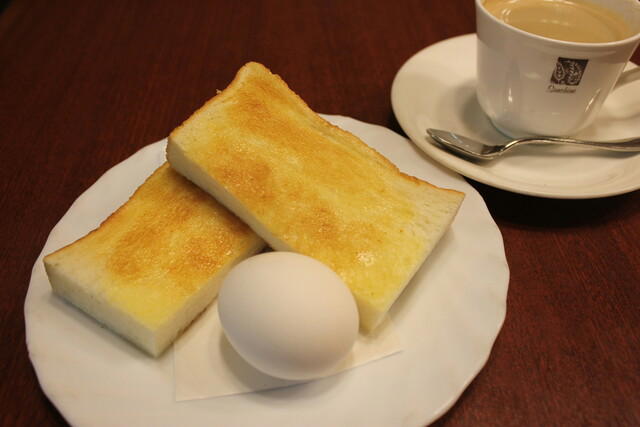
    A kissa-style coffee specialist open since 1971 in Kanda's office district, Coffee Senmonten Ace is best known as the originator of the nori toast — buttered toast topped with a sheet of dried seaweed — a format that has since spread across Tokyo's retro café circuit.

    Hamano Ya Parlor Yuurakuchou ten, Tokyo, Japan
    #45

    Hamano Ya Parlor Yuurakuchou ten

    Tokyo, Japan

    Restaurant

    Check out Hamano Ya Parlor Yuurakuchou ten (Yurakucho/Kissa (Japanese coffee shop)、Sandwich、Gelato, Ice cream) on Tabelog! 【1-minute walk from Yurakucho Station】A classic coffee shop located on the basement floor of the Shin-Yurakucho Building [No Smoking] Discover Japanese restaurants featuring detailed information such as menus and maps, along with user-posted reviews, ratings, photos!

    Ikiteiru Coffee, Kyoto, Japan
    #46

    Ikiteiru Coffee

    Kyoto, Japan

    Restaurant

    Ikiteiru Coffee is a Kyoto kissaten and cafe near Kyoto Kawaramachi, selected for Tabelog 100 Kissaten in 2021 and 2022. Expect a low-cost coffee stop with 50 seats, weekday reservations, English menu support, private rooms for two, a format that sits closer to Japan’s classic coffee-house culture than the city’s temple-adjacent cafe circuit.

    Resolve Coffee Ten, Osaka, Japan
    #47

    Resolve Coffee Ten

    Osaka, Japan

    Restaurant

    Resolve Coffee Ten belongs to Osaka’s quieter kissaten-and-cafe tier, where small rooms and low spend can matter as much as central address. Its Tabelog 100 Kissaten 2022 selection, 12-seat format, no-reservations setup, Takatsuki location make it a planning-dependent stop rather than a casual add-on between Namba and Umeda.

    Heckeln, Tokyo, Japan
    #48

    Heckeln

    Tokyo, Japan

    Restaurant

    Heckeln places Tokyo’s kissaten tradition in a compact Nishishinbashi room rather than a polished specialty-coffee frame. Its Tabelog 100 Kissaten selections in 2021 and 2022, 24-seat layout, sub-¥1,000 spend bracket make it a sharp counterpoint to the city’s reservation-led dining culture: old-school, low-friction in price, but demanding in timing.

    Kusa Makura, Tokyo, Japan
    #50

    Kusa Makura

    Tokyo, Japan

    Restaurant

    Kusa Makura is a compact Nishishinbashi kissaten for readers who care about Tokyo’s coffee-shop tradition rather than café spectacle. Its Tabelog 100 Kissaten selections in 2021 and 2022, small 11-seat format, non-smoking room, modest JPY 1,000–1,999 spend place it in the city’s serious everyday-coffee tier.

    CHOPIN, Tokyo, Japan
    #51

    CHOPIN

    Tokyo, Japan

    Restaurant

    Check out CHOPIN/CHOPIN (Awajicho/Kissa (Japanese coffee shop)、Cafe、Bread) on Tabelog! [Sectionalized smoking] Discover Japanese restaurants featuring detailed information such as menus and maps, along with user-posted reviews, ratings, photos!

    Tsukiji, Kyoto, Japan
    #52

    Tsukiji

    Kyoto, Japan

    Restaurant

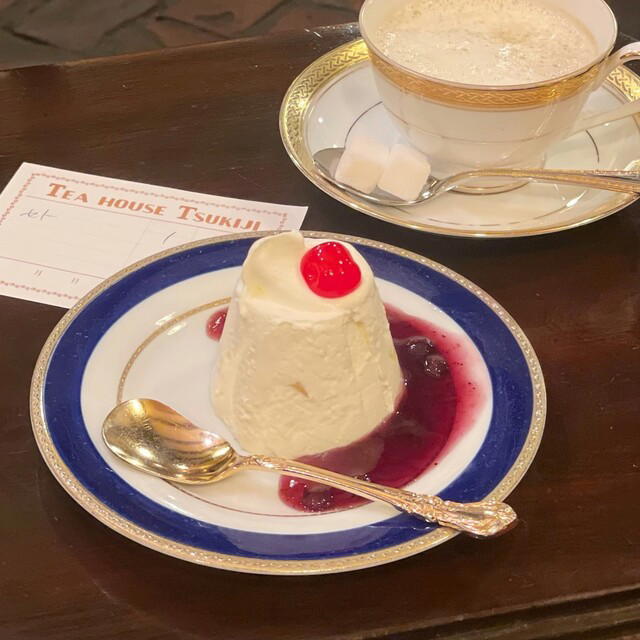
    Tsukiji places Kyoto’s kissaten culture in a central Kawaramachi setting, where the value is measured less by spectacle than by time, quiet pacing, an old-school coffee-shop format. Its selection for Tabelog 100 - Kissaten - 2022 gives it a credential inside a category that rewards consistency over novelty.

    Coffee Tei, Tokyo, Japan
    #53

    Coffee Tei

    Tokyo, Japan

    Restaurant

    Coffee Tei is an Ikebukuro kissaten and cafe with Tabelog Kissaten 100 selections in 2021 and 2022, a 100-seat room, counter seating, non-smoking policy, a cash-only payment setup. Its appeal sits in Tokyo’s older coffee-house tradition: structured for lingering, conversation, a menu that reads differently from the espresso-bar shorthand now common across the city.

    Cafe Casa, Tokyo, Japan
    #54

    Cafe Casa

    Tokyo, Japan

    Restaurant

    Cafe Casa belongs to Tokyo’s kissaten tradition rather than the city’s high-ceremony dining tier: modest spend, compact room, counter seating, a pancake-and-coffee grammar that makes more sense in daylight than as a dressed-up evening plan. Its Tabelog 100 Kissaten 2022 selection gives it a useful credential in a category where mood, pacing, everyday reliability matter as much as formal technique.

    Miyazawa, Tokyo, Japan
    #55

    Miyazawa

    Tokyo, Japan

    Restaurant

    Miyazawa belongs to Ginza’s older kissaten register, where coffee-shop culture, yoshoku, sandwiches, after-work drinking overlap rather than separate into neat categories. Its Tabelog Kissaten 100 selections in 2021 and 2022 give it a reputation signal beyond nostalgia, especially in a neighbourhood better known internationally for sushi counters, tempura rooms, high-budget beef restaurants.

    Coffee Kan Benishika, Tokyo, Japan
    #56

    Coffee Kan Benishika

    Tokyo, Japan

    Restaurant

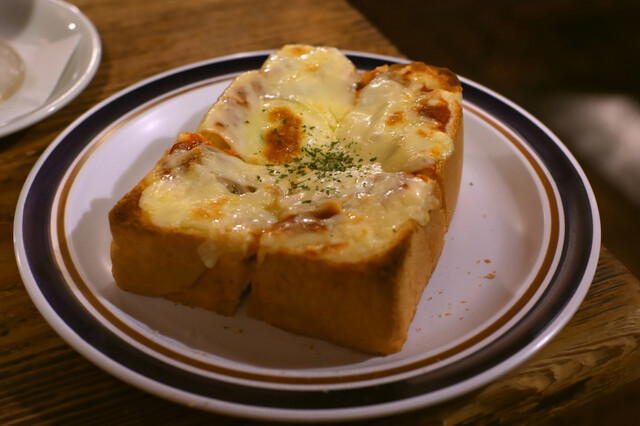
    Founded in 1957 in Yurakucho, Kohi Kan Benishika is widely credited as the originating shop of pizza toast, the now-ubiquitous Japanese kissa staple. The retro interior, wood and brick finishes, siphon-brewed coffee make it one of central Tokyo's most historically grounded pure coffee shops.

    Ichiroku Coffee Ten, Tokyo, Japan
    #57

    Ichiroku Coffee Ten

    Tokyo, Japan

    Restaurant

    Tokyo’s kissaten culture is often read through central-city nostalgia, but Tachikawa gives it a different register: local, compact, less performative. Ichiroku Coffee Ten belongs to that slower coffee-house tradition, with Tabelog 100 Kissaten 2022 recognition, a 19-seat format, in-house roasted ground coffee for sale, takeaway baked goods keeping the experience grounded rather than theatrical.

    Bunmeidou Sakan Ru Cafe, Yokohama, Japan
    #58

    Bunmeidou Sakan Ru Cafe

    Yokohama, Japan

    Restaurant

    Bunmeidou Sakan Ru Cafe gives Yokohama’s kissaten tradition a precise, low-cost reference point: a 35-seat café in Isezakichō with Tabelog 100 Kissaten selections in 2021 and 2022. Its appeal sits in the meeting of Japanese castella culture, Western-style sweets, imported café habits rather than in chef-driven dining theatre.

    Victory, Osaka, Japan
    #59

    Victory

    Osaka, Japan

    Restaurant

    Victory places Osaka’s kissaten tradition in a compact Edobori setting: coffee-shop culture, sandwich-counter practicality, the measured pace of a daytime room rather than a full restaurant performance. Its Tabelog 100 Kissaten selections in 2021 and 2022 give it a credible position within Japan’s old-school café category, especially for travelers tracing Osaka beyond takoyaki, ramen, late-night izakaya circuits.

    Sumibi Baisen Coffee Rin, Tokyo, Japan
    #60

    Sumibi Baisen Coffee Rin

    Tokyo, Japan

    Restaurant

    Ginza’s kissaten culture rewards patience, low volume, a preference for coffee as a pause rather than a takeaway commodity. Sumibi Baisen Coffee Rin belongs to that older Tokyo register: a Japanese coffee shop and cafe recognized in Tabelog’s 2022 Kissaten 100, with a compact room format that keeps the experience closer to salon than chain cafe.

    Kato Coffee Ten, Nagoya, Japan
    #61

    Kato Coffee Ten

    Nagoya, Japan

    Restaurant

    Kato Coffee Ten belongs to Nagoya’s kissaten tradition: small-room coffee culture, morning service, counter seating, a slower rhythm than the city’s reservation-led dining rooms. Its Tabelog Kissaten 100 selections in 2021 and 2022 put it in a nationally recognized coffee-shop category rather than the high-budget restaurant bracket.

    Mole & hosoi coffees, Osaka, Japan
    #62

    Mole & hosoi coffees

    Osaka, Japan

    Restaurant

    Osaka’s kissaten culture rewards compact rooms, disciplined menus, regulars who understand the tempo of a counter. Mole & hosoi coffees fits that tradition through a nine-seat, counter-only format in Yodoyabashi, with Tabelog 100 Kissaten selections in 2021 and 2022 marking it as a serious coffee stop rather than a casual café detour.

    Royal Coffee Ten Honten, Tokyo, Japan
    #63

    Royal Coffee Ten Honten

    Tokyo, Japan

    Restaurant

    Royal Coffee Ten Honten belongs to Tokyo’s kissaten tradition rather than its specialty-coffee wave: breakfast hours, sandwiches, cake, counter seating, a sub-JPY 999 price signal keep the format grounded. Its Tabelog 100 Kissaten selections in 2021 and 2022 place it among the city’s recognized old-school coffee rooms, with Asakusa location and no-reservation rhythm shaping the experience.

    CAFE DE L’AMBRE, Tokyo, Japan
    #64

    CAFE DE L’AMBRE

    Tokyo, Japan

    Restaurant

    CAFE DE L’AMBRE is a Ginza kissaten built around coffee as a disciplined craft rather than café theatre. Its Tabelog 100 Kissaten selections in 2021 and 2022, compact 22-seat format, counter seating, English menu availability, cash-only payment setup place it in Tokyo’s serious old-school coffee tier.

    Amanoya, Tokyo, Japan
    #65

    Amanoya

    Tokyo, Japan

    Restaurant

    Amanoya puts Tokyo’s wagashi cafe ritual in a modest Sotokanda room: daytime sweets, kakigori in season, take-out, a small 24-seat format near Ochanomizu. Its Tabelog 100 selection for Tokyo Japanese traditional sweets cafes in 2023 places it in a serious category, but the appeal is quieter than awards language suggests: low-priced, no-reservation, cash-only everyday craft.

    Koseto Coffee Ten, Tokyo, Japan
    #66

    Koseto Coffee Ten

    Tokyo, Japan

    Restaurant

    Koseto Coffee Ten belongs to Tokyo’s kissaten tradition rather than the city’s newer specialty-coffee circuit. Its Tabelog 100 Kissaten selections in 2021 and 2022, modest JPY 1,000–1,999 spend range, Jimbocho setting place it in the old-school coffee-shop category where atmosphere, pacing, repeat local use matter more than spectacle.

    Iwata Coffee Ten, Kamakura, Japan
    #67

    Iwata Coffee Ten

    Kamakura, Japan

    Restaurant

    Iwata Coffee Ten is a classic Kamakura kissaten where the ritual matters as much as the order: coffee, pancakes, waiting, lingering are part of the format. Its Tabelog 100 Kissaten selections in 2021 and 2022 place it within Japan’s serious coffee-shop canon rather than the quick café circuit.

    Kissa Madrague, Kyoto, Japan
    #68

    Kissa Madrague

    Kyoto, Japan

    Restaurant

    Kyoto’s kissaten culture rewards pacing over spectacle: coffee, yoshoku, sandwiches, the quiet discipline of a room built for lingering. Kissa Madrague sits in that tradition with Tabelog Kissaten 100 selections in 2021 and 2022, a 3.70 Tabelog score, a compact format that makes it read less like a café stop than a small-course daytime meal.

    CAFE BAHNHOF Sanbangai ten, Osaka, Japan
    #69

    CAFE BAHNHOF Sanbangai ten

    Osaka, Japan

    Restaurant

    CAFE BAHNHOF Sanbangai ten puts Osaka’s kissaten culture into a transit-hub setting: compact, practical, serious about coffee rather than ceremony. Its Tabelog 100 Kissaten 2022 selection, house-roasted specialty beans, low-cost café format make it a useful Umeda stop for travelers who want a focused coffee break without turning it into a long dining plan.

    Elena, Yokohama, Japan
    #70

    Elena

    Yokohama, Japan

    Restaurant

    Elena sits in Yokohama’s Yamatecho coffee-shop tradition: a small kissaten, cafe, cake address where the menu structure keeps the spend in the JPY 1,000–1,999 range. Its Tabelog Kissaten 100 selections in 2021 and 2022 place it in a national conversation about old-school Japanese coffee rooms, not just local cafe culture.

    TOUJOURS DEBUTER, Tokyo, Japan
    #71

    TOUJOURS DEBUTER

    Tokyo, Japan

    Restaurant

    Tokyo’s kissaten culture rewards patience, low spend, a tolerance for rooms that run on their own tempo. TOUJOURS DEBUTER belongs to that older coffee-shop lane in Gotanda, with Tabelog Kissaten 100 selections in 2021 and 2022 giving it a clearer signal than most casual cafés at this price level.

    LADRIO, Tokyo, Japan
    #72

    LADRIO

    Tokyo, Japan

    Restaurant

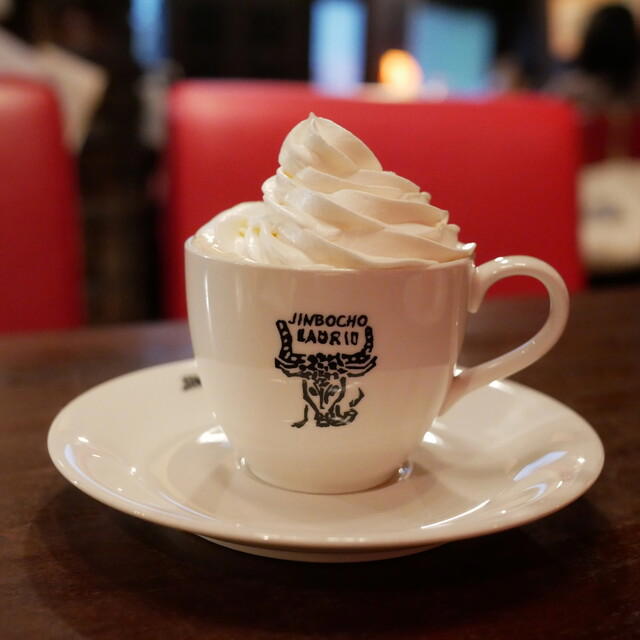
    LADRIO is a Jinbocho kissaten, bar, cafe selected for Tabelog’s Kissaten 100 in 2021 and 2022. It suits travelers interested in Tokyo’s older cafe culture: counter seats, table seating, no private rooms, no smoking, a low-spend format that sits close to the neighborhood’s bookshop-and-coffee rhythm.

    Coffee Arabica, Tokyo, Japan
    #73

    Coffee Arabica

    Tokyo, Japan

    Restaurant

    Coffee Arabica belongs to Tokyo’s old kissaten tradition rather than the city’s faster café cycle: a basement Akasaka room, no-reservations format, recognition on Tabelog’s 2022 Kissaten 100 list. Its appeal is less about novelty than about a slower, more resource-conscious model of coffee service built around seated drinking, durable tableware, repeatable ritual.

    Zehn Coffee, Tokyo, Japan
    #74

    Zehn Coffee

    Tokyo, Japan

    Restaurant

    Zehn Coffee belongs to Tokyo’s older kissaten culture rather than the city’s newer espresso-bar circuit. Its Tabelog 100 Kissaten selections in 2021 and 2022, eight-seat scale, Ueno-Yushima setting make it a useful read on how small Japanese coffee shops keep relevance without chasing café fashion.

    YOU, Tokyo, Japan
    #75

    YOU

    Tokyo, Japan

    Restaurant

    Ginza’s kissaten culture has a different rhythm from the district’s luxury dining rooms: daytime, compact menus, coffee-shop cooking, a clientele that values consistency over ceremony. YOU belongs to that lineage, with Tabelog 100 Kissaten selections in 2021 and 2022, a 3.73 score, a modest JPY 1,000–1,999 range that makes it a useful counterpoint to Ginza’s formal restaurant economy.

    Cafe Bach, Tokyo, Japan
    #76

    Cafe Bach

    Tokyo, Japan

    Restaurant

    Cafe Bach belongs to Tokyo’s kissaten tradition rather than the city’s dessert-cafe circuit: coffee, bread, counter seats, a slower rhythm in Nihonzutsumi. Its Tabelog Kissaten 100 selections in 2021 and 2022 give it a clear quality signal, while the modest spend and no-reservation format keep the occasion casual rather than ceremonial.

    KAKO Yanagibashi ten, Nagoya, Japan
    #77

    KAKO Yanagibashi ten

    Nagoya, Japan

    Restaurant

    A Nagoya kissaten near Meieki with a regulars’ rhythm: breakfast service, coffee-shop comfort, bread, counter seating and a price band under JPY 999. KAKO Yanagibashi ten carries Tabelog Kissaten 100 selections from 2021 and 2022, which places it in a tighter category than the city’s ordinary station-area cafés.

    Maeda Coffee Muromachi honten, Kyoto, Japan
    #78

    Maeda Coffee Muromachi honten

    Kyoto, Japan

    Restaurant

    Kyoto’s kissaten culture rewards rooms that hold their ground against fashion: steady coffee, breakfast service, seating built for lingering rather than spectacle. Maeda Coffee Muromachi honten belongs to that tradition, with Tabelog 100 Kissaten recognition in 2021 and 2022 and a main-store setting that traces its room to a former kimono shop.

    COFFEE HOUSE maki, Kyoto, Japan
    #79

    COFFEE HOUSE maki

    Kyoto, Japan

    Restaurant

    COFFEE HOUSE maki belongs to Kyoto’s old kissaten rhythm: breakfast, coffee, sandwiches, a room built for unhurried daylight rather than spectacle. Its Tabelog 100 Kissaten selections in 2021 and 2022 place it among Japan’s recognized coffee-shop addresses, while the format remains modest, local, anchored near Demachiyanagi.

    Verde, Tokyo, Japan
    #80

    Verde

    Tokyo, Japan

    Restaurant

    Verde sits in Tokyo’s kissaten tradition rather than the city’s high-concept cafe wave: compact, counter-led, shaped for a short, focused stop. Its Tabelog 100 Kissaten selections in 2021 and 2022 place it among Japan’s documented coffee-shop specialists, with the appeal lying in restraint, sequencing, the old rhythm of coffee, cake, pause.

    MIKADO Nihonbashi hon ten, Tokyo, Japan
    #81

    MIKADO Nihonbashi hon ten

    Tokyo, Japan

    Restaurant

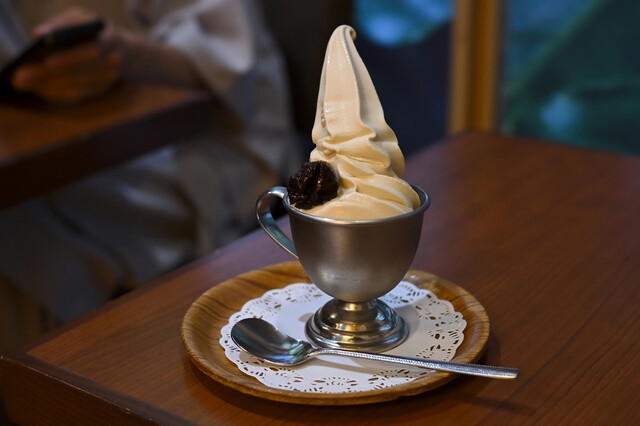
    Mikado Coffee's Nihonbashi flagship has been roasting its own beans since 1948, making it one of Tokyo's earliest specialty coffee operations. The ground-floor kissaten serves house-roast drip coffee alongside the chain's signature Mocha Soft serve, in a retro coffee-house setting between Nihonbashi and Mitsukoshimae stations.

    Milonga Nuova, Tokyo, Japan
    #82

    Milonga Nuova

    Tokyo, Japan

    Restaurant

    Milonga Nuova belongs to Jimbōchō’s old coffeehouse culture: part kissaten, part pub, part café, with tango as a defining cue rather than background decoration. Its Tabelog 100 Kissaten 2022 selection, 49-seat room, modest JPY 1,000–1,999 spend place it in Tokyo’s low-cost specialist tier, where atmosphere and category discipline matter more than luxury signals.

    Kissa Tirol, Kyoto, Japan
    #83

    Kissa Tirol

    Kyoto, Japan

    Restaurant

    Kissa Tirol belongs to Kyoto’s kissaten tradition: morning coffee, compact seating, curry, a slower rhythm than the city’s temple-and-tasting-menu circuit. Its Tabelog 100 Kissaten selections in 2021 and 2022 place it in a recognized group of Japanese coffee shops, while the low-price format keeps the experience grounded rather than ceremonial.

    Kissa Ichi, Osaka, Japan
    #84

    Kissa Ichi

    Osaka, Japan

    Restaurant

    Kissa Ichi belongs to Osaka’s kissaten tradition: compact coffee shops where breakfast, sandwiches, counter seats, solo dining form a daily ritual rather than a special-occasion performance. Its Tabelog 100 Kissaten selections in 2021 and 2022 place it in a documented group of old-school Japanese cafés that still matter to serious eaters.

    Evian Coffee, Kobe, Japan
    #85

    Evian Coffee

    Kobe, Japan

    Restaurant

    Evian Coffee belongs to Kobe’s old kissaten register: compact, habitual, built around breakfast, sandwiches, coffee rather than spectacle. Its Tabelog 100 Kissaten selections in 2021 and 2022 place it inside Japan’s better-documented coffee-shop canon, but the draw is quieter: a Motomachi routine that makes sense for solo stops, family mornings, low-friction take-out.

    CIVITAS, Tokyo, Japan
    #86

    CIVITAS

    Tokyo, Japan

    Restaurant

    CIVITAS places the Tokyo kissaten tradition inside Kamata’s department-store orbit rather than the city’s specialty-coffee circuit. Its Tabelog Kissaten 100 selections in 2021 and 2022, plus a 50-seat format and pancake-cafe identity, make it a useful counterpoint to Tokyo’s smaller reservation-led counters: accessible, old-school in rhythm, rooted in everyday coffee-shop culture.

    Cafe Enseigne Dangle Jiyuugaoka ten, Tokyo, Japan
    #87

    Cafe Enseigne Dangle Jiyuugaoka ten

    Tokyo, Japan

    Restaurant

    Cafe Enseigne Dangle Jiyuugaoka ten belongs to Tokyo’s kissaten tradition rather than its new-wave café circuit: pour-over coffee, cake, counter seating, a room shaped by old-school salon cues. Its Tabelog 100 Kissaten selections in 2021 and 2022 place it among the city’s more closely watched Japanese coffee shops, especially for readers interested in how classic cafés have adapted without chasing specialty-coffee minimalism.

    Coffee Marumo, Matsumoto, Japan
    #88

    Coffee Marumo

    Matsumoto, Japan

    Restaurant

    Coffee Marumo belongs to the Japanese kissaten tradition rather than the third-wave café circuit: a small-city coffee room where cakes, breakfast service, slow daytime use matter as much as the cup. Its Tabelog 100 Kissaten selections in 2021 and 2022 place it in a national conversation about old-style coffee shops, while Matsumoto’s craft-and-alpine setting gives the format local weight.

    BUCYO COFFEE, Nagoya, Japan
    #89

    BUCYO COFFEE

    Nagoya, Japan

    Restaurant

    BUCYO COFFEE is a Nagoya kissaten with Tabelog 100 Kissaten selections in 2021 and 2022, a 3.68 Tabelog score, a compact format split between counter and table seating. The appeal is morning coffee-shop culture rather than fine-dining theatre: breakfast, bread, café staples, take-out, a cash-only rhythm close to Nagoya Station.

    Smart Coffee, Kyoto, Japan
    #90

    Smart Coffee

    Kyoto, Japan

    Restaurant

    Smart Coffee is a Kyoto kissaten in Nakagyo-ku with Tabelog 100 Kissaten selections in 2021 and 2022, a 38-seat table-only room, a low-pressure format built around coffee-shop staples, yoshoku, pancakes, take-out. Its reputation sits in the city’s everyday café tradition rather than Kyoto’s temple-dining theater, which is precisely the point.

    Le Premier Cafe Shinsaibashi honten, Osaka, Japan
    #91

    Le Premier Cafe Shinsaibashi honten

    Osaka, Japan

    Restaurant

    Le Premier Cafe Shinsaibashi honten belongs to Osaka’s kissaten tradition rather than its chef-counter dining circuit: compact, coffee-led, built for a slower pause inside Shinsaibashi’s retail tempo. Its Tabelog 100 - Kissaten - 2022 selection gives it a clear credential in a category where atmosphere, pacing, regular-use appeal matter as much as culinary ambition.

    Ban Coffee Ten, Osaka, Japan
    #92

    Ban Coffee Ten

    Osaka, Japan

    Restaurant

    Check out Ban Coffee Ten (Morinomiya/Kissa (Japanese coffee shop)、Cafe) on Tabelog! [No Smoking] Discover Japanese restaurants featuring detailed information such as menus and maps, along with user-posted reviews, ratings, photos!

    Coffee Bimi, Fukuoka, Japan
    #93

    Coffee Bimi

    Fukuoka, Japan

    Restaurant

    Coffee Bimi belongs to Fukuoka’s old-school kissaten culture rather than the city’s fast café circuit: counter seating, a compact 20-seat room, a coffee-first format in Akasaka. Its selection for Tabelog 100 Kissaten in 2021 and 2022 places it among Japan’s recognized classic coffee shops, with spending typically in the JPY 1,000–1,999 range.

    New Astoria, Osaka, Japan
    #94

    New Astoria

    Osaka, Japan

    Restaurant

    New Astoria belongs to Osaka’s older kissaten culture rather than its chef-counter dining circuit: small, practical, station-adjacent, built around coffee-shop rhythms. Its Tabelog Kissaten 100 selections in 2021 and 2022 place it among Japan’s recognized classic café addresses, with sandwich-and-café cooking in a low-spend register.

    Takagi Coffee Ten Takatsuji honten, Kyoto, Japan
    #95

    Takagi Coffee Ten Takatsuji honten

    Kyoto, Japan

    Restaurant

    Kyoto’s kissaten culture sits apart from the city’s temple-adjacent dining economy: slower, cheaper, built around repeat local use rather than occasion spending. Takagi Coffee Ten Takatsuji honten belongs to that tradition, with Tabelog 100 Kissaten selections in 2021 and 2022, a Shijo-area address, a format that suits breakfast or low-key coffee rather than a destination tasting menu.

    Coffee Tengoku, Tokyo, Japan
    #96

    Coffee Tengoku

    Tokyo, Japan

    Restaurant

    Tokyo's coffee culture has evolved well beyond the kissaten era, Coffee Tengoku sits within a city where specialist cafes now compete on the same precision terms as the dining rooms around them. Located in one of the world's most demanding food cities, this is a venue for those who treat coffee with the same rigour they bring to an omakase counter.

    COFFEE HALL Kugutsusou, Tokyo, Japan
    #97

    COFFEE HALL Kugutsusou

    Tokyo, Japan

    Restaurant

    COFFEE HALL Kugutsusou belongs to Tokyo’s kissaten tradition rather than the city’s newer café grammar: coffee, curry, long dwell time, a room built for conversation rather than laptop turnover. Its Tabelog Kissaten 100 selections in 2021 and 2022 place it within a small group of Japanese coffee shops that retain cultural weight beyond simple convenience.

    Zeroku Honmachi ten, Osaka, Japan
    #98

    Zeroku Honmachi ten

    Osaka, Japan

    Restaurant

    Osaka’s kissaten culture rewards rhythm over ceremony: a short pause, a small table, coffee-shop pacing, a bill that stays in the everyday bracket. Zeroku Honmachi ten belongs to that tradition, with Tabelog 100 Kissaten recognition in 2021 and 2022 placing it among Japan’s noted old-school coffee-shop addresses rather than the city’s louder dining rooms.

    Café Trois Chambres, Tokyo, Japan
    #99

    Café Trois Chambres

    Tokyo, Japan

    Restaurant

    Café Trois Chambres is a Shimokitazawa kissaten and cafe with Tabelog 100 Kissaten selections in 2021 and 2022, a 3.70 Tabelog score, 32 seats, counter seating, a sub-¥1,000 listed budget. Its appeal sits less in novelty than in the older Tokyo coffee-shop grammar: a compact upstairs room, slow tempo, a setting built for solitary pauses as much as conversation.

    Gekko Sabou, Tokyo, Japan
    #100

    Gekko Sabou

    Tokyo, Japan

    Restaurant

    Tokyo’s kissaten culture is usually read through old wood, low voices, patient coffee service rather than speed or spectacle. Gekko Sabou brings that tradition into Omotesando’s design-heavy orbit: a nine-seat counter café in Jingumae, recognised in Tabelog’s 2022 Kissaten 100, with irregular openings that make timing part of the experience.

    Overview

    Tabelog 100 - Kissaten - 2022 is a curated ranking of Japan’s top 100 kissaten—classic coffee shops known for their artisanal coffee and nostalgic atmosphere. Compiled by Tabelog, Japan’s largest restaurant review platform, this list celebrates establishments that maintain traditional brewing techniques and embody the cultural essence of the Japanese kissaten experience.

    Launched by Tabelog, Japan’s premier restaurant review site, the Tabelog 100 - Kissaten - 2022 list honors the nation’s most exceptional kissaten. These coffee shops are cherished for preserving a rich heritage of hand-dripped coffee, retro interiors, and a calm ambiance distinct from modern cafes. Spanning major cities and regional locales, the list exemplifies how kissaten culture remains integral to Japan’s culinary landscape. Globally recognized food enthusiasts and local patrons alike regard this list as a definitive guide to experiencing authentic Japanese coffee traditions.

    For discerning travelers and coffee aficionados exploring Japan, the Tabelog 100 - Kissaten - 2022 list is an indispensable guide to the country’s most cherished traditional coffee shops. These kissaten are not just places to grab a cup—they are sanctuaries of heritage, where meticulous brewing methods meet nostalgic interiors. From Tokyo’s bustling neighborhoods to serene countryside towns, this list reveals the intimate charm and enduring appeal of Japan’s kissaten culture.

    Quick Facts

    Publisher
    Tabelog
    Year
    2022
    Coverage
    Japan (nationwide)
    Items
    100 kissaten
    Frequency
    Annual

    About This Edition

    The 2022 edition highlights a dynamic shift as several newer kissaten blend traditional brewing with subtle modern innovations, reflecting evolving tastes while honoring heritage. Noteworthy is the increased representation from regional areas, indicating a resurgence of interest in local coffee culture beyond Tokyo and Osaka. This edition also emphasizes sustainability and artisanal sourcing, signaling broader trends in Japan’s café industry.

    Frequently Asked Questions

    What is Tabelog 100 - Kissaten - 2022?
    It is an annual ranking by Tabelog of the top 100 traditional Japanese coffee shops (kissaten) nationwide, celebrated for their authentic coffee brewing and nostalgic ambiance.
    How are honorees selected?
    Selection is based on a combination of user ratings, detailed reviews, expert evaluations, and criteria such as coffee quality, atmosphere, consistency, and cultural authenticity.
    How often is this list updated?
    The Tabelog 100 - Kissaten list is updated annually to reflect new entries, changing trends, and evolving standards in Japan’s coffee culture.
    How can I find these on Pearl?
    You can explore the Tabelog 100 - Kissaten - 2022 list on Pearl’s platform under curated Japan dining guides, with detailed profiles, photos, and booking options.
    Track this list

    How many of these have you visited?

    Find out on Pearl and keep score across every place in Tabelog 100 - Kissaten - 2022.