
Echigoya Wakasa
Sumida, Tokyo
Restaurant in Tokyo, Japan
 Book with Pearl
The Read
Price
$1–10per person
Why go
Reservation-only Sumida wagashi shop with five Tabelog 100 selections and a sub-JPY 1,000 price tag. The trade-off for technical craft and value: weekday-only hours, cash-only payment, no photography, and takeaway only. Worth the friction if traditional confections are a priority; skip if convenience matters more.
About Echigoya Wakasa
Reservations are mandatory, photography is forbidden, and the shop closes at 5 PM daily, yet Echigoya Wakasa in Sumida's Chitose district consistently draws visitors willing to navigate those constraints. This takeaway-only wagashi shop earned a place on Tabelog's Japanese traditional sweets 100 for four lists (2017, 2018, 2019, 2023) despite operating within a fraction of the hours and flexibility of its peers. The question is whether the commitment pays off for travelers with limited Tokyo time.
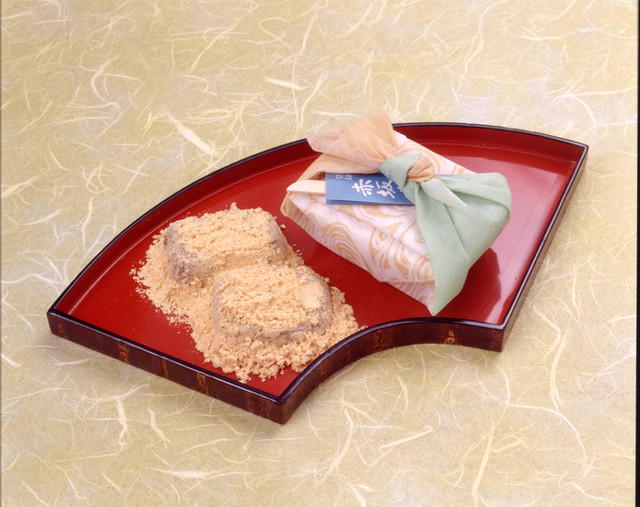
Echigoya Wakasa produces traditional Japanese confections using methods that leave little room for shortcuts or walk-in spontaneity. Reservations book out weeks ahead during peak seasons, and the shop's Sunday closure means weekend visitors need to plan around weekday availability. Cash-only payment and a no-photography policy signal an old-guard approach that prioritizes craft over convenience. For those who secure a slot, the shop delivers what the Tabelog recognition suggests: technically accomplished wagashi at under JPY 1,000 per item, positioned well below the JPY 2,000–3,000 range of downtown specialists like Hasegawa.
What You're Buying at Under JPY 1,000
The price range, under JPY 999 according to reviews, places Echigoya Wakasa among Tokyo's most accessible Tabelog 100 sweets shops. Teuchi Ren and Tsuki to Kame operate in the same JPY 1,000–1,999 band, but neither carries the same reservation intensity or photography ban. The shop's weekday-only schedule (10 AM–5 PM Monday through Saturday) and takeaway-only model keep overhead low while maintaining the standards that secured five Tabelog 100 appearances. The trade-off is logistical: this is not a browse-and-buy stop, and the lack of seating means your wagashi will travel before you taste it.
The reservation requirement and no-photo rule suggest a workshop that values process control over Instagram reach. For visitors accustomed to Tokyo's more tourist-friendly confectionery shops, the constraints may feel excessive. For those who prioritize craft and are willing to plan ahead, the Tabelog recognition and sub-JPY 1,000 pricing make a case for the effort. The shop's location in Sumida, eight minutes from Ryogoku Station, nine from Morishita, sits outside central Tokyo's dessert corridors, which means fewer spontaneous drop-ins and a customer base that knows what it's committing to.
How the Constraints Shape the Experience
Echigoya Wakasa's policies create a high-friction path to purchase: mandatory advance booking, no website for remote ordering, cash-only transactions, and a photography ban that limits social proof. The shop's Tabelog score of 3.70 and five Tabelog 100 selections (including 2023's Japanese traditional sweets category) confirm the product holds up, but the experience skews toward serious wagashi consumers rather than casual tourists. If your Tokyo itinerary includes time in Sumida or Ryogoku and you're curious about traditional confections made without modern concessions, the shop delivers. If you're optimizing for convenience or need flexibility, Hasegawa's JPY 2,000–3,000 range buys a smoother path and a longer purchasing window.
The 10 AM opening means early risers can collect their order and incorporate it into a broader Sumida itinerary, Ryogoku's sumo stables and the Edo-Tokyo Museum sit within a 10-minute walk. The 5 PM close rules out after-dinner pickups, so plan collection around midday or early afternoon. Nearby paid parking at Chitose 1-5-17 offers 24 spaces, though public transit from Ryogoku or Morishita stations is faster for most visitors. The shop's "relaxing space" designation on Tabelog refers to ambiance rather than seating, so budget your visit as a 10-minute transaction rather than a lingering stop.
For context on Tokyo's broader dining scene, explore our full Tokyo restaurants guide, or check Tokyo bars and Tokyo hotels for post-pickup plans.
Planning details
- Location
- 1 Chome-8-4 Chitose, Sumida City, Tokyo 130-0025, Japan
- Website
- tabelog.com/en/tokyo/A1312/A131201/13046248
- Phone
- +81 3-3631-3605
Venue details
Ambiance
A calm, traditional wagashi shop atmosphere with a relaxing space and a quiet, no-smoking setting.
Tags
Vibe
Best For
Experience
At the Table
- Noise Level
- Quiet
- Service Style
- Counter Service
- Meal Pacing
- Quick Bite
- Capacity
- Small
- Kitchen
- Traditional
- Menu Format
- A la carte
Know before you go
Know Before You Go
- Getting there
- 1 Chome-8-4 Chitose, Sumida City, Tokyo 130-0025, Japan
Planning details
Location
1 Chome-8-4 Chitose, Sumida City, Tokyo 130-0025, Japan · Directions
Recognition and awards
Also consider
Also Consider
- Teuchi Ren, JPY 1,000 - JPY 1,999 JPY 1,000 - JPY 1,999, JPY 1,000 - JPY 1,999 JPY 1,000 - JPY 1,999
- Hasegawa, JPY 2,000 - JPY 2,999 JPY 1,000 - JPY 1,999, JPY 2,000 - JPY 2,999 JPY 1,000 - JPY 1,999
- Aigamo Ippin Toriyasu, JPY 20,000 - JPY 29,999, JPY 20,000 - JPY 29,999
- 旬華なか村, Notable alternative
- Tsuki to Kame, JPY 1,000 - JPY 1,999, JPY 1,000 - JPY 1,999
Restaurant context
At under JPY 1,000, Echigoya Wakasa undercuts most Tabelog 100 wagashi peers while maintaining the technical rigor that earned five list appearances. Hasegawa operates in the JPY 2,000–3,000 range with longer hours and a more central Chūō location, making it the easier choice for visitors prioritizing convenience over price. Teuchi Ren and Tsuki to Kame sit in the JPY 1,000–1,999 band with less restrictive policies, no mandatory reservations, more flexible photography rules, but neither has Echigoya Wakasa's Tabelog track record. For travelers willing to navigate advance booking and a weekday-only schedule, the Sumida shop delivers award-recognized craft at the category's lower price tier.
The reservation requirement and photography ban set Echigoya Wakasa apart from more accessible peers like Teuchi Ren, which allows walk-ins and doesn't police cameras. If your Tokyo stay includes time in Sumida or Ryogoku and you're committed to traditional wagashi, the shop's five Tabelog 100 selections and sub-JPY 1,000 pricing justify the logistical effort. If you're optimizing for a quick, flexible stop, Hasegawa's longer hours and central location offer a smoother path at twice the price. Aigamo Ippin Toriyasu sits at the opposite end of the spectrum, JPY 20,000–29,999 for its kaiseki-style duck specialist menu, serving as a reminder that Tokyo's Tabelog 100 spans wildly different formats and budgets.
Choose Echigoya Wakasa if Tabelog recognition, low prices, and traditional craft matter more than spontaneity. Choose Hasegawa if you want similar quality with less advance planning. Choose Teuchi Ren or Tsuki to Kame if you prefer a relaxed, walk-in-friendly experience at a similar price point. For a full view of Tokyo's dining landscape, see our Tokyo restaurants guide.
Explore Tokyo
Around this place
Discover more on Pearl
Unlock the full Echigoya Wakasa guide in Pearl, including awards, comparisons, FAQs, planning details, and nearby places.
FAQ
Frequently Asked Questions
Is Echigoya Wakasa worth the price?
At under JPY 999, Echigoya Wakasa offers Tabelog 100-level craft at the lowest price point in its. The value hinges entirely on your willingness to navigate the reservation system and cash-only policy. If you're already booking in advance elsewhere in Sumida, add this to the itinerary; as a standalone destination, the friction outweighs the savings.
What are alternatives to Echigoya Wakasa in Tokyo?
Teuchi Ren and Hasegawa operate with similar reservation protocols but offer broader selection and payment flexibility. For walk-in accessibility, Tsuki to Kame in Ginza provides comparable craft without the booking barrier. If you prefer wagashi as part of a meal experience rather than takeaway-only, consider 旬華なか村 or Aigamo Ippin Toriyasu for fuller dining contexts.
What should I order at Echigoya Wakasa?
The shop operates on a reservation-only, takeaway-only model with no menu published online or via phone. Selection is determined at the time of booking based on seasonal availability and production capacity. Photography inside the shop is prohibited, so you cannot preview items in advance. Expect limited choice per visit, consistent with small-batch artisan production.
Does Echigoya Wakasa handle dietary restrictions?
The shop has no listed policy for dietary accommodations, and the cash-only, reservation-only format offers little flexibility for custom requests. Traditional wagashi typically contain rice, sweet bean paste, and sugar, with potential allergens including soy and wheat. Without advance communication channels beyond phone, confirming ingredient modifications is impractical for non-Japanese speakers.
What should I wear to Echigoya Wakasa?
This is a takeaway-only sweets shop with no seating or dining component. Casual street attire appropriate for a retail transaction is sufficient. The shop's location in residential Sumida and the brief pickup interaction require no dress consideration beyond standard Tokyo daytime norms.
Is lunch or dinner better at Echigoya Wakasa?
The shop operates 10 AM to 5 PM Monday through Saturday with no dine-in service, so lunch versus dinner is not a relevant distinction. Pickup timing matters only for freshness if you plan same-day consumption. Reserve for late-morning or midday pickup if you want sweets at peak texture for afternoon tea or gifting.