

Tabelog 100: Best Japanese Traditional Sweets & Cafes in Tokyo 2023
Tabelog 100 (Hyakumeiten) Japanese traditional sweets / Japanese sweets cafe - TOKYO selection for 2023. Tabelog publishes these as source-ordered lists of 100 restaurants.

Venues on this list
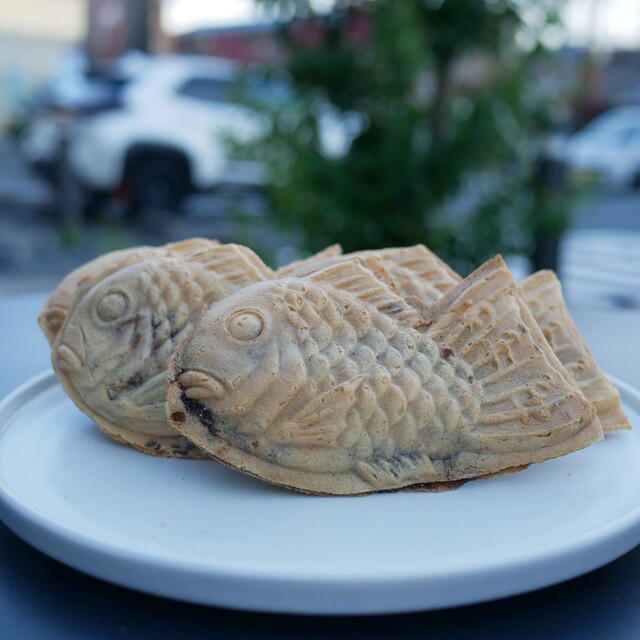
Taiyaki Wakaba
Tokyo, Japan
A Tabelog 100 taiyaki specialist near Yotsuya Station, baking thin-shelled, azuki-filled fish-shaped pastries to order for under ¥1,000. Walk-in only, cash only, and open 9 AM to 5 PM weekdays and Saturdays; arrive before 2 PM or risk sell-outs. The fourteen-seat counter suits quick stops rather than lingering visits, delivering award-recognized execution at Tokyo's lowest price point for recognized sweets venues.
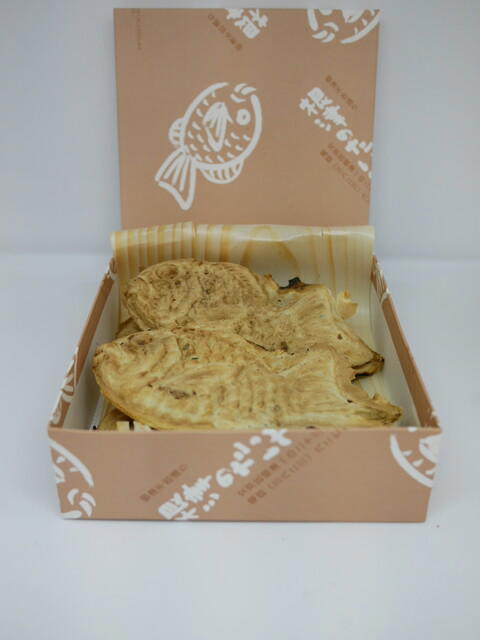
Nezu no Taiyaki
Tokyo, Japan
A Tabelog 100-listed takeaway window serving azuki-filled taiyaki for under ¥1,000, open weekdays until sellout. No seating, no reservations, just cash-only craft wagashi from a residential Nezu counter five minutes from the station.
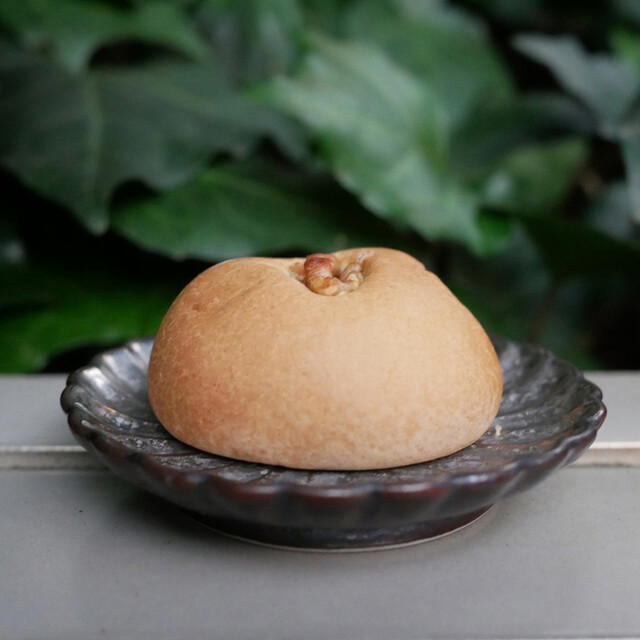
Ishida Ya
Tokyo, Japan
This Itabashi wagashi shop earns its Tabelog 100 recognition by delivering traditional Japanese sweets under ¥1,000, a rarity among award-winning peers. Open 8:45 AM–5:45 PM (closed Tuesdays), it operates takeout-only from a small counter near Kamiitabashi Station. Arrive before 4 PM for the full selection; popular items sell out by late afternoon.
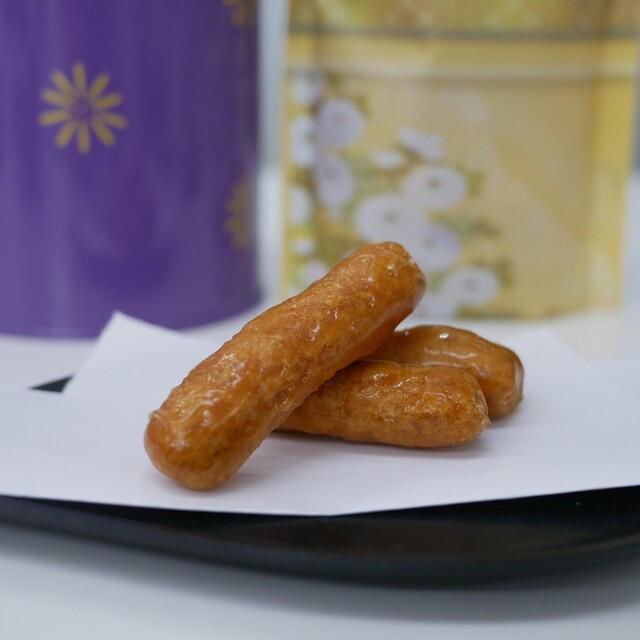
Karinto Yushima Kagetsu
Tokyo, Japan
A take-out specialist in Bunkyo's Yushima district, this shop earned Tabelog 100 recognition for karinto; deep-fried traditional sweets most other places treat as filler. No seating, just a counter operation open till 8 PM weekdays, selling well-executed product under JPY 999. Worth the three-minute walk from Ueno-Hirokoji if you want authentic sweets without the tea-house markup, but skip it if you expect a sit-down experience.
Kissa Ko
Tokyo, Japan
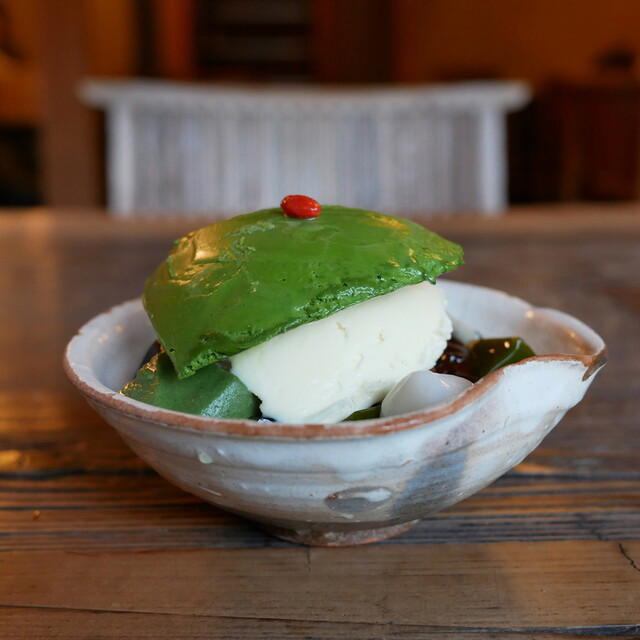
Walk-in-only traditional Japanese sweets café in Ueno Park serving a two-hour afternoon window (3:00–5:00 PM) at under JPY 1,000. Tabelog 100 recognition confirms quality, but the 20-seat room and no-reservation policy require early arrival. Best for flexible travelers willing to wait for high-value wagashi in a garden-view setting.
Takemura
Tokyo, Japan
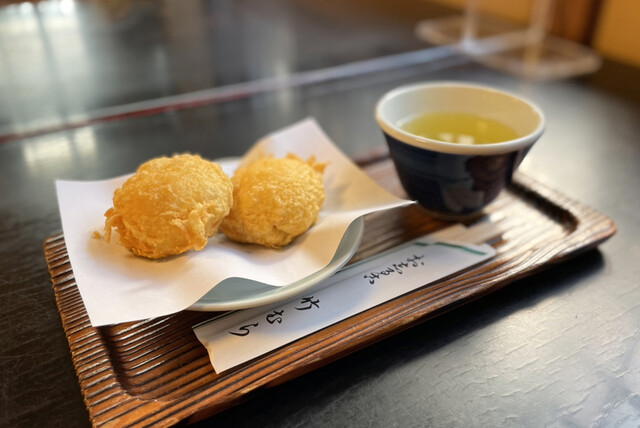
Tabelog 100-recognized Japanese sweets café in Kanda serving kakigori and wagashi for under JPY 1,000, walk-in only. The 44-seat house restaurant offers tatami and table seating Tuesday through Saturday, with take-out available. Cash-only, no reservations, and a three-minute walk from Awajicho Station.
Amanoya
Tokyo, Japan
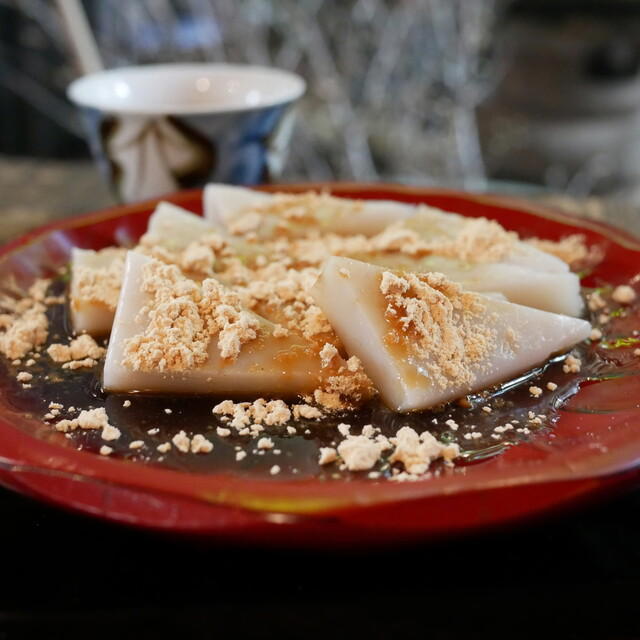
Amanoya works when the plan is a low-cost daytime stop around Chiyoda, not a full special-occasion dinner. The appeal is practical: easy pricing, central Tokyo location, and a Tabelog 100 #7 nod from 2023. Choose it for value and convenience; look elsewhere for a tasting-menu arc or polished evening service.
Chiba Ya
Tokyo, Japan
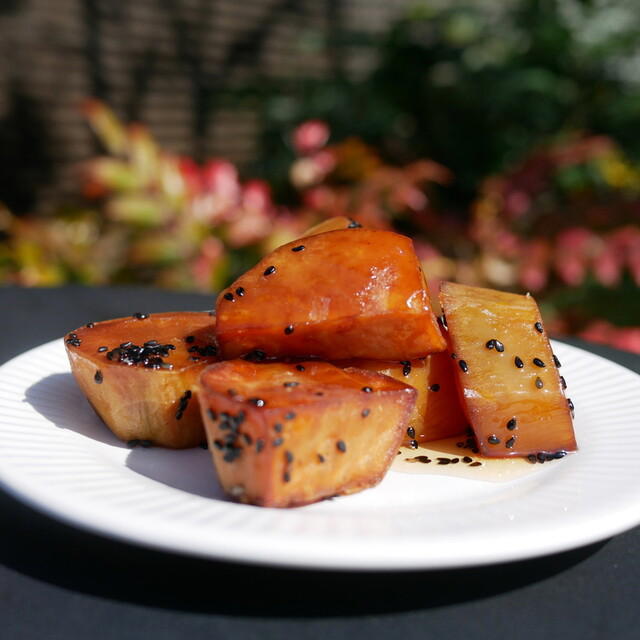
This Asakusa takeaway counter earned Tabelog 100 recognition four times for roasted sweet potatoes priced under ¥999. The format is grab-and-go only; no seating, cash only, closed Monday and Tuesday. Queue on weekends, arrive before 3 PM Sunday to avoid sell-outs, and plan to eat elsewhere.
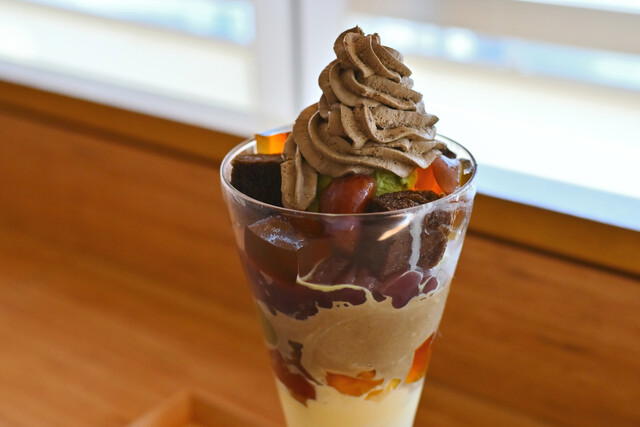
Saryo Tsujiri Daimaru tokyo ten
Tokyo, Japan
Matcha café on Daimaru Tokyo's 10th floor, selected for Tabelog 100 (Japanese traditional sweets, Tokyo, 2023). Counter seating offers full view of whisking and parfait assembly; matcha intensity runs closer to Kyoto standards than most Tokyo competitors. Walk-in only, JPY 1,000–1,999, open 10 AM–8 PM daily. Practical stop near Tokyo Station with consistent execution and generous portions.
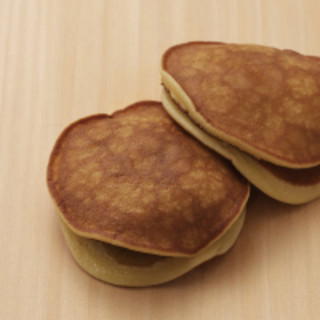
Anya
Tokyo, Japan
Daily handmade wagashi and seasonal kakigori in residential Seijo, recognized in Tabelog 100 (2023). Walk-in only, 17-seat tea room, JPY 1,000–1,999 range. A one-minute walk from Seijogakuen-mae Station makes this a practical afternoon stop for fresh sweets that prioritize immediate flavor over long shelf life.
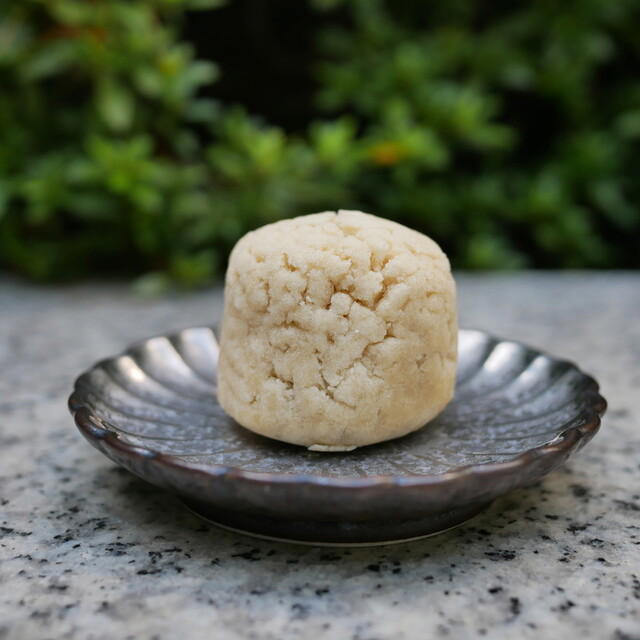
Kyogashi Misakiya
Tokyo, Japan
A Tomigaya take-out shop producing formal tea-ceremony sweets that rotate every two weeks. Selected for Tabelog 100 in 2023, it requires two-day advance orders and cash payment. Under ¥1,000 per visit, closed Sundays and Mondays, no seating or tasting. Best for visitors already familiar with wagashi formats and willing to plan ahead.
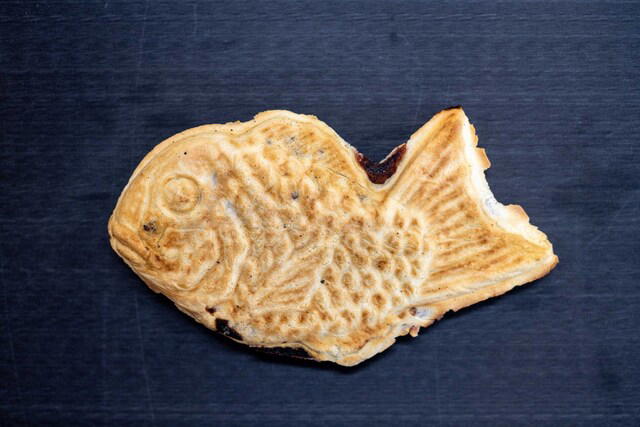
Yanagiya
Tokyo, Japan
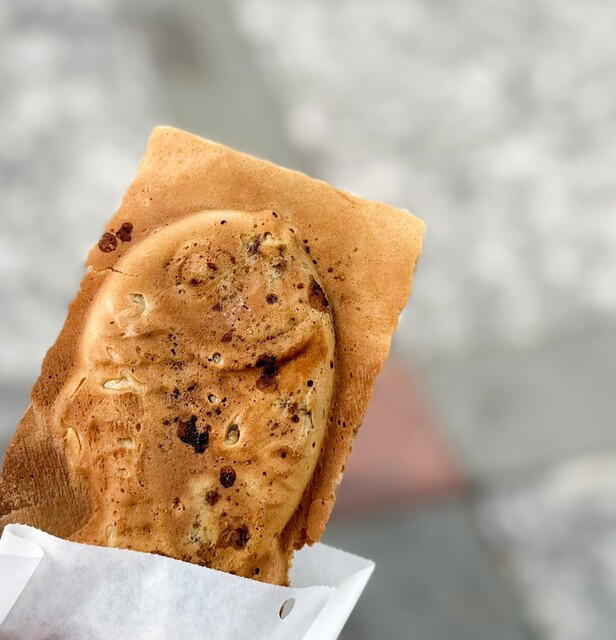
Tabelog 100 three-year selection for traditional Japanese sweets, specializing in taiyaki, obanyaki, gelato, and ice cream at under JPY 1,000. Take-out only with a 3.78 Tabelog score, open Tuesday through Saturday afternoons in Ningyocho. Cash only, no seating; designed for walk-up service and street-side consumption.
Amane
Tokyo, Japan
Amane works as a low-spend daytime stop in Kichijoji, especially if the plan is casual and flexible. The Tabelog 100 #13 recognition gives it credibility, but the 11 AM to 6 PM schedule means it is not useful for dinner or late-night plans.
Morinoen
Tokyo, Japan
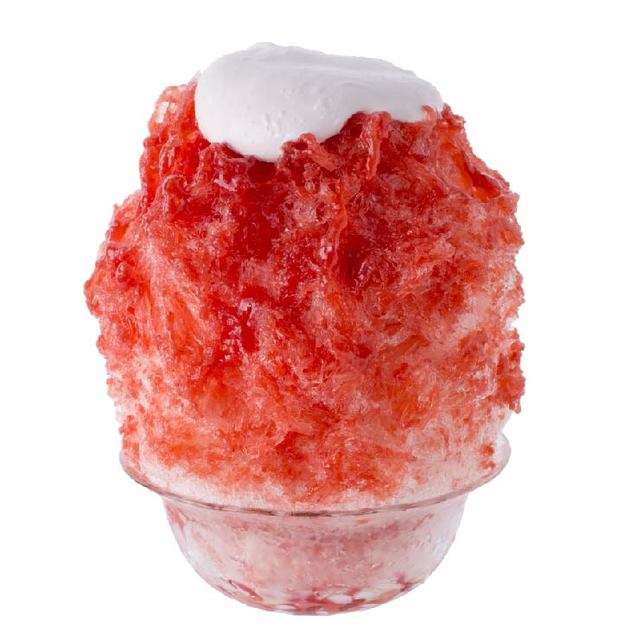
A Ningyocho hojicha specialist serving soft serve under JPY 1,000, with walk-in counter seating and house-roasted tea sourcing. Tabelog 100 recognition in 2023 reflects consistency in a narrow category; readers seeking elaborate wagashi presentations or reservable dessert courses should look elsewhere. Best for quick stops between errands rather than destination visits.
Kanmi Okame Koutsuu kaikan ten
Tokyo, Japan
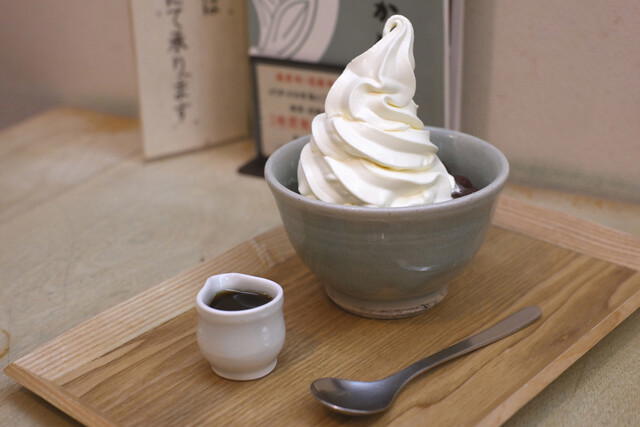
A Tabelog 100-recognized wagashi takeaway in Yurakucho's basement food hall, serving traditional ohagi and seasonal sweets for under JPY 1,000. No reservations accepted, but 28 seats accommodate walk-ins Monday–Saturday from 11 AM. Arrive before 2 PM for the full daily selection.
Taiyaki Hiiragi
Tokyo, Japan
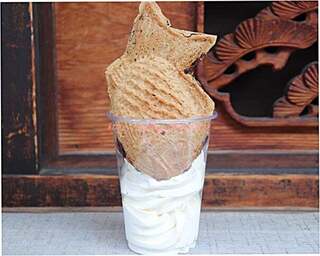
This takeaway-only taiyaki specialist near Ebisu Station delivers Tabelog Hyakumeiten-listed pastries for under ¥1,000, with a bench outside for immediate eating. Open since 2006, the shop closes once daily stock sells out; weekday mornings move fastest, weekend afternoons see 15-minute queues. Better than most Ebisu dessert counters for value, but skip it if you need sit-down service.
Tachibana
Tokyo, Japan
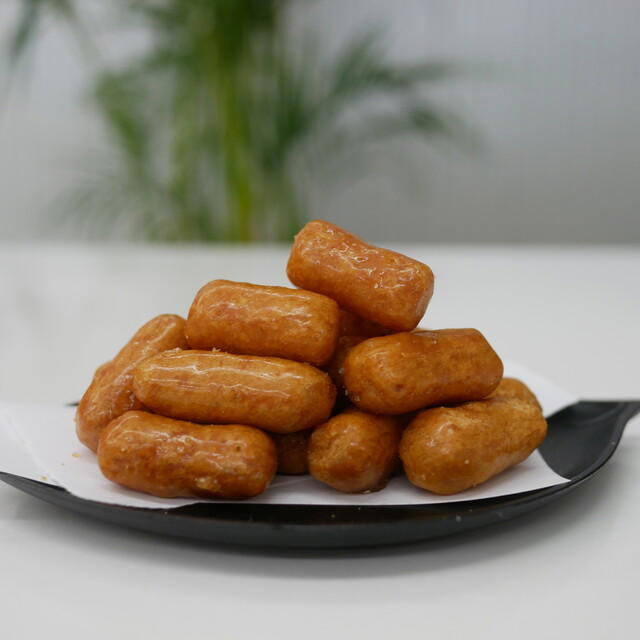
A Tabelog 100 (2023) Ginza take-out specialist offering traditional wagashi at JPY 1,000–1,999 per visit. No seating, no reservations, cash only; walk in for traditional karinto. The shop closes at 4:30 PM weekdays (3 PM Saturday), so plan morning or lunch visits. Seven minutes from Shimbashi Station, it bridges the gap between convenience-store mochi and department-store omiyage at a midpoint price.
Kototoi Dango
Tokyo, Japan
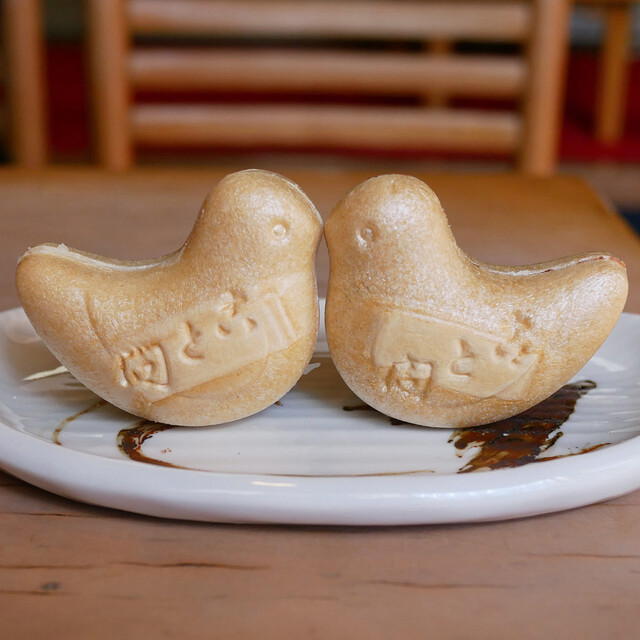
Kototoi Dango, a Tabelog 100 selection in Sumida City, serves charcoal-grilled dango and seasonal wagashi at under 1,000 JPY per person. The shop's riverside location and walk-in policy make it a practical detour for visitors exploring the Asakusa area who value traditional technique over modern presentation. Expect modest portions, limited hours, and a tearoom atmosphere unchanged by trends.
Houraiya Honten
Tokyo, Japan
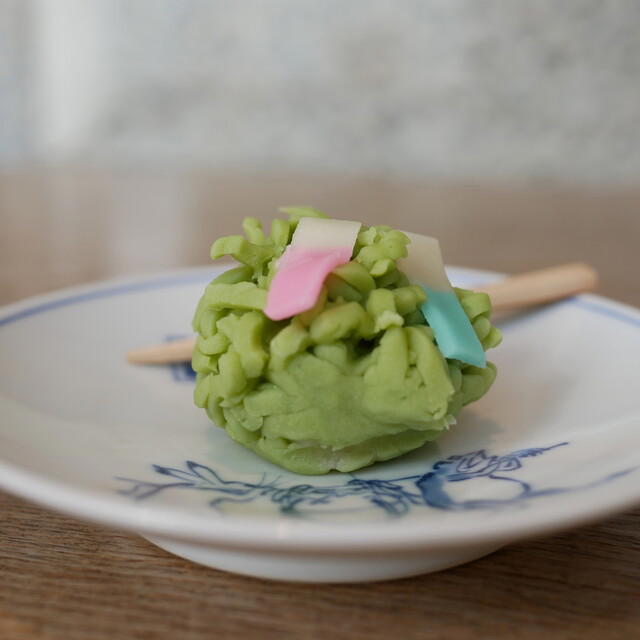
Houraiya Honten is a Tabelog 100-recognized traditional sweets shop in Kudanminami with a ten-seat upstairs tea room, weekday hours until 6 PM, and prices under ¥999. The ground floor sells takeaway confections; the second floor serves seasonal wagashi and house-made rice crackers in a self-service format with no reservation required.
Kamezawa Do
Tokyo, Japan
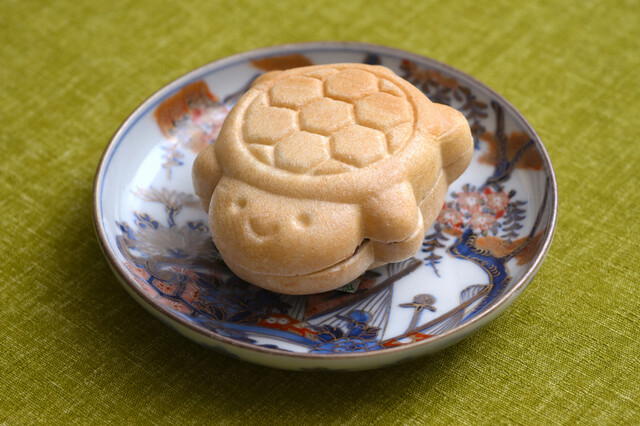
A Tabelog 100-listed take-out wagashi shop in Jimbocho specializing in dorayaki and daifuku under 1,000 JPY. No seating, fast transactions, one minute from the station. Go here for accessible-premium traditional sweets to gift or enjoy same-day, especially if you're browsing the book district.
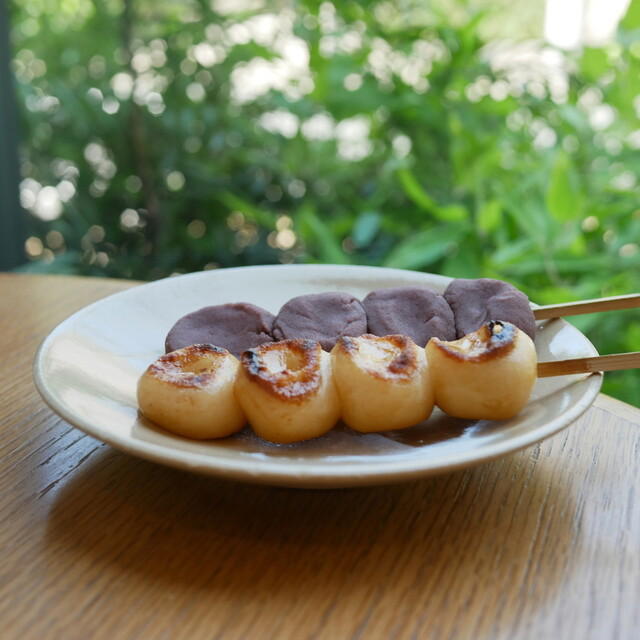
Habutae Dango Honten
Tokyo, Japan
A Tabelog 100-recognized traditional sweet shop specializing in freshly-grilled rice dumplings (dango) at under JPY 1,000. The 15-seat counter near Nippori Station offers takeaway-focused service with limited hours (closing at 4:30 PM daily). Best for travelers seeking authentic Japanese sweets in a no-frills, technically precise format.
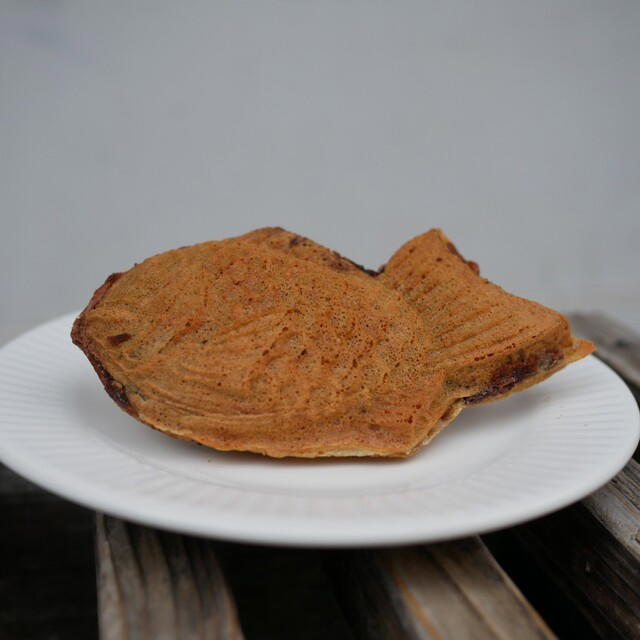
Meguro Hiiragi Himonya kouen doori ten
Tokyo, Japan
Tabelog-recognized taiyaki specialist in residential Meguro, open daily until sell-out and priced under JPY 1,000. Walk-up format trades ceremony for technique; arrive near 11 AM opening for best selection, skip if you need seating or full-service wagashi presentation. Three minutes from Gakugei Daigaku Station.
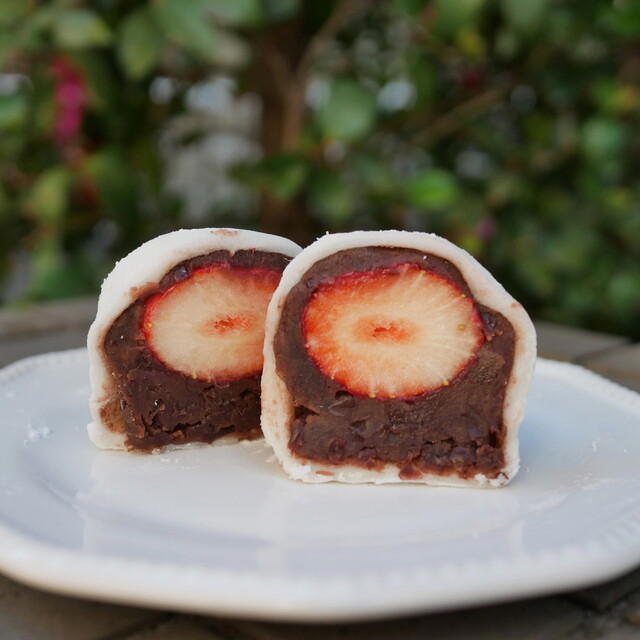
Echigo Tsuruy
Tokyo, Japan
Echigo Tsuruy is a take-out-only mochi specialist in residential Nishi-Ogikubo, recognized in Tabelog's 2023 Top 100 for Japanese sweets. At under JPY 999, the daifuku selection offers traditional craftsmanship without the markup of tourist-district shops. Best for assembling gifts or picnic additions rather than sit-down service, with seasonal releases worth timing repeat visits around.
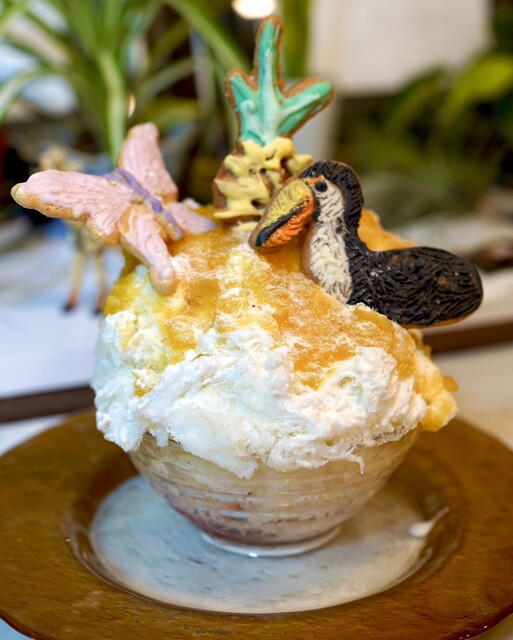
Ichou no Ki
Tokyo, Japan
A Tabelog 100-recognized Japanese sweets café in Shinagawa, serving anmitsu, kakigori, and seasonal wagashi at JPY 1,000–JPY 1,999. Weekend reservations required online; weekday takeaway runs smoother. Expect technical skill in a house-restaurant setting with limited seating and a no-frills payment policy (QR codes only).
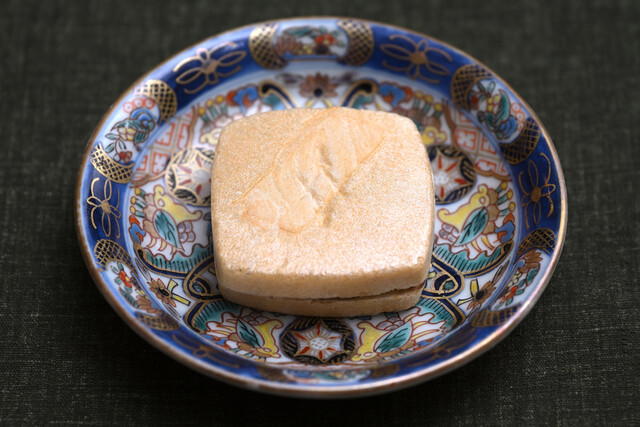
Okashi Dokoro Sasama
Tokyo, Japan
Tabelog 100-recognized traditional sweets shop in Kanda Jinbochō, operating take-out only with most purchases under ¥1,000. The format prioritizes consistent technique over ceremony, making it a practical stop for wagashi without the formality of sit-down service. Open Monday through Saturday, closed Sundays.
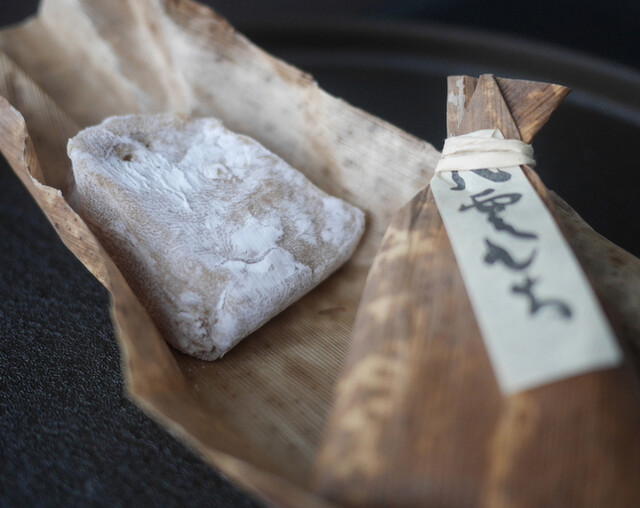
Chimoto
Tokyo, Japan
A Tabelog 100-recognized wagashi shop in Yakumo, two minutes from Toritsu Daigaku Station, offering traditional Japanese sweets in a minimal 10-seat space. Open Monday, Tuesday, Friday through Sunday from 10 AM to 4 PM; expect to spend JPY 1,000 to JPY 1,999 for take-out or on-site consumption. The operation prioritizes consistency over novelty and functions as a quick stop rather than a sit-down café.
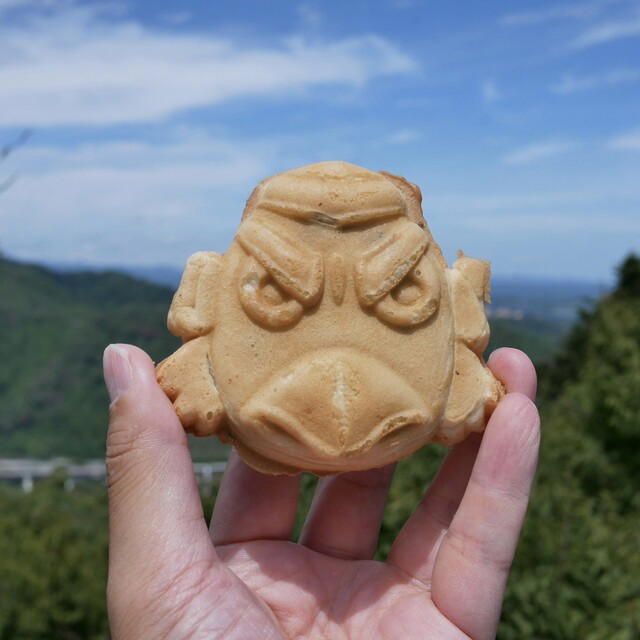
Takao San Sumika
Tokyo, Japan
Takao San Sumika is a take-out sweets counter at the base of Mount Takao's cable car station, selling tenguyaki (tengu-shaped grilled cakes) until they sell out; typically by 3:00 PM. It earned a spot on Tabelog's 2023 Tokyo 100 for Japanese sweets, recognizing reliable execution under JPY 999 rather than refined craft. Worth a stop if you are hiking the mountain; not a destination on its own.
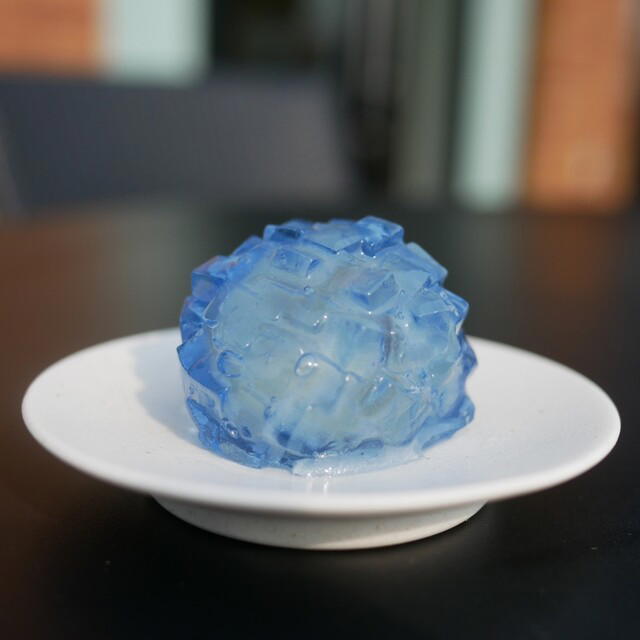
Nihonbashi Nagato
Tokyo, Japan
A Nihonbashi wagashi counter founded in the Kyoho era, this takeaway-only shop earned Tabelog 100 recognition for traditional Japanese sweets at JPY 1,000–JPY 1,999 per visit. Two minutes from Nihonbashi Station, it suits afternoon pickups between 10:00 AM and 6:00 PM (closed Sundays). The centuries-old craft and modest pricing make it a practical stop for seasonal gifts or post-meal sweets, though the lack of seating and evening hours limits spontaneity.
Yoshinoya
Tokyo, Japan
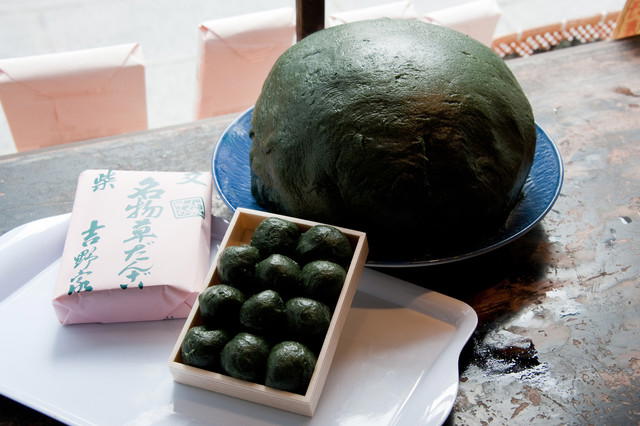
A three-generation family dango shop in Shibamata selling mugwort-heavy kusa dango for under 999 yen, recognized in Tabelog's 2023 Japanese sweets 100. Walk-in only, closes when the day's batch sells out, and shuts down entirely July-August. Best before noon on weekdays to avoid queues and ensure fresh stock.
Ganso Shio Daifuku Mizuno
Tokyo, Japan
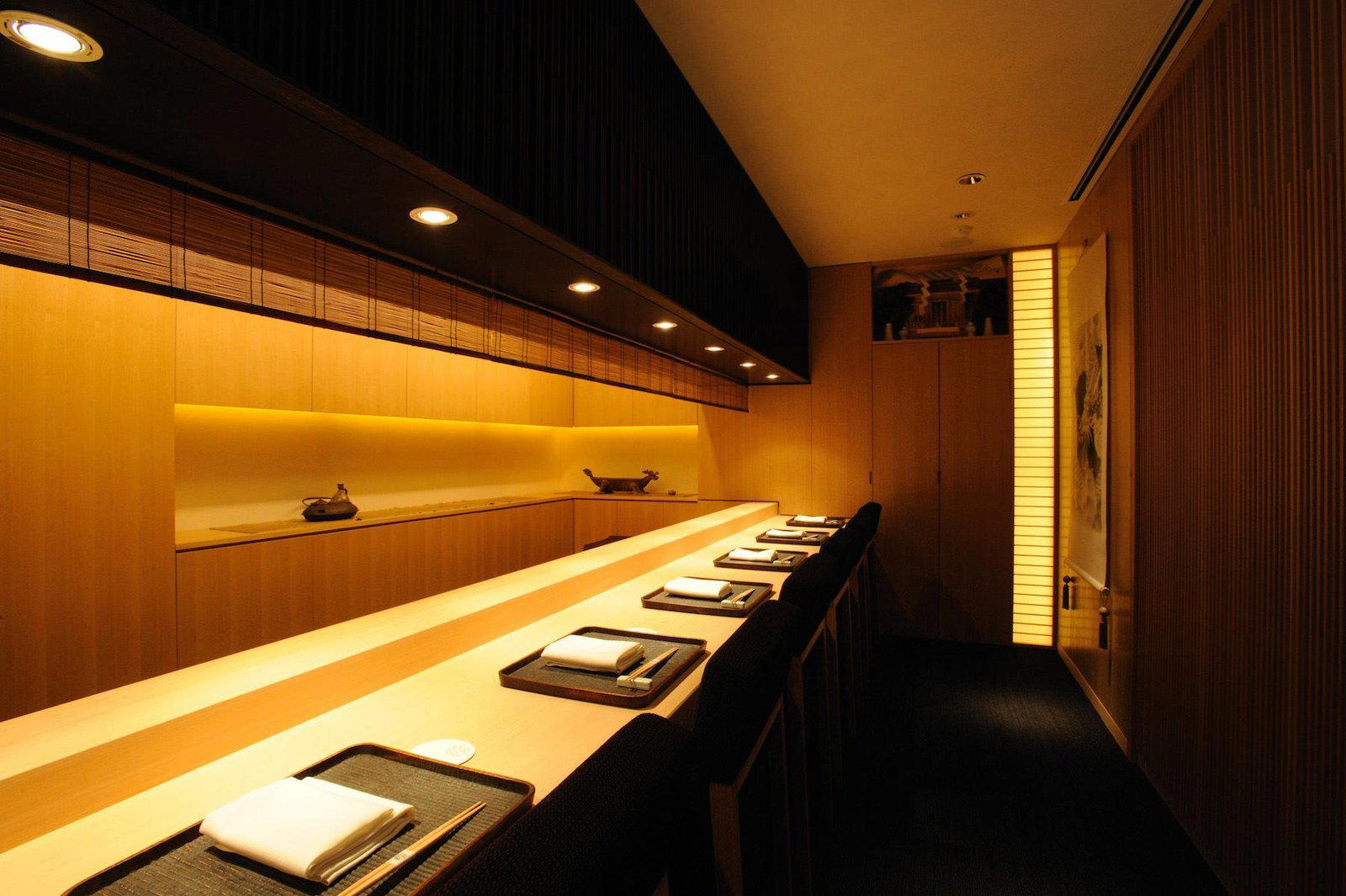
A Sugamo institution serving shio daifuku; salted rice cakes with red bean filling; unchanged for over 50 years. The shop operates as both a take-away counter and a basic café, drawing crowds on market days. Tabelog 2023 recognition confirms consistency rather than innovation. At under JPY 1,000, it's a quick, low-cost stop for a traditional sweet, not a meal destination. Cash only, no reservations.
Toki Ya Shinjuku odakyu haruku ten
Tokyo, Japan
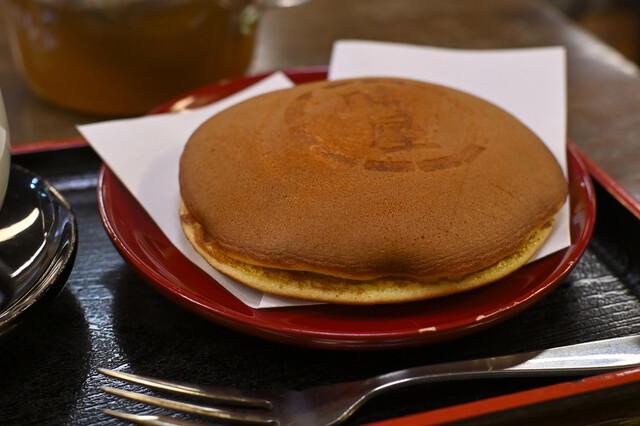
A Shinjuku station-side café serving traditional Japanese sweets under ¥1,000, recognized on Tabelog's 2023 Tokyo wagashi list. Walk-in only, family-friendly, and best for a quick midday stop rather than a crafted seasonal experience. The price and convenience suit travellers testing the category without formal reservations or higher spend.
Echigoya Wakasa
Tokyo, Japan
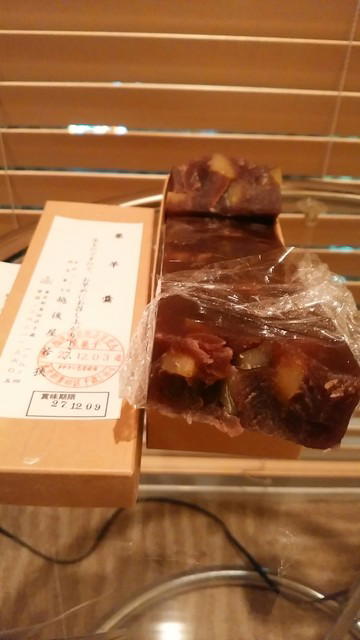
Reservation-only Sumida wagashi shop with five Tabelog 100 selections and a sub-JPY 1,000 price tag. The trade-off for technical craft and value: weekday-only hours, cash-only payment, no photography, and takeaway only. Worth the friction if traditional confections are a priority; skip if convenience matters more.
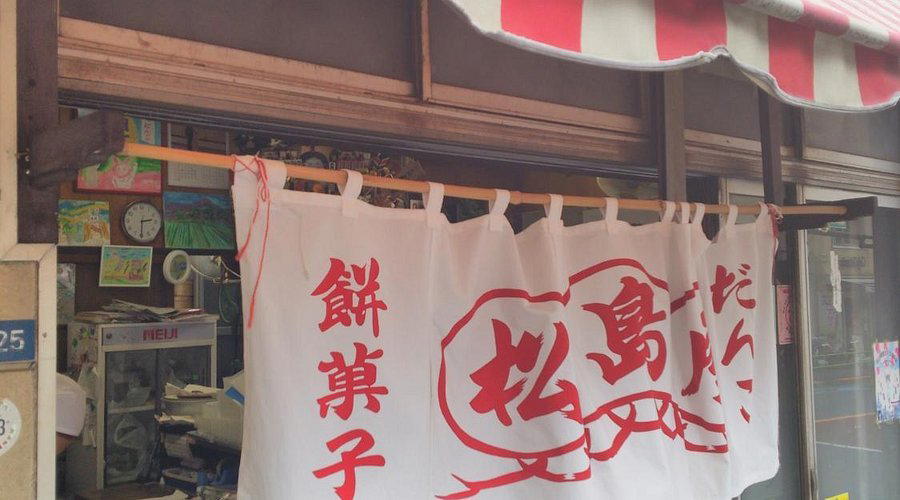
Matsushimaya
Tokyo, Japan
Takeout-only daifuku specialist in Takanawa, open until stock runs out (typically by early afternoon). Six Tabelog 100 selections between 2018 and 2023. No seating, cash-only, under ¥1,000 per visit. Call ahead (+81-3-3441-0539) to reserve, or arrive by 10 AM on weekdays for walk-in odds.
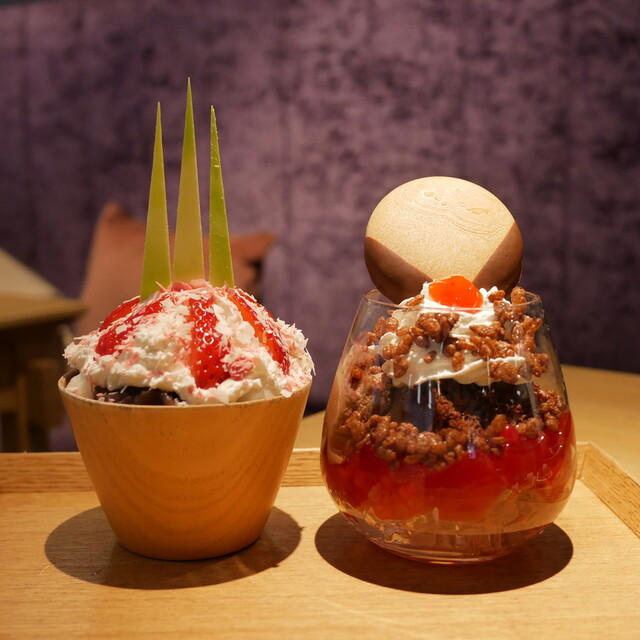
Satei Zenkashoin Shibuya hikarie ShinQs ten
Tokyo, Japan
A Kyoto-heritage wagashi café on Shibuya Hikarie's fifth floor, serving freshly made castella and seasonal kakigōri at JPY 1,000–1,999 per head. Walk-in only, 44 seats, Tabelog 100 Tokyo 2023 (Japanese traditional sweets). Best visited mid-afternoon on weekdays for shorter waits and quieter seating.
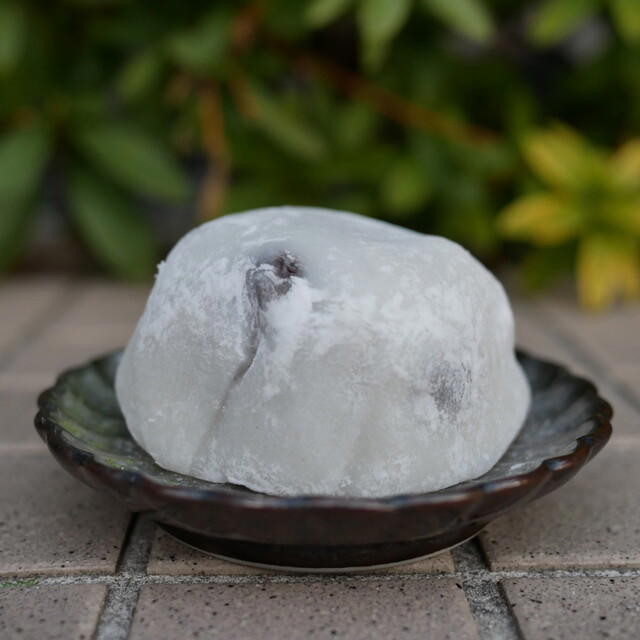
Toranomon Okanoeisen Shinjuku takashimaya ten
Tokyo, Japan
A Tabelog 100-recognized wagashi counter inside Shinjuku Takashimaya, offering daifuku and dorayaki under ¥1,000 with no seating. Efficient for omiyage purchases and quick sweet stops, but lacks the atmosphere or artisan interaction found at dedicated wagashi cafés. Walk-ins welcome; credit cards accepted.
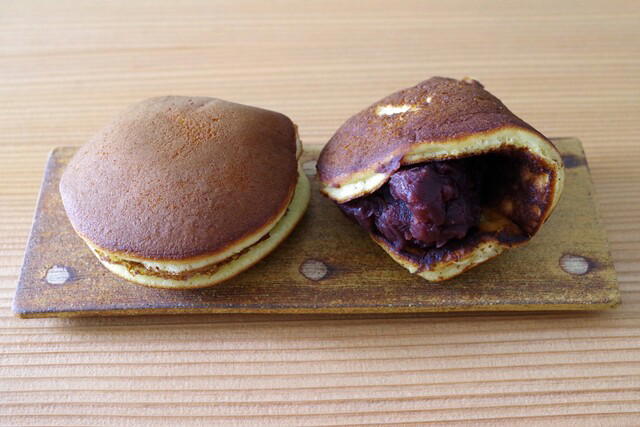
Seijuken
Tokyo, Japan
A weekday-only take-out counter in Nihonbashi serving Tabelog 100-recognized dorayaki and traditional Japanese sweets for under JPY 1,000. The shop operates 9 AM-5 PM Monday through Friday, with no seating and counter service only. Best suited for travelers who want award-recognized craftsmanship in a quick, daytime transaction rather than a full wagashi experience.
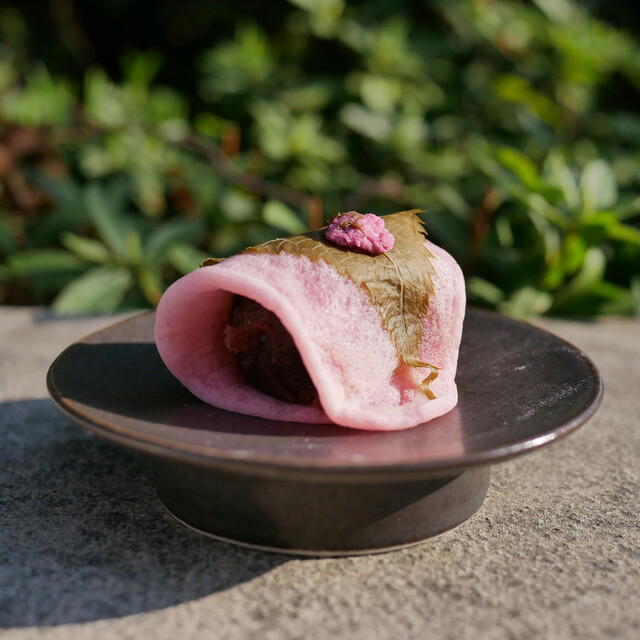
Ginza Kanra Ginza honten
Tokyo, Japan
A Tabelog 100-recognized sweets counter in Ginza delivering award-level daifuku and dorayaki under JPY 1,000. Walk-in only, take-out focused, and open daily. Best for travelers seeking certified quality omiyage without booking or sit-down service.
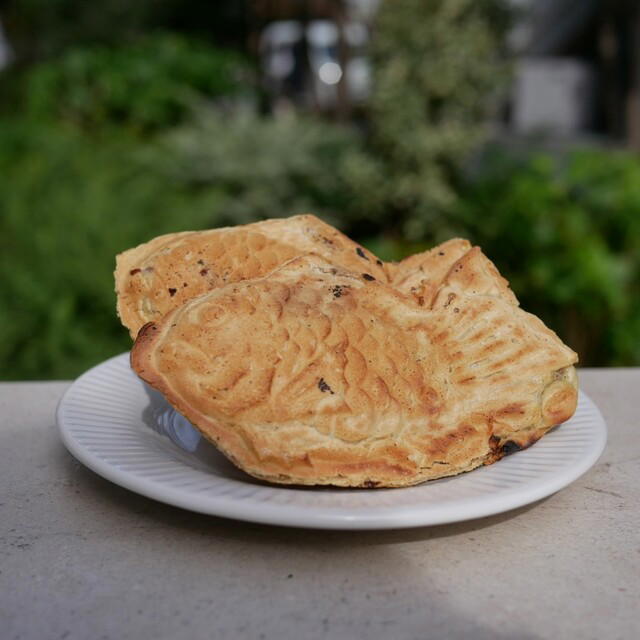
Naniwaya Edogawabashi
Tokyo, Japan
This Tabelog 100-recognized taiyaki counter near Edogawabashi Station serves fish-shaped pancakes with azuki filling for under JPY 999, made to order over gas flame with no seating. Open 10 AM to 6 PM except Tuesdays, it's a fast, cash-only stop for a technically sound snack between bookings rather than a destination meal.
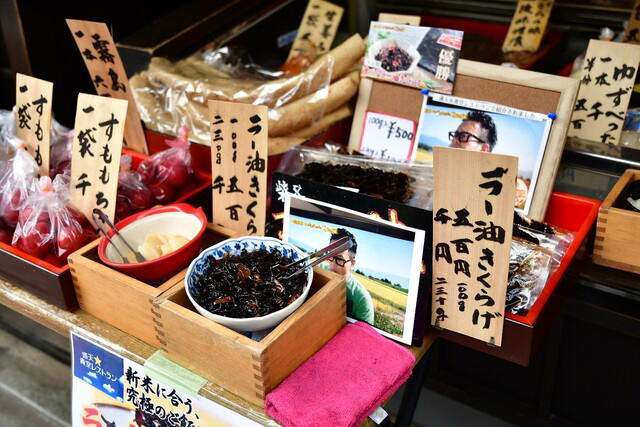
Ishii
Tokyo, Japan
A Tabelog 100-recognized <em>wagashi</em> counter on Shibamata's temple approach, offering traditional Japanese sweets, Western pastries, and <em>dorayaki</em> for under ¥1,000. Take-out only, cash or PayPay, and reservations accepted; rare for this price tier. Best for temple-day visitors willing to queue on weekends.
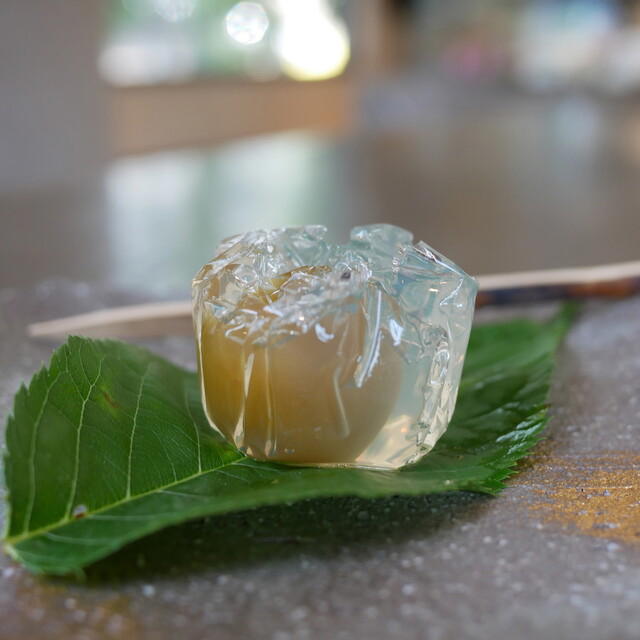
Azabu Shogetsudo
Tokyo, Japan
A Tabelog 100 wagashi shop in Nishiazabu with eight eat-in seats and seasonal sweets priced at JPY 1,000–JPY 1,999. Stock runs out by early afternoon most days, especially during peak sakura and chestnut seasons. Walk-ins welcome, but arrive before 2 PM for full selection. Closed Sundays.
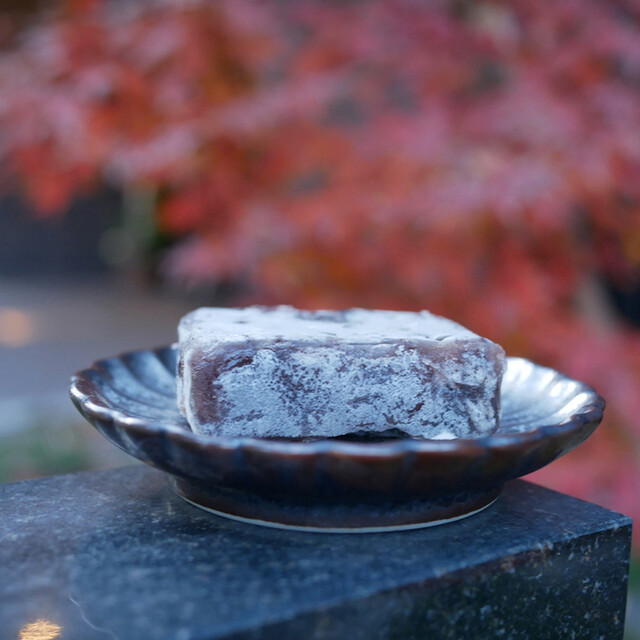
Ichigenya
Tokyo, Japan
A takeaway-only wagashi counter in Kōjimachi, Ichigenya earned its place on Tabelog's 2023 sweets list by serving traditional Japanese confectionery under ¥1,000 to regulars and corporate gift-buyers. No seating, no café atmosphere; just reliable craft sweets picked up on your way through the neighbourhood.
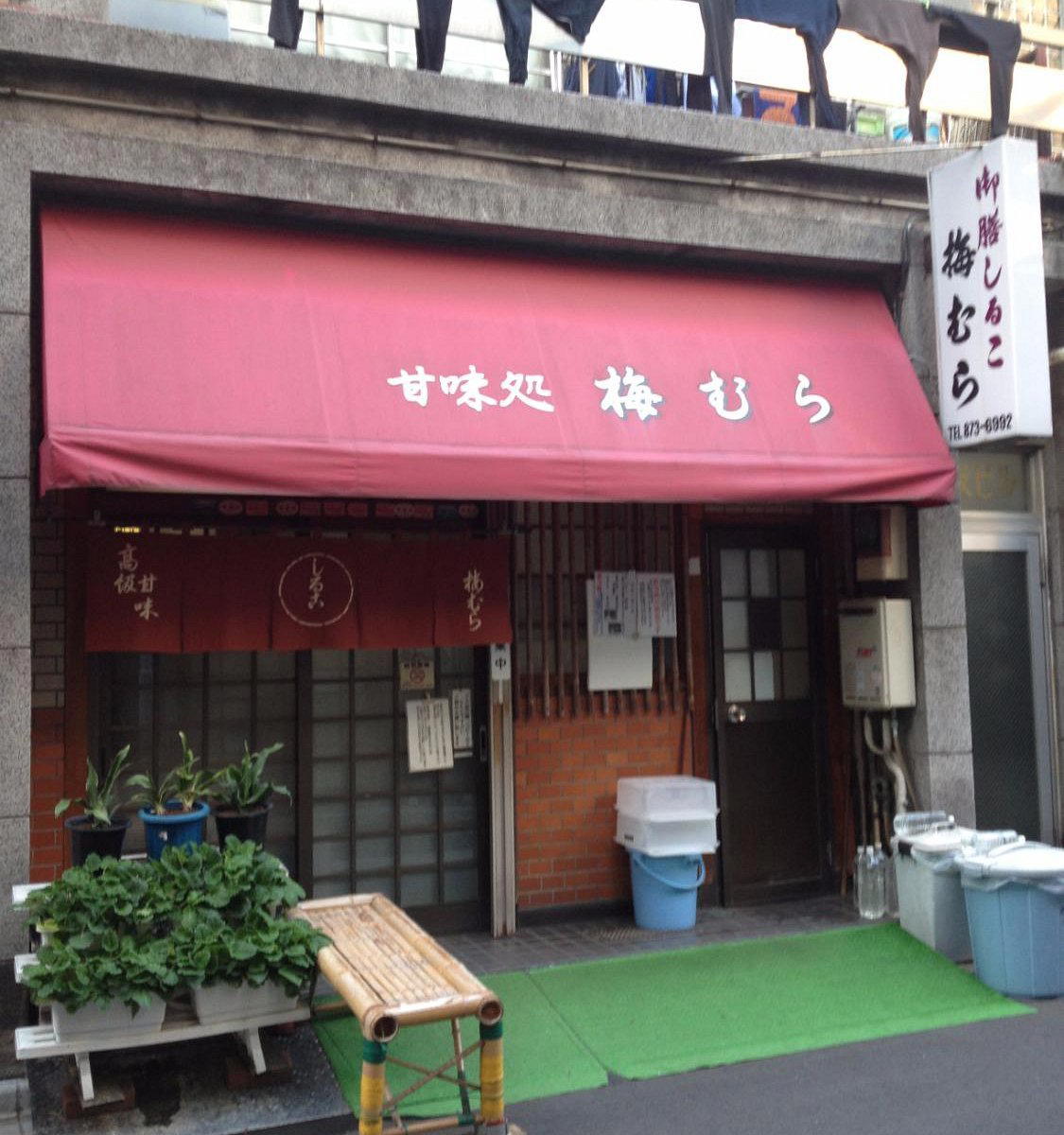
Umemura
Tokyo, Japan
Umemura is a reputation-led Tokyo pick with Tabelog 100 recognition and a 3.8 score, but limited confirmed detail on cuisine, price, wine, seating, or booking format. It suits first-timers who are comfortable choosing on local validation; it is less useful for groups that need every practical detail settled upfront.
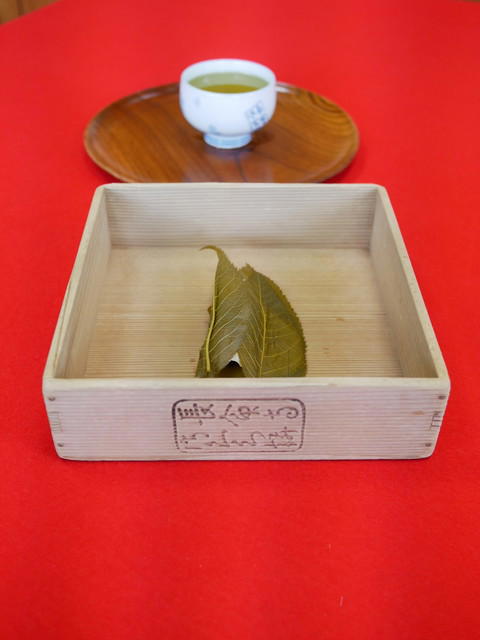
Chomeiji Sakura Mochi
Tokyo, Japan
A Tabelog 100 wagashi shop in Mukojima specializing in Edo-style sakura mochi, priced under ¥999 per piece. The 20-seat tatami room welcomes walk-ins Wednesday through Sunday, though cherry blossom season can trigger takeaway-only service. Worth a stop if you're already near the Sumida River for hanami.
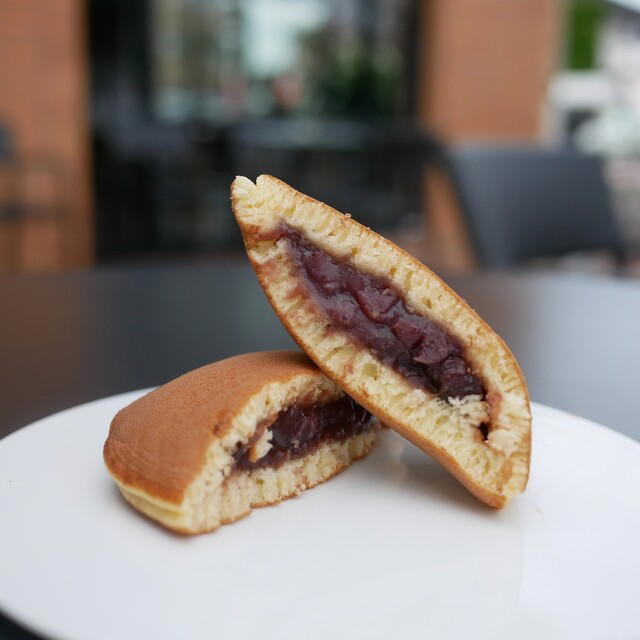
Usagiya
Tokyo, Japan
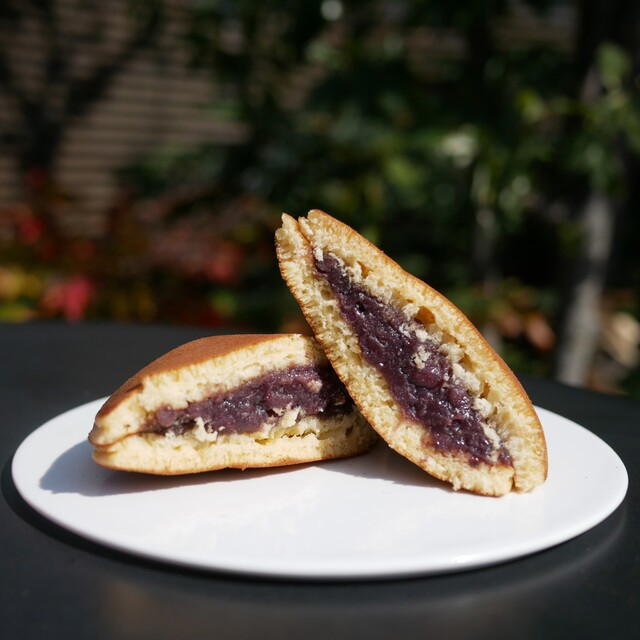
A century-old Ueno shop selling dorayaki and traditional wagashi for under ¥1,000, recognized by Tabelog 100. Take-out only, with a focus on red-bean-paste sweets made using fourth-generation techniques. Best for morning visits when stock is freshest; after 4 PM, reservations are required for dorayaki.
Usagiya Chuo dori ten
Tokyo, Japan
A take-out wagashi counter in Nihonbashi specializing in dorayaki, recognized on Tabelog's Japanese traditional sweets 100 list for Tokyo in 2023. Prices under JPY 2,000, cash-only, no seating. Best visited before 11 AM for full selection. Convenient stop near Tokyo Station for travelers seeking accessible, consistent Japanese sweets without reservation pressure.
Imojin
Tokyo, Japan
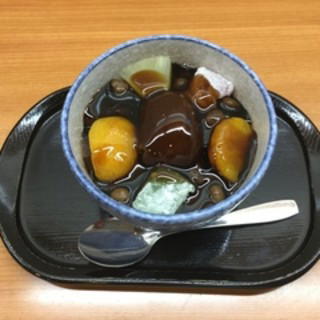
A Nezu café serving traditional anmitsu, ice monaka, and dairy-free ogura ice since the 1910s. Tabelog 2023 selection; under ¥1,000 per person, walk-in only, closes at 6 PM. Best as a quick stop between Nezu Shrine and Ueno, not a standalone destination.
Nakazato
Tokyo, Japan
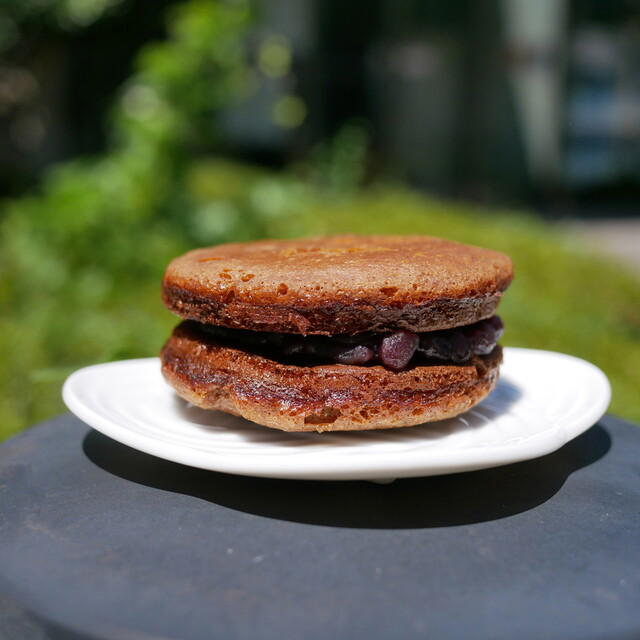
A Tabelog 100 wagashi specialist in residential Komagome, Nakazato offers seasonal Japanese sweets under 1,000 yen per visit. The take-out counter serves neighborhood regulars and savvy visitors who want traditional technique without tourist-district pricing. Cash only, limited English, best visited mornings for full selection.
Tsuruse Yushima honten
Tokyo, Japan
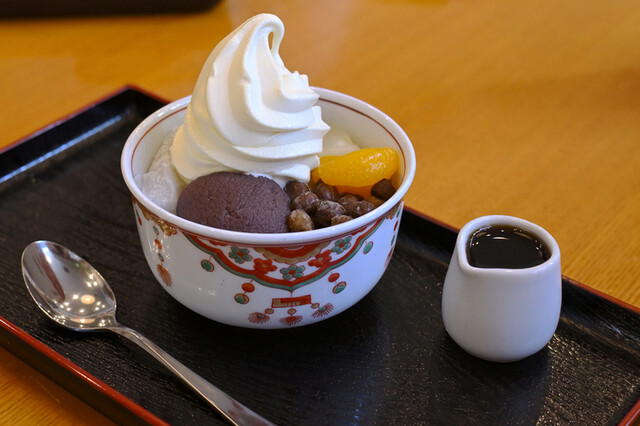
Tsuruse Yushima honten is a Tabelog 100 takeaway and cafe near Ueno, specializing in daifuku and traditional Japanese sweets at under 1,000 yen. Walk-ins only, no reservations required. The 28-seat cafe offers a quiet stop for tea and seasonal sweets, with turnover fast enough to handle weekend crowds. Worth a visit if you're already in the neighborhood; the format is practical rather than immersive.
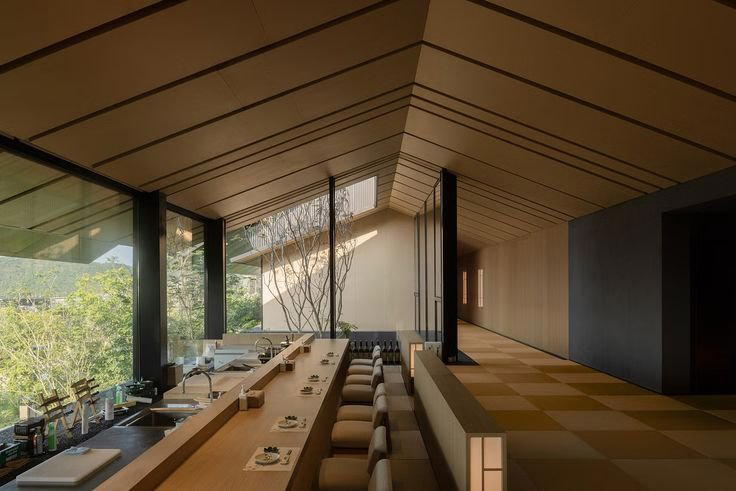
hatsune
Tokyo, Japan
A solo-chef Chinese restaurant in Meguro with a 2025 Michelin Plate and, Hatsune delivers careful noodle-led lunches and à la carte evening dining at a ¥¥ price point. The appetiser platter and Yellow Mapo Tofu with Seafood are the standout orders. Book ahead; it is small, and it is worth it.
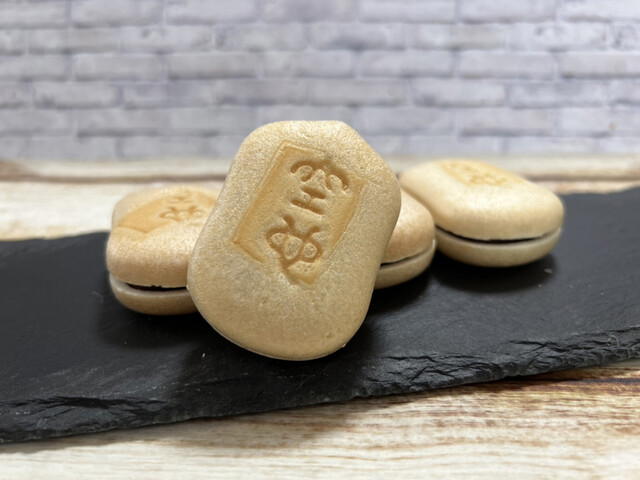
Kuya
Tokyo, Japan
This century-old Ginza wagashi shop delivers technically refined traditional sweets at JPY 1,000–1,999 per visit, earning repeat Tabelog Top 100 recognition since 2018. Take-out only with advance reservations required for weekends; no counter seating or tea service, just pure confectionery craft at a fraction of typical Ginza pricing.
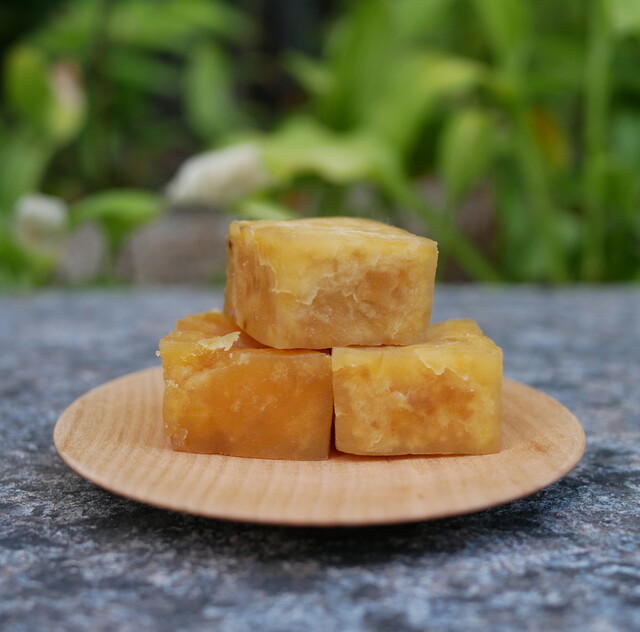
Naruto Kintoki Honpo Kurio Shoten Guransuta ten
Tokyo, Japan
Use Naruto Kintoki Honpo Kurio Shoten Guransuta ten as a quick Tokyo Station stop, not a full meal plan. The price range is modest at JPY 1,000 - JPY 1,999, and the Tabelog 100 #53 recognition gives it more credibility than a random station snack counter.
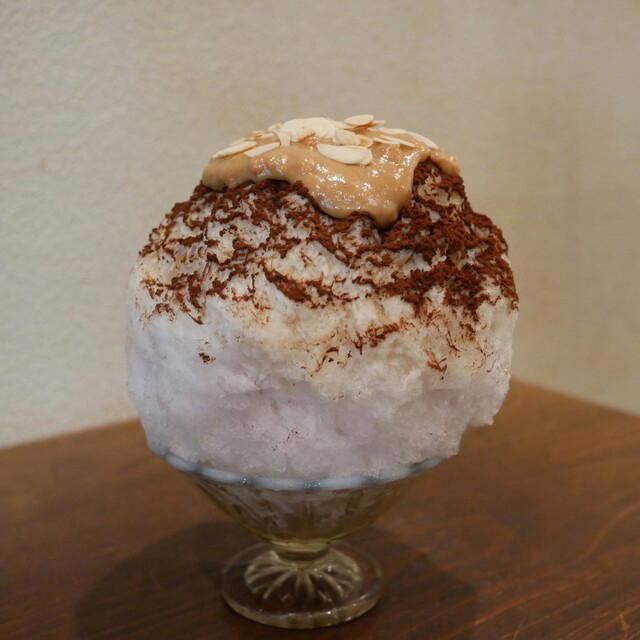
Asakusa Naniwaya
Tokyo, Japan
Asakusa Naniwaya serves hot taiyaki (fish-shaped cakes filled with red bean paste) in a 14-seat shop one minute from Asakusa Station. The shop has held a spot on Tabelog's sweets lists since 2018, signaling consistent quality. Expect JPY 1,000–JPY 1,999 per visit, cash only, and weekend queues. It's a practical stop for casual sweets rather than a sit-down café experience.
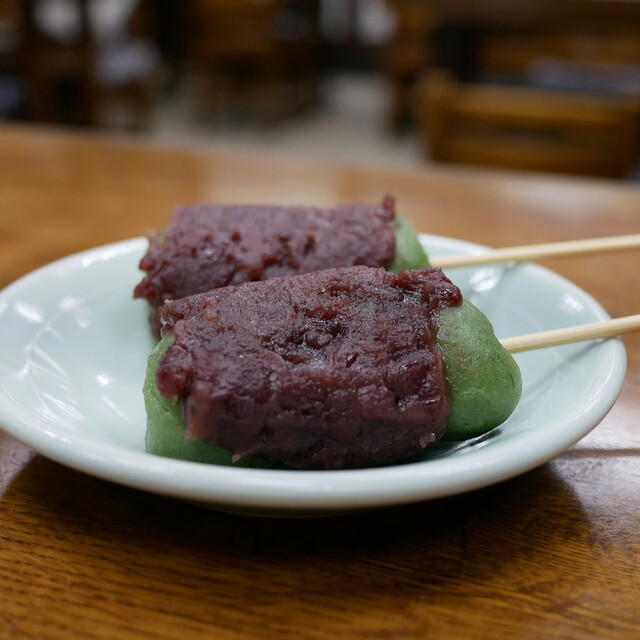
Takagiya Roho
Tokyo, Japan
A Tabelog 100-recognized wagashi shop and café in Shibamata serving traditional Japanese sweets under ¥1,000 per head. The 80-seat format pairs temple-district accessibility with reliable technique, though service leans casual and takeaway-focused rather than immersive. Walk-ins welcome daily; skip it if you want omakase-level ceremony.
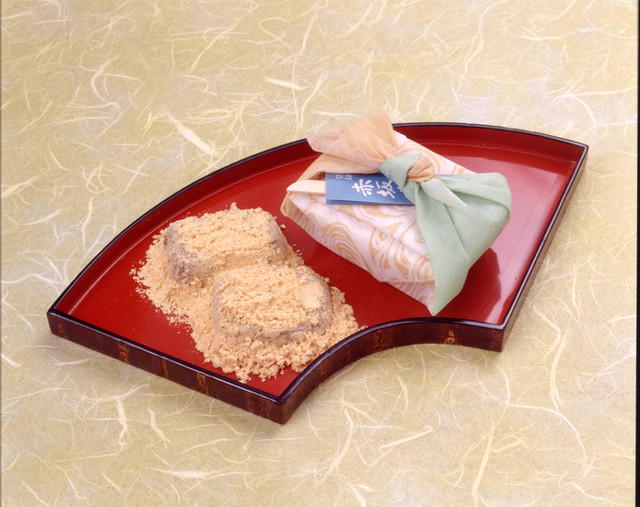
Akasaka Aono Honten
Tokyo, Japan
A 1899-founded wagashi shop in Akasaka's business district, recognized in Tabelog 100 Japanese traditional sweets TOKYO 2023. This is a take-out counter operation prioritizing ingredient transparency and natural flavors, not a sit-down café. Purchase requires advance planning for certain items; closed Sundays. Practical for omiyage purchases, but not a destination experience.
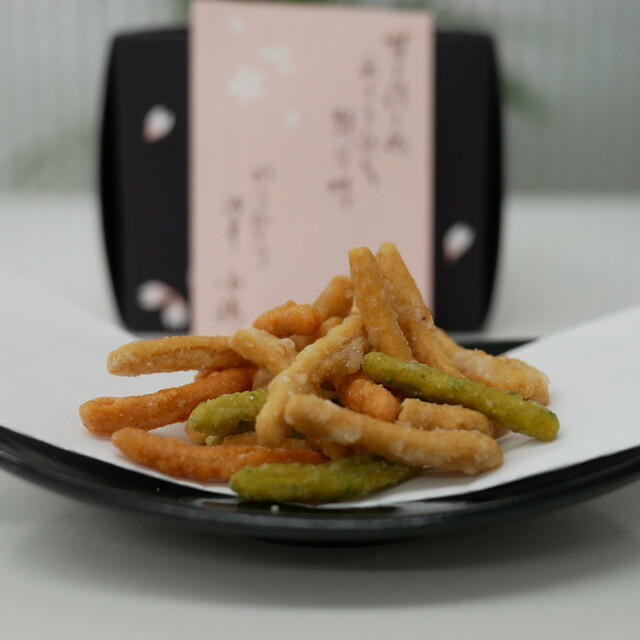
Karinto Kozakura
Tokyo, Japan
Karinto Kozakura is a Tabelog 100-recognized takeaway shop in Asakusa specializing in hand-fried karinto, Tokyo's traditional molasses-coated sweet. At under ¥999 per purchase, it offers award-winning craft at budget-friendly prices, with no seating and Sunday closures. Walk-ins dominate; book ahead only for gift boxes during high-demand periods.
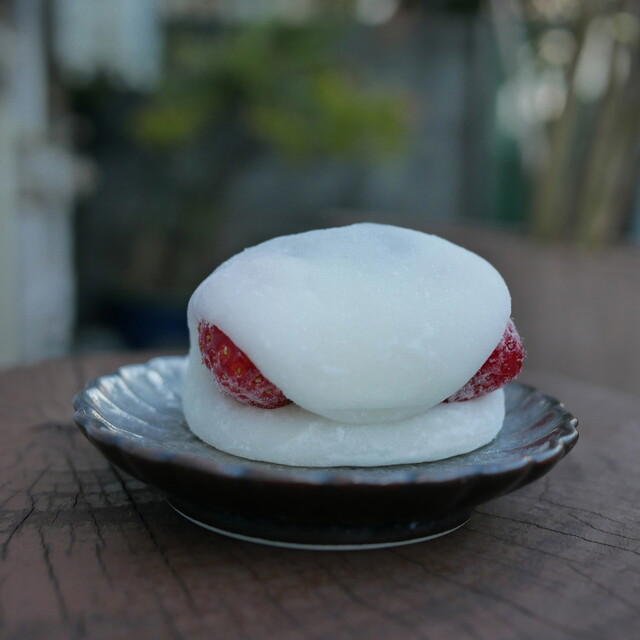
Miyabi An
Tokyo, Japan
A Tabelog-recognized neighborhood wagashi shop in Higashiyama offering seasonal Japanese sweets under ¥1,000. No reservations, no seating; just take-out service Thursday through Monday, best visited in the morning when selection is fullest. The format suits casual errands and thoughtful gifts rather than sit-down occasions.
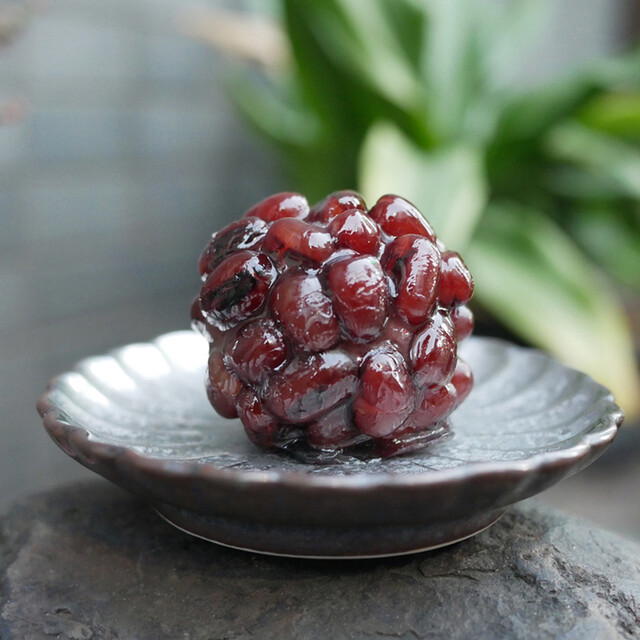
Suikou Dou Honten
Tokyo, Japan
Suikou Dou Honten is a takeout-only wagashi shop in Chuo that made Tabelog's 2023 Tokyo 100 list for traditional Japanese sweets. Spend JPY 1,000–1,999 for daifuku and seasonal sweets executed with traditional technique and no tourist markup. The shop operates weekdays until 6 PM and Saturdays until 2 PM, closed Sundays. Reservations available; walk-ins work well for quick pick-ups near Hatchobori Station.
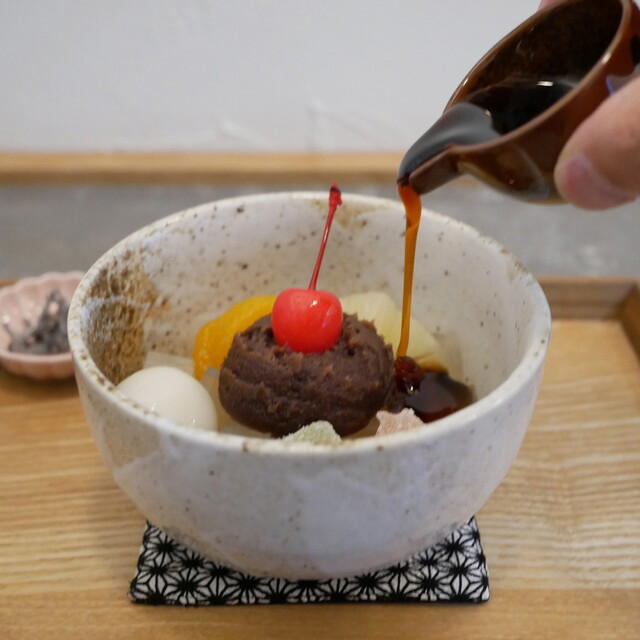
Fukuo Shoten
Tokyo, Japan
A Kanda Sudacho wagashi specialist with Tabelog 100 recognition, offering handmade traditional sweets under ¥999 in a take-out format. Small-batch production means morning visits (10–11 AM) secure the best selection, and the shop closes Mondays and Sundays. Café service is suspended, so this is a grab-and-go stop for high-quality, budget-friendly traditional sweets.
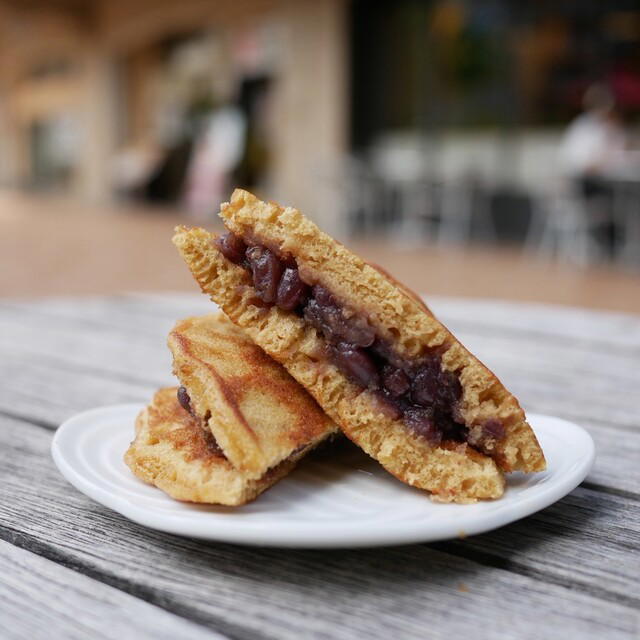
Isuzu
Tokyo, Japan
A Tabelog 100-recognized wagashi shop in Kagurazaka offering traditional Japanese sweets, dorayaki, and senbei at under JPY 999. Take-out only, walk-ins accepted, and family-friendly. The craft is solid, the price is low, and the format is no-frills; worth a stop for an affordable taste of Japanese confectionery without the ceremony.
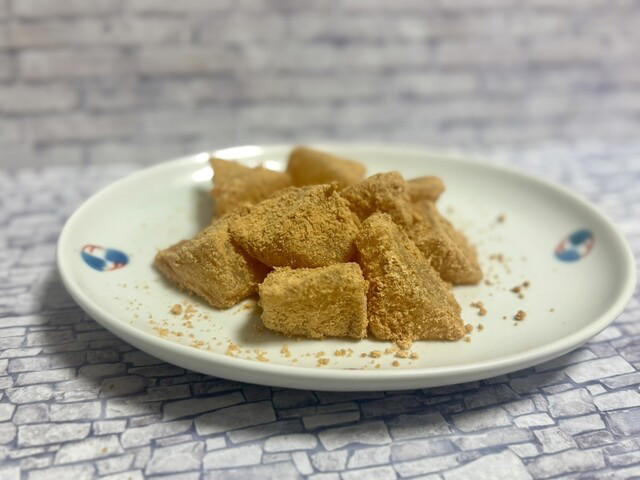
Gyokueido Hikokuro
Tokyo, Japan
A 450-year-old Kyoto dorayaki recipe relocated to Ningyocho's compact takeaway counter. Tabelog 100-recognized for under-¥999 traditional sweets, cash-only, no seating, and strict photography rules. Best for souvenir hunting between stations, not for lingering or ceremony.
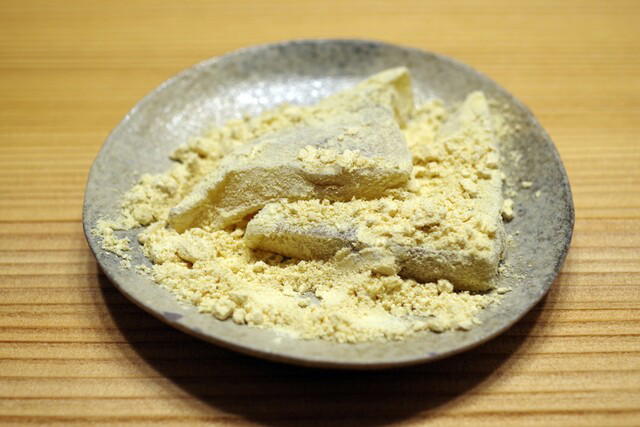
Mejiro Shimura
Tokyo, Japan
A Tabelog 100 wagashi shop and café two minutes from Mejiro Station, offering seasonal Japanese sweets and kakigōri at JPY 1,000–1,999. Reservations recommended during summer; walk-ins feasible most other months. Best suited for afternoon sweets breaks rather than full meals, with a 55-seat room that welcomes solo diners and families alike.
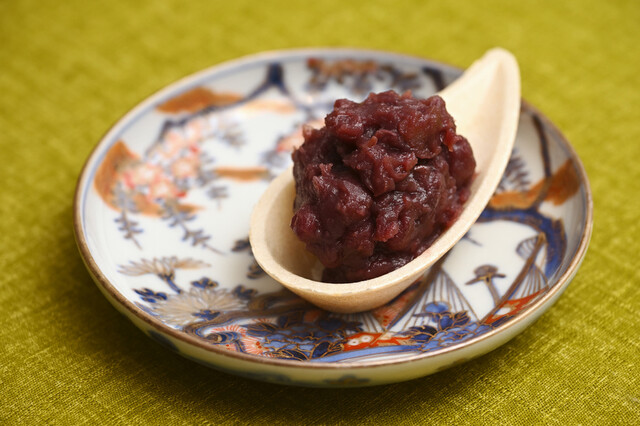
Suzumeya
Tokyo, Japan
A small house shop in Minami-Ikebukuro serving exceptional dorayaki, monaka, and seasonal dried sweets at under ¥1,000, open Thursday–Saturday until sell-out. Tabelog 100 recognition since 2020 confirms consistent craft, but cash-only, take-out-only format and limited hours require advance planning. Worth the trip for travelers prioritizing authentic wagashi over department-store ceremony.
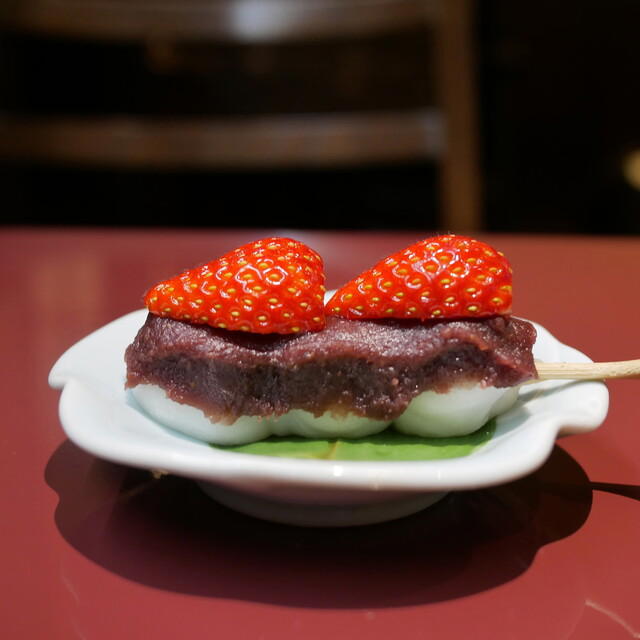
Oiwake Dango Honpo Shinjuku honten
Tokyo, Japan
Tabelog 100-recognized Japanese sweets shop in Shinjuku offering grilled dango, kakigori, and wagashi at JPY 1,000–1,999. No reservations required; takeaway-focused with limited café seating (30 seats, closes 6 PM daily). Best for quick, quality-vetted sweets between shopping or sightseeing; not a destination tasting experience.
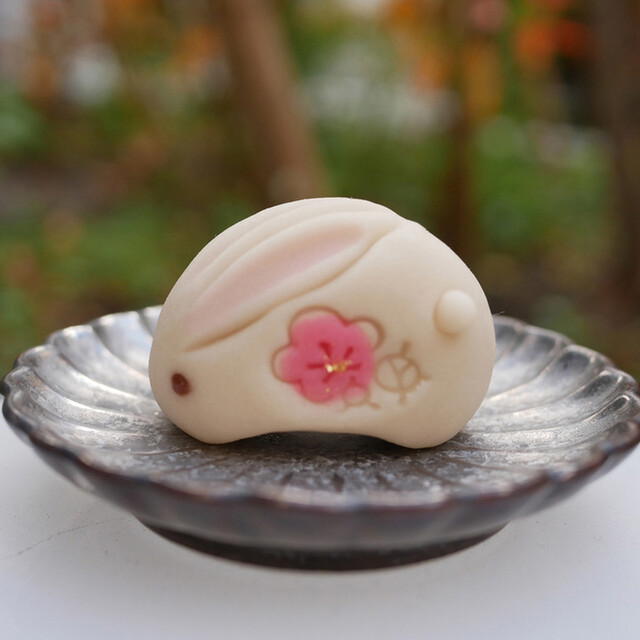
Shiono
Tokyo, Japan
Shiono is a takeaway-only wagashi shop in Akasaka specializing in dorayaki and traditional Japanese confections, priced at JPY 1,000–1,999 and recognized in Tabelog's 2023 Tokyo sweets list. No seating, no reservations pressure, and weekday hours until 6 PM make it a practical stop for portable gifts or snacks near Akasaka Station.
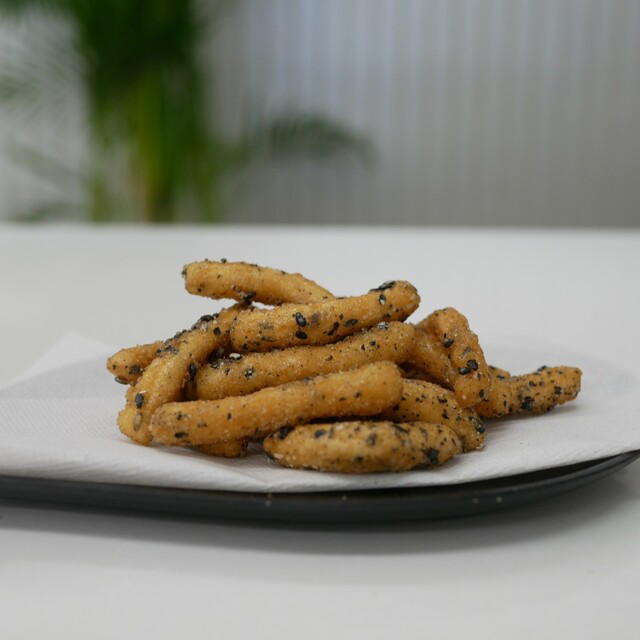
Nihonbashi Nishikihorin Karintou senmonten
Tokyo, Japan
A Gransta B1 take-away counter specializing in karintou (fried wheat-dough sweets), recognized in Tabelog's 2023 Japanese Traditional Sweets 100 for Tokyo. Boxes under 1,000 yen, open 8 AM–10 PM most days, 31 meters from Tokyo Station's main concourse. A quick, credible omiyage stop for travelers who want traditional sweets without department-store markups, though the no-seating format skips the tea-pairing experience found at sit-down wagashi shops.
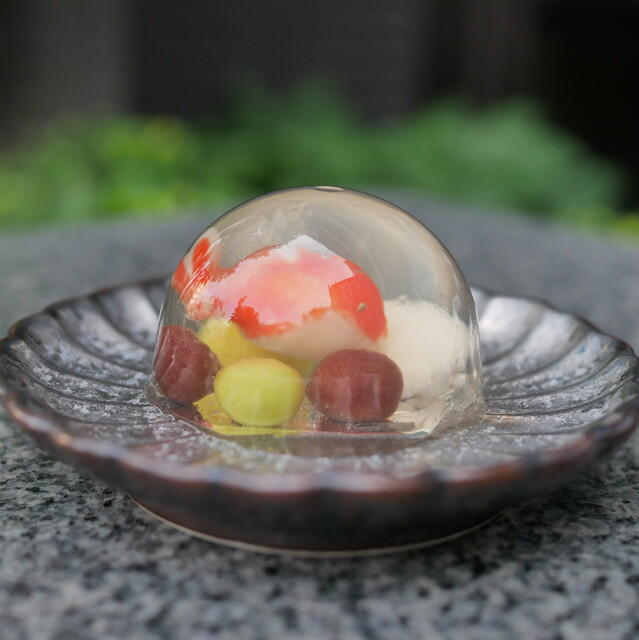
Baika Tei Kagurazaka honten
Tokyo, Japan
Tabelog 100-recognized wagashi shop in Kagurazaka selling daifuku and dorayaki under JPY 1,000. Counter-style takeaway setup with reservation option. Best visited in the morning or early afternoon when seasonal items are still in stock, and worth a repeat trip to compare daifuku, dorayaki, and limited-run sweets across multiple visits.
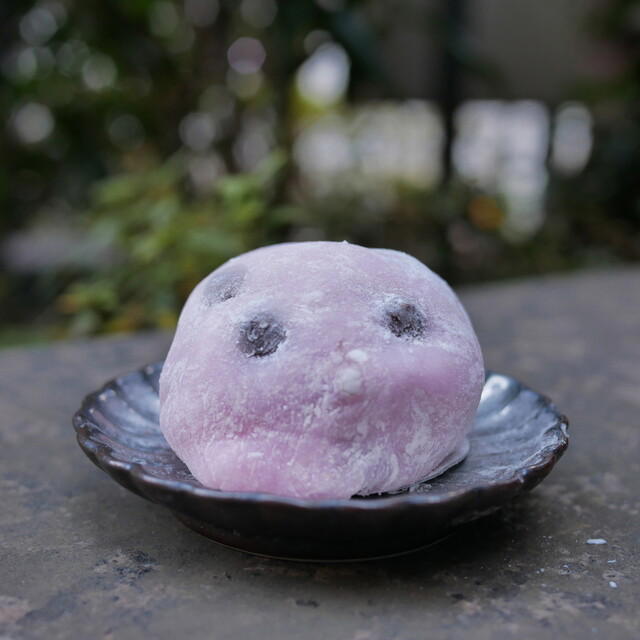
Wagashi Dokoro Oosumi Tamaya Ginza ten
Tokyo, Japan
A Tabelog 100-listed wagashi shop in Ginza offering daifuku and dorayaki under ¥1,000. Walk-in-friendly take-out format, daily seasonal rotation, and a practical alternative to Ginza's pricier sit-down tea rooms. Best for quick snacks between shopping or before evening dining reservations.
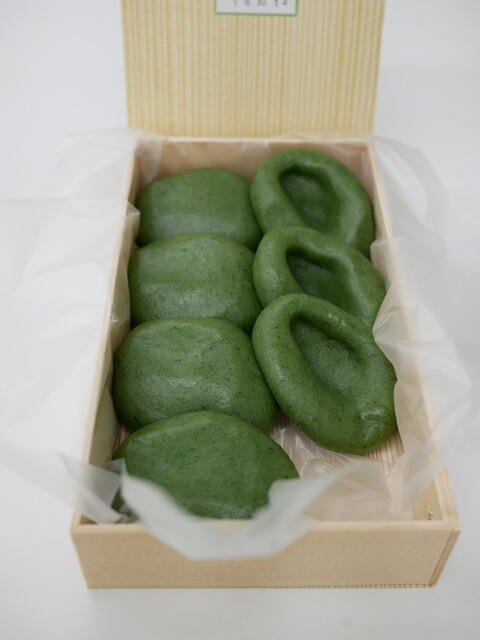
Jiman Kusamochi
Tokyo, Japan
Jiman Kusamochi is a takeout-only traditional sweet shop in Sumida Ward, recognized on the Tabelog 100 for Japanese sweets in 2023. Specializing in kusamochi and dorayaki at under ¥1,000, it offers high-quality wagashi in a no-frills format; walk-ins welcome, but expect a counter transaction with no seating. Worth the detour for travelers exploring east Tokyo or seeking handmade sweets that travel well.
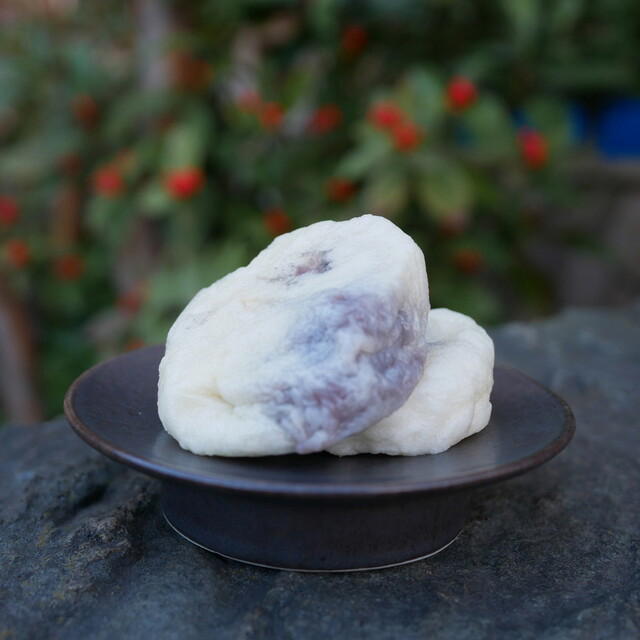
Takahashi no Saka Manju
Tokyo, Japan
A tiny Ogikubo take-out shop selling sake manju for under 1,000 yen, open just two hours daily and named to Tabelog's 2023 wagashi Top 100 for Tokyo. Reservations by phone from 9 AM, pick-up by noon; worth the early call if you're tracking down Tokyo's benchmark traditional sweets at everyday prices.
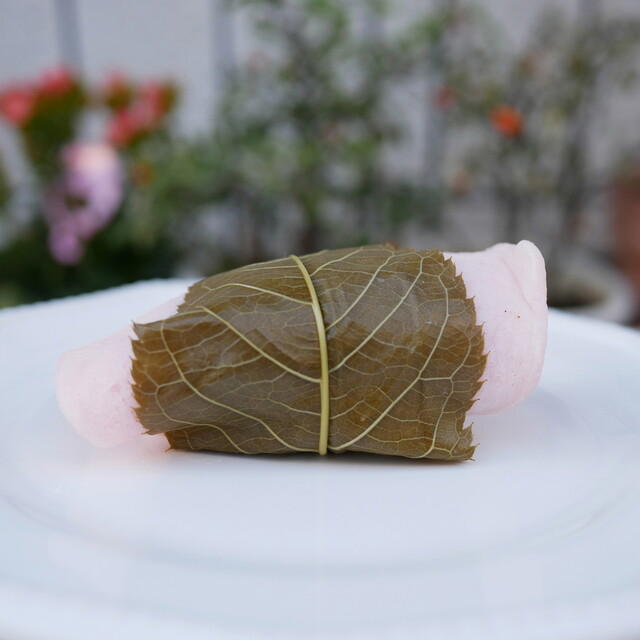
Kitaya
Tokyo, Japan
Nishi-Ogikubo daifuku specialist with a 2023 Tabelog 100 nod and sub-JPY 1,000 pricing. Takeaway-only, three-minute walk from Nishi-Ogikubo Station, and reservations available; book ahead for weekend stock. Closed Mondays and Tuesdays.
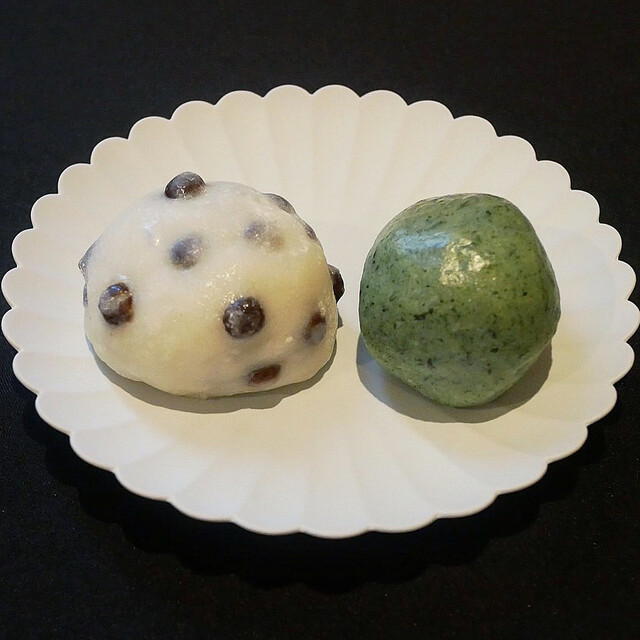
Asada Ya
Tokyo, Japan
Takeaway-only daifuku counter in Akasaka, two minutes from Tameike-Sanno station. Tabelog 2023 Tokyo Wagashi 100 selection at under JPY 999, cash only, weekday hours 9 AM–4 PM. No seating; arrive before mid-afternoon for best selection, skip if you need weekend access or prefer sit-down service.
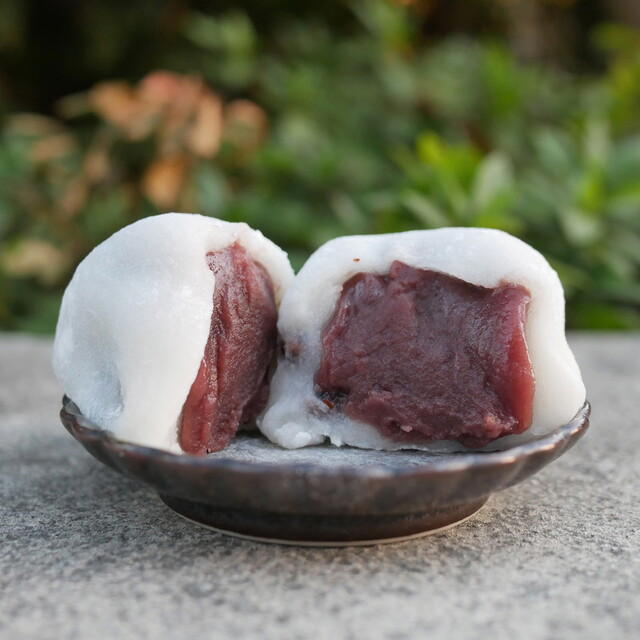
Toranomon Okanoeisen
Tokyo, Japan
Toranomon Okanoeisen is a weekday-focused wagashi take-out shop near Toranomon Hills, recognized on Tabelog's 2023 Tokyo 100 list for reliable daifuku and dorayaki under 1,000 yen. Cash-only, no seating, closed Sundays; this is a neighborhood specialist for office workers, not a destination confectionery. Worth a stop if you are already in the area and want to understand Tokyo's accessible end of the Tabelog wagashi spectrum.
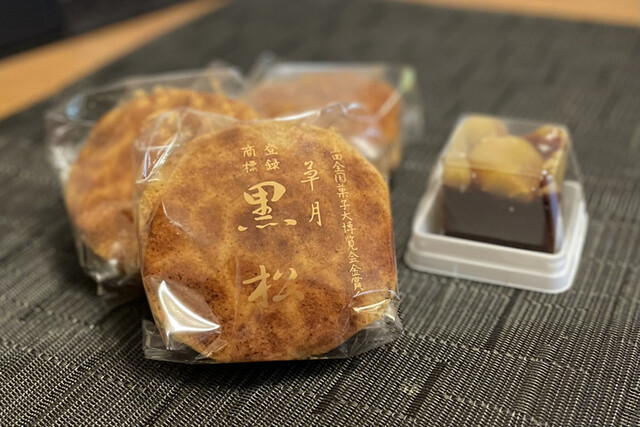
Kuromatsu Honpo Sogetsu
Tokyo, Japan
Kuromatsu Honpo Sogetsu is a takeaway-only Japanese sweets shop in Kita City that has earned Tabelog 100 recognition five times for its dorayaki. The format is counter service with no seating, prices stay under ¥1,000, and the red bean-filled pancakes travel well. Reservations are accepted, which is rare for a shop of this kind and worth using to avoid the queue.
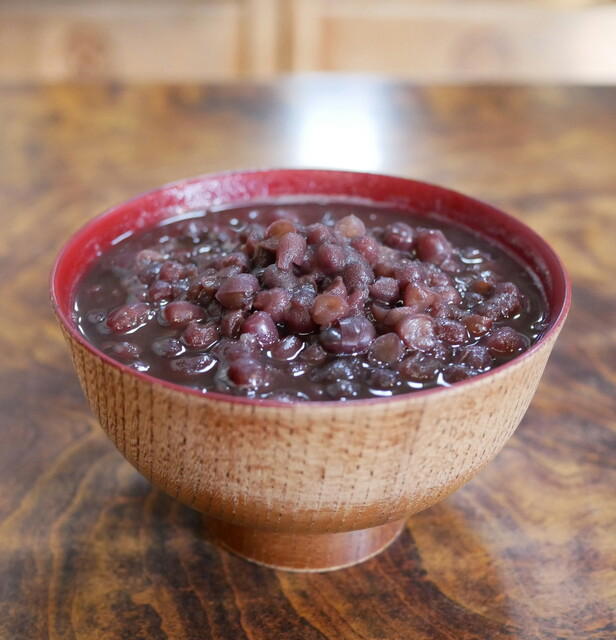
Amai Ko
Tokyo, Japan
Amai Ko works as a low-cost daytime stop in Suginami, especially for solo diners or pairs building a west-side Tokyo food day. The draw is value plus a Tabelog 100 #78 recognition marker, not ceremony or a long dinner format. Go Tuesday to Sunday for lunch or afternoon; skip it for large groups or strict dietary needs.
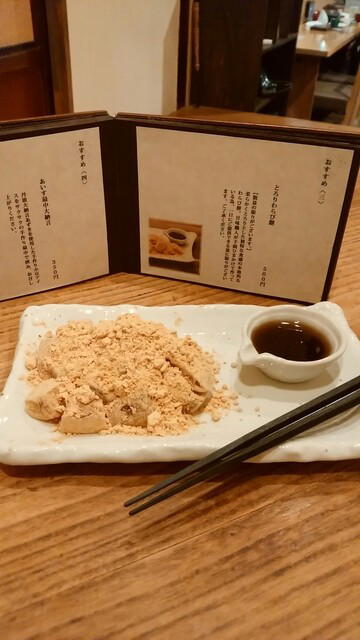
Hokusai Sabo
Tokyo, Japan
A 25-seat wagashi cafe in Sumida's Kamezawa neighborhood, Hokusai Sabo specializes in warabimochi, kakigori, and kamameshi at JPY 1,000–1,999 per person. Selected for Tabelog's Japanese Traditional Sweets & Sweets Cafe 100 Best in Tokyo three times (2020, 2022, 2023), the walk-in-only spot rewards early arrivals; warabimochi often sells out by mid-afternoon. The cafe sits nine minutes north of Kinshicho Station in a residential pocket of east Tokyo, offering counter, table, and tatami seating for families and solo diners alike.
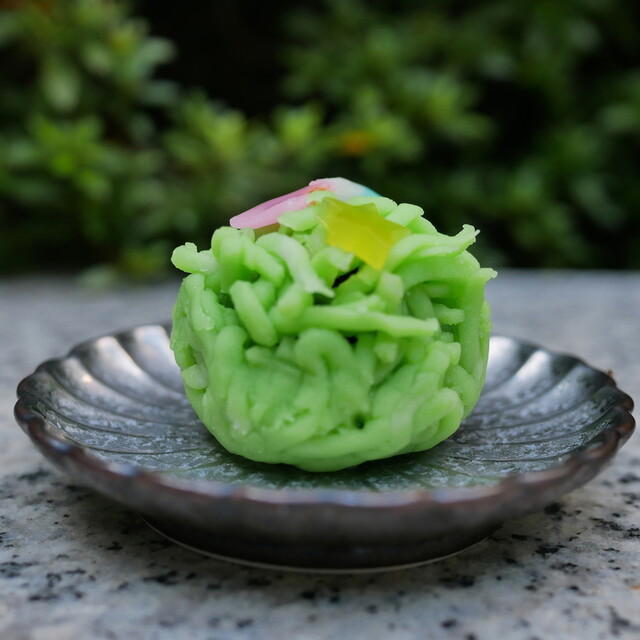
Kasho Kikuya
Tokyo, Japan
Ninth-floor Minami-Aoyama wagashi specialist recognized in Tabelog's 2023 Tokyo traditional-sweets list, operating take-out only at under JPY 999. The format prioritizes portability and craft over ambiance, with Tuesday–Saturday hours and walk-in availability most weekdays.
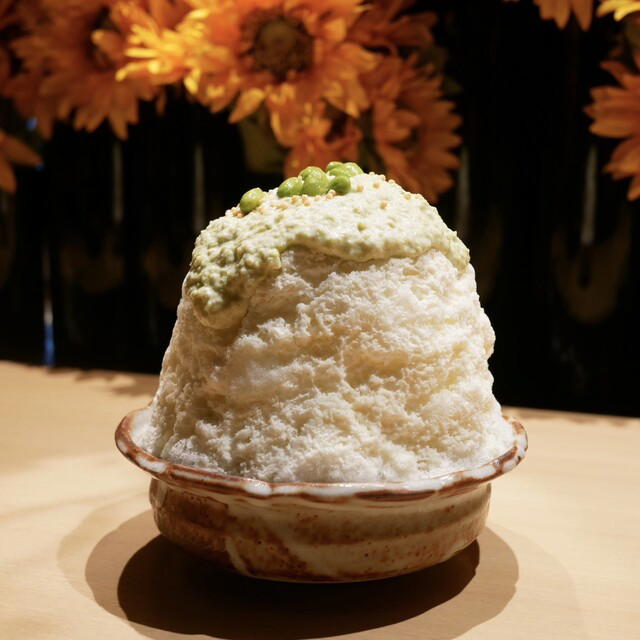
Kuriya Kurogi
Tokyo, Japan
A walk-in Japanese sweets cafe inside Parco-ya Ueno, recognized in Tabelog's 2023 Tokyo sweets list for technically precise kakigori and seasonal wagashi at JPY 2,000–2,999. Service is self-directed and waits can stretch past an hour on weekend afternoons, but morning slots stay quiet. Best for travelers seeking a quick, high-quality stop between Ueno museums rather than a formal tea-house experience.
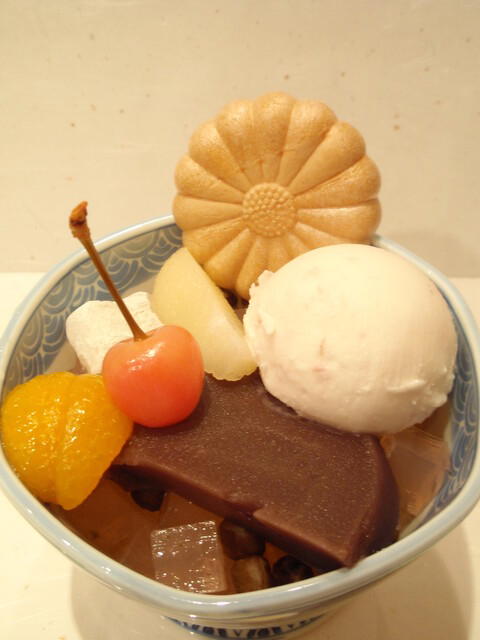
Kikumaru
Tokyo, Japan
A Tabelog 100–recognized sweets counter in Asakusa serving seasonal kakigori and anmitsu under ¥999. Reservations accepted weekdays only; walk-ins welcome weekends. Best visited early afternoon to avoid lines, especially during summer kakigori season. Counter seating only, cash-only payment, no-fuss service.
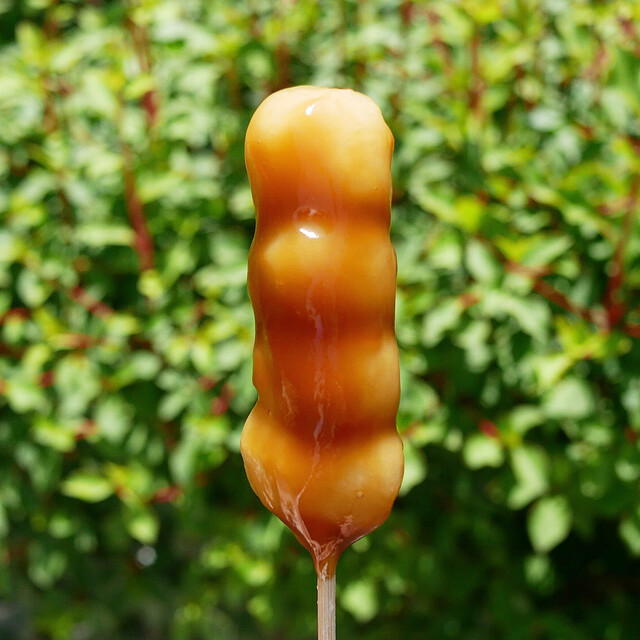
HIGASHIYA man
Tokyo, Japan
HIGASHIYA man is a Tabelog 2023 Top 100 takeaway wagashi shop in Omotesando, offering daifuku and traditional Japanese confections for under JPY 999. The no-seating format suits travelers hunting quick gifts or portable snacks, but skip it if you want a sit-down tasting experience. Go early for best selection and pair it with nearby Omotesando shopping or museum visits.
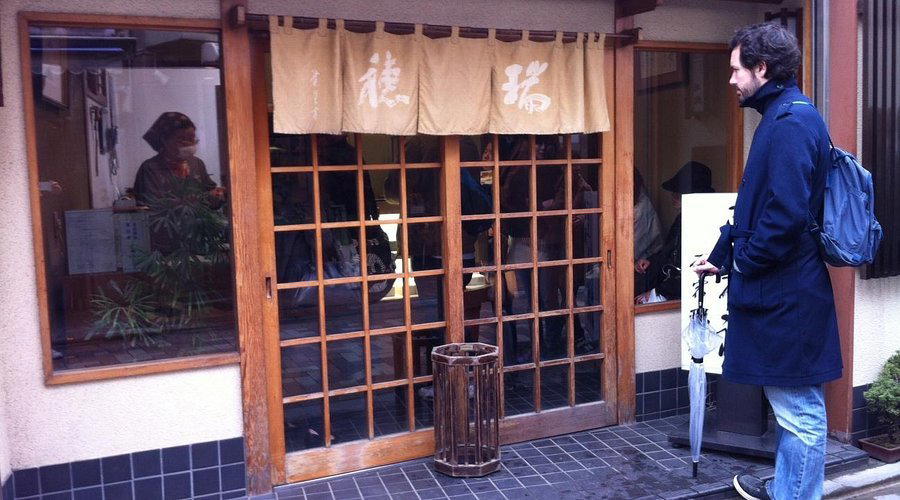
Mizuho
Tokyo, Japan
Takeaway-only daifuku counter in Jingumae, recognized on the 2023 Tabelog 100 list for Japanese traditional sweets. Opens at 9 AM and sells out before noon most days; expect under 1,000 yen per purchase, cash only, no seating. A morning-only stop for mochi specialists, not a lingering tea-service experience.
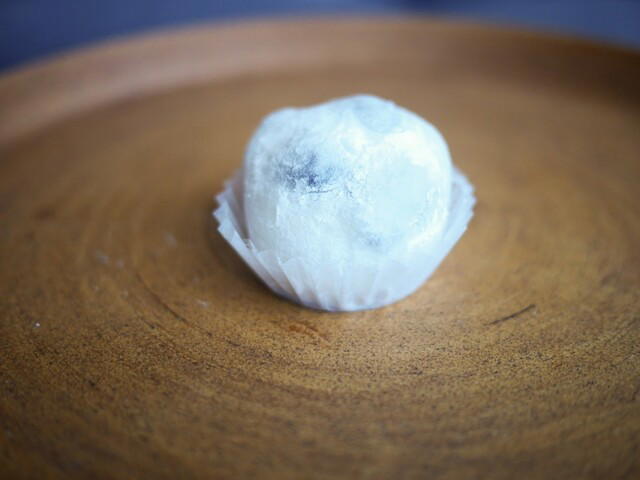
Tsukushi
Tokyo, Japan
This Yakumo neighborhood wagashi shop delivers Tabelog 100-recognized daifuku and traditional Japanese sweets for under ¥1,000, making it one of Tokyo's best values in the category. Take-out only, cash or IC cards, and open from 8:30 AM six days a week. The early opening and budget-friendly pricing reward the walk from Toritsu-Daigaku Station.
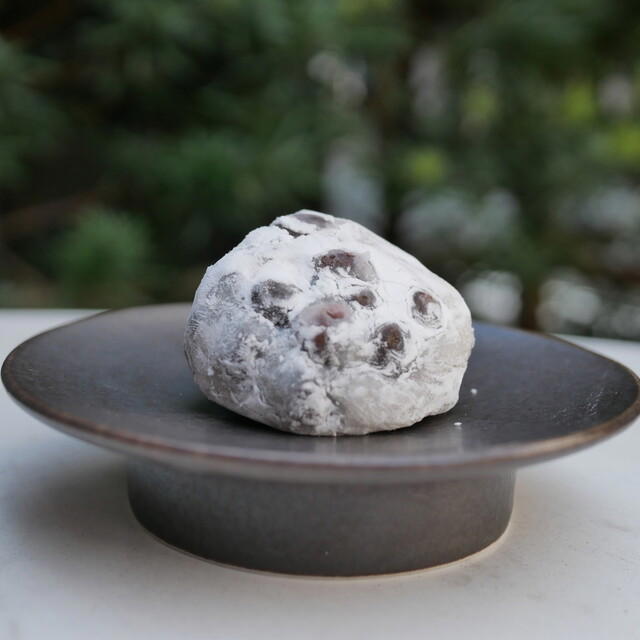
Momotaro
Tokyo, Japan
A Tabelog 100-ranked take-out wagashi shop in western Asakusa, open 9:30 AM daily except Monday. Most sweets cost under ¥999, with seasonal namagashi and dorayaki that reward early-morning visits before temple crowds arrive. No seating; grab treats for the walk or bring them home.
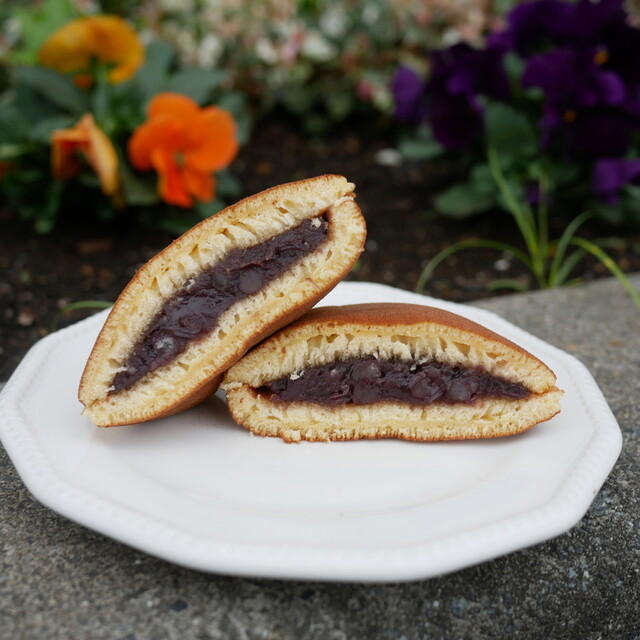
Usagiya Honten
Tokyo, Japan
Usagiya Honten works for a low-cost Nihonbashi treat rather than a full special-occasion meal. The sub-JPY 999 price point and Tabelog 100 recognition make the value case strong, but the format suits small groups, quick visits, and flexible timing more than long celebrations.
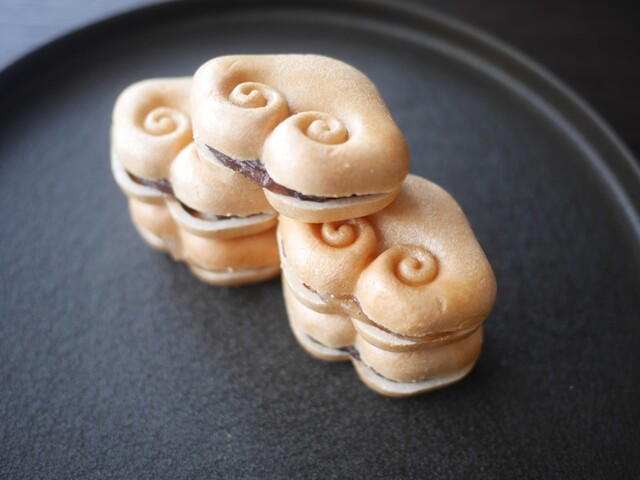
Ozasa
Tokyo, Japan
This Kichijoji wagashi shop earned Tabelog 100 recognition for traditional Japanese sweets under ¥1,000, but walk-in-only access and daily sell-outs mean morning arrival (before 11:00) is essential. Numbered tickets control the queue, yet inventory runs out before closing most days. Worth a stop if you're already in the neighborhood and the line is short.
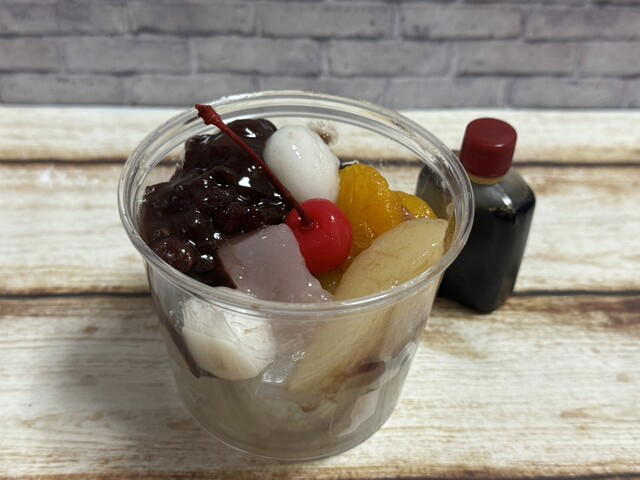
Kanmidokoro Irie
Tokyo, Japan
Tabelog 100 wagashi café (2023) in Monzen-Nakacho serving traditional Japanese sweets and kakigori at JPY 1,000–1,999. Walk-in only, 28 seats, takeout available. Cash-only, closed Wednesdays (except 1st, 15th, 28th), family-friendly. Two minutes from Monzen-Nakacho Station, near Fukagawa Fudoson temple.
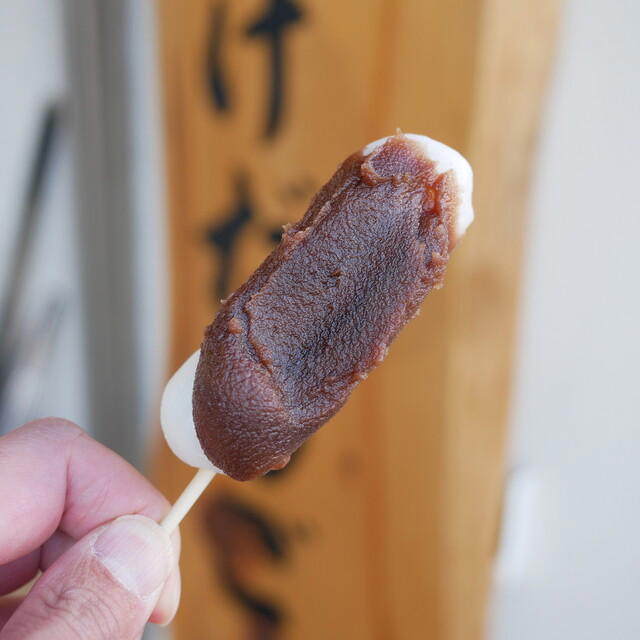
Kadoya
Tokyo, Japan
A Tabelog 100-recognized take-out specialist in Kita-Senju serving traditional Japanese sweets at under JPY 1,000. No seating, no reservations, and inventory often sells out before midday; arrive at 9:00 AM opening or risk an empty counter. Cash only, closed Wednesdays.
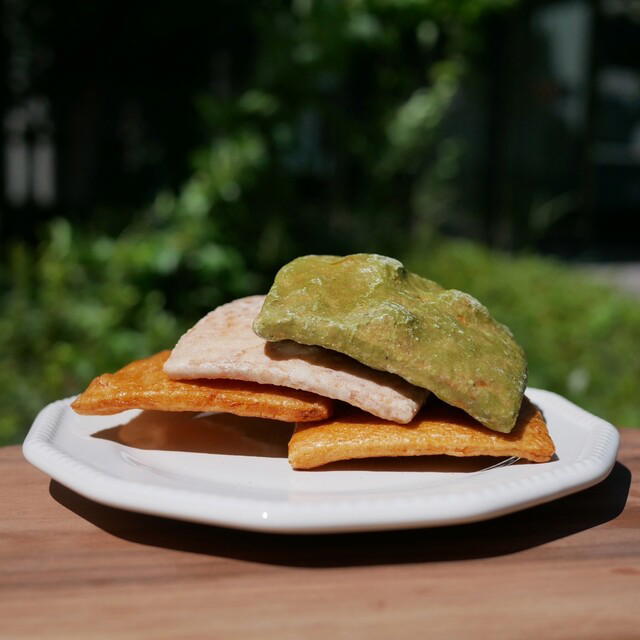
Kikumi Senbei Sohonten
Tokyo, Japan
Tabelog 100 take-away shop in Sendagi specializing in senbei (rice crackers), dorayaki, and sandwiches. Under ¥999 per visit, walk-ins only, and one minute from Sendagi Station. A neighborhood fixture for budget-friendly Japanese snacks with no seating; grab and go.
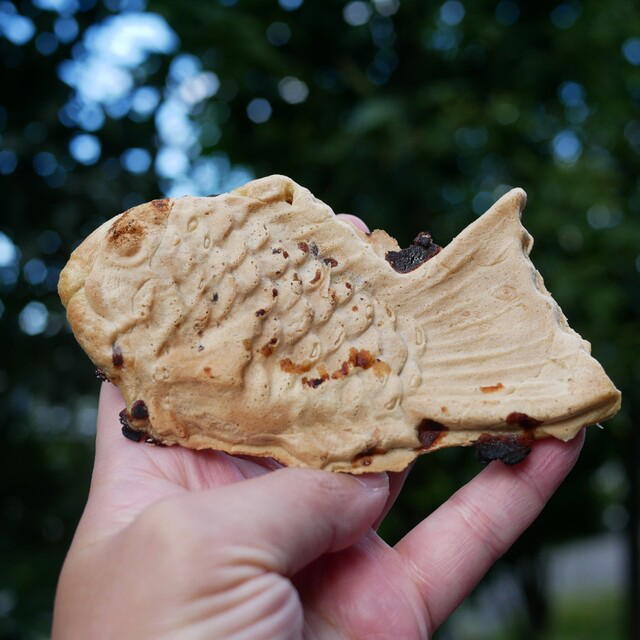
Naniwaya Sohonten
Tokyo, Japan
A gas-iron taiyaki specialist in Azabu-Juban with five Tabelog 100 selections since 2018. Hokkaido azuki paste cooked daily, pressed to order, under 1,000 yen per fish-shaped pancake. Take-out counter or upstairs cafe seating; closed Tuesdays and Wednesdays. Cash only, no reservations.
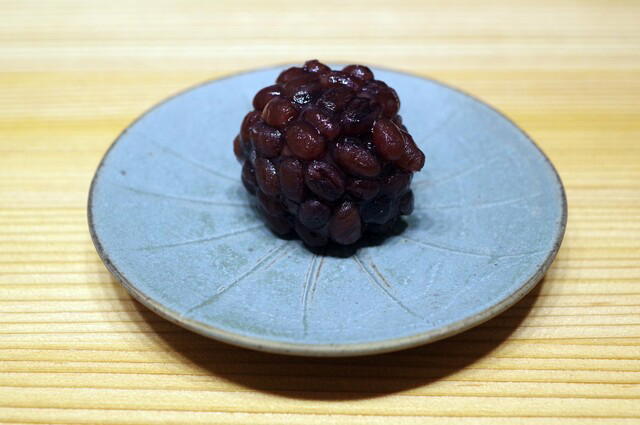
Tokutaro
Tokyo, Japan
A take-out wagashi shop in Asakusa, operating since 1903 and recognized on Tabelog's 2023 top-100 list for traditional sweets. Kintsuba; pressed red bean cakes; sell for under ¥999, often running out by mid-afternoon. No seating, no reservations, just a weekday counter and department-store satellites across Tokyo.
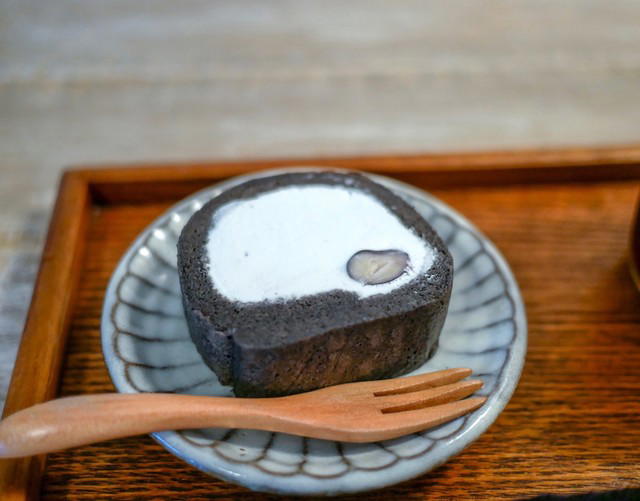
Shiroi Kuro
Tokyo, Japan
Modern wagashi café in Azabu-Juban with counter seating and a take-away focus. Tabelog 100 recognition (2023) and sub-¥1,000 pricing make it an accessible stop for contemporary Japanese sweets without the formality of traditional tea-room formats. Roll cakes and gelato are the draw; walk-ins only, closes 6 PM.
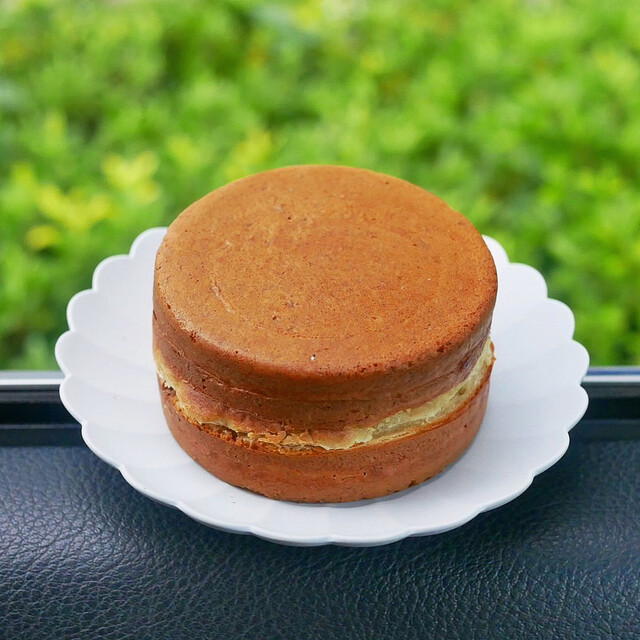
Imagawayaki Kashiwaya
Tokyo, Japan
Sangen-jaya counter shop recognized in Tabelog's Tokyo Japanese sweets 100 Best for white imagawayaki, available only Wednesdays and select Sundays. Under JPY 999, cash-only, walk-up format near the station. Skip if the calendar doesn't align; otherwise, a quick, quality stop for a traditional sweet between trains.
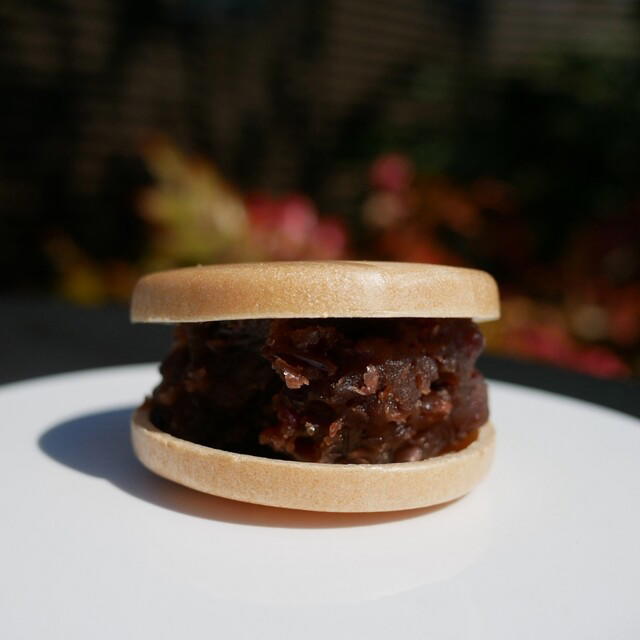
Kameju
Tokyo, Japan
Takeaway wagashi specialist in Asakusa, two minutes from the station, earning Tabelog 100 recognition (2018-2023) for dorayaki and daifuku under JPY 1,000. No seats, cash only, weekday reservations accepted but weekends are walk-up; expect queues mid-morning. Efficient service prioritizes throughput over ceremony, which works when quality and price align this tightly.
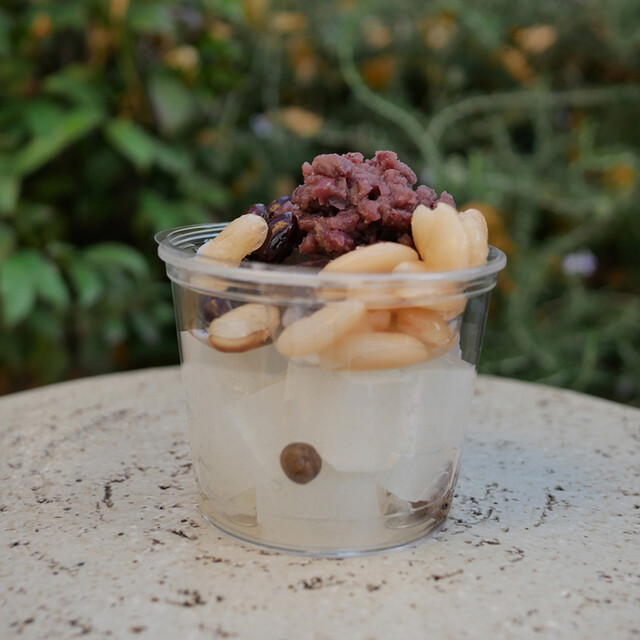
Ten mame
Tokyo, Japan
A Tsukiji takeaway window serving traditional Japanese sweets under JPY 1,000, recognized on Tabelog's 2023 Tokyo wagashi list. Open weekday mornings through early afternoon, with no seating but quick counter service two minutes from Tsukiji Station. Best for grab-and-go breakfast or mid-morning snacks near the former fish market.
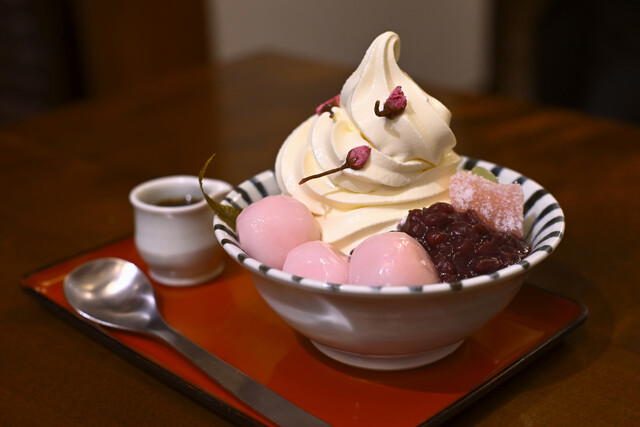
Kanmi Okame Yuurakuchou ten
Tokyo, Japan
Walk-in-only Japanese sweets cafe in Yurakucho's Itōcia Plaza, recognized on Tabelog's 2023 Wagashi 100 list. Seasonal kakigōri and traditional wagashi under ¥999, with fast turnover and minimal wait times. Best for a quick, quality dessert stop near Ginza rather than a destination visit.
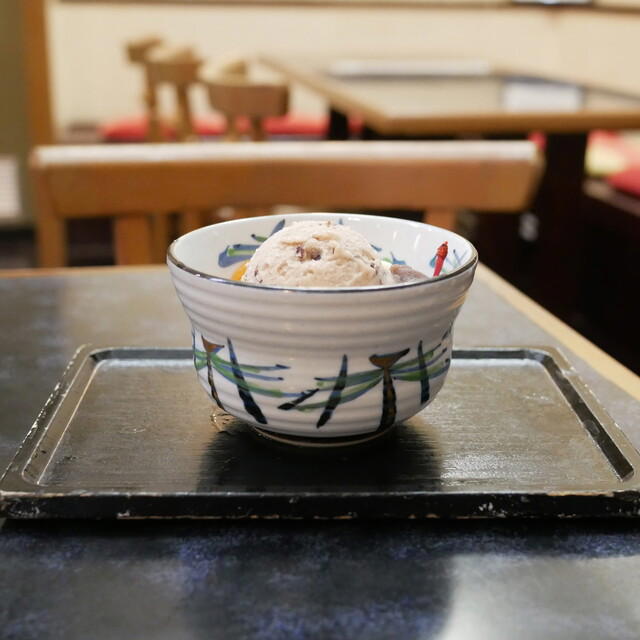
Kanmidokoro Mitsubachi Honten
Tokyo, Japan
Kanmidokoro Mitsubachi Honten delivers Tabelog 100-recognized kakigori and traditional Japanese sweets at under JPY 999 per person in a family-friendly Yushima café. Walk-ins only, with steady turnover at 22 counter-style seats; weekday afternoons offer the shortest waits. Best for casual dessert stops near Ueno, though quieter kakigori specialists elsewhere in Tokyo provide more curated experiences at slightly higher prices.
Overview
Tabelog 100 - Japanese traditional sweets / Japanese sweets cafe - TOKYO - 2023 is a definitive ranking of Tokyo’s top 100 establishments specializing in wagashi and Japanese sweets cafes. Compiled by Tabelog, Japan’s leading restaurant review platform, this list highlights the most revered spots for authentic and innovative Japanese confections, reflecting local tastes and craftsmanship in 2023.
Since its inception, Tabelog has been Japan’s foremost platform for dining reviews, empowering locals and tourists alike to discover culinary excellence. The Tabelog 100 lists, launched annually, spotlight the finest establishments across diverse cuisine categories based on user ratings and expert evaluation. The 2023 list for Japanese traditional sweets and sweets cafes in Tokyo celebrates artisans who preserve centuries-old wagashi techniques while embracing contemporary creativity. This list not only guides dessert lovers but also underscores Tokyo’s status as a global capital for refined confectionery culture.
Tokyo’s vibrant dessert scene is an exquisite blend of tradition and innovation, and the Tabelog 100 list for Japanese traditional sweets and sweets cafes captures this essence impeccably. From century-old wagashi shops steeped in history to avant-garde sweets cafes pushing boundaries, this curated selection offers Pearl’s discerning readers an insider’s guide to the city’s most celebrated confectionery artisans. Whether you seek the delicate subtlety of matcha-infused yokan or the playful reinvention of mochi, this list is your passport to Tokyo’s sweetest treasures of 2023.
Quick Facts
- Publisher
- Tabelog (Kakaku.com, Inc.)
- Year
- 2023
- Coverage
- Tokyo, Japan
- Items
- 100 Japanese traditional sweets shops and sweets cafes
- Frequency
- Annual
About This Edition
The 2023 edition of the Tabelog 100 for Japanese traditional sweets and sweets cafes reflects dynamic shifts in Tokyo’s dessert culture, highlighting a resurgence of interest in artisanal wagashi alongside innovative fusion sweets. Noteworthy is the emergence of younger confectioners embracing sustainable ingredients and seasonal themes. The list also features several newly established cafes that have quickly gained acclaim, underscoring Tokyo’s evolving palate and the continual redefinition of what constitutes Japanese sweets today.
Frequently Asked Questions
What is Tabelog 100 - Japanese traditional sweets / Japanese sweets cafe - TOKYO - 2023?
How are honorees selected?
How often is this list updated?
How can I find these on Pearl?
How many of these have you visited?
Find out on Pearl and keep score across every place in Tabelog 100 - Japanese traditional sweets / Japanese sweets cafe - TOKYO - 2023.