

Asaba
Kaiseki · Shuzenji, Shizuoka
Restaurant in Shizuoka, Japan
 Book with Pearl
The Read
Ritual Kaiseki in a Former Temple
Price
$100–150per person
Dress
Smart Casual
Why go
Asaba is a ten-generation family-run ryokan near Shuzenji, set in a former Buddhist temple along the Katsura River, where overnight guests experience kaiseki dining under chef Shigekazu Noto. Ranked in Opinionated About Dining's national top 200 across three consecutive years and rated 4.7 by Pearl members, it is the right choice for a special-occasion overnight rather than a standalone dinner reservation.
About Asaba
The Verdict
Asaba is not primarily a restaurant you visit for a meal. It is a ryokan where kaiseki dining is woven into a two-day experience that includes sleeping in a 10-generation family-run inn converted from a Buddhist temple, watching Noh theater by the Katsura River, and eating food prepared under chef Shigekazu Noto. If you are looking for a standalone dinner reservation in Shuzenji, this is not that. But if you are planning a special-occasion stay in Izu and want to understand why Asaba has ranked in Opinionated About Dining's Leading Restaurants in Japan every year from 2023 through 2025, the booking decision is clear: yes, go.
About Asaba
Most visitors arrive expecting a conventional ryokan experience with a creditable dinner attached. What Asaba actually delivers is closer to the reverse: a setting so calibrated around continuity, craft, and atmosphere that the kaiseki meal functions as the architectural center of the stay rather than an add-on. The inn has operated under the same family for ten generations, which is not a marketing claim so much as a structural fact that shapes the coherence of the experience. The former Buddhist temple grounds, the Noh theater stage, and the position along the Katsura River are not decorative details; they are the frame inside which the food makes its full argument.
The cuisine is kaiseki, which in Japan's most rigorous forms means a succession of small courses designed to move with the season, the location, and the cook's judgment about what the moment requires. Chef Noto's version draws on both the discipline of kaiseki's formal tradition and the particular character of the Izu Peninsula, which sits between the mountains and the Pacific coast of Shizuoka Prefecture, one of Japan's most productive food regions. Without confirmed dish specifics from a source, the right framing is this: a kitchen ranked #142 nationally in 2023, climbing to #163 in 2024 and then to #207 in 2025, is operating at a level that places it in serious company. For comparable kaiseki ambition in Kyoto, the benchmark is places like Gion Sasaki or Ifuki. Asaba occupies a different register: it trades urban density and access for depth of place.
Getting here requires intention. From Tokyo Station, a direct express train reaches Shuzenji in approximately two hours; the inn is 2.5 km from the station. By car from Mishima, follow Route 136 toward Izu-City, turn left at the Kokei bridge in front of Shuzenji Temple, then right, and the inn is 200 meters ahead on the left. GPS coordinates are 34.9788, 138.9460. Booking should be approached through the ryokan website or phone, a specialist travel agent familiar with ryokan reservations, or the ryokan's direct contact via the address at 3450-1 Shuzenji, Izu, Shizuoka. Booking difficulty is rated easy, which in ryokan terms typically means advance planning of several weeks is sufficient rather than months-out competition.
For special occasions, Asaba competes in a category that few properties in Japan can match: a culturally layered overnight experience where the meal, the architecture, the performance tradition, and the natural setting are unified under a single family's sustained stewardship. If the occasion warrants a night away from a major city and the intent is to mark it properly, Asaba is among the most defensible choices in the Shizuoka region. For other dining options nearby, see our full Shizuoka restaurants guide, or explore Seirin if you want kaiseki without the overnight commitment. If your trip takes you further afield, HAJIME in Osaka, Harutaka in Tokyo, and Goh in Fukuoka each represent the national standard in their respective cities and formats.
Ratings at a Glance
- Opinionated About Dining: Leading Restaurants in Japan, #207 (2025), #163 (2024), #142 (2023)
- Pearl Member Rating: 4.7 / 5
How to Book
No direct booking link or phone number is currently listed in Pearl's data. Approach reservations through a specialist Japan travel agent or ryokan booking service. Given the property's scale and family-run nature, contact well in advance for peak periods (cherry blossom season in spring, autumn foliage). Booking difficulty is rated easy by Pearl's current data. For further context on the region, see our Shizuoka hotels guide and Shizuoka experiences guide.
Practical Details
Asaba sits at 3450-1 Shuzenji, Izu, Shizuoka 410-2416. The closest train station is Shuzenji, 2.5 km away, served by direct express from Tokyo Station (approximately 2 hours). By car from Mishima, take Route 136 toward Izu-City; after the Kokei bridge, turn right, 200 meters to the inn. Tokyo Haneda Airport is approximately 130 km away; Tokyo Narita is approximately 200 km. Price range is not listed in Pearl's current data; expect ryokan kaiseki pricing consistent with a property of this standing, which in Japan typically means a meaningful per-person overnight rate inclusive of dinner and breakfast. Confirm the current rate directly at booking. For bars and wineries in the region, see our Shizuoka bars guide and Shizuoka wineries guide.
Pearl Picks Nearby
- Seirin, Kaiseki, Shizuoka
- FUJI, Shizuoka
- Ichi Unagi, Eel, Shizuoka
- LAT.34°N by Ao, French / Innovative, Shizuoka
- Rin, Shizuoka
- Gion Sasaki, Kaiseki, Kyoto
- Ifuki, Kaiseki, Kyoto
- Kikunoi Tokyo, Kaiseki, Tokyo
- akordu, Nara
- 1000, Yokohama
Located inside
 HotelAsabaFull hotel guide
Planning details
- Location
- 3450-1 Shuzenji, Izu, Shizuoka 410-2416, Japan
- Website
- asaba-ryokan.com
- Phone
- +81 558-72-7000
The take
The Take
The Vibe
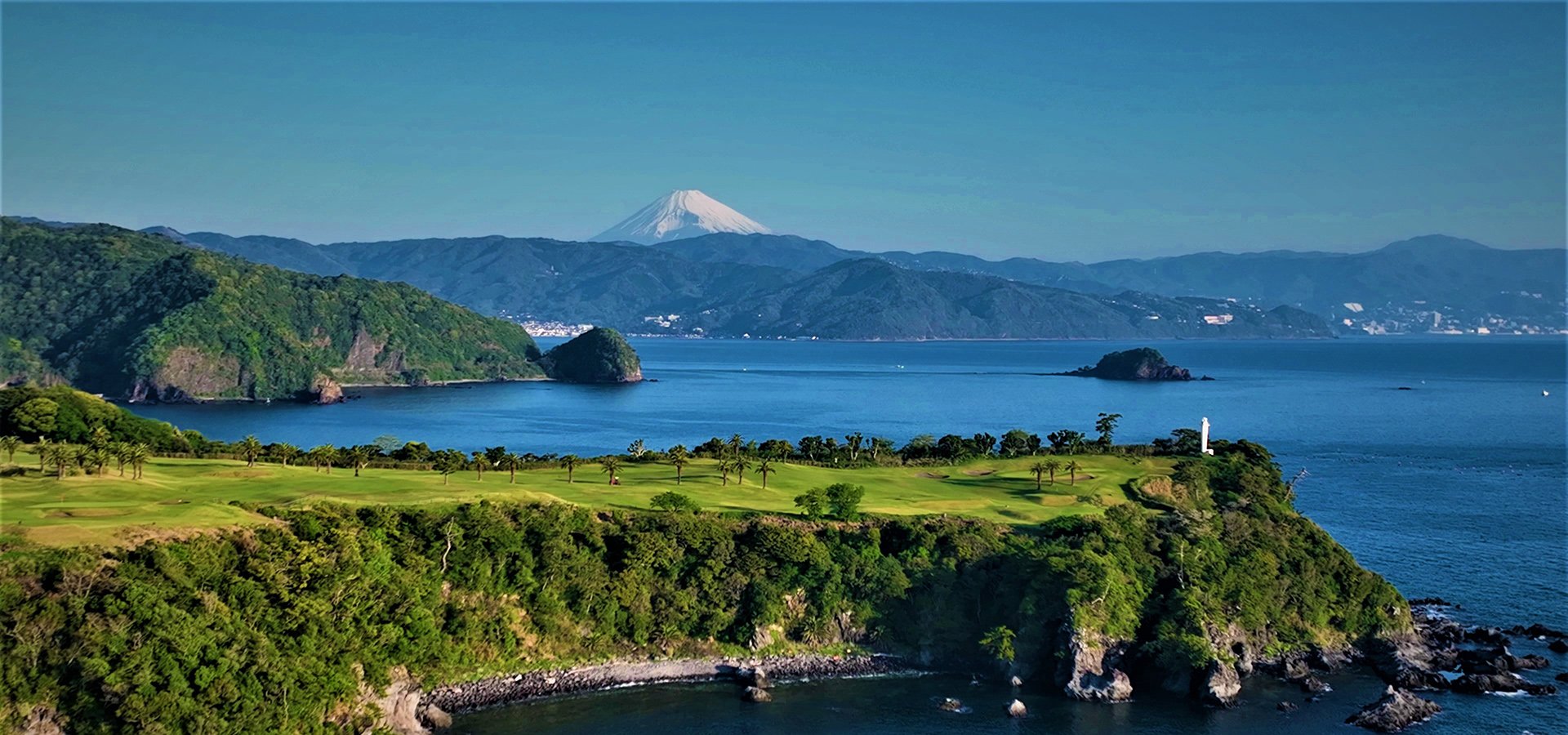
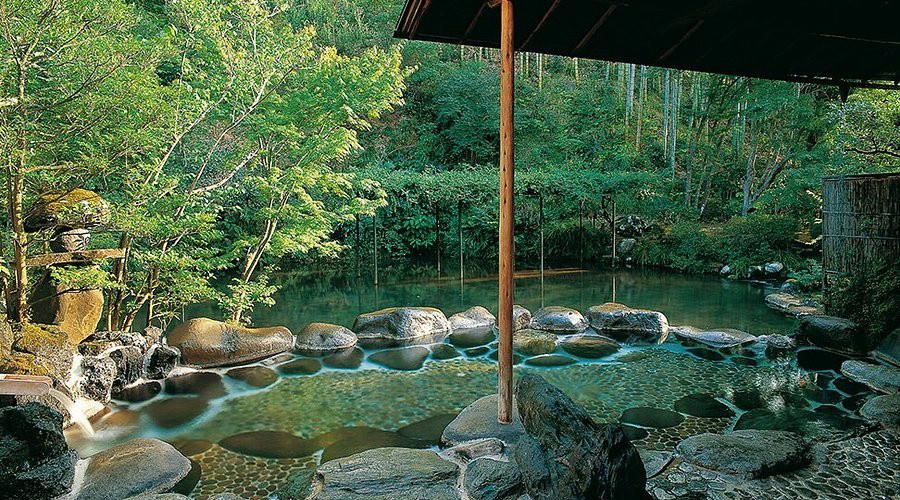
Asaba reads like a compact, ceremonious world: a ten-generation ryokan that began life as a Buddhist temple and sits with the Katsura River at its edge. The property feels quietly formal and very intentional — tatami rooms, onsen waters and an outdoor stage where Noh is sometimes performed reinforce a sense of continuity with traditional practice. Dining here is not a separate act but part of a prolonged ritual; kaiseki is presented as a seasonal record, and the landscape of forested hills and the riverside setting make the whole experience feel scenic, intimate and quietly sophisticated.
Best For
This is a place for deliberate, low-key celebrations and intimate evenings. Kaiseki is anchored to the stay, so evenings and breakfast are the natural moments: multi-course, seasonally precise dinners in tatami rooms and restorative morning meals after an onsen soak. The layered history and measured formality make Asaba especially suited to special occasions and date nights when the ritual of Japanese haute dining is part of the plan. Travelers who want a quietly scenic, culturally rooted experience will find the rhythm of the property aligns with a slow, attentive visit.
Ordering Tips
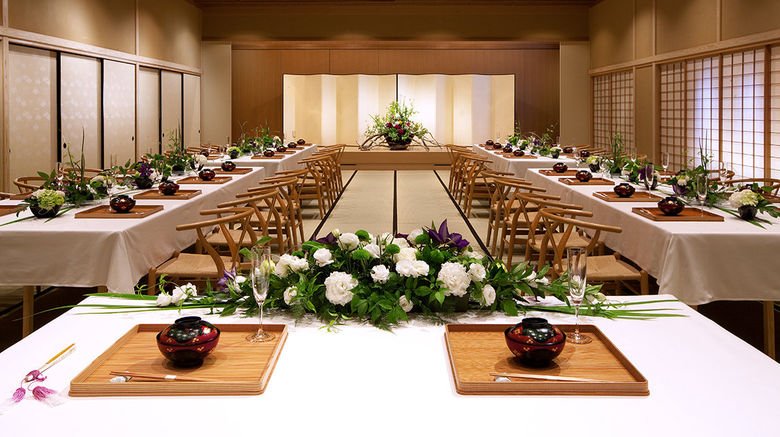
Kaiseki at Asaba is framed as part of staying on the property, so plan to experience the dinner as integrated with an overnight rather than a casual one-off meal. Expect a multi-course, seasonally driven menu overseen by Chef Shigekazu Noto and served in the ryokan's tatami rooms; ask at booking about nights when Noh is performed on the outdoor stage. Because the food traces precise seasonal moments, inquire in advance if you have strict dietary needs and confirm mealtime logistics when you reserve your room.
Venue details
Ambiance
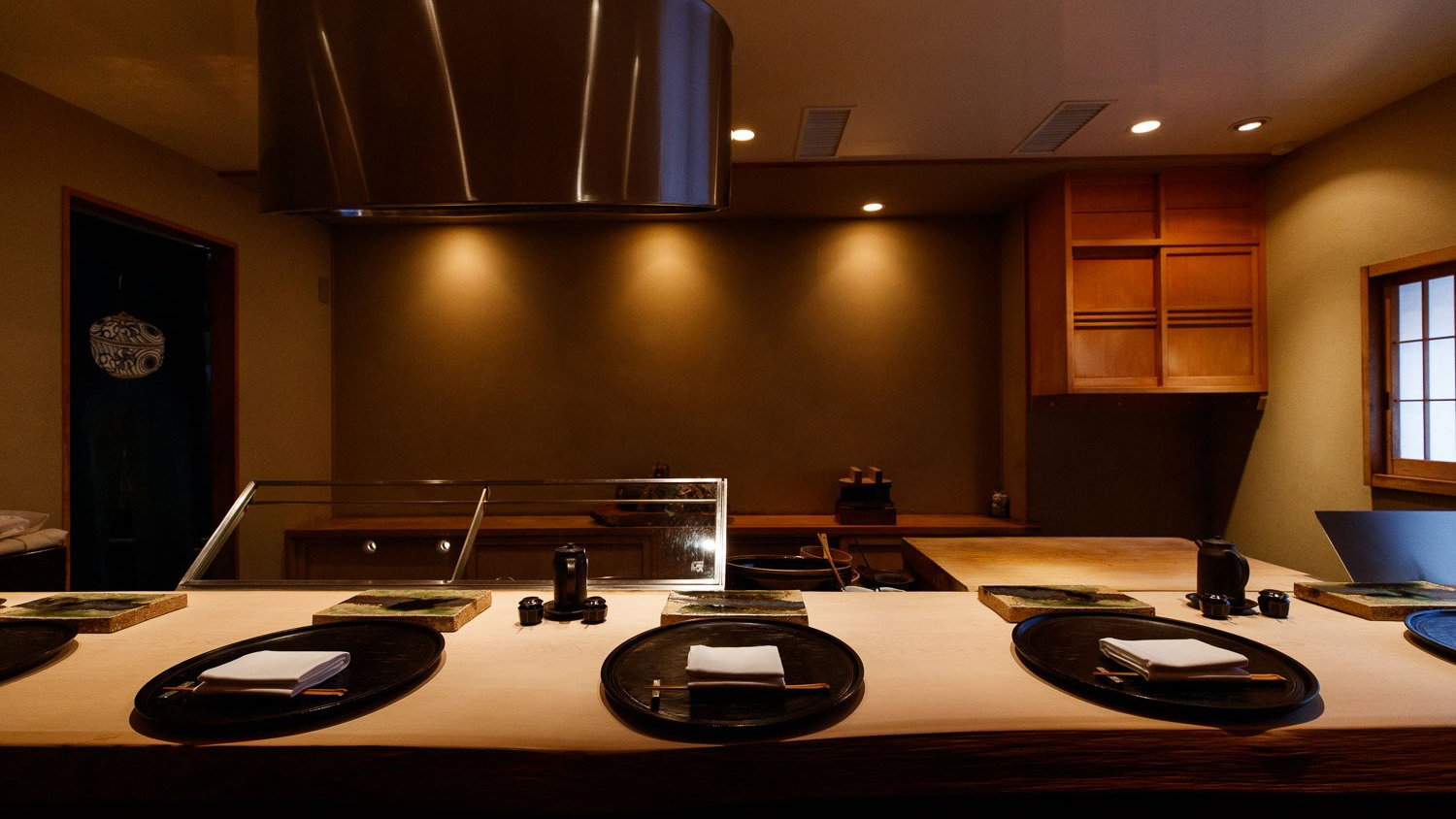
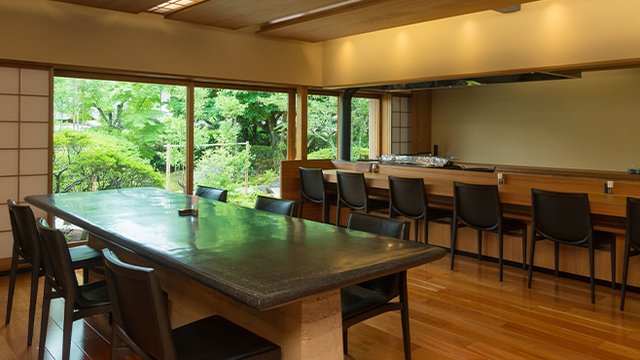
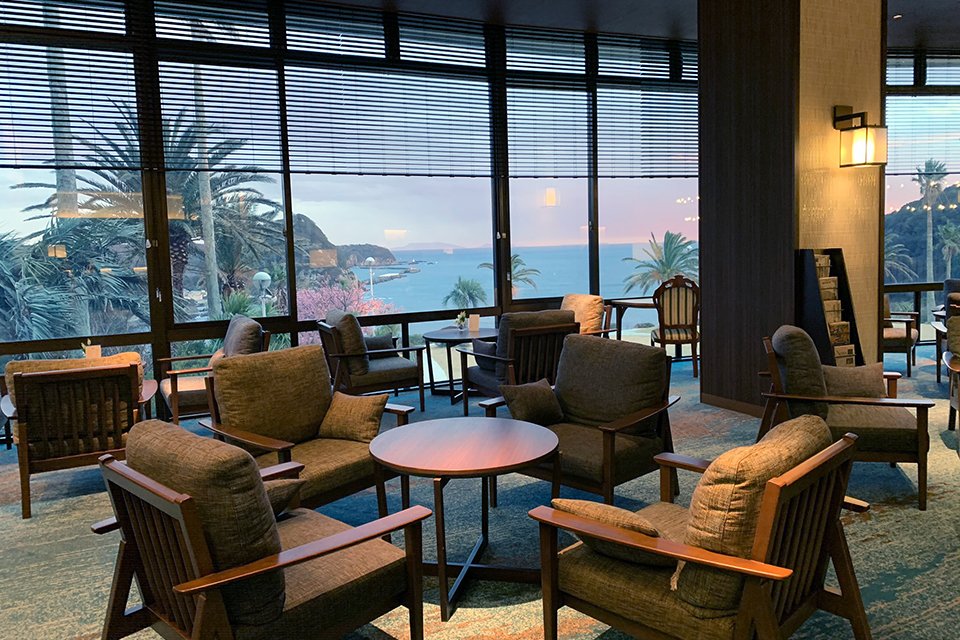
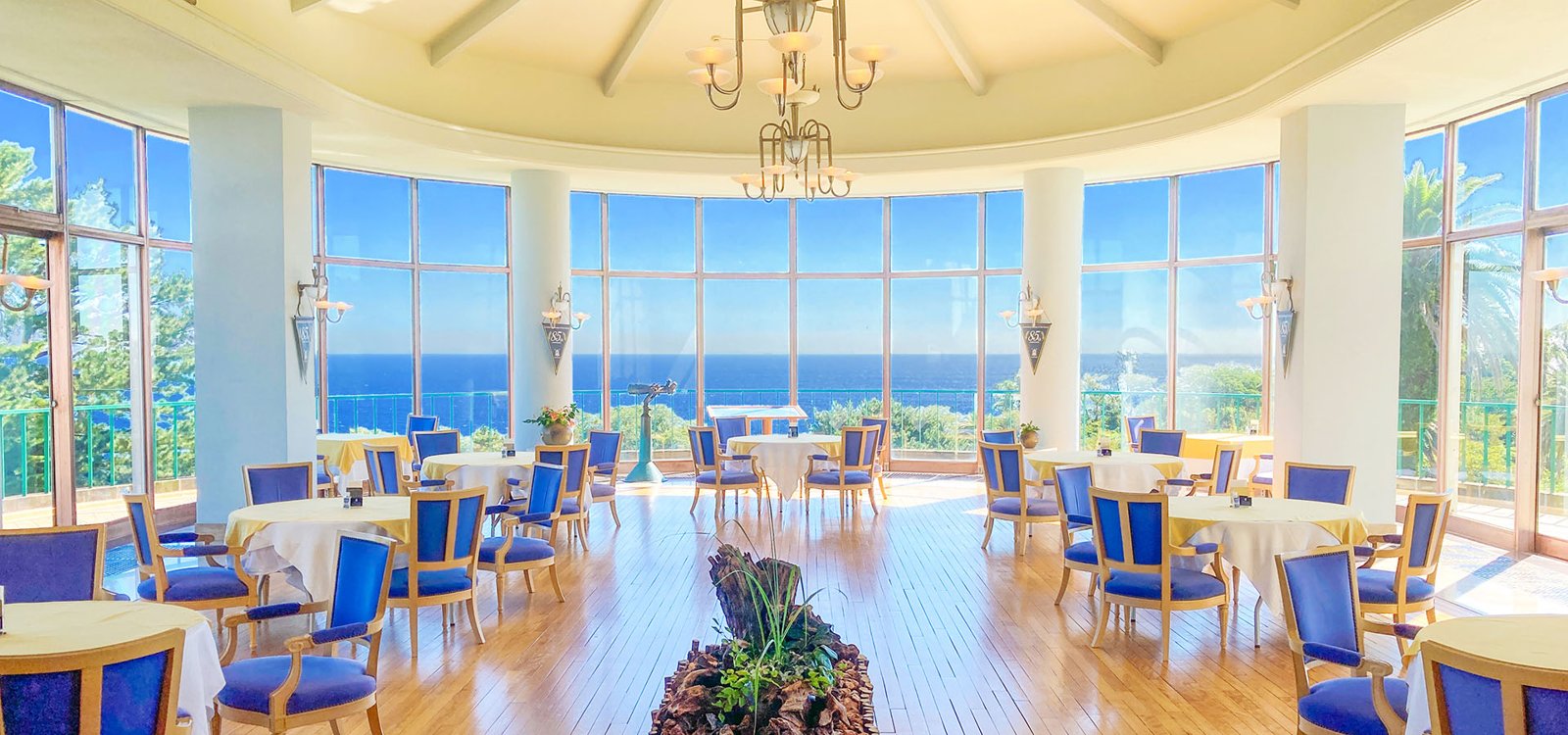
Traditional Japanese elegance with relaxing natural light from garden views, spotless decor, and serene atmosphere.
Tags
Vibe
Best For
Experience
Sourcing
View
At the Table
- Dress Code
- Smart Casual
- Noise Level
- Quiet
- Service Style
- Formal
- Meal Pacing
- Leisurely
- Capacity
- Intimate
- Kitchen
- Traditional
- Menu Format
- A la carte
- Dietary
- Vegetarian friendly, Allergy accommodating
- Private Dining
- Available
Know before you go
Know Before You Go
- Getting there
- 3450-1 Shuzenji, Izu, Shizuoka 410-2416, Japan
Planning details
Location
Recognition and awards


Also consider
Also Consider
- Tempura Naruse, Tempura, Tempura
- Unagi Shun, Eel, Eel
- Seirin, Kaiseki, Kaiseki
- Tempura Nakamura, Tempura, Tempura
- FUJI, Notable alternative
Restaurant context
Within Shizuoka's kaiseki options, Seirin is the most direct alternative if you want the cuisine without committing to an overnight stay. Seirin functions as a standalone restaurant, which makes it more accessible for a single evening and easier to slot into a broader Shizuoka itinerary. Asaba's advantage is the depth of setting: a former Buddhist temple, Noh theater, and ten generations of family stewardship are not things Seirin or any standalone restaurant can match. If you are choosing between them, the question is whether you want a dinner or an experience that surrounds one.
For a different cuisine profile, FUJI and Ichi Unagi give you Shizuoka's food strengths in formats that are easier to book on short notice and less structured around overnight stays. LAT.34°N by Ao brings a French-influenced, auberge-style approach that competes with Asaba for the special-occasion overnight market, though in a contemporary rather than traditional Japanese idiom. If that modern auberge format appeals, LAT.34°N is worth comparing directly on price and availability before committing.
Asaba earns its position for guests whose occasion specifically calls for immersion in a traditional Japanese setting with serious food at the center. For tempura specialists in the region, Seirin remains the kaiseki reference, while Tempura Naruse and Tempura Nakamura cover the tempura category if that format better fits your group. Asaba is not the easiest or most flexible booking in Shizuoka, but for what it offers, continuity of culture, craft, and place, it sits in its own category in the region.
Around this place
Discover more on Pearl
Unlock the full Asaba guide in Pearl, including awards, comparisons, FAQs, planning details, and nearby places.
Compare Asaba
| Venue | Location | Cuisine | Awards |
|---|---|---|---|
| Asaba | Shizuoka | Kaiseki | 2026 OAD Top Restaurants in Japan Recommended2026 Relais Chateaux Restaurants2025 OAD Top Restaurants in Japan Ranked · #2072025 Relais Chateaux Award2024 OAD Top Restaurants in Japan Ranked · #1632023 OAD Top Restaurants in Japan Ranked · #142 |
| Tempura Naruse | Shizuoka | Tempura | 2026 OAD Top Restaurants in Japan Ranked · #12026 Tabelog Chef's Gold · #72026 Tabelog Gold · #172026 La Liste Top Restaurants2025 OAD Top Restaurants in Japan Ranked · #5Tabelog 100 - Tempura - 2025 · #292025 Tabelog Gold2025 La Liste Top Restaurants2025 Tabelog Chef's Gold |
| Unagi Shun | Shizuoka | Eel | 2026 Tabelog Gold · #312026 OAD Top Restaurants in Japan Ranked · #622025 OAD Top Restaurants in Japan Ranked · #242025 Tabelog SilverTabelog 100 - Unagi - 2024 · #572024 OAD Top Restaurants in Japan Ranked · #1192023 OAD Top Restaurants in Japan Ranked · #110 |
| Seirin | Shizuoka | Kaiseki | 2026 Tabelog Silver · #1192026 OAD Top Restaurants in Japan Recommended2026 La Liste Top RestaurantsTabelog 100 - Japanese cuisine - EAST - 2025 · #72025 OAD Top Restaurants in Japan Ranked · #6042025 Tabelog Silver2025 La Liste Top Restaurants2024 OAD Top Restaurants in Japan Ranked · #217 |
| Tempura Nakamura | Shizuoka | Tempura | 2026 OAD Top Restaurants in Japan Recommended2025 OAD Top Restaurants in Japan Ranked · #378 |
| FUJI | Shizuoka | 2026 Tabelog Silver · #222026 OAD Top Restaurants in Japan Ranked · #29Tabelog 100 - Japanese cuisine - EAST - 2025 · #22025 Tabelog Silver | , |


How Asaba Ryokan Shuzenji compares with similar nearby venues.
FAQ
Frequently Asked Questions
Can Asaba accommodate groups?
Asaba is a traditional ryokan, not a restaurant with a bookable dining room for external parties, so large group visits are constrained by room availability rather than table configuration. Small groups of two to four travelling together and booking rooms simultaneously is the practical approach. For larger groups wanting a comparable kaiseki experience in a more conventional restaurant setting, Seirin is worth considering instead.
Does Asaba handle dietary restrictions?
Kaiseki is a highly structured, ingredient-led format where the kitchen sets the progression, which makes last-minute dietary changes difficult across the board in Japan. Contact Asaba well in advance through your booking agent and state restrictions clearly at the time of reservation, not on arrival. Serious allergies or vegan requirements are harder to accommodate in kaiseki than in a la carte formats, so factor that into your decision.
What should I order at Asaba?
There is no a la carte menu to choose from. Asaba serves kaiseki as part of its ryokan stay, meaning the meal is set and sequenced by chef Shigekazu Noto. Your decision is whether to book the stay, not which dishes to select.
What are alternatives to Asaba in Shizuoka?
If you want kaiseki without the overnight commitment, Seirin is the most direct local alternative. For a different format entirely, Tempura Naruse and Tempura Nakamura offer high-execution counter dining without requiring a two-day schedule. Unagi Shun and FUJI are better suited to visitors who want a strong single meal rather than an immersive stay.
Is Asaba good for a special occasion?
Yes, and it is better suited to milestone occasions than most restaurants in the region. The combination of a former Buddhist temple setting, Noh theater performances, kaiseki by a chef whose ryokan holds an Opinionated About Dining ranking that has placed as high as #142 in Japan, and a 10-generation family operation makes it a considered choice for anniversaries or significant celebrations. Budget a full two days rather than treating it as a dinner reservation.
Can I eat at the bar at Asaba?
No. Asaba is a ryokan and kaiseki is served to guests as part of the stay, not at a public bar or walk-in counter. If you are looking for a counter-format experience in the region, Tempura Naruse or Tempura Nakamura are the better fit.
What should a first-timer know about Asaba?
Book through a specialist Japan travel agent or ryokan booking service, no direct phone or online booking link is currently available through Pearl. Plan for a two-night stay minimum to get full value from the kaiseki meals and Noh theater. Shuzenji Station is 2.5 km away, reachable by direct express from Tokyo Station in roughly two hours, which makes Asaba accessible as a short trip from Tokyo without needing a car.