
Restaurant in Tokyo, Japan
Nishiazabutaku
480Pearl PointsSommelier-led omakase, easier to book than peers.


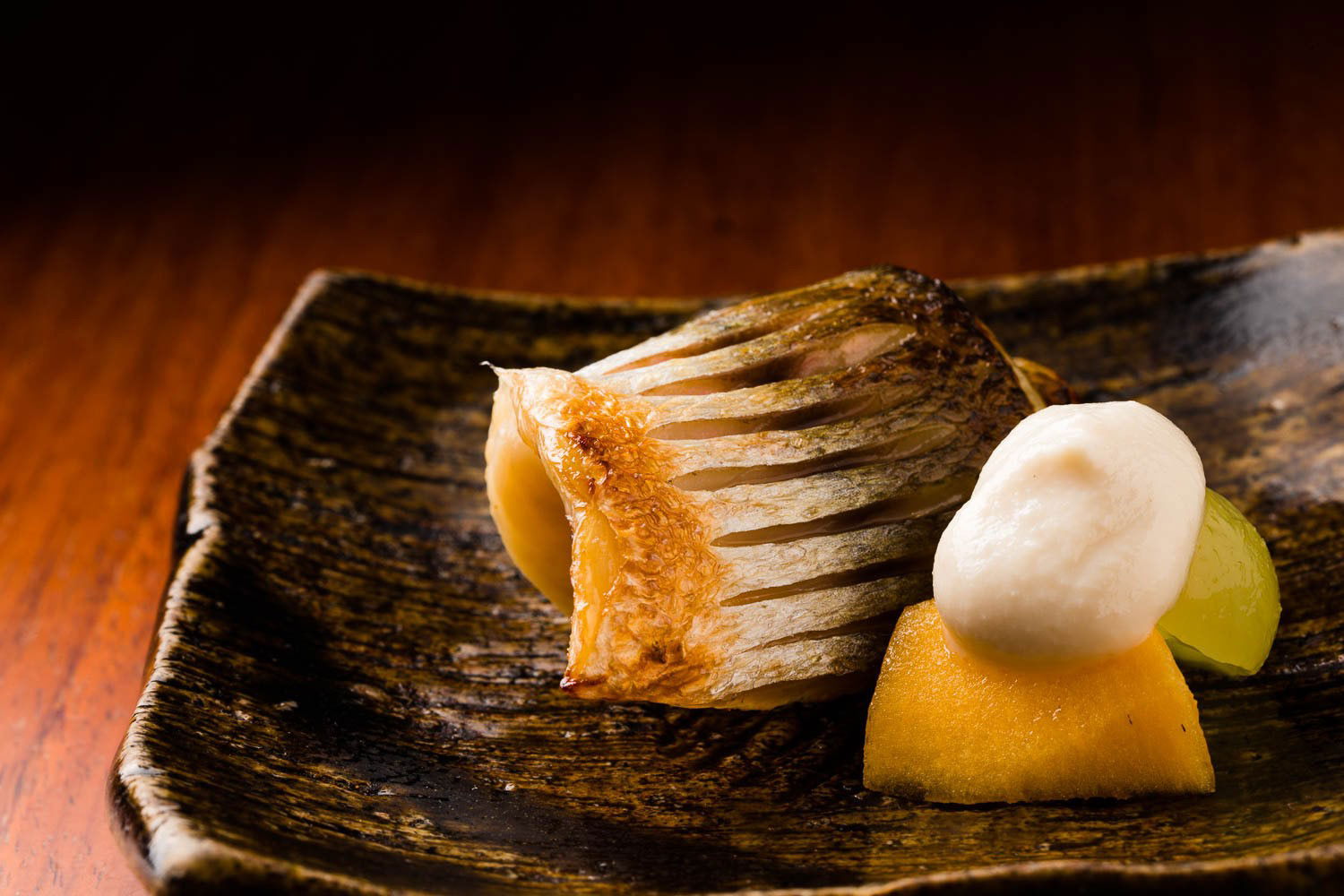
About Nishiazabutaku
Nishiazabutaku is a Tokyo sushi counter in Nishiazabu where Chef Kenji Ishizaka combines a 30-item-plus omakase with one of the format's rare dedicated wine programs. Ranked on Opinionated About Dining's Japan list three consecutive years and rated 4.7 on Google, it is easier to book than comparable counters and a strong choice for food and wine travellers who want depth beyond sake pairings.
Verdict
Most people assume Nishiazabu is purely a high-end cocktail bar district and overlook it as a sushi destination. Nishiazabutaku corrects that assumption. If you want a sushi omakase experience in Tokyo with genuine wine integration and a counter that does not require booking months in advance, Nishiazabutaku deserves serious consideration.
Portrait
The detail that separates Nishiazabutaku from the majority of Tokyo sushi counters is not the fish — it is the wine program. Ishizaka was among the first sushi chefs in Japan to bring a dedicated sommelier into the counter, a structural choice that changes the experience in a meaningful way. At most sushi restaurants, the beverage decision is an afterthought: sake or beer, chosen by the diner without guidance. Here, the pairing logic is built into the format, and it works because Ishizaka's omakase sets are constructed with that alternation in mind: nigiri courses sit alongside drinking snacks, creating natural pivot points for the sommelier to suggest a pairing, transition a glass, or introduce something unexpected. For an explorer who reads wine as seriously as food, that infrastructure is rare at a sushi counter anywhere in Japan.
The omakase sets start at 30 items, which is a substantial count by Tokyo standards — most comparable counters sit in the 20 to 25 piece range. The volume is not padding. Ishizaka sequences nigiri with snack courses, and he makes a technical distinction that matters: the sushi rice may be seasoned with white vinegar or red vinegar depending on the fish topping. That is not a minor variation. Red vinegar (akazu) rice tends to carry more depth and pairs differently with fatty fish than white vinegar rice. For a diner paying attention, it signals that the kitchen is making ingredient-led decisions at every step rather than running a fixed house style.
Restaurant's trajectory on OAD is worth reading carefully. A Recommended entry in 2023 followed by a numerical ranking debut at #330 in 2024 represents a meaningful signal from a credentialed peer-voting list. The slight shift to #361 in 2025 is minor given ranking fluctuations at that level. The consistent presence on the list across three years suggests a restaurant that has found its identity rather than one trading on novelty.
Nishiazabu address itself is a practical advantage. The neighbourhood sits in Minato City between Roppongi and Hiroo, making it accessible from much of central Tokyo without the logistical overhead of navigating to Ginza or Kagurazaka at peak hours. Dinner service runs Monday through Friday 5 to 10 pm, and Saturday extends to include a 1 pm start, the only day lunch service is available. The restaurant is closed on Sundays.
For the food and wine traveller who has already done Harutaka or Sukiyabashi Jiro Roppongiten and wants a counter where beverage depth is a genuine part of the format, Nishiazabutaku is worth adding to the shortlist. It is also a reasonable entry point for first-timers who want an omakase without the extreme advance booking pressure that defines the top tier. If you are exploring Japan more broadly, comparable depth can be found at HAJIME in Osaka or Gion Sasaki in Kyoto, though neither offers the sushi-plus-wine format that makes Nishiazabutaku's proposition specific.
For the full Tokyo dining picture, see our full Tokyo restaurants guide, our full Tokyo bars guide, and our full Tokyo hotels guide.
Quick reference: Nishiazabutaku, Nishiazabu, Minato City, sushi omakase with sommelier, 30+ items per set, dinner Mon–Fri 5–10 pm, Saturday 1–10 pm, closed Sunday, OAD ranked three consecutive years.
Ratings & Recognition
- Opinionated About Dining, Leading Restaurants in Japan: #361 (2025), #330 (2024), Recommended (2023)
Booking
Booking difficulty at Nishiazabutaku is rated Easy. This is a meaningful differentiator in Tokyo's sushi scene, where counters of comparable OAD standing often require weeks or months of lead time. Exact booking method is not confirmed in our data, so check current availability directly with the restaurant. Saturday is the only day with both lunch and dinner service, making it the most flexible option for visitors with tight Tokyo itineraries. See also Sushi Kanesaka and Edomae Sushi Hanabusa if you need a confirmed alternative at a similar level.
Frequently Asked Questions
Is lunch or dinner better at Nishiazabutaku?
Saturday lunch is the only midday option — the restaurant opens at 1 pm on Saturdays and is closed Sundays. On weekdays, service runs 5–10 pm only. If a Saturday afternoon omakase appeals, that session is worth pursuing; otherwise, weekday evenings are your default. Either way, the format is the same 30-plus item omakase.
Is Nishiazabutaku good for solo dining?
Yes. A sushi counter by format is built for solo diners, and Nishiazabutaku's easy booking rating means you are not competing hard for a single seat the way you would at OAD-ranked counters like Harutaka. The wine program also gives solo guests a structured pairing arc to engage with, which adds dimension to an already long tasting sequence.
What should a first-timer know about Nishiazabutaku?
The omakase starts at 30 items, which is a longer sequence than many Tokyo counters, so arrive hungry and with time to spare. Chef Kenji Ishizaka uses both white and red vinegar in the sushi rice depending on the fish, so expect the rice seasoning to shift through the meal rather than stay constant. Nishiazabutaku was also among the first Tokyo sushi counters to employ a sommelier, so wine pairing is a genuine option rather than an afterthought.
What are alternatives to Nishiazabutaku in Tokyo?
Harutaka is the natural comparison for counter omakase at OAD level, though booking is considerably harder. RyuGin covers Tokyo kaiseki-leaning fine dining if you want a different format at a similar recognition tier. For something more casual and neighbourhood-rooted, Crony is worth considering. Nishiazabutaku's differentiator against all of them is the combination of easy reservations and an in-house sommelier.
Is Nishiazabutaku good for a special occasion?
It works well for one: the 30-plus item omakase format feels complete rather than rushed, and the wine program means you can build a proper celebratory meal rather than sticking to sake or beer. The Nishi-Azabu address is also a quieter, less tourist-facing part of Tokyo, which suits occasions where you want the meal to be the focus. Booking is rated easy, so you can actually secure a date.
Can Nishiazabutaku accommodate groups?
Counter omakase venues have an inherent cap on group size determined by the number of seats at the bar. No group capacity data is in the public record for Nishiazabutaku, so check the venue's official channels before planning a party of four or more. The easy booking rating suggests availability is less constrained than at comparable counters, which is a practical advantage for coordinating group schedules.
What should I order at Nishiazabutaku?
There is no a la carte menu — Nishiazabutaku operates on omakase only, with sets starting at 30 items. Nigiri alternates with drinking snacks through the sequence, so the meal has a built-in rhythm rather than arriving as one continuous sushi run. If wine pairing interests you, this counter is specifically equipped for it given Ishizaka's history of employing a sommelier.
Location
Japan, 〒106-0031 Tokyo, Minato City, Nishiazabu, 2 Chome−11−5 カパルア西麻布 1階
Tokyo, Japan
Compare Nishiazabutaku
| Venue | Cuisine | Awards | Booking Difficulty |
|---|---|---|---|
| Nishiazabutaku | Sushi | Easy | |
| Harutaka | Sushi | Michelin 3 Star, World's 50 Best | Unknown |
| L'Effervescence | French | Michelin 3 Star, World's 50 Best | Unknown |
| RyuGin | Kaiseki, Japanese | Michelin 3 Star, World's 50 Best | Unknown |
| HOMMAGE | Innovtive French, French | Michelin 2 Star, World's 50 Best | Unknown |
| Crony | Innovative, French | Michelin 2 Star, World's 50 Best | Unknown |
A quick look at how Nishiazabutaku measures up.
Also Consider
- Harutaka, Sushi, ¥¥¥¥
- L'Effervescence, French, ¥¥¥¥
- RyuGin, Kaiseki, Japanese, ¥¥¥¥
- HOMMAGE, Innovtive French, French, ¥¥¥¥
- Crony, Innovative, French, ¥¥¥¥
Within Tokyo sushi, Harutaka is the more demanding comparison: it sits higher on credentialed lists, the booking window is significantly longer, and it delivers a more traditionally austere Edomae experience. If prestige and technical purity are your primary criteria, Harutaka is the harder target worth pursuing. Nishiazabutaku is the better call if you want a counter where the beverage program is a genuine feature and the booking pressure is manageable, two conditions that rarely coexist in Tokyo sushi at this level.
If your Tokyo trip is not sushi-specific, the relevant comparisons shift. RyuGin offers kaiseki with serious depth and is the right choice if you want a broader Japanese tasting format rather than the focused sushi sequence. L'Effervescence and Crony both sit in the French register and are better options if wine pairing at the European fine dining standard is what you are after, both operate in a format built around wine from the ground up, rather than a sushi counter that has integrated it. HOMMAGE rounds out the French-leaning options for a single high-end booking in Tokyo.
The practical decision comes down to format preference. For a sushi omakase with wine integration and no extreme booking difficulty, Nishiazabutaku fills a specific gap in the Tokyo lineup. For pure sushi credentialism, Harutaka. For wine-first dining in Tokyo, L'Effervescence or Crony. For kaiseki, RyuGin. Each answers a different question, and Nishiazabutaku answers it most specifically for the diner who wants both fish and a sommelier in the same room.
Hours
- Monday
- 5–10 pm
- Tuesday
- 5–10 pm
- Wednesday
- 5–10 pm
- Thursday
- 5–10 pm
- Friday
- 5–10 pm
- Saturday
- 1–10 pm
- Sunday
- Closed
Recognized By


Explore Tokyo
Save or rate Nishiazabutaku on Pearl
Keep this venue in your Pearl passport, rate it after you visit, and track it alongside every other place you collect.