.png?width=1200&quality=80)

Shunji
Sushi, Japanese · Santa Monica, Los Angeles
Restaurant in Los Angeles, United States
 Book with Pearl
The Read
West Coast Kaiseki Precision
Price
$$$$
Chef
Shunji Nakao
Dress
Business Casual
Why go
Shunji is one of Los Angeles's most seasonally driven Japanese restaurants, ranked #97 in North America by Opinionated About Dining in 2025. Chef Shunji Nakao's chef-driven format rewards diners who plan ahead and trust the kitchen's judgment. Hard to book, short evening hours, and worth it for serious Japanese cooking at the top of the LA market.
About Shunji
The Verdict on Shunji
Shunji is not primarily a Santa Monica omakase experience — that framing undersells what chef Shunji Nakao actually does here. This is one of Los Angeles's most seasonally driven Japanese restaurants, where the menu shifts with the market and the format rewards diners who understand that the leading visit depends almost entirely on when you go, not just that you go. Three consecutive years on Opinionated About Dining's Leading Restaurants in North America list (ranked #111 in 2023, #119 in 2024, and climbing to #97 in 2025) confirm that this is a venue with genuine staying power in a competitive field.
Book it if you want serious Japanese cooking that changes with the season and you are willing to plan ahead. Skip it if you need a flexible last-minute table or prefer a la carte ordering at your own pace.
What Shunji Actually Is
The most common misconception about Shunji is that it is interchangeable with the wave of high-end omakase counters that have opened across Los Angeles in recent years. It is not. Where places like Nozawa Bar and Sushi Kaneyoshi operate with tight, format-driven sushi progressions, Shunji has historically drawn on a broader Japanese culinary vocabulary — sashimi, cooked preparations, and ingredient-forward dishes that reflect what is available at the highest level right now. The OAD ranking places it in the same tier as Morihiro and Shin Sushi rather than the mass-market omakase category, and that placement is accurate.
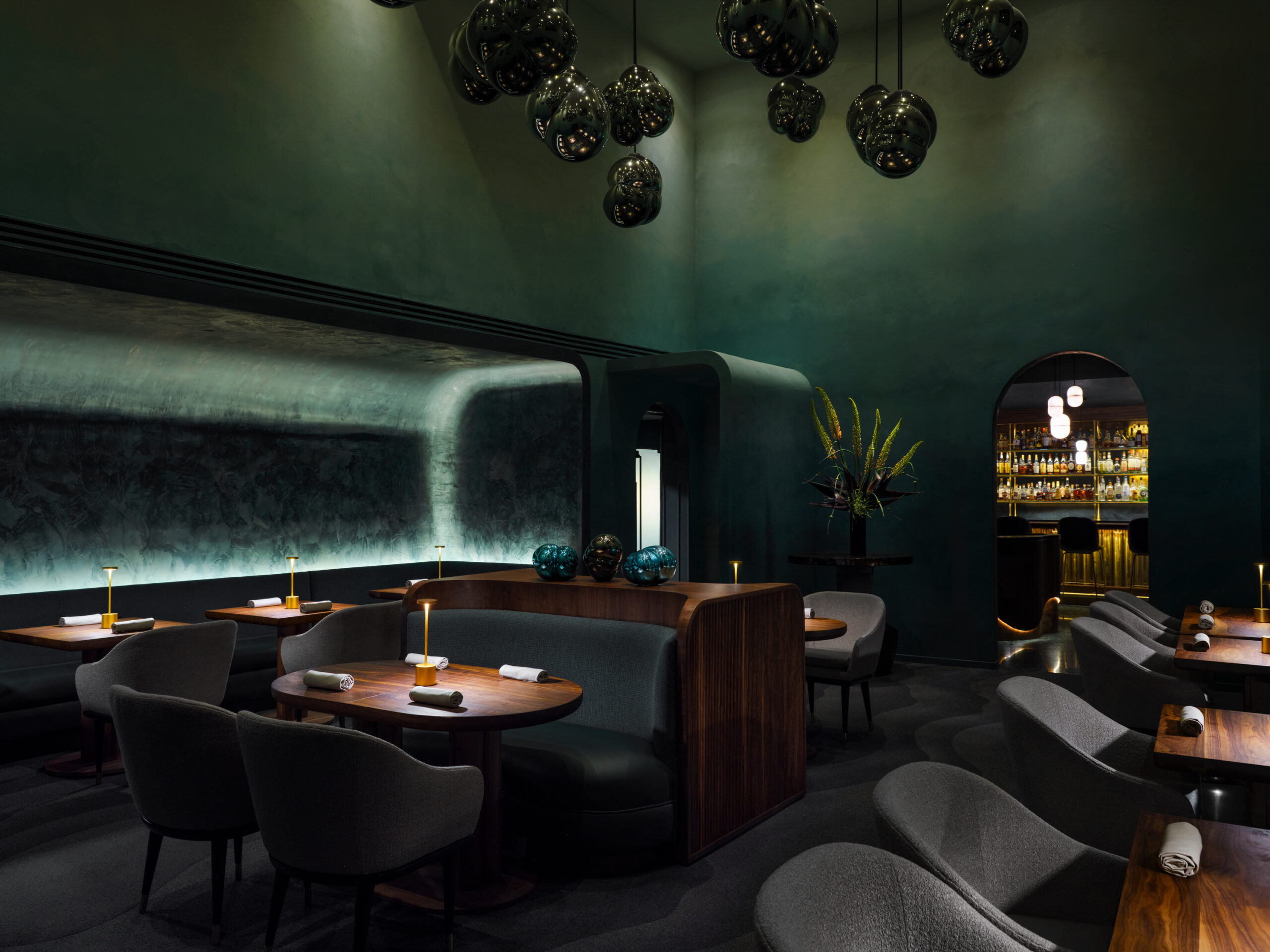
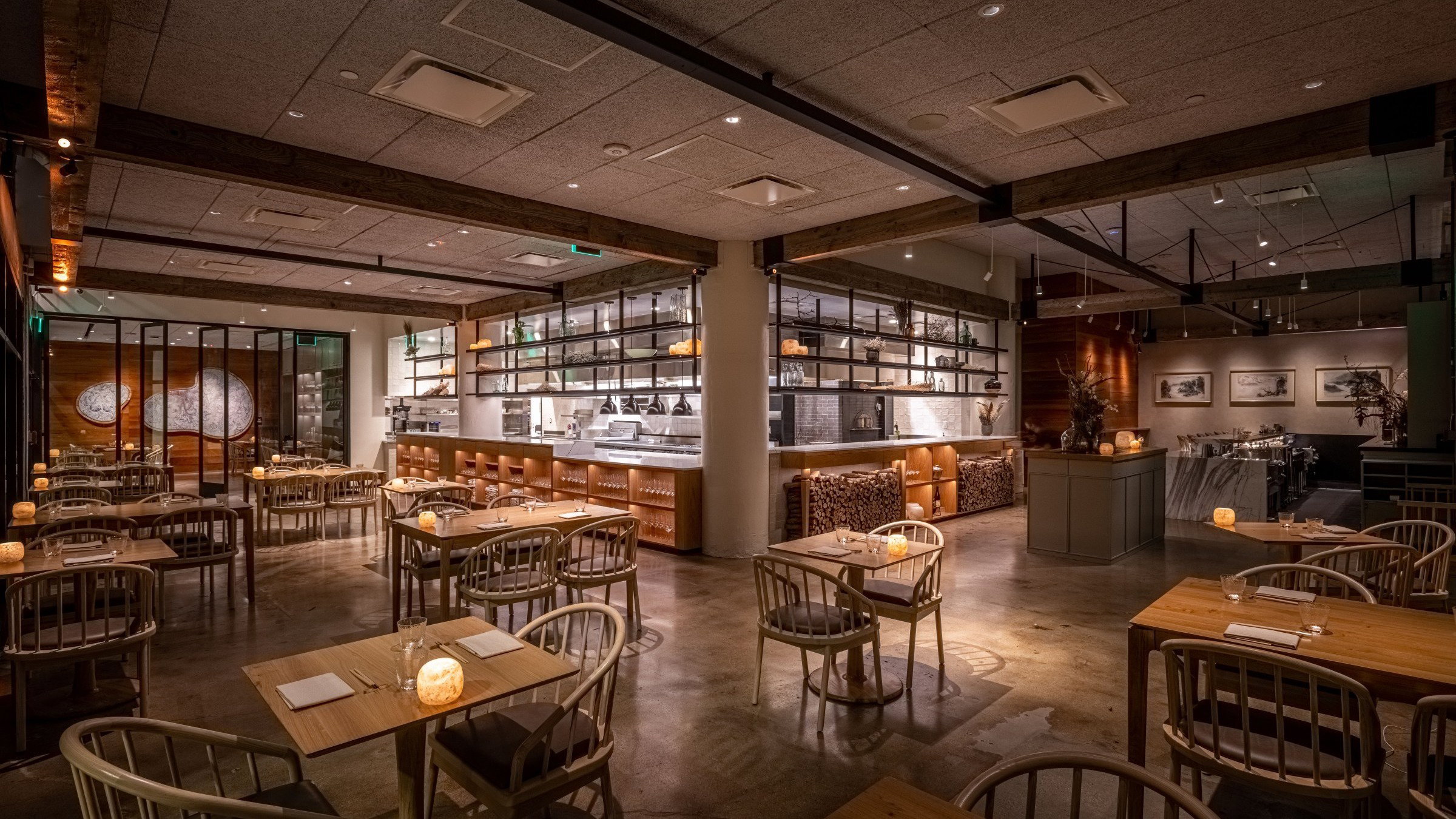
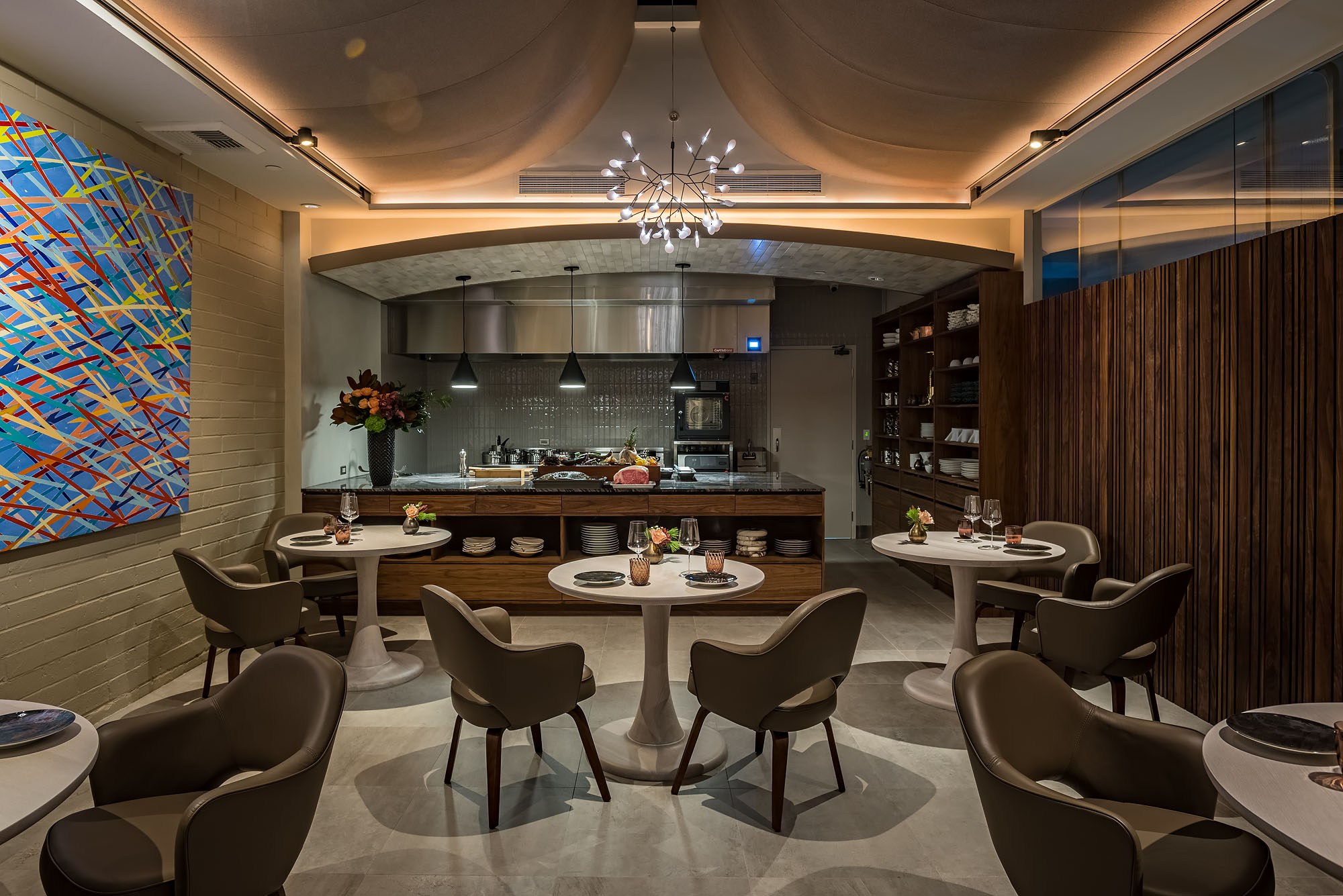
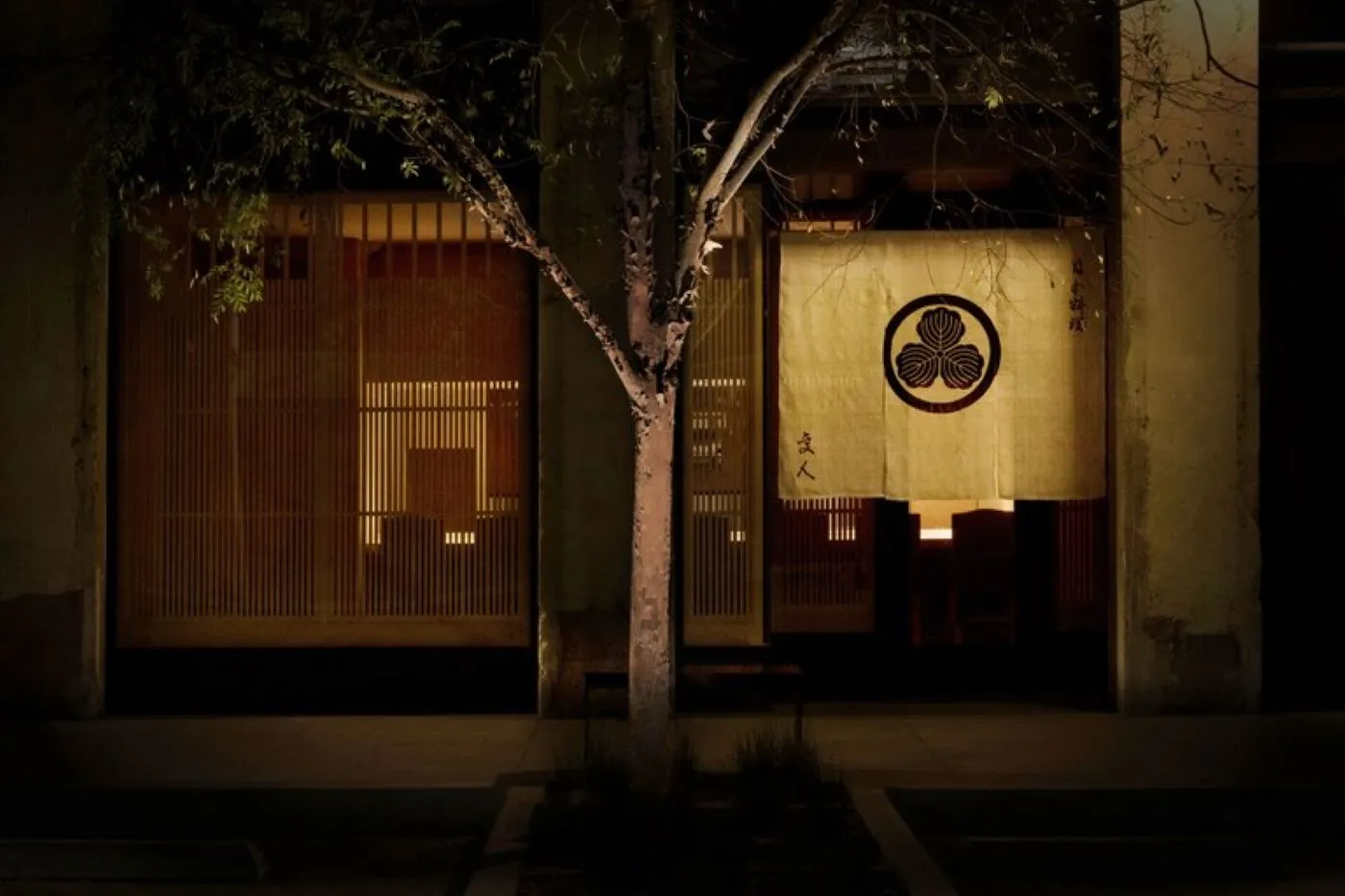
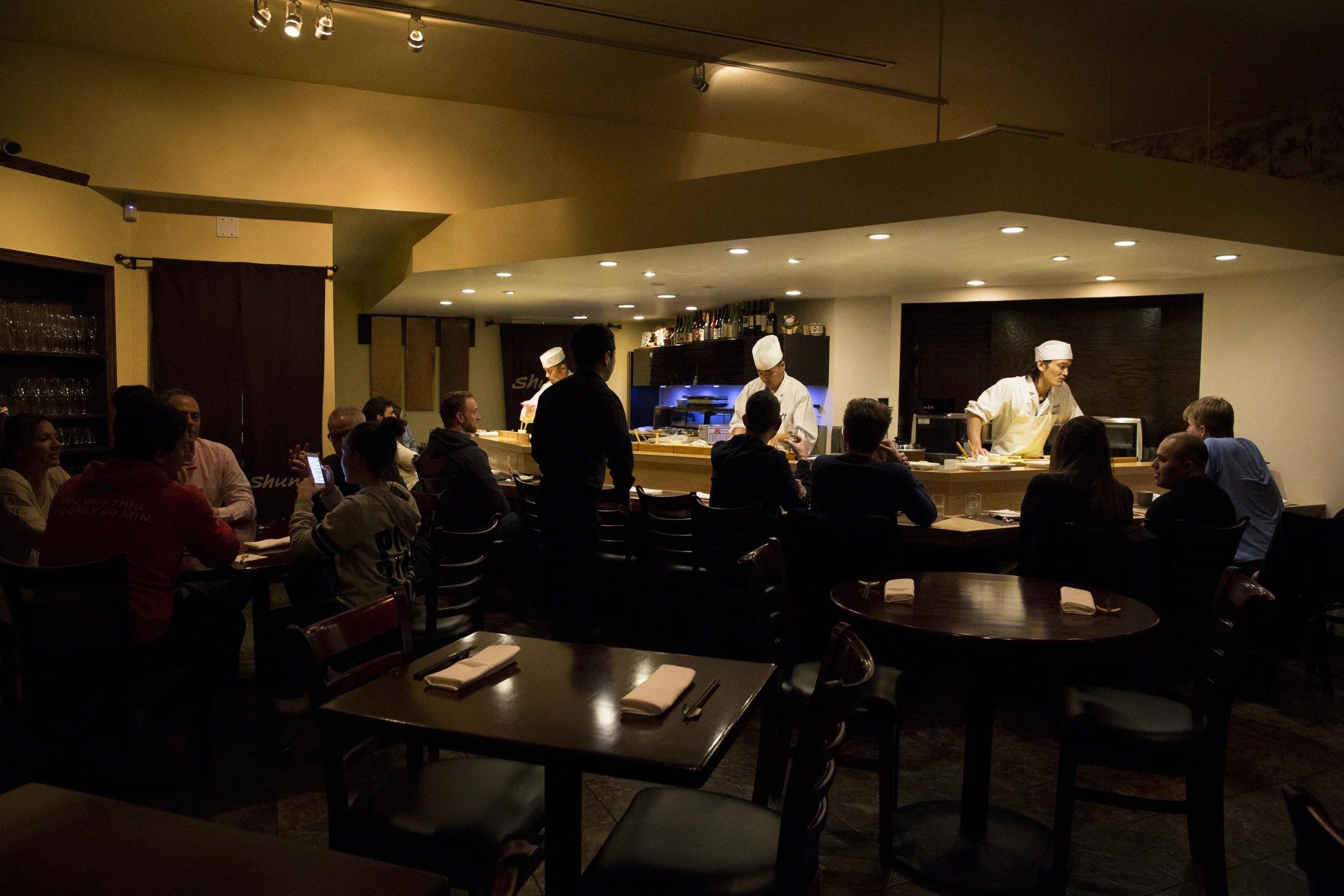
The room itself reads as understated from the outside, a strip-mall address on Ocean Park Boulevard that gives nothing away. Inside, the counter and the visual presentation of the food are where attention lands. Expect clean plating that signals precision rather than decoration: what arrives in front of you is composed, not garnished. This is a kitchen that communicates confidence through restraint, and for the food-focused diner, that visual register matters. It signals that nothing on the plate is there without purpose.
Timing: Why It Matters More Here Than at Most Venues
Seasonal angle is not a marketing flourish at Shunji, it is the operational logic. Japanese high-end cooking at this level is structured around what premium ingredients are doing at any given point in the year. Winter brings fatty fish and root preparations; spring shifts toward lighter, cleaner profiles; summer and autumn each carry their own market priorities. A visit in January and a visit in June are genuinely different meals at a venue like this, in a way that is not true at restaurants working from fixed menus.
Practical implication: if you have a choice of months, research what is in peak season for Japanese ingredients around your visit date. A food-focused traveler treating this as a destination meal should time around the obvious peaks, late autumn through winter is broadly considered premium season for fatty fish, which is well-represented in serious Japanese cooking on the West Coast. That said, Shunji's OAD rankings have been consistent across years, suggesting the kitchen performs at a high level regardless of season.
Day-of-week timing also matters. The restaurant is closed Monday and Sunday, and operates on a compressed evening window (Tuesday 6–8pm, Wednesday through Saturday 5–8pm). This is not a venue that accommodates late arrivals or extended lingering, the window is tight, which means your reservation time is effectively your only option. Plan around it.
Booking at Shunji
This is a hard booking. The combination of limited hours, no Sunday or Monday service, and consistent national recognition creates real demand pressure. The 5–8pm or 6–8pm windows are short, which means seat turnover is limited per service. Approach this the way you would approach a leading counter in New York, check reservation platforms as far in advance as your dates allow, and treat any availability as a decision point rather than a browsing opportunity. This is not a walk-in venue in practice, even if no formal policy is stated.
If Shunji is fully booked, Asanebo in Studio City offers comparable seriousness in Japanese cooking and may have more availability. For the broader Los Angeles dining picture, see our full Los Angeles restaurants guide.
Price and Value
At the $$$$ price tier, Shunji is in the same bracket as the city's other leading Japanese counters. What you are paying for is not just the fish, it is the seasonal sourcing and the chef's judgment about what the menu should be on the specific night you visit. For diners who want that level of curation, the price is defensible. For diners who prefer to control their order and spend selectively, this format will feel less comfortable. Compare it against Masa in New York or Sushi Masaki Saito in Toronto if you are calibrating expectations for what top-tier Japanese omakase costs in North America, Shunji is competitive on price for what it delivers.
Who Should Book Shunji
This venue is built for the food-focused diner who wants to understand what serious Japanese cooking looks like in Los Angeles, and who is willing to commit to the chef's decision about what that means on any given evening. It rewards repeat visits more than most, the seasonal rotation means there is genuinely more to discover across multiple trips. For a special occasion, the format supports it well: the intimacy of the counter, the precision of the cooking, and the OAD recognition all signal that this is a serious meal. For a casual group dinner or a table where not everyone is fully bought in to the format, it is not the right fit.
Serious Japanese cooking at this level is rare enough in Los Angeles that Shunji's consistent national ranking over three years makes it a meaningful data point. If Japanese cuisine at the top of the market is what you are looking for, this belongs in your consideration set alongside the other venues in our Los Angeles dining guide. For context on the broader category, the cooking here sits in company with destination restaurants like The French Laundry in Napa and Single Thread Farm in Healdsburg in terms of commitment to seasonal, chef-driven sourcing, the format is different, but the underlying philosophy rhymes.
Practical Details at a Glance
| Detail | Shunji | Nozawa Bar | Shin Sushi |
|---|---|---|---|
| Price tier | $$$$ | $$$$ | $$$$ |
| Booking difficulty | Hard | Very Hard | Hard |
| Days open | Tue–Sat | Mon–Sat | Tue–Sat |
| Service window | 5–8pm / 6–8pm | Multiple seatings | Evening only |
| Sunday service | No | No | No |
| OAD ranked (2025) | #97 | ||
| Michelin recognition | Plate 2024–25 |
For hotels near Santa Monica, see our Los Angeles hotels guide. For bars worth pairing with dinner, see our Los Angeles bars guide. If you are building a full LA trip around food and experiences, our experiences guide and wineries guide are useful starting points.
FAQ: Shunji, Los Angeles
- What are alternatives to Shunji in Los Angeles? For Japanese at a similar level, Morihiro and Shin Sushi are the closest peers in terms of seriousness and price. Nozawa Bar is harder to book but more format-driven. Sushi Kaneyoshi skews more toward a traditional Edomae sushi progression if that is your preference. Asanebo in Studio City offers strong Japanese cooking and is often easier to secure on short notice.
- What should a first-timer know about Shunji? The hours are short and the booking window is narrow, confirm your reservation time and arrive on schedule. The price tier is $$$$ and the format is chef-driven, so come expecting to eat what the kitchen decides is leading that evening. The OAD ranking (#97 in North America in 2025) and Michelin Plate recognition mean the quality floor is high, but the experience asks you to trust the chef's judgment, not order off a menu.
- Is Shunji good for a special occasion? Yes, with one caveat: it works well when everyone at the table is genuinely interested in Japanese cooking. The counter format and chef-driven menu are well-suited to a celebratory meal for two, and the level of cooking, three consecutive OAD Top 100 placements in North America, delivers on the occasion. For a group where preferences vary widely, a different venue would serve better.
- Is Shunji worth the price? Compared to Masa in New York, which occupies a similar tier nationally, Shunji is competitive on price and arguably more seasonal in its orientation. Worth it if omakase-style, chef-curated Japanese cooking is what you are specifically after.
- Is lunch or dinner better at Shunji? Shunji does not currently offer lunch service, the restaurant operates evenings only, Tuesday through Saturday, with doors closing at 8pm. There is no lunch option to weigh. Dinner is the only format available, so the decision is which evening works for your schedule rather than which meal period.
- Can I eat at the bar at Shunji? No confirmed counter-seating information is available in Shunji's current data. Given the format and the style of Japanese cooking here, a counter or chef's counter experience is plausible, but confirm directly when booking rather than assuming availability or configuration.
- Does Shunji handle dietary restrictions? No phone number or website is listed in our current data, which makes pre-visit communication harder to confirm. For dietary restrictions at a chef-driven Japanese venue, contacting the restaurant at the time of reservation is essential, the menu is not a la carte, so restrictions need to be flagged well in advance rather than on arrival.
- Is the tasting menu worth it at Shunji? Given three years of OAD recognition in North America and consistent 4.8 reviewer ratings, the kitchen's track record supports the tasting format at this price point. Chef Shunji Nakao's approach to seasonal Japanese cooking means the menu is genuinely different across visits and across seasons, which makes the tasting format more rewarding here than at venues with static progressions. If you are comparing it against Hayato or the other top-tier Japanese options in LA, Shunji's seasonal orientation is its clearest point of differentiation.
Planning details
- Hours
- Monday: Closed · Tuesday: 6–8 pm
- Location
- 3003 Ocean Park Blvd, Santa Monica, CA 90405
- Reservations
- Book on Tock
- Website
- shunji-ns.com
The take
The Take
The Vibe
Shunji reads like a refined West Coast translation of classical kaiseki: restrained, season-driven and quiet. Chef Shunji Nakao stages a sequenced omakase at the counter where compositional restraint, textural contrast and local produce rhythms take center stage. The room favors an introspective pace rather than theatrical ceremony, positioning the restaurant between formal ritual and relaxed modernity. Its focus on precise plating and seasonal progression gives the experience a timeless, almost classical feel while the Santa Monica setting keeps the execution grounded and accessible.
Best For
This is a destination for diners who want a chef-led, seasonally curated meal at the counter. The omakase format and kaiseki-informed progression make it especially well suited to date nights and special-occasion dinners, and the counter setting also accommodates solo diners who want direct interaction with the chef. Compared with ultra-formal, high-ceremony sushi temples, Shunji sits in a gourmet-casual tier — technically exacting but with a lighter touch on ritual — so it fits both celebratory evenings and focused, contemplative meals.
Ordering Tips
Opt into the omakase progression and let the kitchen dictate sequencing: the meal is designed around seasonal availability and textural contrast rather than a la carte repetition. Prioritize signature items when they appear in the service — examples include the nodoguro nigiri, uni handroll and firefly squid — and expect a multi-course flow that emphasizes restraint and balance. Because the experience is counter-driven and curated course-by-course, approach the meal with an appetite for discovery rather than a single favorite protein or dish.
Venue details
Ambiance
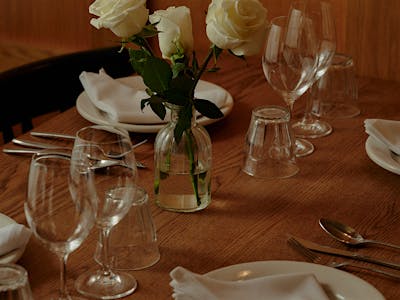
Sophisticated upscale atmosphere with refined wooden sushi counters, overhead lighting, smooth jazz, and a wall of orchids creating an intimate, polished dining experience.
Tags
Vibe
Best For
Experience
At the Table
- Dress Code
- Business Casual
- Noise Level
- Quiet
- Service Style
- Omakase Bar
- Meal Pacing
- Extended Experience
- Capacity
- Intimate
Signature Dishes
- nodoguro nigiri
- uni handroll
- firefly squid
Know before you go
Know Before You Go
- Getting there
- 3003 Ocean Park Blvd, Santa Monica, CA 90405
Planning details
Hours
- Monday
- Closed
- Tuesday
- 6–8 pm
- Wednesday
- 5–8 pm
- Thursday
- 5–8 pm
- Friday
- 5–8 pm
- Saturday
- 5–8 pm
- Sunday
- Closed
Location
Recognition and awards

Also consider
Also Consider
- Kato, New Taiwanese, Asian, $$$$
- Hayato, Japanese, $$$$
- Vespertine, Progressive, Contemporary, $$$$
- Camphor, French-Asian, French, $$$$
- Gwen, New American, Steakhouse, $$$$
Restaurant context
At the $$$$ tier in Los Angeles, Shunji's closest direct competitor is Hayato, which runs a kaiseki format in Downtown LA and carries stronger Michelin recognition. If formal kaiseki structure and a more elaborate multi-course progression matter to you, Hayato is the clearer choice. Shunji's advantage is its seasonal responsiveness and its West Side location, useful if you are based in Santa Monica or the Westside and want to avoid the drive to Downtown. For pure sushi counter work, Nozawa Bar is the more focused option, though it is harder to book and more format-rigid than Shunji.
Kato is the most decorated restaurant in this peer group and the most difficult to book. If your primary goal is a single high-stakes meal representing the best of Los Angeles's current tasting menu scene, Kato has the edge. But the cuisine is New Taiwanese rather than Japanese, so it is a different kind of experience. Camphor and Vespertine operate in French-Asian and progressive contemporary registers respectively, both $$$$ and both booking-intensive, but neither competes directly with Shunji for a diner specifically seeking Japanese cooking. Gwen is the outlier: a steakhouse-anchored New American, worth considering if the group's preferences are broader, but not a substitute for Shunji's format.
Bottom line for decision-making: book Shunji if you want seasonal Japanese cooking from a chef with a consistent national track record and you are based on or visiting the Westside. Book Hayato if kaiseki structure and Michelin weight are your priority. Book Kato if you want the most critically acclaimed tasting menu in LA right now, regardless of cuisine type. Shunji's booking difficulty is high but slightly more accessible than Kato, making it the practical choice for a serious Japanese meal when Kato availability has closed out.
Around this place
Discover more on Pearl
Unlock the full Shunji guide in Pearl, including awards, comparisons, FAQs, planning details, and nearby places.
Compare Shunji
| Venue | Cuisine | Price | Awards | Booking Difficulty |
|---|---|---|---|---|
| Shunji | Sushi, Japanese | $$$$ | Michelin Plate 20262026 Michelin Plate2025 OAD Top Restaurants in North America Ranked · #972025 Michelin Plate2024 OAD Top Restaurants in North America Ranked · #1192024 Michelin Plate2023 OAD Gourmet Casual Dining in North America Ranked · #792023 OAD Top Restaurants in North America Ranked · #111 | Hard |
| Kato | New Taiwanese, Asian | $$$$ | 2026 OAD Top Restaurants in North America Ranked · #302026 North America's 50 Best Restaurants · #49Star Wine Lists 20262026 James Beard Award Semifinalists2026 James Beard Award Nominees2026 James Beard Award Winners2026 Chinese Restaurant Awards — Elite 12 United States Top 20 Honourees2026 Wine Spectator Best of Award of Excellence2026 Michelin 2 Stars | Unknown |
| Hayato | Japanese | $$$$ | 2026 Food & Wine Top 10 US Restaurants · #62026 OAD Top Restaurants in North America Ranked · #132026 Michelin 2 Stars2026 La Liste Top Restaurants2025 LA Times 101 Best Restaurants · #52025 OAD Top Restaurants in North America Ranked · #102025 The Best Chef One Knife2025 La Liste Top Restaurants2025 Michelin 2 Stars | Unknown |
| Vespertine | Progressive, Contemporary | $$$$ | 2026 OAD Top Restaurants in North America Ranked · #932026 Michelin 2 Stars2026 La Liste Top Restaurants2025 LA Times 101 Best Restaurants · #332025 Robb Report 100 Greatest American Restaurants of the 21st Century · #712025 OAD Top Restaurants in North America Ranked · #982025 The Best Chef Two Knives2025 La Liste Top Restaurants2025 Michelin 2 Stars | Unknown |
| Camphor | French-Asian, French | $$$$ | 2026 World's 101 Best Burgers · #152026 OAD Top Restaurants in North America Recommended2026 Michelin Plate2025 OAD Top Restaurants in North America Ranked · #2422025 Michelin 1 Star2024 LA Times 101 Best Restaurants · #782024 OAD Top Restaurants in North America Ranked · #2832024 Michelin 1 Star | Unknown |
| Gwen | New American, Steakhouse | $$$$ | 2026 World's Best Steaks 101 Best Steak Restaurants · #412026 Wine Spectator Best of Award of Excellence2026 Michelin Plate2026 OAD Top Restaurants in North America Recommended2025 World's Best Steaks 50 Best Steakhouses in North America · #62025 World's Best Steaks 101 Best Steak Restaurants · #432025 OAD Top Restaurants in North America Ranked · #2502025 Michelin 1 Star2024 OAD Top Restaurants in North America Ranked · #271 | Unknown |
















Side-by-side comparison to help you decide where to book.
FAQ
Frequently Asked Questions
What are alternatives to Shunji in Los Angeles?
Hayato in downtown LA is the closest peer — also OAD-ranked, also a hard booking, and similarly focused on traditional Japanese kaiseki over straightforward sushi. Kato operates in a different register, blending Japanese technique with Taiwanese-American influences. If you want a counter that prioritises fish over broader Japanese cooking, those are the two most direct comparisons at the $$$$ tier in LA.
What should a first-timer know about Shunji?
Go in knowing that this is not a standard sushi-heavy omakase. Chef Shunji Nakao's cooking is seasonal and technique-driven, which means the menu shifts based on what he is working. Service runs Tuesday through Saturday with narrow evening windows (5–8 pm most nights, 6–8 pm Tuesdays), so plan around the hours rather than assuming flexibility. Book well in advance — OAD Top 100 recognition two years running means demand consistently outpaces seats.
Is Shunji good for a special occasion?
Yes, but it rewards guests who are genuinely interested in the food rather than those seeking a flashy setting. The $$$$ price point and consistent national recognition (OAD ranked #97 in North America in 2025) signal a serious meal. For milestone celebrations where the cooking itself is the event, Shunji works well; if you need a buzzy room or tableside theatre, it may not be the right fit.
Is Shunji worth the price?
At the $$$$ tier, Shunji is priced alongside the strongest Japanese counters in Los Angeles. The value case rests on chef Shunji Nakao's track record — OAD Top 100 in North America three consecutive years (2023, 2024, 2025) and Michelin Plate recognition — rather than on portion size or spectacle. If seasonally driven, chef-led Japanese cooking is what you are after, the price is justified. If you want more accessible omakase, the $$$$ commitment is harder to defend.
Is lunch or dinner better at Shunji?
Shunji does not offer lunch service based on current hours — the kitchen runs dinner only, Tuesday through Saturday. Plan for an evening booking; the latest start time is 8 pm across most nights.
Does Shunji handle dietary restrictions?
No specific dietary restriction policy is documented in the venue data. For a chef-driven omakase at the $$$$ level, the standard practice at comparable venues is to note restrictions at the time of booking rather than on arrival — contact Shunji directly when reserving to confirm what is possible.