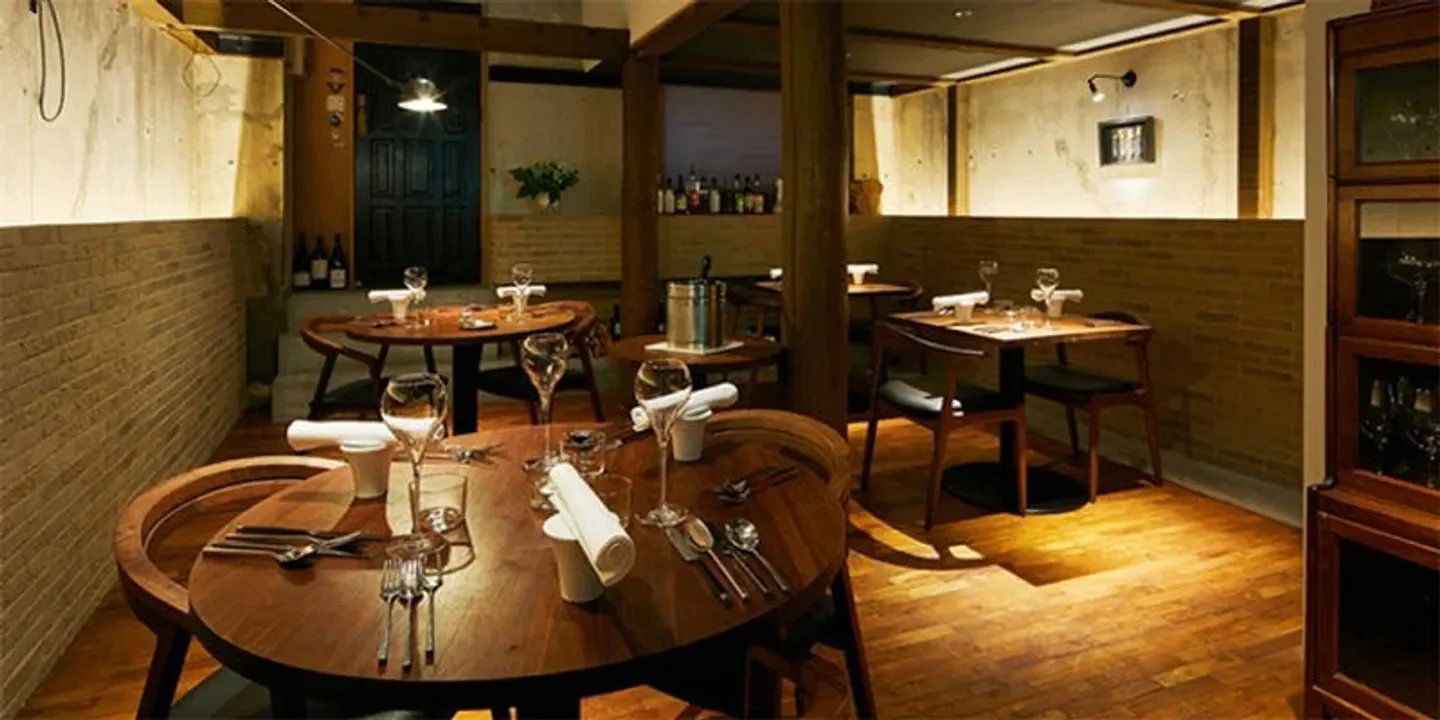


Oryori Hayashi
Kaiseki · Kamigyō, Kyoto
Restaurant in Kyoto, Japan
 Book with Pearl
The Read
Kamigyo Seasonal Kaiseki
Chef
Wataru Hayashi
Dress
Smart Casual
Why go
Oryori Hayashi is a chef-run kaiseki room in Kyoto's Kamigyo Ward with three consecutive years of recognition from La Liste and Opinionated About Dining. Booking is easy by Kyoto standards, making it a practical choice when the city's harder rooms are unavailable. Visit in autumn for the strongest seasonal menu; the narrow two-hour service windows require punctuality.
About Oryori Hayashi
Verdict
Oryori Hayashi is worth booking if you want Kyoto kaiseki without the institutional formality of the city's most decorated rooms. Chef Wataru Hayashi's restaurant in Kamigyo Ward has earned consistent recognition from both La Liste and Opinionated About Dining across three consecutive years, climbing from a recommended listing in 2023 to a ranked position in 2024 and 2025 before settling at 85 points on La Liste's 2026 ranking. That trajectory matters: it signals a kitchen still finding its ceiling, not one coasting on reputation. Booking is relatively easy compared to Kyoto's harder-to-access kaiseki counters, which makes this a practical choice for visitors who cannot secure a table at Gion Sasaki or Kyokaiseki Kichisen.
Portrait
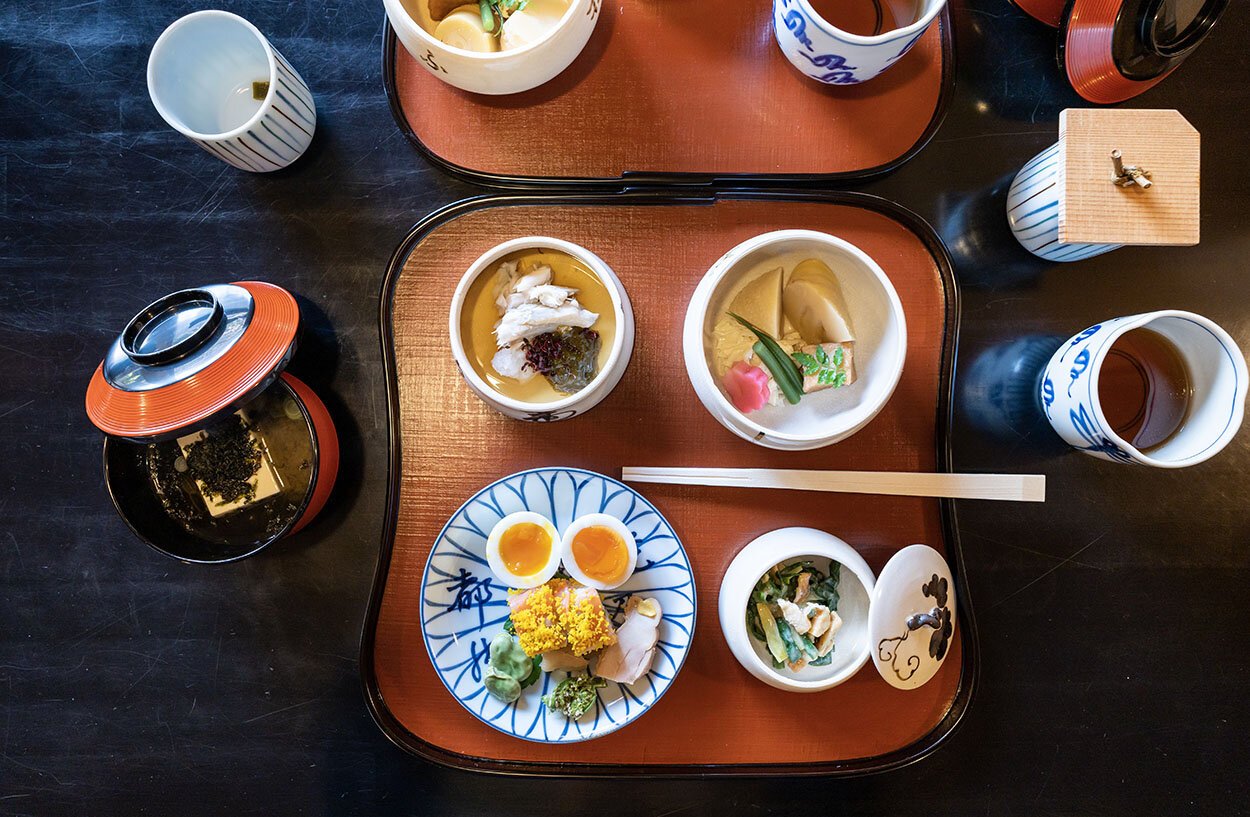
Kaiseki is, at its core, a seasonal discipline. The format exists to translate what is available right now into a sequence of courses that build in weight, temperature, intensity. At Oryori Hayashi, the address in Kamigyo Ward places it in a quieter residential pocket of Kyoto, away from the tourist concentration around Gion and Higashiyama. That location is part of its character: this is not a restaurant designed to perform Kyoto for visitors. It reads more like a neighbourhood chef's counter than a destination showroom.
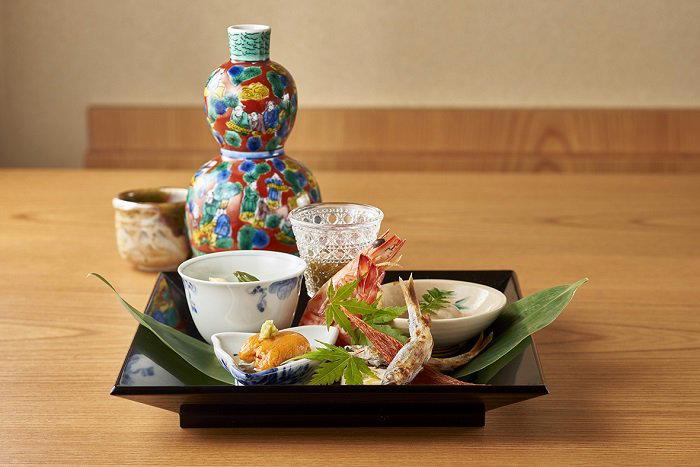
Because the menu is kaiseki and the database does not confirm specific dishes, the practical guidance here is seasonal rather than dish-specific. Spring visits (late March through May) will coincide with bamboo shoots, sansai mountain vegetables, the light, clean flavors that open the kaiseki year. Summer service brings ayu sweetfish and cold preparations that offset the Kyoto humidity. Autumn is broadly the strongest season for this format across the city, when matsutake mushrooms and chestnut preparations arrive and the menu reaches its most complex expressions. Winter kaiseki leans on root vegetables, hot pots, the slow-braised dishes that make the colder months arguably the most satisfying for first-time visitors to the format. Any of these windows works; autumn is the most rewarding if you have the choice.
The operating hours are narrow: lunch runs 11:30 am to 1:30 pm and dinner runs 5:30 to 7:30 pm, Tuesday through Sunday, with Wednesday closed. Those windows are tight even by kaiseki standards, the short seatings suggest a small room running precise back-to-back service rather than a loose open kitchen. Plan your day around the booking, not the other way around.
For a special occasion, Oryori Hayashi works well for two people who are already familiar with kaiseki's pacing and want a more personal, less choreographed version of the format. The Kamigyo location, the narrow service windows, the chef-named restaurant all point to an owner-operated room where the experience is closer to cooking for guests than executing a production. That quality is harder to find in Kyoto as the city's high-end dining scene has expanded, it is the clearest reason to choose this over a larger, more polished alternative.
Booking is described as easy, which is a meaningful advantage in a city where the most sought-after kaiseki counters require months of lead time or a hotel concierge relationship. You can reasonably plan a visit within a few weeks of your travel dates. For logistics: the address is Kamigyo Ward, Kawara-machi, Kajii-cho 448-61, accessible from central Kyoto by taxi or public transport. No phone or website is confirmed in our data, so booking through a hotel concierge or a reservation platform that covers Kyoto independents is the most reliable approach.
If you are building a broader Kyoto itinerary, see our full Kyoto restaurants guide, Kyoto hotels guide, Kyoto bars guide, Kyoto wineries guide, and Kyoto experiences guide for full coverage.
Quick reference: Kamigyo Ward, Kyoto | Kaiseki | Mon–Tue, Thu–Sun: lunch 11:30 am–1:30 pm, dinner 5:30–7:30 pm | Closed Wednesday | Booking: easy | Awards: La Liste 2026 (85pts), OAD Japan Leading Restaurants 2025 (#366)
Ratings & Recognition
- La Liste Leading Restaurants 2026: 85 points
- La Liste Leading Restaurants 2025: 87 points
- Opinionated About Dining Leading Restaurants in Japan 2025: #366
- Opinionated About Dining Leading Restaurants in Japan 2024: #426
- Opinionated About Dining Leading Restaurants in Japan 2023: Recommended
Booking & Practical Details
Booking difficulty is rated easy, which sets Oryori Hayashi apart from Kyoto's harder rooms. No direct phone or website is confirmed; use your hotel concierge or a Japan-specialist reservation service. Service runs in tight two-hour windows at both lunch and dinner, so arrive on time. Wednesday is the weekly closure. No dress code data is available, but standard kaiseki etiquette applies: neat, conservative dress is appropriate. Seat count is not confirmed, but the format and service windows suggest a small room.
For other kaiseki options in the city, Ifuki, Ankyu, Chihana, Doujin, and Gion Suetomo are all worth comparing depending on your budget and availability. If you are travelling beyond Kyoto, Pearl also covers HAJIME in Osaka, Harutaka in Tokyo, akordu in Nara, Goh in Fukuoka, 1000 in Yokohama, and 6 in Okinawa. For kaiseki specifically in Tokyo, see Kikunoi Tokyo and Hirosaku.
Planning details
- Hours
- Monday: 11:30 am–1:30 pm, 5:30–7:30 pm · Tuesday: 11:30 am–1:30 pm, 5:30–7:30 pm
- Location
- Japan, 〒602-0841 Kyoto, Kamigyo Ward, 河原町 今出川梶井町448-61
- Website
- laliste.com/link/place/0/-KFf9NmqrwmFK7rUnAwS
- Phone
- +81 75-213-4409
The take
The Take
The Vibe
Oryori Hayashi reads like a quiet, contemplative outpost of Kyoto kaiseki. Set on a residential stretch of Kamigyo Ward near centuries-old temples, the room leans into restraint: modest signage, compact dining rooms and a deliberate relationship to seasonal change. The prose emphasizes kaiseki’s codification — the ordered progression from light to substantial courses — so the restaurant feels measured and serious rather than flamboyant. Expect a refined, historically anchored atmosphere where small shifts in ingredient and presentation carry outsized meaning; the setting privileges attention to season and tradition over spectacle.
Best For
This is a restaurant for diners who want a disciplined, season-driven kaiseki experience. The formal, codified nature of the cuisine and the intimate scale of the dining rooms make it fitting for special evenings and date-night rituals that reward quiet attention. It’s also well suited to guests who appreciate culinary tradition and subtlety — people who prefer a composed, ceremonial meal over loud or casual service. The neighbourhood’s proximity to temples reinforces the contemplative, almost reverent tone of the visit, so it’s best for those seeking a calm, elevated dining occasion.
Ordering Tips
Lean into the full kaiseki sequence rather than looking for à la carte substitutions. The description stresses the discipline of kaiseki — a deliberate progression from lighter to more substantial courses and strict fidelity to the seasonal calendar — so the chef’s set menu is the clearest way to experience the restaurant’s voice. Ask about the seasonal highlights and let the kitchen guide you through the sequence so the rhythm of courses and the subtleties of ingredient choices are revealed as intended.
Venue details
Ambiance
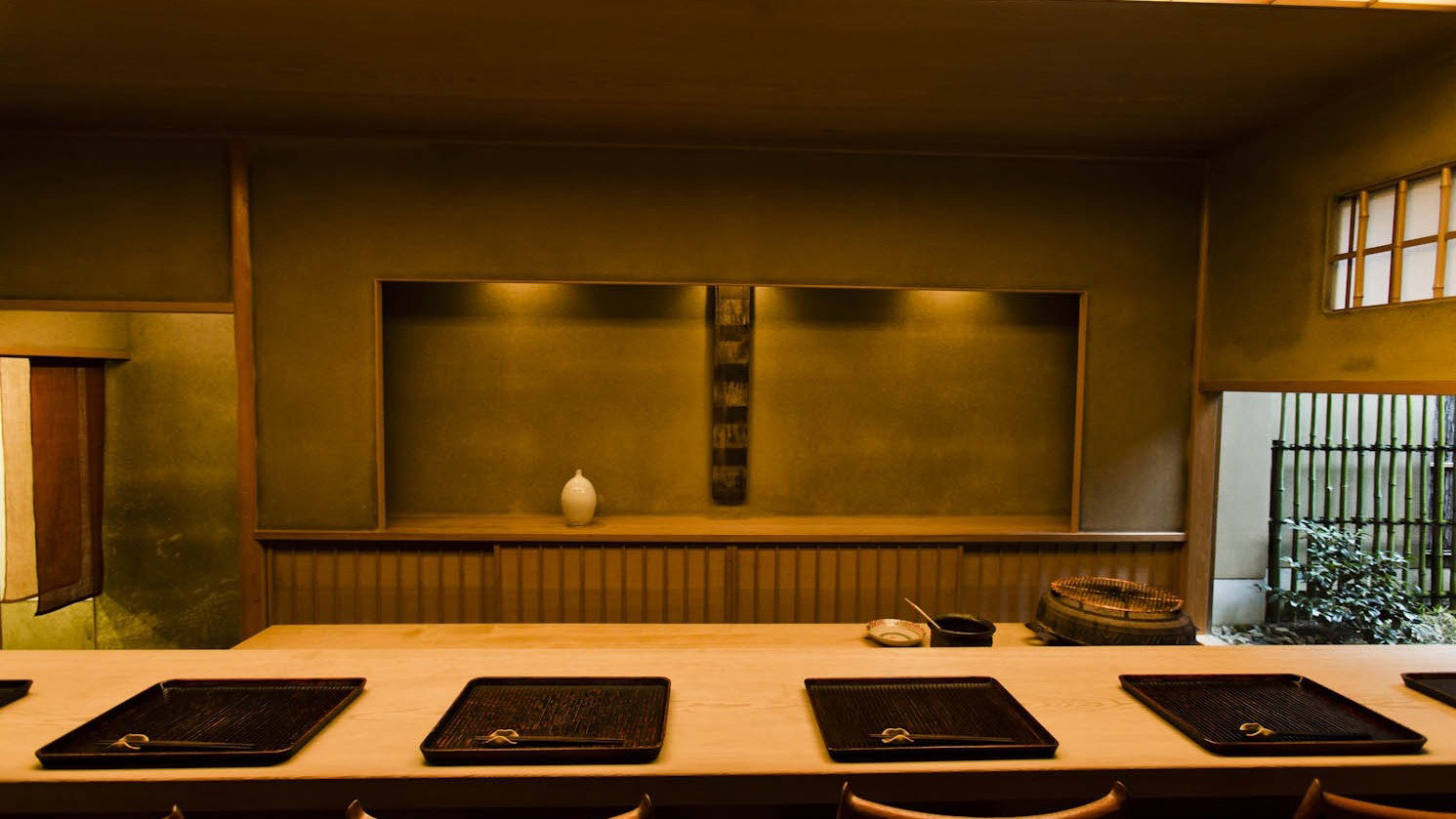
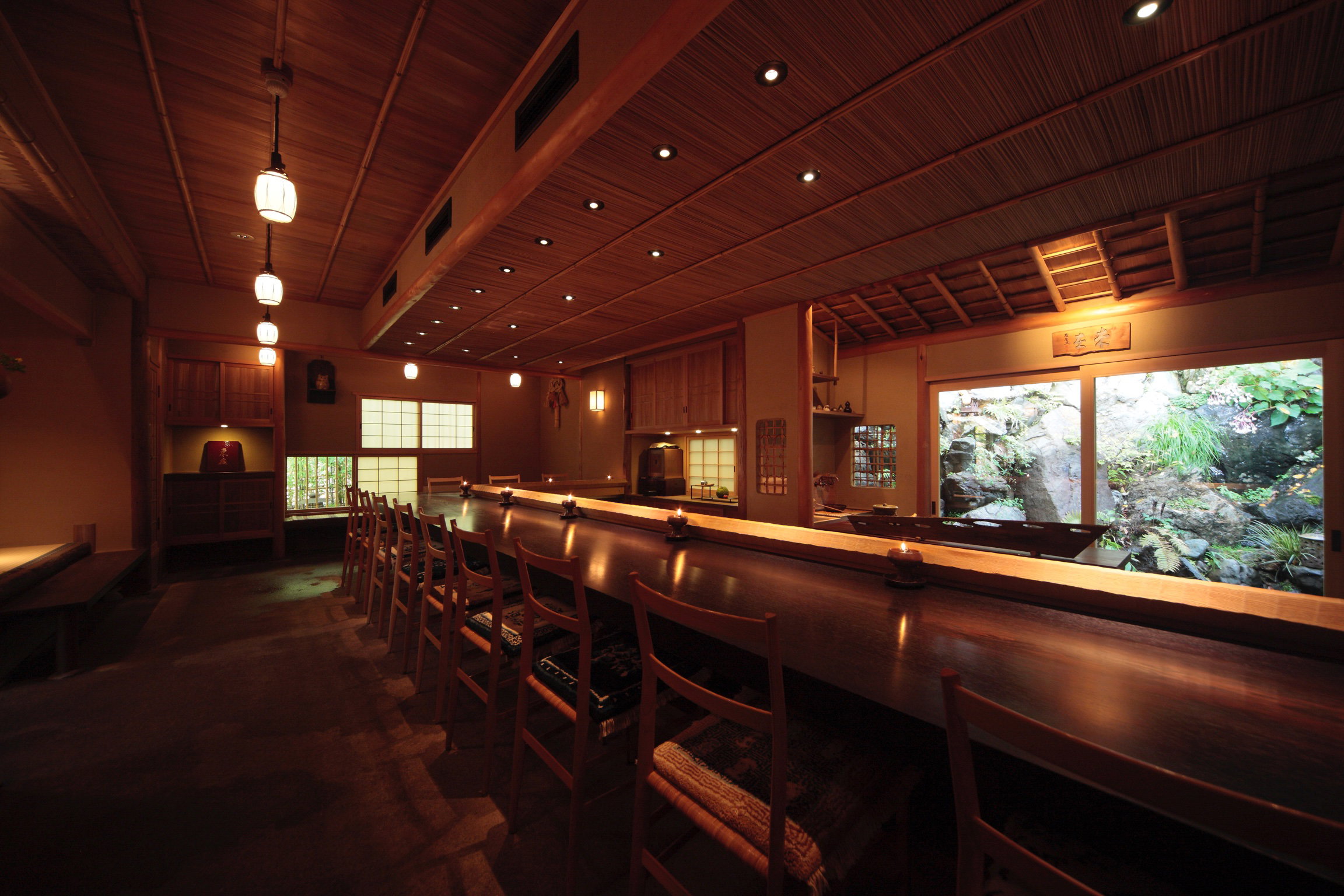
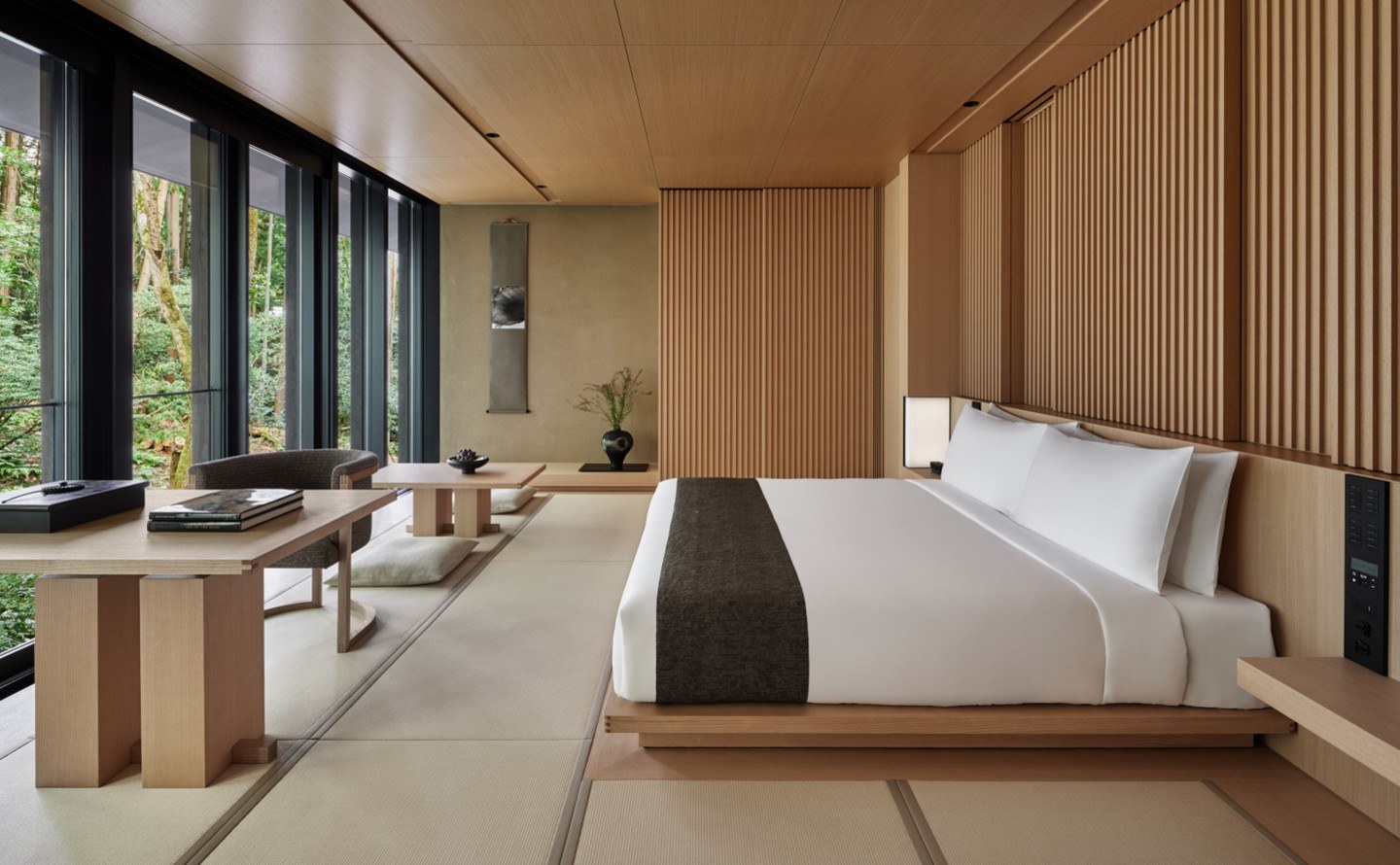
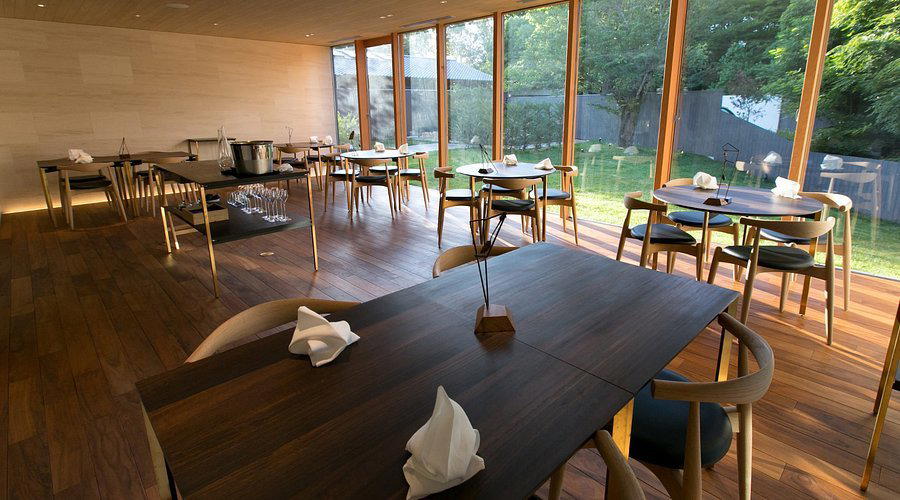
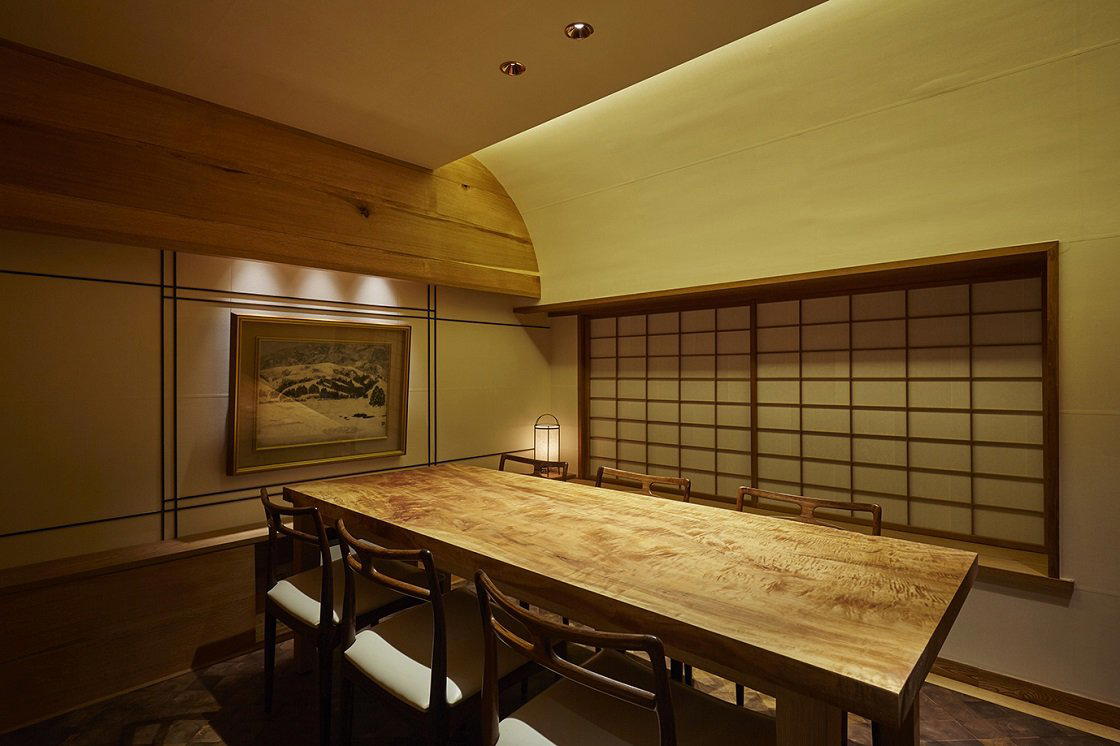
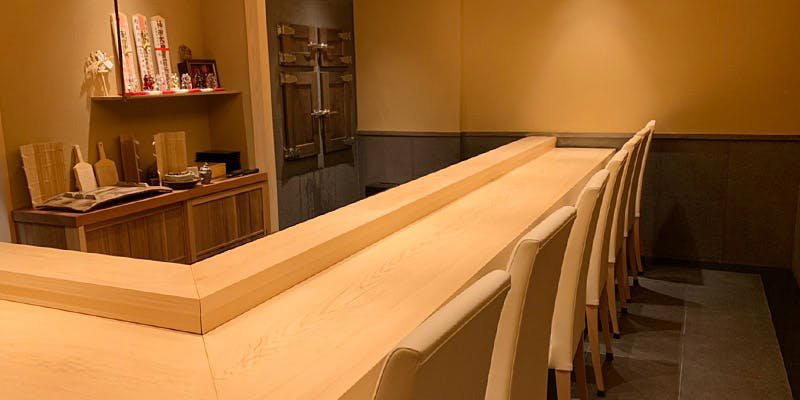
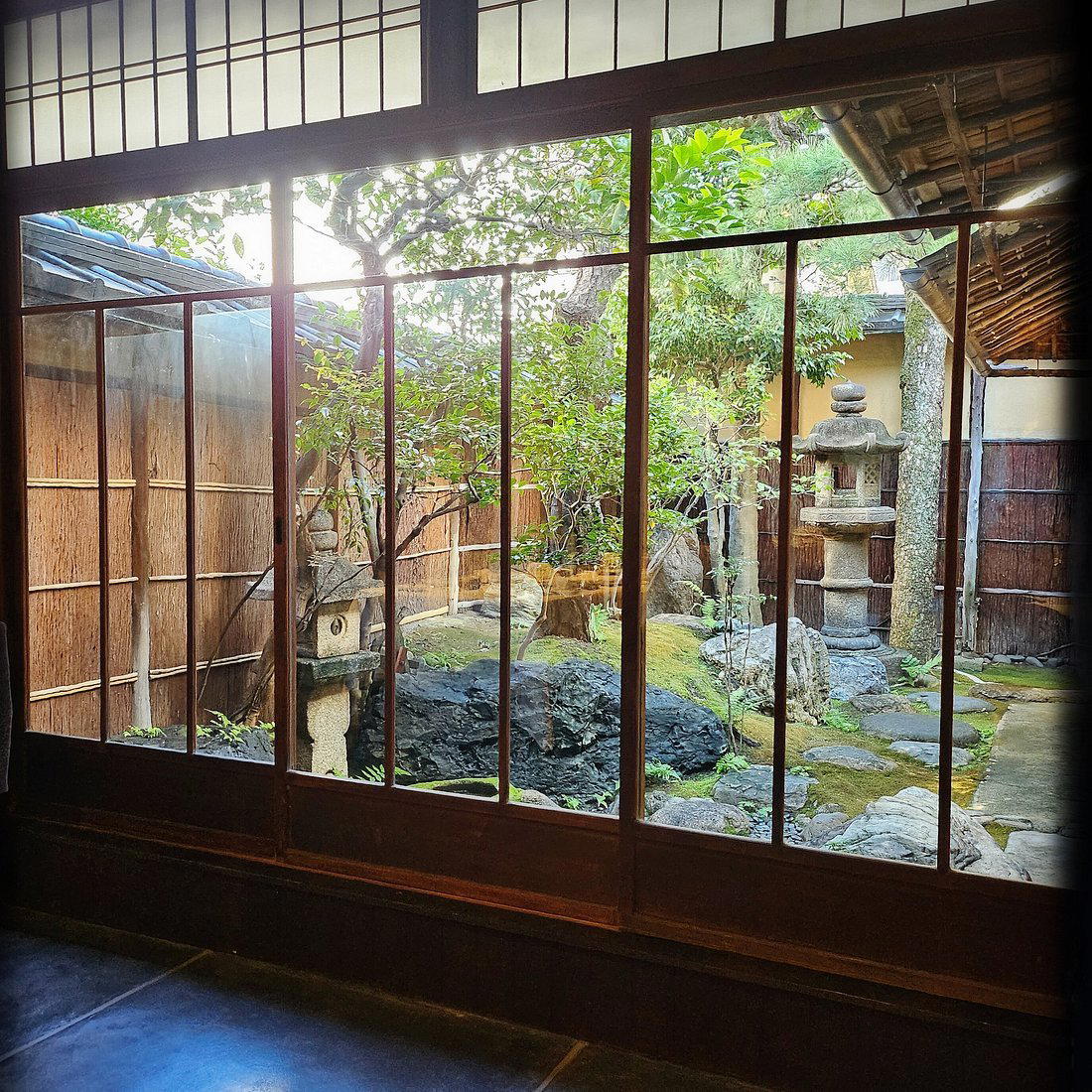
Tranquil and intimate setting with traditional Japanese architecture, counter seating, tatami private rooms, and a relaxing atmosphere emphasizing serenity and authenticity.
Tags
Vibe
Best For
Experience
At the Table
- Dress Code
- Smart Casual
- Noise Level
- Quiet
- Service Style
- Formal
- Meal Pacing
- Leisurely
- Capacity
- Intimate
Planning details
Hours
- Monday
- 11:30 am–1:30 pm, 5:30–7:30 pm
- Tuesday
- 11:30 am–1:30 pm, 5:30–7:30 pm
- Wednesday
- Closed
- Thursday
- 11:30 am–1:30 pm, 5:30–7:30 pm
- Friday
- 11:30 am–1:30 pm, 5:30–7:30 pm
- Saturday
- 11:30 am–1:30 pm, 5:30–7:30 pm
- Sunday
- 11:30 am–1:30 pm, 5:30–7:30 pm
Location
Japan, 〒602-0841 Kyoto, Kamigyo Ward, 河原町 今出川梶井町448-61 · Directions
Recognition and awards


Also consider
Also Consider
- Gion Sasaki; Kaiseki, Japanese, ¥¥¥¥
- cenci; Italian, ¥¥¥
- Ifuki; Kaiseki, ¥¥¥¥
- Kyokaiseki Kichisen; Japanese, ¥¥¥¥
- SEN; French, Japanese, ¥¥¥¥
Restaurant context
Among Kyoto's kaiseki options, Oryori Hayashi sits in a useful middle position: more accessible than the city's top-tier formal rooms, but with award credentials that give it more substance than a neighbourhood-only reputation. If your priority is securing the most decorated kaiseki experience in Kyoto and you can plan months ahead, Kyokaiseki Kichisen and Gion Sasaki both operate at a higher formal register and carry stronger critic consensus. Those rooms demand significantly more lead time and, in most cases, a Japanese-language reservation or concierge assistance. Oryori Hayashi asks neither.
Ifuki is the closest direct peer: kaiseki, Kyoto, similar price tier, also carrying OAD recognition. The choice between them comes down to which room you can get into on your travel dates, which neighbourhood suits your itinerary; Ifuki's location versus Oryori Hayashi's Kamigyo position will matter depending on where you are based. SEN offers a French-Japanese crossover for diners who want the kaiseki structure without strict Japanese tradition, it works if your group is split on the format. cenci is the obvious pick if someone in your party actively prefers Italian over Japanese; it is a strong room at a lower price point and does not require a commitment to kaiseki pacing.
For a special occasion where kaiseki is the right format but the top rooms are unavailable, Oryori Hayashi is the practical recommendation. It has the award track record to hold up as a destination meal, the booking accessibility that most Kyoto kaiseki rooms cannot offer, a chef-run character that the larger institutional rooms have traded away. If you are weighing value, the lack of confirmed pricing is the main gap; verify the current menu cost at booking and compare against Ifuki before committing.
Explore Kyoto
Around this place
Discover more on Pearl
Unlock the full Oryori Hayashi guide in Pearl, including awards, comparisons, FAQs, planning details, and nearby places.
Compare Oryori Hayashi
| Venue | Location | Cuisine | Awards | Price |
|---|---|---|---|---|
| Oryori Hayashi | Kyoto | Kaiseki | 2026 OAD Top Restaurants in Japan Recommended2026 La Liste Top Restaurants2025 OAD Top Restaurants in Japan Ranked · #3662025 La Liste Top Restaurants2024 OAD Top Restaurants in Japan Ranked · #4262023 OAD Top Restaurants in Japan Recommended | ; |
| Gion Sasaki | Kyoto | Kaiseki, Japanese | 2026 Tabelog Bronze · #3862026 OAD Top Restaurants in Japan RecommendedMichelin Guide Kyoto Osaka 20262026 La Liste Top RestaurantsTabelog 100 - Japanese cuisine - WEST - 2025 · #132025 OAD Top Restaurants in Japan Ranked · #2462025 Tabelog Silver2025 Michelin 3 Stars2025 La Liste Top Restaurants | ¥¥¥¥ |
| cenci | Kyoto | Italian | 2026 Tabelog Bronze · #442026 Asia's 50 Best Restaurants · #762026 OAD Top Restaurants in Japan Highly RecommendedMichelin Guide Kyoto Osaka 2026Tabelog 100 - Italian - WEST - 2025 · #632025 Asia's 50 Best Restaurants · #632025 OAD Top Restaurants in Japan Ranked · #1682025 Tabelog Bronze2024 OAD Top Restaurants in Japan Ranked · #135 | ¥¥¥ |
| Ifuki | Kyoto | Kaiseki | 2026 OAD Top Restaurants in Japan Ranked · #1222026 Tabelog Bronze · #128Michelin Guide Kyoto Osaka 20262026 La Liste Top RestaurantsTabelog 100 - Japanese cuisine - WEST - 2025 · #622025 OAD Top Restaurants in Japan Ranked · #1002025 La Liste Top Restaurants2025 Tabelog Bronze2025 Michelin 2 Stars | ¥¥¥¥ |
| Kyokaiseki Kichisen | Kyoto | Japanese | 2026 Tabelog Bronze · #1752026 OAD Top Restaurants in Japan Highly RecommendedMichelin Guide Kyoto Osaka 20262025 OAD Top Restaurants in Japan Ranked · #1862025 Michelin 2 Stars2025 La Liste Top Restaurants2024 OAD Top Restaurants in Japan Ranked · #1422024 Michelin 2 Stars2023 OAD Top Restaurants in Japan Ranked · #136 | ¥¥¥¥ |
| SEN | Kyoto | French, Japanese | 2026 Tabelog Bronze · #3952026 OAD Top Restaurants in Japan RecommendedMichelin Guide Kyoto Osaka 20262026 Michelin PlateTabelog 100 - Japanese cuisine - WEST - 2025 · #652025 Michelin Plate2025 Tabelog Bronze2024 OAD Top Restaurants in Japan Ranked · #3622024 Michelin Plate | ¥¥¥¥ |





.png?width=1200&quality=80)
How Oryori Hayashi Kyoto compares with similar nearby venues.
FAQ
Frequently Asked Questions
Can Oryori Hayashi accommodate groups?
Groups are possible but the room is small, so larger parties should contact the venue well in advance through a hotel concierge since no direct booking channel is confirmed. This is better suited to parties of two to four than a large group dinner. For bigger groups needing a formal private room setup, Kyokaiseki Kichisen is the more structured option in Kyoto.
Is Oryori Hayashi good for solo dining?
Yes. The format of a traditional kaiseki counter suits solo diners well, the manageable booking difficulty makes it a practical choice rather than a stressful one. La Liste has recognised the restaurant in both 2025 and 2026, so you are eating somewhere with documented standing, not just taking a chance. Solo diners wanting conversation-friendly counter seats should arrive for the lunch seating at 11:30 am.
Can I eat at the bar at Oryori Hayashi?
Counter seating is typical for a kaiseki room of this size in Kyoto, but the specific seating configuration at Oryori Hayashi is not confirmed in available data. Ask when booking through your hotel concierge, which is the recommended route given no public phone or website is listed.
What are alternatives to Oryori Hayashi in Kyoto?
Gion Sasaki is the harder booking and carries more critical weight for those prioritising OAD ranking. cenci is a useful alternative if you want a kaiseki-influenced format with a slightly more contemporary edge. Ifuki and SEN sit in a similar accessibility tier to Hayashi. Kyokaiseki Kichisen is the most formal and decorated option in the city, suited to occasions where prestige matters more than ease of access.
Is lunch or dinner better at Oryori Hayashi?
Both seatings run the same short window; 11:30 am to 1:30 pm for lunch and 5:30 to 7:30 pm for dinner, Monday through Saturday except Wednesday. Lunch kaiseki in Kyoto traditionally offers a lighter, slightly shorter sequence, which can represent better value per course. If you are visiting for the first time, lunch is the lower-pressure entry point.
Is Oryori Hayashi good for a special occasion?
It works well for a meaningful occasion where intimacy matters more than spectacle. The La Liste 87-point recognition in 2025 and consistent OAD placement give it enough standing to mark a serious dinner, but it does not carry the institutional weight of Kyokaiseki Kichisen if that is what the occasion demands. The easy booking difficulty is a genuine advantage here; you can actually secure a table without a fixer.