

Noguchi Tsunagu
Japanese · Higashiyama, Kyoto
Restaurant in Kyoto, Japan
 Book with Pearl
The Read
Price
¥¥¥
Dress
Smart Casual
Why go
This 17-seat Michelin-starred Japanese restaurant opened in 2025 and earned Tabelog Bronze within its first year, centering on fish-forward omakase at ¥30,000–¥39,999 before drinks. Reservations fill two to three months ahead, the format is omakase-only, the quiet counter suits solo diners and serious eaters who prioritize technique over tradition. Book if you value precision and can plan far in advance; skip if you need flexibility or prefer kaiseki ceremony.
About Noguchi Tsunagu
Noguchi Tsunagu is a Japanese restaurant in Kyoto with a ¥¥¥ price level and evening hours from 5:30–11 PM on every day except Thursday, when it is closed. The record also lists smart casual dress. Beyond those basics, Pearl does not have confirmed public details for seating layout, chef, menu format, reservations, dishes, beverage program, or exact service style, so this guide keeps the recommendation grounded rather than filling gaps with assumptions.
The strongest recognition on file is a 2026 Tabelog Bronze listing associated with “Noguchi,” with a listed score of 3.96 and a dinner budget of JPY 30,000–JPY 39,999. Because the public naming in that recognition is not identical to the venue name, it should be treated as useful context rather than the only reason to book. What is confirmed is simpler: Noguchi Tsunagu is a premium Japanese dining option in Kyoto, open for dinner service most nights, positioned for diners comfortable with a high-end meal and smart casual setting.
Japanese Dinner and What You're Paying For
The safest way to think about the restaurant is as a premium Japanese dinner booking in Kyoto where the details should be confirmed directly before you commit. If you are comparing within the same city, Gion Kajisho and Gion Matayoshi are relevant peer names to keep on your shortlist.
The price level is ¥¥¥, and the Tabelog recognition record lists a dinner budget of JPY 30,000–JPY 39,999. Pearl does not have lunch hours for Noguchi Tsunagu; the confirmed operating window is dinner only, 5:30–11 PM, Friday through Wednesday. If your decision depends on menu flexibility, allergies, dietary needs, or a particular seating style, confirm those points with the restaurant before booking. Other Kyoto options such as Kappo Umetsu or Gion Mamma may also be worth comparing.
Booking, Timing, Logistics
Noguchi Tsunagu is as being in Kyoto. Pearl does not have a street address, phone number, parking details, transport notes, cancellation policy, booking window, or walk-in policy. The confirmed weekly schedule is Monday, Tuesday, Wednesday, Friday, Saturday, Sunday from 5:30–11 PM, with Thursday closed. Because hours can change, verify the latest schedule before making plans.
The dress code is smart casual. Pearl does not have confirmed information about children, solo dining, group limits, smoking policy, private rooms, or accessibility. If those details matter to your visit, contact the restaurant directly before you reserve. For another Kyoto dining option, Gion Rohan is an comparable venue to consider.
Verdict: Noguchi Tsunagu belongs on a Kyoto shortlist for diners seeking a premium Japanese dinner and willing to plan around evening-only hours.
Planning details
- Location
- 371-4 Kiyomotocho, Higashiyama Ward, Kyoto, 605-0084, Japan
- Website
- kyotenjin-noguchi.com
- Phone
- +81 75-561-3003
The take
The Take
The Vibe
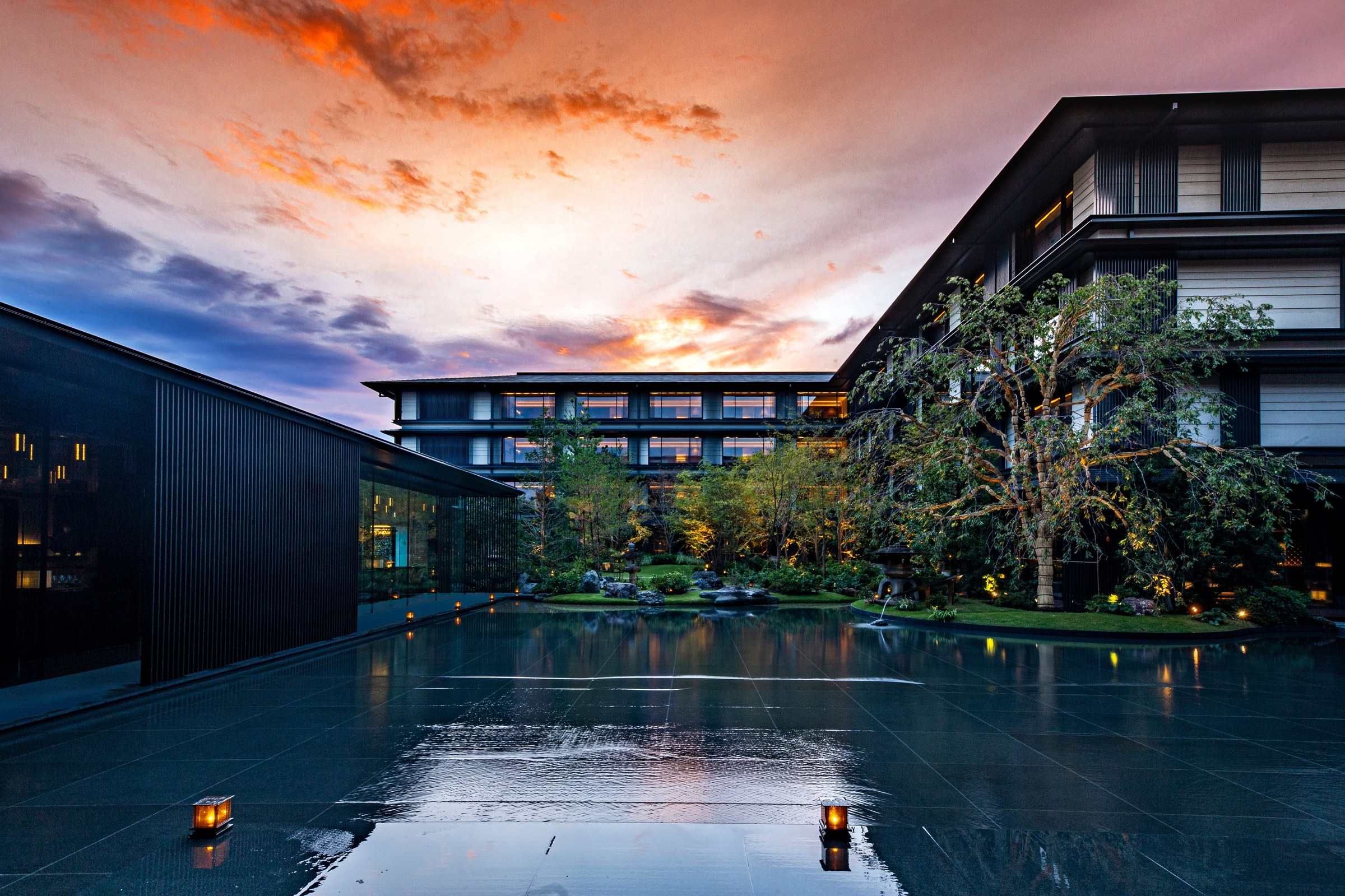
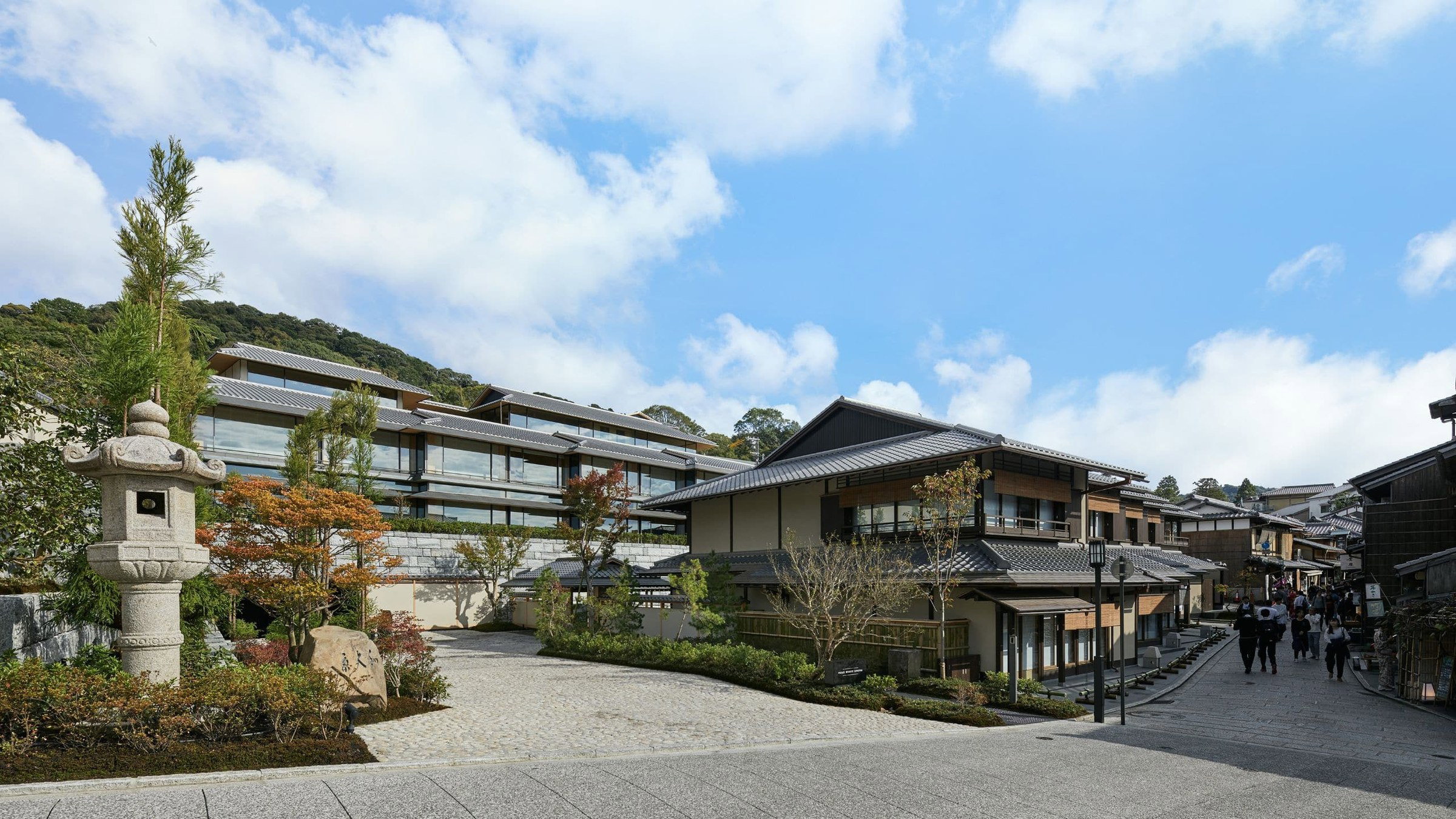
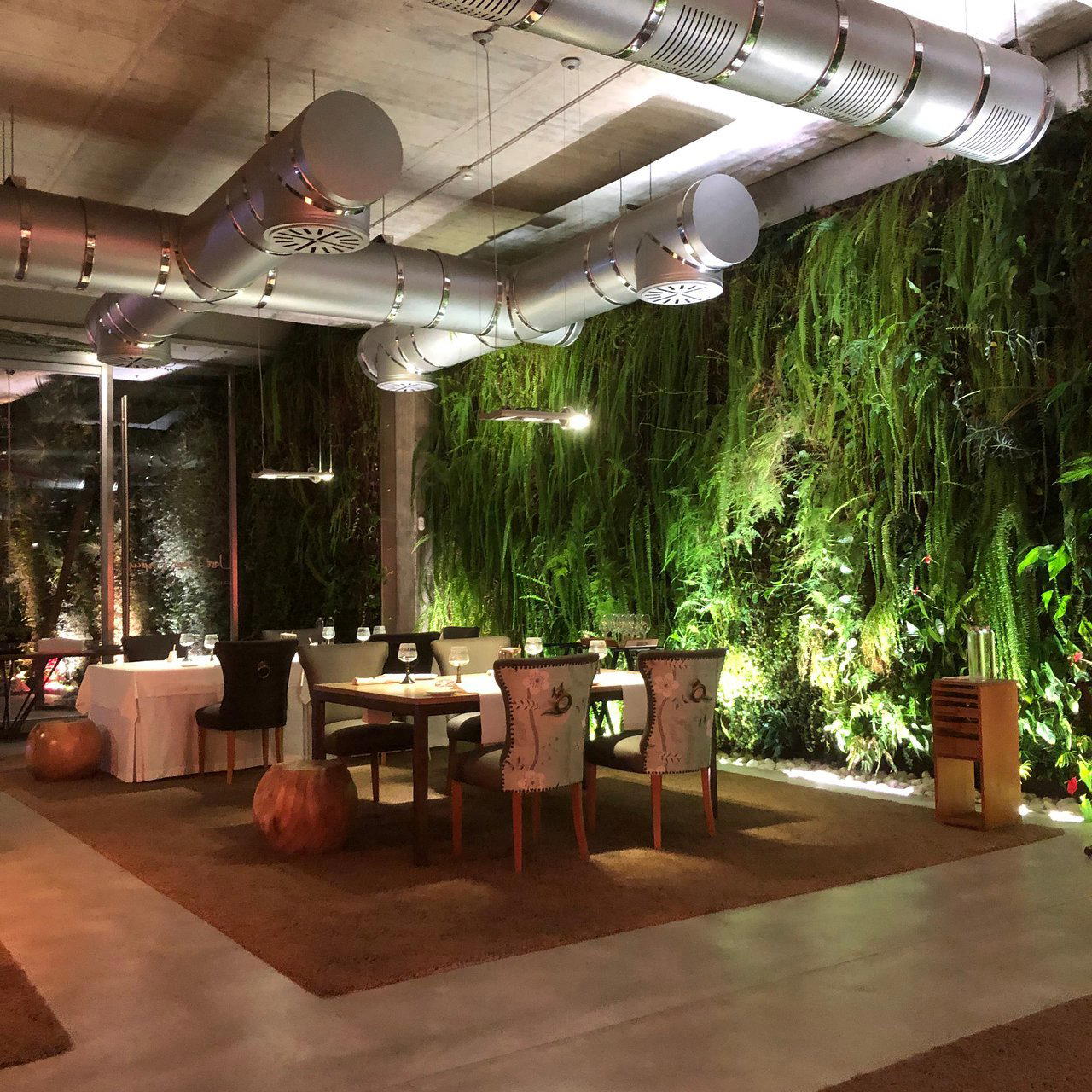
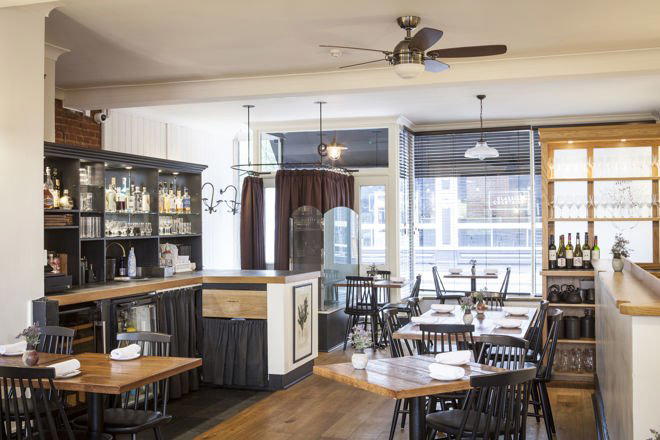
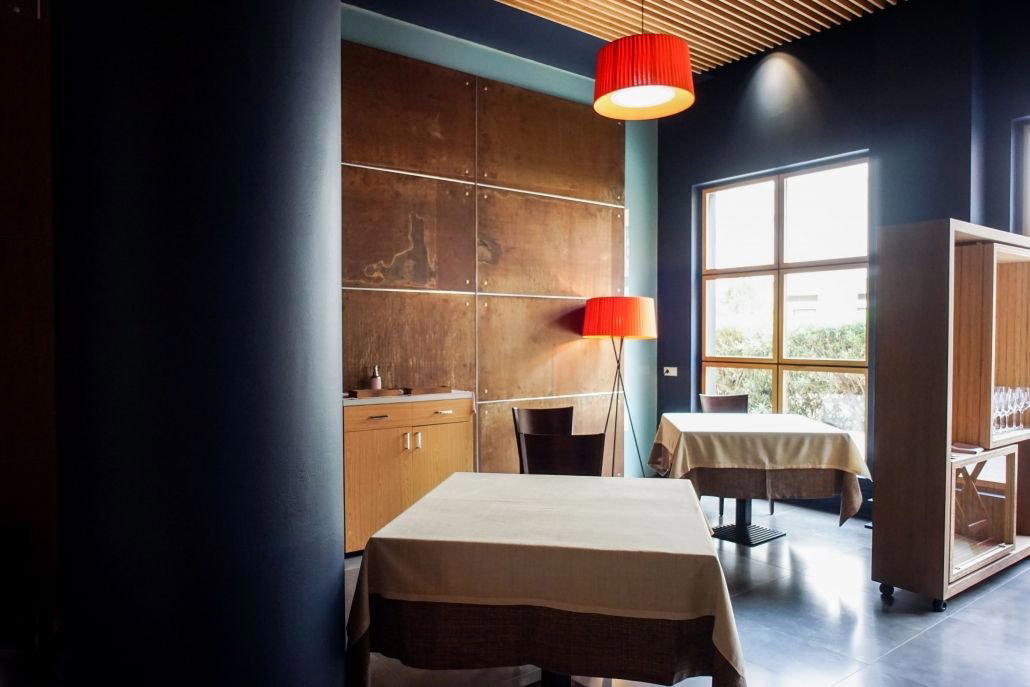
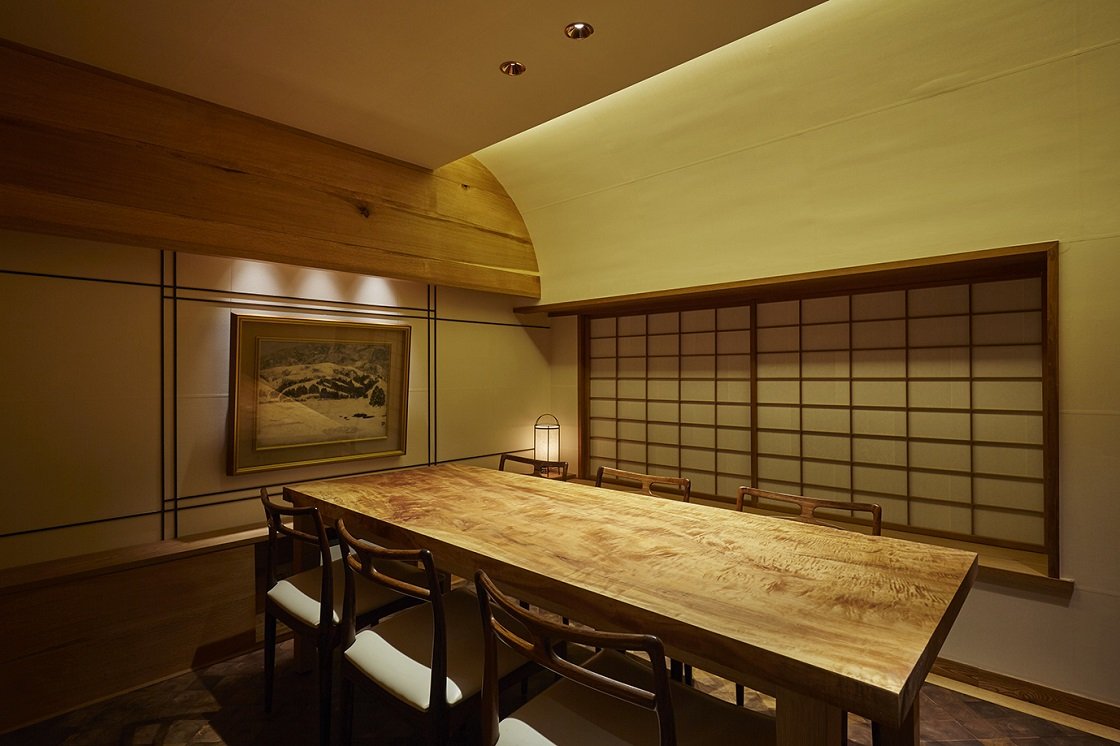
Noguchi Tsunagu sits comfortably within Higashiyama’s stone-paved lanes and machiya-lined streets, presenting a quietly refined kaiseki experience. The kitchen foregrounds seasonal restraint and single-ingredient focus, so the dining room reads as calm, measured and decidedly classic rather than flashy. Michelin recognition and elevated course pricing give the place a formal, serious air, but the aesthetic remains restrained and quietly charming rather than ornate. Expect a contemplative rhythm to the meal—each course earns its moment—making the room feel serene and Best-of-Kyoto in its dedication to tradition and careful sourcing.
Best For
This is a restaurant for diners who prize precision, seasonality and a structured tasting experience. With one Michelin star and course pricing that places it in the serious-dining tier, Noguchi Tsunagu suits special evenings, date nights and milestone celebrations where the meal itself is the focus. It also works well for formal business dinners that benefit from attentive service and a composed atmosphere. The kitchen’s pronounced emphasis on fish and weekly selections rewards guests who appreciate provenance and the slow reveal of a kaiseki sequence.
Ordering Tips
Noguchi Tsunagu operates as a course-driven kaiseki house, so plan for tasting menus rather than à la carte options: published course pricing sits between JPY 30,000–39,999, while review-based spending often runs higher once drinks and extras are included. The kitchen highlights a daily selection of fish and leans on strict seasonal sourcing, so ask about that day’s selections if you have preferences or dietary needs. Because the meal is structured and ingredient-led, allow the staff to guide pace and pairings; budget extra for beverages and any supplementary orders mentioned in reviews.
Venue details
Ambiance
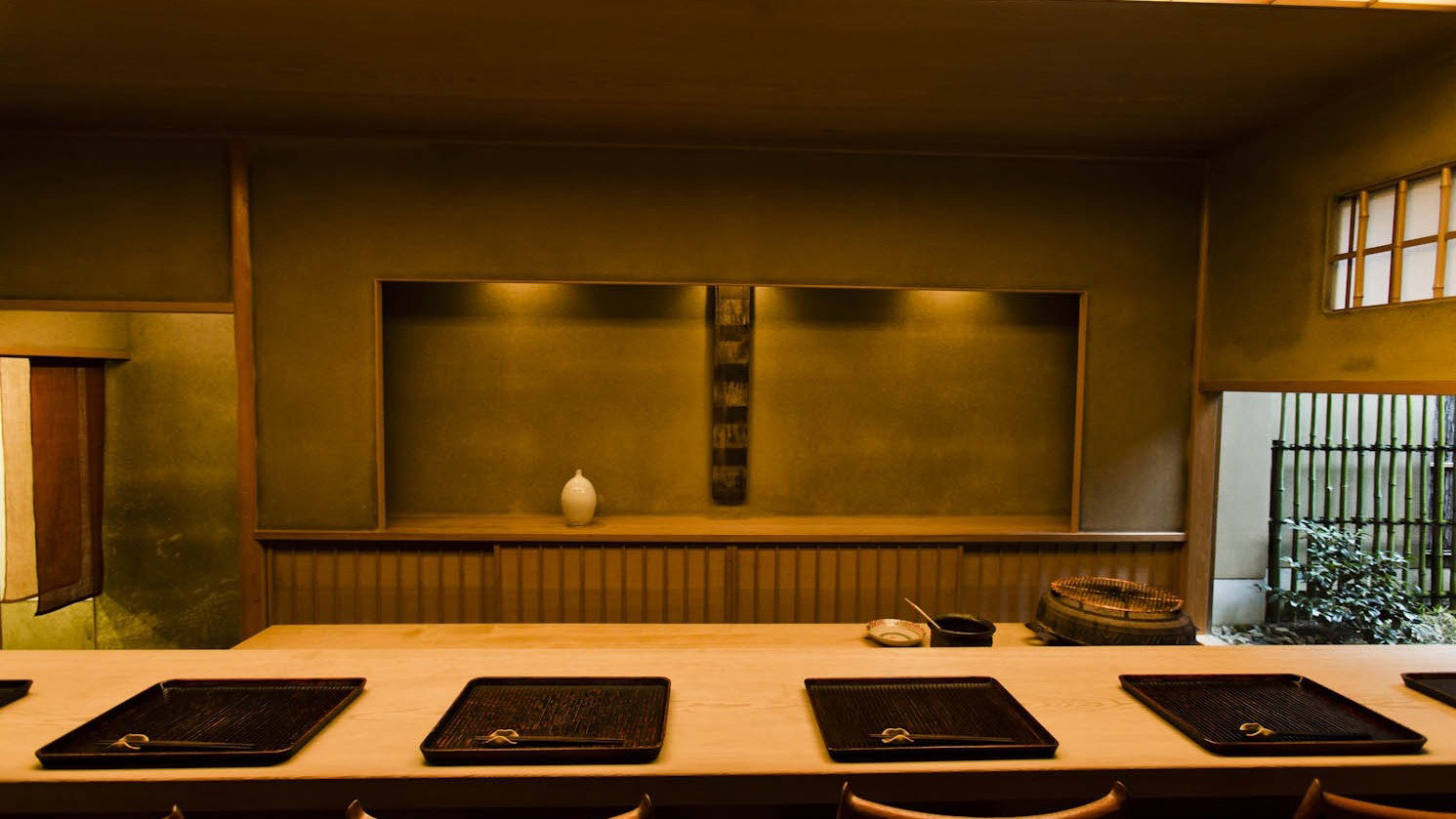
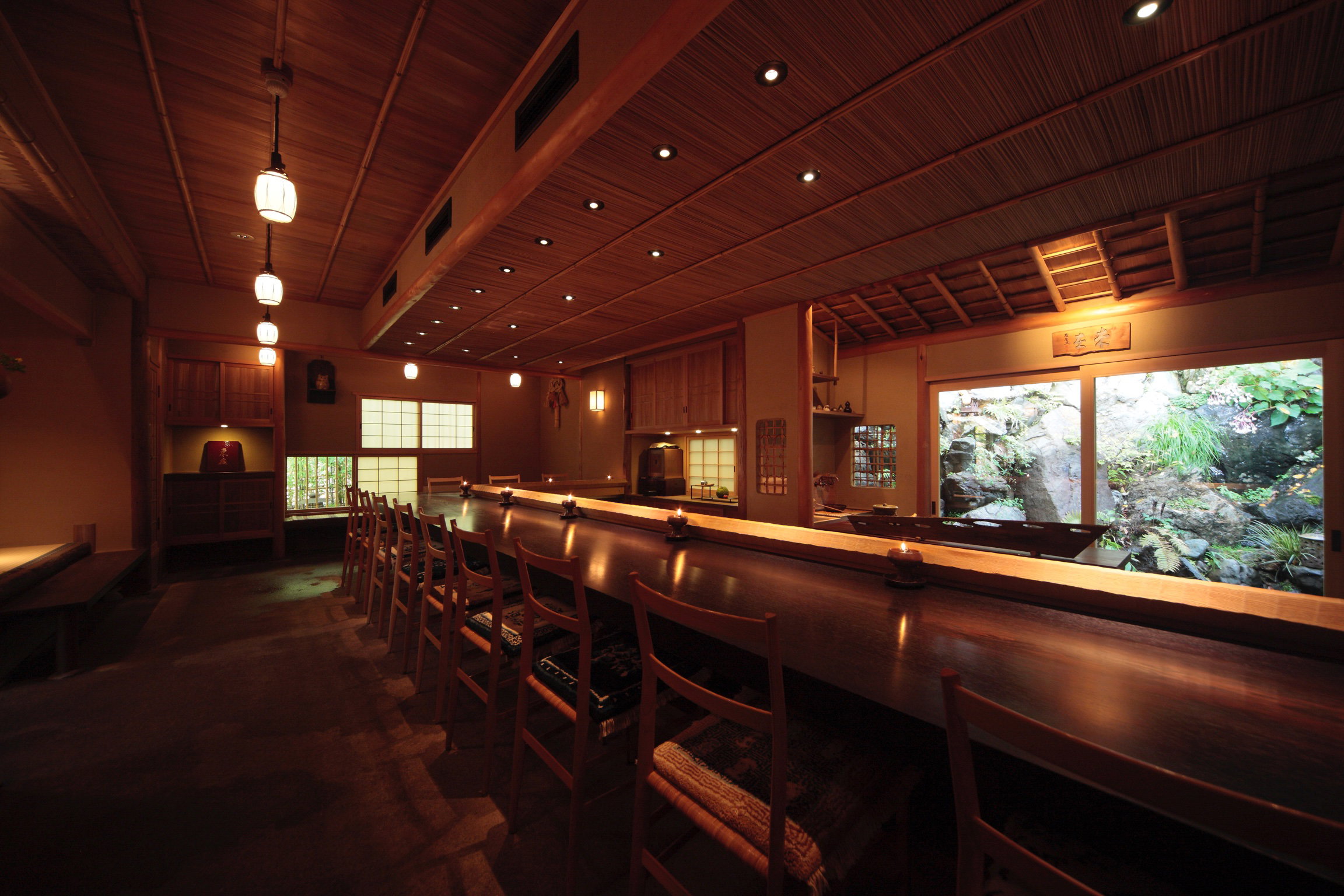
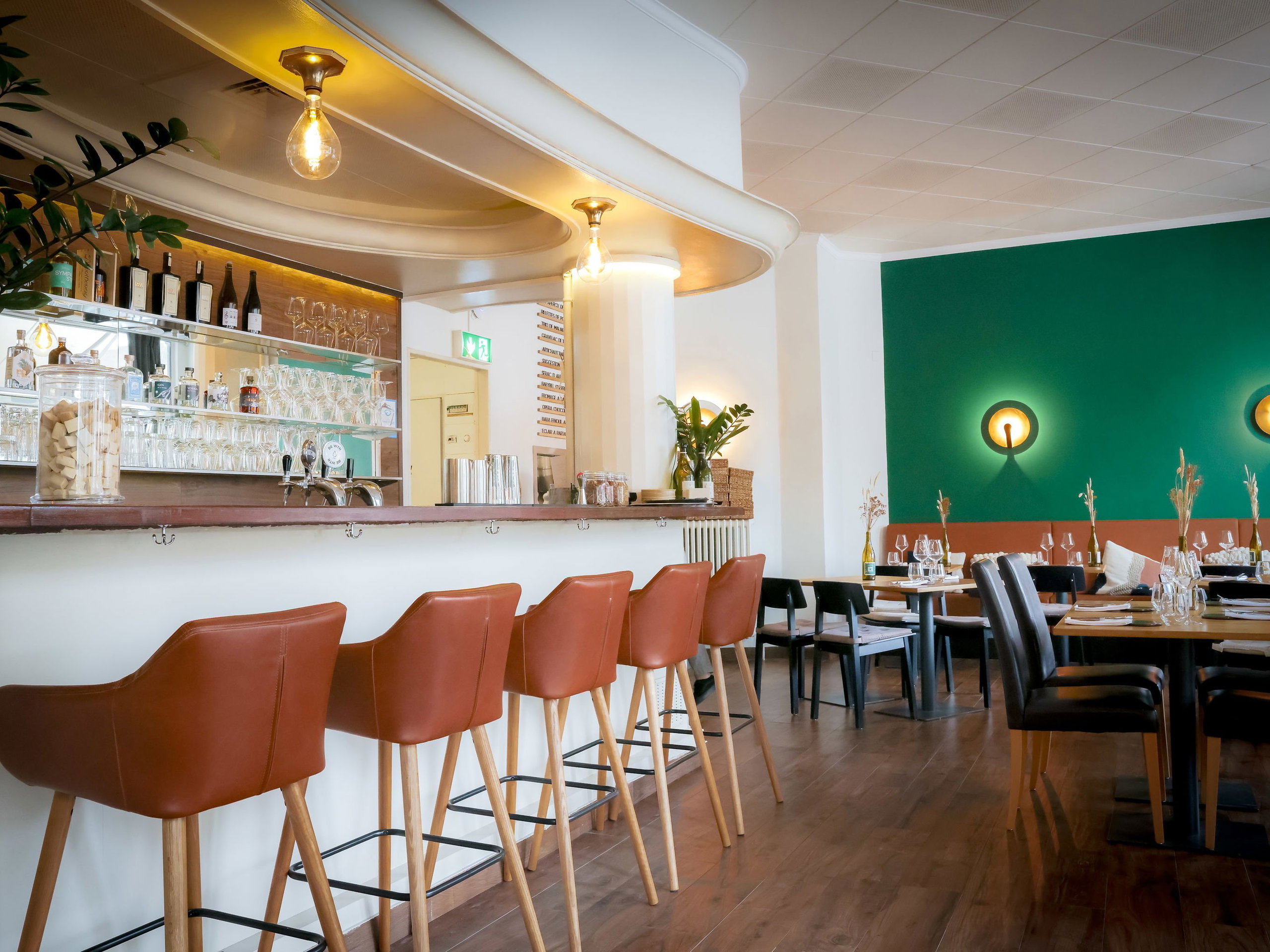
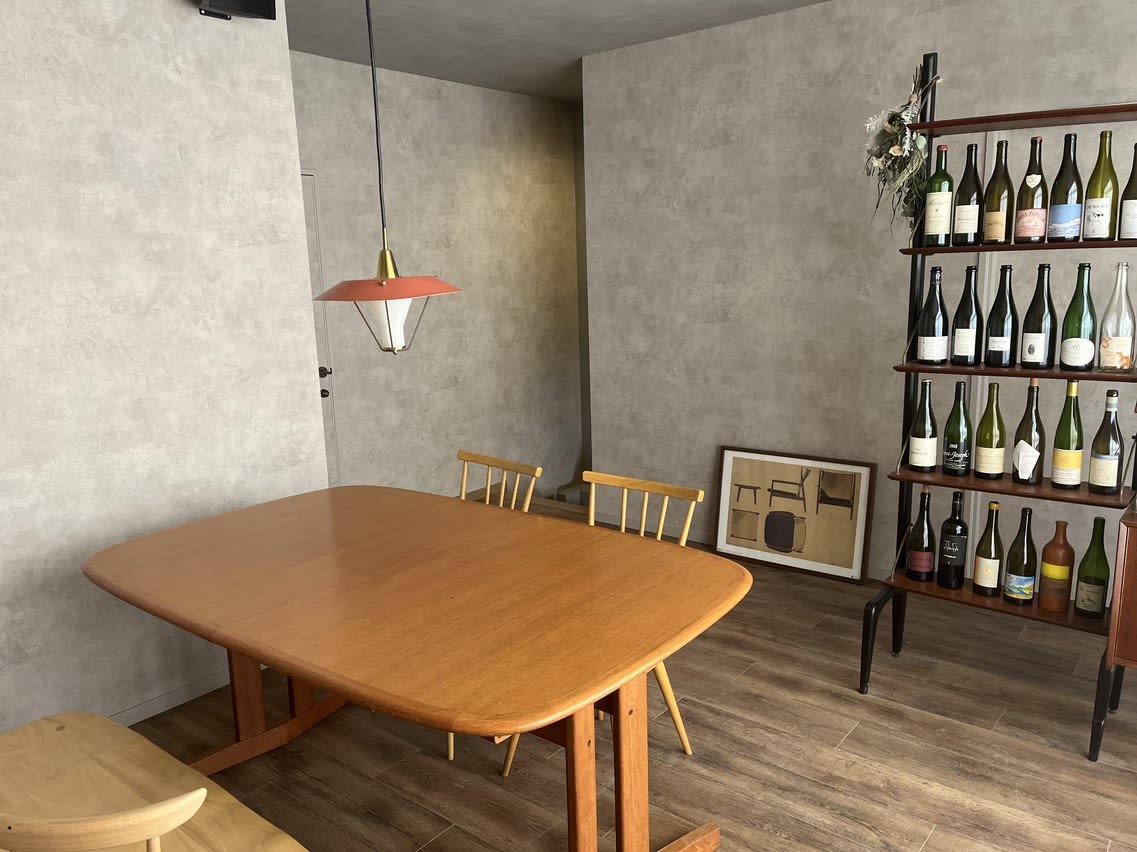
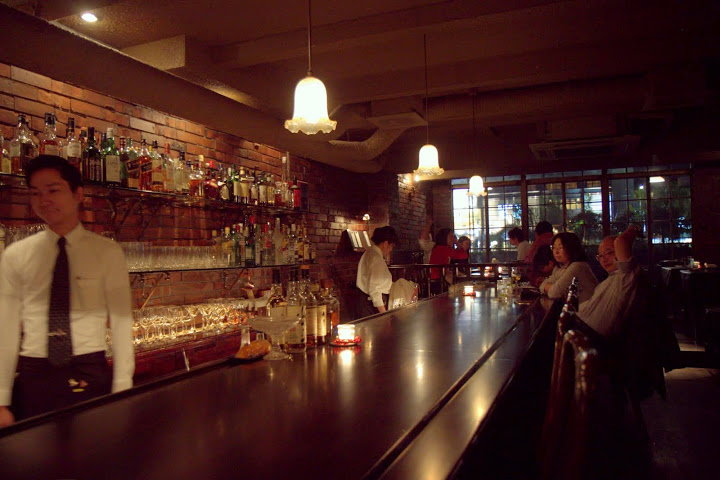
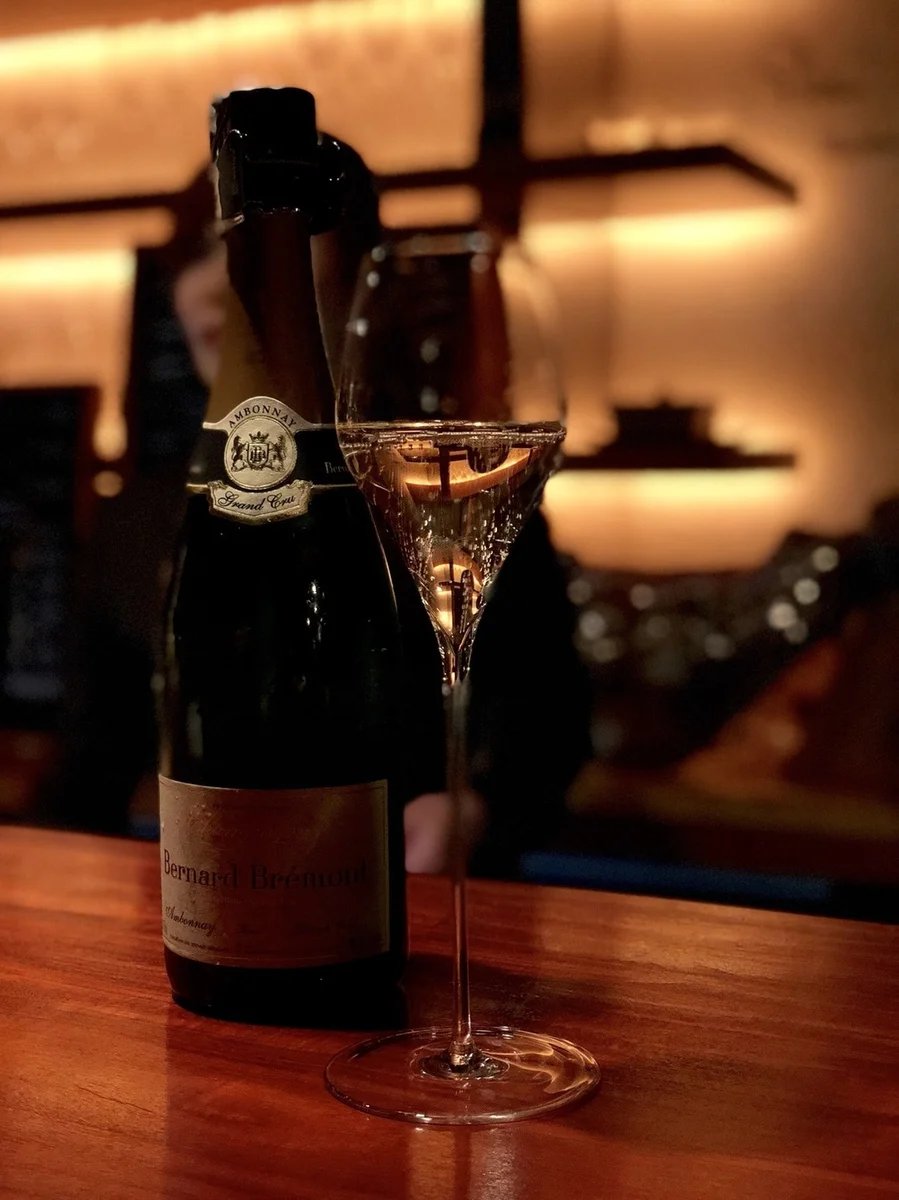
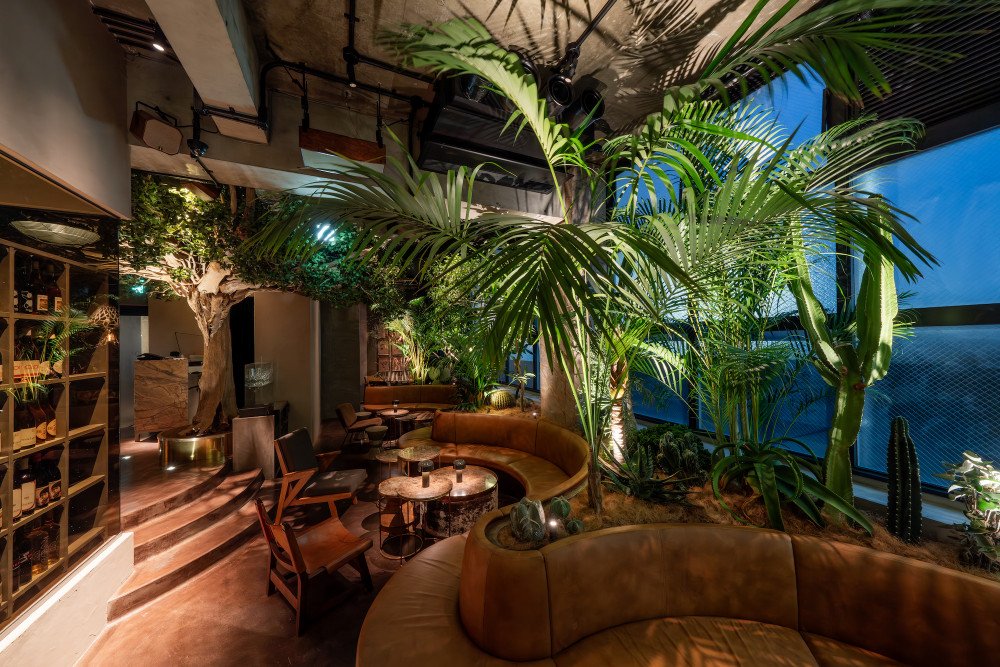
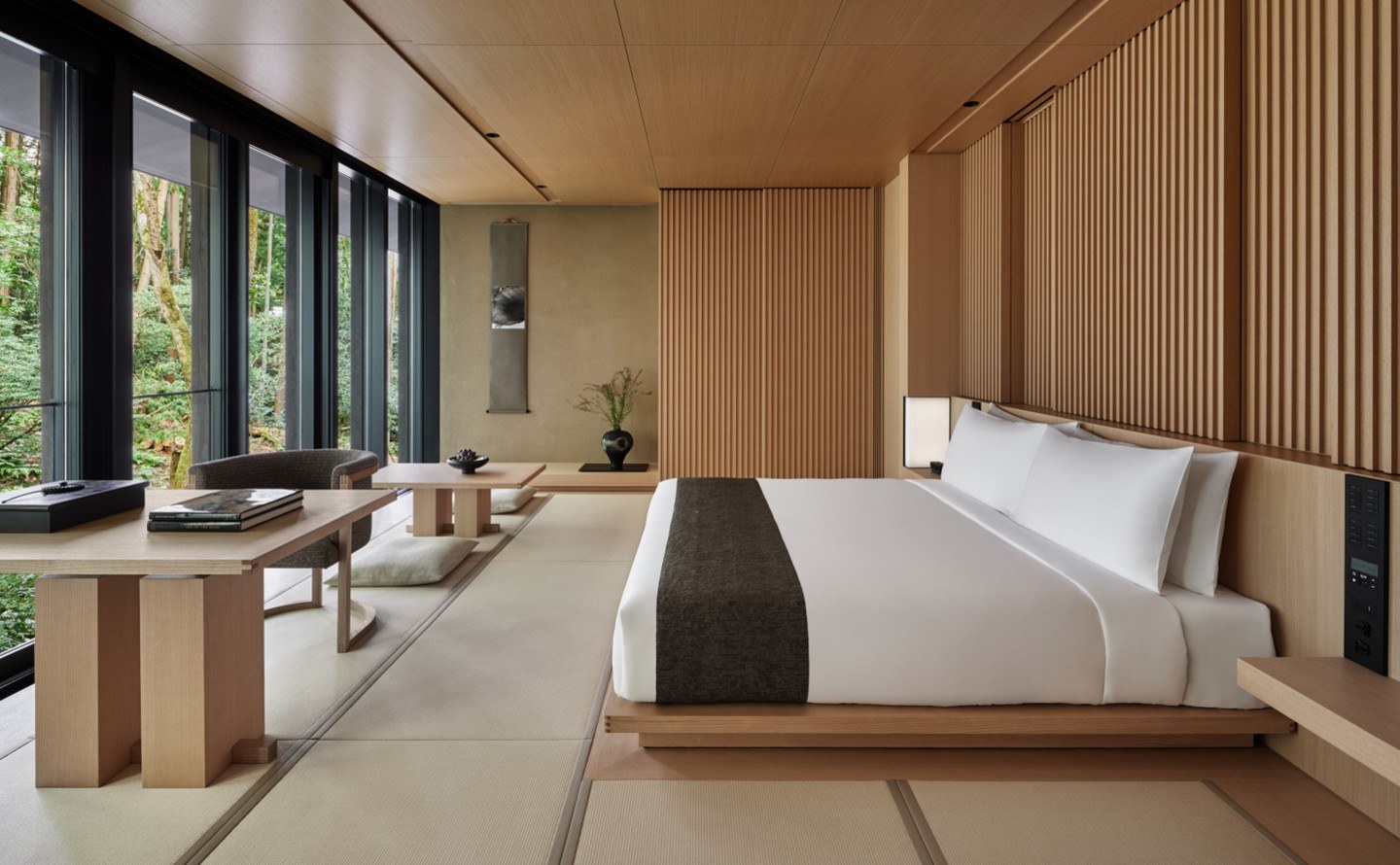
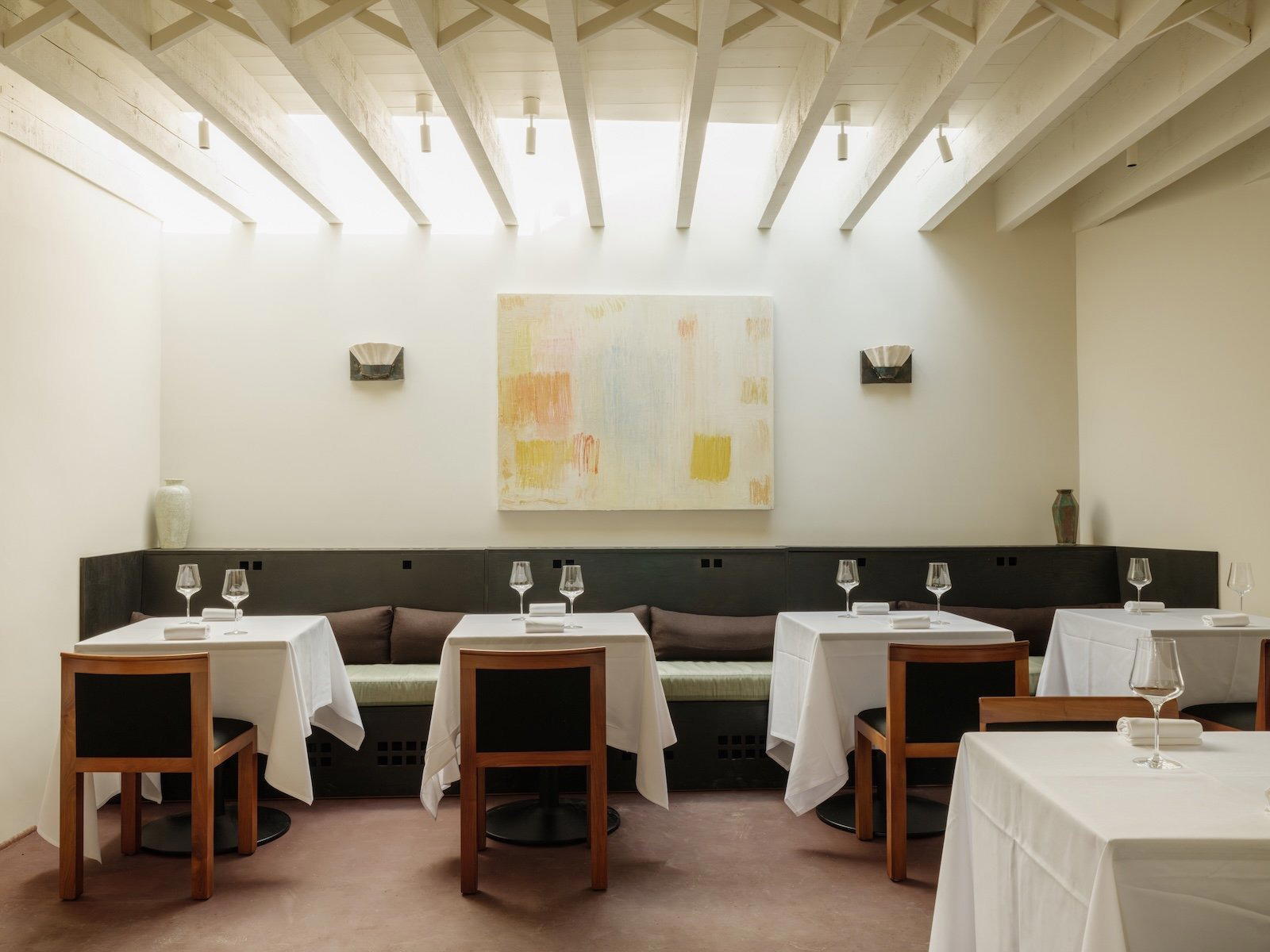
Minimalist interior in a renovated traditional Kyoto home with unvarnished timber counter, elegant Japanese decor, stylish and relaxing atmosphere.
Tags
Vibe
Best For
Experience
Sourcing
Accessibility
At the Table
- Dress Code
- Smart Casual
- Noise Level
- Quiet
- Service Style
- Upscale Casual
- Meal Pacing
- Leisurely
- Capacity
- Intimate
Signature Dishes
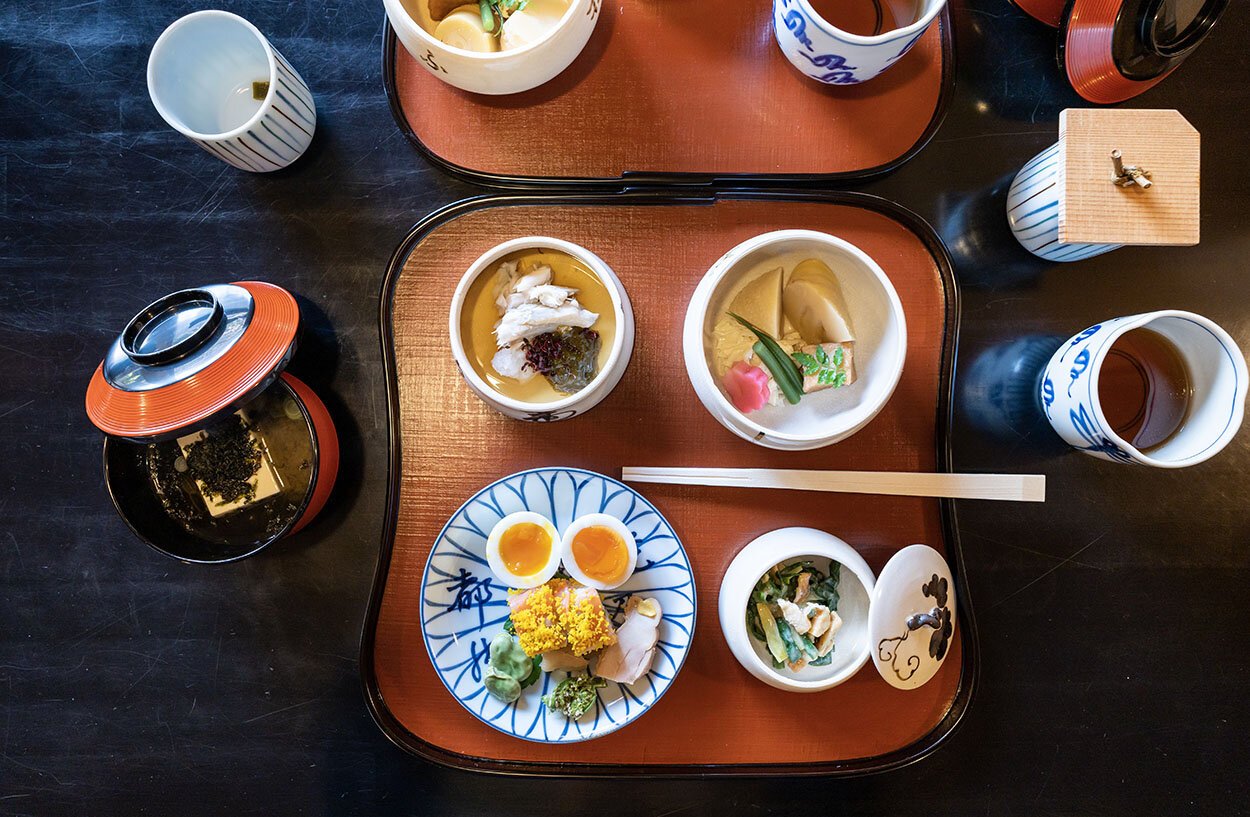
- Niku-sui
- Goto udon carbonara
Planning details
Location
371-4 Kiyomotocho, Higashiyama Ward, Kyoto, 605-0084, Japan · Directions
Recognition and awards
Also consider
Also Consider
- Gion Kajisho, Japanese, ¥¥¥
- Gion Rohan, Japanese, ¥¥
- Gion Matayoshi, Japanese, ¥¥¥¥
- Kappo Umetsu, Japanese, ¥¥¥
- Gion Mamma, Japanese, ¥¥¥
Restaurant context
Among Kyoto's Japanese fine-dining options, Noguchi Tsunagu sits between Gion Kajisho and Gion Matayoshi in both price and ambition. All three hold Michelin stars, but Kajisho runs a similar ¥¥¥ omakase with slightly easier booking (four to six weeks versus two to three months), while Matayoshi climbs to ¥¥¥¥ and leans into traditional kaiseki ceremony. Noguchi Tsunagu delivers modern Japanese precision with a fish-forward emphasis, making it the pick for diners who want technical execution without the ritualized pacing of kaiseki. If you're after value and accessibility, Gion Rohan at ¥¥ offers solid Japanese cooking with walk-in availability, though it lacks the Michelin credentials and counter intimacy.
Kappo Umetsu matches Noguchi Tsunagu's ¥¥¥ tier and handles groups better, with more flexible seating and a kappo format that allows conversation across the counter. Gion Mamma, also ¥¥¥, skews Italian-Japanese fusion and draws a livelier crowd, making it a stronger choice for diners who want energy over quiet focus. Noguchi Tsunagu is the tightest booking in this and the most recent arrival; its Tabelog Bronze and rapid Michelin recognition signal strong execution, but the two-to-three-month lead time and omakase-only structure make it impractical for spontaneous trips.
For splurge-worthy dining, Matayoshi edges ahead with deeper kaiseki tradition and a more ceremonial room. For best value, Gion Rohan delivers quality Japanese cooking at half the price and none of the booking friction. For easiest access within the Michelin tier, Kajisho and Kappo Umetsu both offer more forgiving reservation windows. Noguchi Tsunagu is the pick for diners who prize fish technique and modern Japanese minimalism, who can commit months in advance, who prefer the counter to private rooms. If any of those conditions don't hold, one of the peers above will serve you better.
Explore Kyoto
Around this place
Discover more on Pearl
Unlock the full Noguchi Tsunagu guide in Pearl, including awards, comparisons, FAQs, planning details, and nearby places.
FAQ
Frequently Asked Questions
Is Noguchi Tsunagu good for solo dining?
Pearl does not have seating or solo-dining details for Noguchi Tsunagu. It is a premium Japanese restaurant in Kyoto with dinner hours from 5:30–11 PM on most nights, so solo diners should confirm availability and seating directly before booking.
Can I eat at the bar at Noguchi Tsunagu?
What should I order at Noguchi Tsunagu?
Pearl does not have a menu format or dish list for Noguchi Tsunagu. The confirmed cuisine is Japanese, the restaurant is positioned at a ¥¥¥ price level. Ask the restaurant directly about current courses, dietary needs, any ordering options.
Is lunch or dinner better at Noguchi Tsunagu?
Dinner is the only service window Pearl has for Noguchi Tsunagu: 5:30–11 PM on Monday, Tuesday, Wednesday, Friday, Saturday, Sunday. Thursday is closed. Pearl does not have lunch hours.
Does Noguchi Tsunagu serve a tasting menu?
What is is Japanese cuisine, ¥¥¥ pricing, smart casual dress, dinner hours most nights in Kyoto. If a tasting menu is essential to your plans, confirm it directly before booking.
Is Noguchi Tsunagu worth the price?
Noguchi Tsunagu is as a ¥¥¥ Japanese restaurant in Kyoto. A 2026 Tabelog Bronze recognition record associated with “Noguchi” lists a score of 3.96 and a dinner budget of JPY 30,000–JPY 39,999, which supports its premium positioning. Whether it is worth it depends on your comfort with that level of spend and the details you confirm before booking.
Can Noguchi Tsunagu accommodate groups?
Pearl does not have group-capacity, private-room, or seating-layout information for Noguchi Tsunagu. If you are booking for a group, confirm capacity and seating arrangements directly with the restaurant. Kappo Umetsu is another Kyoto peer to compare if group fit is a priority.