

Gosho Iwasaki
Japanese · Nakagyō, Kyoto
Restaurant in Kyoto, Japan
 Book with Pearl
The Read
Ryotei Counter Tradition
Price
¥¥¥
Dress
Smart Casual
Why go
Gosho Iwasaki holds a Michelin star (2024) and sits at ¥¥¥; a tier below most of Kyoto's recognised Japanese restaurants, making it one of the better value propositions for serious counter dining in the city. The chef works directly in front of guests, the menu rotates with the season, the meal opens with a ceremonial sake. Hard to book; worth the effort for a special occasion dinner for two.
About Gosho Iwasaki
Verdict: Worth the Effort to Book; If You Can Get In
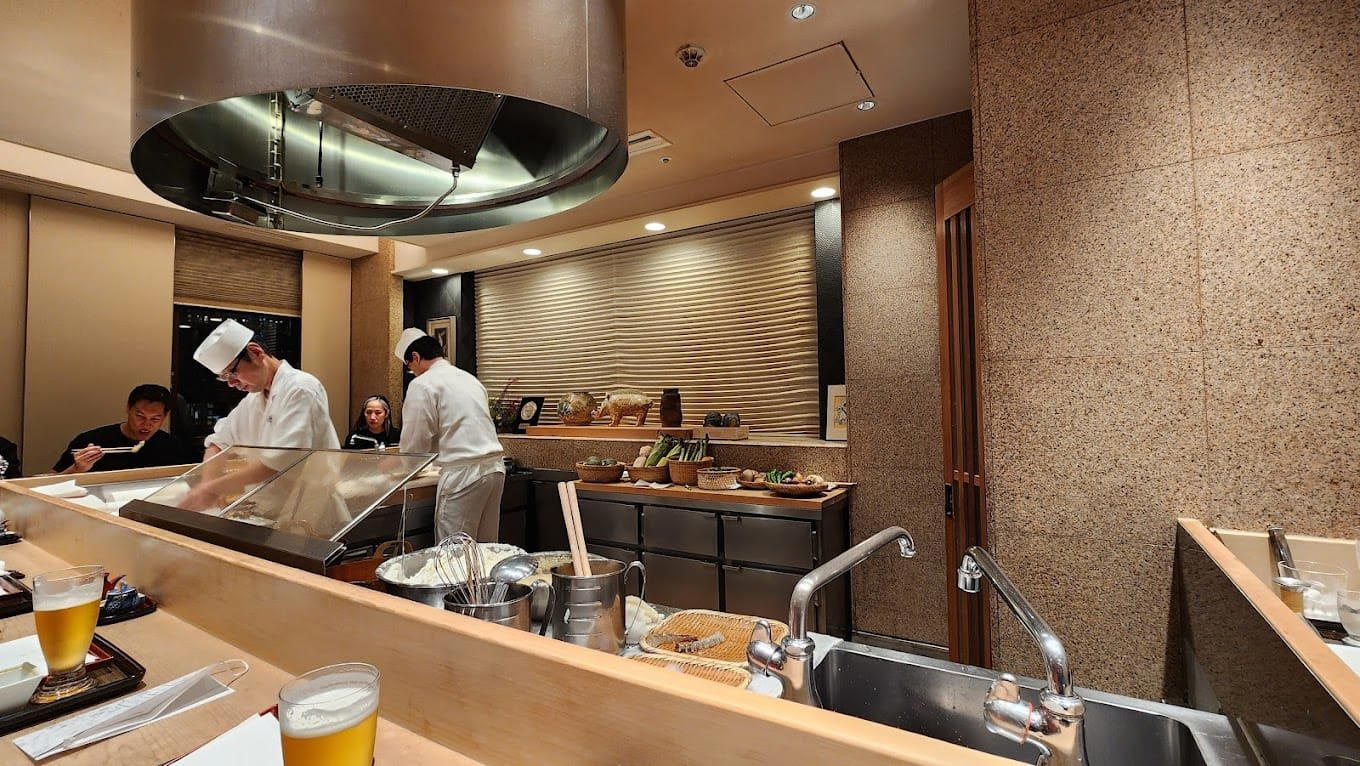
Gosho Iwasaki is one of Kyoto's harder reservations to secure, the Michelin one-star recognition it earned in 2024 has only made that more pronounced. The question is whether the effort translates to an experience that justifies the chase; and for a special occasion dinner in Nakagyo Ward, it does. The chef's ryotei training runs through every element: a meal that opens with a ceremonial cup of sake, proceeds through technically grounded Kyoto cuisine, is delivered counter-side so you watch the cooking happen. That format, where the chef works directly in front of guests, makes Gosho Iwasaki a better choice for a date night or intimate celebration than a large group gathering. If you want kaiseki with more distance between kitchen and table, Isshisoden Nakamura or Kikunoi Roan offer a more formal setting. Here, the intimacy is the point.
The Experience
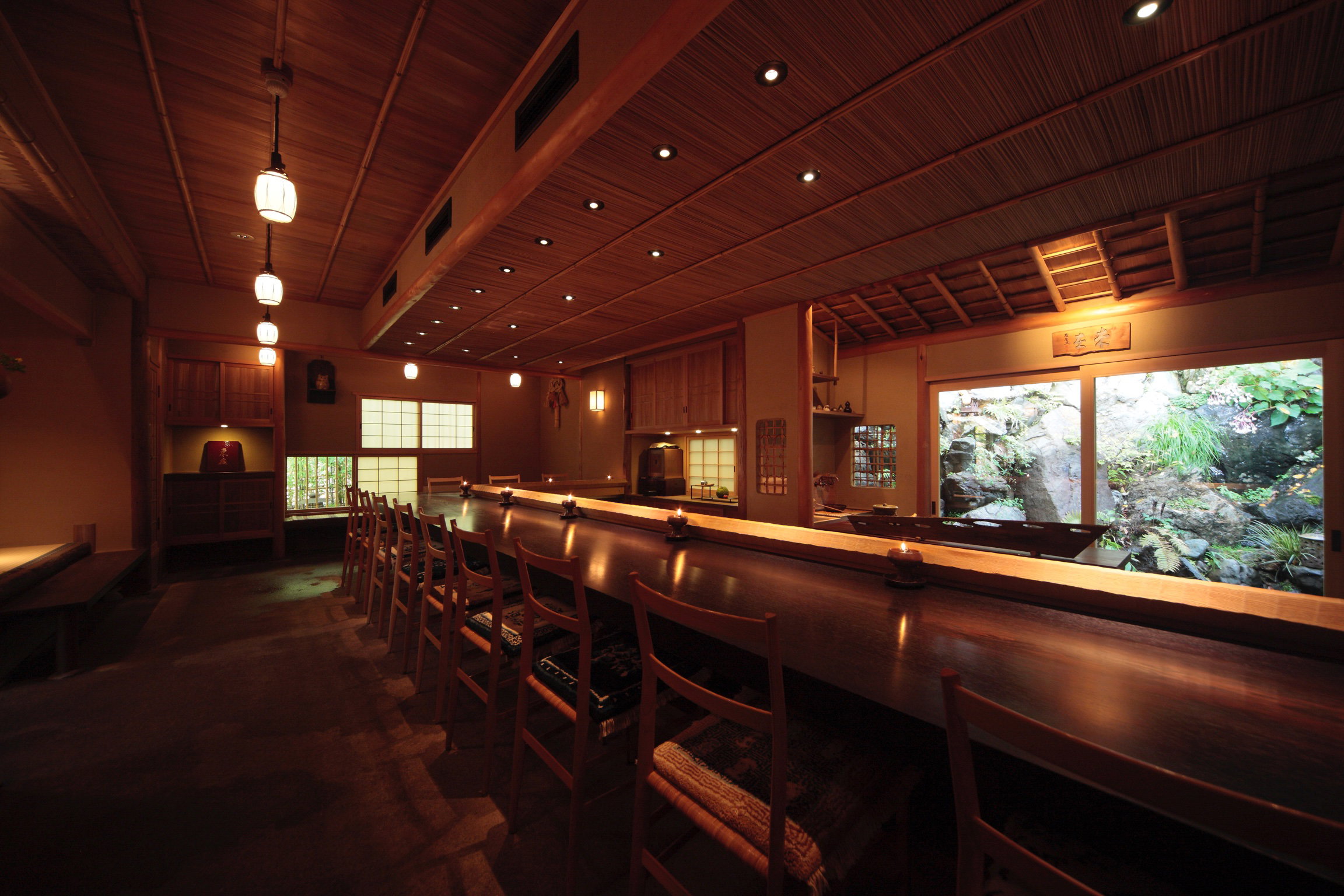
Gosho Iwasaki sits in Nakagyo Ward, priced at ¥¥¥, meaningfully below the ¥¥¥¥ tier that dominates Kyoto's Michelin-recognised dining scene. That price positioning matters: you are getting one-star cooking at a lower entry cost than most of its peers, which places it in serious contention for value among Kyoto's serious Japanese restaurants. The format is counter dining with the chef present throughout, that presence is not decorative. The award notes describe a chef trained in ryotei discipline who applies that rigour to guest engagement, delivering the meal as performance as much as provision.
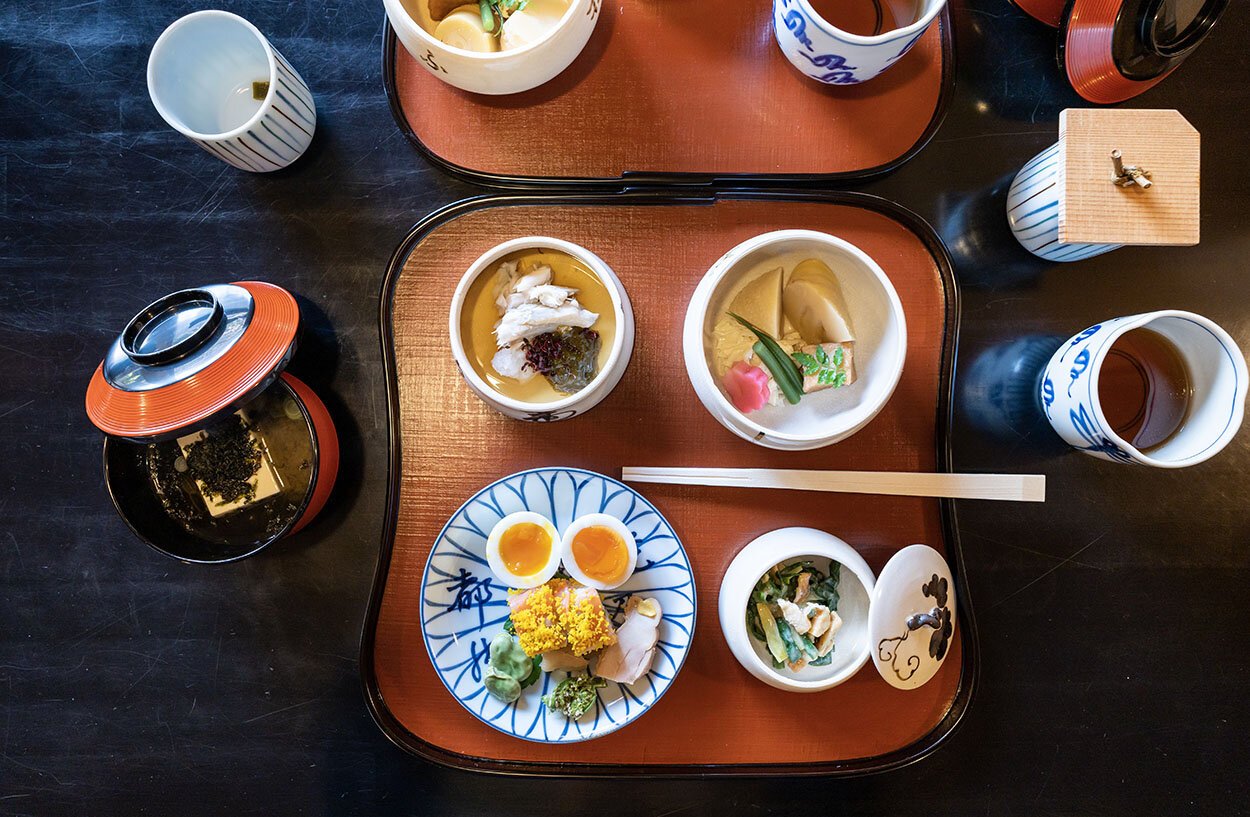
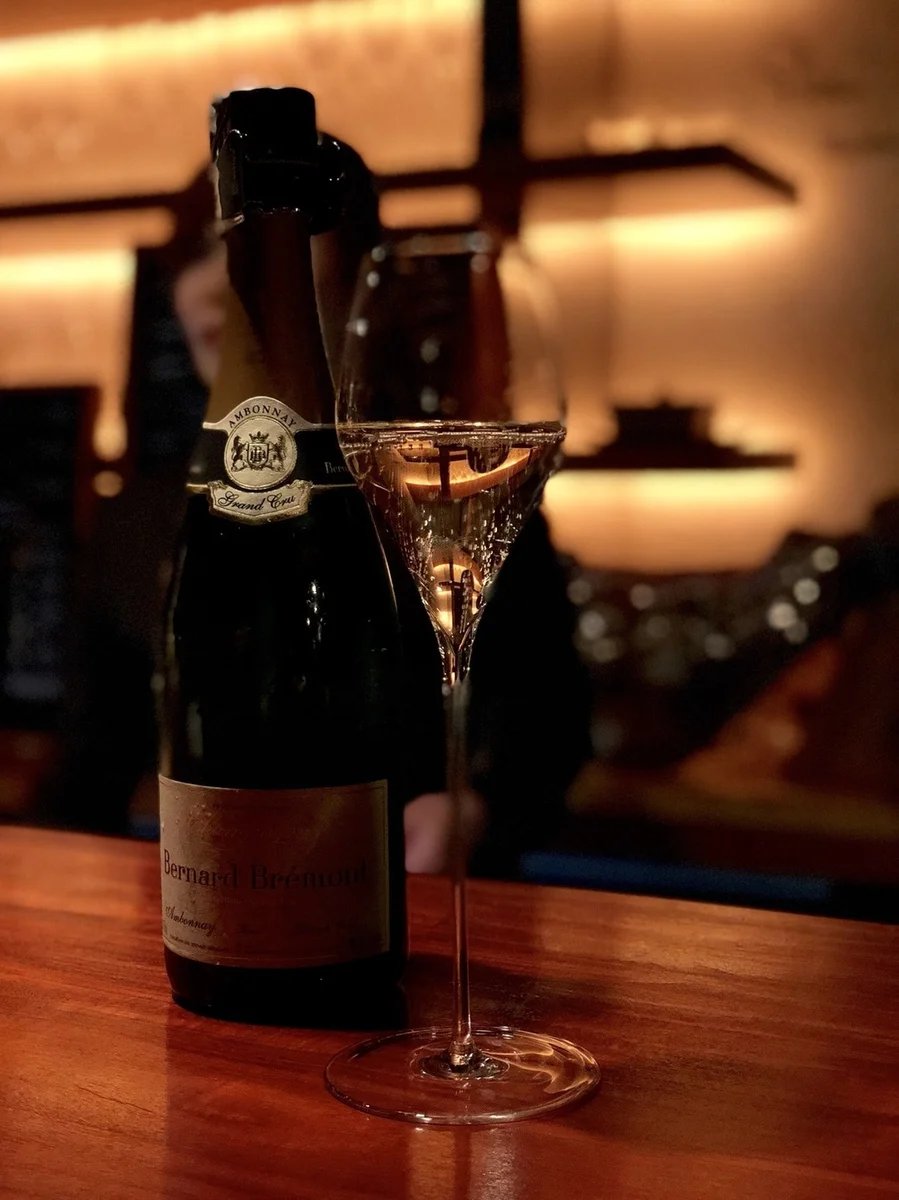
The cooking reflects a clear philosophy rooted in classical Kyoto technique. Tilefish sashimi is lightly salted to sharpen its natural flavour rather than mask it, a precise, restrained approach that characterises the style here. Rather than the slow-simmered vegetable preparations common to kaiseki, hot-pot cooking is offered, which reads as a deliberate choice: more immediate, more interactive, better suited to a counter format where the guest experiences the preparation in real time. The meal begins with sake, offered as an act of respect before the food begins, a small detail that signals how the chef thinks about hospitality.
Seasonality and When to Visit
Kyoto cuisine at this level is built around seasonal rotation. What you eat at Gosho Iwasaki in spring is not what you eat in autumn, that gap is significant. Kyoto's culinary calendar produces distinct ingredient transitions: river fish and bamboo shoots define spring, ayu sweetfish characterises summer, matsutake mushroom and chestnuts appear in autumn, winter brings deeper, more warming preparations. The tilefish sashimi noted in the restaurant's own description is a coastal fish available across seasons but at its firmest and most flavourful in colder months. A hot-pot element on the menu reinforces that the cooking responds to temperature and time of year rather than running a fixed menu year-round. If you have flexibility on timing, autumn and winter visits tend to yield the most technically complex cooking at Kyoto's counter restaurants. Spring bookings during cherry blossom season (late March to mid-April) are the hardest to secure and attract the most tourists; if the goal is a quieter, more focused meal, November is the better call.
For a broader look at where Gosho Iwasaki sits within Kyoto's dining options, see our full Kyoto restaurants guide. If you're planning a wider trip, our Kyoto hotels guide, bars guide, and experiences guide cover the full picture.
Special Occasions: Does the Format Work?
Counter dining with a chef cooking in front of you is one of the better formats for a celebration meal when there are two people and you want engagement over formality. The sake opening, the deliberate pacing of a tasting format, the direct access to the chef's technique all contribute to a meal that feels considered rather than transactional. For a birthday, anniversary, or business dinner where the goal is impression without the stiffness of a full kaiseki ryori progression, Gosho Iwasaki's approach hits a useful middle ground. If you want a more theatrical celebration at a higher price point, Gion Matayoshi and Kodaiji Jugyuan are worth considering. For the full ¥¥¥¥ kaiseki experience with deep seasonal rigour, Kyokaiseki Kichisen is the benchmark.
Outside Kyoto, if you're building a wider Japan itinerary around this calibre of cooking, comparable counter experiences worth noting include Harutaka in Tokyo, Myojaku, Azabu Kadowaki, HAJIME in Osaka, akordu in Nara, Goh in Fukuoka, 1000 in Yokohama, and 6 in Okinawa.
Practical Details
Reservations: Hard to secure; book as far in advance as possible, especially around Kyoto's peak seasons (late March–April cherry blossom, November foliage). Booking Method: Approach via concierge at your hotel or through a specialist reservation service. Price Range: ¥¥¥ (below the ¥¥¥¥ tier of most Michelin-recognised Kyoto peers). Dress: Smart dress is standard for counter dining at this level in Kyoto; business casual at minimum. Group Size: Counter format favours pairs or very small groups. Location: Nakagyo Ward, Otsucho 660, 1F, central Kyoto, accessible from most hotel clusters. Awards: Michelin 1 Star (2024).
How It Compares
Planning details
- Location
- Japan, 〒604-0885 Kyoto, Nakagyo Ward, Otsucho, 660 1F
- Website
- gosho-iwasaki.com
- Phone
- +81 75-748-1128
The take
The Take
The Vibe
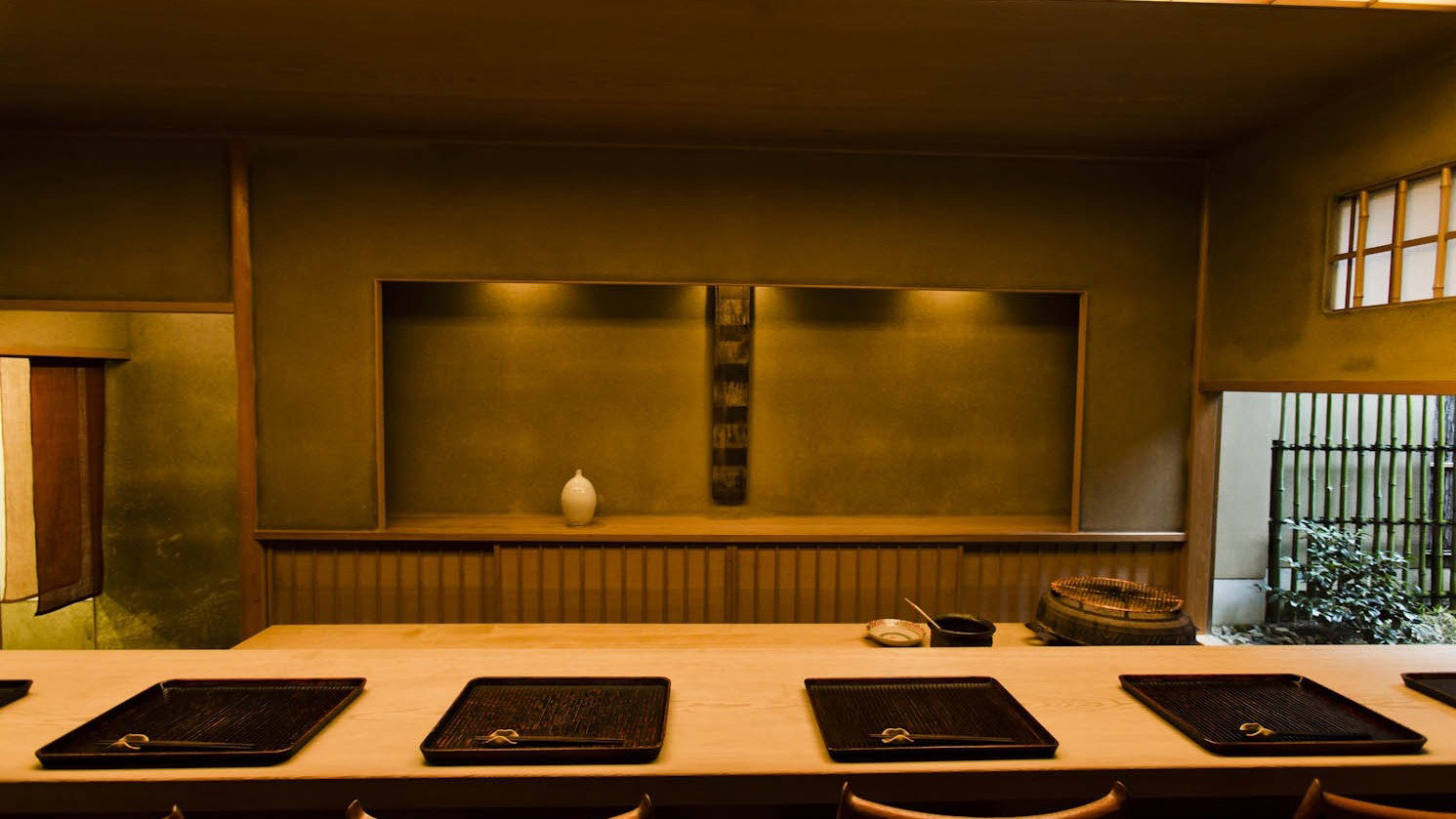
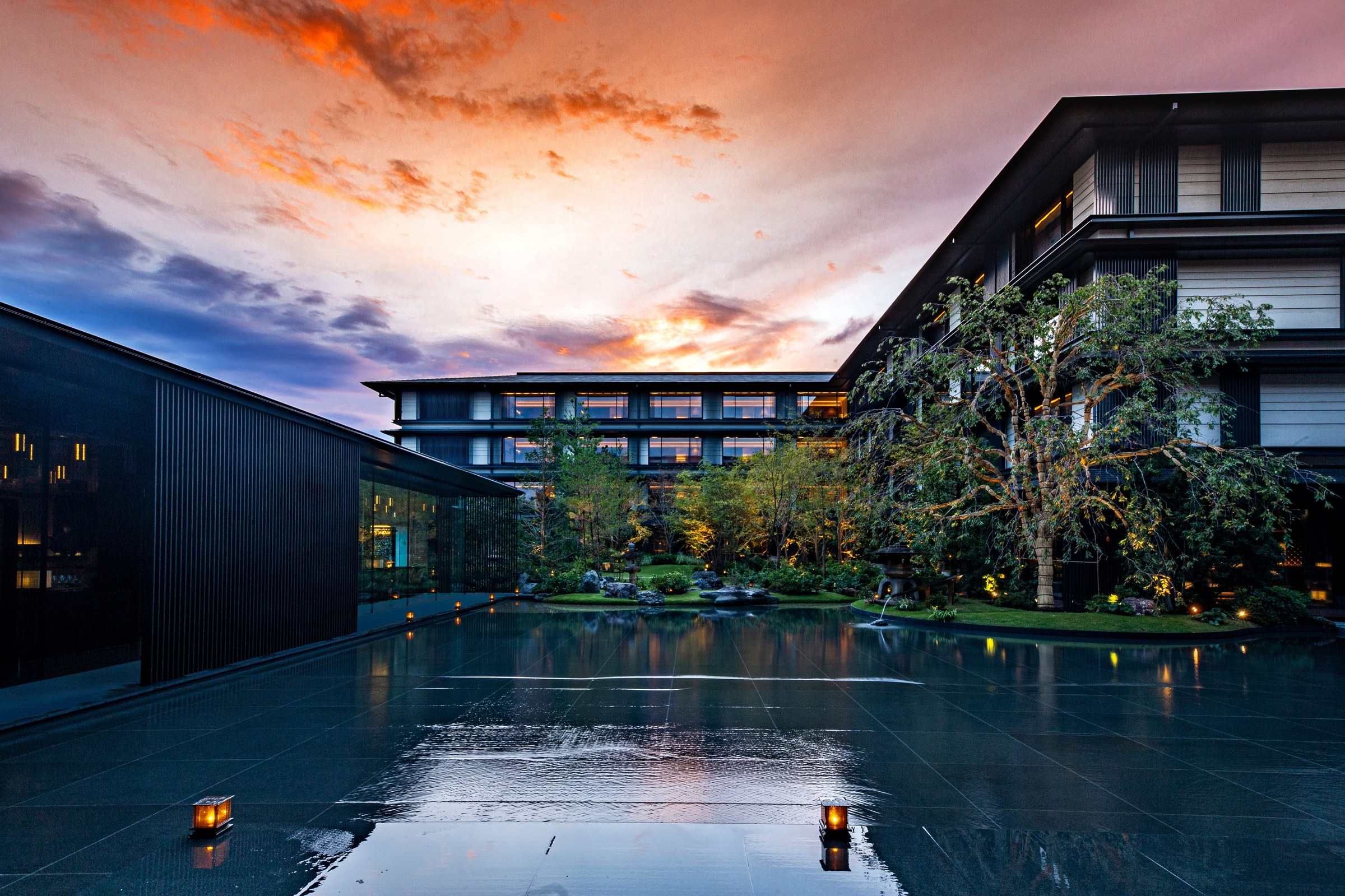
Gosho Iwasaki reads like a quietly authoritative address in Kyoto’s ryotei tradition. Tucked into Nakagyo Ward’s older residential fabric, the restaurant intentionally downplays spectacle; the surrounding narrow streets and reduced visual noise set a hushed tone before you enter. The copy emphasizes generational continuity and a vocabulary of Kyo-ryori shaped by courtly proximity, so the atmosphere feels classical and restrained rather than trendy or theatrical. Service and space are oriented toward discretion and ceremony, giving the experience a historic, contemplative quality that rewards guests who arrive expecting refinement rather than fuss.
Best For
This is a destination for reserved, special-occasion dining rather than casual drop-ins. The ryotei form described in the text — operating by introductions and discretion — signals a setting calibrated for formal gatherings, important meetings or milestone celebrations where privacy and tradition matter. Located away from the busiest tourist corridors, it suits diners who value a quieter, more insular meal framed by Kyoto’s classical culinary lineage. Visitors coming with cultural curiosity or an appetite for historically grounded Kyo-ryori find the restaurant’s understated approach especially fitting.
Ordering Tips
Expect the experience to privilege discretion and established customs; reservations and introductions are historically central to the ryotei model highlighted in the description. The narrative suggests a format oriented toward set, carefully composed meals rather than à la carte spontaneity, so allow the kitchen to lead. Arrive prepared to observe formalities in pace and presentation, and plan logistics around a quieter neighbourhood setting — the restaurant is deliberately removed from the busier tourist arteries, so give yourself extra time to find the entrance and arrive respectfully punctually.
Venue details
Ambiance
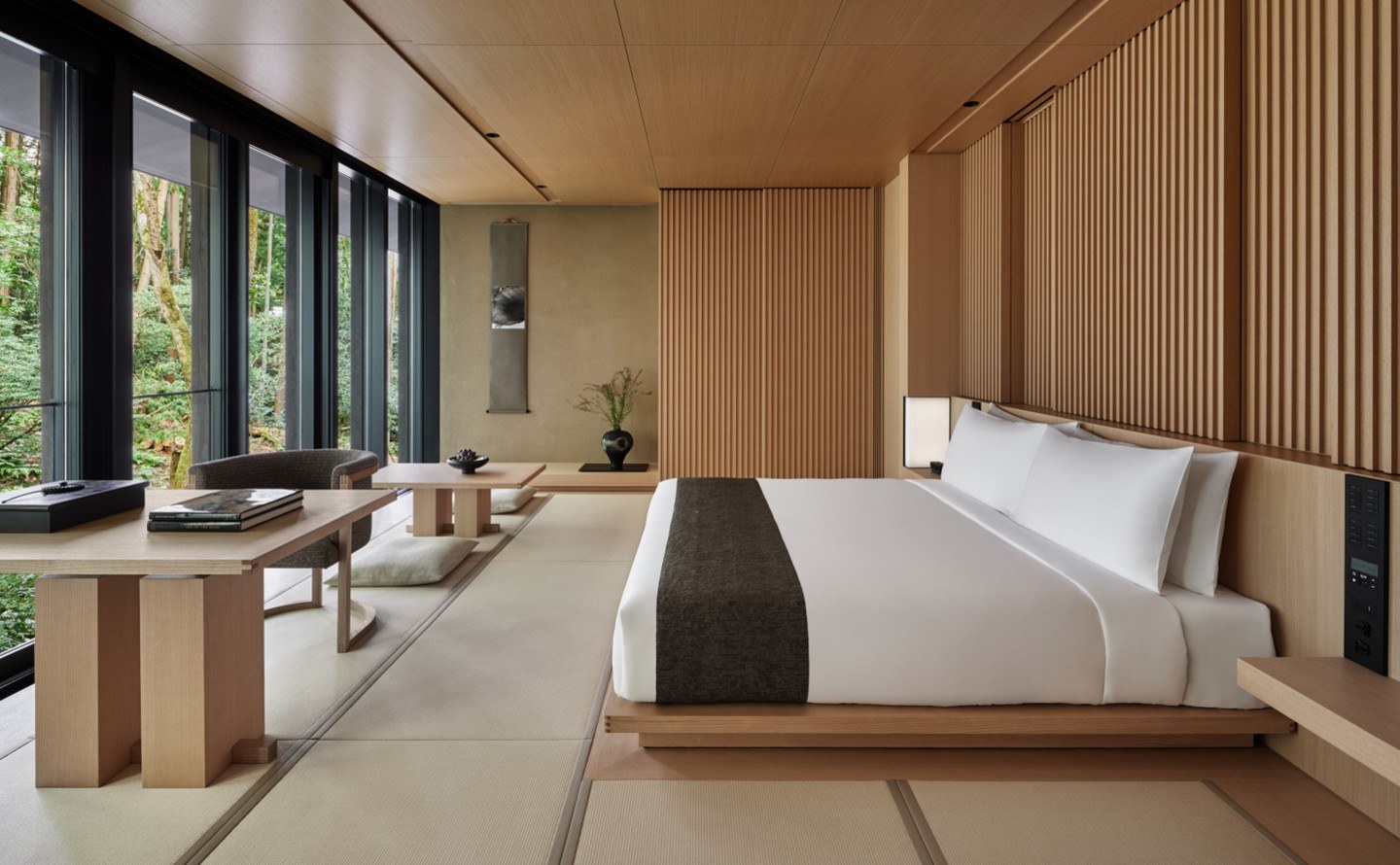
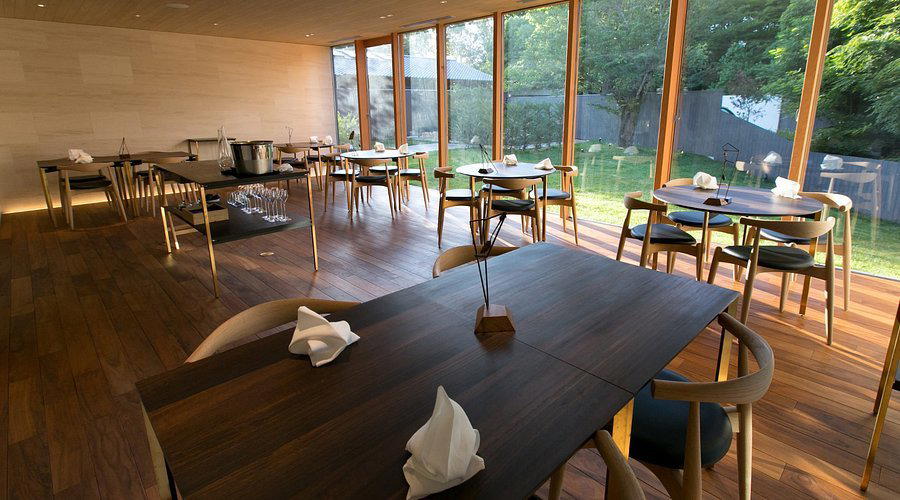
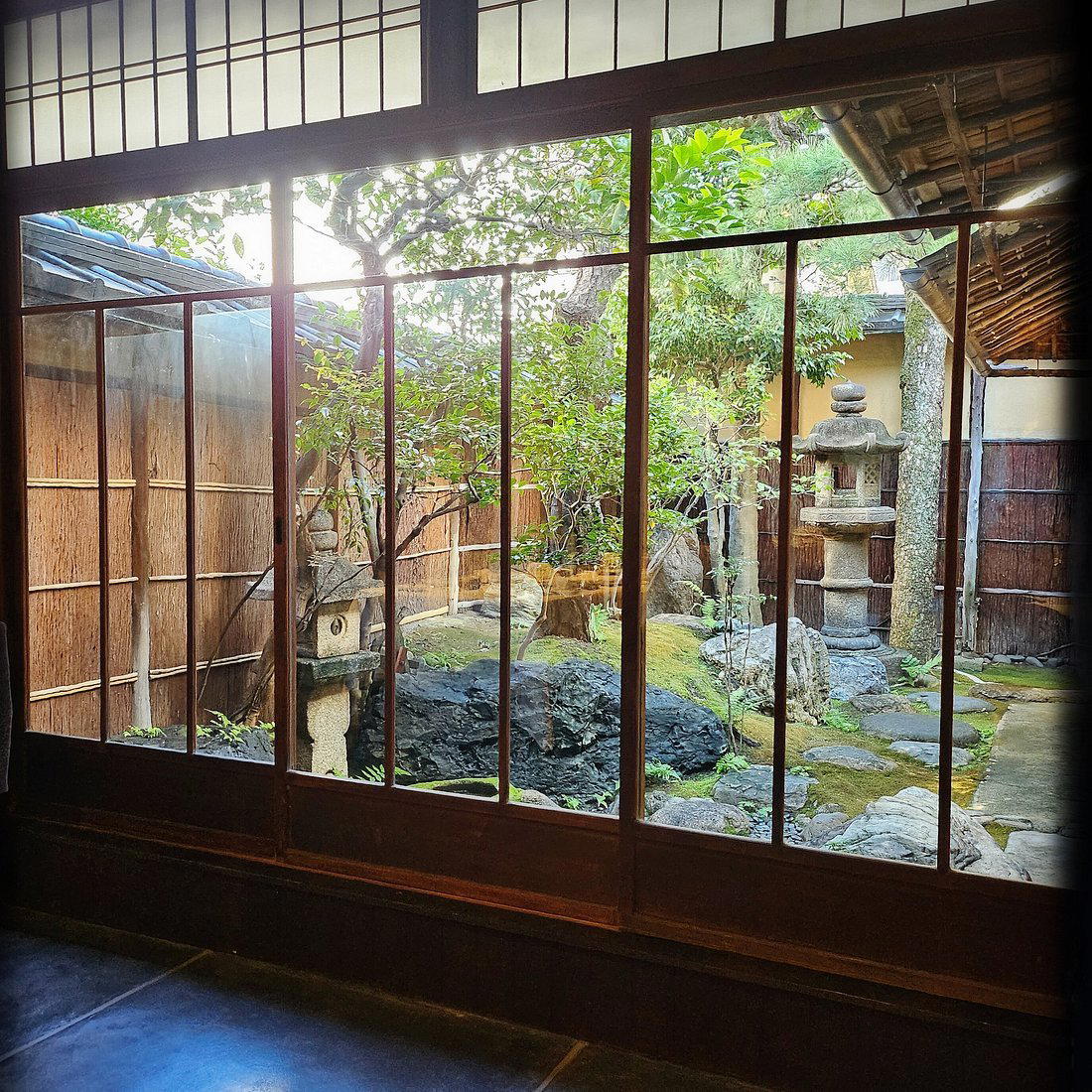
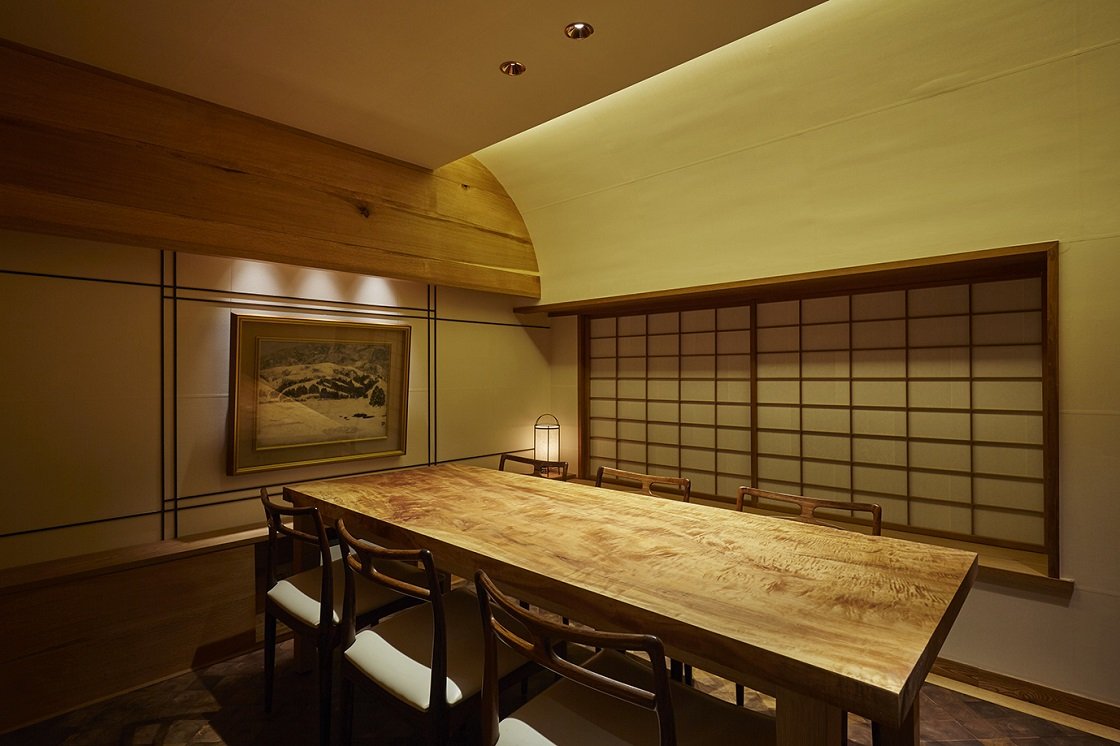
Relaxing space filled with harmony, small and cosy with counter seating and garden view, featuring beautiful tableware and essence of traditional Kyoto.
Tags
Vibe
Best For
Experience
Sourcing
View
At the Table
- Dress Code
- Smart Casual
- Noise Level
- Quiet
- Service Style
- Formal
- Meal Pacing
- Leisurely
- Capacity
- Intimate
Planning details
Location
Recognition and awards

Also consider
Also Consider
- Gion Sasaki; Kaiseki, Japanese, ¥¥¥¥
- cenci; Italian, ¥¥¥
- Ifuki; Kaiseki, ¥¥¥¥
- Kyokaiseki Kichisen; Japanese, ¥¥¥¥
- SEN; French, Japanese, ¥¥¥¥
Restaurant context
Within Kyoto's Michelin-recognised Japanese dining scene, Gosho Iwasaki's most relevant distinction is its price tier. At ¥¥¥, it operates below Kyokaiseki Kichisen and Gion Sasaki, both of which sit at ¥¥¥¥ and deliver kaiseki at a more formal, higher-cost register. If budget is a factor and you want Michelin-credentialed Japanese cooking in Kyoto, Gosho Iwasaki is the more accessible entry point. If budget is not the constraint and you want the full kaiseki progression with deeper seasonal ceremony, Kyokaiseki Kichisen is the benchmark.
Ifuki and SEN both price at ¥¥¥¥ and offer different angles; Ifuki with focused kaiseki, SEN blending French and Japanese technique. If you are drawn to cross-cultural cooking, SEN is the call. If you want to stay strictly within classical Kyoto tradition, Gosho Iwasaki's ryotei-trained approach and counter format offer a more direct, less embellished version of that cuisine at a lower price. cenci at ¥¥¥ is the only peer at the same price tier, but it is Italian; a completely different proposition. For a non-Japanese option at the same spend, cenci works; for Japanese cooking, Gosho Iwasaki has no direct ¥¥¥ competitor in this comparison set.
On booking difficulty, all of Kyoto's Michelin tier is competitive, but Gosho Iwasaki's lack of a public website or phone listing adds friction. Gion Sasaki and Kikunoi Roan have more accessible booking infrastructure. If ease of reservation matters as much as the meal itself, those are the more practical choices. If you are willing to work through a concierge or specialist service, Gosho Iwasaki's counter intimacy and favourable price point make it worth the extra step.
Explore Kyoto
Around this place
Discover more on Pearl
Unlock the full Gosho Iwasaki guide in Pearl, including awards, comparisons, FAQs, planning details, and nearby places.
Compare Gosho Iwasaki
| Venue | Awards | Price |
|---|---|---|
| Gosho Iwasaki | 2026 OAD Top Restaurants in Japan RecommendedMichelin Guide Kyoto Osaka 20262026 Michelin 1 Star2024 Michelin 1 Star | ¥¥¥ |
| Gion Sasaki | 2026 Tabelog Bronze · #3862026 OAD Top Restaurants in Japan RecommendedMichelin Guide Kyoto Osaka 20262026 La Liste Top RestaurantsTabelog 100 - Japanese cuisine - WEST - 2025 · #132025 OAD Top Restaurants in Japan Ranked · #2462025 Tabelog Silver2025 Michelin 3 Stars2025 La Liste Top Restaurants | ¥¥¥¥ |
| cenci | 2026 Tabelog Bronze · #442026 Asia's 50 Best Restaurants · #762026 OAD Top Restaurants in Japan Highly RecommendedMichelin Guide Kyoto Osaka 2026Tabelog 100 - Italian - WEST - 2025 · #632025 Asia's 50 Best Restaurants · #632025 OAD Top Restaurants in Japan Ranked · #1682025 Tabelog Bronze2024 OAD Top Restaurants in Japan Ranked · #135 | ¥¥¥ |
| Ifuki | 2026 OAD Top Restaurants in Japan Ranked · #1222026 Tabelog Bronze · #128Michelin Guide Kyoto Osaka 20262026 La Liste Top RestaurantsTabelog 100 - Japanese cuisine - WEST - 2025 · #622025 OAD Top Restaurants in Japan Ranked · #1002025 La Liste Top Restaurants2025 Tabelog Bronze2025 Michelin 2 Stars | ¥¥¥¥ |
| Kyokaiseki Kichisen | 2026 Tabelog Bronze · #1752026 OAD Top Restaurants in Japan Highly RecommendedMichelin Guide Kyoto Osaka 20262025 OAD Top Restaurants in Japan Ranked · #1862025 Michelin 2 Stars2025 La Liste Top Restaurants2024 OAD Top Restaurants in Japan Ranked · #1422024 Michelin 2 Stars2023 OAD Top Restaurants in Japan Ranked · #136 | ¥¥¥¥ |
| SEN | 2026 Tabelog Bronze · #3952026 OAD Top Restaurants in Japan RecommendedMichelin Guide Kyoto Osaka 20262026 Michelin PlateTabelog 100 - Japanese cuisine - WEST - 2025 · #652025 Michelin Plate2025 Tabelog Bronze2024 OAD Top Restaurants in Japan Ranked · #3622024 Michelin Plate | ¥¥¥¥ |






.png?width=1200&quality=80)
Key differences to consider before you reserve.
FAQ
Frequently Asked Questions
Is the tasting menu worth it at Gosho Iwasaki?
Yes, particularly if you value craft over spectacle. The format is counter-based, with the chef cooking in front of guests; a structure that rewards attention to technique. The 2024 Michelin one-star recognition reflects consistent execution, at ¥¥¥ pricing, it sits a tier below the ¥¥¥¥ venues that dominate Kyoto's recognised dining scene. If you want a high-ceremony private room experience, look elsewhere; if you want precision Kyoto cooking at a price point that doesn't require financing, this is a strong case.
What should I order at Gosho Iwasaki?
Gosho Iwasaki operates a set menu format, so ordering individual dishes is not the model. The chef constructs the meal, which begins with a cup of sake as a mark of the ryotei tradition. Highlights include lightly salted tilefish sashimi and hot-pot cooking in place of conventional simmered vegetables. The seasonal rotation means the specific dishes you receive depend entirely on when you visit; spring and autumn will differ substantially.
How far ahead should I book Gosho Iwasaki?
Book as far in advance as possible; the 2024 Michelin star has tightened availability considerably. For Kyoto's peak periods (late March through April for cherry blossom, November for autumn foliage), lead times of two months or more are advisable. Outside peak season, demand is lower but the restaurant's small counter format means capacity is limited regardless. Overseas visitors should factor in the difficulty of securing reservations without a local contact or hotel concierge assistance.
Is Gosho Iwasaki worth the price?
At ¥¥¥, yes; it offers Michelin-recognised Kyoto cuisine at a price point that undercuts most comparable venues in the city. The value case is strongest for two diners who want counter engagement and seasonal precision without paying ¥¥¥¥ rates. If your priority is a grand private dining room or an extensive sake programme, venues like Kyokaiseki Kichisen serve that brief better. For what Gosho Iwasaki actually offers; a craftsman-focused counter meal rooted in Kyoto basics; the price-to-execution ratio is favourable.