
Gion Mamma
Japanese · Higashiyama, Kyoto
Restaurant in Kyoto, Japan
 Book with Pearl
The Read
Sunken-Hearth Seasonality
Price
¥¥¥
Dress
Casual
Why go
A Michelin one-star charcoal-hearth restaurant in the heart of Gion, Gion Mamma earns its recognition through seasonal restraint rather than kaiseki ceremony. At a ¥¥¥ price point, it is one of Kyoto's strongest value cases for a special occasion meal. Book well ahead; demand consistently outpaces the intimate dining room's capacity.
About Gion Mamma
Who Should Book Gion Mamma; and When
If you are planning a special occasion dinner in Kyoto and want something more intimate than a full kaiseki procession, Gion Mamma is the booking to make. This is the restaurant for couples marking an anniversary, for visitors who want one genuinely memorable meal in the Gion district without committing to a ¥¥¥¥ price tier, for anyone who wants to eat around a traditional sunken hearth (irori) and let the season decide what arrives on the plate. The Michelin one-star recognition in 2024 confirms what repeat visitors already knew: this is a serious kitchen operating at a level that punches well above its price point.
Timing matters here more than at almost any other restaurant in Kyoto. The menu at Gion Mamma is built around what each season makes possible, not what the kitchen has perfected as a year-round signature. Come in spring for bamboo shoots, in summer for sweetfish (ayu), in autumn for Pacific saury (sanma), and in winter for duck. If you visit out of season for any of those ingredients, you are not eating the same restaurant. Plan your Kyoto trip around this calendar if the meal is the priority; and for a special occasion, it should be.
The Experience: Hearth, Flame, Restraint
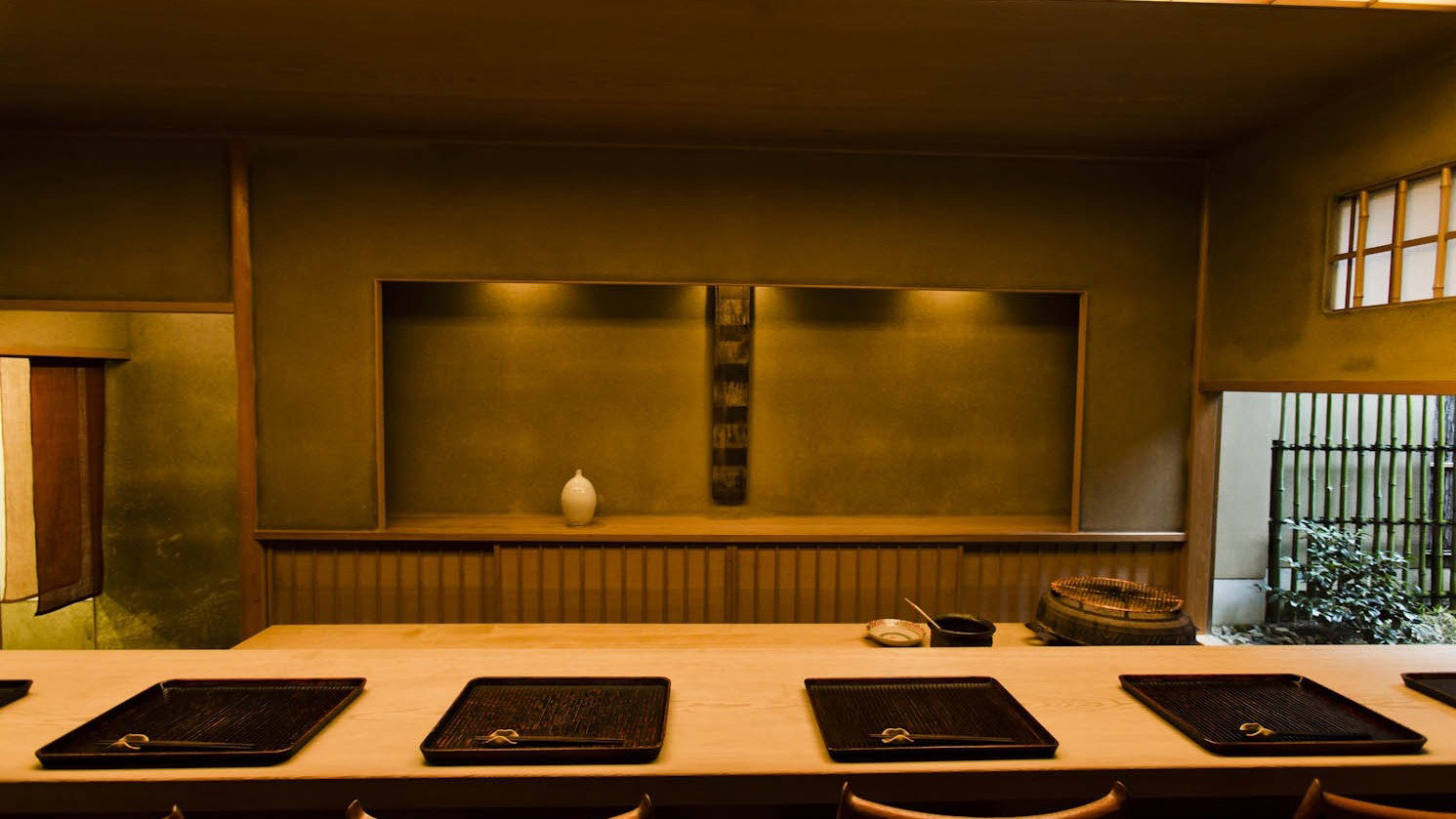
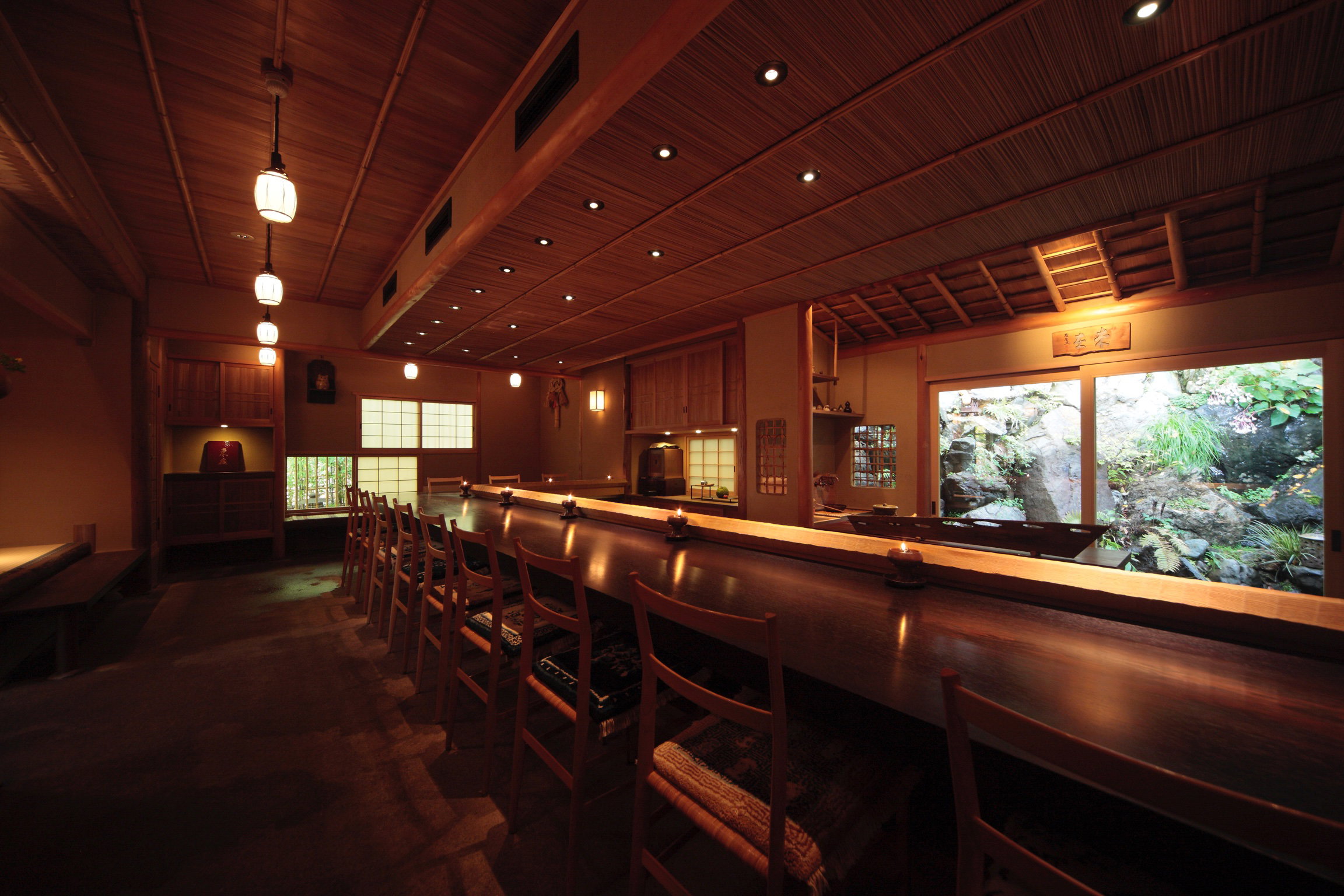
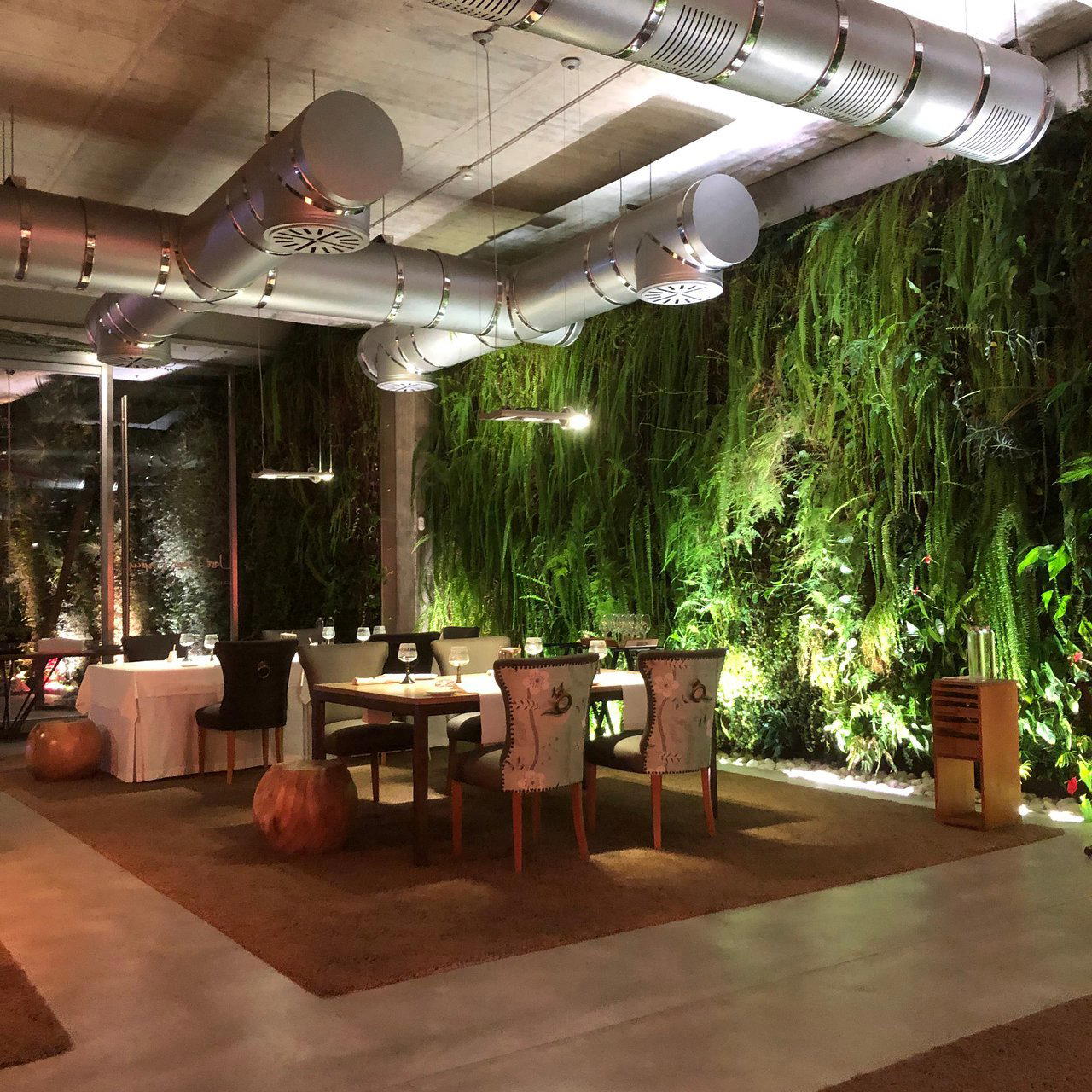
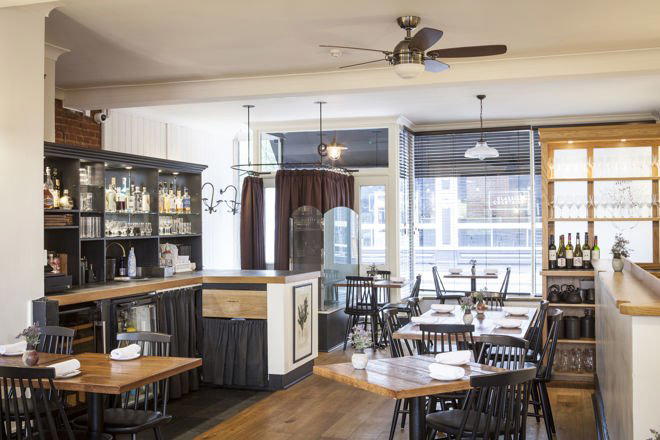
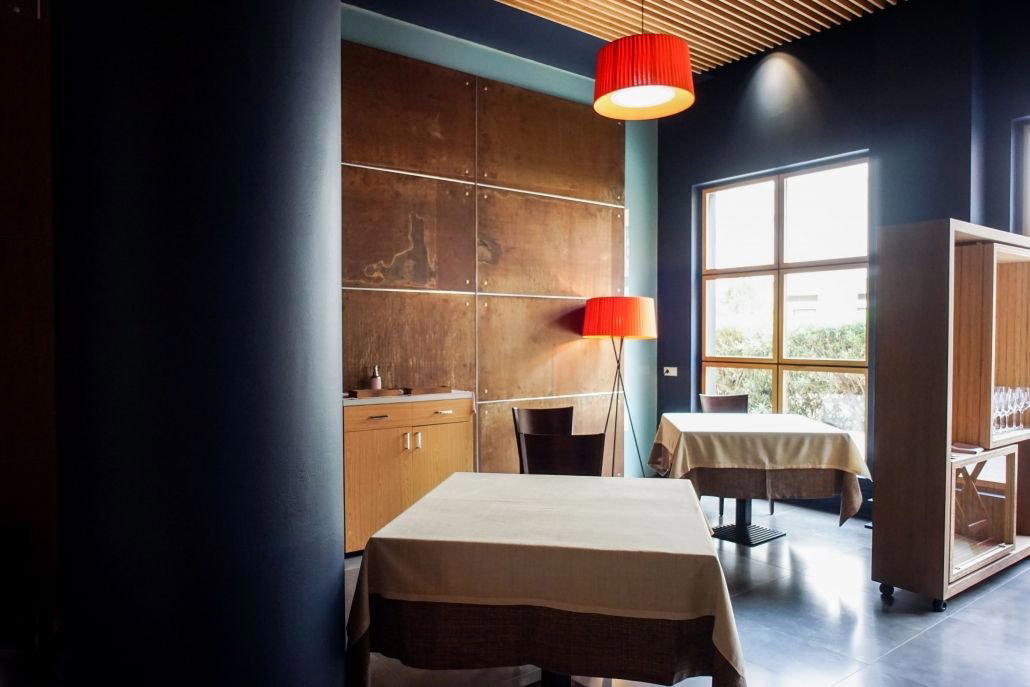
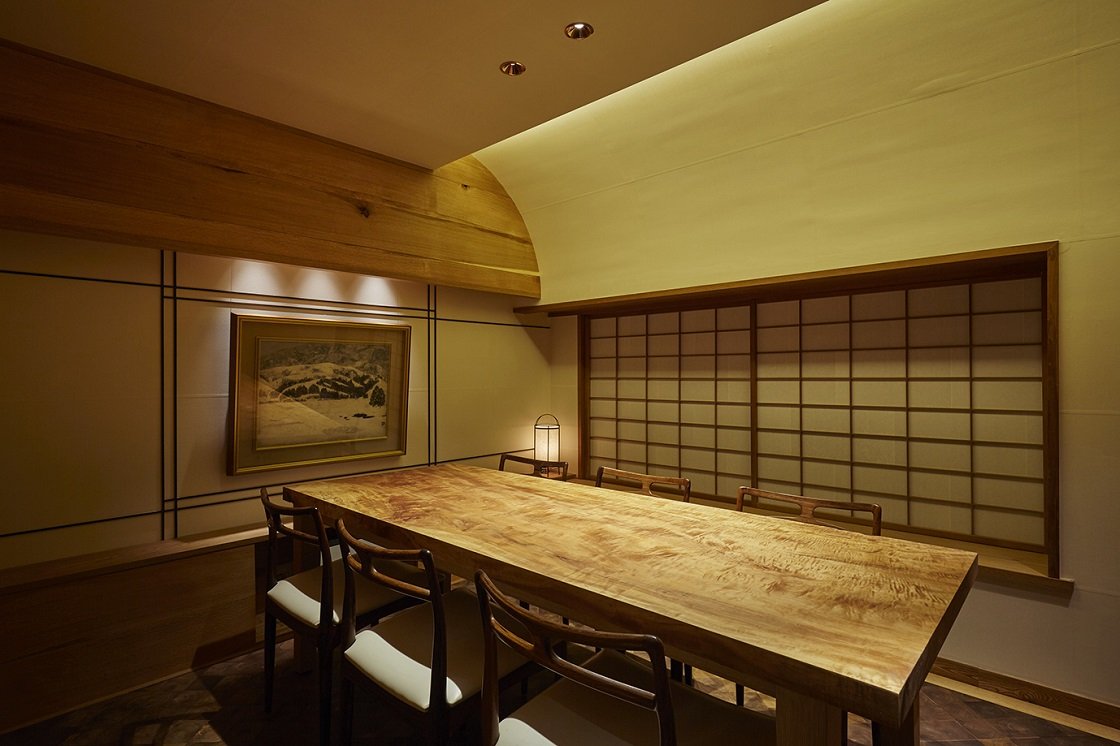
The defining sensory feature of Gion Mamma is the irori, a large sunken charcoal hearth around which the meal is anchored. The room is quiet by Gion-district standards. There is no background music competing with conversation, no open kitchen theatre, no parade of servers. What you get instead is the low crackle of charcoal and the smell of ingredients meeting direct heat. For a celebration dinner, this atmosphere works in your favour: it is serious without being stiff, the pace of the meal gives you space to talk.
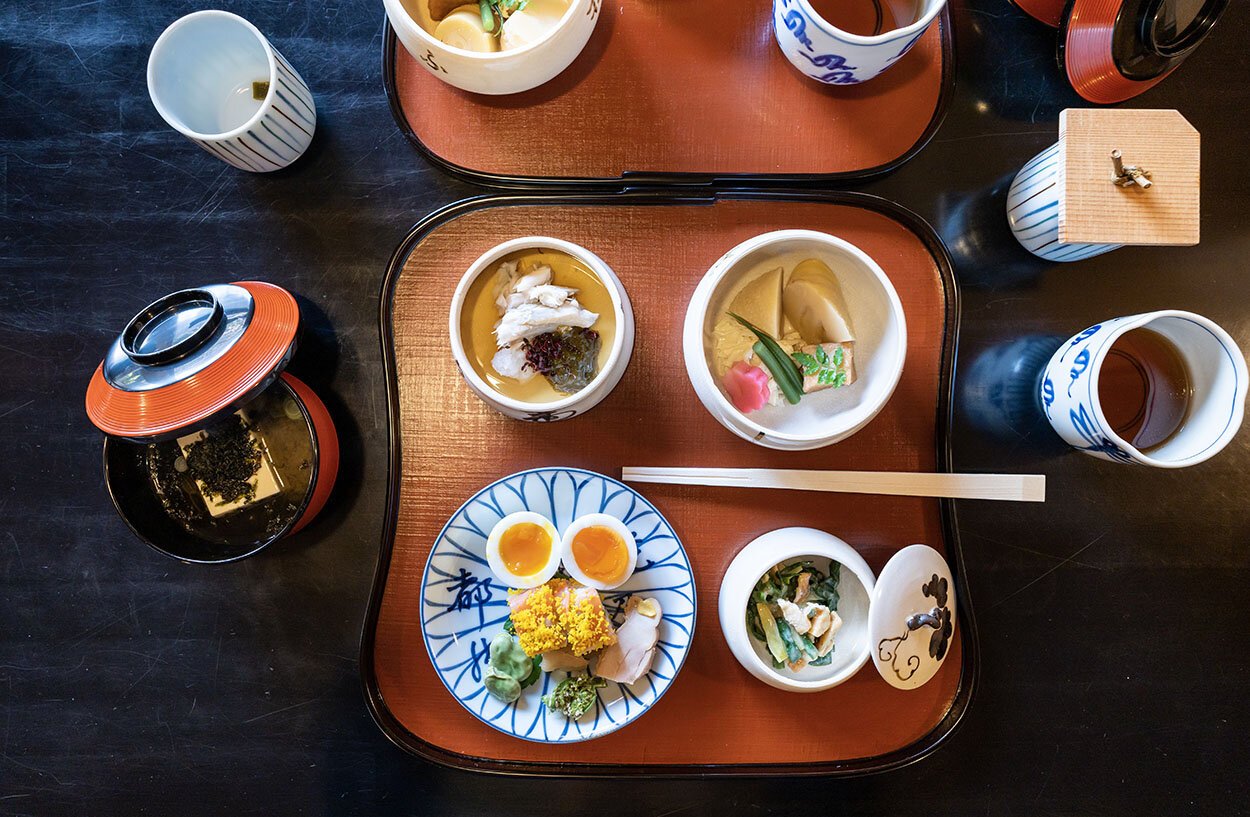
The philosophy behind the cooking is captured in the restaurant's name itself. 'Manma' translates roughly as 'just as it is', a commitment to letting ingredients present their inherent flavours rather than layering technique on top of them. The chef trained with a focus on charcoal-fire cooking and that discipline shows in the restraint of the menu. You will not find elaborate sauces or complex multi-component compositions here. What you will find is ingredient-led cooking where the quality of the produce and the precision of the flame do the work. For diners who find over-constructed kaiseki exhausting, Gion Mamma offers a more direct kind of pleasure.
In the evening, guests have some choice from the menu rather than following a fixed omakase sequence, a practical flexibility that makes this more accessible than fully set-menu formats, particularly for groups where one person may have dietary preferences. For first-timers to Japanese charcoal-grill dining, this is a more forgiving introduction than a rigid tasting structure.
Booking Gion Mamma
Gion Mamma is a hard booking. The restaurant sits in the Gionmachi Kitagawa section of Higashiyama Ward, one of the most visited areas of Kyoto, the combination of a Michelin star and a small, intimate format means seats are competitive. Do not arrive expecting walk-in availability. Plan your reservation well in advance, especially if you are visiting during peak seasons: cherry blossom (late March to early April) and autumn foliage (mid-November) are the two periods when Kyoto's better restaurants fill fastest. If your visit coincides with those windows and you want bamboo shoots in spring or the autumn saury, you need to book ahead of your flights, not after.
There is no website listed in the current record, which means reservations likely require contact through a concierge service, a hotel front desk with local relationships, or a third-party booking platform that covers Kyoto's harder-to-access restaurants. If you are staying at a traditional ryokan in Kyoto, using the ryokan's concierge is your most reliable route in. For context on what else is available in the city, see our full Kyoto restaurants guide.
Know Before You Go
Practical Details
- Address: 347-108 Gionmachi Kitagawa, Higashiyama Ward, Kyoto, 605-0073, Japan
- Price range: ¥¥¥ (mid-to-upper tier; more accessible than ¥¥¥¥ kaiseki houses nearby)
- Awards: Michelin 1 Star (2024)
- Booking difficulty: Hard, advance reservation strongly recommended
- Leading seasons to visit: Spring (bamboo shoots), Summer (sweetfish/ayu), Autumn (Pacific saury/sanma), Winter (duck)
- Format: Charcoal-hearth (irori) grill; evening menu offers some guest choice rather than strict fixed menu
- Occasion fit: Anniversary dinners, celebration meals, intimate date nights
How Gion Mamma Sits in the Kyoto Landscape
For context on how this restaurant connects to the broader Kyoto dining scene, it is worth looking at what neighbouring restaurants in the Gion area offer. Gion Matayoshi and Isshisoden Nakamura both operate in the Gion district at similarly high levels, while Kikunoi Roan offers a more accessible entry point to kaiseki. If you want to understand the full range of what Kyoto does, Kodaiji Jugyuan and Kyokaiseki Kichisen represent the upper end of the kaiseki tradition at ¥¥¥¥. Gion Mamma's charcoal-grill format sits apart from all of them, it is not a kaiseki restaurant and should not be evaluated as one.
If you are building a broader Japan itinerary around serious meals, consider pairing Gion Mamma with HAJIME in Osaka for a contrast in ambition and format, or with Harutaka in Tokyo for a completely different expression of Japanese ingredient-focus. For regional contrast outside the main cities, akordu in Nara and Goh in Fukuoka are worth considering. Tokyo comparisons for Japanese charcoal and grill-forward cooking include Myojaku and Azabu Kadowaki.
See also: our full Kyoto hotels guide, our full Kyoto bars guide, our full Kyoto wineries guide, and our full Kyoto experiences guide.
FAQ: Gion Mamma
- What should I order at Gion Mamma? Order around the season. The kitchen is built on charcoal-grilled ingredients that reflect what is at peak in that moment: bamboo shoots in spring, sweetfish in summer, Pacific saury in autumn, duck in winter. In the evening there is some menu choice, so ask what the kitchen is most proud of that day and follow that guidance.
- What are alternatives to Gion Mamma in Kyoto? For a different charcoal-forward experience at a higher price point, look at Gion Matayoshi. For kaiseki at ¥¥¥¥, Kyokaiseki Kichisen and Isshisoden Nakamura are the strongest options in the city. For Italian at a comparable price tier, cenci offers something completely different in Kyoto. If budget is the driver, Gion Mamma's ¥¥¥ positioning makes it the value choice among Michelin-recognised options in the area.
- Is Gion Mamma good for a special occasion? Yes, with the right expectations. The irori setting is intimate, the pace is unhurried, the Michelin one-star recognition means the cooking will not disappoint. It is better suited to an anniversary or celebration dinner for two than for a large group. It is not a formal kaiseki experience, if that ceremonial structure is what you want for a milestone meal, consider Kyokaiseki Kichisen instead. But if a quiet, focused, ingredient-led meal around a charcoal hearth matches your idea of a good celebration, Gion Mamma is the right call.
- What should a first-timer know about Gion Mamma? The format here is charcoal grill (irori), not kaiseki. The cooking philosophy is about restraint and inherent flavour, not elaborate construction. Seasons determine the menu, so your experience in April will be meaningfully different from your experience in November. Book well ahead, particularly during cherry blossom and autumn foliage seasons when all of Kyoto's better restaurants become very hard to access. The address is in Gionmachi Kitagawa, which is walkable from the main Gion area.
- Can I eat at the bar at Gion Mamma? No specific bar or counter seating information is available in the current venue record. Given the irori (sunken hearth) format, seating is likely arranged around the central hearth rather than a counter in the conventional sense. Confirm the seating configuration when booking.
- Is the tasting menu worth it at Gion Mamma? The evening format at Gion Mamma offers some guest choice from the menu rather than a strict fixed tasting sequence, which makes it more flexible than a pure omakase. At a ¥¥¥ price point with Michelin one-star recognition, the value case is strong compared to Kyoto's ¥¥¥¥ kaiseki houses. If you want the full seasonal ingredients at their leading, follow the season calendar, that is where the cooking is strongest.
- Is Gion Mamma worth the price? At ¥¥¥, it is one of the more accessible Michelin-recognised restaurants in Kyoto's Gion area. Compared to ¥¥¥¥ kaiseki at venues like Kyokaiseki Kichisen or Isshisoden Nakamura, you are getting a Michelin-starred experience at a lower spend. The caveat is that the format is different, charcoal grill and seasonal ingredients rather than the full kaiseki progression. If that trade-off suits your preferences, the price-to-quality ratio here is among the strongest in the city.
Planning details
- Location
- 347-108 Gionmachi Kitagawa, Higashiyama Ward, Kyoto, 605-0073, Japan
- Website
- gion-mamma.com
- Phone
- +81 75-525-8567
The take
The Take
The Vibe
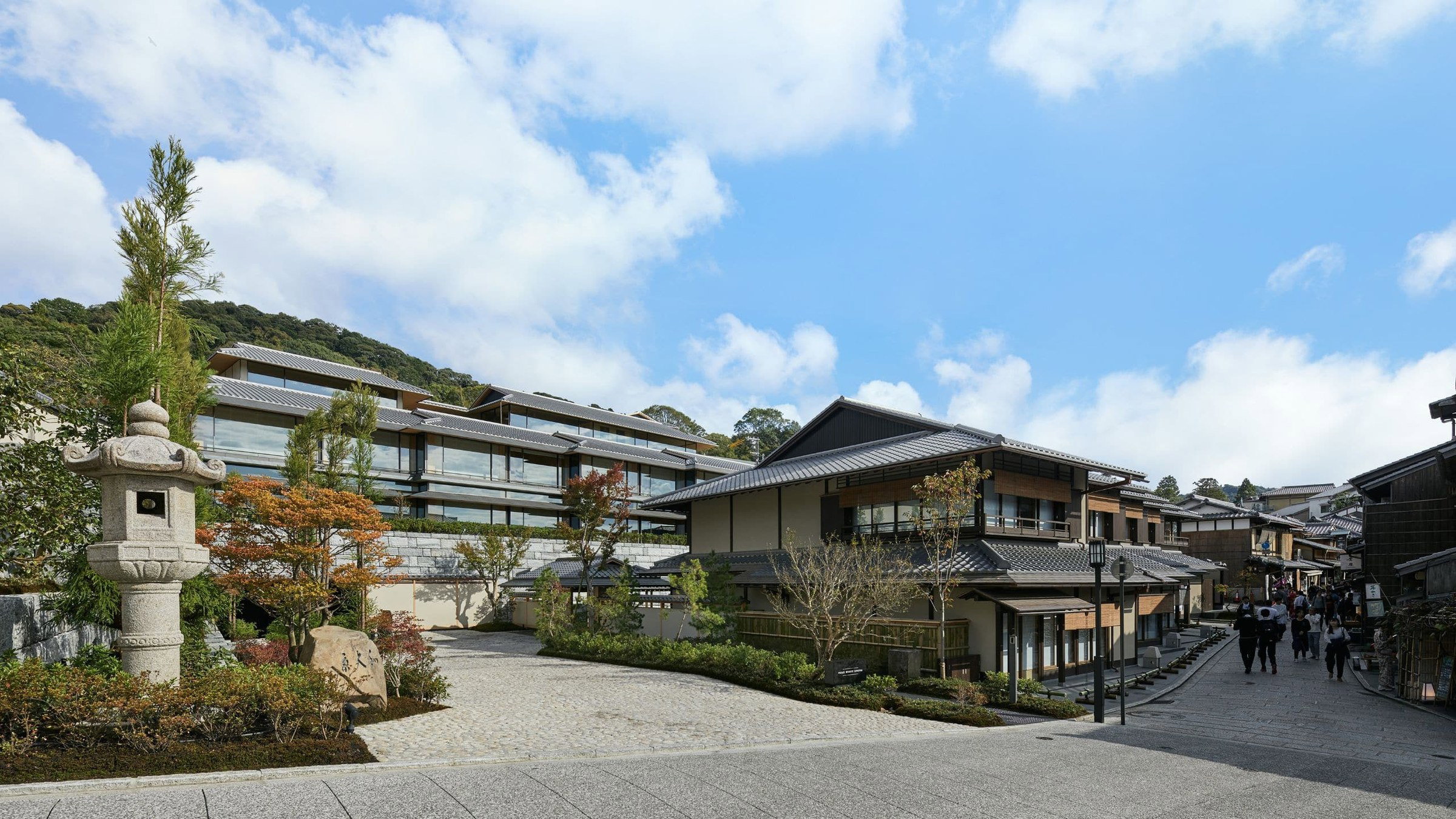
Gion Mamma sits deep in Gion's preserved machiya quarter, and the restaurant leans into that historic setting. Lantern light, wooden lattice facades and the hush of the neighbourhood set a quietly theatrical stage. Inside, the sunken irori hearth and charcoal cooking give the room a warm, rustic character that feels both domestic and ceremonious. The experience balances refinement — the restaurant holds a Michelin star — with the earthy immediacy of flame, producing an evening that is at once charming, rooted in tradition and quietly romantic.
Best For
This is an address for milestone evenings and slow, communal celebrations. The irori format invites diners to gather and watch the cooking together, making it especially suited to anniversaries, birthday dinners and other occasions where the act of sharing a meal matters as much as the food. Positioned as a single-starred, ¥¥¥ option in Gion, it offers seriousness without the formal kaiseki procession, so groups seeking a memorable but unbuttoned celebratory dinner find it a natural fit.
Ordering Tips
Expect a slow, communal rhythm rather than a rapid succession of small plated courses: the irori format centers the hearth and the act of cooking. The description emphasizes watching and attending to the moment when ingredient meets flame, so allow time for the meal and treat it as a shared event. Because the restaurant's character — historic machiya setting, hearth cooking and Michelin recognition — is central to the experience, reserve accordingly and plan the evening as a focused, celebratory outing rather than a quick bite.
Venue details
Ambiance
Cozy and intimate atmosphere in atmospheric Gion backstreets with warm, inviting lighting focused on the chef's counter and hearth.
Tags
Vibe
Best For
Experience
At the Table
- Dress Code
- Casual
- Noise Level
- Quiet
- Service Style
- Upscale Casual
- Meal Pacing
- Leisurely
- Capacity
- Intimate
Planning details
Location
347-108 Gionmachi Kitagawa, Higashiyama Ward, Kyoto, 605-0073, Japan · Directions
Recognition and awards
Also consider
Also Consider
- Gion Sasaki; Kaiseki, Japanese, ¥¥¥¥
- cenci; Italian, ¥¥¥
- Ifuki; Kaiseki, ¥¥¥¥
- Kyokaiseki Kichisen; Japanese, ¥¥¥¥
- SEN; French, Japanese, ¥¥¥¥
Restaurant context
Gion Mamma sits at ¥¥¥ with a Michelin star, which immediately sets it apart from most of its nearest peers. Gion Sasaki and Ifuki both operate at ¥¥¥¥ with kaiseki formats, while their ambition is higher, so is the commitment required; in both spend and the length of the dining experience. Kyokaiseki Kichisen is the most formally prestigious option in Kyoto's Japanese dining scene at ¥¥¥¥, but it is also the hardest to book and the most ceremonially structured. If you want the kaiseki ritual in full, Kichisen is the answer. If you want Michelin-quality cooking at a lower price with a more intimate format, Gion Mamma is the more practical choice.
SEN offers a French-Japanese hybrid at ¥¥¥¥ that appeals to diners who want Western technique applied to Japanese produce; a meaningfully different proposition from Gion Mamma's charcoal-and-restraint philosophy. cenci at ¥¥¥ is the closest price-tier comparison but in Italian cuisine, making it a genuine alternative only if cuisine type is flexible. For Kyoto diners choosing between these options: if budget is the primary constraint, Gion Mamma and cenci are the ¥¥¥ options. If seasonal Japanese cooking around an irori hearth is the priority, none of the comparison venues replicate that specific format.
On booking difficulty, all of these restaurants are competitive, but Gion Mamma's combination of a smaller dining room and growing post-Michelin-star demand makes it particularly tight during peak Kyoto seasons. Gion Sasaki and Ifuki at ¥¥¥¥ may actually have marginally more seats in some configurations, but the price difference means Gion Mamma draws from a wider pool of potential diners. The practical advice: treat Gion Mamma as your primary booking and lock it in first. If it is unavailable for your dates, Kikunoi Roan; listed in our full Kyoto restaurants guide; offers a more accessible kaiseki entry point as a fallback.
Explore Kyoto
Around this place
Discover more on Pearl
Unlock the full Gion Mamma guide in Pearl, including awards, comparisons, FAQs, planning details, and nearby places.
Compare Gion Mamma
| Venue | Awards | Price |
|---|---|---|
| Gion Mamma | Michelin Guide Kyoto Osaka 20262026 Michelin 1 Star2024 Michelin 1 Star | ¥¥¥ |
| Gion Sasaki | 2026 Tabelog Bronze · #3862026 OAD Top Restaurants in Japan RecommendedMichelin Guide Kyoto Osaka 20262026 La Liste Top RestaurantsTabelog 100 - Japanese cuisine - WEST - 2025 · #132025 OAD Top Restaurants in Japan Ranked · #2462025 Tabelog Silver2025 Michelin 3 Stars2025 La Liste Top Restaurants | ¥¥¥¥ |
| cenci | 2026 Tabelog Bronze · #442026 Asia's 50 Best Restaurants · #762026 OAD Top Restaurants in Japan Highly RecommendedMichelin Guide Kyoto Osaka 2026Tabelog 100 - Italian - WEST - 2025 · #632025 Asia's 50 Best Restaurants · #632025 OAD Top Restaurants in Japan Ranked · #1682025 Tabelog Bronze2024 OAD Top Restaurants in Japan Ranked · #135 | ¥¥¥ |
| Ifuki | 2026 OAD Top Restaurants in Japan Ranked · #1222026 Tabelog Bronze · #128Michelin Guide Kyoto Osaka 20262026 La Liste Top RestaurantsTabelog 100 - Japanese cuisine - WEST - 2025 · #622025 OAD Top Restaurants in Japan Ranked · #1002025 La Liste Top Restaurants2025 Tabelog Bronze2025 Michelin 2 Stars | ¥¥¥¥ |
| Kyokaiseki Kichisen | 2026 Tabelog Bronze · #1752026 OAD Top Restaurants in Japan Highly RecommendedMichelin Guide Kyoto Osaka 20262025 OAD Top Restaurants in Japan Ranked · #1862025 Michelin 2 Stars2025 La Liste Top Restaurants2024 OAD Top Restaurants in Japan Ranked · #1422024 Michelin 2 Stars2023 OAD Top Restaurants in Japan Ranked · #136 | ¥¥¥¥ |
| SEN | 2026 Tabelog Bronze · #3952026 OAD Top Restaurants in Japan RecommendedMichelin Guide Kyoto Osaka 20262026 Michelin PlateTabelog 100 - Japanese cuisine - WEST - 2025 · #652025 Michelin Plate2025 Tabelog Bronze2024 OAD Top Restaurants in Japan Ranked · #3622024 Michelin Plate | ¥¥¥¥ |







.png?width=1200&quality=80)
What to weigh when choosing between Gion Mamma and alternatives.
FAQ
Frequently Asked Questions
What should I order at Gion Mamma?
The menu is built around seasonal charcoal-grilled ingredients: bamboo shoots in spring, sweetfish in summer, Pacific saury in autumn, duck in winter. In the evening, the chef offers menu choices rather than a fixed procession, so arrive knowing which season you are dining in and lean into the ingredient that defines it. The philosophy here is 'manma'; things just as they are; so expect restraint over elaboration.
What are alternatives to Gion Mamma in Kyoto?
Gion Sasaki is the comparison for guests who want a fuller kaiseki arc at a higher price point. Ifuki is a tighter, counter-only option worth considering for solo diners. cenci pushes toward a more European-influenced seasonal format if you want contrast. Kyokaiseki Kichisen sits at the top of the formal kaiseki tier and carries more ceremony. SEN is worth checking if availability at Gion Mamma is blocked and budget is a consideration.
Is Gion Mamma good for a special occasion?
Yes, with caveats. The Michelin star, the irori hearth setting, the evening menu-choice format make it well-suited to a celebratory dinner that feels considered without being stiff. It is better suited to two people than a large group. If you want maximum formality and ceremony, Kyokaiseki Kichisen is the appropriate step up.
What should a first-timer know about Gion Mamma?
This is a charcoal-grilled seasonal restaurant, not a multi-course kaiseki in the traditional sense. Dishes are ingredient-led and deliberately unadorned. The address is 347-108 Gionmachi Kitagawa in Higashiyama Ward, a dense and heavily visited part of Kyoto, so allow time to find it. Booking well in advance is necessary; walk-ins are not a realistic option at a one-Michelin-star Gion address.
Can I eat at the bar at Gion Mamma?
Bar seating arrangements are not documented in available data, so confirm directly when booking. What is confirmed is that the meal is anchored around a large sunken hearth, which shapes the room's layout and the communal character of the experience. Counter or hearth-side seating, if available, would be the place to watch the grilling.
Is the tasting menu worth it at Gion Mamma?
The evening format offers menu choices rather than a single fixed tasting sequence, which gives it more flexibility than a strict omakase. At the ¥¥¥ price range with a 2024 Michelin star, the value case is solid if seasonal charcoal grilling is the format you are after. If you want the full multi-hour kaiseki progression, Gion Sasaki or Kyokaiseki Kichisen are more appropriate.
Is Gion Mamma worth the price?
At ¥¥¥ with a 2024 Michelin star, Gion Mamma is priced in line with what serious Kyoto dining costs; not cheap, but not at the ceiling of the category. The restraint-over-spectacle approach means you are paying for ingredient quality and technique, not theatrical presentation. If that trade-off suits you, it justifies the price. If you want ceremony and multi-course architecture, the money may work harder at Kyokaiseki Kichisen.