
Doppo
Japanese · Kita, Kyoto
Restaurant in Kyoto, Japan
 Book with Pearl
The Read
Fermentation-Rooted Restraint
Price
$200–300per person
Chef
Masato Miyazawa
Dress
Smart Casual
Why go
Doppo is a Michelin two-star Japanese restaurant in Kyoto's Kita Ward where the teahouse setting, hanging scrolls, and craft objects are as central to the meal as the fermentation-forward cuisine. At ¥¥¥¥, it rewards diners who want aesthetics and food treated as inseparable. Hard to book: plan four to eight weeks ahead.
About Doppo
If You've Been Once, Here's What to Do Differently
A first visit to Doppo tends to be absorbed by the room: the hanging scrolls, the lacquerwork, the quiet geometry of a teahouse interior that feels assembled over decades rather than designed. On a second visit, you can pay attention to what actually matters for your booking decision. Doppo holds a Michelin one star (2024) and operates at a ¥¥¥¥ price point in Kita Ward, Kyoto. The question is whether the experience justifies the return, and the honest answer is yes: but with conditions worth understanding before you book.
The name itself is a signal. 'Doppo' borrows from the vocabulary of Rosanjin Kitaoji, the early twentieth-century epicure and artist who argued that beauty in food and beauty in objects were inseparable. The teahouse-style interior carries that philosophy forward with hanging scrolls, vases, and accumulated craft objects that are not decorative additions but integral to the meal's pacing. Plates arrive with deliberate negative space: cuisine presented to accentuate what surrounds it, not to crowd the eye. If that visual grammar passed you by on a first visit, a return is the right move.
What the Michelin Recognition Actually Tells You
The 2024 Michelin citation for Doppo is specific in a way that's useful for setting expectations. The inspectors flag 'reverence for the aesthetics and traditions of Japanese cuisine and for classical works of art' and note the role of home-brewed sake and fermentation in the kitchen's approach to traditional foods. This is not a venue trying to reinterpret kaiseki for a contemporary audience. It is a venue committed to a particular historical continuity, and the star reflects precision within that framework rather than innovation outside it. For some diners, that's exactly the point. For others who want more creative friction, a venue like cenci in Kyoto's Italian-influenced register, or SEN with its French-Japanese dialogue, will deliver a different kind of interest at the same price tier.
The Food Doesn't Travel, and That's the Point
Doppo's editorial angle raises a question worth addressing directly: this is not a restaurant where takeout or delivery makes any sense, and not because of logistics. The experience is inseparable from the physical context. The serving-ware is chosen to harmonise with the cuisine. The blank spaces on the plate mean something in the room. Remove the teahouse setting and the scrolls, and you've removed roughly half of what Doppo is selling. If you're looking for high-quality Japanese food that translates well off-premise, Kyoto has options. Doppo is not one of them, and it doesn't try to be. Come here for the sit-down experience or don't come at all.
Booking, Timing, and Logistics
Doppo is a hard booking. Michelin recognition at the one-star level in Kyoto creates real demand compression, and the teahouse format suggests limited covers, capacity data isn't published, but the intimate scale of this type of venue typically means single-digit tables. Plan for a minimum of four to six weeks lead time; during peak Kyoto seasons (late March through early May for cherry blossom, mid-October through mid-November for autumn foliage) extend that to eight weeks or more. The address is in Kita Ward at 1-1 Izumojimatsunoshitacho, a northern Kyoto location that's less central than Gion-area venues. Factor in travel time if you're staying near the main tourist corridor. For context on where Doppo sits relative to Kyoto's broader dining options, see our full Kyoto restaurants guide.
Who This Is Right For
Return visitors to Kyoto who have already done the standard kaiseki circuit, Kikunoi Roan, Isshisoden Nakamura, will find Doppo's art-object approach a meaningful contrast. If your previous Kyoto meal leaned heavily on technical kaiseki progression, Doppo's fermentation-forward sensibility and craft-object framing offers something genuinely different at the same price level. Solo diners with an interest in Japanese material culture will likely find the visual intelligence of the room as engaging as the food itself. Groups looking for a shared celebratory meal should confirm whether the space accommodates larger parties before booking, given the intimate format. For group-friendly kaiseki alternatives in Kyoto, Gion Matayoshi and Kodaiji Jugyuan are worth considering. Diners who want the Rosanjin aesthetic taken even further into multi-star territory should look at Kyokaiseki Kichisen, which operates at the three-star level in the same tradition.
Pearl Verdict
Book Doppo if you want a Michelin-starred Japanese meal in Kyoto that centres the relationship between food, objects, and space rather than the cooking alone. At ¥¥¥¥, you're paying for a complete aesthetic experience. The one-star Michelin rating (2024) and the depth of the craft-object program make it a credible choice for anyone who finds the standard kaiseki format too food-forward. Don't book if you need flexible timing, easy reservation access, or any off-premise options. For broader Japan planning, HAJIME in Osaka and Harutaka in Tokyo are worth adding to your itinerary if you're building a multi-city Japan restaurant trip. See also akordu in Nara, Goh in Fukuoka, and Myojaku and Azabu Kadowaki in Tokyo for further reference points in the formal Japanese dining register. For everything else in the city, our Kyoto hotels guide, Kyoto bars guide, Kyoto wineries guide, and Kyoto experiences guide are good next steps.
Planning details
- Location
- 1-1 Izumojimatsunoshitacho, Kita Ward, Kyoto, 603-8133, Japan
- Website
- jiki-miyazawa.com
- Phone
- +81 75-406-7588
The take
The Take
The Vibe
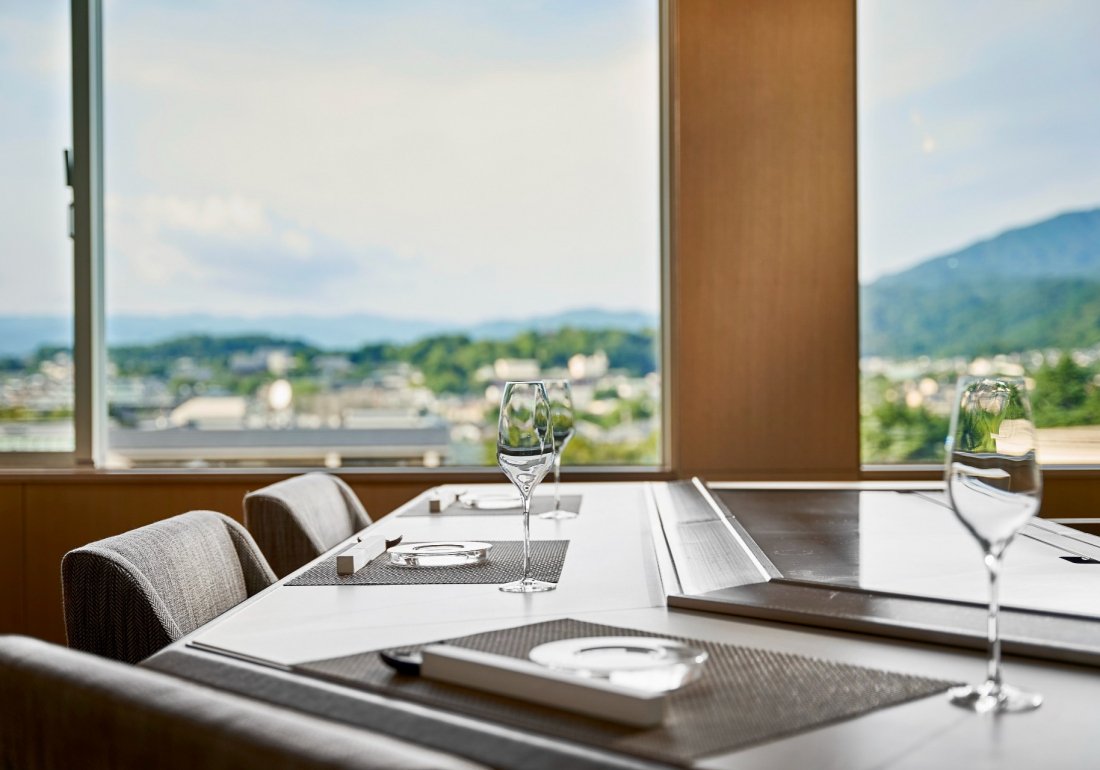
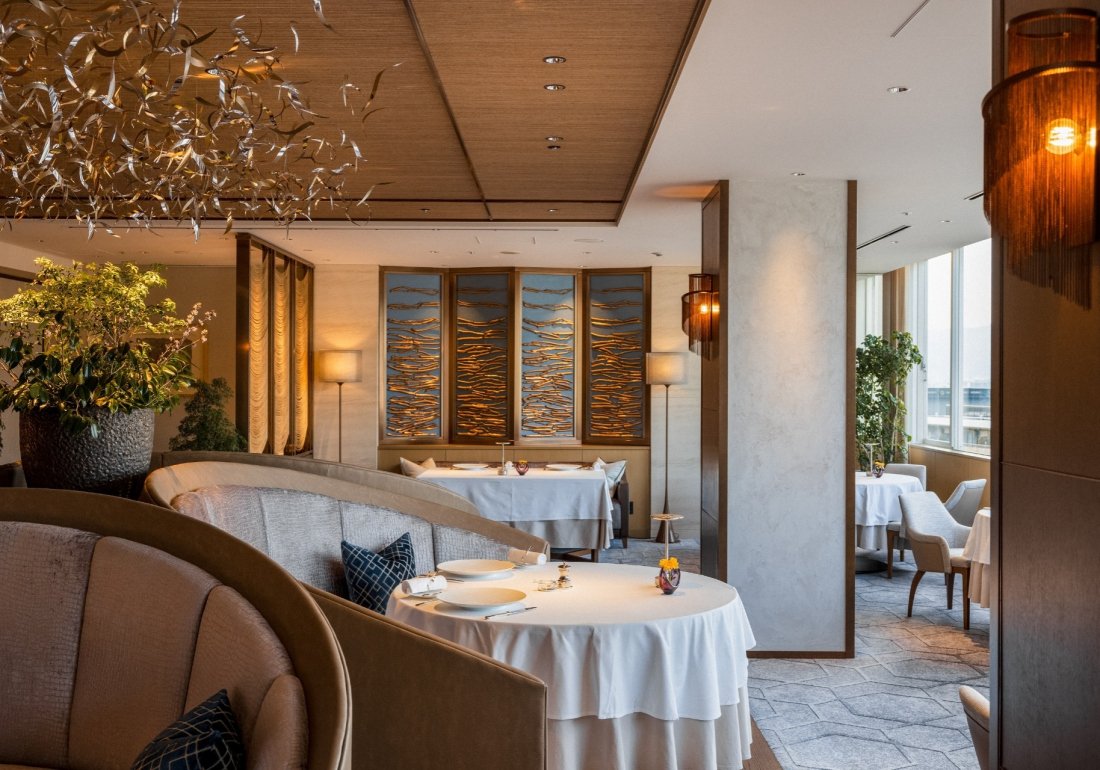
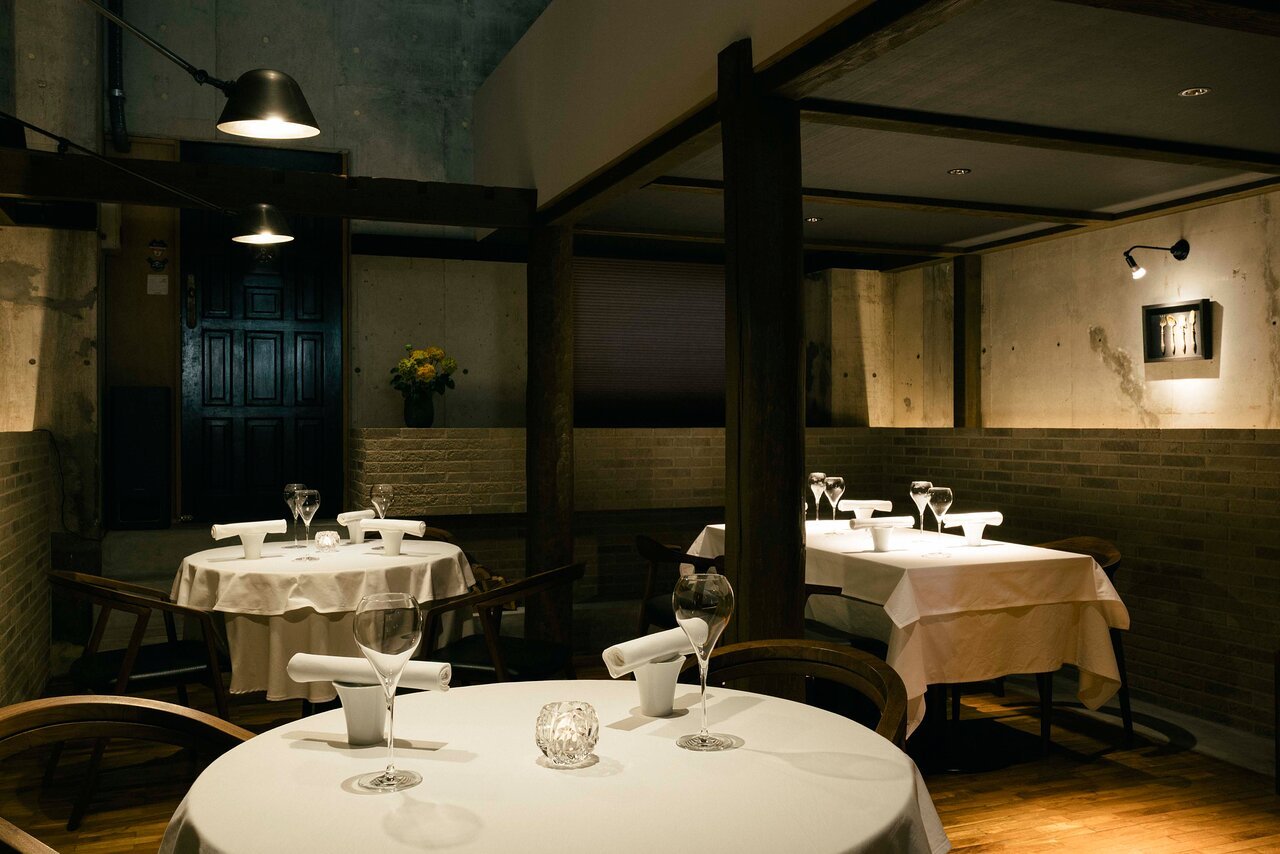
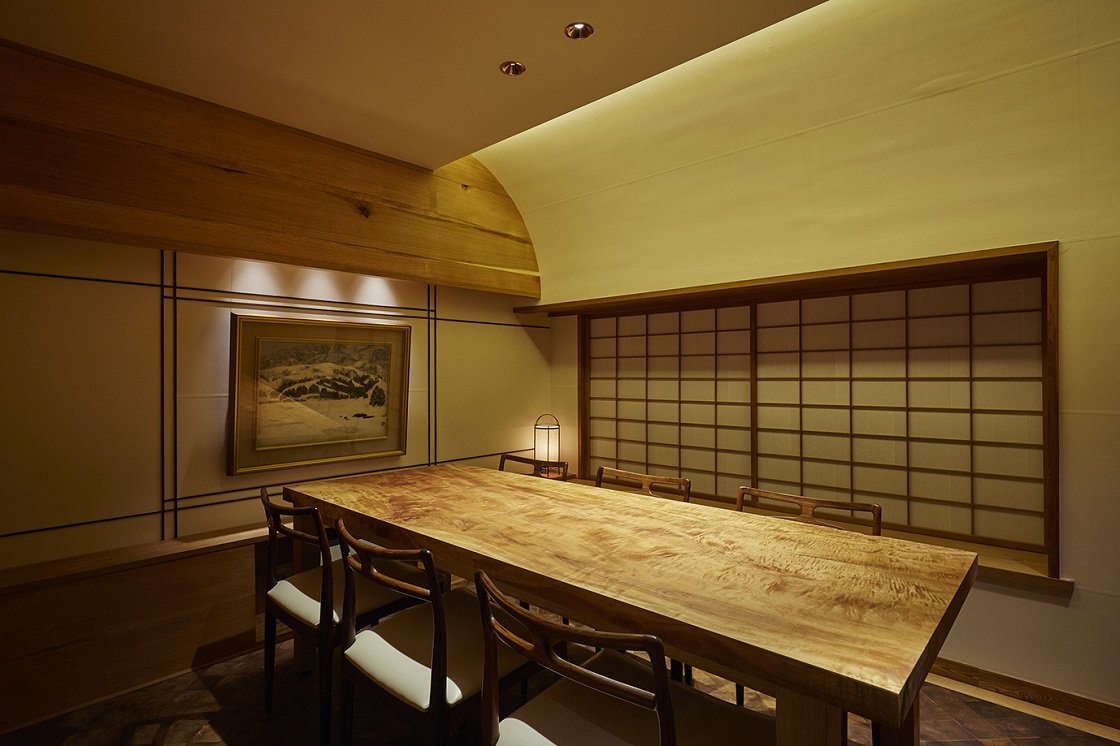
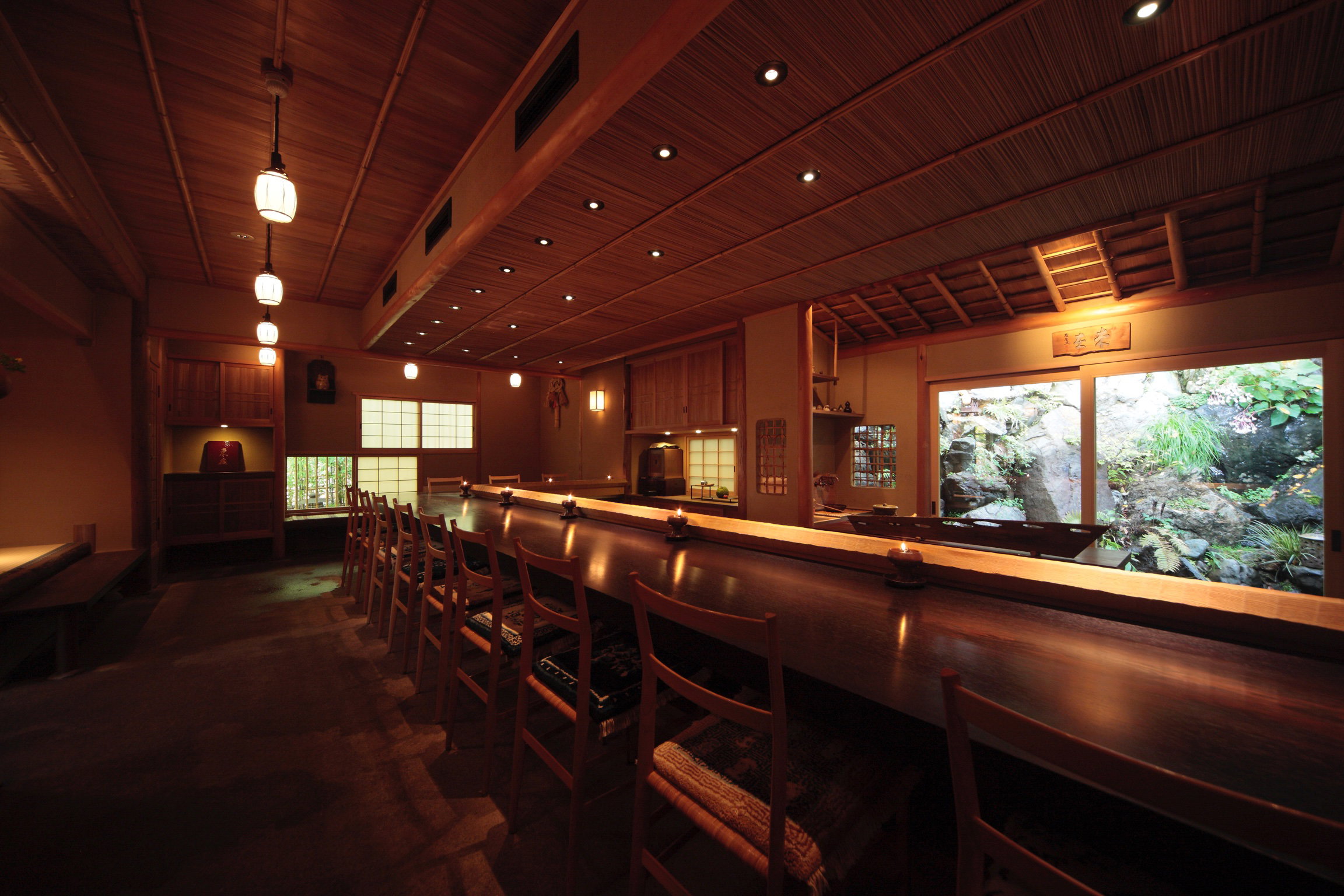
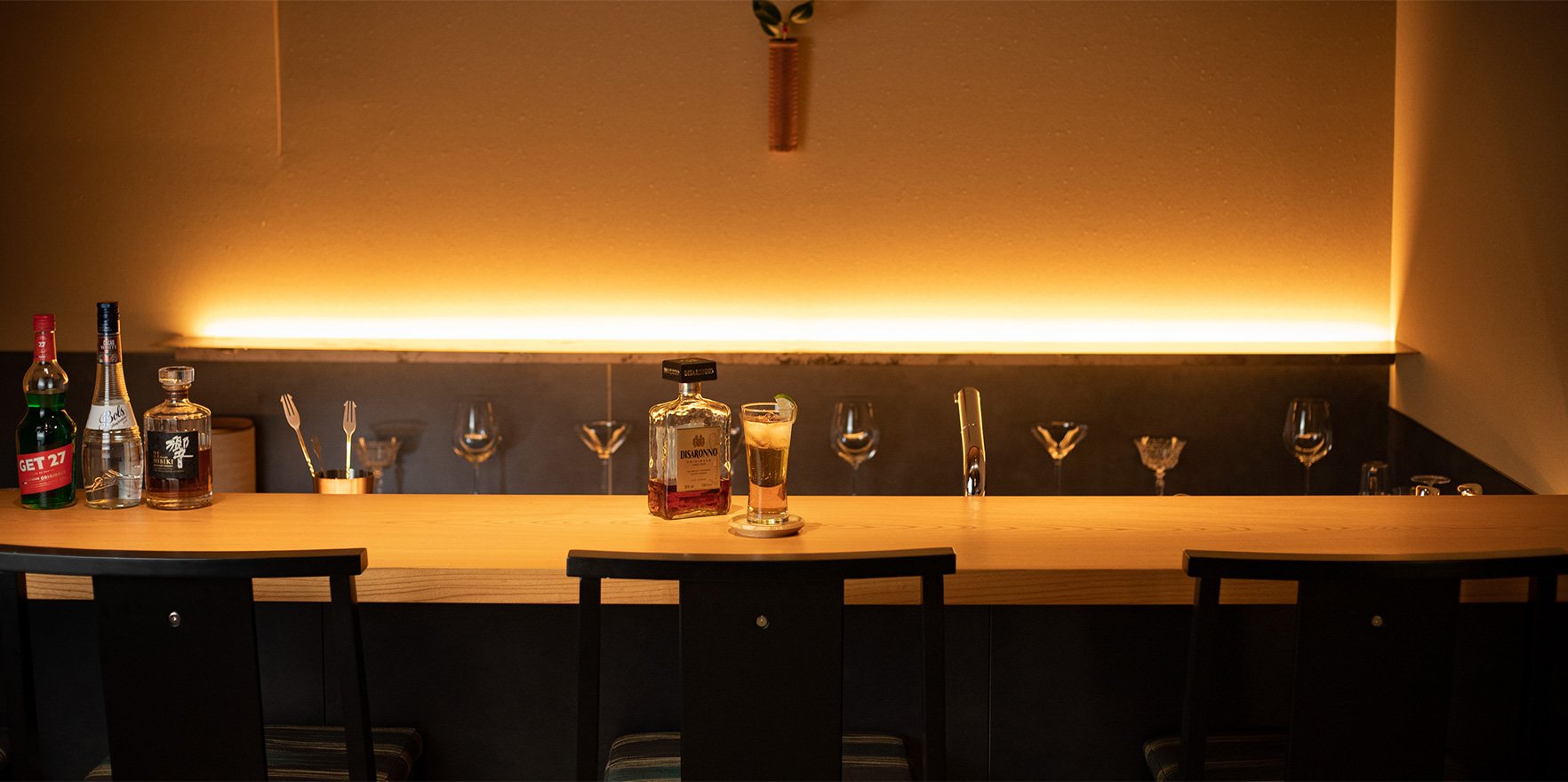
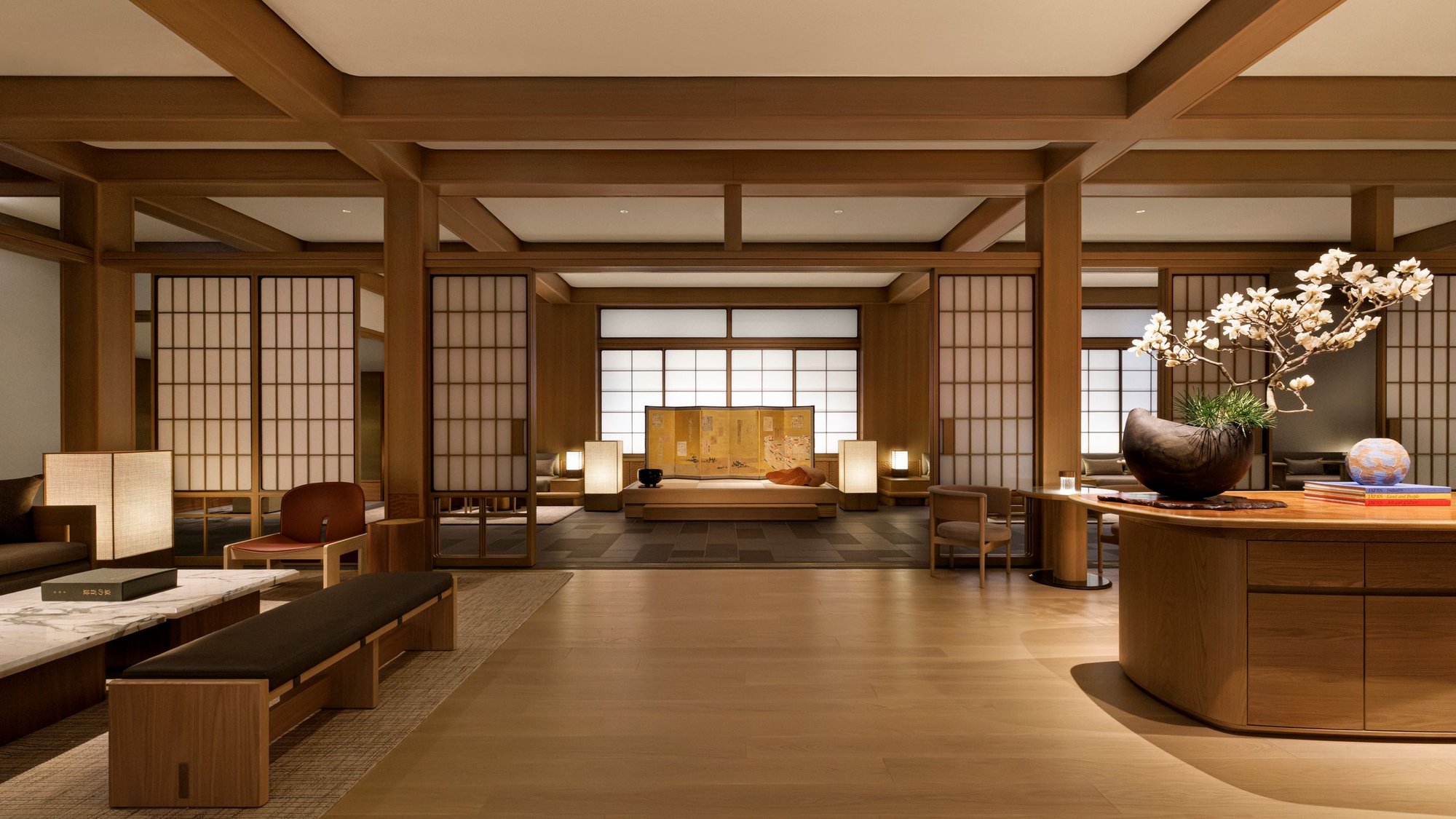
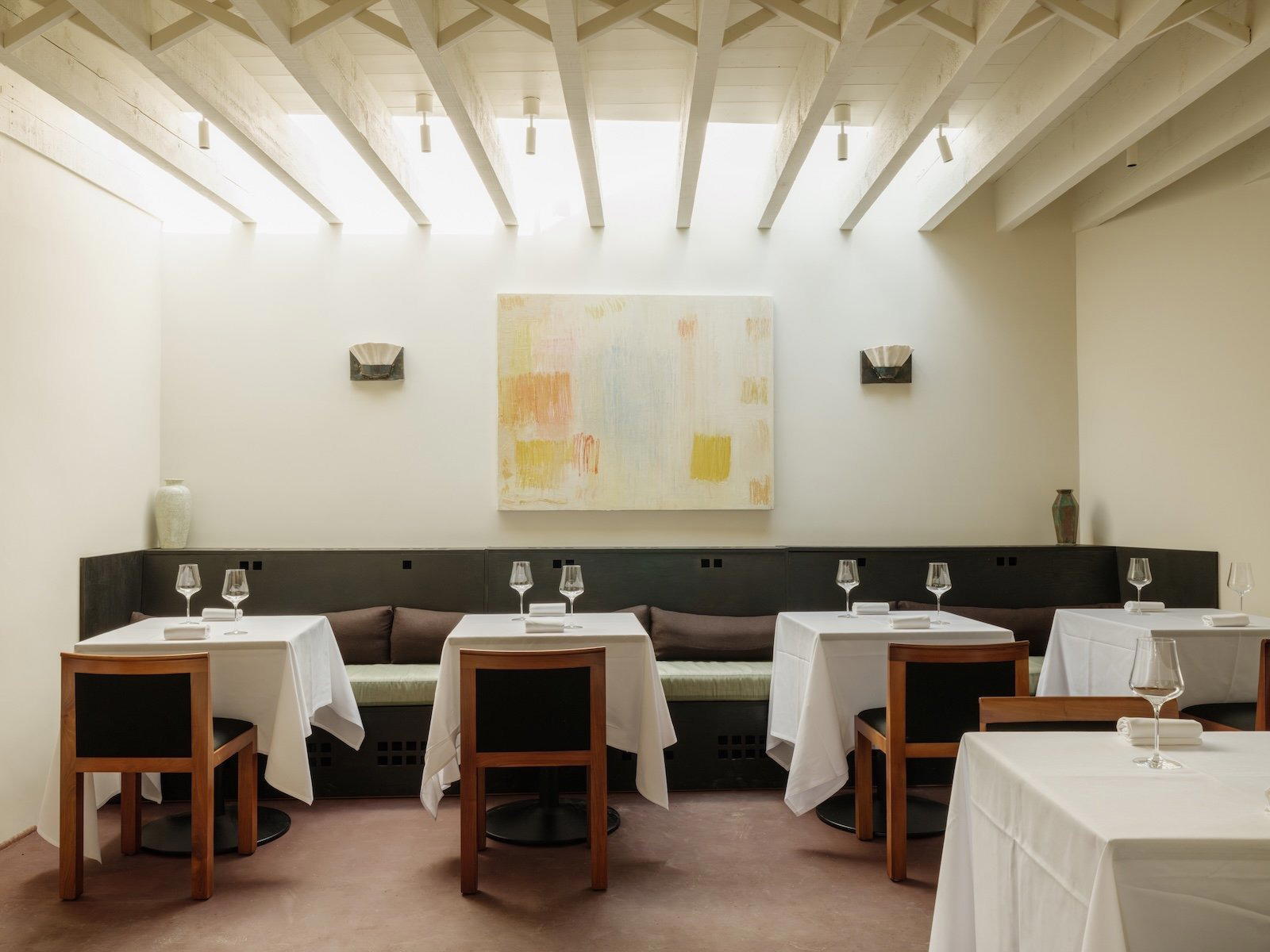
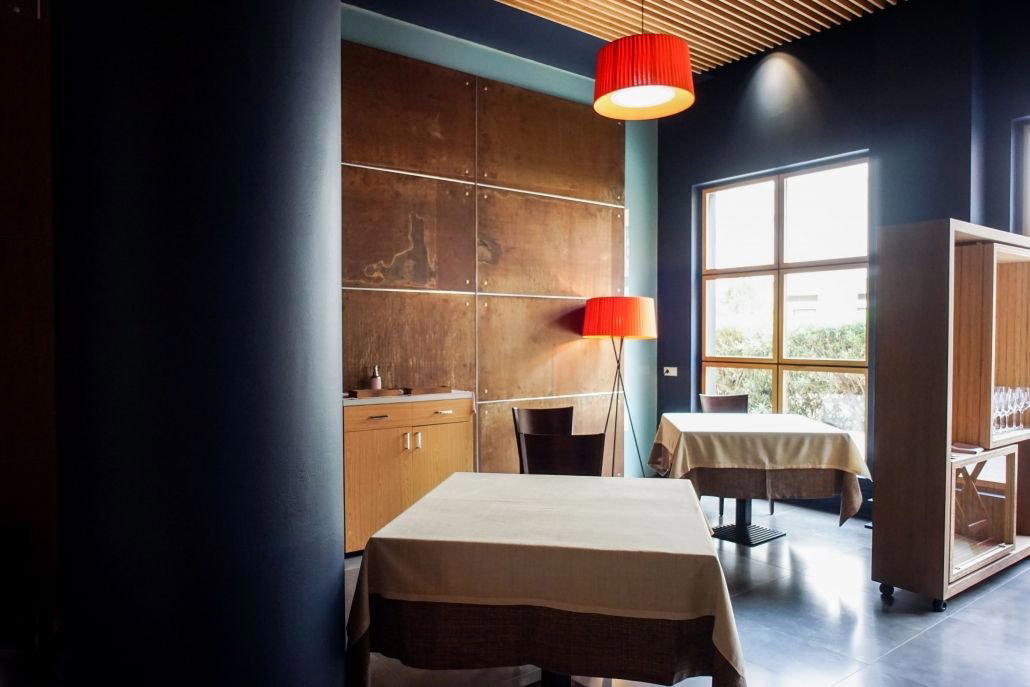
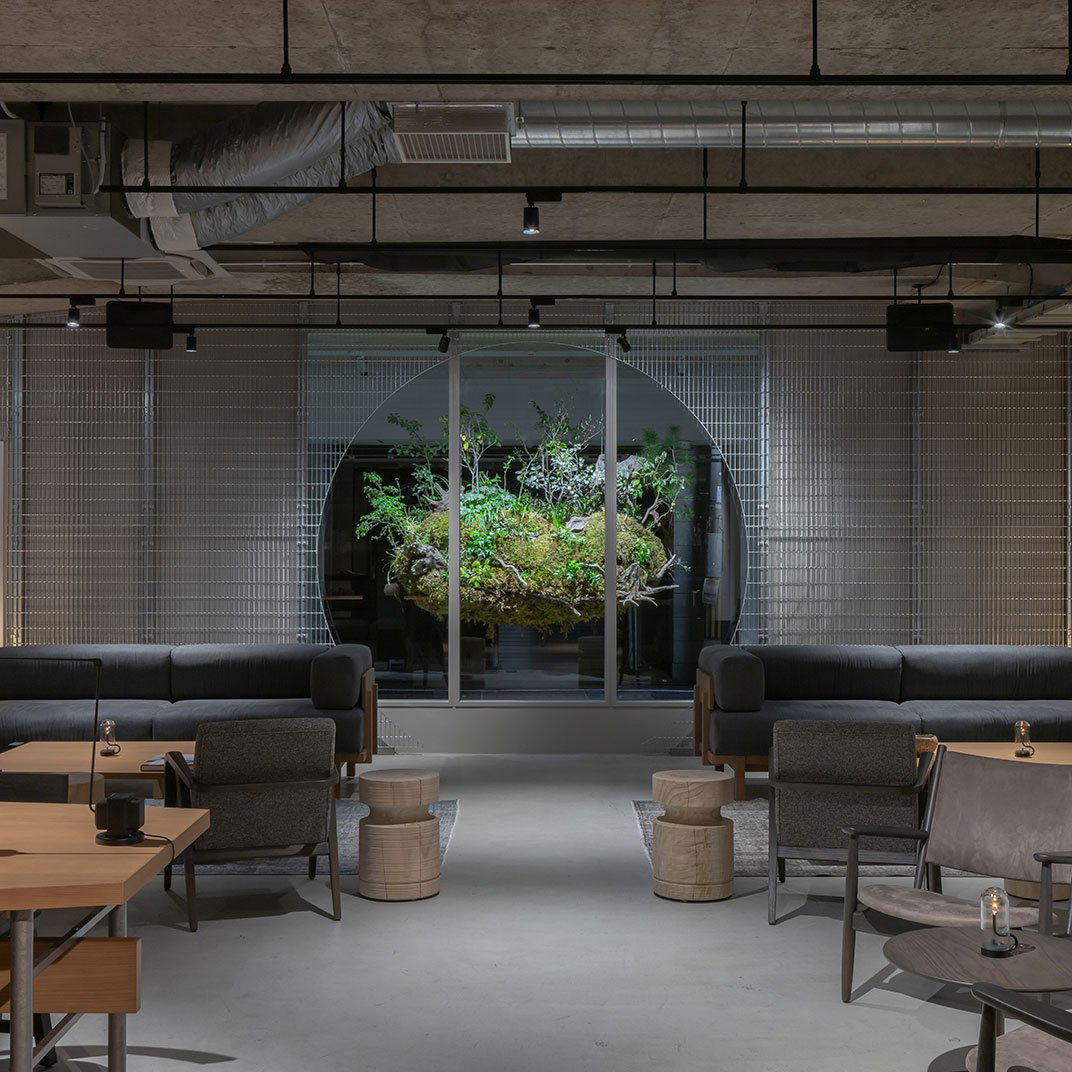
Doppo presents itself as a measured, inward-looking teahouse where the room precedes the food. The interior reads like a private collection: hanging scrolls, ceramic vases and ritual objects populate a spare, proportioned space that privileges silence and subtle gesture. That restraint is intentional: the service and decor continue Kyoto traditions rather than performing them for visitors. Set in Kita Ward, away from the main tourist corridors, Doppo feels like a quietly kept secret. The result is a serene, classic dining environment that rewards attention and slows the pace of a meal.
Best For
Doppo is best suited to deliberate, special-occasion evenings when the point is attention to craft and composure. Its Michelin recognition and teahouse format make it a natural choice for date nights or anniversaries where intimacy and quiet matter as much as the food. The venue’s emphasis on fermentation and a serious sake programme deepens the dining experience, turning each course into an exchange between kitchen and drinks. Guests looking for a ceremonial, formal dinner focused on nuance and seasonality will find Doppo aligned with those expectations.
Ordering Tips
Embrace the restaurant's fermentation-forward approach by leaning into its sake programme: the team develops home-brewed sake and pairs fermented flavors closely with the kitchen. Expect a kaiseki-adjacent, multi-course progression where the interior and ritual of service are part of the experience. When available, seek out signature items such as hand-rolled soba sushi, matsuba snow crab, and wood-grilled mutton to see how the kitchen balances texture and umami with fermented accompaniments. Let the staff guide pairings rather than substituting, as the beverage architecture is a deliberate part of the meal.
Venue details
Ambiance
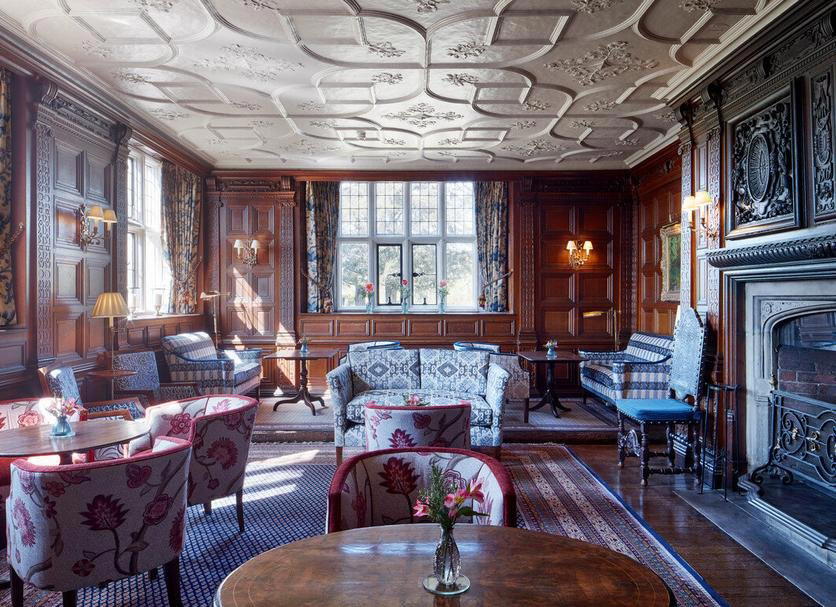
Teahouse-style interior with seasonal furnishings, lovingly tended garden, hanging scrolls, vases, and antique dinnerware creating a serene and culturally devoted atmosphere.
Tags
Vibe
Best For
Experience
View
At the Table
- Dress Code
- Smart Casual
- Noise Level
- Quiet
- Service Style
- Formal
- Meal Pacing
- Leisurely
- Capacity
- Intimate
- Kitchen
- Modern
- Menu Format
- Tasting menu
- Drinks Focus
- Sake
Signature Dishes
- hand-rolled soba sushi
- bear meat
- matsuba snow crab
- wood-grilled mutton
Know before you go
Know Before You Go
- Getting there
- 1-1 Izumojimatsunoshitacho, Kita Ward, Kyoto, 603-8133, Japan
Planning details
Location
1-1 Izumojimatsunoshitacho, Kita Ward, Kyoto, 603-8133, Japan · Directions
Recognition and awards
Also consider
Also Consider
- Gion Sasaki: Kaiseki, Japanese, ¥¥¥¥
- cenci: Italian, ¥¥¥
- Ifuki: Kaiseki, ¥¥¥¥
- Kyokaiseki Kichisen: Japanese, ¥¥¥¥
- SEN: French, Japanese, ¥¥¥¥
Restaurant context
At ¥¥¥¥ and one Michelin star (2024), Doppo sits in the same price tier as several of Kyoto's most demanding bookings. The clearest direct comparison is Ifuki, another kaiseki venue at the same level. Where Ifuki leans into kaiseki's seasonal ingredient narrative, Doppo emphasises the relationship between food and craft objects: a more aesthetically specific proposition that will suit some diners and feel less essential to others. If technique and seasonal progression are your priority, Ifuki is the safer call. If you want the art-object dimension as part of the meal, Doppo has the stronger case.
For the most technically demanding and reputationally established experience in Kyoto kaiseki, Kyokaiseki Kichisen and Gion Sasaki both operate at three stars and represent a step up in ambition and price. If budget is not the constraint, Kichisen in particular shares Doppo's reverence for Rosanjin-era aesthetics while delivering more rigorous kaiseki structure. Book Kichisen if you want the full formal treatment; book Doppo if you want something more intimate and philosophically focused at a lower spend.
For diners considering a break from the Japanese format entirely, cenci at ¥¥¥ delivers Italian-influenced Kyoto cooking at a noticeably lower price point and is considerably easier to book. SEN at ¥¥¥¥ offers a French-Japanese dialogue that sits closer to Doppo's price tier with more creative range. If booking difficulty is a genuine constraint, start with cenci; if you want the formal Japanese experience and can secure the reservation, Doppo is the more coherent and considered choice at its level.
Explore Kyoto
Around this place
Discover more on Pearl
Unlock the full Doppo guide in Pearl, including awards, comparisons, FAQs, planning details, and nearby places.
Compare Doppo
| Venue | Cuisine | Awards | Booking Difficulty |
|---|---|---|---|
| Doppo | Japanese | Michelin Guide Kyoto Osaka 20262026 Michelin 1 Star2024 Michelin 1 Star | Hard |
| Gion Sasaki | Kaiseki, Japanese | 2026 Tabelog Bronze · #3862026 OAD Top Restaurants in Japan RecommendedMichelin Guide Kyoto Osaka 20262026 La Liste Top RestaurantsTabelog 100 - Japanese cuisine - WEST - 2025 · #132025 OAD Top Restaurants in Japan Ranked · #2462025 Tabelog Silver2025 Michelin 3 Stars2025 La Liste Top Restaurants | Unknown |
| cenci | Italian | 2026 Tabelog Bronze · #442026 Asia's 50 Best Restaurants · #762026 OAD Top Restaurants in Japan Highly RecommendedMichelin Guide Kyoto Osaka 2026Tabelog 100 - Italian - WEST - 2025 · #632025 Asia's 50 Best Restaurants · #632025 OAD Top Restaurants in Japan Ranked · #1682025 Tabelog Bronze2024 OAD Top Restaurants in Japan Ranked · #135 | Unknown |
| Ifuki | Kaiseki | 2026 OAD Top Restaurants in Japan Ranked · #1222026 Tabelog Bronze · #128Michelin Guide Kyoto Osaka 20262026 La Liste Top RestaurantsTabelog 100 - Japanese cuisine - WEST - 2025 · #622025 OAD Top Restaurants in Japan Ranked · #1002025 La Liste Top Restaurants2025 Tabelog Bronze2025 Michelin 2 Stars | Unknown |
| Kyokaiseki Kichisen | Japanese | 2026 Tabelog Bronze · #1752026 OAD Top Restaurants in Japan Highly RecommendedMichelin Guide Kyoto Osaka 20262025 OAD Top Restaurants in Japan Ranked · #1862025 Michelin 2 Stars2025 La Liste Top Restaurants2024 OAD Top Restaurants in Japan Ranked · #1422024 Michelin 2 Stars2023 OAD Top Restaurants in Japan Ranked · #136 | Unknown |
| SEN | French, Japanese | 2026 Tabelog Bronze · #3952026 OAD Top Restaurants in Japan RecommendedMichelin Guide Kyoto Osaka 20262026 Michelin PlateTabelog 100 - Japanese cuisine - WEST - 2025 · #652025 Michelin Plate2025 Tabelog Bronze2024 OAD Top Restaurants in Japan Ranked · #3622024 Michelin Plate | Unknown |







.png?width=1200&quality=80)
A quick look at how Doppo measures up.
FAQ
Frequently Asked Questions
Is Doppo worth the price?
At ¥¥¥¥ with a 2024 Michelin star, Doppo is worth it if your interest extends beyond food to how it's served: the relationship between cuisine, handcrafted vessels, and a teahouse interior assembled over decades makes the meal coherent in a way most starred restaurants aren't. If you're optimising purely for cooking technique over atmosphere, Gion Sasaki or Kyokaiseki Kichisen may be a better allocation of budget.
What should I order at Doppo?
Doppo operates a set-menu format, so ordering à la carte isn't the model here. The Michelin citation specifically highlights home-brewed sake and fermentation as defining elements of the kitchen's identity: let the house sake pairings guide you rather than approaching it as a wine-forward meal.
Can I eat at the bar at Doppo?
The teahouse-style format described in Doppo's Michelin citation suggests counter or tatami seating rather than a conventional bar. Specific seating configurations aren't documented, so confirm when booking whether counter seats are available if that's your preference.
How far ahead should I book Doppo?
Book at least four to six weeks out. Michelin recognition at the one-star level in Kyoto compresses availability fast, and a teahouse-format venue means seat count is low. International visitors should factor in the language barrier and consider booking through a hotel concierge or a specialist reservation service.
Can Doppo accommodate groups?
The teahouse format points to a small, intimate space: groups of six or more are likely to strain capacity or require advance arrangement. For larger parties wanting a comparable Kyoto experience, Kyokaiseki Kichisen has more infrastructure for group dining. Contact Doppo directly to confirm what's feasible.
Is Doppo good for solo dining?
Yes. The teahouse format and counter seating typical of this style of Japanese restaurant suits solo diners well: the room, the objects, and the pacing of service are things you absorb more fully alone. At ¥¥¥¥, solo dining here is a considered spend, but the Michelin recognition and art-object focus make it a coherent solo choice for a second or third Kyoto trip.