
Ahbon
Kushiage · Minami, Kyoto
Restaurant in Kyoto, Japan
 Book with Pearl
The Read
Skewer-Focused Counter Precision
Dress
Smart Casual
Why go
Ahbon is Kyoto's most recognised kushiage counter, earning back-to-back spots on the Opinionated About Dining Top Restaurants in Japan list in 2024 and 2025. The fourth-floor counter in Minami Ward is easier to book than the city's elite kaiseki rooms and. A strong choice for food-focused travellers who want serious craft without the reservation battle.
About Ahbon
Verdict
Ahbon is one of Kyoto's most consistently recognised kushiage counters, ranked in the Opinionated About Dining Leading Restaurants in Japan in both 2024 (#370) and 2025 (#419) — a double listing that puts it firmly in the conversation for serious food travellers seeking something beyond the city's kaiseki circuit. If kushiage is on your agenda in Kyoto, Ahbon is the place to benchmark the format.
About Ahbon
Kushiage — skewered, battered, and deep-fried ingredients served one piece at a time, is Osaka's great contribution to Japanese counter dining, and Ahbon brings a focused version of that tradition to Minami Ward, on the fourth floor of a low-key building in Higashikujo. The room itself is not the draw in the way that a lantern-lit machiya kaiseki space might be: this is a functional, counter-forward setting where what lands in front of you does the talking. For the explorer who has already covered the headline kaiseki rooms and wants to go deeper into how Kyoto-adjacent ingredient sourcing translates into a fry-forward format, Ahbon delivers that angle without demanding the booking gymnastics of the city's harder tables.
Chef Tsutomu Hasegawa runs the kitchen, and the format, courses of skewers, paced by the chef, eaten at the counter, means your evening moves to a rhythm set by the kitchen rather than your own ordering. That pace is part of the appeal. Unlike a kaiseki meal at Gion Sasaki or Hyotei, where the architecture of the meal is ceremonial and the room carries significant weight, Ahbon's experience is more direct: the skill is in the batter, the oil temperature, the sequencing of proteins and vegetables, and the sauces alongside.
On the OAD list, Ahbon sits at #419 in 2025, a slight slip from #370 in 2024, but both placements confirm it as a recognised address rather than a local secret. For context, the OAD Japan list is compiled by frequent diners with high-volume experience across the country's restaurant scene, making a repeat entry meaningful. Compared to the kushiage format elsewhere in the region, see Kitashinchi Kushikatsu Bon in Osaka or Hidden Kitchen in Hong Kong, Ahbon occupies a position where craft and consistency are the pitch, not spectacle or novelty.
On drinks: kushiage formats traditionally pair with cold Japanese beer or highballs, and a well-matched drink programme can make or break the pacing of a fried-course counter. Specific details on Ahbon's beverage list are not available in our current data, but for a restaurant earning consistent recognition at this level, the expectation is that the drinks offer is designed to complement the food sequence rather than distract from it. If wine pairing alongside kushiage is a priority for your visit, it is worth contacting the restaurant directly to confirm what the list covers before you commit.
Ahbon sits in Minami Ward, south of central Kyoto, less trafficked than Gion or the Higashiyama corridor, which means the surrounding neighbourhood carries none of the atmospheric charge that frames dinner at Kikunoi Honten or Isshisoden Nakamura. The building's fourth-floor address is practical rather than picturesque. That is a genuine trade-off: you are here for the food, not the walk to the door. Travellers for whom setting is part of the occasion may weigh this differently than those focused purely on what arrives on the skewer.
For the food-focused explorer with a strong interest in Japanese counter formats, Ahbon earns its place on a well-planned Kyoto itinerary. Combine it with a night at one of the city's more atmospheric counters, Kushi Tanaka for another kushiage perspective, and you have a clear read on where the format sits in this city. You can round out the broader picture with our full Kyoto restaurants guide, Kyoto bars guide, or Kyoto hotels guide for where to stay nearby. If your trip extends beyond Kyoto, comparable precision-driven counter dining appears at HAJIME in Osaka, Harutaka in Tokyo, akordu in Nara, Goh in Fukuoka, 1000 in Yokohama, and 6 in Okinawa for a broader picture of Japan's serious counter dining scene.
Practical Details
Reservations: Bookable with a reasonable lead time, easier to secure than Kyoto's leading kaiseki rooms. Booking difficulty: Easy. Address: 6-6 Higashikujo Kitakarasumacho, Minami Ward, Kyoto, 4F Alps 9 Building. Awards: OAD Leading Restaurants in Japan #419 (2025), #370 (2024). Price range: Not confirmed in our data, contact the venue directly. Hours: Not confirmed in our data, verify before visiting. Dress: Smart casual is appropriate for a counter of this standing.
How It Compares
Explore More in Kyoto
- Our full Kyoto restaurants guide
- Our full Kyoto hotels guide
- Our full Kyoto bars guide
- Our full Kyoto wineries guide
- Our full Kyoto experiences guide
Planning details
- Location
- Japan, 〒601-8017 Kyoto, Minami Ward, Higashikujo Kitakarasumacho, 6−6 アルプス9ビル 4F
- Website
- bakabond.owst.jp
- Phone
- +81 75-661-0066
The take
The Take
The Vibe
Ahbon presents as a quietly acclaimed, off-the-map counter that rewards diners who make the effort to find it. Housed on the fourth floor of an unassuming office building in Minami Ward, the restaurant trades scenic approach for intense technical focus: breaded, skewered and fried ingredients are executed in strict sequence at the counter. The atmosphere centers on the ritual of kushiage preparation and the chef’s attention to oil, batter and sourcing, producing a refined, low-key dining experience that feels like a private discovery among Kyoto’s more obvious culinary landmarks.
Best For
This is a meal for serious diners and small parties who value craft and theatrical counter service. The kushiage counter is well suited to date nights and special occasions where the sequence of skewers becomes the event, and it also accommodates solo diners who want direct interaction with the chef. Because the experience is focused and sequential, it’s less about casual drop-ins and more about booking time to enjoy a paced, chef-led tasting centered on technique and ingredient quality.
Ordering Tips
Sit at the counter and go with the chef’s sequence — kushiage is presented in a deliberate order that showcases batter, oil and sourcing. Trust the progression rather than ordering à la carte; signature moments to look for include the Wagyu skewer with smoked sea salt, sweet shrimp with yuzu kosho, baby lotus root with trout roe and maitake mushroom with black garlic. The write-up emphasizes consistency of batter and frying technique, so expect short, consecutive servings rather than large plated courses.
Venue details
Ambiance
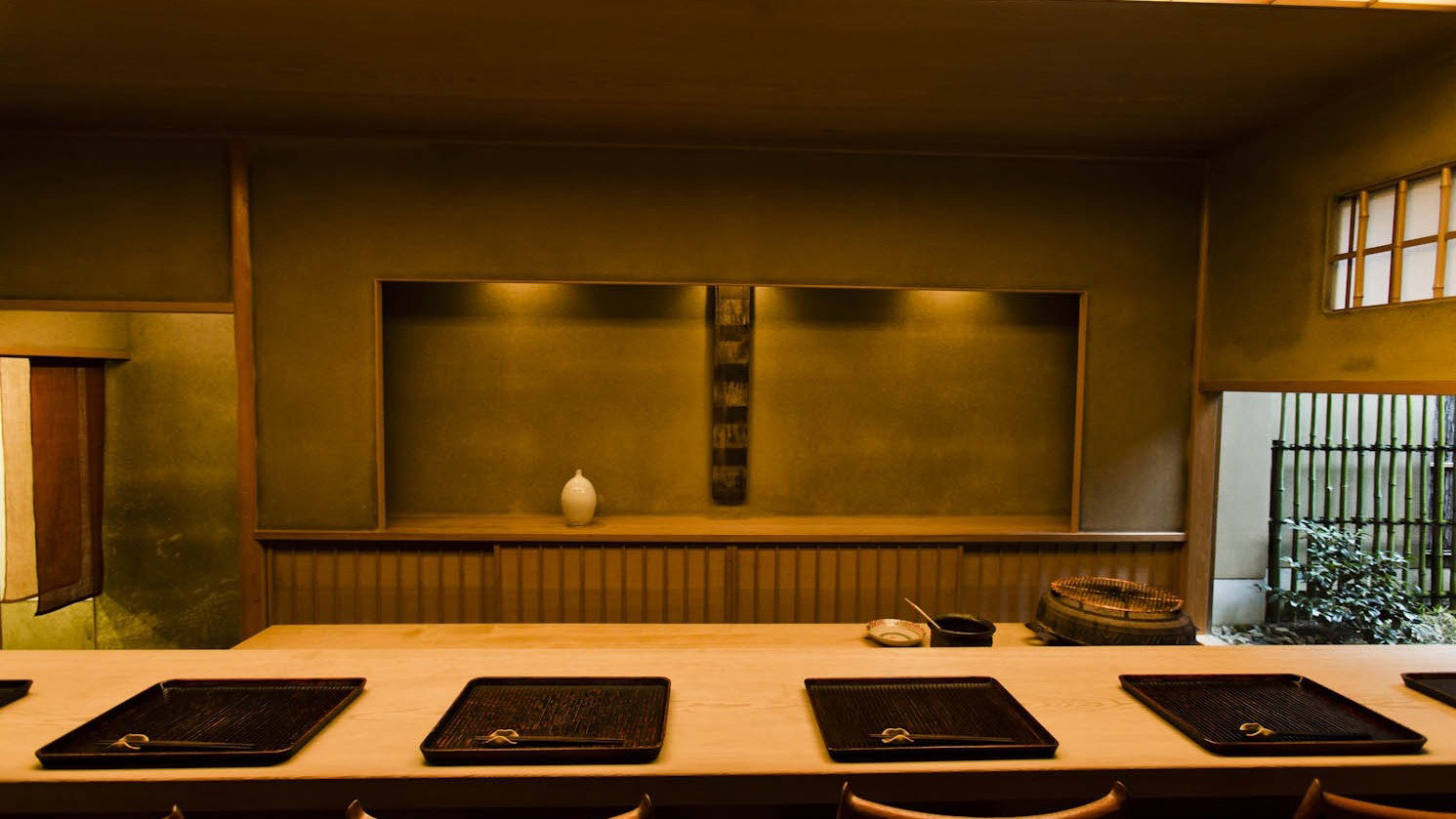
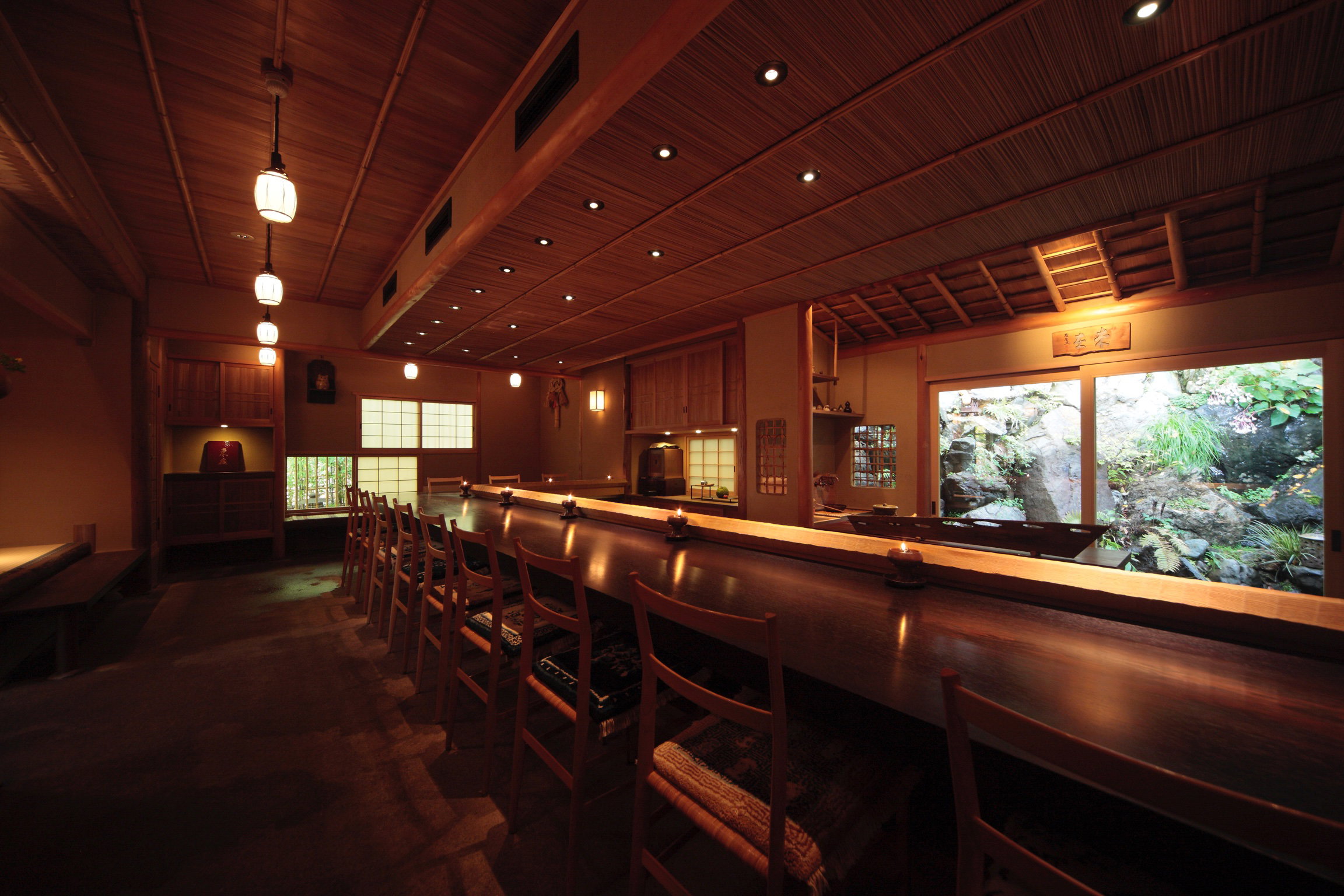
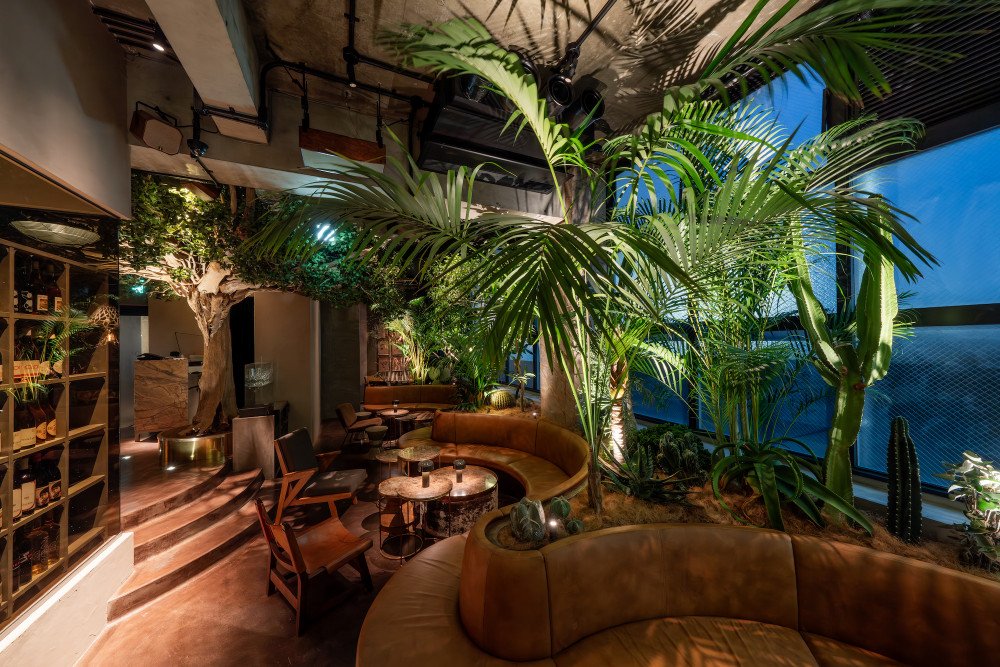
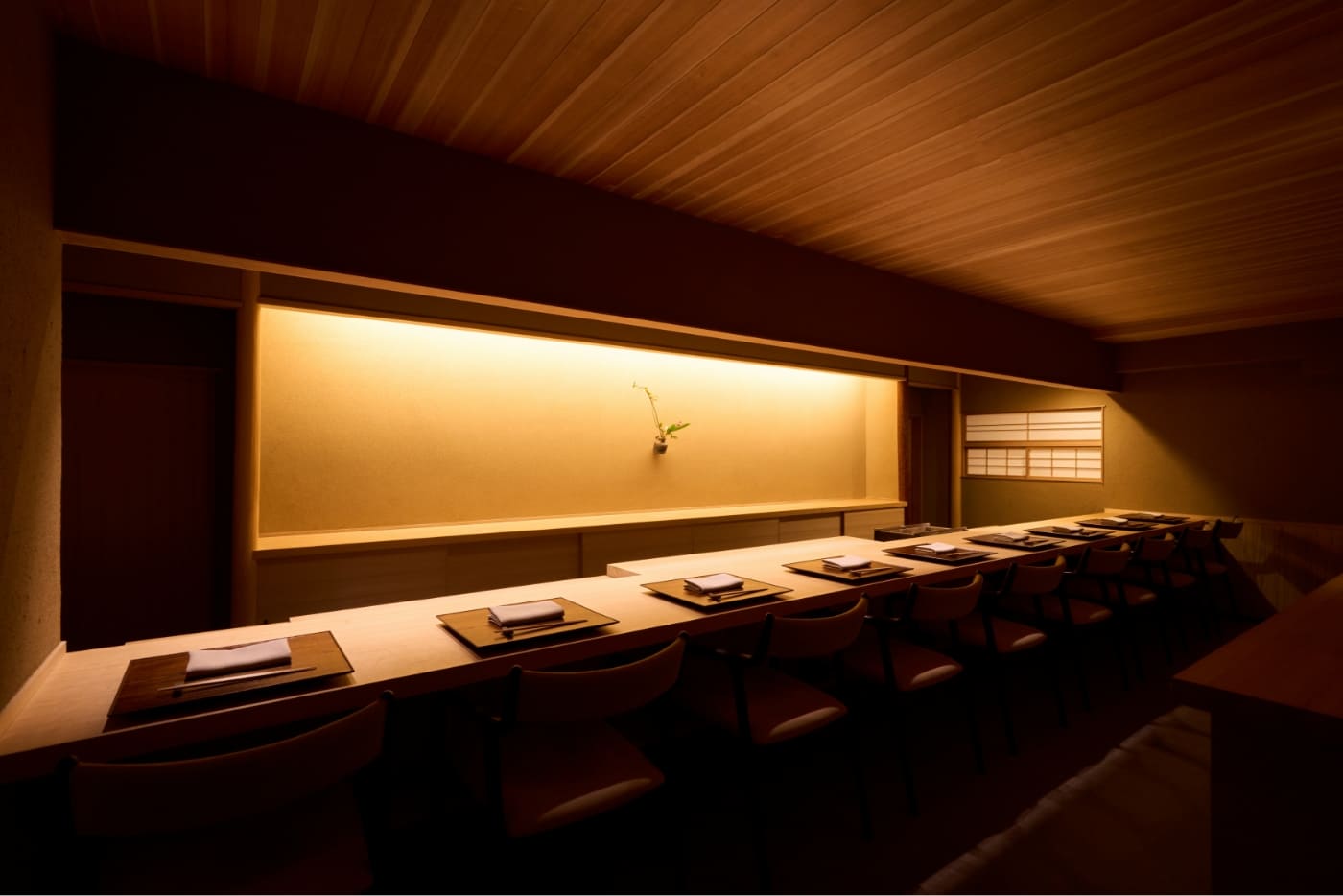
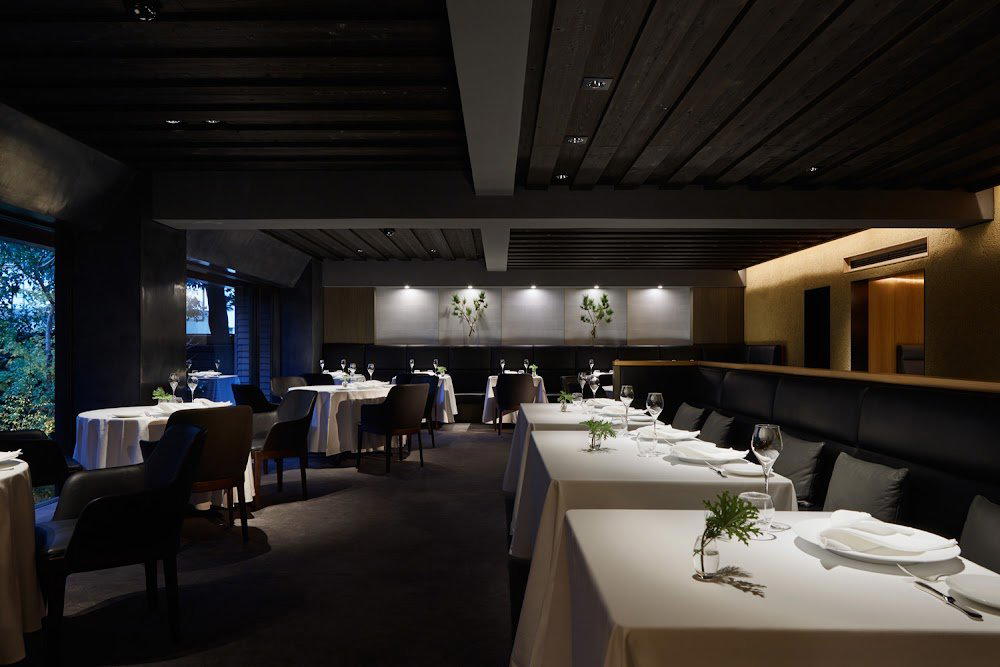
Softly lit, intimate space with restrained design featuring natural woods, muted metals, and soft stone, foreground the theater of frying and plating with hand-thrown ceramic serveware and warm hospitality.
Tags
Vibe
Best For
Experience
Sourcing
At the Table
- Dress Code
- Smart Casual
- Noise Level
- Quiet
- Service Style
- Omakase Bar
- Meal Pacing
- Leisurely
- Capacity
- Intimate
Signature Dishes
- Wagyu skewer with smoked sea salt
- Sweet shrimp with yuzu kosho
- Baby lotus root with trout roe
- Maitake mushroom with black garlic
Know before you go
Know Before You Go
- Getting there
- Japan, 〒601-8017 Kyoto, Minami Ward, Higashikujo Kitakarasumacho, 6−6 アルプス9ビル 4F
Planning details
Location
Japan, 〒601-8017 Kyoto, Minami Ward, Higashikujo Kitakarasumacho, 6−6 アルプス9ビル 4F · Directions
Recognition and awards

Also consider
Also Consider
- Gion Sasaki, Kaiseki, Japanese, ¥¥¥¥
- cenci, Italian, ¥¥¥
- Ifuki, Kaiseki, ¥¥¥¥
- Kyokaiseki Kichisen, Japanese, ¥¥¥¥
- Kyo Seika, Chinese, ¥¥¥
Restaurant context
Ahbon's most direct local competition is not the kaiseki rooms that dominate Kyoto's fine dining conversation, but the city's broader counter dining tier. Against Gion Sasaki (kaiseki, ¥¥¥¥) and Ifuki (kaiseki, ¥¥¥¥), Ahbon is likely easier to book and probably less expensive, but the format is fundamentally different. Kaiseki is a multi-hour ceremonial meal with strong seasonal architecture; kushiage is a more immediate, technically demanding counter format where the kitchen's craft shows in each individual piece. If you are choosing between them, the question is format preference, not quality ranking.
Kyokaiseki Kichisen (Japanese, ¥¥¥¥) and Gion Sasaki are the calls for a setting-forward special occasion meal where the room and the ritual are part of the experience. They are harder to book, and the price point is higher. Ahbon is the better call if your interest is the counter format itself, you value ease of booking, and you do not need the atmospheric weight of a heritage dining room.
cenci (Italian, ¥¥¥) and Kyo Seika (Chinese, ¥¥¥) sit at a similar or lower price tier but represent entirely different cuisine directions, worth considering if your group is split on format or if you want variety across a multi-night stay. For a direct kushiage comparison outside Kyoto, Kitashinchi Kushikatsu Bon in Osaka is the peer to check, Osaka is the format's home ground and the comparison is instructive for understanding where Ahbon sits in the national picture.
Explore Kyoto
Around this place
Discover more on Pearl
Unlock the full Ahbon guide in Pearl, including awards, comparisons, FAQs, planning details, and nearby places.
Compare Ahbon
| Venue | Location | Cuisine | Awards | Price |
|---|---|---|---|---|
| Ahbon | Kyoto | Kushiage | 2025 OAD Top Restaurants in Japan Ranked · #4192024 OAD Top Restaurants in Japan Ranked · #370 | , |
| Gion Sasaki | Kyoto | Kaiseki, Japanese | 2026 Tabelog Bronze · #3862026 OAD Top Restaurants in Japan RecommendedMichelin Guide Kyoto Osaka 20262026 La Liste Top RestaurantsTabelog 100 - Japanese cuisine - WEST - 2025 · #132025 OAD Top Restaurants in Japan Ranked · #2462025 Tabelog Silver2025 Michelin 3 Stars2025 La Liste Top Restaurants | ¥¥¥¥ |
| cenci | Kyoto | Italian | 2026 Tabelog Bronze · #442026 Asia's 50 Best Restaurants · #762026 OAD Top Restaurants in Japan Highly RecommendedMichelin Guide Kyoto Osaka 2026Tabelog 100 - Italian - WEST - 2025 · #632025 Asia's 50 Best Restaurants · #632025 OAD Top Restaurants in Japan Ranked · #1682025 Tabelog Bronze2024 OAD Top Restaurants in Japan Ranked · #135 | ¥¥¥ |
| Ifuki | Kyoto | Kaiseki | 2026 OAD Top Restaurants in Japan Ranked · #1222026 Tabelog Bronze · #128Michelin Guide Kyoto Osaka 20262026 La Liste Top RestaurantsTabelog 100 - Japanese cuisine - WEST - 2025 · #622025 OAD Top Restaurants in Japan Ranked · #1002025 La Liste Top Restaurants2025 Tabelog Bronze2025 Michelin 2 Stars | ¥¥¥¥ |
| Kyokaiseki Kichisen | Kyoto | Japanese | 2026 Tabelog Bronze · #1752026 OAD Top Restaurants in Japan Highly RecommendedMichelin Guide Kyoto Osaka 20262025 OAD Top Restaurants in Japan Ranked · #1862025 Michelin 2 Stars2025 La Liste Top Restaurants2024 OAD Top Restaurants in Japan Ranked · #1422024 Michelin 2 Stars2023 OAD Top Restaurants in Japan Ranked · #136 | ¥¥¥¥ |
| Kyo Seika | Kyoto | Chinese | Tabelog 100 - Chinese cuisine - WEST - 2026 · #762026 Tabelog Bronze · #2162026 OAD Top Restaurants in Japan Recommended2026 Michelin 1 Star2025 OAD Top Restaurants in Japan Ranked · #3262025 Tabelog Bronze2024 OAD Top Restaurants in Japan Ranked · #3042024 Michelin Plate2024 Michelin 1 Star | ¥¥¥ |







.png?width=1200&quality=80)
How Ahbon Kyoto compares with similar nearby venues.
FAQ
Frequently Asked Questions
How far ahead should I book Ahbon?
Ahbon is significantly easier to secure than Kyoto's top kaiseki rooms, so two to three weeks ahead should be sufficient for most dates. Its OAD ranking in both 2024 and 2025 has raised its profile, so weekend seatings fill faster. Book directly as early as your schedule allows; same-week availability is possible mid-week.
Can I eat at the bar at Ahbon?
Ahbon operates as a counter-format restaurant, which is standard for kushiage dining — the bar is the experience, not a walk-in alternative. Expect to be seated at the counter regardless of group size. Reservations are required; drop-ins are not a reliable option.
Is Ahbon good for a special occasion?
Yes, with the right expectations. Ahbon's OAD Top Restaurants in Japan ranking for both 2024 and 2025 signals consistent quality, and the one-piece-at-a-time kushiage format creates a natural sense of occasion. It works well for an intimate dinner or a food-focused celebration, though it is not a kaiseki room and carries a more relaxed register than Kyoto's formal high-end options.
Can Ahbon accommodate groups?
Counter dining at a venue like Ahbon limits practical group size — parties of two to four are the format's sweet spot. Larger groups should enquire directly at the time of booking, as availability for six or more at a single counter sitting is typically restricted. The address is 6-6 Higashikujo Kitakarasumacho, Minami Ward, Kyoto, fourth floor.
What are alternatives to Ahbon in Kyoto?
For kaiseki at a higher price and prestige tier, Kyokaiseki Kichisen is Kyoto's reference point. Gion Sasaki offers creative Japanese cuisine with strong critical standing. Ifuki is a considered option if you want counter dining with a different format. Cenci and Kyo Seika round out the Kyoto mid-to-upper tier for diners open to Italian-influenced or wagashi-led experiences. Ahbon is the strongest case in Kyoto specifically for kushiage.