
Restaurant in Kyoto, Japan
Kanzan
290Pearl PointsSeasonal kaiseki, antique vessels, accessible booking.

About Kanzan
Kanzan is a Michelin Plate Japanese restaurant in Kyoto's Shimogyo Ward, where chef Kazuma Yagi builds seasonal menus around produce sourced directly from Kyoto's fields. At ¥¥¥, it delivers ingredient-led cooking with handmade tableware at a price point below the city's top kaiseki rooms. Book here if you want rigorous, personal Japanese cooking without the ¥¥¥¥ outlay.
Verdict
Kanzan earns its Michelin Plate recognition (2024 and 2025) through an approach that treats seasonal produce as the main event, not a supporting detail. At ¥¥¥, it sits a price tier below Kyoto's ¥¥¥¥ kaiseki establishments, making it a serious option if you want rigorous, ingredient-led Japanese cooking without the full outlay of somewhere like Kyokaiseki Kichisen or Kikunoi Roan. Book here if the quality of what's on the plate matters more to you than a famous name or a grand dining room.
What Kanzan Is
Kanzan is a Japanese restaurant in Shimogyo Ward, operating from the ground floor of the Takakura Building on Takatsujidori. Chef Kazuma Yagi shapes his menus by visiting the fields of Shugakuin Imperial Villa in Kyoto, sourcing vegetables at or near harvest and building dishes around what those ingredients actually taste like when fresh. The centrepiece of his cooking is vegetable takiawase: slow-simmered seasonal vegetables that carry the aroma of freshly harvested produce, not the muted flavour of ingredients that have spent days in transit. If you have been once and ordered the takiawase, returning for the same dish in a different season is a reasonable reason to come back — the menu moves with the fields.
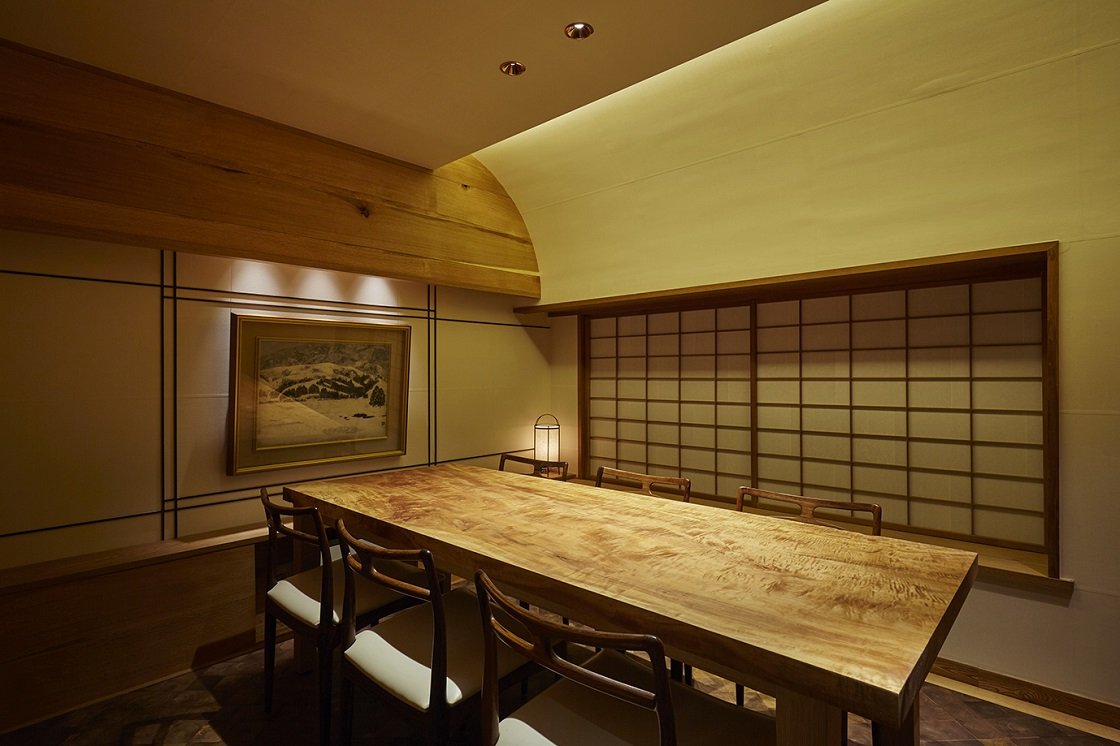
Yagi grew up as the son of an antique dealer in Gion, and that background shows in how Kanzan is presented. Dishes arrive on antique vessels chosen to reflect the season, and appetiser platters come on rafts and baskets he makes himself. These are not decorative gestures — they are part of a deliberate argument that the full sensory experience of a dish includes what it sits on and how it reaches you. For a returning visitor, this means paying attention to the tableware as much as the food itself: the two are intended as a single statement.
Google reviewers rate Kanzan at 4.7 from 35 reviews, a score that suggests consistent execution rather than occasional brilliance. At ¥¥¥, the price point is accessible relative to Kyoto's top tier, but this is still a destination meal, not a casual drop-in. The address in Shimogyo Ward puts it within reach of central Kyoto and the broader dining corridor that includes venues like Gion Matayoshi and Isshisoden Nakamura.
The Sourcing Argument
The editorial angle that matters here is sourcing. Yagi's practice of visiting Shugakuin's fields before finalising his menus is a meaningful commitment, not a marketing line. Ingredient-led Japanese cooking at this level depends on the gap between what a freshly harvested vegetable tastes and smells like versus the same ingredient a week later, and Kanzan's takiawase is built around closing that gap. For a guest returning for a second visit, the question worth asking is: what season are you booking into? The difference between spring mountain vegetables and autumn root vegetables is not cosmetic, it produces a substantially different meal.
Kyoto's kaiseki tradition gives this approach a deep context. The city's culinary culture has long placed seasonal produce at the centre of formal Japanese cooking, and venues across the price spectrum interpret that principle differently. Kanzan's interpretation is particular: it is personal, craft-driven, and expressed through handmade vessels as much as through cooking technique. Compared to Kodaiji Jugyuan, which sits in a heritage temple setting, Kanzan offers a more intimate, chef-defined experience in a direct dining room setting. Both are worth considering depending on whether environment or cooking philosophy is your priority.
For broader Japanese cooking at this level of ingredient focus in other cities, Myojaku in Tokyo and Azabu Kadowaki in Tokyo represent points of comparison, as does HAJIME in Osaka for ingredient-driven Japanese cooking at the highest level.
Booking and Practical Details
Reservations: Booking difficulty is rated Easy, this is not a three-month wait situation, but you should still book ahead for weekends and peak Kyoto travel periods (cherry blossom in late March to April, autumn foliage in November). Price range: ¥¥¥, a meaningful meal, but a tier below the city's most expensive kaiseki rooms. Location: Shimogyo Ward, 1F Takakura Building, Takatsujidori Takakura Higashiiru, Kyoto. Dress: No dress code is confirmed in available data, but the setting and price point suggest smart casual at minimum. Groups: No seat count is available; contact the venue directly for group bookings. Dietary restrictions: Not confirmed in available data, contact the venue ahead of your visit. Phone and website: Not listed in current data; search the venue name directly or use a Kyoto restaurant booking platform.
How It Compares
See the comparison section below for how Kanzan sits relative to Kyoto's ¥¥¥¥ kaiseki rooms and other ¥¥¥ options in the city.
For a full picture of where to eat, stay, and drink in the city, see our full Kyoto restaurants guide, our full Kyoto hotels guide, and our full Kyoto bars guide. If you're extending your trip, akordu in Nara and Goh in Fukuoka are worth considering for ingredient-led cooking in the wider Kansai and Kyushu region. The Kyoto experiences guide and Kyoto wineries guide round out the picture if you're planning multiple days.
Frequently Asked Questions
What should a first-timer know about Kanzan?
Kanzan is a ¥¥¥ Japanese restaurant in Shimogyo Ward run by chef Kazuma Yagi, who trained across high-profile ryotei and ryokan before opening here. The format is seasonal kaiseki: menus are shaped by what Yagi sources from Shugakuin's fields, and dishes arrive on antique vessels and handmade rafts and baskets. It holds a Michelin Plate in both 2024 and 2025, which signals consistent kitchen standards without the three-month wait of a starred room. Booking is rated easy, but you should still secure a reservation for weekends and Kyoto's peak travel windows.
What should I wear to Kanzan?
Kanzan's setting — ground floor of a building on Takatsujidori, antique tableware, chef-crafted presentations — points toward neat, respectful dress rather than formal attire. Clean, quiet clothing is appropriate; anything you'd wear to a serious neighbourhood restaurant in Kyoto will read correctly here. There is no documented dress code, so avoid overpacking on formality.
Does Kanzan handle dietary restrictions?
No dietary restriction policy is documented in the available record. Given that Yagi's menus are built around seasonal vegetable sourcing and takiawase preparations, there is a structural lean toward produce-led courses, but you should check the venue's official channels before booking if you have restrictions. Do not assume flexibility without confirming.
Is the tasting menu worth it at Kanzan?
At ¥¥¥ pricing, Kanzan delivers a level of craft — chef-sourced seasonal ingredients, handmade serving pieces, antique vessels selected by the chef himself — that typically requires ¥¥¥¥ spend elsewhere in Kyoto. The Michelin Plate recognition across two consecutive years supports the consistency argument. If you want seasonal kaiseki with genuine attention to detail at a price point below Kyoto's starred rooms, the format delivers value.
What are alternatives to Kanzan in Kyoto?
At the ¥¥¥ tier, Ifuki and SEN are comparable options worth considering depending on your format preference. If budget allows a step up, Gion Sasaki and Kyokaiseki Kichisen operate at ¥¥¥¥ and represent the top end of Kyoto kaiseki. cenci offers a different register entirely — Italian-influenced tasting menus — for diners who want seasonal precision without a traditional kaiseki structure.
Is Kanzan worth the price?
Yes, for what ¥¥¥ buys here. Chef Kazuma Yagi's sourcing practice — visiting Shugakuin's fields before finalising menus — is a commitment that most restaurants at this price point don't make, and the presentation in antique vessels and handmade baskets adds a layer of care that registers in the room. Two consecutive Michelin Plates confirm the kitchen is consistent. Against Kyoto's ¥¥¥¥ kaiseki options, Kanzan represents a meaningful saving without dropping significantly on craft.
Can Kanzan accommodate groups?
No private dining or group-seating policy is documented for Kanzan. The address places it in a ground-floor building space, and given the Michelin Plate-level operation and attention to individual presentation, larger groups may face constraints. check the venue's official channels to confirm capacity and any group booking conditions before planning around it.
Location
Japan, 〒600-8076 Kyoto, Shimogyo Ward, Senshojicho, 474 高辻通高倉東入泉正寺町465-2 たかくらビル 1F
Kyoto, Japan
Compare Kanzan
| Venue | Cuisine | Price | Booking Difficulty |
|---|---|---|---|
| Kanzan | Japanese | ¥¥¥ | Easy |
| Gion Sasaki | Kaiseki, Japanese | ¥¥¥¥ | Unknown |
| cenci | Italian | ¥¥¥ | Unknown |
| Ifuki | Kaiseki | ¥¥¥¥ | Unknown |
| Kyokaiseki Kichisen | Japanese | ¥¥¥¥ | Unknown |
| SEN | French, Japanese | ¥¥¥¥ | Unknown |
Comparing your options in Kyoto for this tier.
Also Consider
- Gion Sasaki, Kaiseki, Japanese, ¥¥¥¥
- cenci, Italian, ¥¥¥
- Ifuki, Kaiseki, ¥¥¥¥
- Kyokaiseki Kichisen, Japanese, ¥¥¥¥
- SEN, French, Japanese, ¥¥¥¥
Kanzan at ¥¥¥ sits a clear tier below most of its obvious comparators in Kyoto. Gion Sasaki, Ifuki, Kyokaiseki Kichisen, and SEN all operate at ¥¥¥¥, meaning Kanzan is the more accessible entry point for considered Japanese cooking in the city. If your priority is full kaiseki ceremony with multiple courses and the prestige of a famous name, those rooms deliver that at a cost. If you want seasonal, ingredient-led Japanese cooking with genuine craft behind the presentation, Kanzan makes the stronger value case.
Among the ¥¥¥¥ options, Gion Sasaki is the most technically demanding and hardest to book. Kyokaiseki Kichisen carries the longest reputation and the most formal atmosphere. Ifuki suits guests who want kaiseki without the extreme booking difficulty of the city's most sought-after rooms. SEN adds a French influence to Japanese technique, which is a different proposition entirely. Kanzan does none of those things, it is quieter, more personal, and more explicitly tied to the growing cycle of specific Kyoto fields.
cenci is the other ¥¥¥ option in this set, but the comparison is category-level only: it's Italian, not Japanese. If you're choosing between them, the decision is cuisine preference, not quality tier. For back-to-back Kyoto dinners, Kanzan and cenci cover different ground and pair well across two nights.
Recognized By

Explore Kyoto
Save or rate Kanzan on Pearl
Keep this venue in your Pearl passport, rate it after you visit, and track it alongside every other place you collect.