
Sushi Jubei
Sushi · Bunkyo, Fukui
Restaurant in Fukui, Japan
 Book with Pearl
The Read
Sea of Japan Omakase
Dress
Smart Casual
Why go
Sushi Jubei is worth booking if the plan is a focused sushi meal in Fukui, especially for solo diners, couples, or small parties. It has meaningful external recognition, but pricing, seating, and private-room details are not verified, so it is a weaker choice for larger group planning.
About Sushi Jubei
Sushi Jubei is a sushi restaurant in Fukui led by Taisho Tsukada, open for lunch and dinner Monday through Saturday and closed Sunday.
Choose it for a focused Fukui sushi meal, not a large-table plan
For planning, focus on the sushi rather than a specific room layout, service format, or broader Japanese menu.
For private dining or larger occasions, confirm layout, pacing, and any dedicated space directly with the restaurant before committing. For comparison within a sushi-focused itinerary, names such as Komatsu Yasuke, Otomezushi, Sushi Shinosuke, Sushijin, and Taheizushi can serve as useful reference points without assuming they offer the same experience.
What makes the booking worth considering in 2026
The clearest external trust signal is recognition from Opinionated About Dining: Sushi Jubei was ranked #376 in its Top Restaurants in Japan list for 2025 and listed as Highly Recommended for 2026. That recognition supports treating Sushi Jubei as a serious sushi option in Fukui.
Confirm current booking requirements, menu details, and cost directly before planning around the meal. The schedule is Monday through Saturday from 12–2 PM and 6:30–9 PM, with Sunday closed.
Build the rest of the day around the meal
Use Sushi Jubei as the sushi anchor in Fukui, then keep the surrounding plan flexible. Dress smart-casual and plan around the listed lunch and dinner windows, while confirming any specific seating style, beverage program, or occasion format directly. If comparing sushi options more broadly, consider Sushi Jubei alongside Komatsu Yasuke, Otomezushi, Sushi Shinosuke, Sushijin, and Taheizushi, while confirming each restaurant's current details directly.
Planning details
- Location
- 5 Chome-17-5 Bunkyo, Fukui, 910-0017, Japan
- Reservations
- Book on TableCheck
- Website
- tablecheck.com/shops/sushi-jubei/reserve
- Phone
- +81 776-24-3080
The take
The Take
The Vibe
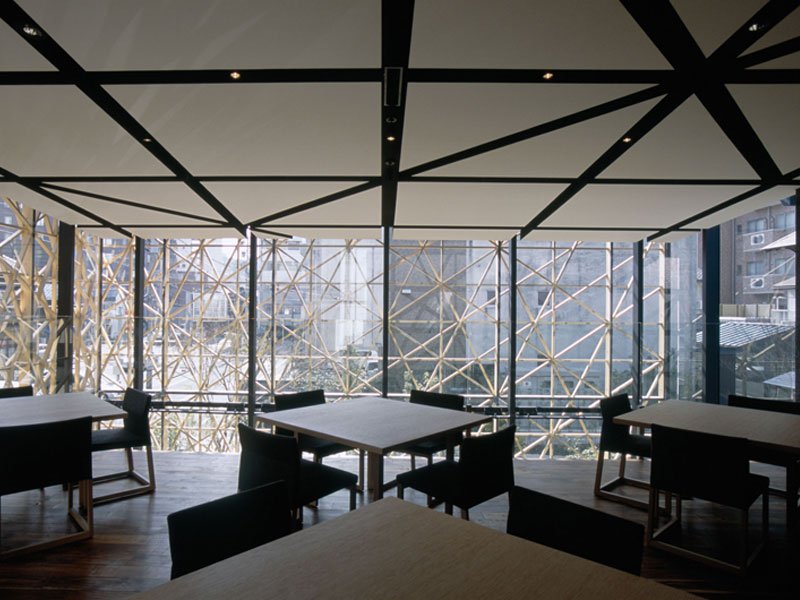
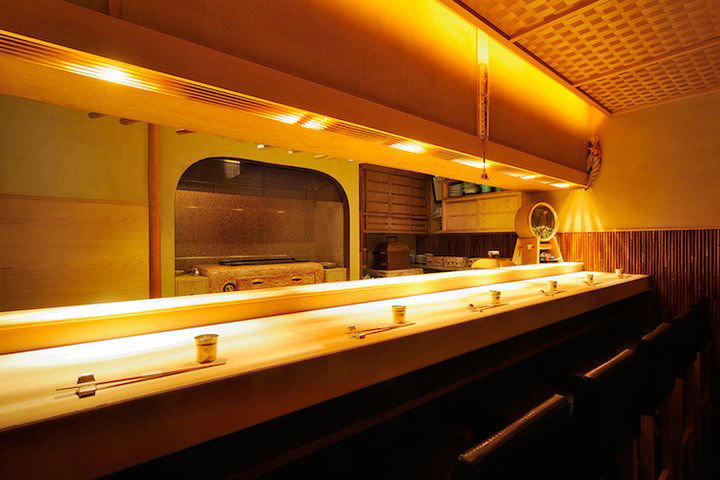
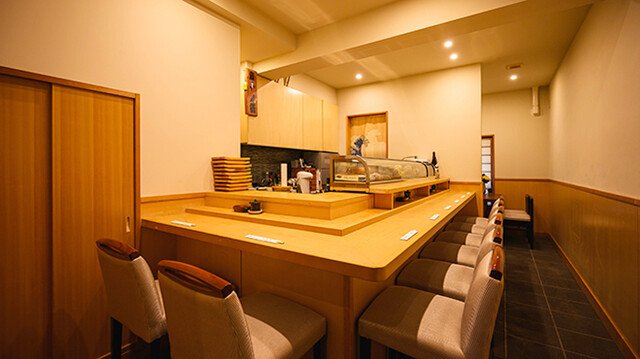
Sushi Jubei presents the restrained theatre of a traditional sushi counter in a provincial setting. The room is small and hushed, with an eight-seat counter that encourages focused attention on the craft—rice judged by hand, vinegar meeting grain, and fish placed with near-ceremonial timing. The experience feels classic and quietly charming rather than performative; local rhythms and regional ingredients give the place a distinct, less metropolitan personality. It reads as a hidden-gem counter that privileges ritual and ingredient precision over spectacle, and the overall tone remains intimate, composed, and quietly refined.
Best For
This is a spot for concentrated, occasion-driven dining: couples seeking a memorable date-night counter and diners marking a special occasion will appreciate the ceremonial pacing and close-up view of technique. The layout also suits solo diners who want to watch the hands-on work of the chef and engage directly with the preparation. Because the counter emphasizes regional seafood from Fukui—Echizen kani, flatfish, squid—visitors who are curious about local coastal ingredients and precise sushi craft get the most out of a visit.
Ordering Tips
Sit at the counter to watch the rice temperature, vinegar application, and the exacting assembly that define the meal. Lean into the regional specialties the kitchen highlights: try local saba, nakazumi, raw botan, wara-smoked meji maguro and seasonal Echizen kani when available. Allow the chef’s pacing to guide the sequence rather than ordering à la carte; the description’s emphasis on a clockwork progression and near-ceremonial service suggests a set progression showcases the kitchen’s strengths and the prefecture’s seafood logic.
Venue details
Ambiance
Refined counter seating in a simple, elegant space with Nara cypress counter and seasonal decorations creating a relaxing, sophisticated atmosphere.
Tags
Vibe
Best For
Experience
Sourcing
At the Table
- Dress Code
- Smart Casual
- Noise Level
- Quiet
- Service Style
- Omakase Bar
- Meal Pacing
- Leisurely
- Capacity
- Intimate
- Kitchen
- Traditional
- Menu Format
- Omakase, Counter dining
- Wine Program
- Curated
- Drinks Focus
- Sake program
Signature Dishes
- local saba
- nakazumi
- raw botan
- wara-smoked meji maguro
- Echizen kani
Know before you go
Know Before You Go
- Getting there
- 5 Chome-17-5 Bunkyo, Fukui, 910-0017, Japan
Planning details
Location
5 Chome-17-5 Bunkyo, Fukui, 910-0017, Japan · Directions
Recognition and awards

Also consider
Also Consider
- Taheizushi, Sushi, Sushi
- Sushi Shinosuke, Sushi, Sushi
- Otomezushi, Sushi, Sushi
- Komatsu Yasuke, Sushi, Sushi
- Sushijin, Sushi, Sushi
Restaurant context
How Sushi Jubei compares with other sushi targets
For a Fukui-based sushi plan, Sushi Jubei is the cleaner first choice because it keeps the meal in the city and carries external recognition. Taheizushi, Sushi Shinosuke, Otomezushi, Komatsu Yasuke, and Sushijin are better treated as out-of-metro sushi cross-shops rather than direct replacements for a Fukui night.
On value for money, Sushi Jubei is harder to judge because verified pricing is not published here. That makes it less clean for diners who need a fixed budget before choosing. If the priority is lower friction and staying in Fukui, book Sushi Jubei. If the priority is comparing several sushi counters across a wider Japan itinerary, cross-shop Taheizushi, Sushi Shinosuke, Otomezushi, Komatsu Yasuke, and Sushijin before committing.
For ambiance and group fit, the safest read is small-party sushi rather than a large celebration. Without verified private-room or capacity details, Sushi Jubei is not the obvious pick for a big table. For diners who can travel outside Fukui for the meal, the gives more sushi options to compare, but not enough verified detail here to claim any one is easier, cheaper, or more formal.
Explore Fukui
Around this place
Discover more on Pearl
Unlock the full Sushi Jubei guide in Pearl, including awards, comparisons, FAQs, planning details, and nearby places.
Compare Sushi Jubei
| Venue | Location | Cuisine | Awards |
|---|---|---|---|
| Sushi Jubei | Fukui | Sushi | 2026 OAD Top Restaurants in Japan Highly Recommended2025 OAD Top Restaurants in Japan Ranked · #376 |
| Taheizushi | Ishikawa | Sushi | 2024 OAD Top Restaurants in Japan Ranked · #2342023 OAD Top Restaurants in Japan Highly Recommended |
| Sushi Shinosuke | Ishikawa | Sushi | 2026 OAD Top Restaurants in Japan RecommendedTabelog 100 - Sushi - WEST - 2025 · #692025 OAD Top Restaurants in Japan Ranked · #4292024 OAD Top Restaurants in Japan Ranked · #3792023 OAD Top Restaurants in Japan Recommended |
| Otomezushi | Ishikawa | Sushi | 2026 Tabelog Bronze · #346Tabelog 100 - Sushi - WEST - 2025 · #342025 OAD Top Restaurants in Japan Ranked · #2162025 Tabelog Bronze2024 OAD Top Restaurants in Japan Ranked · #1832023 OAD Top Restaurants in Japan Highly Recommended |
| Komatsu Yasuke | Ishikawa | Sushi | 2026 OAD Top Restaurants in Japan Ranked · #1442026 Tabelog Bronze · #200Tabelog 100 - Sushi - WEST - 2025 · #422025 OAD Top Restaurants in Japan Ranked · #1222025 Tabelog Bronze2024 OAD Top Restaurants in Japan Ranked · #752023 OAD Top Restaurants in Japan Ranked · #74 |
| Sushijin | Toyama | Sushi | No published awards |

How Sushi Jubei Fukui compares with similar nearby venues.
FAQ
Frequently Asked Questions
What should a first-timer know about Sushi Jubei?
Go in for sushi in Fukui led by Taisho Tsukada. The hours are Monday through Saturday, 12–2 PM and 6:30–9 PM, with Sunday closed. Sushi Jubei was ranked #376 in Opinionated About Dining's Top Restaurants in Japan for 2025 and listed as Highly Recommended for 2026.
Can I eat at the bar at Sushi Jubei?
Do not assume a specific seating format unless you confirm it directly with the restaurant. Sushi Jubei is a sushi restaurant led by Taisho Tsukada, with a smart-casual dress code, listed lunch and dinner hours, and OAD recognition.
Can Sushi Jubei accommodate groups?
Is lunch or dinner better at Sushi Jubei?
Sushi Jubei serves both lunch and dinner from Monday through Saturday: lunch runs 12–2 PM, and dinner runs 6:30–9 PM. Choose based on your schedule and confirm current details before going.
Is Sushi Jubei good for a special occasion?
It can be considered for a sushi-focused occasion. Confirm seating, private rooms, menu format, and pricing directly. Its OAD recognition gives it credibility, while the occasion-specific planning details should be confirmed directly.
What are alternatives to Sushi Jubei?
For sushi comparisons, consider names such as Komatsu Yasuke, Otomezushi, Sushi Shinosuke, Sushijin, and Taheizushi. Confirm each restaurant's location, hours, booking process, and current format directly before making plans.
Is Sushi Jubei good for solo dining?
Solo diners should confirm booking requirements and seating details directly with the restaurant. The schedule includes lunch and dinner Monday through Saturday, with Sunday closed.