
Restaurant in Kyoto, Japan
COPPIE
290Pearl PointsBook it for something personal, not institutional.
.png?width=144&height=144&quality=80)
About COPPIE
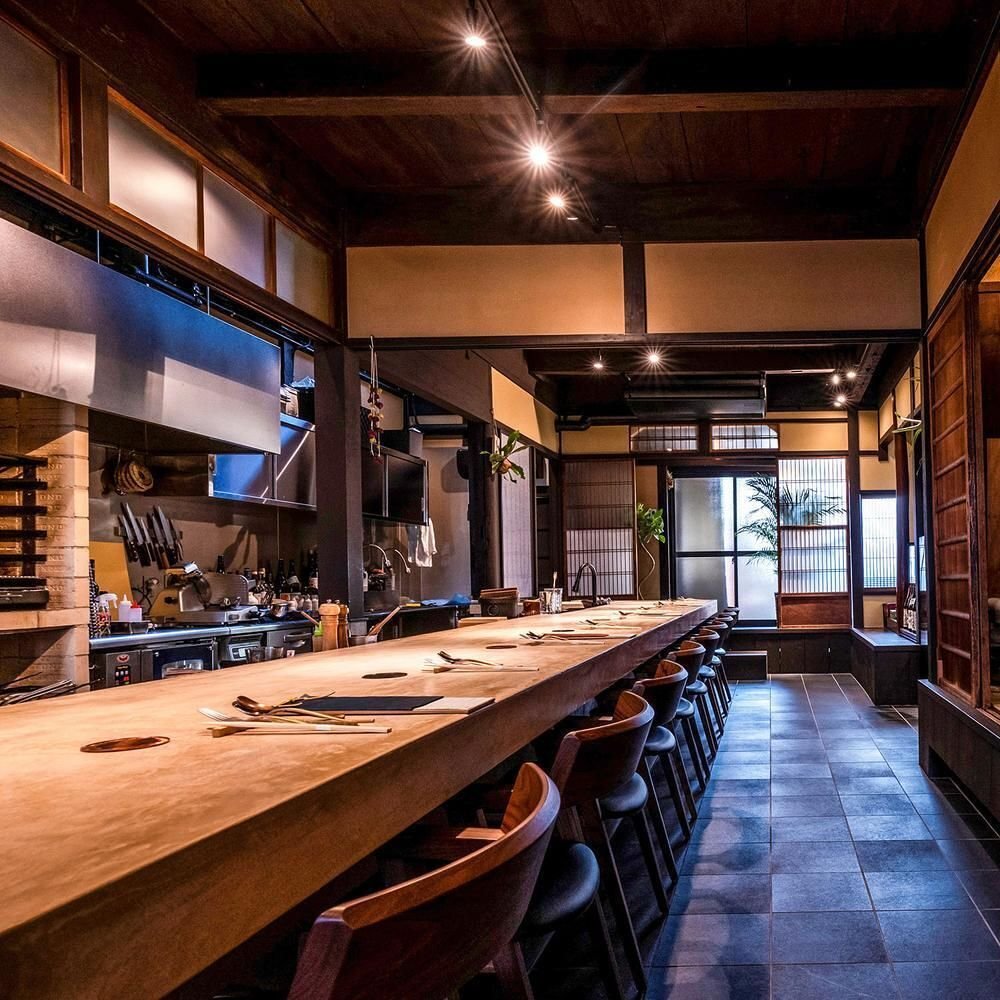
A Michelin Plate-recognised contemporary kitchen in a restored Kyoto townhouse, COPPIE serves fermentation-forward food designed to pair with sake and wine, at ¥¥ pricing that makes it one of the better-value special-occasion options in the city. The intimate machiya setting and domestic service style make it a strong call for date nights or quiet celebrations without the formality or cost of Kyoto's kaiseki institutions.
COPPIE, Kyoto: Should You Book?
Seats at COPPIE move quickly. This is a small, old Japanese townhouse in Shimogyo Ward with no published seat count, no walk-in culture, and a growing reputation that its 4.7 Google rating (147 reviews) and back-to-back Michelin Plate recognition in 2024 and 2025 are starting to push into harder-book territory. If you are planning a special evening in Kyoto and want something intimate and distinctive without the four-figure price tags that define the city's kaiseki circuit, book this now and decide later.
What COPPIE Actually Is
COPPIE operates from a restored machiya — a traditional Kyoto townhouse — and the physical space does a lot of the work before the food arrives. Low ceilings, worn timber, and the measured quiet of an old Japanese house create the kind of room that makes a dinner feel considered rather than just expensive. The spatial intimacy here is not manufactured; it is structural. This is not a room designed to impress from the outside, which is partly why it keeps showing up in the right conversations.
The kitchen operates without genre allegiance. Japanese techniques sit alongside Chinese and Western influences, and fermentation is the throughline: the chef uses it to build flavour and acidity across the menu, which gives dishes a tartness and depth that you do not generally find in Kyoto's more codified kaiseki houses. The concept is food that pairs with sake and wine, and that framing is worth taking seriously. If you are the kind of diner who wants to explore a well-chosen sake list alongside a meal that is designed around it, COPPIE is one of the more coherent places in the city to do that.
The service register is explicitly domestic. Staff greet guests with the warmth of a private home, not the formal distance of a traditional kaiseki counter. For a date or a small celebration, that register is close to ideal. It removes the stiffness that can make a high-end Japanese dinner feel like an examination rather than an evening.
COPPIE as a Late-Night Option
Hours are not published in available data, so confirm before booking. What the venue's profile does suggest is that COPPIE suits the later end of a Kyoto evening better than many of its peers. The atmosphere is conversational rather than ceremonial. The ¥¥ price positioning means you are not racing through a ¥¥¥¥ tasting menu against a kitchen's preferred seating rhythm. If you have spent the day in the city and want a dinner that extends naturally into a longer evening of drinking and eating without pressure, COPPIE fits that need better than Gion Sasaki or Ifuki, both of which carry more ceremonial weight. For context on the broader Kyoto dining scene, see our full Kyoto restaurants guide.
Who Should Book COPPIE
Book if you are looking for a special-occasion dinner that feels personal rather than institutional. The space, the service style, and the fermentation-forward cooking make it a strong choice for a date or a quiet celebration with a small group. At ¥¥ pricing, it is also genuinely accessible by Kyoto fine-dining standards. You do not need to commit to a long kaiseki format to have a serious meal here.
If you want the full Kyoto kaiseki ritual, Kyokaiseki Kichisen or Gion Sasaki are the right calls. If you want Italian-influenced contemporary cooking at a higher price point, cenci is worth considering. But if you want a room with character, food that takes fermentation seriously, and a sake pairing in a setting that feels like a private house rather than a restaurant, COPPIE is the better answer than almost anything else at this price in Kyoto.
Solo diners should note that the intimate scale of the room and the domestic service style make COPPIE more comfortable for singles than many comparable venues. You are not going to feel like an afterthought at a two-leading in a townhouse this size.
In Context: Kyoto and Beyond
Kyoto's contemporary dining scene is smaller than most visitors expect. Outside the kaiseki institutions, genuinely opinionated kitchens are rare. COPPIE sits in the same conversation as MASHIRO, middle, Raiz, shiro, and TOKI as part of a newer generation of Kyoto restaurants that are not trying to replicate traditional form. If you are building a broader Japan itinerary, the same creative instinct appears at HAJIME in Osaka, akordu in Nara, and Goh in Fukuoka. For contemporary cooking beyond Japan, Jungsik in Seoul and César in New York City share a similar instinct for genre-crossing menus. Further afield, Harutaka in Tokyo, 1000 in Yokohama, and 6 in Okinawa round out the Japan picture if you are planning a wider trip. See also our full Kyoto hotels guide, our full Kyoto bars guide, our full Kyoto wineries guide, and our full Kyoto experiences guide for the rest of the city.
Know Before You Go
- Price range: ¥¥ , accessible by Kyoto fine-dining standards
- Awards: Michelin Plate 2024 and 2025
- Rating: 4.7 on Google (147 reviews)
- Address: Takatsujiinokumacho 367, Shimogyo Ward, Kyoto
- Booking difficulty: Easy , but confirm in advance; this is a small venue and demand is growing
- Hours: Not publicly listed , confirm directly before your visit
- Dress code: Not specified , smart casual is safe given the intimate townhouse setting
- Good for: Date nights, quiet celebrations, sake pairing, solo dining
- Less suited to: Large groups, those wanting a full kaiseki format, walk-in visits
Frequently Asked Questions
Does COPPIE handle dietary restrictions?
check the venue's official channels before booking to flag restrictions. The chef draws on Japanese, Chinese, Western, and ethnic influences without binding to a fixed genre, and fermentation techniques are central to the cooking — both factors that matter if you have specific allergen concerns. Given the intimate, home-style service approach, requests are more likely to be accommodated than at a rigid tasting-menu institution, but nothing is confirmed in available data.
Is COPPIE good for solo dining?
Yes. The old Japanese townhouse format and the staff's approach of greeting guests like friends coming home both suit solo diners well. At ¥¥ pricing with a Michelin Plate recognition, it is a comfortable way to eat well alone in Kyoto without committing to the formality or cost of kaiseki.
What should I order at COPPIE?
The menu is not published in available data, so specific dish recommendations cannot be made. What is documented is that the kitchen leads with fermentation techniques to build flavour and tartness, and the concept is built around pairing food with sake and wine — so ordering with that pairing in mind is the intended approach rather than à la carte selection.
Is COPPIE good for a special occasion?
Yes, and it is better suited to a personal special occasion than a corporate one. The machiya setting, the home-style welcome, and the chef's cross-genre fermentation cooking create a dinner that feels considered without the stiffness of Kyoto's formal kaiseki rooms. Michelin Plate status for 2024 and 2025 gives it enough external validation to make the occasion feel marked.
Is the tasting menu worth it at COPPIE?
Menu format and pricing structure are not published in available data, so a direct verdict on tasting menu value is not possible here. At ¥¥ pricing overall, COPPIE sits below the top tier of Kyoto special-occasion spend. The fermentation-led, genre-spanning cooking is the draw — if that format interests you, the price-to-ambition ratio is likely to feel reasonable.
Is COPPIE worth the price?
At ¥¥, COPPIE is reasonably priced for a Michelin Plate-recognised restaurant in Kyoto. For context, the city's kaiseki institutions run significantly higher. What you are paying for is an intimate machiya setting, a chef who uses fermentation as a genuine technique rather than a trend, and a sake-and-wine pairing concept that is rare in this price bracket — that combination makes the spend easy to justify for most diners.
Location
Japan, 〒600-8353 Kyoto, Shimogyo Ward, Takatsujiinokumacho, 367番地
Kyoto, Japan
Compare COPPIE
| Venue | Cuisine | Price | Awards | Booking Difficulty |
|---|---|---|---|---|
| COPPIE | Contemporary | ¥¥ | Easy | |
| Gion Sasaki | Kaiseki, Japanese | ¥¥¥¥ | Michelin 3 Star | Unknown |
| cenci | Italian | ¥¥¥ | Michelin 1 Star, World's 50 Best | Unknown |
| Ifuki | Kaiseki | ¥¥¥¥ | Michelin 2 Star | Unknown |
| Kyokaiseki Kichisen | Japanese | ¥¥¥¥ | Michelin 2 Star | Unknown |
| SEN | French, Japanese | ¥¥¥¥ | Michelin 1 Star | Unknown |
How COPPIE stacks up against the competition.
Also Consider
- Gion Sasaki, Kaiseki, Japanese, ¥¥¥¥
- cenci, Italian, ¥¥¥
- Ifuki, Kaiseki, ¥¥¥¥
- Kyokaiseki Kichisen, Japanese, ¥¥¥¥
- SEN, French, Japanese, ¥¥¥¥
COPPIE's clearest advantage over most of its Kyoto peers is price. At ¥¥, it sits two full tiers below Gion Sasaki, Ifuki, Kyokaiseki Kichisen, and SEN, all of which operate at ¥¥¥¥. If your priority is a memorable, well-executed dinner in a room with real character and you are not committed to the full kaiseki ritual, COPPIE is the better booking. The Michelin Plate in both 2024 and 2025 signals that the kitchen is producing food that reviewers take seriously, not just a charming room at a low price point.
For diners who want the kaiseki format, Gion Sasaki and Kyokaiseki Kichisen are the benchmarks. Both deliver the full sequence and ceremony of traditional kaiseki but demand a significantly higher spend and require more advance planning. Ifuki sits in the same ¥¥¥¥ bracket and carries comparable kaiseki credentials. None of these is the right answer if you want genre-crossing, fermentation-led cooking in an intimate setting at a fraction of the cost. cenci at ¥¥¥ occupies the middle ground on price with an Italian-contemporary approach, it is worth considering if you want a more European register, but it does not replicate COPPIE's sake-pairing focus or townhouse atmosphere.
The practical booking picture also favours COPPIE. The ¥¥¥¥ venues in Kyoto, particularly Kyokaiseki Kichisen and Gion Sasaki, are harder to secure, especially for non-Japanese speakers or visitors without local contacts. COPPIE is rated easy to book. If you are building a Kyoto itinerary and want a high-quality dinner without the reservation anxiety, COPPIE is the most accessible option in this peer set without meaningfully compromising on experience quality.
Recognized By

Explore Kyoto
Save or rate COPPIE on Pearl
Keep this venue in your Pearl passport, rate it after you visit, and track it alongside every other place you collect.