.png?width=1200&quality=80)
Sushi Saryu
Sushi · Si Lom, Bangkok
Restaurant in Bangkok, Thailand
 Book with Pearl
The Read
Toyosu-Sourced Hinoki Counter
Price
$200–300per person
Dress
Smart Casual
Why go
Sushi Saryu is Bangkok's most focused omakase counter — six Hinoki-wood seats, a 15-course menu, and seafood sourced directly from Tokyo's Toyosu Fish Market. Michelin Plate-recognised in 2024 and 2025, it delivers a Tokyo-reference sushi experience at ฿฿฿฿ pricing. Book in advance; walk-ins are not an option at this scale.
About Sushi Saryu
Is Sushi Saryu worth booking in Bangkok?
Yes — if you want omakase sourced directly from Tokyo's Toyosu Fish Market at a six-seat counter in Bangkok, Sushi Saryu is the most focused option in this price tier. The format is fixed: a 15-course omakase menu, one counter, one sitting. If that format works for you, book it. If you want flexibility or à la carte sushi, look at Ginza Sushi Ichi or Fillets instead.
The Case for Saryu: Sourcing at the Centre
What separates Sushi Saryu from Bangkok's broader sushi scene is where the fish comes from. Chef Seiji Sudo sources seafood directly from Toyosu Fish Market in Tokyo — the wholesale market that replaced Tsukiji and remains the most demanding reference point for Japanese seafood quality. That supply chain is not incidental to the menu; it is the menu. Every course in the 15-course sequence is built around what that sourcing relationship makes possible on a given day, which means the experience is closer to a Tokyo omakase than most Bangkok restaurants can credibly claim. For comparison, Harutaka in Tokyo and Sushi Shikon in Hong Kong operate on the same Toyosu-sourced model, Saryu is playing in that reference class, not the local sushi-restaurant category.
The direct Toyosu relationship matters for price justification. Bangkok's ฿฿฿฿ tier covers a wide range of restaurants, including Sühring and Gaa, where kitchen creativity and technique are the primary value drivers. At Saryu, the value is predominantly in the raw material. You are paying for fish that arrived from Japan, not for elaborate preparation. That is a legitimate trade, but you should know what you are buying before you sit down.
The Room: Six Seats and a Hinoki Counter
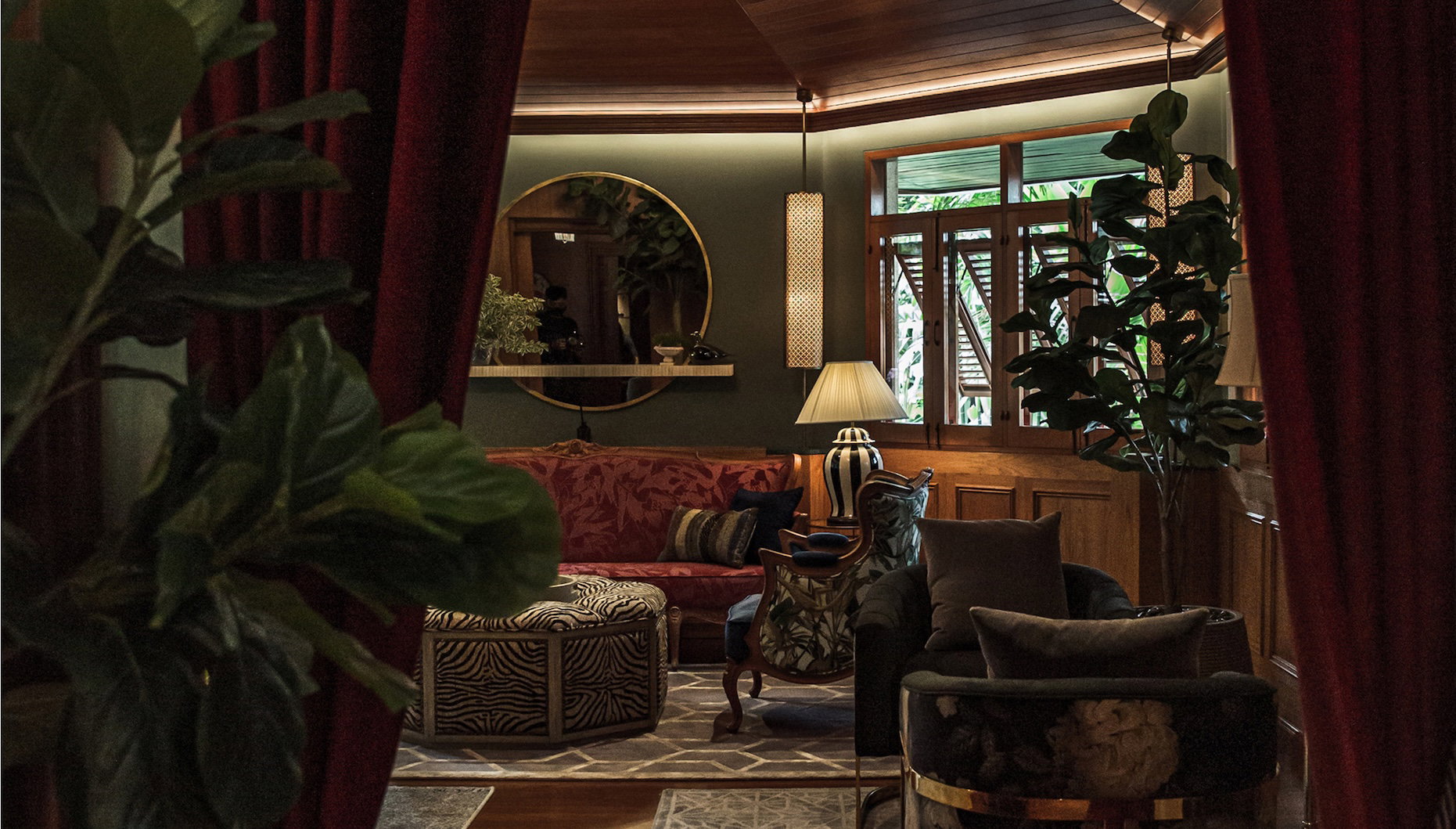
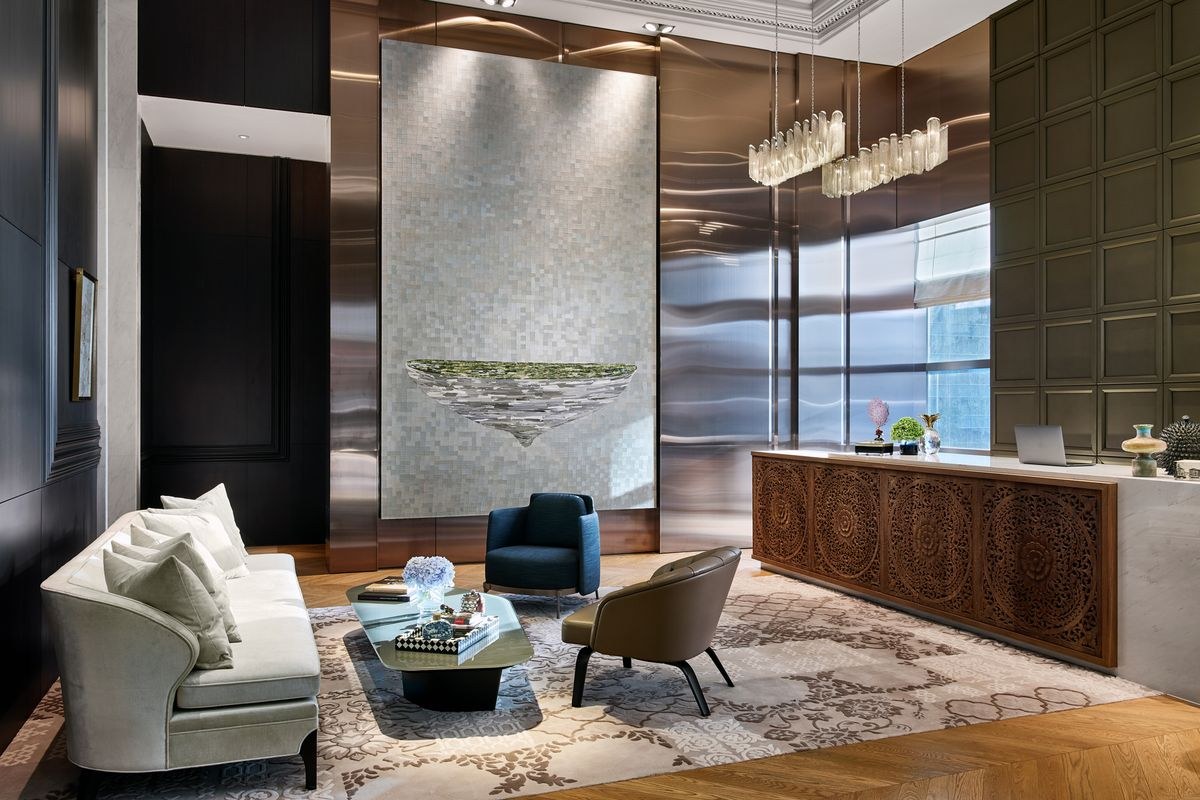
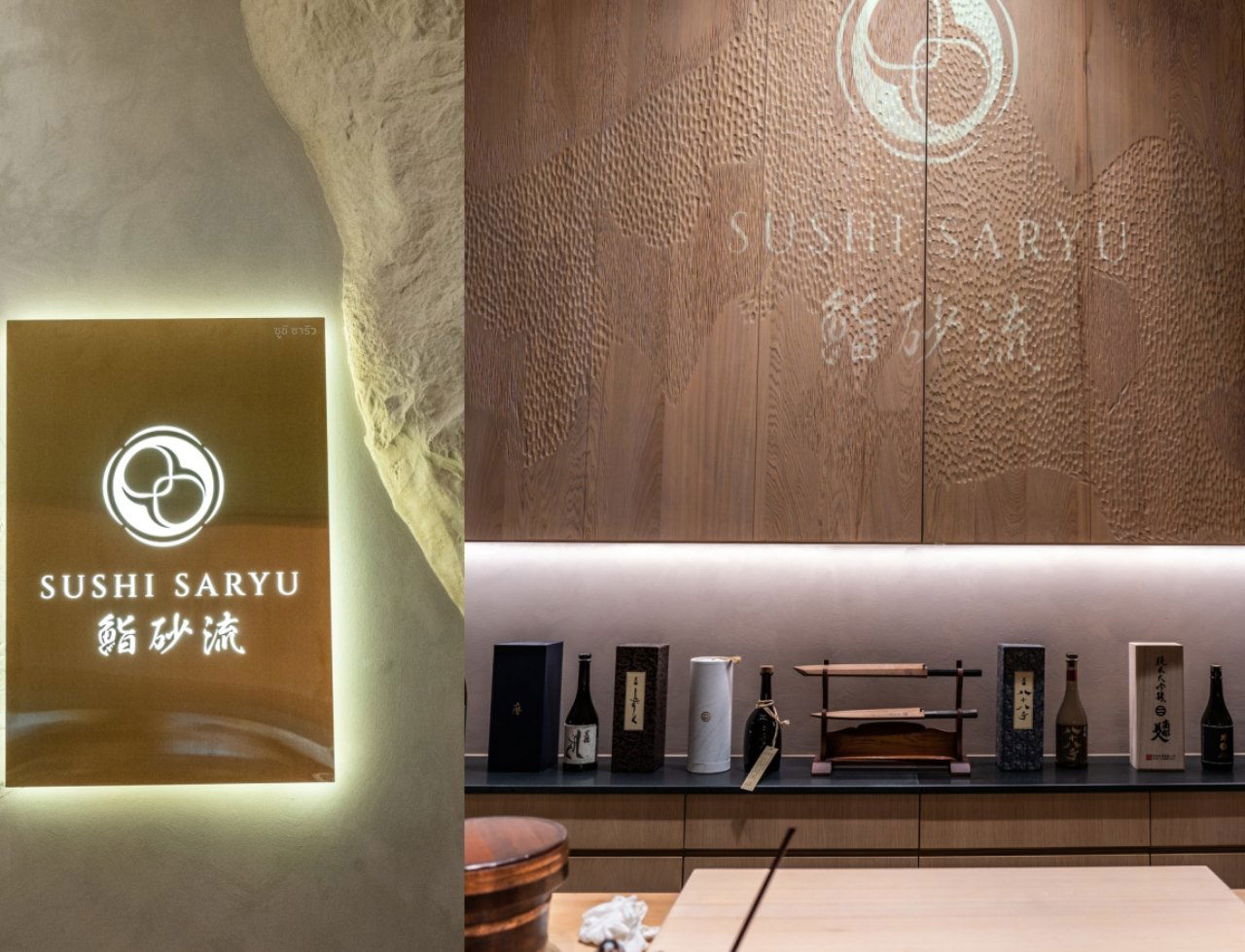
The physical space is built for the format. A discreet wooden door on North Sathon Road in Bang Rak leads into a lounge area, then through to a minimalist dining room centred on a traditional omakase counter made from Hinoki cypress wood. The room holds six seats at the counter daily, expandable to eight for private group bookings. The intimacy is deliberate: at this scale, the chef controls every piece that leaves the counter, timing is precise, and the distance between kitchen and guest is essentially zero. If you are comparing the spatial experience to other Bangkok omakase venues, Sushi Ichizu and In the Mood for Love operate on similar intimate-counter formats, Saryu's Hinoki construction and cave-like lounge anteroom give it a slightly more theatrical entry sequence.
Address is Chronos Sathorn Building, ground floor, 46 North Sathon Road, a Silom-adjacent location that puts it within reach of the financial district and the BTS network. Travel logistics are manageable from most central Bangkok hotels; see our full Bangkok hotels guide for accommodation options nearby.
When to Go
Bangkok's omakase venues tend to run two sittings, lunch and dinner, though Saryu's specific session times are not published in available data. The practical timing recommendation: book dinner rather than lunch if your goal is the full counter experience with unhurried pacing. Saryu's six seats mean any session is operationally intimate, but evening sessions at counter-format restaurants in this city generally allow more time per course. Avoid peak tourist months (December and January) if you want the easiest reservation window, demand across Bangkok's ฿฿฿฿ tier concentrates in those months, and with only six seats available, competition for tables is real even if booking difficulty is rated as manageable overall.
The Michelin Plate recognition, held for two consecutive years, signals consistent execution rather than a one-season anomaly. That consistency makes Saryu a defensible repeat booking, which is relevant if you are already familiar with the format and returning to Bangkok.
Know Before You Go
- Cuisine: Japanese omakase (sushi)
- Price tier: ฿฿฿฿
- Seats: 6 at the counter daily; up to 8 for private groups
- Menu format: 15-course omakase only, no à la carte
- Sourcing: Seafood direct from Toyosu Fish Market, Tokyo
- Awards: Michelin Plate 2024, Michelin Plate 2025
- Rating:
- Address: Chronos Sathorn Building, G/F, 46 North Sathon Rd, Bang Rak, Bangkok 10500
- Booking difficulty: Easy, but six seats means you should not leave it to the last minute
- Dietary restrictions: Contact the venue directly before booking; omakase formats require advance notice for substitutions
How It Compares
At the ฿฿฿฿ tier in Bangkok, Sushi Saryu's closest competition is not other sushi restaurants, it is the city's broader fine-dining omakase field. Sorn and Baan Tepa both operate fixed tasting menus at equivalent pricing, but the value proposition is entirely different: those are Thai-cuisine driven experiences where the storytelling is domestic and the sourcing is local. Saryu's value rests on imported Japanese seafood quality. Neither approach is superior, the choice depends on whether you want a Bangkok food experience or a Tokyo-grade sushi experience that happens to be in Bangkok.
Within the Bangkok sushi category, Nikaku and Ginza Sushi Ichi occupy comparable territory. Ginza Sushi Ichi has stronger name recognition given its Tokyo lineage, which makes it the easier recommendation for first-time visitors to Bangkok's omakase scene. Saryu is the better second visit, smaller, more focused, and with a sourcing story that rewards diners who already understand what Toyosu-direct procurement means in practice.
If your Bangkok dining budget covers one ฿฿฿฿ meal and you are undecided between Japanese and European formats, Sühring and Côte by Mauro Colagreco offer more obvious occasion-dining theatrics. Saryu is the right call specifically when the priority is fish quality and counter intimacy over spectacle. For a broader view of where Saryu sits in the city's dining options, see our full Bangkok restaurants guide.
Pearl Picks: More Bangkok Dining
- Sushi Ichizu, counter omakase in Bangkok
- In the Mood for Love, intimate sushi in Bangkok
- Nikaku, Bangkok sushi alternative
- AKKEE in Pak Kret, for a different Bangkok-area dining perspective
- PRU in Phuket, Thailand fine dining beyond Bangkok
- Aquila in Chiang Mai, fine dining in northern Thailand
- Our full Bangkok bars guide
- Our full Bangkok experiences guide
- Our full Bangkok wineries guide
Planning details
- Location
- อาคาร โครนอส สาทร ชั้น G 46 N Sathon Rd, Bang Rak, Bangkok 10500, Thailand
- Website
- wly.sg/rgKDqmhr
- Phone
- +66 83 912 9288
The take
The Take
The Vibe
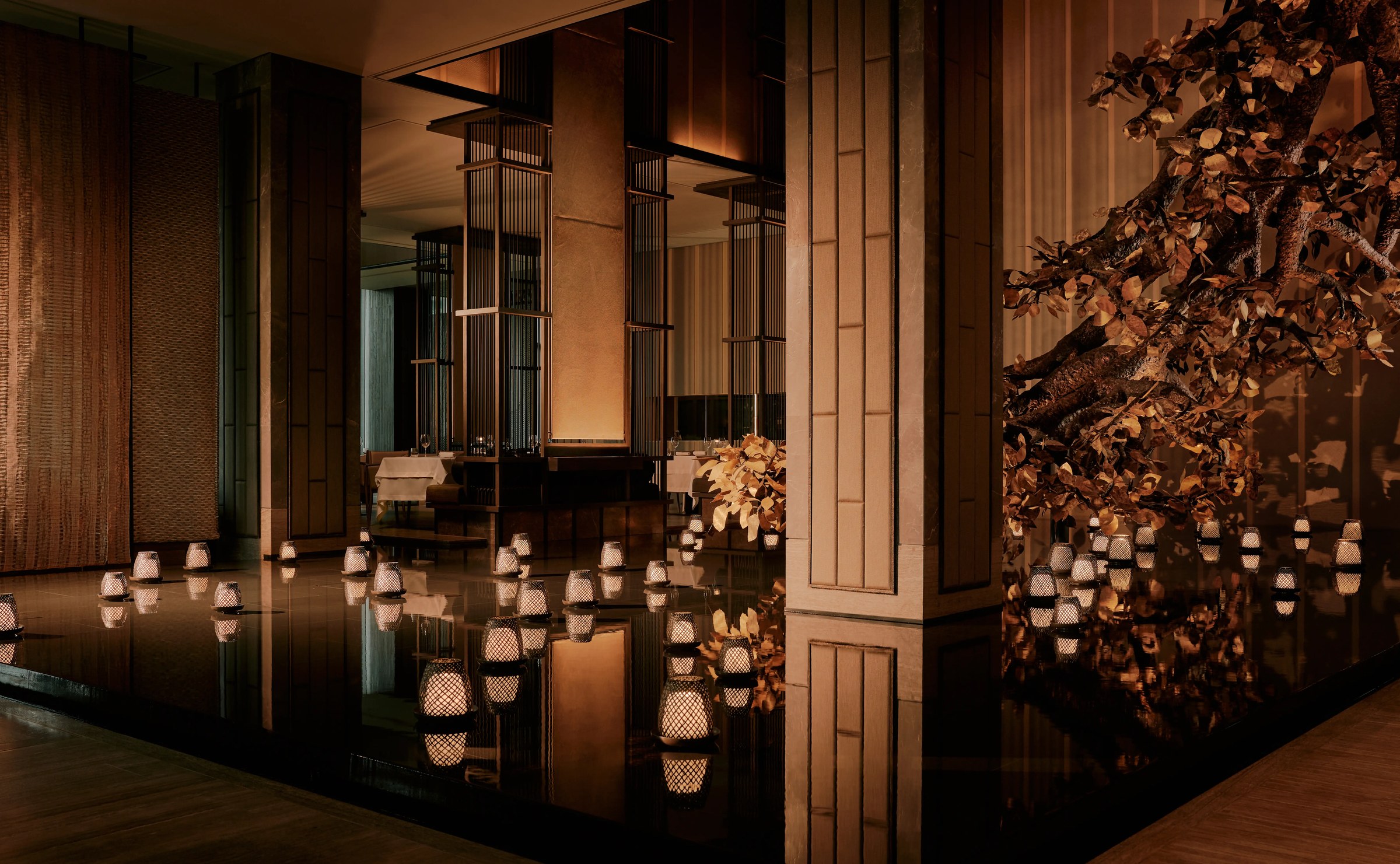
Sushi Saryu presents itself as a deliberately concealed, highly focused omakase room. Guests enter through a discreet wooden door and pass into a lounge-like, cave-ish antechamber before arriving at a Hinoki cypress counter that anchors the dining space. The timber is treated as part of the experience — aromatic, pale and meant to age with service — and the small six-seat setup creates a hushed, ritualistic atmosphere. The interior’s restraint and the counter’s craftsmanship give the room a refined, almost monastic calm; outside city noise is intentionally cut off to keep attention on the tasting and craft.
Best For
This is a destination for committed omakase diners and intimate private groups who value focused chef attention. With only six seats per service (expandable to eight for private bookings), it suits date nights, small celebrations and special-occasion dinners where the format — a 15-course tasting built around Toyosu-sourced seafood — is the main event. It also appeals to diners familiar with Tokyo counter culture and collectors of high-end seafood experiences; the compact capacity makes it best for parties that prize intimacy and a direct relationship with the chef.
Ordering Tips
Book well in advance: the counter runs six covers per service and is occasionally expanded to eight for private groups, so availability is extremely limited. Expect a full 15-course omakase built around seafood sourced from Tokyo’s Toyosu Fish Market; the menu is format-driven rather than à la carte. If you want the small-group experience, reserve the expanded private option early. Arrive on time for service to make the most of the seating at the Hinoki counter and to experience the sequence the chef intends.
Venue details
Ambiance
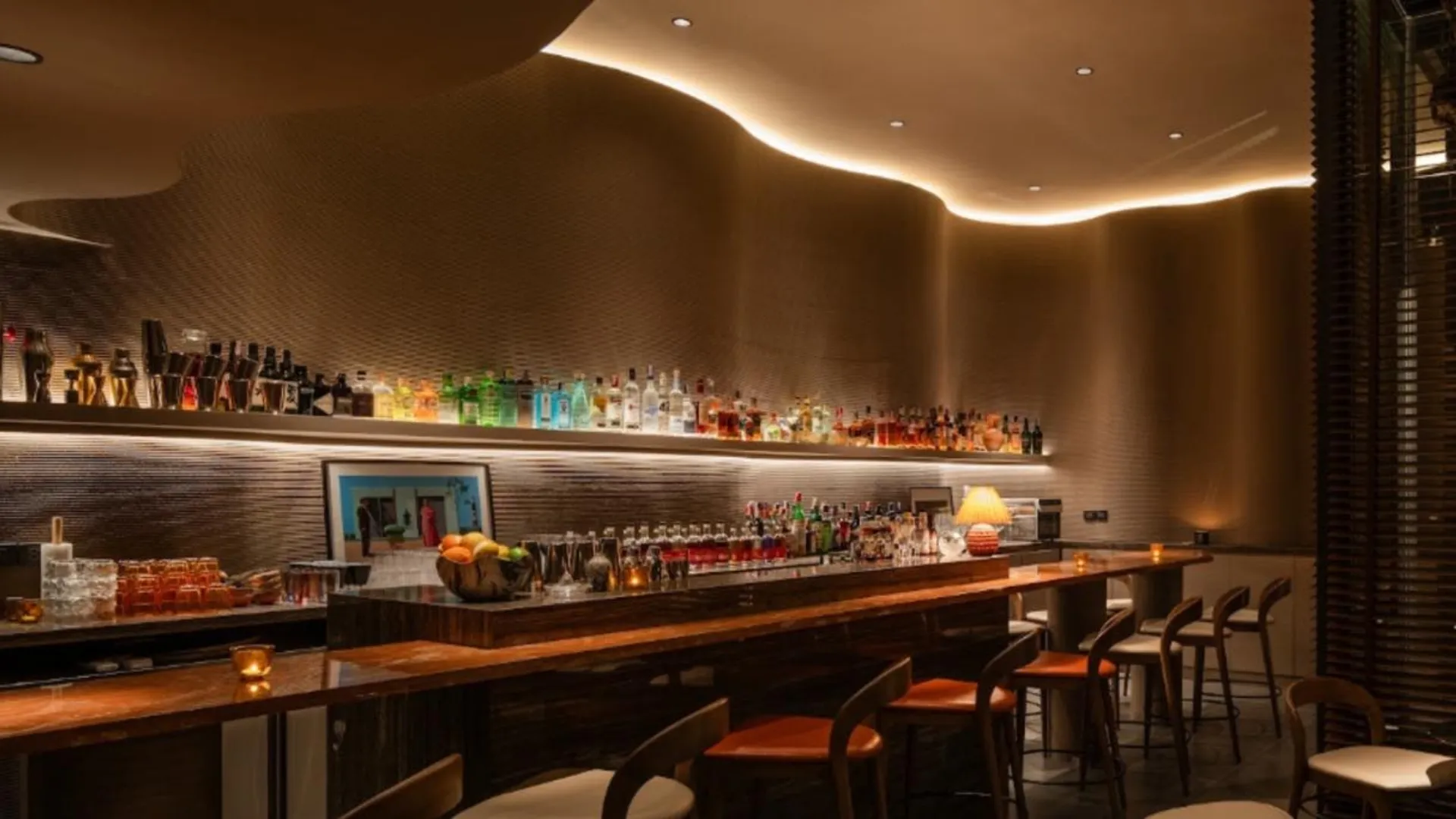
Minimalist dining area with a traditional Hinoki wood omakase counter, creating an intimate and meditative atmosphere where guests watch Chef Sudo meticulously prepare each dish with precision and artistry.
Tags
Vibe
Best For
Experience
Sourcing
At the Table
- Dress Code
- Smart Casual
- Noise Level
- Quiet
- Service Style
- Omakase Bar
- Meal Pacing
- Extended Experience
- Capacity
- Intimate
- Kitchen
- Traditional
- Menu Format
- Omakase, Counter dining
- Wine Program
- Curated
- Drinks Focus
- Sake
- Dietary
- Pescatarian friendly
- Private Dining
- Available
Signature Dishes
- Botan Ebi
- O-toro
- Nodoguro
- Uni
- Sujiko
- Buri
Know before you go
Know Before You Go
- Getting there
- อาคาร โครนอส สาทร ชั้น G 46 N Sathon Rd, Bang Rak, Bangkok 10500, Thailand
Planning details
Location
อาคาร โครนอส สาทร ชั้น G 46 N Sathon Rd, Bang Rak, Bangkok 10500, Thailand · Directions
Recognition and awards
Also consider
Also Consider
- Sorn, Southern Thai, ฿฿฿฿
- Baan Tepa, Thai contemporary, ฿฿฿฿
- Gaa, Modern Indian, Indian, ฿฿฿฿
- Côte by Mauro Colagreco, Mediterranean, Modern Cuisine, ฿฿฿฿
- Sühring, German, ฿฿฿฿
Restaurant context
At the ฿฿฿฿ tier in Bangkok, Sushi Saryu's closest competition is not other sushi restaurants, it is the city's broader fine-dining omakase field. Sorn and Baan Tepa both operate fixed tasting menus at equivalent pricing, but those are Thai-cuisine experiences where the value is domestic storytelling and local sourcing. Saryu's value rests on imported Japanese seafood quality. Neither approach is superior, the choice depends on whether you want a Bangkok food experience or a Tokyo-grade sushi experience that happens to be in Bangkok.
Within Bangkok's sushi category, Ginza Sushi Ichi has stronger name recognition given its Tokyo lineage, making it the easier first recommendation for newcomers to Bangkok's omakase scene. Saryu is the better second visit, smaller, more focused, and with a Toyosu-direct sourcing story that rewards diners who already understand what that supply chain implies about fish quality. Nikaku and Sushi Ichizu occupy comparable intimate-counter territory and are worth considering if Saryu's seats are taken.
If your Bangkok budget covers one ฿฿฿฿ meal and you are undecided between Japanese and European formats, Sühring and Côte by Mauro Colagreco offer more obvious occasion-dining theatrics. Gaa is the pick if kitchen creativity and a progressive tasting format matter more than raw-material sourcing. Saryu is the right call specifically when the priority is fish quality and counter intimacy.
Explore Bangkok
Around this place
Discover more on Pearl
Unlock the full Sushi Saryu guide in Pearl, including awards, comparisons, FAQs, planning details, and nearby places.
Compare Sushi Saryu
| Venue | Awards | Price |
|---|---|---|
| Sushi Saryu | 2026 Michelin Plate2025 Michelin Plate2024 Michelin Plate | ฿฿฿฿ |
| Sorn | 2026 OAD Top Restaurants in Asia Ranked · #12026 Asia's 50 Best Restaurants · #12Star Wine Lists 20262026 Black Pearl 1 Diamond2026 La Liste Top Restaurants2026 Michelin 3 Stars2025 OAD Top Restaurants in Asia Ranked · #12025 Asia's 50 Best Restaurants · #162025 World's 50 Best Restaurants · #17 | ฿฿฿฿ |
| Baan Tepa | 2026 OAD Top Restaurants in Asia Ranked · #262026 Asia's 50 Best Restaurants · #532026 Black Pearl 1 Diamond2026 Les Grandes Tables du Monde Members2026 La Liste Top Restaurants2026 Michelin 2 Stars2025 OAD Top Restaurants in Asia Ranked · #362025 Asia's 50 Best Restaurants · #44We're Smart World Top Restaurants 2025 | ฿฿฿฿ |
| Gaa | Star Wine Lists 2026 · #12026 OAD Top Restaurants in Asia Ranked · #832026 Asia's 50 Best Restaurants · #952026 Black Pearl 1 Diamond2026 Michelin 2 Stars2026 La Liste Top Restaurants2025 OAD Top Restaurants in Asia Ranked · #612025 Asia's 50 Best Restaurants · #65We're Smart World Top Restaurants 2025 | ฿฿฿฿ |
| Côte by Mauro Colagreco | 2026 OAD Top Restaurants in Asia Ranked · #642026 Asia's 50 Best Restaurants · #91Star Wine Lists 20262026 Michelin 2 Stars2026 La Liste Top Restaurants2025 Asia's 50 Best Restaurants · #752025 OAD Top Restaurants in Asia Ranked · #84World's Best Wine Lists 20252025 Michelin 2 Stars | ฿฿฿฿ |
| Sühring | Star Wine Lists 2026 · #12026 OAD Top Restaurants in Asia Ranked · #142026 Asia's 50 Best Restaurants · #182026 Black Pearl 2 Diamond2026 Relais Chateaux Restaurants2026 Wine Spectator Best of Award of Excellence2026 Les Grandes Tables du Monde Members2026 La Liste Top Restaurants2026 Michelin 3 Stars | ฿฿฿฿ |












Side-by-side comparison to help you decide where to book.
FAQ
Frequently Asked Questions
Is the tasting menu worth it at Sushi Saryu?
Yes, if Toyosu-sourced omakase is what you're after. Chef Seiji Sudo runs a 15-course menu built entirely around seafood flown in directly from Tokyo's Toyosu Fish Market — that sourcing commitment is the core of what you're paying for at a ฿฿฿฿ price point. If you want à la carte flexibility or a lighter spend, this is the wrong format. But for a focused, counter-only omakase experience with two consecutive Michelin Plate recognitions (2024 and 2025), the format justifies itself.
Can I eat at the bar at Sushi Saryu?
The counter is the only dining format here. Sushi Saryu operates a six-seat Hinoki wood omakase counter — there is no separate bar, lounge dining, or à la carte option. Private groups of up to eight can book the full space, but either way, the counter is where you sit and the 15-course omakase is what you eat.
Is Sushi Saryu good for solo dining?
It's one of the better solo formats in Bangkok at this price tier. A six-seat counter means solo diners sit alongside others in a communal counter setting, which suits the omakase format well — you're not isolated at a table for one. Book early regardless of group size; at six covers a sitting, availability is tight.
Is Sushi Saryu worth the price?
At ฿฿฿฿, it sits at the top of Bangkok's sushi pricing — but the case for it is concrete: direct Toyosu sourcing, a 15-course structured menu, six seats only, and back-to-back Michelin Plate recognition in 2024 and 2025. Compare that to broader Bangkok omakase options where sourcing provenance is less transparent, and Saryu's premium is easier to justify. It's not the city's most affordable omakase, but the fish quality and format specificity are what you're paying for.
What are alternatives to Sushi Saryu in Bangkok?
For Thai fine dining at a comparable price tier, Sorn (Michelin two stars) and Baan Tepa deliver more locally rooted tasting menus. Gaa and Sühring offer chef-led tasting menus with strong international credentials if you want to move beyond sushi. Côte by Mauro Colagreco is the pick for a European-format fine dining comparison. None of these replicate the Toyosu-sourcing, counter-only omakase format Saryu runs — they're alternatives by price and occasion, not by format.