.png?width=1200&quality=80)

Ginza Sushi Ichi
Sushi · Siam Square, Bangkok
Restaurant in Bangkok, Thailand
 Book with Pearl
The Read
Toyosu-Sourced Nigiri Omakase
Price
$150–200per person
Chef
Shuki Yoshiaki
Dress
Smart Casual
Why go
A ten-seat omakase counter in Gaysorn Centre sourcing fish daily from Tokyo's markets and rice from Yamagata. Ginza Sushi Ichi is Bangkok's most supply-chain-serious Japanese counter at the ฿฿฿฿ tier, with Michelin Plate recognition and consistent Opinionated About Dining Asia rankings. Book lunch for your first visit; return in a different season to track the imported catch.
About Ginza Sushi Ichi
Ten seats. Tokyo fish. One counter worth planning your Bangkok dining calendar around.
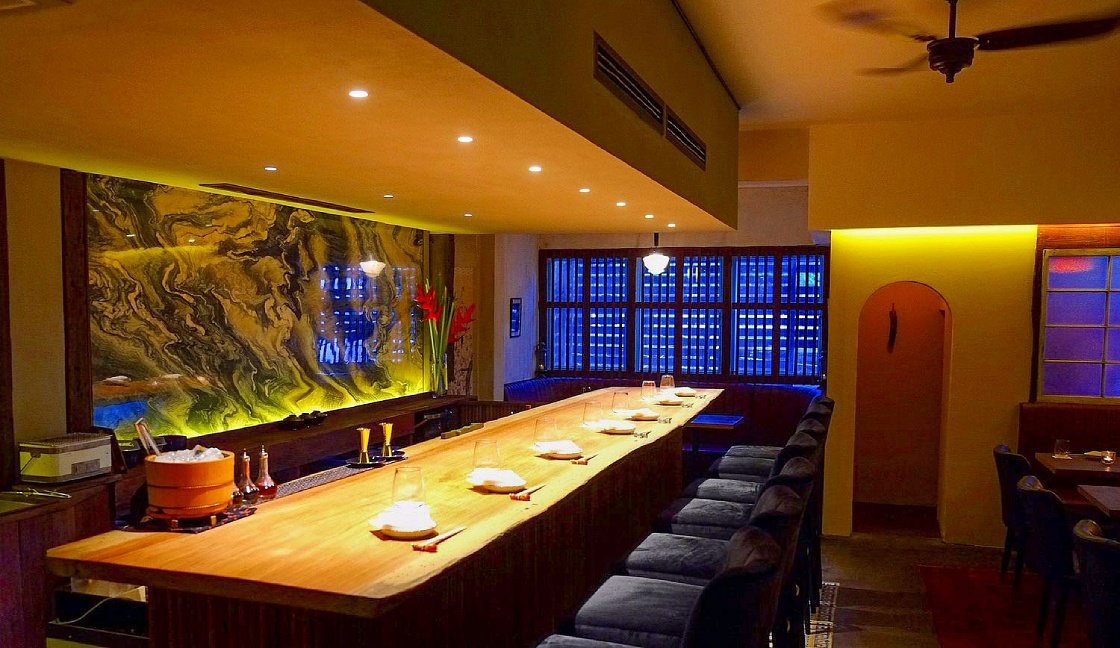
Ginza Sushi Ichi operates on a constraint that clarifies the decision immediately: ten seats circle a marble counter, omakase is the format, and the kitchen sources its fish daily from Tokyo's markets. If that proposition appeals to you, this is one of the more disciplined Japanese operations in Bangkok. If you want à la carte flexibility or a larger group setting, look elsewhere first.
The Bangkok branch replicates the supply chain of its Tokyo flagship with unusual fidelity. Fish arrives from Tokyo's markets. The sushi rice is imported from Yamagata, prepared with the same rice-vinegar formula used across the group's restaurants in Tokyo, Jakarta, and Singapore. The pine-walled interior keeps the focus on the counter and the chef. Chef Shuki Yoshiaki oversees a nigiri-forward omakase that prizes sourcing consistency over theatrical variation. For the food-focused traveller who has eaten through Tokyo's omakase circuit, the reference points here will be immediately legible. For a useful counterpart in the region, Sushi Shikon in Hong Kong operates at a similar pitch of Japanese formalism transplanted to an Asian city.
How to approach Ginza Sushi Ichi across multiple visits
The multi-visit case here is genuinely worth making. Because omakase menus at a counter like this are built around what the market sends — and the market in Tokyo shifts seasonally — the experience in March (when bream and clam dominate the cold-water catch) reads differently from a September visit (when Pacific saury and sea urchin from Hokkaido peak). Booking twice across a trip is not excessive if you have the schedule for it; booking once in summer and once in winter is the sharper strategy for anyone treating Bangkok as a repeat destination.
A practical first-visit framework: the lunch service (Tuesday through Sunday, 12pm to 2:30pm) is the lower-friction entry point. Seats are easier to secure at midday, the pace tends to be steadier, and the core nigiri sequence is unabbreviated. Reserve dinner (6pm to 11pm, with Sunday service closing at 10pm) for a second visit when you want to extend into sake pairings and take your time at the counter. Note that Monday is a full closure, so factor that into any short Bangkok itinerary.
For a third visit, or for the guest who has already eaten through the lunch counter once, the private room option shifts the dynamic. Ginza Sushi Ichi has private dining available, which makes it viable for small celebratory groups without losing the omakase structure. The counter seats ten; the private room extends the headcount. If you are planning around a group, contact the restaurant directly to confirm configuration and availability.
Credentials and competitive position
The awards record here is consistent rather than stratospheric. Ginza Sushi Ichi holds a Michelin Plate in 2024 and 2025, recognition for cooking quality without the full star designation. On Opinionated About Dining's Asia rankings, the Bangkok branch has moved between #138 (2023) and #188 (2025), with a high-water mark of #138 that indicates genuine peer respect in a competitive field.
For Bangkok's Japanese omakase niche specifically, the competition is tighter than many visitors expect. Sushi Masato and Sushi Ichizu are the most direct comparisons in the city. Nikaku, Fillets, and In the Mood for Love cover different registers of the same category. Ginza Sushi Ichi's differentiation is the supply chain: Tokyo fish, Yamagata rice, a group infrastructure that maintains sourcing standards across four cities. If provenance consistency matters to your decision, that is a real point of distinction. If you are primarily optimising for booking ease or price-to-quality ratio at the ฿฿฿฿ tier, compare carefully before committing.
For context on Tokyo-level omakase as a benchmark, Harutaka in Tokyo represents the reference standard that operations like this branch are implicitly measured against.
Practical details
Ginza Sushi Ichi is on the third floor of Gaysorn Centre in Lumphini, Pathum Wan, a central Bangkok location that puts it within reach of most of the city's business and hotel districts. The address (Room 3F-08) sits inside a luxury mall, which means arrival logistics are direct regardless of weather. Booking is rated easy: this is not a counter you need to chase months in advance, but given only ten seats, securing a reservation at least one to two weeks out is prudent for dinner, less so for weekday lunch. Tuesday through Friday lunches offer the most flexibility if your schedule allows.
For visitors building a broader Bangkok food itinerary, our full Bangkok restaurants guide covers the complete category. If you are extending beyond the city, PRU in Phuket and Aquila in Chiang Mai represent the quality ceiling in their respective destinations. Within Bangkok, AKKEE in Pak Kret and Ayutthayarom in Phra Nakhon Si Ayutthaya offer contrasting experiences for the explorer willing to travel further. Our Bangkok hotels guide, bars guide, wineries guide, and experiences guide round out the broader trip picture. For a regional comparison point in a different format, Anuwat in Phang Nga and The Spa in Lamai Beach are worth noting for trips that extend to the south.
The verdict
Book Ginza Sushi Ichi if: you want a Tokyo-supply-chain omakase in Bangkok, you are eating in a pair or small group, and you can align your visit with a season where the imported catch is at its peak. The counter format, the sourcing consistency, and the multi-visit seasonal logic make this one of the more considered Japanese investments in the city at the ฿฿฿฿ price point. It is not the flashiest room in Bangkok's dining scene, and the Michelin Plate rather than a star signals where it sits in the global hierarchy, but for what it sets out to do, it does it with discipline.
Planning details
- Hours
- Monday: Closed · Tuesday: 12–2:30 pm, 6–11 pm
- Location
- 3rd Floor,999 Gaysorn Centre Room 3F-08 Lumphini, Pathum Wan, Bangkok 10330, Thailand
- Website
- ginza-sushiichi.jp/english/shop/bangkok.html
- Phone
- +66 2 250 0014
The take
The Take
The Vibe
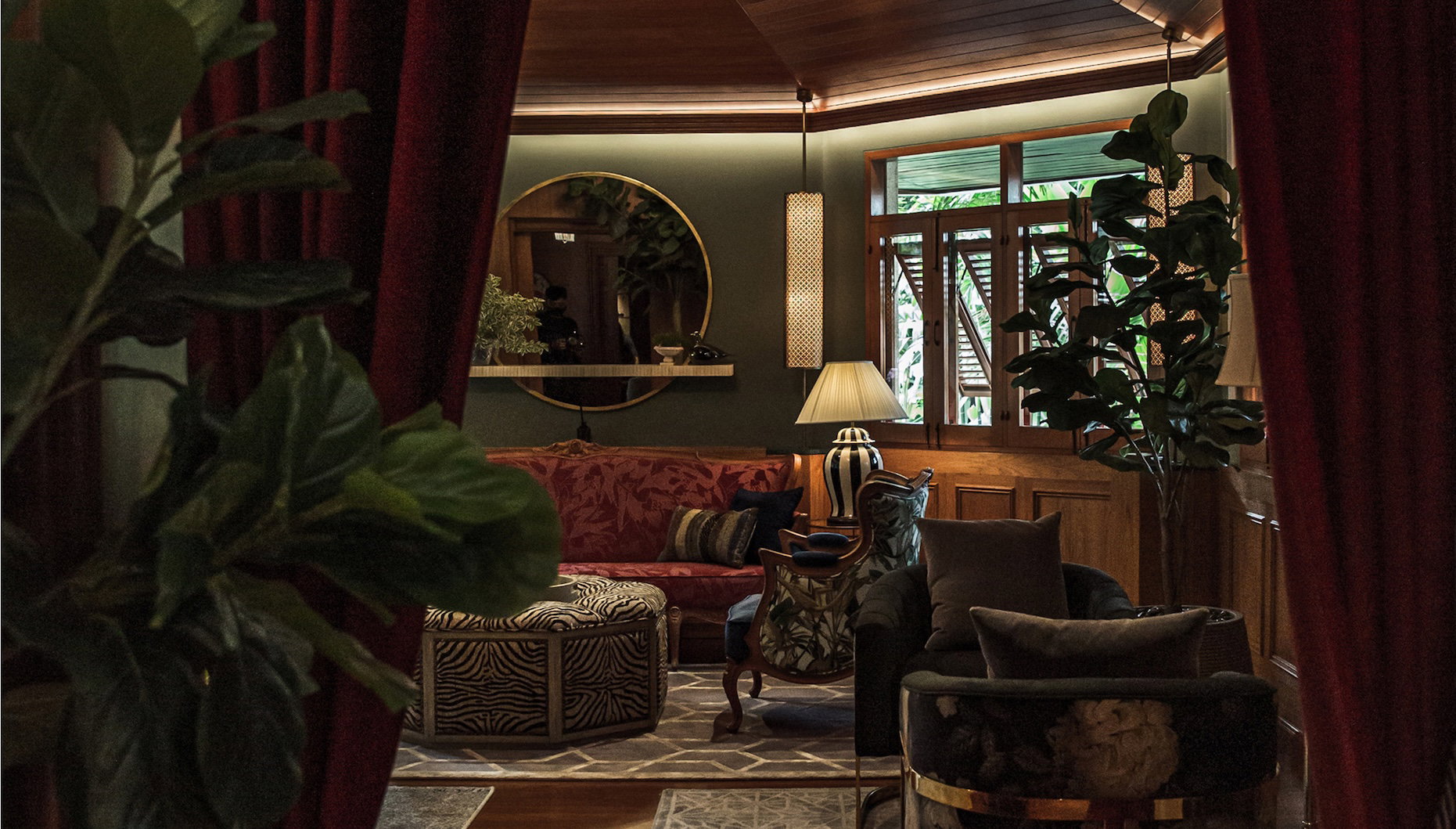
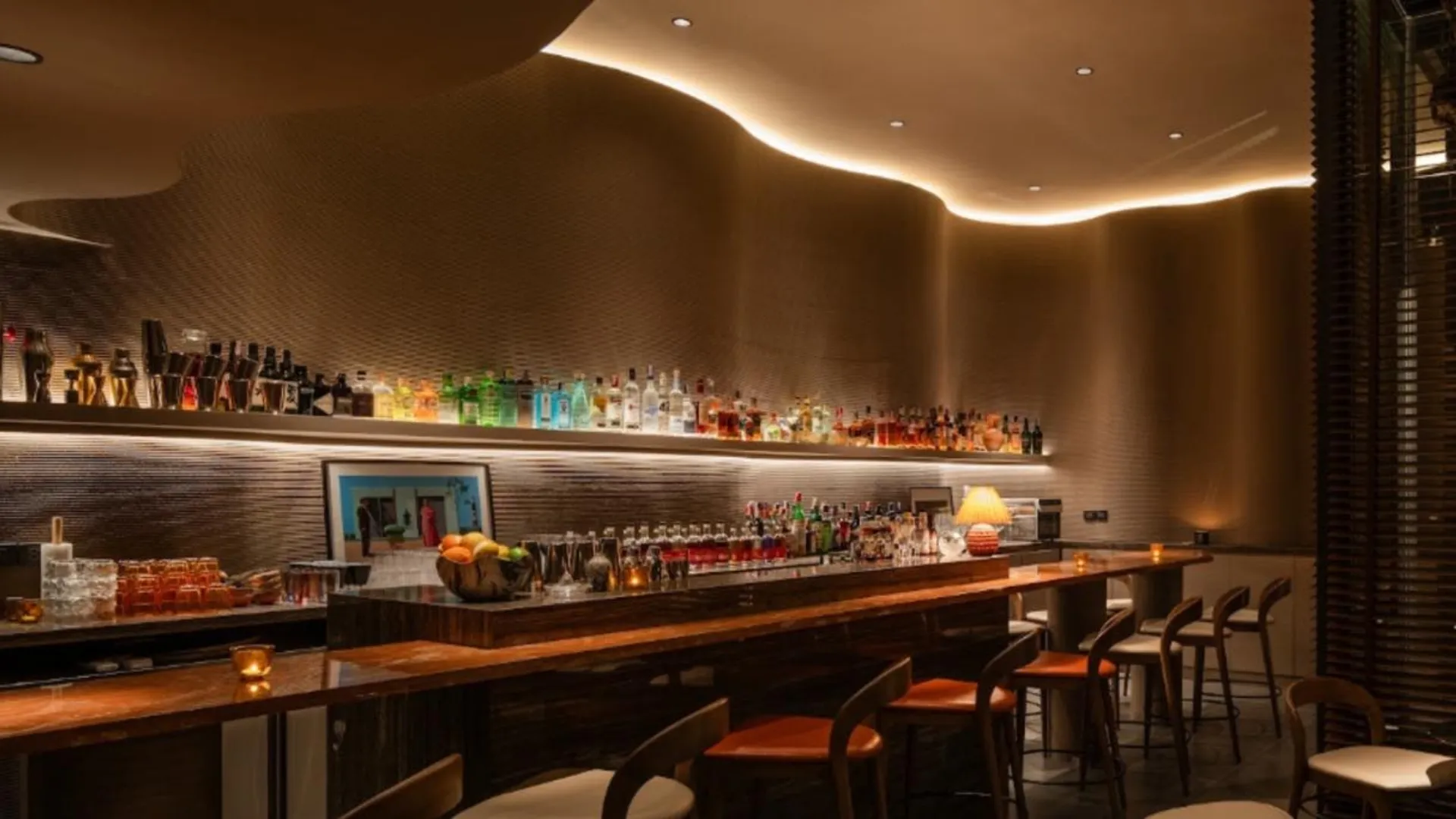
Ginza Sushi Ichi feels like a focused, understated counter room transplanted from Tokyo’s Ginza district. The ten-seat marble counter and neutral pine-clad walls keep attention trained on the food and the itamae’s work, producing a restrained, classic atmosphere with minimalist Japanese aesthetics. The setting is intentionally quiet and controlled — conversation can take place directly with the chef without spilling into the rest of the room — which reinforces the impression of a serious omakase program operating inside a luxury shopping complex rather than a casual neighborhood sushi bar.
Best For
This is foremost an omakase destination for diners seeking high-end Japanese craftsmanship in Bangkok’s premium retail district. The combination of a ten-seat counter and separate private rooms makes it well suited to business dinners and special-occasion meals where discretion and focused service matter. Its placement inside Gaysorn Centre means the clientele skews toward luxury shoppers and corporate guests; small parties who want direct interaction with the chef will opt for the counter, while groups and corporate bookings can use the private rooms.
Ordering Tips
Ginza Sushi Ichi operates as an omakase counter, so plan to experience a menu paced and led by the itamae — the ten-seat format allows the chef to control tempo and interaction. If you value one-on-one exchange, request counter seating to speak with the chef; if you’re booking for corporate or occasion dining, inquire about the private rooms. When ordering, lean into the specialties associated with the room — signature items such as uni and ikura don, kohada nigiri and chu-toro are highlights — and let the omakase sequence guide the progression of courses.
Venue details
Ambiance
Simple, plain decor with a serious, professional atmosphere focused on the chef's craft at the marble sushi counter.
Tags
Vibe
Best For
Experience
At the Table
- Dress Code
- Smart Casual
- Noise Level
- Quiet
- Service Style
- Formal
- Meal Pacing
- Leisurely
- Capacity
- Intimate
- Kitchen
- Traditional
- Menu Format
- Omakase, Counter dining
- Wine Program
- Curated
- Drinks Focus
- Sake
- Private Dining
- Available
Signature Dishes
- uni and ikura don
- kohada nigiri
- chu-toro
Know before you go
Know Before You Go
- Getting there
- 3rd Floor,999 Gaysorn Centre Room 3F-08 Lumphini, Pathum Wan, Bangkok 10330, Thailand
Planning details
Hours
- Monday
- Closed
- Tuesday
- 12–2:30 pm, 6–11 pm
- Wednesday
- 12–2:30 pm, 6–11 pm
- Thursday
- 12–2:30 pm, 6–11 pm
- Friday
- 12–2:30 pm, 6–11 pm
- Saturday
- 12–2:30 pm, 6–11 pm
- Sunday
- 12–2:30 pm, 6–10 pm
Location
3rd Floor,999 Gaysorn Centre Room 3F-08 Lumphini, Pathum Wan, Bangkok 10330, Thailand · Directions
Recognition and awards

Also consider
Also Consider
- Sorn, Southern Thai, ฿฿฿฿
- Baan Tepa, Thai contemporary, ฿฿฿฿
- Gaa, Modern Indian, Indian, ฿฿฿฿
- Côte by Mauro Colagreco, Mediterranean, Modern Cuisine, ฿฿฿฿
- Sühring, German, ฿฿฿฿
Restaurant context
At Bangkok's ฿฿฿฿ tier, the decision between Ginza Sushi Ichi and its peers comes down to format preference before anything else. Ginza Sushi Ichi is a ten-seat omakase counter with a Japanese supply chain, it does one thing and holds to it. Sorn and Baan Tepa operate in Thai cuisine at the same price point, with stronger room configurations for groups and broader menu variation across courses. If your priority is experiencing what Bangkok's own culinary traditions can do at their ceiling, those two outrank Ginza Sushi Ichi for local relevance. If you are specifically after Japanese precision transplanted to Southeast Asia, the calculus reverses.
Sühring is the closest structural comparison, a small-room tasting menu with a clear national identity (German) and an awards profile that sits above Ginza Sushi Ichi's Michelin Plate. For the guest who wants the most credentialled tasting menu experience in Bangkok at this price tier, Sühring is the call. Gaa and Côte by Mauro Colagreco offer more theatrical presentation and larger teams behind the pass, which suits guests for whom the full-production experience matters alongside the food.
Booking difficulty is roughly comparable across all five venues at this tier, none require months of lead time in the way that Tokyo's top counters do. Ginza Sushi Ichi's ten-seat constraint makes it slightly more seat-limited than the larger dining rooms, but it is rated easy to book, which means one to two weeks out is generally sufficient. If you are optimising purely for the Japanese omakase format in Bangkok, Ginza Sushi Ichi is the most coherent choice in the city's current market. If you want the highest-decorated tasting menu at ฿฿฿฿, Sühring is the stronger bet.
Explore Bangkok
Around this place
Discover more on Pearl
Unlock the full Ginza Sushi Ichi guide in Pearl, including awards, comparisons, FAQs, planning details, and nearby places.
Compare Ginza Sushi Ichi
| Venue | Cuisine | Price | Booking Difficulty | Awards |
|---|---|---|---|---|
| Ginza Sushi Ichi | Sushi | ฿฿฿฿ | Easy | 2026 Michelin Plate2026 OAD Top Restaurants in Asia Recommended2025 OAD Top Restaurants in Asia Ranked · #1882025 Michelin Plate2024 OAD Top Restaurants in Asia Ranked · #1862024 Michelin Plate2023 OAD Top Restaurants in Asia Ranked · #1382023 OAD Top Restaurants in Asia Highly Recommended |
| Sorn | Southern Thai | ฿฿฿฿ | Unknown | 2026 OAD Top Restaurants in Asia Ranked · #12026 Asia's 50 Best Restaurants · #12Star Wine Lists 20262026 Black Pearl 1 Diamond2026 La Liste Top Restaurants2026 Michelin 3 Stars2025 OAD Top Restaurants in Asia Ranked · #12025 Asia's 50 Best Restaurants · #162025 World's 50 Best Restaurants · #17 |
| Baan Tepa | Thai contemporary | ฿฿฿฿ | Unknown | 2026 OAD Top Restaurants in Asia Ranked · #262026 Asia's 50 Best Restaurants · #532026 Black Pearl 1 Diamond2026 Les Grandes Tables du Monde Members2026 La Liste Top Restaurants2026 Michelin 2 Stars2025 OAD Top Restaurants in Asia Ranked · #362025 Asia's 50 Best Restaurants · #44We're Smart World Top Restaurants 2025 |
| Gaa | Modern Indian, Indian | ฿฿฿฿ | Unknown | Star Wine Lists 2026 · #12026 OAD Top Restaurants in Asia Ranked · #832026 Asia's 50 Best Restaurants · #952026 Black Pearl 1 Diamond2026 Michelin 2 Stars2026 La Liste Top Restaurants2025 OAD Top Restaurants in Asia Ranked · #612025 Asia's 50 Best Restaurants · #65We're Smart World Top Restaurants 2025 |
| Côte by Mauro Colagreco | Mediterranean, Modern Cuisine | ฿฿฿฿ | Unknown | 2026 OAD Top Restaurants in Asia Ranked · #642026 Asia's 50 Best Restaurants · #91Star Wine Lists 20262026 Michelin 2 Stars2026 La Liste Top Restaurants2025 Asia's 50 Best Restaurants · #752025 OAD Top Restaurants in Asia Ranked · #84World's Best Wine Lists 20252025 Michelin 2 Stars |
| Sühring | German | ฿฿฿฿ | Unknown | Star Wine Lists 2026 · #12026 OAD Top Restaurants in Asia Ranked · #142026 Asia's 50 Best Restaurants · #182026 Black Pearl 2 Diamond2026 Relais Chateaux Restaurants2026 Wine Spectator Best of Award of Excellence2026 Les Grandes Tables du Monde Members2026 La Liste Top Restaurants2026 Michelin 3 Stars |












Key differences to consider before you reserve.
FAQ
Frequently Asked Questions
What should I order at Ginza Sushi Ichi?
There is no ordering in the conventional sense: the counter runs omakase only, so the menu is determined by what arrives from Tokyo's markets that day. The kitchen imports its daily catch directly from Japan and uses sushi rice sourced from Yamagata with the same rice-vinegar formula as the Tokyo flagship. Trust the format and let the counter do its job.
What should a first-timer know about Ginza Sushi Ichi?
This is an omakase-only counter on the third floor of Gaysorn Centre in Lumphini — not a drop-in sushi restaurant. Lunch runs 12–2:30 pm and dinner 6–11 pm (10 pm Sundays), with Mondays closed. At the ฿฿฿฿ price point, the format asks you to commit to the full experience rather than a quick meal, and the ten-seat counter means availability is limited. Book ahead.
Is Ginza Sushi Ichi good for a special occasion?
Yes, with the right group size. The marble counter format, Tokyo-sourced fish, and consistent Michelin Plate recognition (2024 and 2025) make it a credible choice for a celebration dinner for two or a small group. Private rooms give larger parties a more enclosed setting. It holds up against Bangkok's fine-dining competition, though if the occasion calls for something more theatrical, Sühring's tasting menu format may suit better.
What are alternatives to Ginza Sushi Ichi in Bangkok?
For Thai fine dining at a comparable spend, Sorn (focusing on southern Thai cuisine) and Baan Tepa are the serious options. Gaa offers a more globally-influenced tasting menu if the format appeals. Sühring delivers a precise German-heritage tasting menu that competes on occasion-dining terms. Côte by Mauro Colagreco is the pick if you want a European bistro register rather than an omakase counter. None of these replicate the Tokyo-import sushi counter format that Ginza Sushi Ichi runs.
Is lunch or dinner better at Ginza Sushi Ichi?
Lunch (12–2:30 pm) is often the more accessible entry point at omakase counters of this type, and it can represent better value if a shorter or lighter menu is offered at midday — though the specific lunch pricing and menu structure are not publicly documented. Dinner (6–11 pm, 6–10 pm Sundays) gives the full evening-counter experience. If the date and availability allow it, dinner at a ten-seat counter with a sake list tends to be the more complete version of what a room like this is built for.