.png?width=1200&quality=80)
Nikaku
Sushi · Yan Nava, Bangkok
Restaurant in Bangkok, Thailand
 Book with Pearl
The Read
Kitakyushu Counter Precision
Price
$200–300per person
Dress
Smart Casual
Why go
Nikaku is a 12-seat Edo-mae omakase counter on the ground floor of W Bangkok, drawing ingredients from Fukuoka every two days and holding consecutive Michelin Plate recognition for 2024 and 2025. At ฿฿฿฿, it is a serious spend — but for a celebration, anniversary, or business dinner where quality of fish matters, it is the right room to book in Bangkok.
About Nikaku
Who Should Book Nikaku — and When
Nikaku is the right call for a special occasion dinner where you want serious Edo-mae sushi without flying to Tokyo. The 12-seat counter format, the sourcing from Fukuoka, and the Michelin Plate recognition (2024 and 2025) make it one of the more focused omakase experiences in Bangkok. If you are planning a celebration meal, an anniversary, or a business dinner where the setting needs to do some of the work, Nikaku earns its place on a short list. If you want Thai cuisine, a larger table, or a more flexible menu format, look elsewhere — Sorn or Baan Tepa will serve you better.
The Portrait
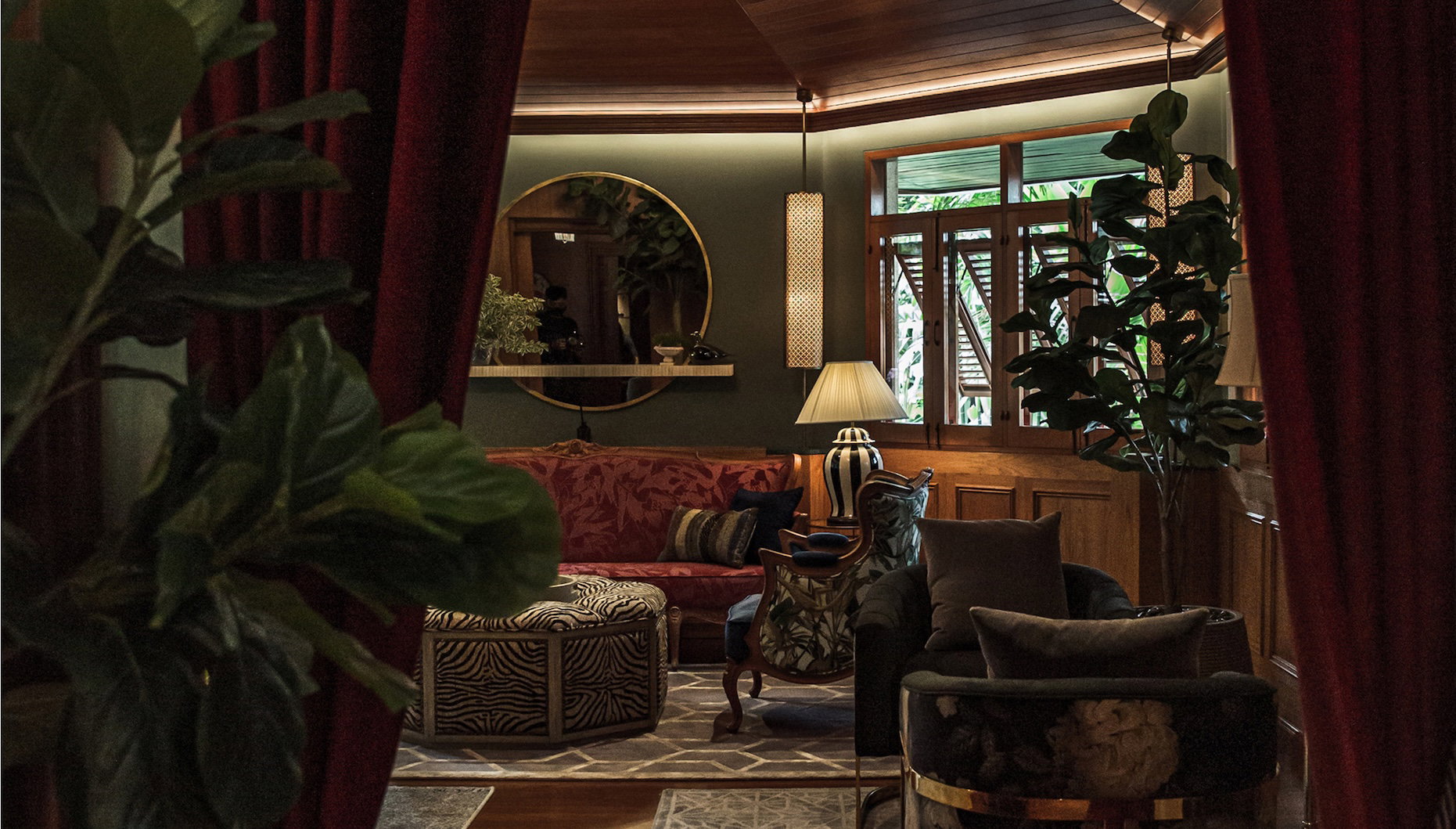
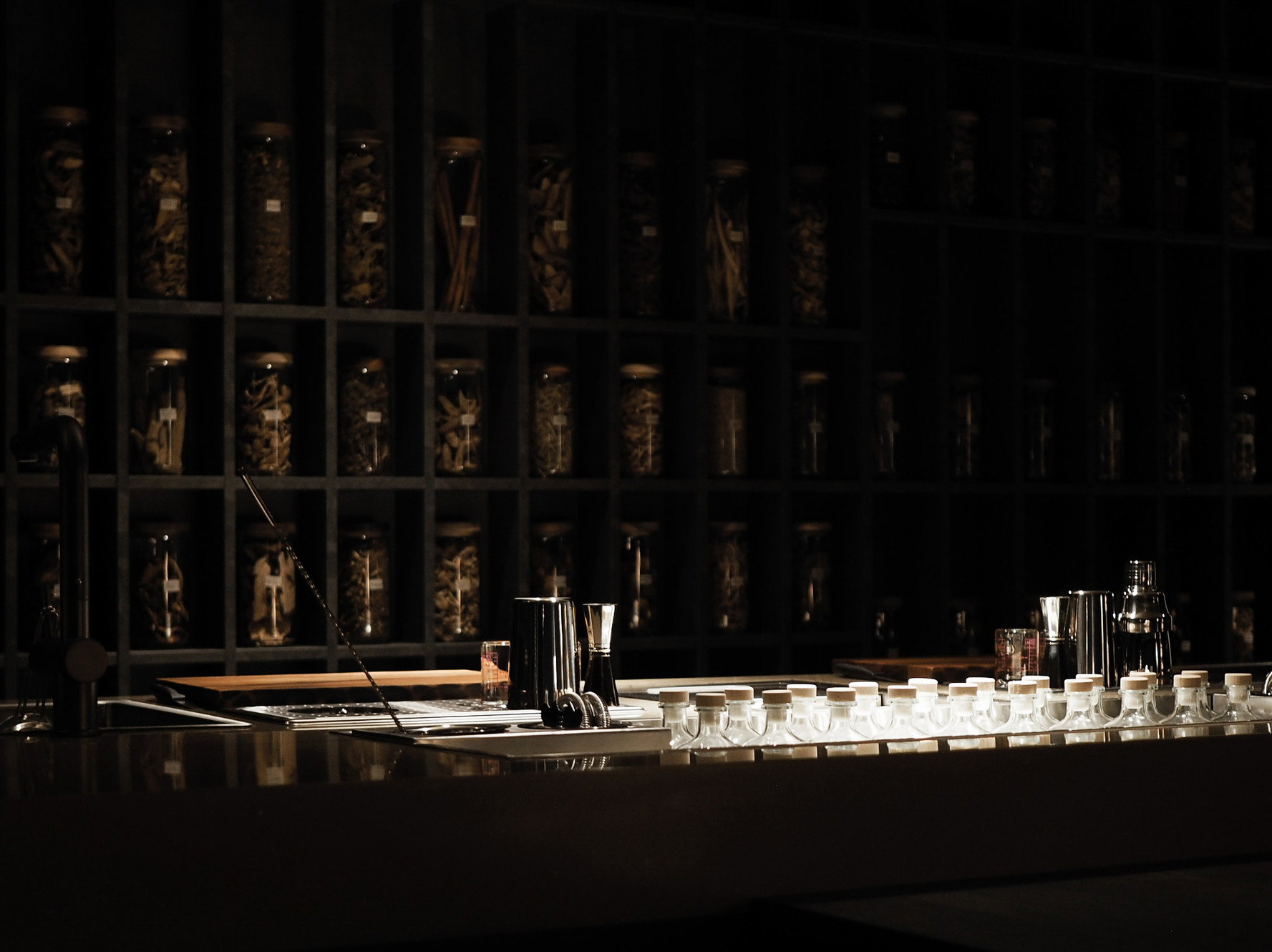
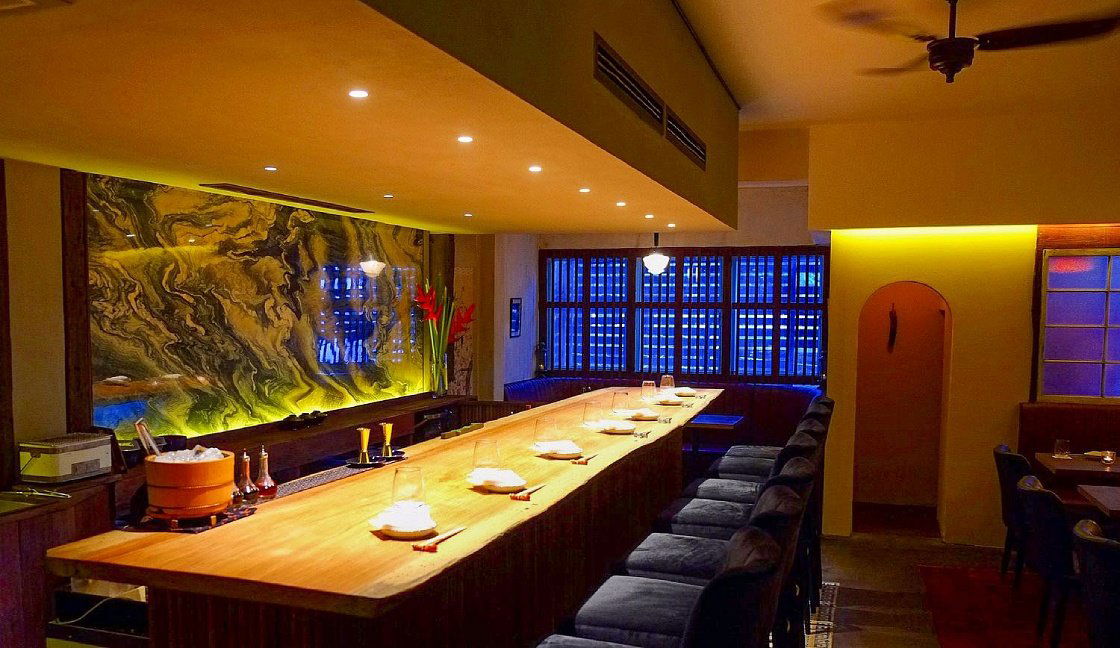
Nikaku originates from Kitakyushu, a city in northern Kyushu with a serious culinary tradition, and its Bangkok outpost sits on the ground floor of the W Bangkok on North Sathon Road. The hotel address might suggest a corporate dining room, but the counter itself tells a different story. Twelve seats arranged around a single chef workspace is the entire dining room. There is no background noise to manage, no large table dynamics to navigate, just the counter, the chef, and the sequence of courses arriving in front of you.
The format is omakase only. That means you are not choosing dishes from a menu; you are trusting the kitchen to determine what arrives based on what is good that day. For a celebration or a first-time omakase experience in Bangkok, this is actually a practical advantage: the decision-making is removed, and the focus shifts entirely to the meal. The chef walks each diner through the seafood, where it came from, what it is, how it was prepared, which makes this a more engaging experience than formats where plates simply appear. For a business dinner, this structure gives the conversation natural pauses and natural anchors.
The sourcing is one of the more distinctive aspects of the operation. Ingredients are delivered every two days, predominantly from Fukuoka, with fish and shellfish drawn from Japanese markets rather than local Bangkok suppliers. Fresh uni from Hokkaido appears on the menu. This is not a small operational commitment for a restaurant based in Bangkok, and it has a direct effect on quality: the fish on the counter at Nikaku is closer to what you would encounter at a sushi-ya in Japan than at most comparable Bangkok addresses. For a comparison point, Sushi Masato and Ginza Sushi Ichi also operate in this sourcing tier in Bangkok, if you are comparing omakase options, those are the relevant alternatives to evaluate alongside Nikaku.
A tea pairing option is available, which is worth noting for diners who prefer not to drink alcohol or want something beyond a standard beverage programme. This is a detail that often gets overlooked in omakase decisions but matters for certain guests and occasion types. The pairing is presented as a specific option rather than the default, so confirm availability when booking.
Among Bangkok sushi addresses, also consider In the Mood for Love, Sushi Ichizu, and Fillets when building a comparison set.
The price range is ฿฿฿฿, placing it at the top of the Bangkok restaurant market. At this price point, the relevant question is not whether Nikaku is expensive, it is, but whether the 12-seat counter format, the Japanese sourcing cadence, and the omakase structure justify the spend for your specific occasion. For a date or anniversary, they do. For a casual group dinner or a quick weeknight meal, they do not, and you should not book this room for those occasions.
For context on how the omakase format plays out across Asia, Harutaka in Tokyo and Sushi Shikon in Hong Kong operate in the same Edo-mae tradition and give you a useful benchmark for what this format delivers at different price points and locations. If you are exploring the broader Thailand dining scene, PRU in Phuket and Aquila in Chiang Mai are worth adding to your planning. See also AKKEE in Pak Kret, Anuwat in Phang Nga, and Ayutthayarom in Phra Nakhon Si Ayutthaya for regional options outside the capital.
For broader planning in the city, use our full Bangkok restaurants guide, our Bangkok hotels guide, our Bangkok bars guide, our Bangkok wineries guide, and our Bangkok experiences guide.
Know Before You Go
- Address: G Floor, W Bangkok, 106 N Sathon Rd, Si Lom, Bang Rak, Bangkok 10500
- Price range: ฿฿฿฿ (top tier Bangkok pricing)
- Format: Omakase only, counter seating
- Seats: 12 at the counter, no large tables, no walk-in flexibility
- Sourcing: Ingredients flown from Fukuoka every two days; uni from Hokkaido
- Awards: Michelin Plate 2024 and 2025
- Beverage option: Tea pairing available, confirm when booking
- Booking difficulty: Easy, but a 12-seat room can fill on weekends and for special dates; book ahead for anniversary or date nights
- Leading for: Celebrations, anniversaries, business dinners, omakase first-timers
- Not ideal for: Groups larger than the counter allows, casual weeknight dinners, diners who prefer à la carte
How It Compares
Planning details
- Location
- G Floor, W Bangkok, 106 N Sathon Rd, Si Lom, Bang Rak, Bangkok 10500, Thailand
- Reservations
- Book on TableCheck
- Website
- nikakubangkok.com
- Phone
- +66 80 732 2338
The take
The Take
The Vibe
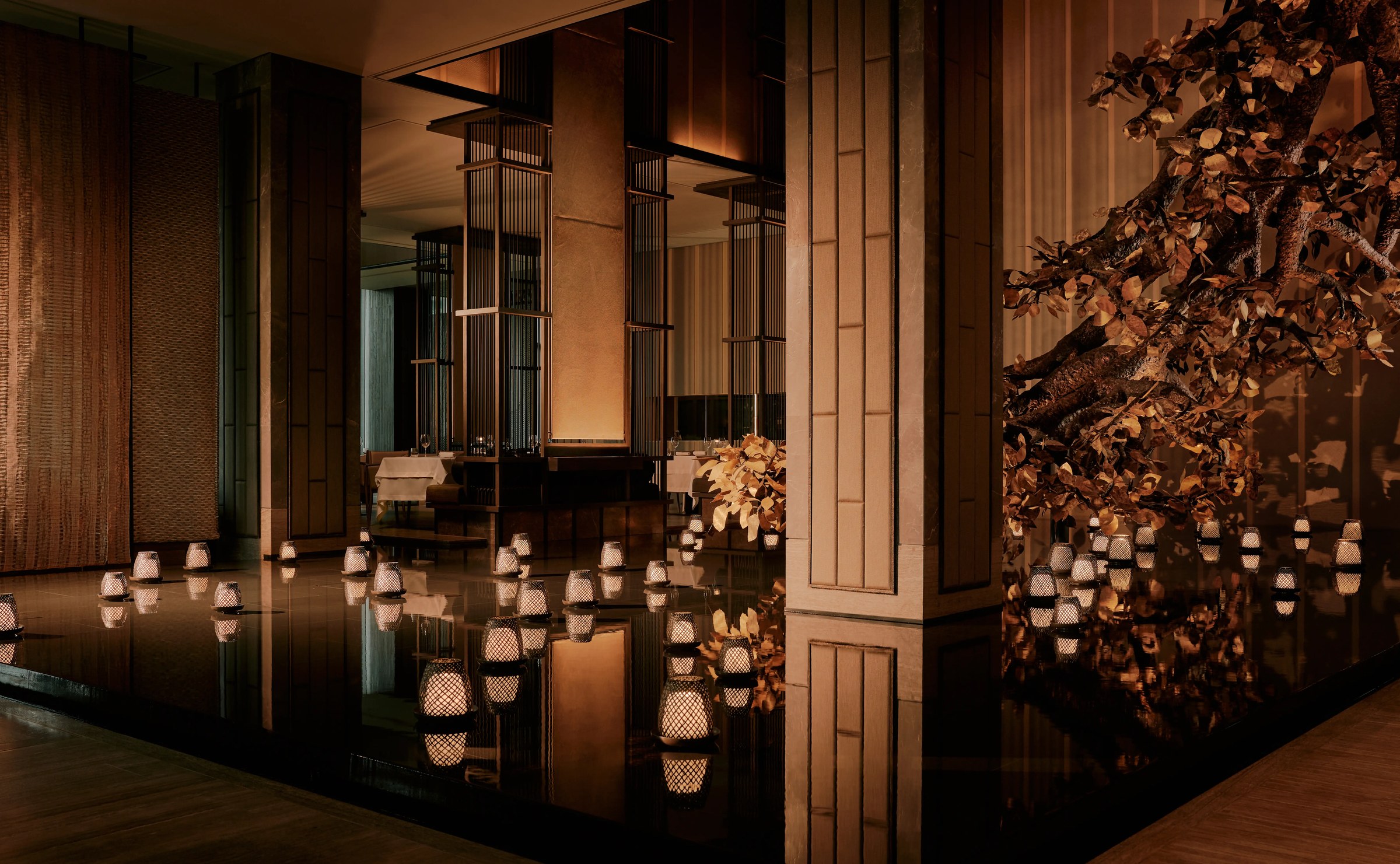
Nikaku presents a hushed, ritualistic counter experience that foregrounds discipline and restraint. Seating is strictly limited—a single twelve-seat counter—so the room reads as purposeful and calm, deliberately separated from the energetic Silom corridor just outside. The writing emphasizes Edo-mae tradition: pressing, curing, and seasoning rice-topped fish in a format that rewards attention to provenance and technique. The result is a classic, serene sushi counter that feels like a study in focus, where the architecture and service tempo intentionally mute the city’s noise and place the fish, rice, and craft at the center of the moment.
Best For
This is a venue for those seeking a concentrated, ceremonial sushi experience. The twelve-seat counter makes it naturally ideal for intimate date nights and special occasions where privacy and precision matter, and it also suits solo diners who want an uninterrupted view of technique and plating. Located on the ground floor of a city hotel, the counter appeals to guests who value provenance and disciplined craft over spectacle—diners come for the focused Edo-mae approach, the two-day Fukuoka supply chain, and the quiet, small-room ethos rather than a bustling or casual group outing.
Ordering Tips
Treat the counter as a guided tasting: let the chef lead and prioritize the showcase pieces. The menu emphasizes rice-topped fish prepared in Edo-mae style, and signature items to watch for include Shiro Amadai, O-toro, Bafun Uni, and Kogane Anago. The kitchen sources from Fukuoka on a two-day delivery cycle, so expect a pronounced focus on freshness and regional provenance—ordering the sequence the chef offers highlights the curing, pressing, and seasoning techniques that define the meal.
Venue details
Ambiance
Serene and refined atmosphere focused on the sushi counter experience with meticulous preparation.
Tags
Vibe
Best For
Experience
Sourcing
At the Table
- Dress Code
- Smart Casual
- Noise Level
- Quiet
- Service Style
- Omakase Bar
- Meal Pacing
- Extended Experience
- Capacity
- Intimate
- Kitchen
- Traditional
- Menu Format
- Omakase, Counter dining
Signature Dishes
- Shiro Amadai
- O-toro
- Bafun Uni
- Kogane Anago
Know before you go
Know Before You Go
- Getting there
- G Floor, W Bangkok, 106 N Sathon Rd, Si Lom, Bang Rak, Bangkok 10500, Thailand
Planning details
Location
G Floor, W Bangkok, 106 N Sathon Rd, Si Lom, Bang Rak, Bangkok 10500, Thailand · Directions
Recognition and awards
Also consider
Also Consider
- Sorn, Southern Thai, ฿฿฿฿
- Baan Tepa, Thai contemporary, ฿฿฿฿
- Gaa, Modern Indian, Indian, ฿฿฿฿
- Côte by Mauro Colagreco, Mediterranean, Modern Cuisine, ฿฿฿฿
- Sühring, German, ฿฿฿฿
Restaurant context
At ฿฿฿฿, Nikaku sits in the same price bracket as Bangkok's most ambitious restaurants, but it is solving a different problem than most of them. Sorn and Baan Tepa are the addresses to book if you want the best of Thai cuisine at the top tier, Sorn in particular carries two Michelin stars and is the harder reservation to secure. If your occasion calls for Thai food and you are spending at this level, those two outrank Nikaku on ambition and local relevance. Nikaku's advantage is specificity: it does one thing, Edo-mae omakase, with sourcing discipline that most Bangkok restaurants cannot match.
Sühring and Gaa operate at comparable price points and both carry Michelin recognition. Sühring is the choice if European cooking technique and a larger, more social dining room matter to your group. Gaa is worth considering for a more contemporary format with Indian culinary roots and a tasting menu that suits adventurous diners. Neither offers the counter-and-chef intimacy that Nikaku provides, which is the format's defining feature for a two-person celebration. Côte by Mauro Colagreco occupies a different register, Mediterranean, more relaxed in structure, and is better suited to a group dinner than an intimate occasion.
Within Bangkok's sushi category specifically, Nikaku competes with Sushi Masato and Ginza Sushi Ichi as the venues to evaluate side by side. The decision between them comes down to chef style and availability rather than a clear quality hierarchy. Book Nikaku if the Kitakyushu provenance and the Fukuoka sourcing cadence appeal to you, and you want a room that seats only 12.
Explore Bangkok
Around this place
Discover more on Pearl
Unlock the full Nikaku guide in Pearl, including awards, comparisons, FAQs, planning details, and nearby places.
Compare Nikaku
| Venue | Price | Awards |
|---|---|---|
| Nikaku | ฿฿฿฿ | 2026 Michelin Plate2025 Michelin Plate2024 Michelin Plate |
| Sorn | ฿฿฿฿ | 2026 OAD Top Restaurants in Asia Ranked · #12026 Asia's 50 Best Restaurants · #12Star Wine Lists 20262026 Black Pearl 1 Diamond2026 La Liste Top Restaurants2026 Michelin 3 Stars2025 OAD Top Restaurants in Asia Ranked · #12025 Asia's 50 Best Restaurants · #162025 World's 50 Best Restaurants · #17 |
| Baan Tepa | ฿฿฿฿ | 2026 OAD Top Restaurants in Asia Ranked · #262026 Asia's 50 Best Restaurants · #532026 Black Pearl 1 Diamond2026 Les Grandes Tables du Monde Members2026 La Liste Top Restaurants2026 Michelin 2 Stars2025 OAD Top Restaurants in Asia Ranked · #362025 Asia's 50 Best Restaurants · #44We're Smart World Top Restaurants 2025 |
| Gaa | ฿฿฿฿ | Star Wine Lists 2026 · #12026 OAD Top Restaurants in Asia Ranked · #832026 Asia's 50 Best Restaurants · #952026 Black Pearl 1 Diamond2026 Michelin 2 Stars2026 La Liste Top Restaurants2025 OAD Top Restaurants in Asia Ranked · #612025 Asia's 50 Best Restaurants · #65We're Smart World Top Restaurants 2025 |
| Côte by Mauro Colagreco | ฿฿฿฿ | 2026 OAD Top Restaurants in Asia Ranked · #642026 Asia's 50 Best Restaurants · #91Star Wine Lists 20262026 Michelin 2 Stars2026 La Liste Top Restaurants2025 Asia's 50 Best Restaurants · #752025 OAD Top Restaurants in Asia Ranked · #84World's Best Wine Lists 20252025 Michelin 2 Stars |
| Sühring | ฿฿฿฿ | Star Wine Lists 2026 · #12026 OAD Top Restaurants in Asia Ranked · #142026 Asia's 50 Best Restaurants · #182026 Black Pearl 2 Diamond2026 Relais Chateaux Restaurants2026 Wine Spectator Best of Award of Excellence2026 Les Grandes Tables du Monde Members2026 La Liste Top Restaurants2026 Michelin 3 Stars |












Comparing your options in Bangkok for this tier.
FAQ
Frequently Asked Questions
Is the tasting menu worth it at Nikaku?
At ฿฿฿฿ pricing, Nikaku delivers on the fundamentals that justify the spend: Edo-mae technique, a 12-seat counter with genuine chef interaction, and fish sourced primarily from Fukuoka on a two-day delivery cycle. The uni from Hokkaido alone signals a supply chain most Bangkok sushi restaurants can't match. If omakase counter dining is your format and you want Tokyo-level seriousness without the flight, yes — it's worth it. If you'd rather order à la carte, this is not the right room.
Does Nikaku handle dietary restrictions?
Omakase menus built around precise seafood sourcing leave limited room for substitution, and Nikaku's format is no different. Notify the restaurant at the time of booking — not on arrival — if you have allergies or hard restrictions. Shellfish is a core part of the menu, so serious shellfish allergies may make the counter a poor fit.
Can I eat at the bar at Nikaku?
The counter IS the dining room. Nikaku seats only 12 diners at a single counter, so there is no separate bar or table option — every seat faces the chef. That format is the point: it's what makes the chef's commentary and the live sushi progression work. Book accordingly, or skip if counter dining isn't your preference.
What should a first-timer know about Nikaku?
The restaurant originates from Kitakyushu and operates on strict omakase terms: 12 seats, counter only, with the chef explaining each piece of seafood as it's served. Ingredients arrive from Fukuoka every two days, so the menu shifts with availability. A tea pairing option is available if you'd rather skip alcohol. The venue sits on the ground floor of the W Bangkok on North Sathon Road, which makes it easy to locate but means the setting is hotel-adjacent rather than standalone.
What should I order at Nikaku?
You don't order at Nikaku — the omakase format means the chef decides the progression for you. That's the entire premise of the counter. The fresh uni from Hokkaido is a documented highlight, and the seafood sourcing from Fukuoka gives the menu a Kyushu character you won't find at most Bangkok sushi counters. Take the tea pairing if sake isn't your preference; it's offered as a deliberate alternative.