

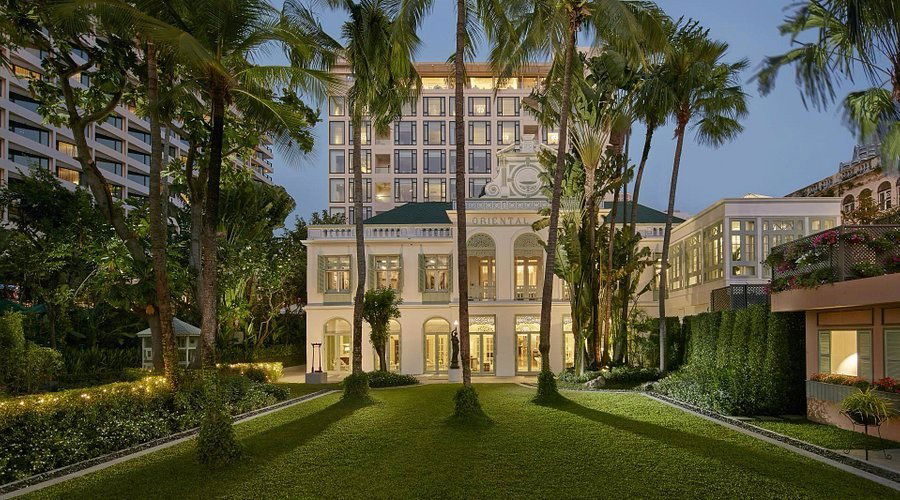








Mandarin Oriental Bangkok
Khanna Yao, Bangkok
Hotel in Bangkok, Thailand
 Book with Pearl
The Read
Century-Deep Riverside Authority
Price
$500–750per night
Why go
Choose Mandarin Oriental Bangkok if the point of the stay is heritage atmosphere, polished service confidence, and a Bang Rak base rather than simply a room between outings. Its Michelin 3 Keys, Forbes 5-Star recognition, and La Liste 99.5-point 2026 score support the splurge, but value depends on using the hotel’s public spaces and setting, not just sleeping there. Peak Bangkok dates need early planning.
About Mandarin Oriental Bangkok
For Bangkok’s luxury riverside hotel set in 2026, Mandarin Oriental Bangkok is the pick when the visual feel of the stay, formal, heritage-led, and far from generic tower energy, matters more than chasing the largest room. The value case is not a discount story; it is about choosing a hotel that can carry the stay itself, especially in the current hot, rain-prone season when interior time and easy in-house downtime matter. If the room is only a sleep base before long days out, the extra ceremony is harder to justify.
The appeal is atmosphere with utility. A heritage-led Bang Rak setting gives the stay a sense of place, while the formal hotel rhythm suits travelers who want slower mornings, meetings that do not feel transient, and afternoons when crossing town is not worth the traffic. That is the reason to choose it. Not every Bangkok trip needs this much hotel around the room; the choice makes sense when the property will be part of the plan.
Pay for atmosphere only if you will use the hotel
The stronger value argument comes from time spent on property. Bangkok rewards ambitious itineraries, but heat, rain, and traffic can turn public rooms, lounges, and sheltered arrivals into actual utility. Guests who use the riverside setting and formal hotel environment get a clearer return than travelers focused on square footage alone. For baht-per-square-metre thinking, newer suite-led hotels and less ceremonial city bases can make cleaner sense.
Design is the deciding factor because it shapes the pace of the stay. This is a good match for guests who need a polished setting around the room. It is weaker for travelers who plan to be out from breakfast until late and want maximum space for money. In that case, start with the Bangkok hotels guide, then build meals and evenings through the Bangkok restaurants guide and Bangkok bars guide.
Cross-shop river calm, skyline views, and newer-city convenience
The comparison is simple: choose this hotel when the stay should feel heritage-led and self-contained; choose a view-first tower or a newer city hotel when the room is the product. The nearby luxury alternatives can win on room size, skyline drama, or a less formal mood, but they do not make the same case for atmosphere as the reason to choose it. That difference matters for value-seekers, because the wrong luxury hotel is not a bad hotel; it is money spent on features that may not match the trip.
For a first Bangkok visit with one serious hotel stay, it is easy to recommend if the other riverside luxury options are within reach and the plan includes time at the property. For a fast work trip, late-night itinerary, or room-size-first stay, compare aggressively before committing. The right choice is the one where the design, location, and service setting will be used, not just admired on arrival.
Inside Mandarin Oriental Bangkok
 restaurantLe NormandieLe Normandie Bangkok reigns as Thailand's premier French fine dining destination, where two Michelin stars and over 60 years of culinary excellence converge atop the Mandarin Oriental. With breathtaking Chao Phraya River views and world-class chefs like incoming Anne-Sophie Pic, this ultra-premium restaurant delivers contemporary haute cuisine that has defined Bangkok's luxury dining scene since 1958.
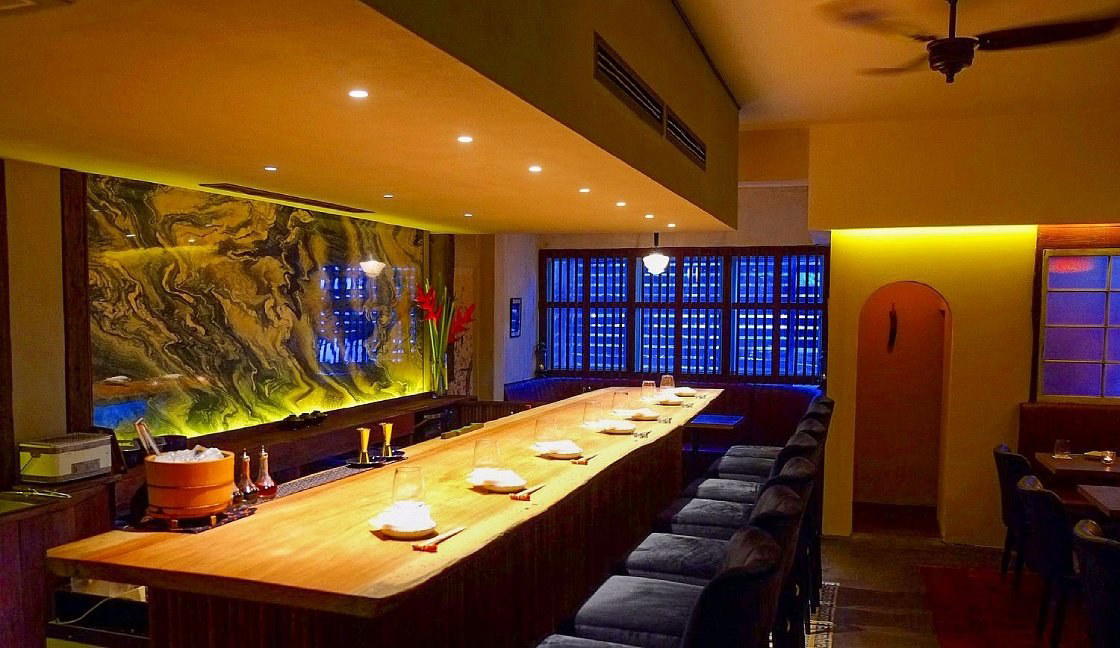
 restaurantKinu by TakagiKinu by Takagi translates Kyoto-style kaiseki into a Bangkok setting framed by teakwood crosshatch flooring and a curated mix of Japanese and northern Thai ceramics. Two consecutive Michelin Plates (2024, 2025) place it among the city's most considered Japanese dining rooms, where the meal closes with a matcha tea ceremony and premium sake anchors the beverage program.
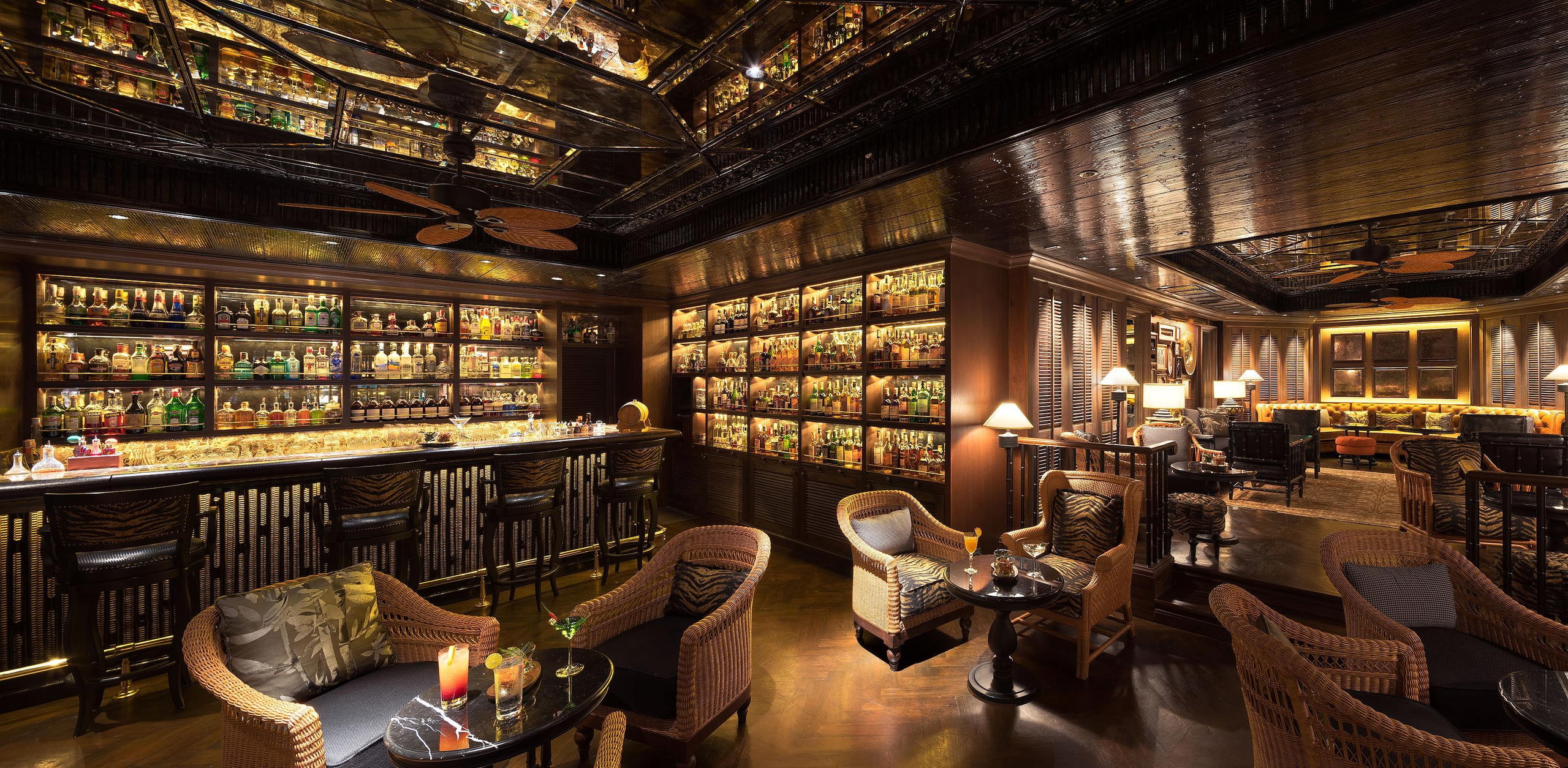 barThe Bamboo BarOperating from within the Mandarin Oriental Bangkok since 1953, The Bamboo Bar holds a position few hotel bars in Asia can match on longevity or awards consistency. Ranked #7 in Asia's Best Bars in 2020 and still listed in the Tatler Best Bars Asia-Pacific 2025, it has anchored Bangkok's live jazz and cocktail culture across seven decades while the city's bar scene has shifted dramatically around it.
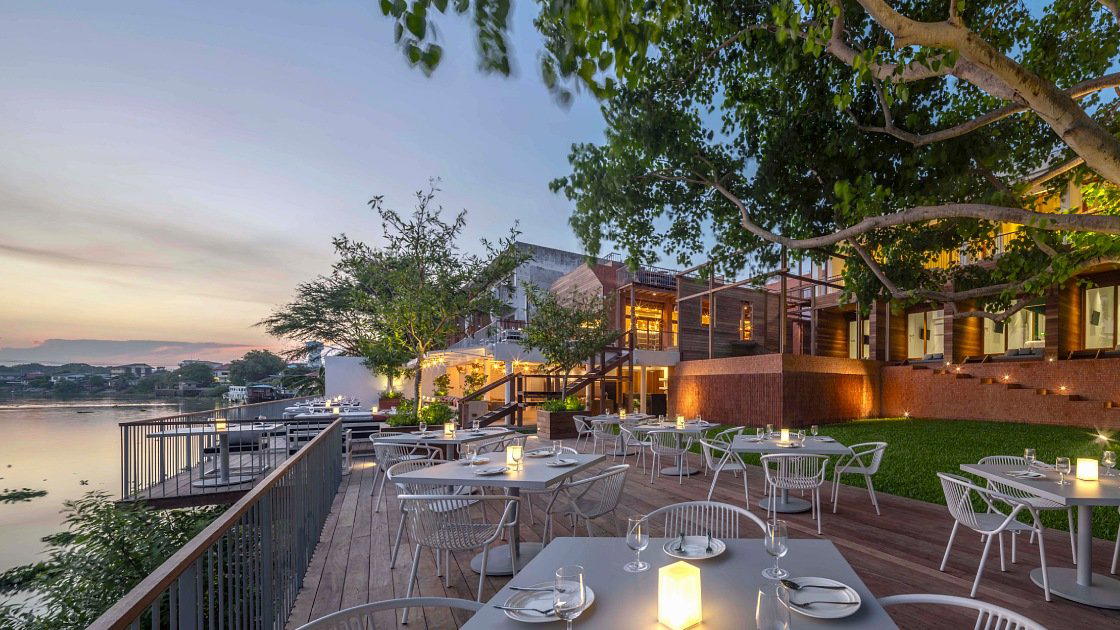 restaurantBaan PhrayaBaan Phraya sits on Oriental Avenue in Bangkok's Bang Rak district, holding a Michelin Plate in both 2024 and 2025 and a Google rating of 4.8. At ฿฿฿ pricing, it occupies a middle tier between street-level Thai and the city's ฿฿฿฿ fine-dining counters, offering Michelin-recognised cooking without the price of a tasting-menu evening.
Planning details
- Location
- 48 Oriental Ave, Khwaeng Bang Rak, Khet Bang Rak, Krung Thep Maha Nakhon 10500
- Website
- mandarinoriental.com/en/bangkok/chao-phraya-river?src=loc.yext.mobkk.ggl
- Phone
- +66 2 659 9000
The take
The Take
The Vibe
Mandarin Oriental Bangkok presents itself as a living piece of the city's history. The river approach and teakwood boat crossing are staged moments that frame the hotel's Victorian-era Authors' Wing and its lineage of literary and royal guests. Tropical planting, carved lanterns and open corridors underline a layered, heritage-rich personality rather than a fashion-forward reinvention. The property reads as a classic, scenic refuge on the Chao Phraya: one that foregrounds continuity and crafted details, where scale and provenance are the primary expressions of luxury.
Best For
This is a hotel for milestone stays and quietly high‑stakes travel: romantic getaways, anniversaries, celebratory escapes and business trips that benefit from discretion and gravitas. The riverside arrival sequence and private teakwood boats lend theatricality to special occasions, while the Authors' Wing and the property's diplomatic and cultural associations suit guests seeking pedigree and privacy. Guests looking for a scenic, heritage-rich base on the Chao Phraya will find Mandarin Oriental particularly well aligned with ceremonial or emotionally significant visits.
Stay Tips
Treat the river arrival as part of the experience: plan or request the teakwood boat transfer to savor the sequence that defines the property. If the Authors' Wing matters to you, request a room or a location in the original wing to be close to the hotel's historic core. Allow time between river transfers and other reservations: the hotel operates as a riverside estate with connected facilities such as the Oriental Spa and wellness centre, so coordinating transport and spa appointments in advance improves the overall stay.
Venue details
Ambiance
Elegant, classic, and residential, with Thai-influenced luxury, rich teak and silk detailing, and a grand riverside atmosphere.
Tags
Vibe
Best For
Experience
Amenities
View
Accessibility
About the Stay
- Rooms
- 393
- Check-in
- 15:00
- Check-out
- 12:00
- Property Type
- Heritage hotel
- Property Style
- Historic Luxury Riverside Hotel with Classic Thai Colonial Character
- Design Style
- Colonial Inspired Thai Luxury with Contemporary Touches, Teak, Marble, and Thai Silk Accents.
- Airport Transfer
- Available
- Pool
- Yes
- Spa
- Yes
- Families
- Welcome
- Cancellation
- Moderate
- Opened
- 1876
Know before you go
Know Before You Go
- Getting there
- 48 Oriental Ave, Khwaeng Bang Rak, Khet Bang Rak, Krung Thep Maha Nakhon 10500
Planning details
Location
48 Oriental Ave, Khwaeng Bang Rak, Khet Bang Rak, Krung Thep Maha Nakhon 10500 · Directions
mandarinoriental.com/en/bangkok/chao-phraya-river?src=loc.yext.mobkk.ggl
Recognition and awards





Also consider
Also Consider
- Shangri-La Hotel, Bangkok, Notable alternative
- Tower Club at lebua, Notable alternative
- Lebua at State Tower, Notable alternative
- The Peninsula Bangkok, Notable alternative
- Bangkok Marriott Hotel The Surawongse, Notable alternative
Hotel context
How it compares with Bangkok luxury hotels
Choose Mandarin Oriental Bangkok over Shangri-La Hotel, Bangkok when Michelin 3 Keys and Forbes 5-Star credentials help justify the premium; choose Shangri-La when the rate gap is large and river comfort matters more than a trophy-stay feel. Against The Peninsula Bangkok, the decision is closer: Peninsula is the cleaner cross-shop for a quieter river-focused stay, while Mandarin Oriental is the stronger call for a more formal, history-led hotel mood.
Tower Club at lebua and Lebua at State Tower make more sense if the trip is built around high-floor views and a busier night-out feel. They are less direct substitutes for heritage atmosphere, but they can win on spectacle if the room view matters more than public-space mood. Bangkok Marriott Hotel The Surawongse is the value cross-shop for travelers who want a polished city base without paying for a heritage address.
Booking difficulty is the practical divider. Treat Mandarin Oriental as the hardest option during peak Bangkok dates; if timing is fixed, check Peninsula and Shangri-La in parallel, then use Marriott Surawongse as the fallback that keeps standards high without chasing the same heritage premium.
Explore Bangkok
Around this place
Discover more on Pearl
Unlock the full Mandarin Oriental Bangkok guide in Pearl, including awards, comparisons, FAQs, planning details, and nearby places.
Compare Mandarin Oriental Bangkok
| Venue | Booking Difficulty | Awards |
|---|---|---|
| Mandarin Oriental Bangkok | Near Impossible | 2026 World’s 50 Best Hotels 1-50 · #102026 Travel + Leisure 100 Favorite Hotels in the World · #112026 Virtuoso Luxury Hotel Collection2026 Forbes 5-Star2026 La Liste Top Hotels2026 Michelin 3 Keys2025 World’s 50 Best Hotels · #72025 Travel + Leisure 100 Favorite Hotels in the World · #38Tatler Best Hotels Asia-Pacific 2025 |
| Shangri-La Hotel, Bangkok | Unknown | 2026 Forbes 4-Star2026 La Liste Top Hotels2025 Forbes 4-Star |
| Tower Club at lebua | Unknown | 2026 La Liste Top HotelsWorld Travel Awards 2025 · #12025 Michelin Selected Hotels |
| Lebua at State Tower | Unknown | No published awards |
| The Peninsula Bangkok | Unknown | No published awards |
| Bangkok Marriott Hotel The Surawongse | Unknown | 2026 La Liste Top Hotels |




What to weigh when choosing between Mandarin Oriental Bangkok and comparable nearby venues.
FAQ
Frequently Asked Questions
Which room category is best at Mandarin Oriental Bangkok?
Choose a river-facing room if the view matters, because the address at 48 Oriental Ave makes the riverside setting a core part of the stay. For a quieter, more practical trip, a standard room is easier to justify if you plan to spend most of the day out. The hotel’s Michelin 3 Keys status supports the higher-end room categories if you want the full heritage-hotel experience.
When is the best time to book Mandarin Oriental Bangkok?
Book early for peak travel periods in Bangkok, especially when the city is drawing leisure and long-stay demand. A heritage hotel with Michelin 3 Keys and Forbes 5-Star recognition tends to hold demand better than a standard city hotel, so last-minute room choice can be thin. If the riverfront setting matters, lock it in sooner rather than later.
Is Mandarin Oriental Bangkok family-friendly?
Yes, for families that want a polished hotel with a calm, self-contained base in Bangkok. The riverside address helps if you want to avoid constant cross-city movement with children, but this is still a luxury hotel rather than a resort-style family property. It makes more sense for families who value service and logistics over kids’ entertainment.
How is the location of Mandarin Oriental Bangkok?
The location is strong if you want Bangkok by the river, not a newer downtown tower. At 48 Oriental Ave in Bang Rak, it works well for a more classic city stay, but it is less convenient than a centrally packed business district hotel for all-day meetings. Choose it for atmosphere and riverside access, not for speed to every part of the city.
How does Mandarin Oriental Bangkok compare to nearby hotels?
It is the pick for a heritage-led riverside stay, while The Peninsula Bangkok and Shangri-La Hotel, Bangkok are the easier alternatives if you want a similar river setting. Tower Club at lebua and Lebua at State Tower lean more toward skyline-style city views, which suits a different mood. Bangkok Marriott Hotel The Surawongse is the more practical choice if you care more about newer-city convenience than classic riverfront character.
Is Mandarin Oriental Bangkok good for business travel?
Yes, if the trip needs a polished base and you are willing to trade some convenience for status and calm. The Forbes 5-Star rating and Michelin 3 Keys signal a high-service environment, but the Bang Rak riverfront location is less efficient than a hotel built around quick downtown access. It works better for executive trips with fewer cross-town meetings.