

Tabelog 100 - Tachinomi Bars in Japan, 2025
Tabelog 100 (Hyakumeiten) Tachinomi selection for 2025. Tabelog publishes these as source-ordered lists of 100 restaurants.

Venues on this list
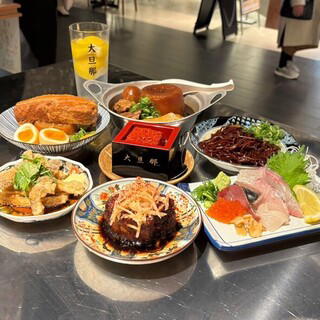
Oodanna KITTE oosaka ten
Osaka, Japan
A standing izakaya in KITTE Osaka's basement that earned a 2025 Tabelog 100 Tachinomi spot six months after opening. The fish-focused menu, curated sake list, and JPY 2,000–2,999 dinner budget draw office workers and walk-ins straight from Osaka Station. Come early or expect a wait.
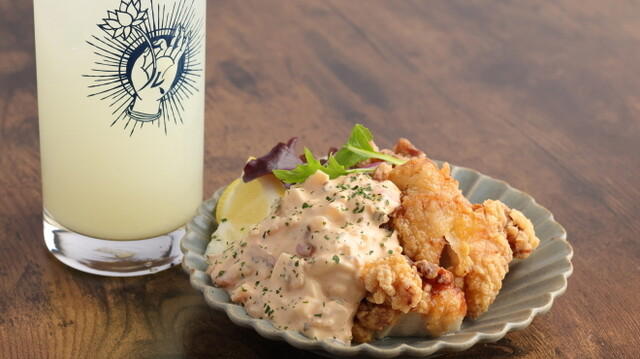
Stand Ruten
Osaka, Japan
Stand Ruten is a sixteen-seat standing bar in Osaka's Naniwacho district, recognized on Tabelog's 2025 Tachinomi 100 list for its shochu-focused drink program and genre-free small plates. The ground floor accepts walk-ins only, while an upstairs tatami room takes course reservations for up to eight guests. Most visits land between JPY 2,000–2,999, making it a practical drop-in option near Temma station.
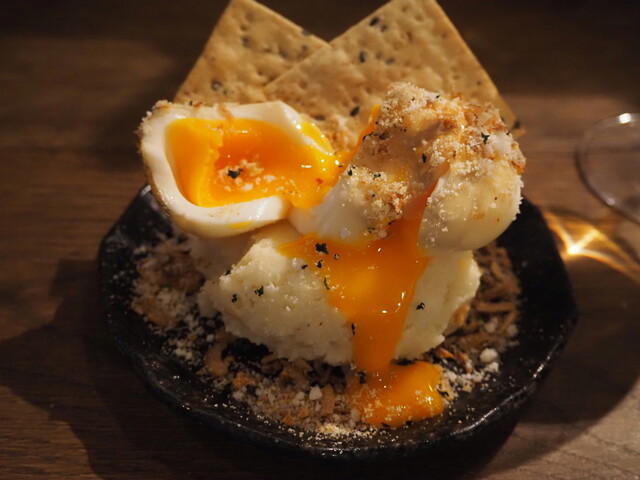
Oisi stand
Osaka, Japan
A Tabelog Tachinomi 100 stand-up bar in Ura-Namba blending creative Italian and Japanese small plates with sake, shochu, and wine. Daily-changing menu, forty seats, walk-in only. Best for solo diners and pairs seeking variety at JPY 2,000–3,999 per visit. Open afternoons on weekends, evenings on weekdays. Cash only.
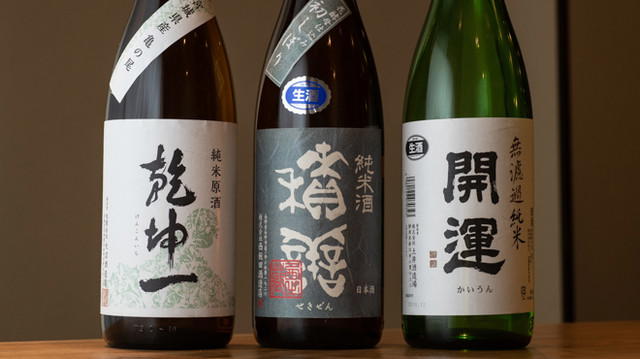
Sakazuki
Tokyo, Japan
A Tabelog 100 Tachinomi stand-up sake bar in Tsukishima pairing daily Toyosu seafood with 50+ regional sake selections. The omakase-only format before 9 PM and 10-seat counter keep the focus tight; expect to spend JPY 10,000–14,999 and arrive early for walk-in access. Best for solo sake enthusiasts and seasonal seafood hunters.
Washington Shokudo
Osaka, Japan
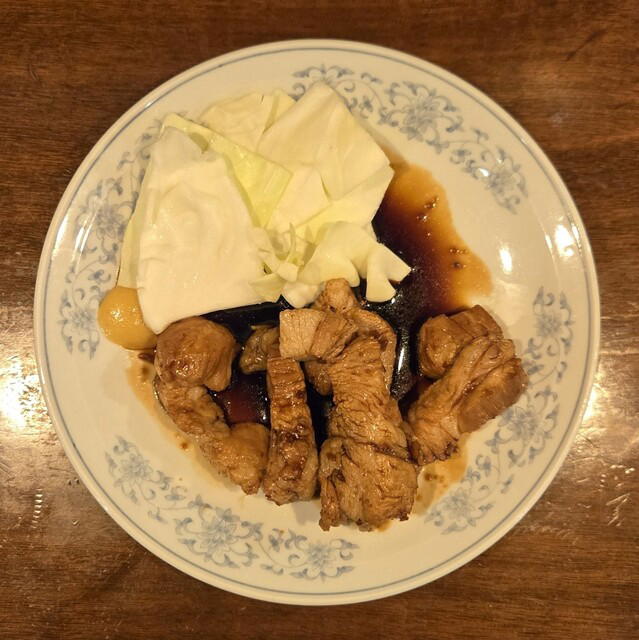
A cash-only stand-up bar 223 meters from Kyobashi Station, recognized in Tabelog 100 - Tachinomi 2025 within its first year. Most visits run under JPY 1,000, with no reservations and walk-in-only service. Best for solo travelers or pairs looking for a quick, local late-night stop without table service formality.
Tachinomi Sharp
Kyoto, Japan
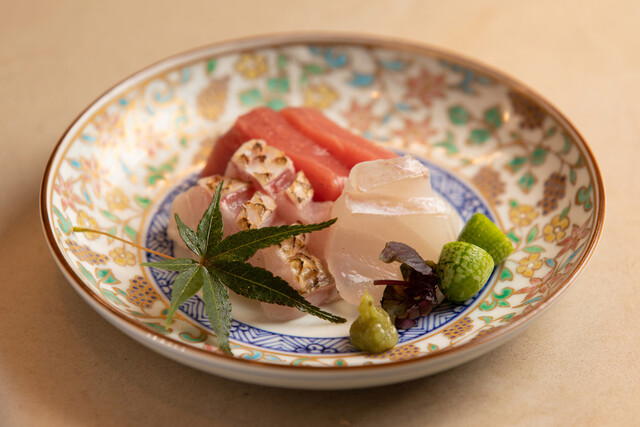
Standing seafood and sake bar one minute from Gion Shijo with an 11-seat counter and JPY 2,000–2,999 average spend. Tabelog 100 Best Tachinomi 2025 recognition confirms the quality-to-price ratio, making this a strong pick for solo diners and multi-visit strategies focused on seasonal fish and regional nihonshu.
Tachinomi Jack to Machilda
Fukushima, Japan
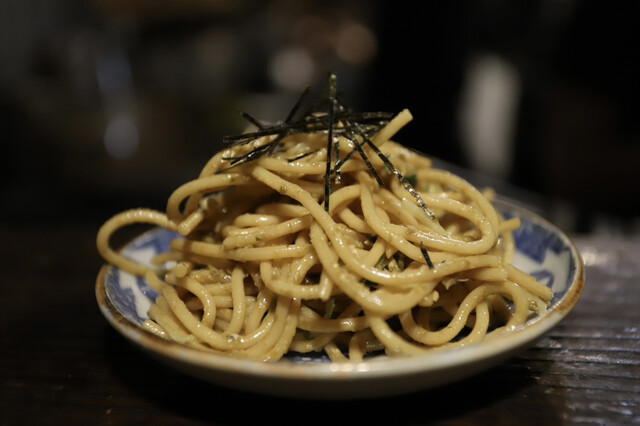
Stand-up bar in Osaka's Fukushima ward serving fresh seafood and sake until midnight, named to Tabelog's 2025 tachinomi 100 list. Walk-ins only, cash payments, and JPY 1,000–1,999 per visit make this a practical late-night stop for solo drinkers and quick gatherings. Counter and standing-table seating accommodate 32 total; expect to spend 45–75 minutes on your feet.
Hibi Shushu
Saitama, Japan
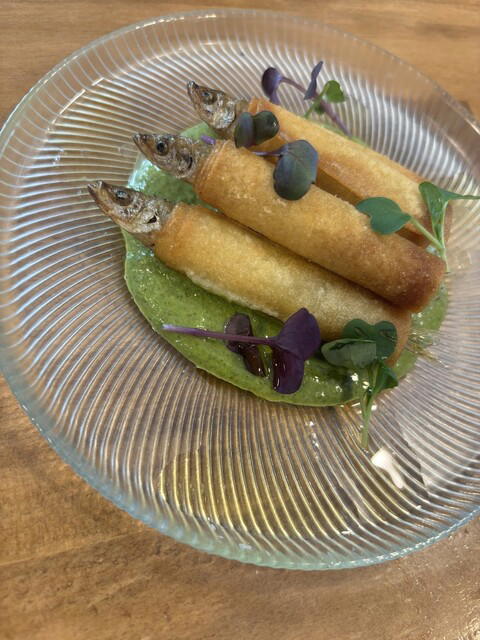
A semi-self-service tachinomi bar near Omiya Station, Hibi Shushu pairs a rotating sake fridge with fish-forward small plates at under JPY 4,000 per visit. The stand-up format and Tabelog 100 Tachinomi recognition make it a practical stop for efficient drinking, though the quick-turnover model favors solo patrons and regulars over first-timers seeking guidance.
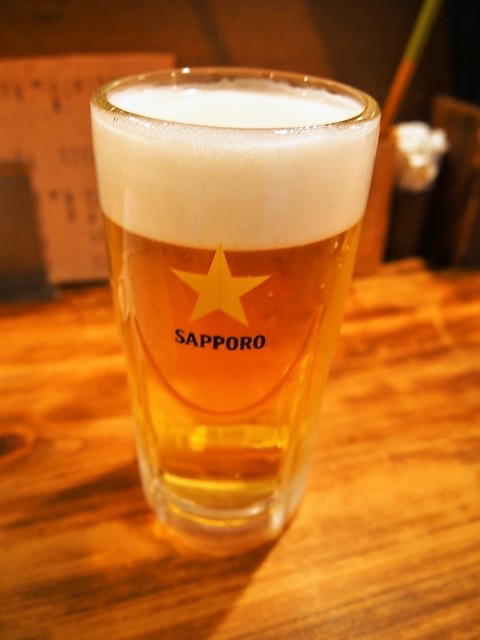
Ushi Tora
Osaka, Japan
A cash-only standing bar in Namba with no reservations, no soft drinks, and a five-person maximum; selected for Tabelog Tachinomi 100 in 2025. The 28-seat counter serves sake and shochu at JPY 1,000–JPY 1,999, with fast turnover and zero ceremony. Solo drinkers and pairs seeking efficient post-work sessions will find value; groups and celebration bookings should look elsewhere.
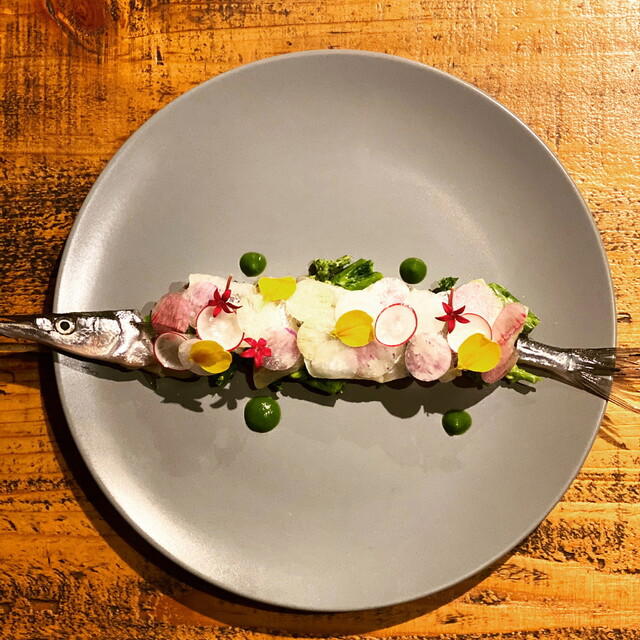
Fujiya Honten Nihonbashi hamacho
Tokyo, Japan
A three-floor wine bar in Nihonbashihamacho offering stand-up counter service, seated dining, and a private kotatsu room for groups. Recognized in Tabelog's 2025 Tachinomi 100, it delivers sommelier-selected wines and small plates at JPY 5,000–5,999 per head. Book the second or third floor for seated service; walk in to the ground-floor standing area for no-reservation access.
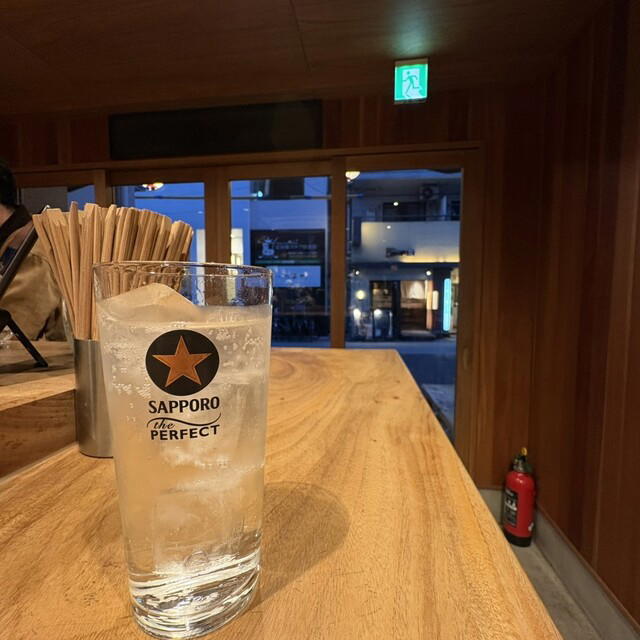
Hirokawa Tailor
Osaka, Japan
A Tabelog 100 tachinomi bar in Hiranomachi offering stand-up drinking at JPY 3,000–3,999 per visit. Walk-ins only, counter service, and efficient turnover make this a practical choice for quick, quality drinks near Higobashi Station. Open evenings Monday–Wednesday, Friday–Saturday; closed Thursday and Sunday.
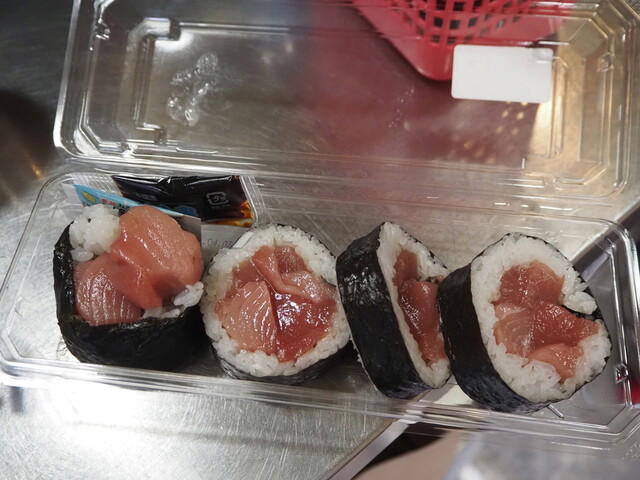
Maguro Donya
Osaka, Japan
A Tabelog 100 Tachinomi standing-bar near Teradacho Station, Maguro Donya serves tuna-focused sushi and sashimi; including rare cuts like eye and cheek meat; at JPY 1,000–1,999 per person. No reservations, no seats, and no restroom, but the sake-forward drink program and walk-in accessibility make it a practical midday stop for tuna specialists on a budget.
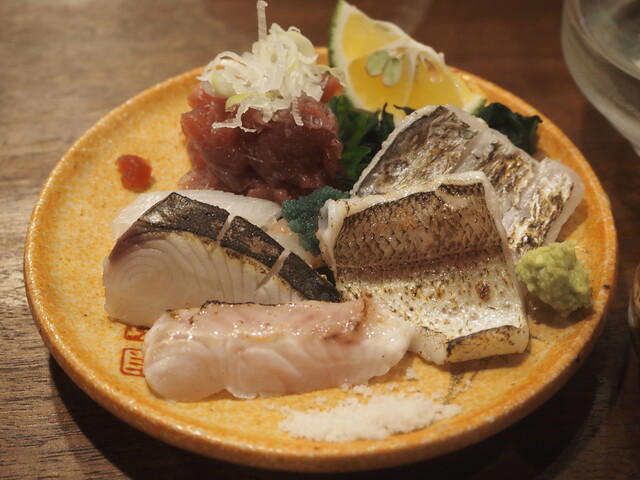
Fukushima Koufukuya
Osaka, Japan
A Tabelog 100 Tachinomi 2025 stand-up bar in Oyodonaka that operates at a higher technical level than most cash-and-go tachinomi, with 30 seats, a no-smoking policy, and JPY 2,000–2,999 pricing. Reservations available; weekday evenings and weekend afternoons fill fast. Better snack execution than the average stand-up format, with a private room upstairs for groups of six.
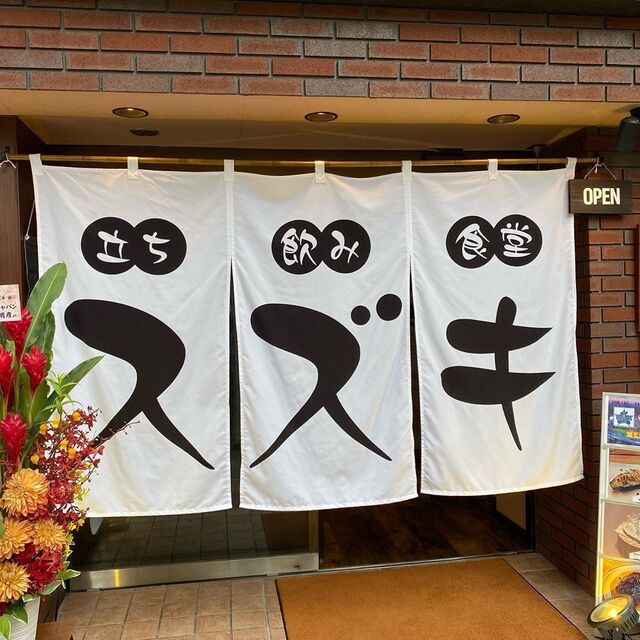
Tachinomi Shokudo Ultra Suzuki
Yokohama, Japan
A Tabelog Tachinomi 100 standing bar near Bashamichi Station offering yoshoku plates and 30-plus whiskeys at JPY 3,000–JPY 3,999 per head. The format suits quick post-work meals or pre-event drinks, with reservations accepted and private event space for up to 50. Smoking allowed (heat-not-burn only).
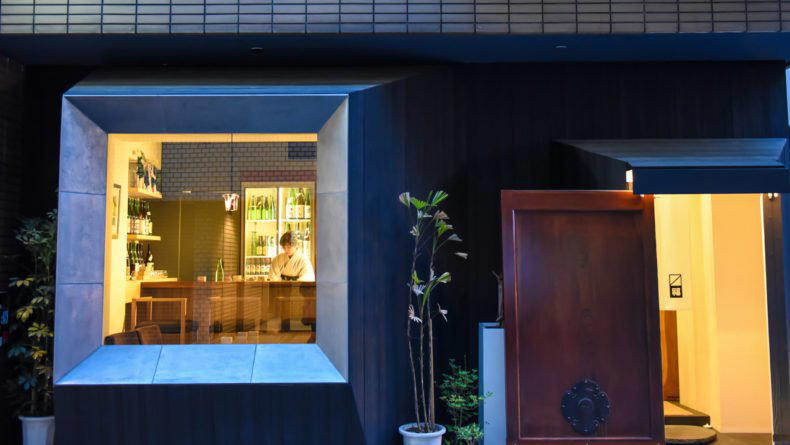
KANE MASU
Tokyo, Japan
Kane Masu is an OAD Casual Japan-ranked izakaya in Kachidoki, Tokyo, run by chef Shohei Yasuda and ranked in the top 100 three years running (most recently #85 in 2025). The Saturday lunch service; 11 am to 3 pm, the only midday window; is the strongest reason to plan around it. Booking is currently easy, but the OAD profile means that will not last.
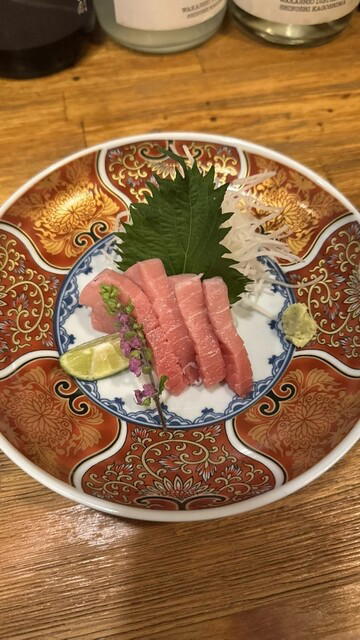
Tachinomi Dokoro Uo Sho Tenma
Osaka, Japan
A cash-only, walk-in-only seafood standing bar in Tenma that landed on the 2025 Tabelog 100 Tachinomi list. Expect ultra-fresh fish and shellfish at JPY 2,000–4,999 per visit, tight counter space, and a neighborhood crowd. No reservations, no seats, no frills; just daily-market catches and a straightforward drink list.
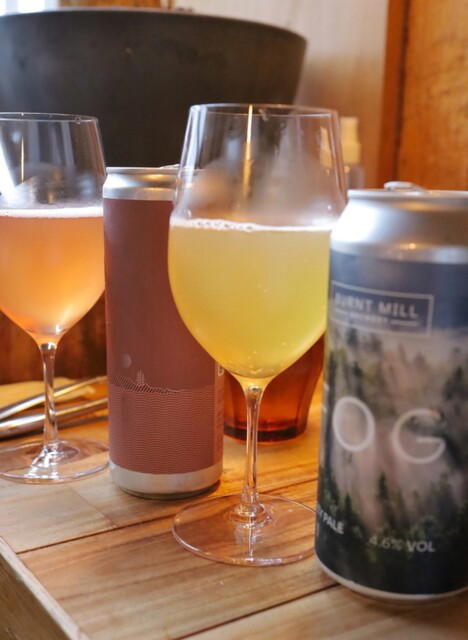
neo
Tokyo, Japan
Walk-in-only stand-up wine bar in Shibuya's Maruyamacho, selected for Tabelog 100 Tachinomi 2025. Neo pairs natural wines with Italian technique at JPY 5,000-5,999, no reservations accepted. The 20-person space fills fast after 7 PM; arrive at 3 PM opening or plan for a wait.
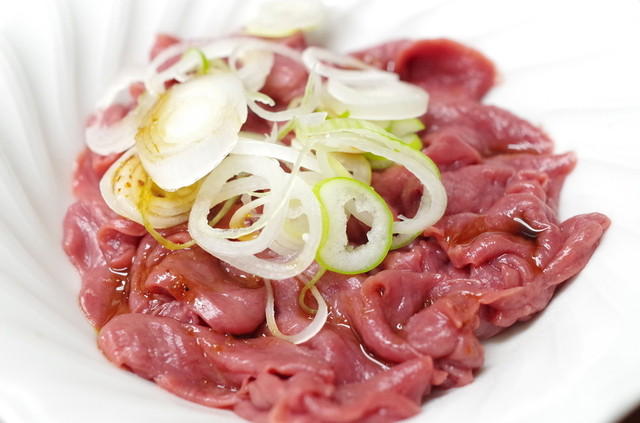
Nawa Noren
Tokyo, Japan
Ebisu stand-up bar serving charcoal-grilled tripe and regional sake, cash-only and walk-in format, JPY 3,000–JPY 3,999 per head. Tabelog Tachinomi 100 selection for 2025 confirms technical consistency in offal preparation, weekday evenings 5–9:30 PM, three minutes from Ebisu Station west exit. Skip if you need seating or weekend availability.
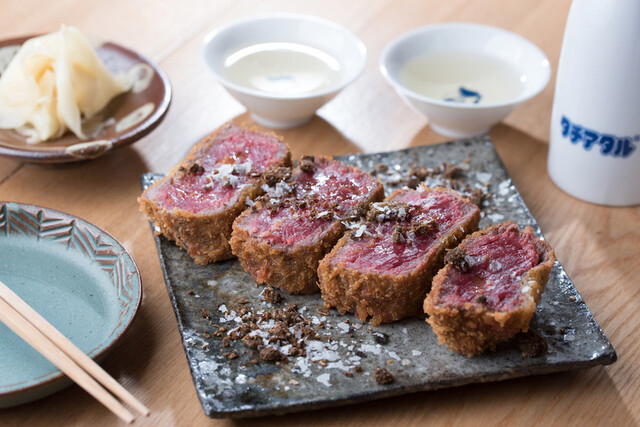
Tachiataru
Tokyo, Japan
A standing-only sake and natural wine bar in Kita Senju's drinking district, Tachiataru earns its Tabelog Tachinomi 100 spot with seasonal drink rotation and izakaya-style small plates. The 18-person counter fills fast on weekends, but weekday walk-ins move quickly. At JPY 2,000–2,999 per head, it sits between budget standing bars and full-service izakayas; book ahead for groups of three or more, or arrive solo by 7 PM.
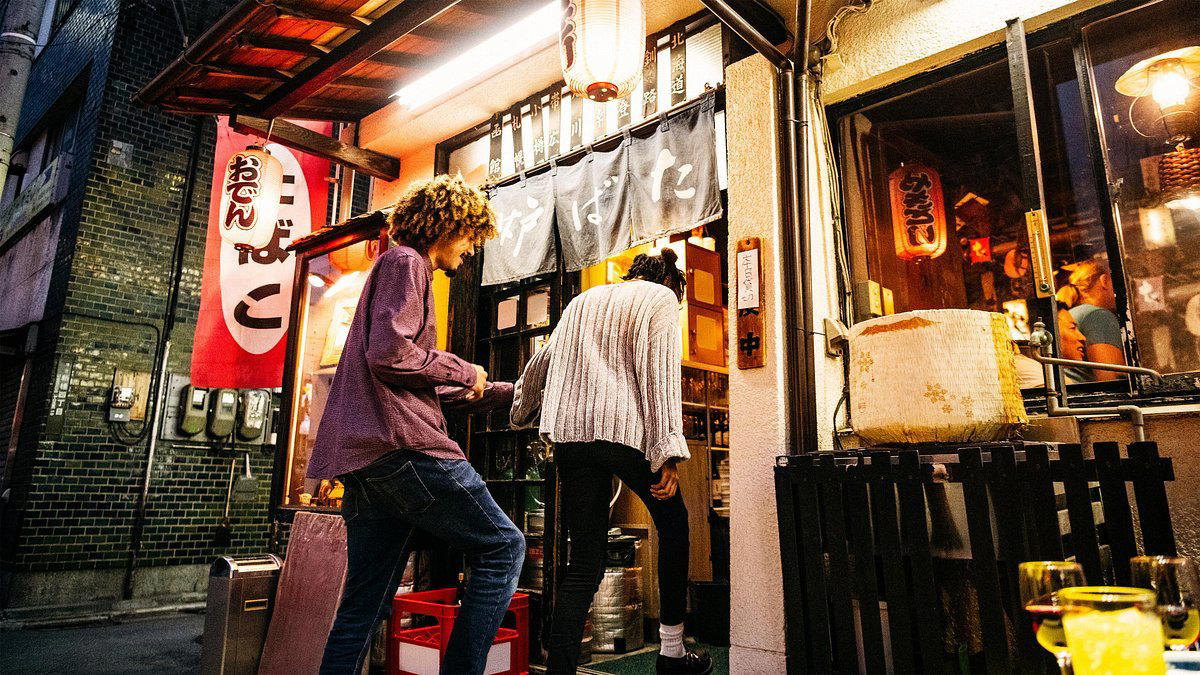
Uogashi Fukuchan 2 gou ten
Tokyo, Japan
Tabelog 100 tachinomi specialist one minute from Shibuya Station, serving market-fresh seafood at standing counters. Weekday evenings only, cash-only, no reservations. Dinner runs JPY 6,000–7,999; quality rivals seated izakaya but turnover is brisk. Arrive early or after 8:30 PM to avoid peak crowds.
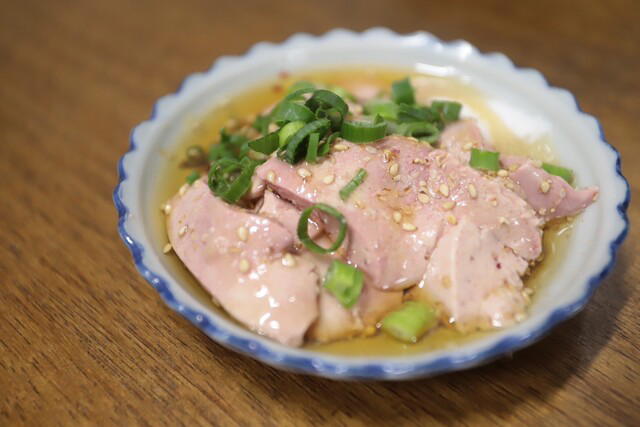
Tachinomi Dokoro Donbee
Akashi, Japan
A Tabelog 100-recognized stand-up bar in Akashi offering sake, shochu, and wine at JPY 2,000–2,999 per visit. The 20-seat counter draws locals and travelers for casual drinking sessions from 2:00 PM to 9:00 PM, with no reservations and cash-only payment keeping the experience straightforward.
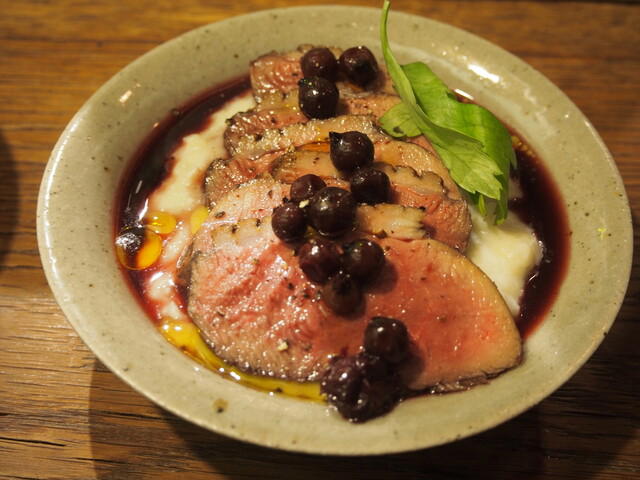
Stand Tsumamigui
Osaka, Japan
A Tabelog Tachinomi 100 stand-up bar in Namba delivering izakaya classics and curry at JPY 4,000 – JPY 4,999 per person for dinner. No reservations, cash only, and built for quick turnover rather than long evenings. Go for lunch (JPY 1,000 – JPY 1,999) if you want better value and shorter waits.
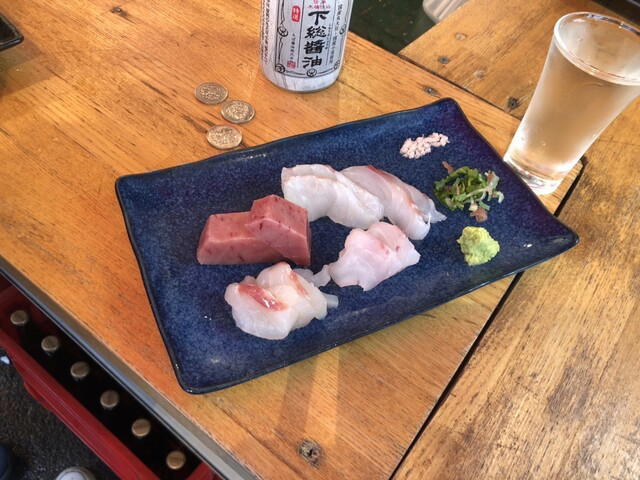
Uokusa
Tokyo, Japan
Tabelog 100 standing seafood bar in Ueno with no reservations, cash-only service, and market-fresh fish at JPY 3,000–3,999. The 10-seat counter fills fast, groups of three aren't allowed, and the 30-minute turnover suits solo diners and quick lunches better than leisurely meals or celebrations.
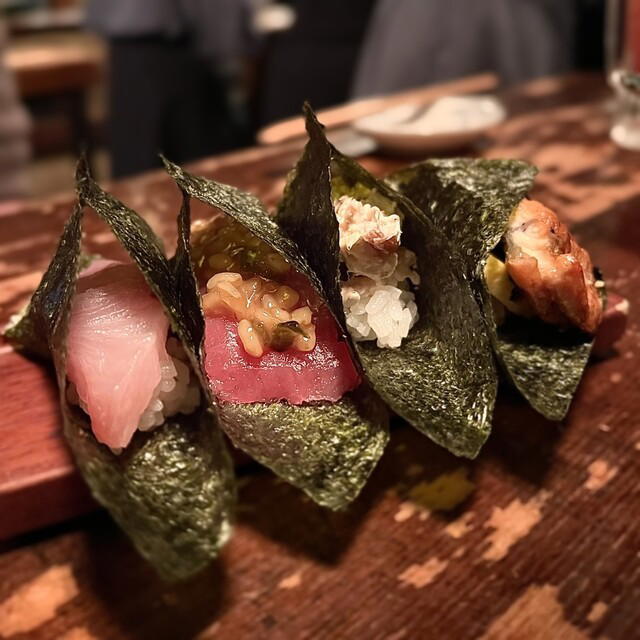
Stand Classic
Kobe, Japan
Stand Classic is a cash-only, standing-counter sake bar near Sannomiya Station, recognized on Tabelog's 2025 Tachinomi 100 list. At JPY 3,000–3,999, the nihonshu selection justifies the price for solo drinkers or pairs comfortable with the no-seat format, but the lack of reservations and limited public menu details make it a specialist choice rather than an all-purpose stop.
Takada Noageage
Osaka, Japan
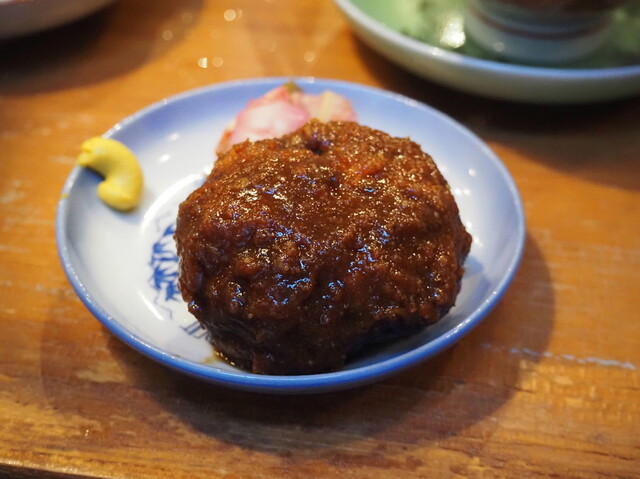
A 25-seat stand-up bar in Namba specializing in kushikatsu and deep-fried preparations, recognized on Tabelog's 2025 Tachinomi 100 list within a year of opening. No reservations accepted, cash-only operations, and a JPY 2,000–2,999 price point that delivers quality fried skewers in a fast-turnover format best suited for solo diners or quick pre-dinner stops.
Anello Stand
Osaka, Japan
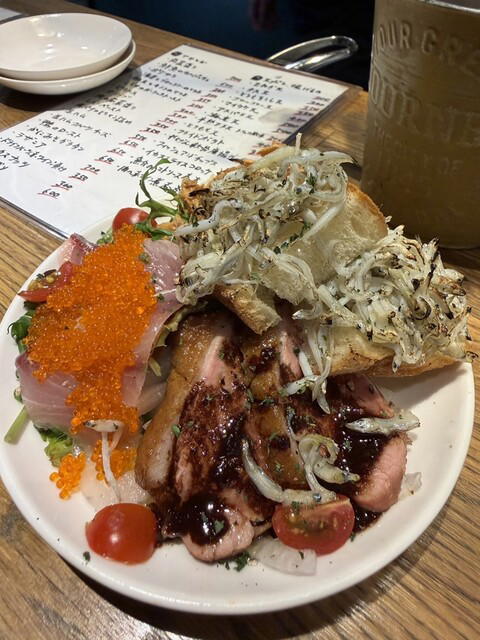
Tabelog-recognized stand-up bar in Tenjinbashi serving no-frills tachinomi fare at JPY 2,000–2,999. Walk-ins only, cash-only, and designed for quick visits rather than lingering; best for budget-conscious diners who prioritize access and speed over seated comfort. The format is efficient but transactional, and the neighborhood skews local, so basic Japanese helps.
Soraya
Hiroshima, Japan
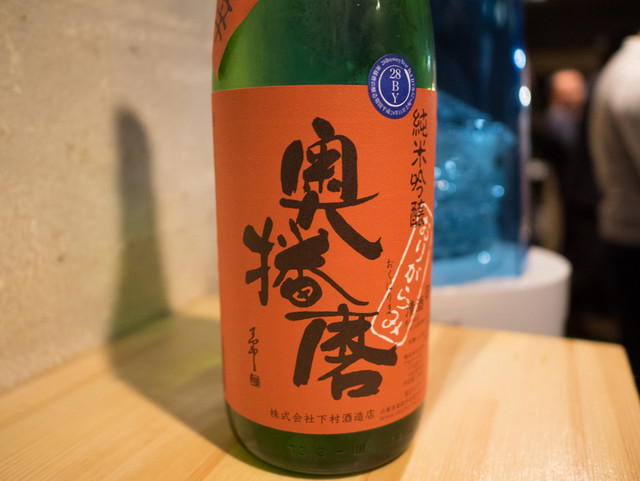
Stand-up seafood counter in Hatchobori delivering Tabelog 100-recognized quality at JPY 2,000-2,999; roughly a quarter the price of seated competitors. Walk-in only, counter-only, smoking allowed. Best for solo diners or small groups comfortable with the tachinomi format and short visits.
Jo Kigen
Tokyo, Japan
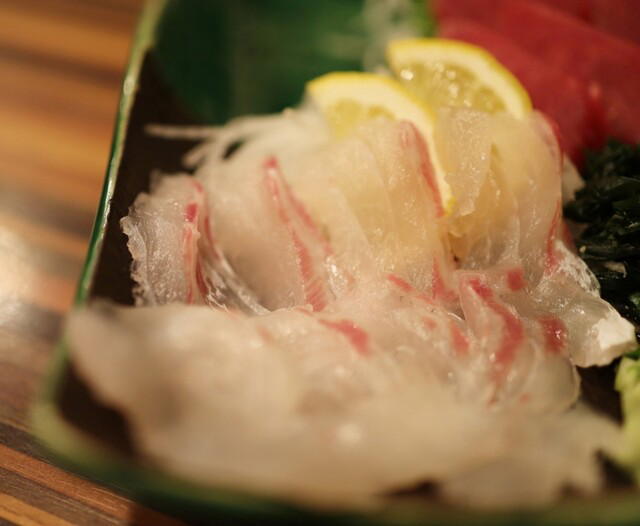
A 14-seat standing bar in Shinbashi recognized on Tabelog 100 for sake depth and seafood precision at under JPY 3,000 per head. No reservations, no groups of three or more, and cash-only payments; but the sake selection and fish quality justify the logistical friction for regulars who arrive before the 6:30 PM rush.
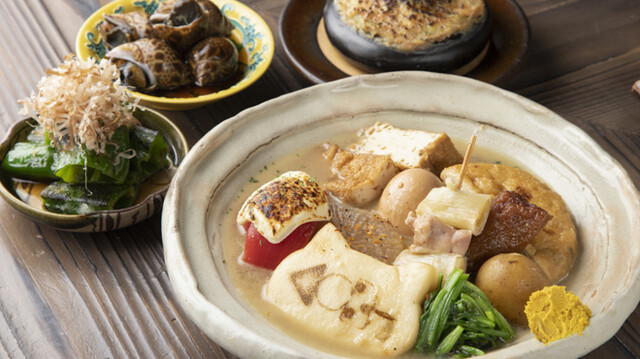
3TOKU6MI Shijo karasuma ten
Kyoto, Japan
A 24-seat standing izakaya in a renovated Shimogyo machiya, recognized in Tabelog's 2025 Tachinomi 100 for fish-forward plates and curated sake at JPY 3,000–JPY 3,999. Book for the sake program and casual energy; skip if you need seating or card payments.
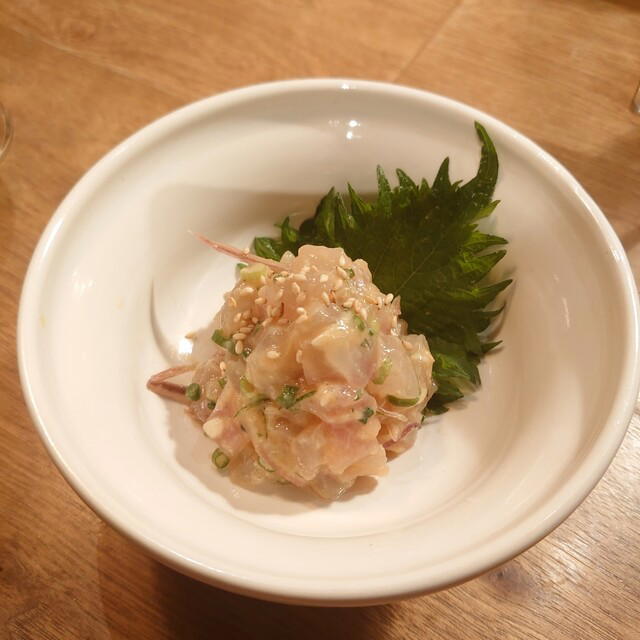
yacipoci
Osaka, Japan
This Tabelog Tachinomi 100 selection (#31, 2025) delivers stand-up izakaya drinking in Osaka's Hiranomachi district at JPY 2,000-2,999 per head. No reservations, cash only, 12 seats (counter and five two-tops). Peak hours fill fast Tuesday-Saturday evenings; expect a local crowd and brisk turnover in a no-frills format that trades seated comfort for quick, informal drinking and small plates near Kitahama Station.
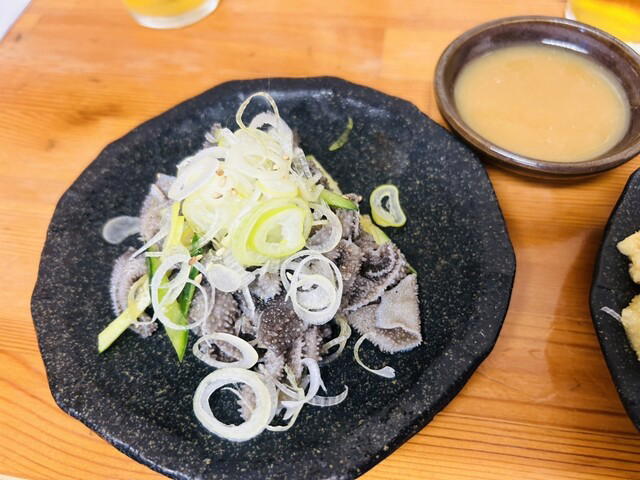
Tsurumigawa Bashi Motsu Niku Ten
Yokohama, Japan
A Tabelog Tachinomi 100 stand-up bar serving grilled tripe and motsu at JPY 2,000–2,999 per person. Walk-in only, cash only, and built for quick drinking sessions near Tsurumi Station. Best for offal enthusiasts and those seeking neighborhood drinking culture over polished service.
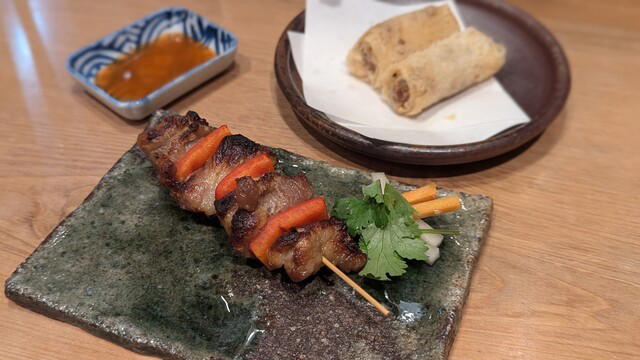
Tsukiji Nagaya 6-7-7
Tokyo, Japan
A 13-seat standing bar in Tsukiji specializing in fugu small plates and curated sake. No reservations, brisk turnover, and prices around ¥3,000–¥4,000 make it an accessible entry to pufferfish dining. Walk-ins only; expect queues on weekday evenings. Worth it for solo diners or pairs seeking a quick, focused tasting.
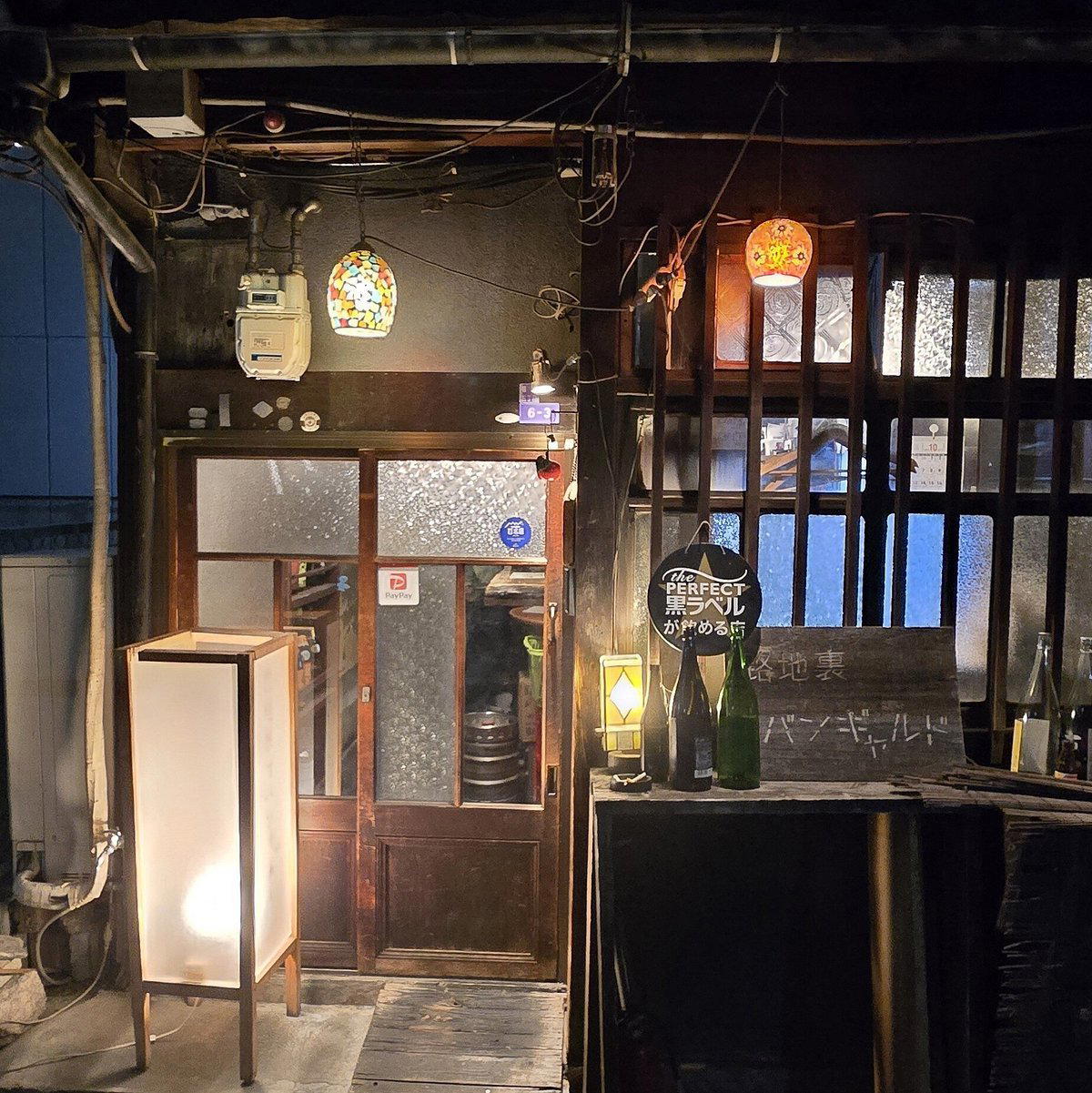
Rojiura Avant-garde
Fukushima, Japan
Tabelog 100 Tachinomi–listed standing bar in Fukushima specializing in oden and regional sake, two minutes from the station. Walk-in only at the ground-floor counter (JPY 1,000–1,999 per head), with quick turnover and no booking hassle. The second-floor tatami room takes private-party reservations; solo diners and couples should stick to the counter for the full standing-bar experience.
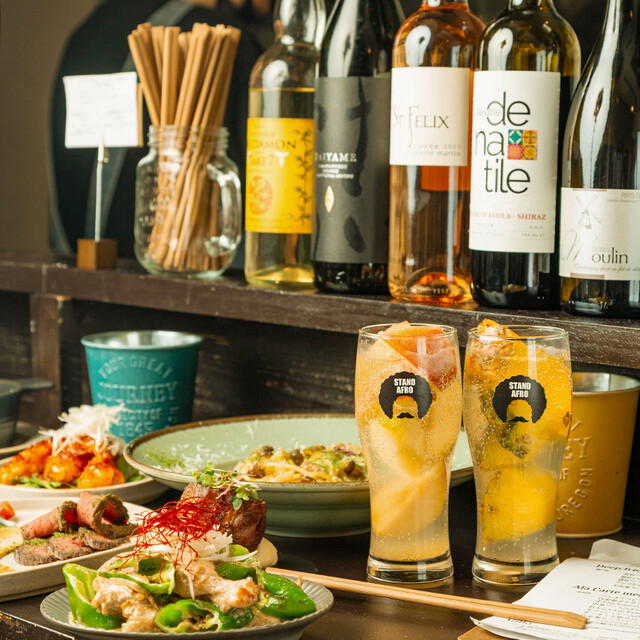
STAND AFRO
Osaka, Japan
A Tabelog 100 Tachinomi selection in Sakaisuji Honmachi, STAND AFRO offers creative small plates and a full drinks menu for under JPY 3,000 in a 15-seat standing format. No reservations, open until 2 AM most nights, and a 30-second walk from the metro; this is award-recognized dining without the advance planning or the dress code.
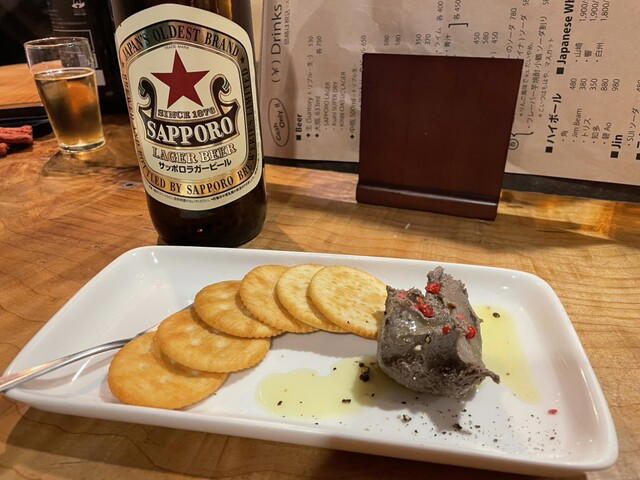
Bar Gaudi
Kyoto, Japan
Book Bar Gaudi as an affordable Kyoto evening stop, especially if the plan is already centered on Shimogyo or Shijo-Karasuma. The JPY 1,000 - JPY 1,999 range and Tabelog 100 #36 recognition make it a strong low-risk add-on, better for solo guests or pairs than large groups.
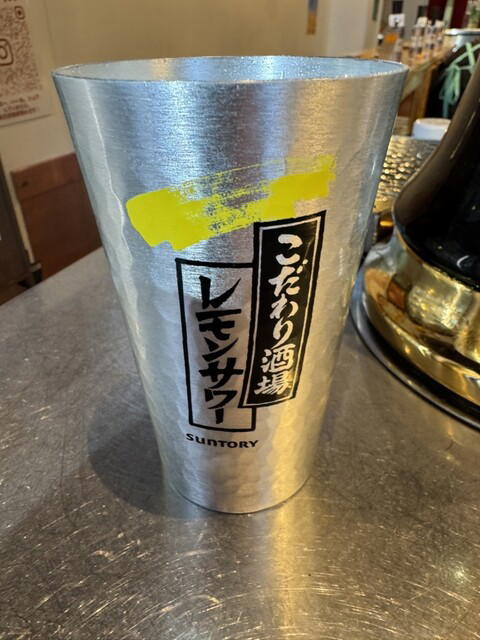
Mitsuya Stand
Kurume, Japan
Stand-up bar in Kurume that earned a spot on Tabelog's 2025 Tachinomi 100 list within months of opening. Offers JPY 1,000–1,999 dining without reservations, favoring solo diners and pairs over groups. Better suited for spontaneous stops than scheduled meals.
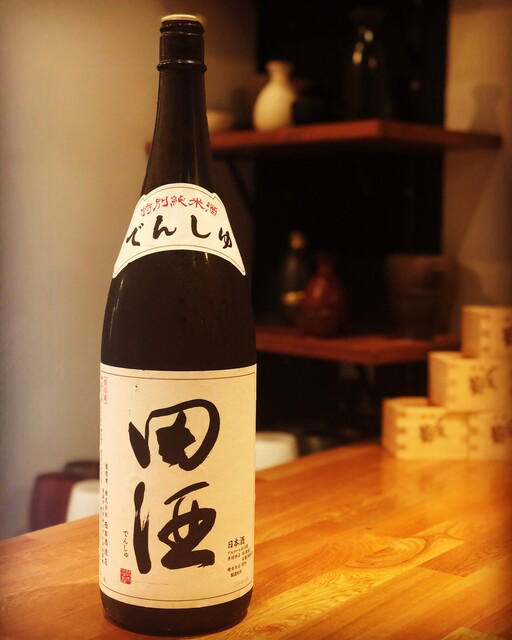
sake stand Ponshu Mania
Osaka, Japan
A Tabelog 100 Tachinomi standing bar in Minamisenba where JPY 2,000–2,999 buys sake flights and seafood small plates at a 15-seat counter. Half-price sake from 5–6:30 PM makes early visits the value play. Solo-friendly, walk-ins feasible most nights, though weekend evenings fill quickly.
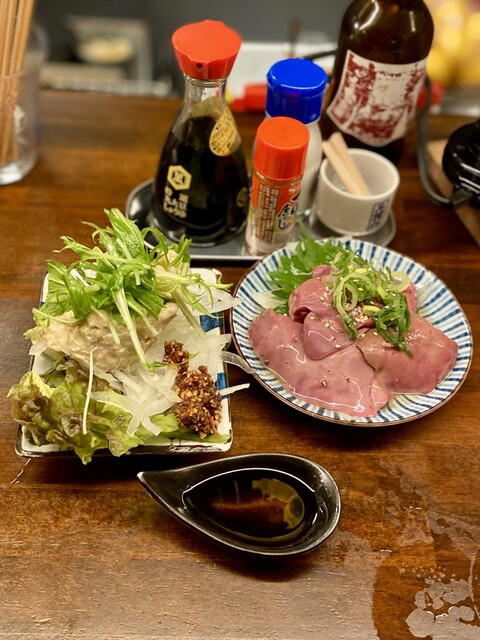
Nomiba Umeda Umeda
Osaka, Japan
A standing-only sake and shochu bar three minutes from Hankyu Juso Station, selected for Tabelog's 2025 Tachinomi 100. At JPY 2,000–2,999, the format favors solo diners and regulars who want to sample regional Japanese spirits without committing to a seated meal. Walk-ins only; arrive before 7 PM on weekends to claim counter space.
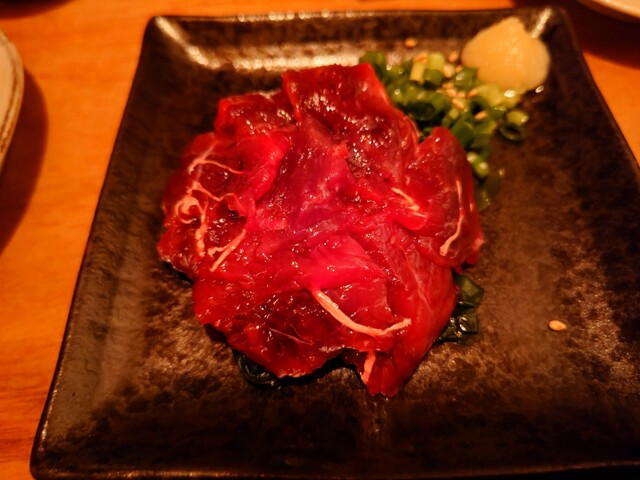
Tachinomi Asakusa Sharemon
Tokyo, Japan
A Tabelog 100 – Tachinomi 2025 standing bar near Tawaramachi Station, focused on sake pairings and daily fish plates at JPY 3,000–3,999. The 20-seat counter format suits solo drinkers and quick after-work stops; reservations accepted. Open Tuesday–Saturday 4 PM–midnight, Sundays 2–10 PM.
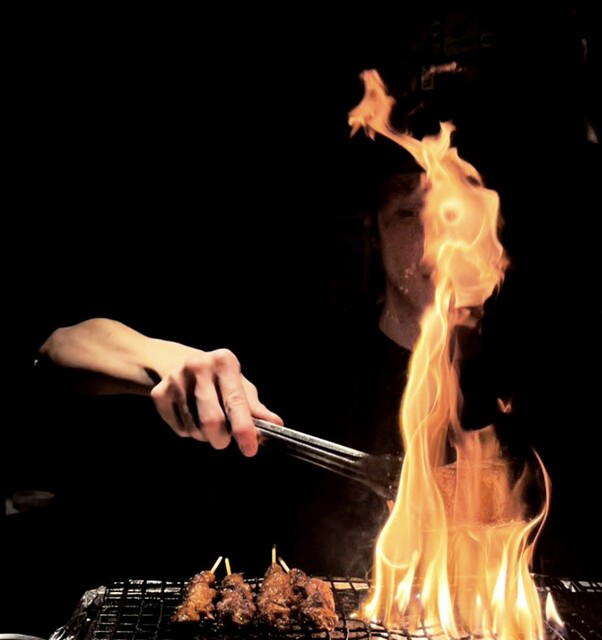
Kuro Hitsuji Youniku Kushiten BLACK SHEEP
Osaka, Japan
Charcoal-grilled lamb skewers with Chinese spice profiles and natural wine in a 12-seat stand-up bar near Temma Station. Recognized on Tabelog's 2025 Tachinomi 100 list for technical precision at JPY 3,000-3,999 per head; worth booking for casual weeknight meals, less ideal for quiet conversation or long dinners.
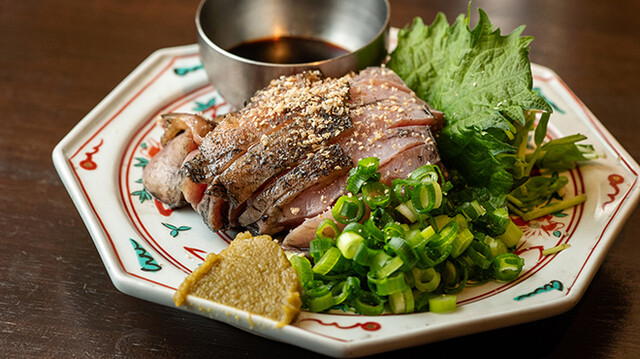
Taisho Salon Hige to Boin
Osaka, Japan
A Tabelog 100 Best Tachinomi standing bar near Taisho Station serving daily fish plates and creative obanzai at JPY 2,000–2,999, with a six-hour all-you-can-drink option and a retro-salon vibe. The first floor holds a 25-seat standing counter; the second floor offers limited table seating. Strong value for casual drinking with fish-focused quality, though no English menu or website complicates first-timer logistics.
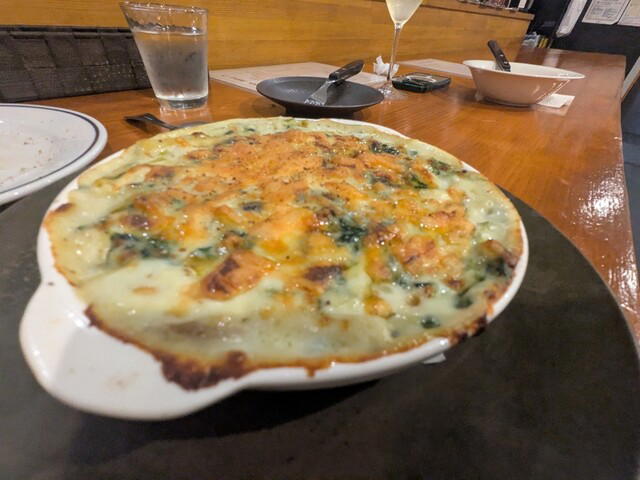
Wine Shop Okukagurazaka Shoten
Tokyo, Japan
Tabelog 100 - Tachinomi 2025 standing wine bar in Kagurazaka offering natural and biodynamic labels at JPY 3,000-3,999. Walk-in only, counter-and-standing layout favors solo visitors and early arrivals. Better value than seated bistros nearby if you prioritize wine selection over comfort.
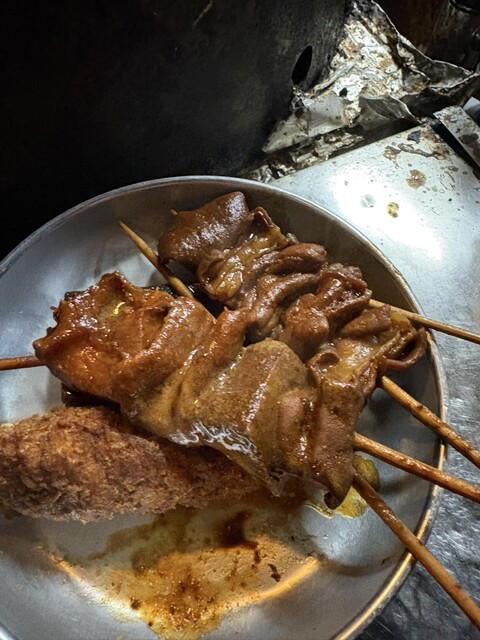
Dote no Shinagawa
Osaka, Japan
Tabelog 100 tachinomi in Nagoya's Mizuho ward offering kushiyaki and kushi-age at JPY 1,000–1,999. The 20-seat setup splits between a standing counter and tatami room, with easy booking, sake-focused drinks, and a neighbourhood feel that skips tourist crowds. Cash only, closed Sundays, and a 10-minute walk from Horita Station.
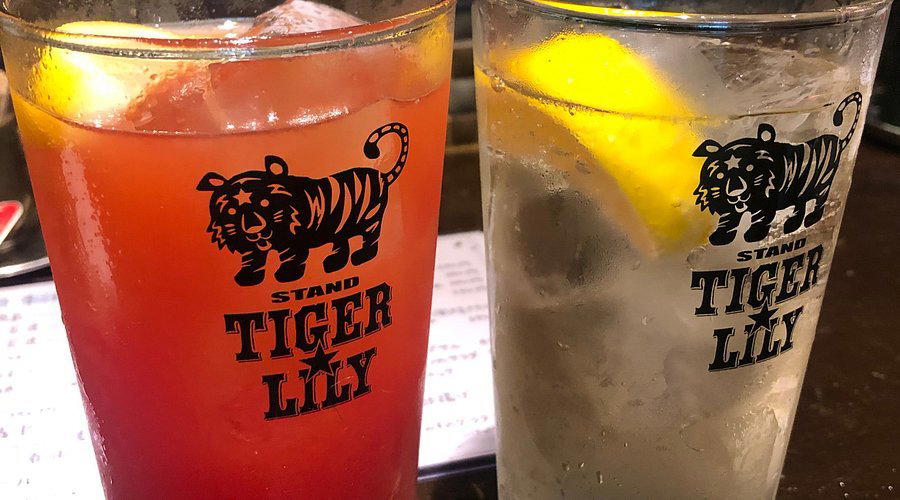
Stand Tiger Lily
Osaka, Japan
Stand Tiger Lily is a walk-in standing bar in Higashi Umeda serving teppanyaki plates and wine at JPY 2,000–2,999 per head. Recognized on Tabelog's 2025 Tachinomi 100 list, the bar seats 47 across counter and tables and rotates seasonal dishes frequently. Open 3 PM to 11:30 PM daily with no reservations accepted.
Yokobori
Osaka, Japan
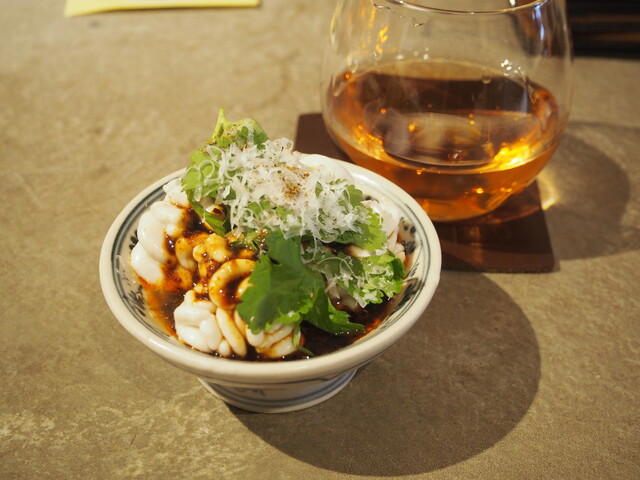
A cash-only stand-up bar in Kitahama serving Chinese-influenced drinking snacks at JPY 2,000 to JPY 3,999 per head. No reservations; counter space is first-come, first-served. Tabelog 100 tachinomi recognition for 2025 draws office crowds between 6 PM and 8 PM; arrive early or try Sunday afternoon for easier access.
Aaaa
Osaka, Japan
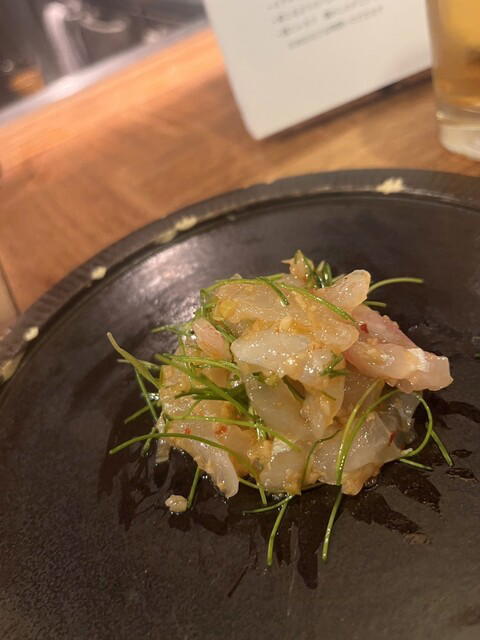
A no-reservations stand-up bar in Namba specializing in natural wine and regional shochu, recognized in Tabelog 100; Tachinomi 2025. The counter-only format suits solo drinkers and wine enthusiasts looking for a curated glass without table service. At JPY 3,000–3,999, it sits above casual izakaya but below seated wine bars in both price and curation.
Taishu Sakaba Souya
Tokyo, Japan
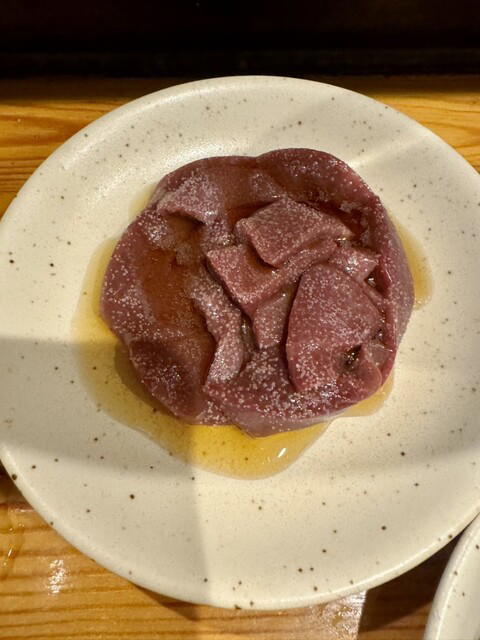
Tabelog 100-listed standing bar in Shiba pouring premium sake and shochu at JPY 3,000–3,999. No reservations, no seating, and a 5:00 PM–8:00 PM window keep turnover brisk. Cash-only, solo-friendly, and worth the early arrival if beverage quality matters more than comfort.
Stand Hero
Tokyo, Japan
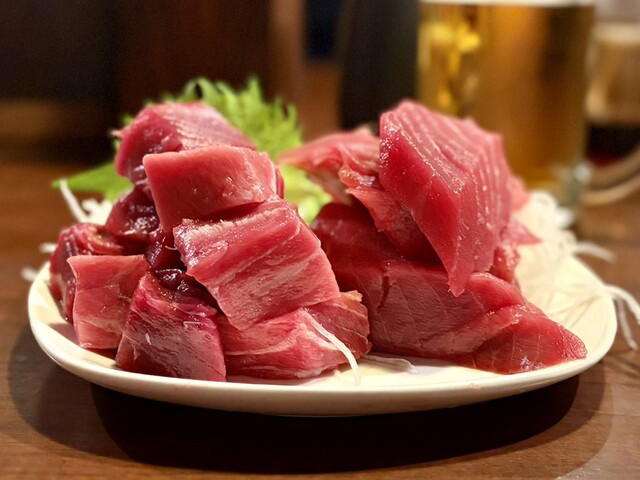
This Suidobashi stand-up bar delivers kushi-age and sake at speed, with a Tabelog Tachinomi 100 nod confirming its place in Tokyo's revived standing-bar scene. Best for solo diners or pairs seeking quick, quality bites between JPY 1,000 and JPY 2,999 per person; skip it if you need seats or want to linger past 90 minutes.
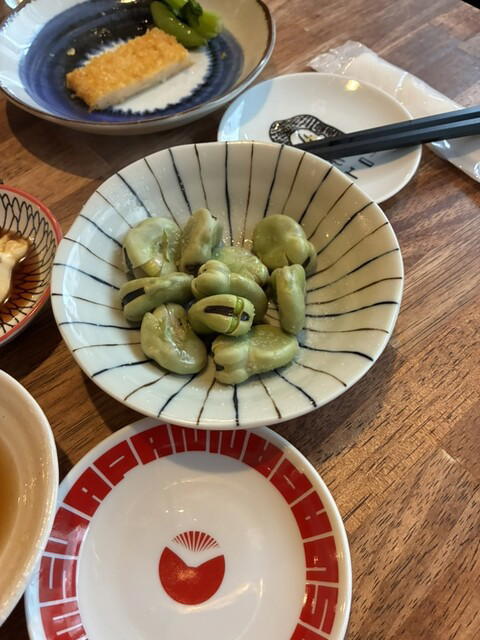
Stand Loki
Hiroshima, Japan
Stand-up bar in Shintenchi serving local sake and small plates at JPY 1,000–1,999 per head. Tabelog 100 Tachinomi 2025 recognition, cash-only, no reservations, 90-minute time limit. Open daily from 1 PM, adults-only. Better for quick drinks than lingering; walk-ins fill the 25-seat counter by 7 PM.
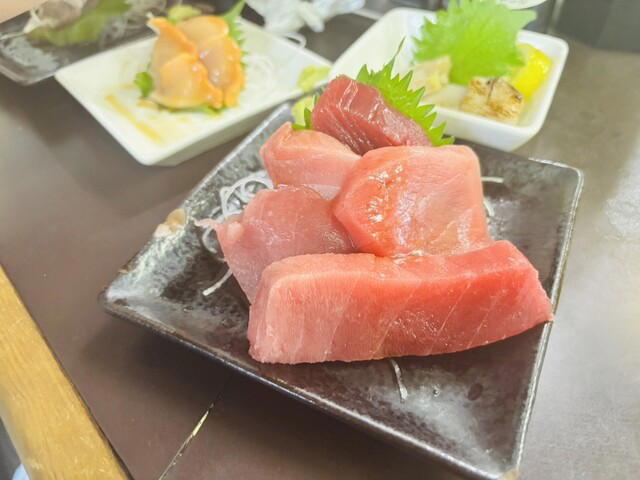
Hanamichi
Yokohama, Japan
Tabelog 100 Tachinomi 2025 standing bar in Sakuragi-cho's Pio City basement, serving sake, shochu, and fried snacks for under JPY 2,000. Walk-in only, cash-only, counter seating; best for solo regulars who value quality sake selection over seated comfort. Open weekdays noon-9:45 PM, Saturday noon-7:30 PM, closed Sundays.
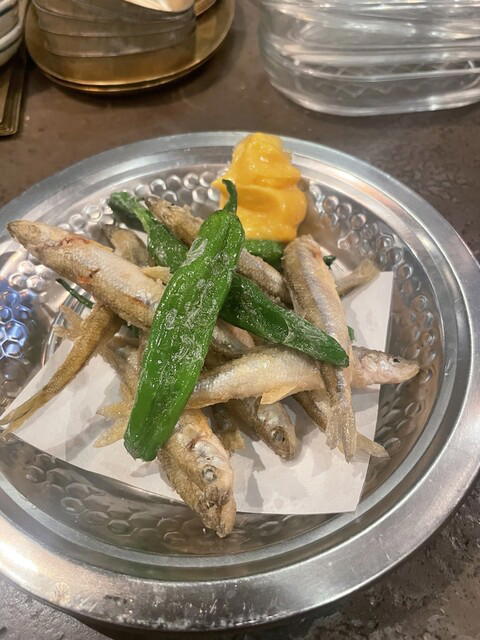
Japoni
Osaka, Japan
Japoni is a practical Osaka pick for diners who want a recognised local restaurant without the friction or spend of a larger splurge. Its Tabelog 100 #53 placement in 2025 gives it a clear trust signal, but the confirmed details point to a food-first choice rather than a wine-driven destination.
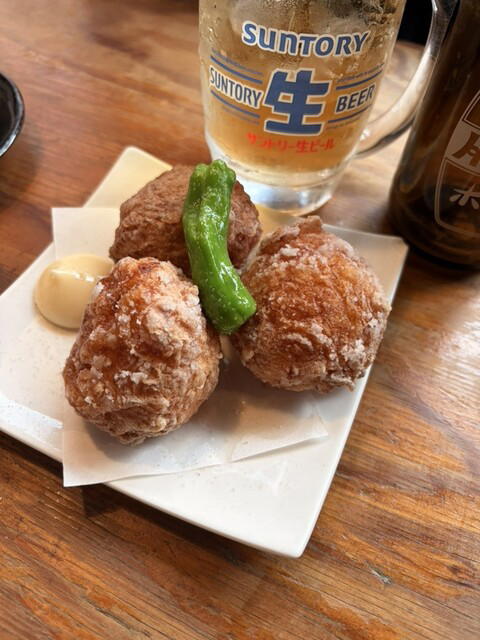
Masurao
Tokyo, Japan
A Tabelog Tachinomi 100 standing bar in Monzen-nakacho offering fresh fish and sake for JPY 2,000–2,999. No reservations, no seating, and cash-only (PayPay accepted). Walk in early; 4 PM weekdays, 3 PM weekends; to skip the line. Best for travelers who know the tachinomi format and want quality fish without the price or formality of a seated izakaya.
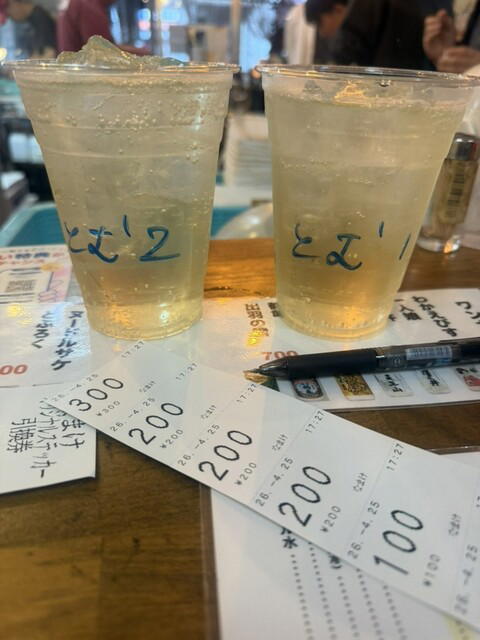
Namake
Tokyo, Japan
A Kamata stand-up bar earning Tabelog Tachinomi 100 recognition for seafood and tripe at JPY 3,000–3,999 per head. Walk-in ground floor or bookable second-floor seating for groups. Ingredient sourcing justifies the price, though the standing format is non-negotiable for solo and pair diners.
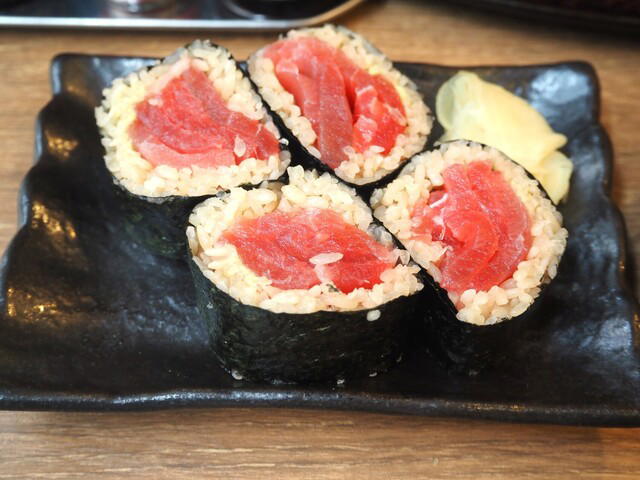
YUMMY
Kyoto, Japan
A Tabelog 100 – Tachinomi 2025 stand-up bar in Nakagyo Ward serving fish-focused small plates and sake at JPY 1,000–1,999. Ground-floor standing format plus upstairs seating (JPY 300/hour fee) near Shijo Station, open daily except Wednesdays. Casual, smoking-allowed, walk-in friendly.
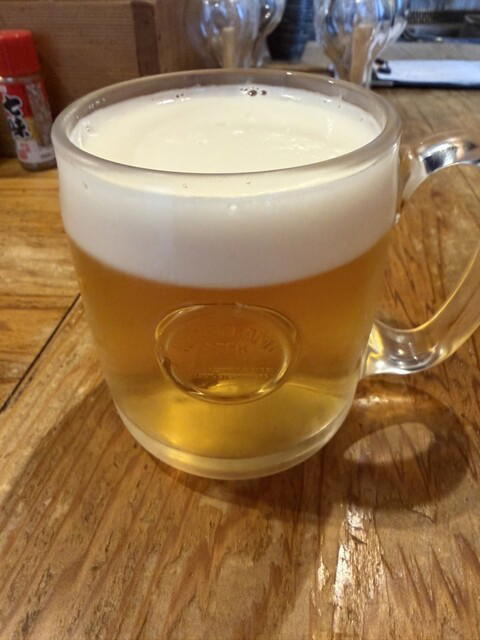
Sakaba Ikura Mokuzai
Kyoto, Japan
A Tabelog 100 Tachinomi 2025 stand-up bar in Kamigyo-ku serving seasonal small plates for JPY 6,000–7,999, with no reservations, cash-only payment, and designated smoking areas. Counter seats are non-smoking; warehouse seats allow cigarettes. Opens at 17:00 Monday–Saturday, closed Sundays. Best for solo diners comfortable with queue culture and tight quarters, less suited to groups or travelers seeking seated, smoke-free dining.
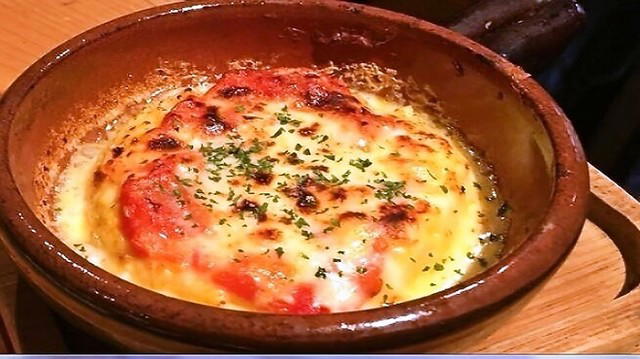
Sakanaya Hidezou Tachinomi ten
Osaka, Japan
Standing-bar seafood specialist in Namba with direct Eastern Market sourcing and Tabelog 2025 Tachinomi 100 recognition. JPY 2,000–2,999 gets daily-changing fish plates and rare sake at a 30-seat counter; no reservations, cash only, standing-room format. Walk-ins welcome; arrive before 6 PM to skip the queue.
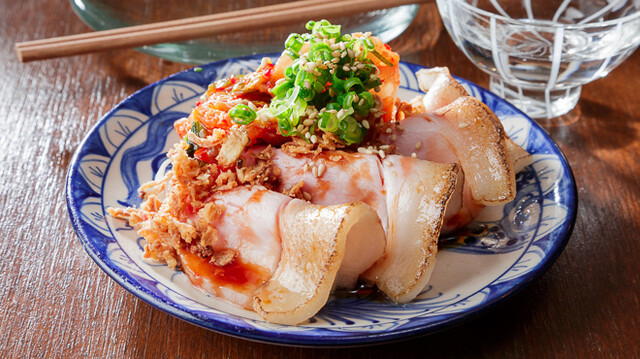
age
Fukushima, Japan
A Tabelog 100 Tachinomi (2025) stand-up bar in Fukushima-ku where creative izakaya plates and rotating sake meet neighborhood pricing. Counter seating puts you in the kitchen's rhythm; expect JPY 2,000–JPY 4,999 depending on drink count. Open late Friday and Saturday (until 1 AM), easier midweek. Book ahead for tables; walk-ins work at the counter. Casual dress, no pretense, solid execution.
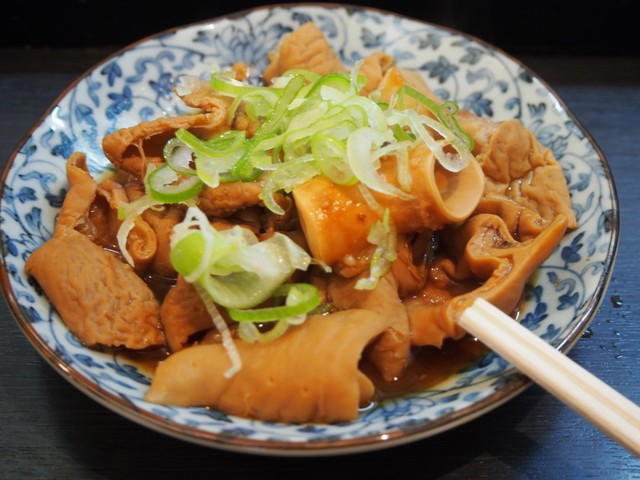
Motsuyaki Doppo Tenma ten
Osaka, Japan
A Tabelog 100 – Tachinomi 2025 honouree serving grilled beef and pork offal at JPY 2,000–2,999 per person, Motsuyaki Doppo operates as a no-reservation, cash-only standing bar ten seconds from Tenma Station. The format suits solo diners seeking efficient offal craft and shochu pairings, with Wednesday-to-Saturday service running 3 PM to sell-out and Sunday lunch from noon to 7 PM.
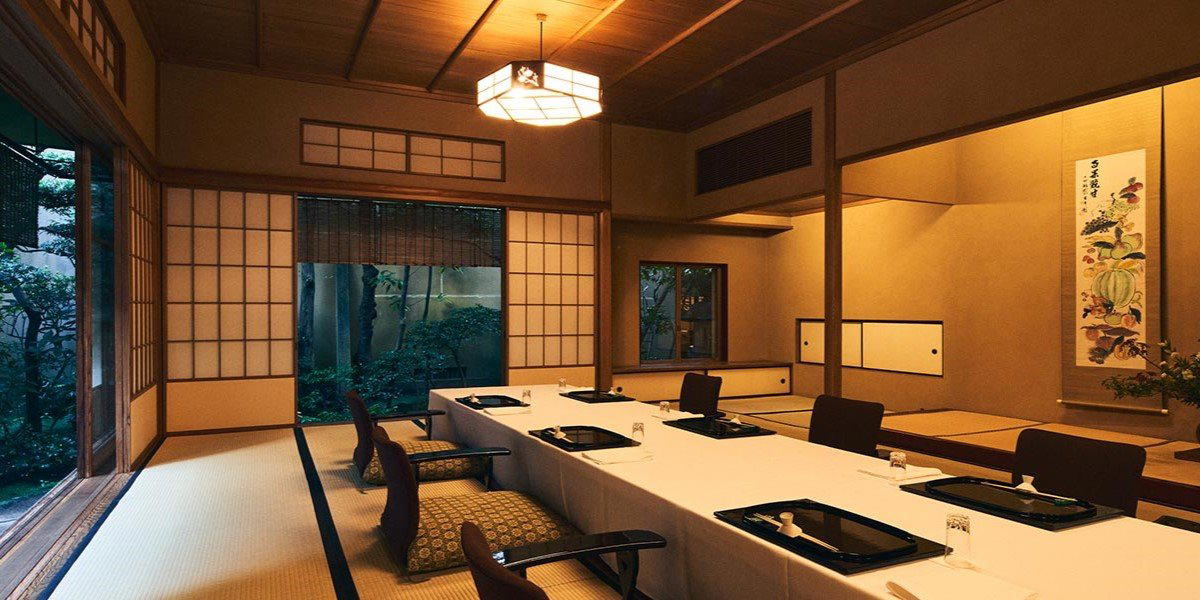
Ginza Shimada
Tokyo, Japan
Ranked #20 on Opinionated About Dining's Casual Japan list in 2024, Ginza Shimada is the most credible izakaya option in a neighbourhood dominated by high-price tasting menus. Open until 10:30 pm Monday through Saturday, it suits special occasions where you want award-recognised food in a relaxed, self-paced format without the booking difficulty of Tokyo's top omakase counters.
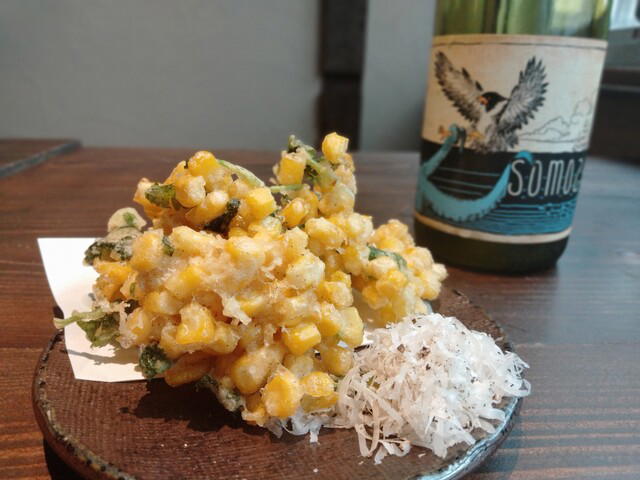
Havana
Osaka, Japan
A two-floor tachinomi near Namba Station that balances standing-bar speed with upstairs seating, offering sake, shochu, and izakaya plates at JPY 2,000-2,999. Recognized on the 2025 Tabelog 100 Tachinomi list, it's a flexible stop for quick drinks or longer group sessions; cash only, with reservations accepted for the second floor.
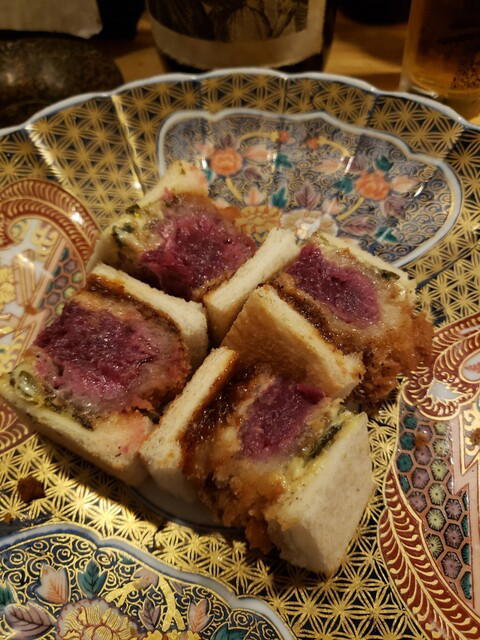
Niku Ryori PINE
Osaka, Japan
A standing bar in Kita-ku serving wagyu and offal at casual prices (JPY 3,000-3,999). Made Tabelog 100 - Tachinomi 2025 for its thick katsu sandwiches and fresh heart sashimi. Counter seating, craft gin focus, no reservations; best after 9 PM or at 5 PM opening to avoid the weeknight rush.
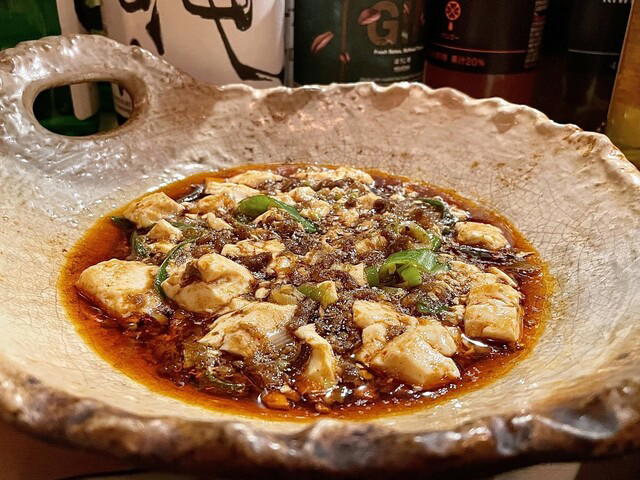
Tachinomi Izakaya LIBERTY
Osaka, Japan
Against pricier Osaka options, Tachinomi Izakaya LIBERTY makes the strongest case as a low-spend counter-style izakaya stop in Kita. Go for a casual solo or two-person meal when value and flexibility matter more than ceremony; choose a higher-priced peer if the night needs beef, table comfort, or a special-occasion feel.
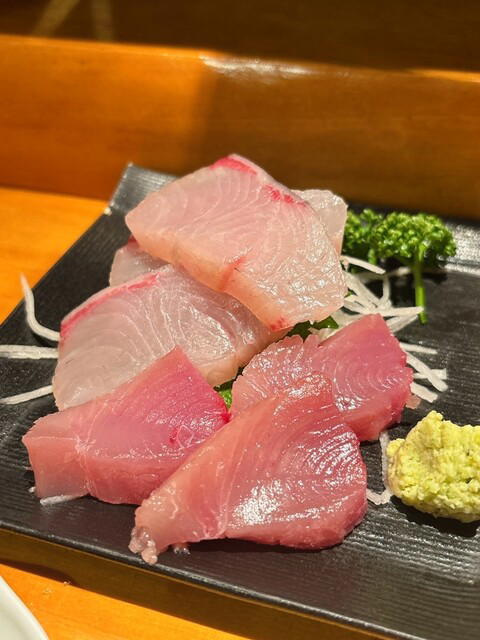
Yaoyasu
Osaka, Japan
An eight-seat tachinomi (standing bar) in Higashiobase that earned a Tabelog 100 – Tachinomi – 2025 nod for sake, seasonal snacks, and quick turnover. Walk-in only, cash only, JPY 2,000–2,999 average spend, open 5–10 PM six days a week. Best for solo drinkers or pairs who want efficiency over ceremony.
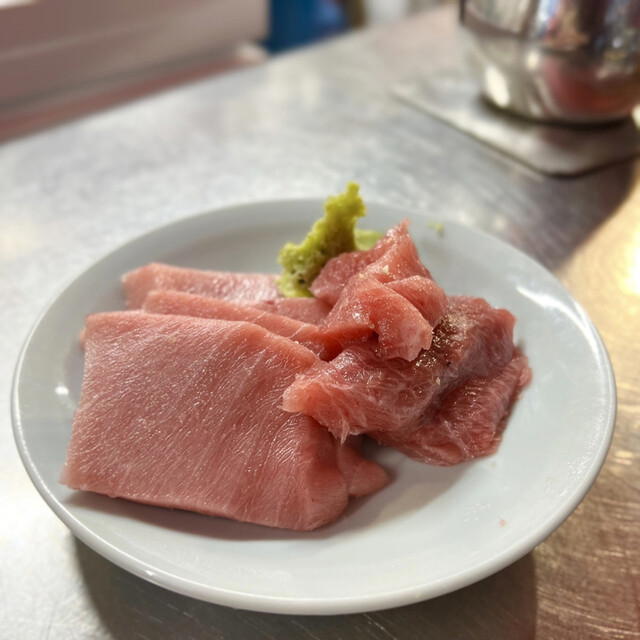
Izakaya Toyo
Osaka, Japan
Tabelog 100 Tachinomi 2025 stand-up izakaya near Kyobashi Station serving fresh seafood plates and self-service drinks at JPY 2,000–JPY 2,999. Walk-ins only, cash only, and open for lunch 1–5 PM Tuesday through Saturday. A no-frills, locals-first experience that delivers Osaka drinking culture without the formality or price of a seated restaurant.
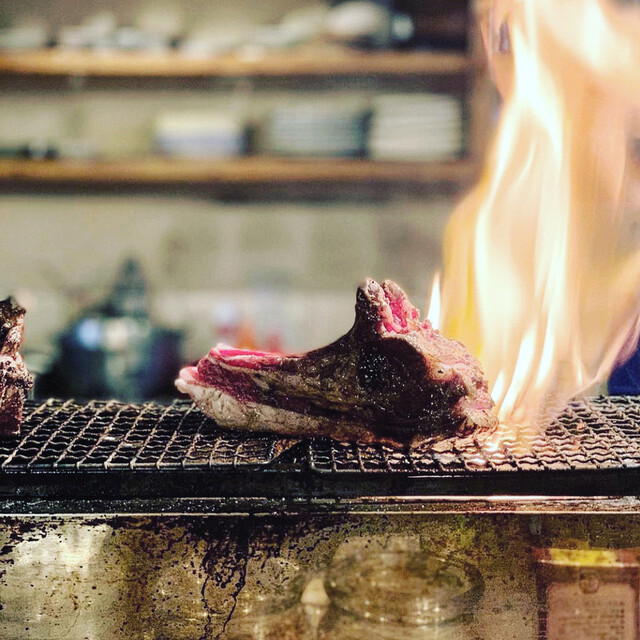
RAMU-NO-LOVESONG
Osaka, Japan
A Tabelog 100 Best Tachinomi stand-up bar near JR Temma Station, serving charcoal-grilled lamb with herbal spices, natural wine, shochu, and cocktails. Dinner runs JPY 3,000–JPY 3,999. Worth it for lamb lovers who want award-recognized tachinomi format with a drink list beyond sake, but skip it if you're chasing the lowest-cost stand-up experience.
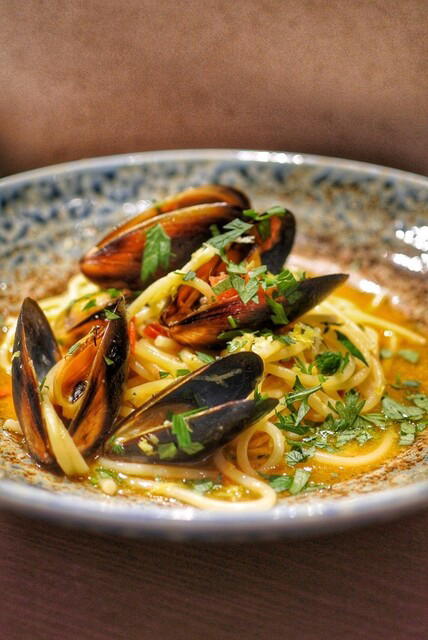
KURODARUMA
Osaka, Japan
This Honmachi stand-up bar, recognized in the 2025 Tabelog 100 (Tachinomi), serves sake, shochu, and wine at JPY 2,000 to JPY 2,999; a price range that makes repeat visits easy. The 40-seat space (including 12 table seats) opens daily at 4 PM and draws a mix of office-district regulars and travelers. Phone reservations only, cash only, and no website, but the drink selection and neighborhood value earn the visit.
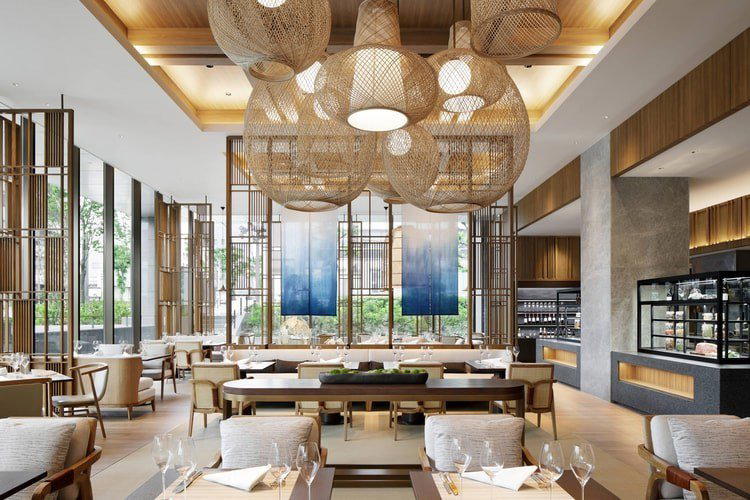
Tachinomi Tekken
Osaka, Japan
A standing-only seafood bar in Namba where charcoal-grilled fish and curated sake meet at a 30-seat counter. Tekken earned a Tabelog 100 Tachinomi 2025 selection for its tight drink program and market-driven small plates that run JPY 2,000–2,999 per person. No reservations, cash only, best visited on weeknights before the queue builds.
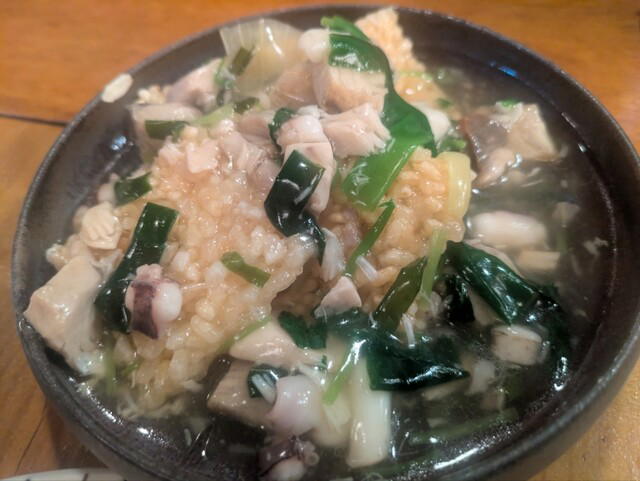
Tachinomi Sakaba Kakedashi
Osaka, Japan
A standing-only sake and fish bar near Sakaisuji Hommachi that accepts no reservations and fills quickly after its 6 PM opening. Named to the Tabelog 100 Tachinomi 2025 list, the bar offers sake, shochu, and seasonal fish plates at ¥1,000–¥1,999 per person in a cash-only, smoking-allowed environment. Best for solo diners or casual after-work drinks, not special occasions.
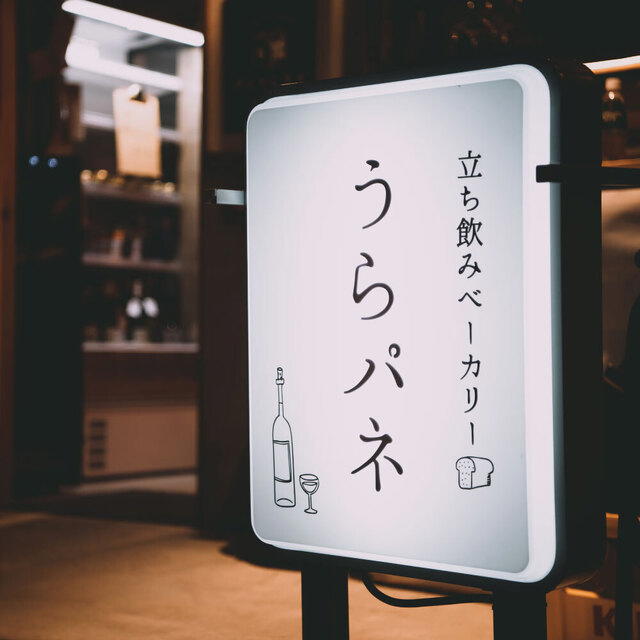
Tachinomi Bakery Urapane
Osaka, Japan
Standing wine bar near Utsubo Park balancing Italian small plates with sommelier-curated natural wines at JPY 2,000–2,999. Tabelog 100 Tachinomi 2025 selection confirms accessible pricing and serious wine depth. Fourteen counter spots plus one six-seat private room; book three to five days ahead for weekends, walk in early on weeknights.
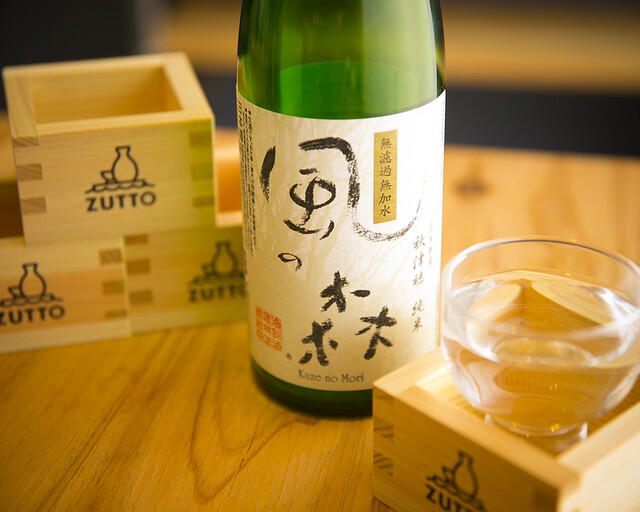
Tachinomi ZUTTO
Kobe, Japan
A Tabelog 100–recognized stand-up izakaya in Motomachi serving fish-forward small plates and a curated sake selection at JPY 2,000–2,999 per visit. The 20-seat counter operates on a no-reservations basis, making it a strong choice for solo diners and regulars willing to queue. The format is quick, informal, and ingredient-focused, with a beverage program that rewards repeat visits.
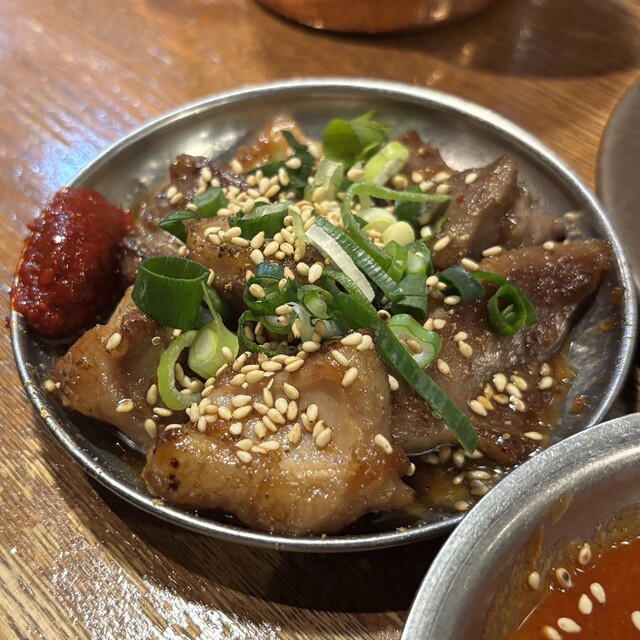
Ankera So
Osaka, Japan
A Tabelog 100-recognized standing bar in Sennichimae serving sake, shochu, and cocktails with tripe-focused small plates. Walk-in only, cash-only, and smoking-friendly, with counter seating and occasional street spillover. Budget JPY 3,000–3,999; best for solo travelers and pairs seeking a quick, quality drink near Kintetsu Nippombashi Station.
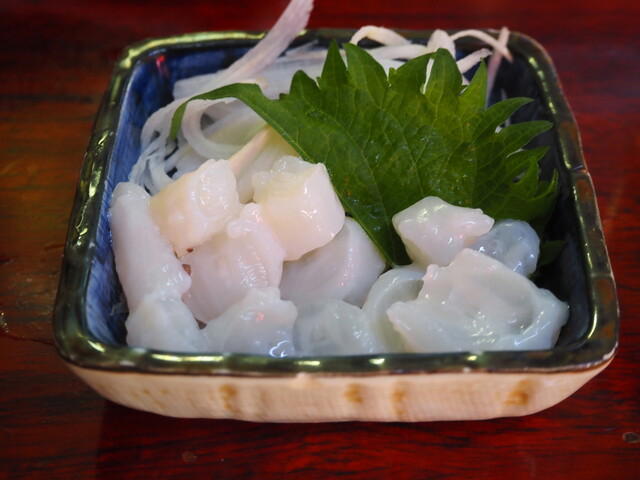
Fumi
Kobe, Japan
A standing-room seafood counter in Shinkaichi delivering Tabelog 100-recognized fish quality at JPY 1,000–1,999 per visit. No reservations, cash only, and a format that prioritizes speed over comfort; worth the walk from Shinkaichi Station if you're willing to stand and eat quickly.
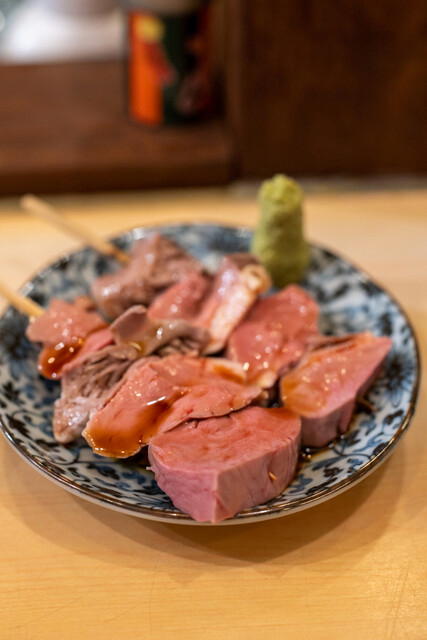
Motsuyaki Doppo Honmachi ten
Funabashi, Japan
A standing-only grilled-offal bar two minutes from Keisei Funabashi Station, Motsuyaki Doppo Honmachi ten earned a spot on Tabelog's 2025 tachinomi 100 list for its charcoal-grilled tripe and motsuyaki skewers. Expect a smoke-filled 20-seat counter, no reservations, cash-only payment, and a JPY 1,000–1,999 price bracket that punches above Funabashi's typical izakaya baseline.
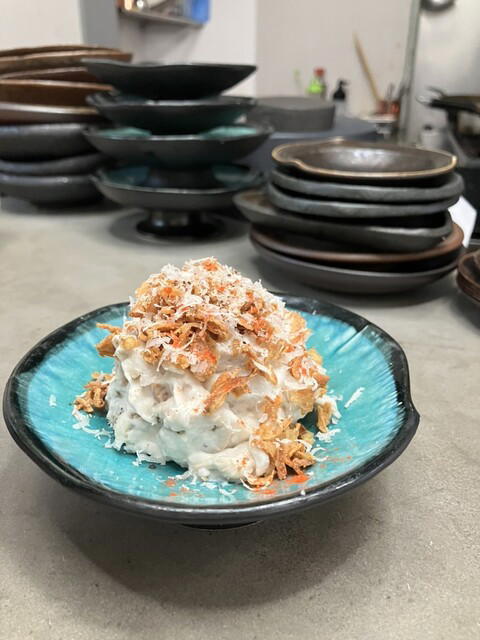
MAR
Osaka, Japan
MAR is an eight-seat standing bar in Tenjinbashi earning Tabelog's 2025 Tachinomi 100 recognition at JPY 2,000–2,999 per person. The stand-up format keeps service fast and checks low, but noise levels climb after 8 PM. Book via Instagram DM or walk in on weekday afternoons; weekend evenings fill quickly.
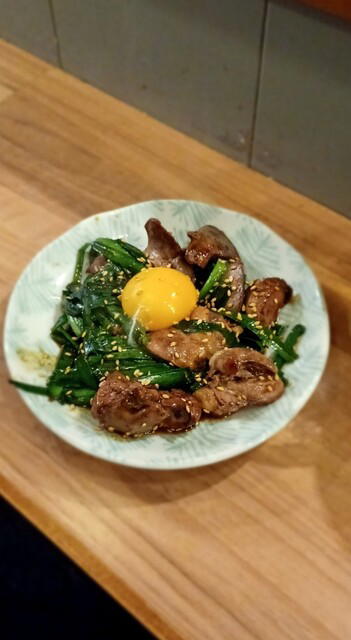
Stand Totonoi
Tokyo, Japan
A seven-seat standing sake bar in Takinogawa offering regional pours at JPY 2,000-2,999, recognized in Tabelog's 2025 Tachinomi 100. Book via Instagram for a focused tasting session, or pair with nearby <a href="https://joinpearl.co/restaurants/teuchi-soba-kikutani-sugamo-honten">soba spots</a> for a fuller northern Tokyo evening.
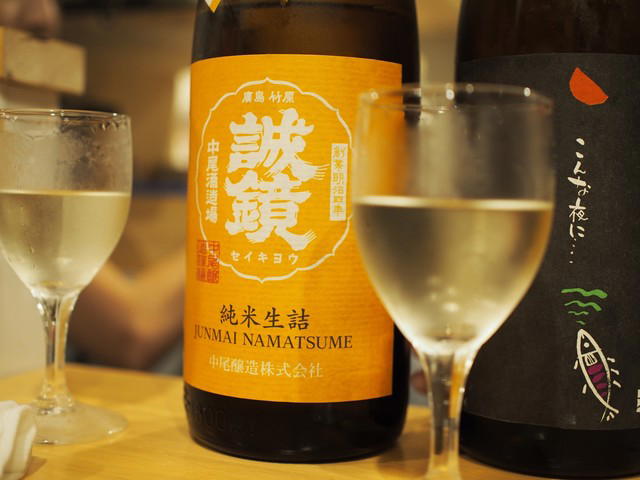
Tachinomiya Shiraishi
Osaka, Japan
A Tabelog 100 Tachinomi standing bar in Umeda specializing in fish and sake, averaging ¥2,000–¥2,999 per visit. Walk-in only, counter service, and quick turnover make it a solid pre-dinner stop for sake and seafood without the markup of seated izakayas.
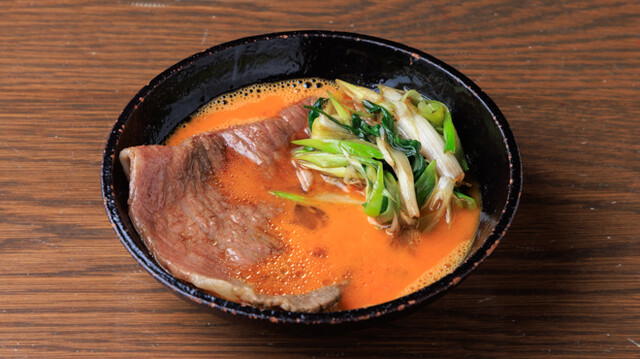
Ponshuya Santoku Rokumi Fukushima honten
Fukushima, Japan
A standing-only sake bar in Osaka's Fukushima ward, recognized on Tabelog 100 - Tachinomi - 2025 for its daily-changing seafood menu and curated sake selection. At JPY 4,000 - JPY 4,999, it bridges casual standing bars and full-service izakayas, delivering depth without the seated formality; best for pairs or solo diners who appreciate sake and seasonal fish.
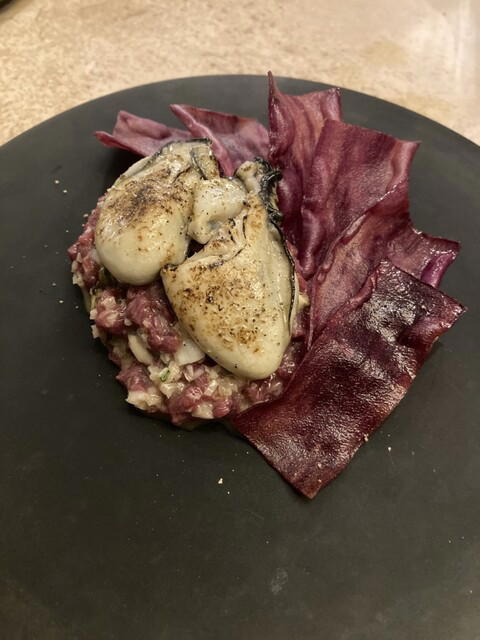
Pres
Osaka, Japan
Tabelog Tachinomi 100 stand-up wine bar in Tenjinbashi, focusing on natural European wines and French bistro plates. No reservations, standing room only, JPY 6,000–7,999 average spend. Open Wednesday–Sunday 3 PM–11 PM, five minutes from Ogimachi Station. Best for wine-focused grazing rather than full meals.
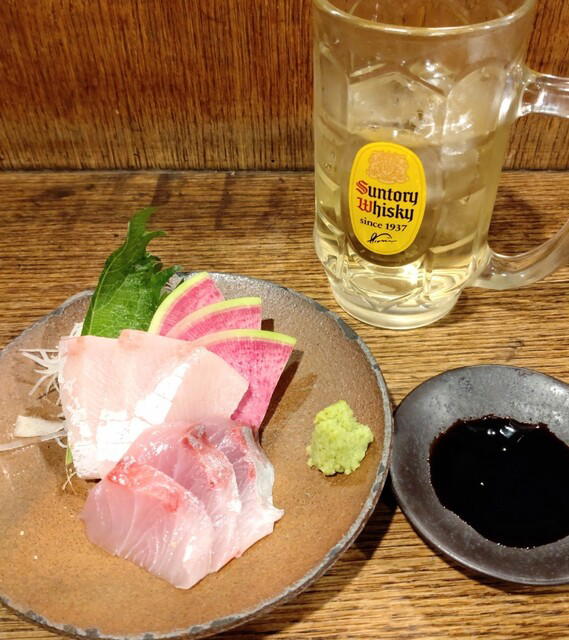
Kakomo
Kobe, Japan
A Tabelog 100 Tachinomi 2025 standing bar in Sumiyoshi serving fresh seafood and thoughtful sake pours at JPY 1,000–1,999. No reservations, no credit cards, 20 seats at the counter. The format is efficient and local, not refined; arrive early or expect a short wait.
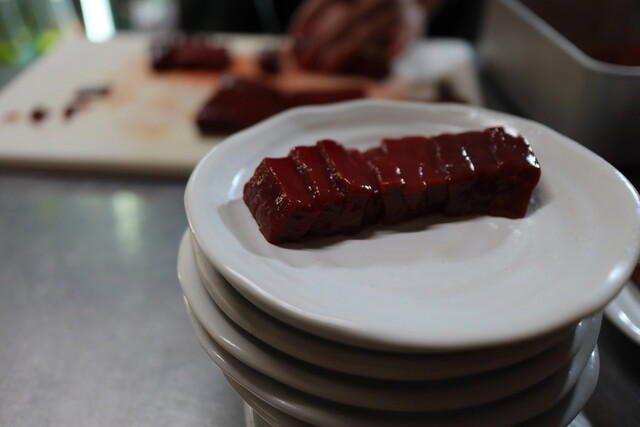
Kannai Motsu Niku Ten
Yokohama, Japan
A Tabelog 100 stand-up izakaya near Kannai Station serving charcoal-grilled yakitori, motsu nikomi, and hormone sashimi at ¥1,000 to ¥1,999. Open until 10:30 PM Monday through Saturday, it fills fast with office workers and late-arriving travelers who need quick, cheap skewers after seated restaurants close. Standing-only format and smoking allowed throughout.
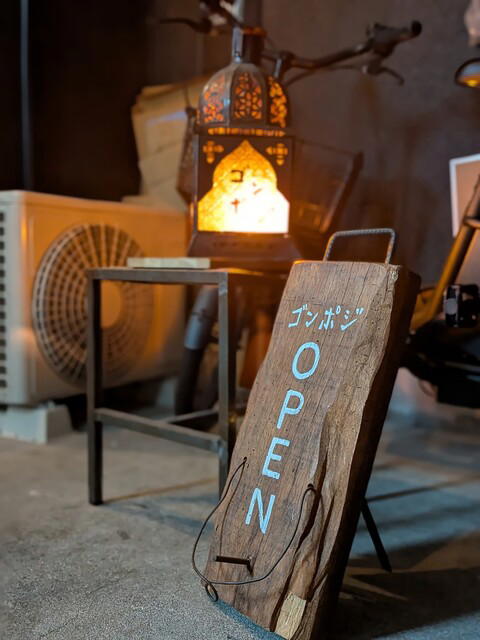
Rojiura Sakaba Gompoji
Fukuoka, Japan
Tabelog 100-recognized standing bar in Fukuoka's Nishijin district serving fish-focused izakaya plates and curated sake at JPY 4,000–4,999. Eight-seat counter suits solo diners and couples; reservations available with JPY 4,400 minimum. Cash only, walk-ins manageable except weekend evenings.
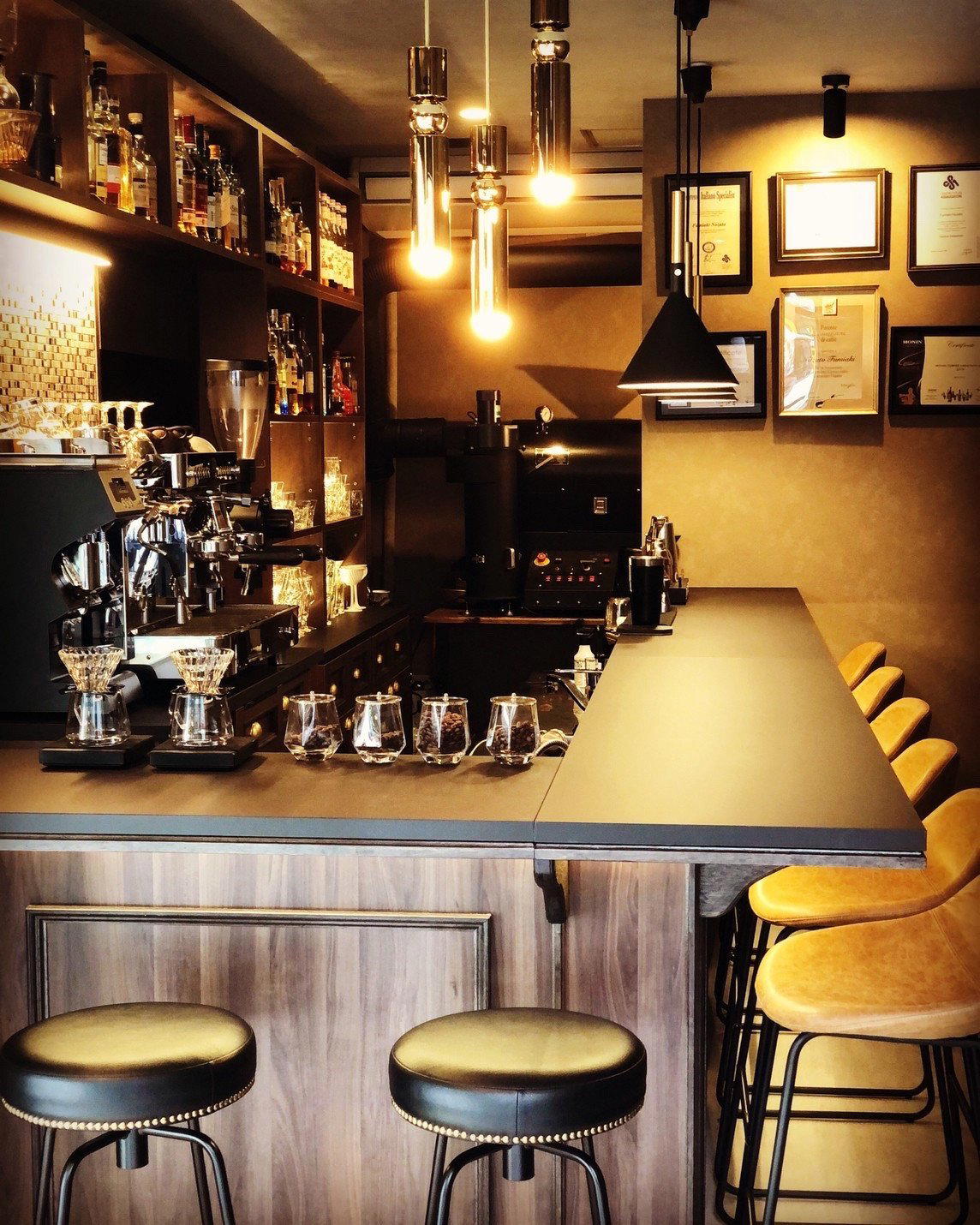
Shiawase Tachinomi Yume Gorilla
Osaka, Japan
A Tabelog 100-recognized tachinomi in Osaka Station's B2F, serving daily fish and sake at under JPY 2,000 per person. The stand-up format and cash-only policy make it a practical solo stop or pre-train drink rather than a full-meal destination. Best for quick bites and quality sake; skip if you need seating or prefer a longer dining experience.
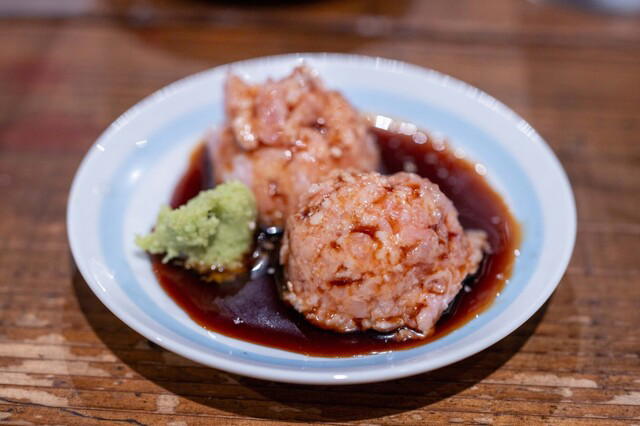
Datedachi
Osaka, Japan
A standing-bar specialist near Kintetsu Nippombashi, recognized by Tabelog's 100 Best Tachinomi 2025 for delivering grilled yakitori and curated sake at JPY 2,000–2,999 per person. Walk-in only, counter seating, and quick turnover make it a strong option for solo diners or pairs seeking a high-quality stop without reservations or formality.
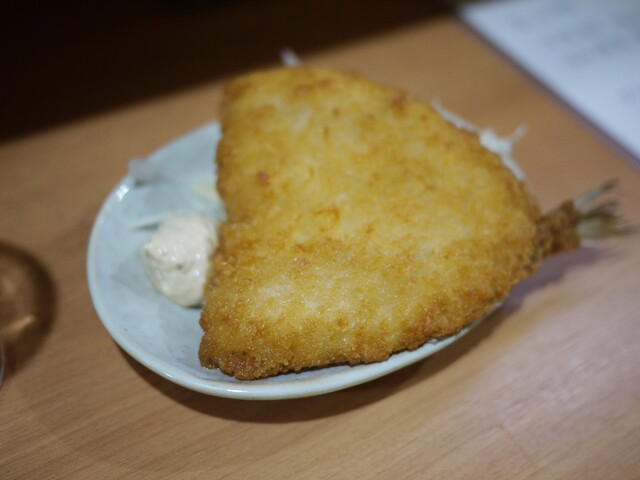
Tachinomi En
Yamagata, Japan
A standing bar near Yamagata Station recognized on the Tabelog 100; Tachinomi 2025 list, offering izakaya fare and sake at JPY 1,000–JPY 1,999 per visit. The no-reservations, stand-up format favors quick visits over lingering, with smoking allowed and service geared toward locals. Best for solo drinkers or pairs comfortable with the tachinomi pace.
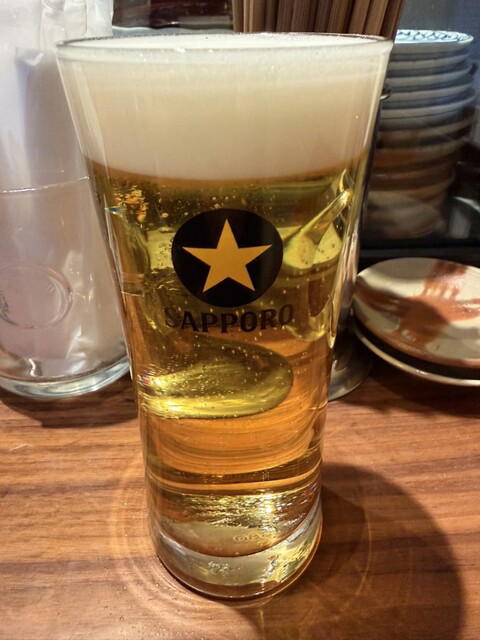
Rojiura Stand Abec
Kobe, Japan
Tabelog 100 Tachinomi 2025 standing bar near Sannomiya Station. No-frills format, JPY 2,000–2,999 per visit, quick evening drinking and small plates. Walk-ins only, standing-room counter, designated smoking area; best for solo diners and small groups seeking efficiency over comfort.
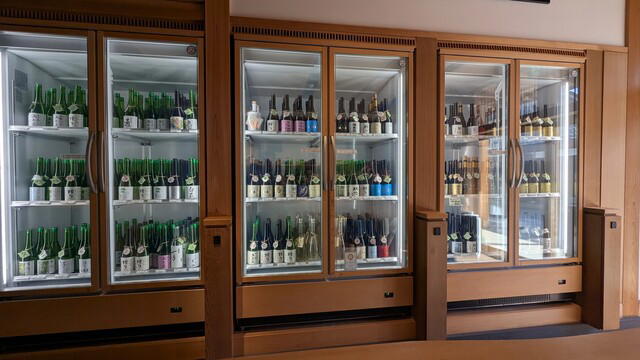
Saseki
Toyama-ken, Japan
A no-frills Toyama standing sake bar serving local nihonshu at under ¥1,000 per visit. The Tabelog 100 Tachinomi 2025 selection focuses on regional bottles you won't find in Tokyo, poured fast with zero ceremony. Best for sake enthusiasts chasing Toyama breweries or budget-conscious drinkers who want quality without kaiseki prices; skip it if you need table service or evening hours.
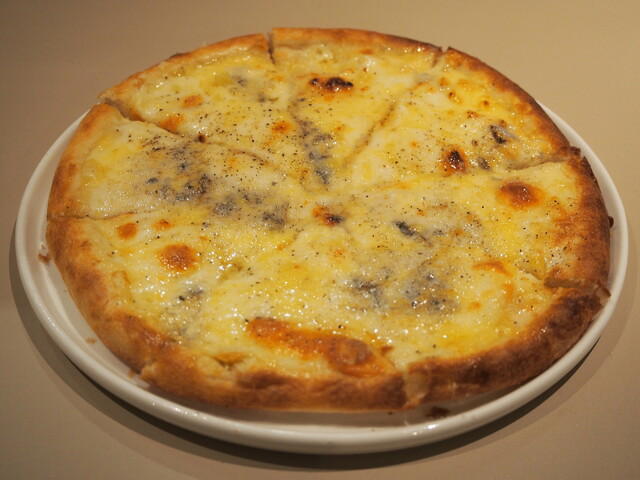
utage dotonbori
Osaka, Japan
A stand-up wine bar in Dotonbori's tourist core, utage dotonbori runs JPY 2,000–2,999 per head and earned a 2025 Tabelog Tachinomi 100 nod for its Spanish-style baru plates and accessible wine list. No reservations, cash only, and best before 7 PM on weekends; the 40-seat counter fills quickly but turns over fast enough to accommodate walk-ins.
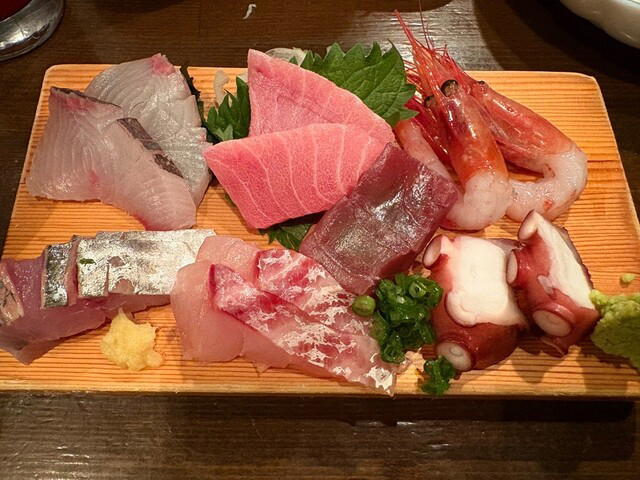
Sakadachi
Tokyo, Japan
Walk-in standing bar in Shintomi specializing in sake and fish dishes at JPY 2,000 to JPY 2,999 per person. No reservations, cash only, and all counter seating is standing-only. Tabelog 100 Tachinomi 2025 recognition places it among Tokyo's better-value drinking spots for a quick, casual session.
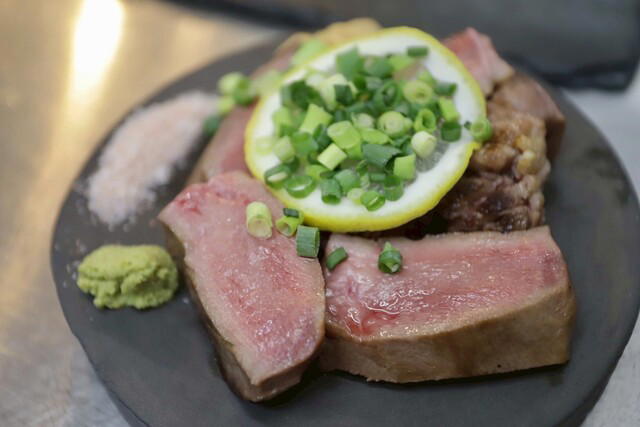
Horumon Gibier Myojo
Osaka, Japan
A 16-seat standing bar in Nippombashi serving horumon and wild game at JPY 2,000–2,999, named to Tabelog's 100 Best Tachinomi in 2025. Walk-in only, cash only, and smoking permitted; best for solo diners who value craft sake and rare protein over seated comfort.
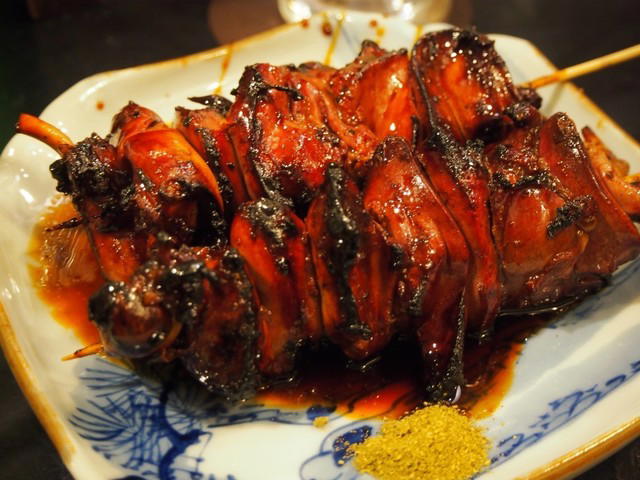
Yanagikoji TAKA
Kyoto, Japan
Walk-in standing bar in Kawaramachi offering Spanish-influenced small plates, sake, and cocktails until 10:30 PM. Recognized on Tabelog's 2025 Tachinomi 100 list, the 16-seat counter fills quickly but no reservations means you can stop by late when other kitchens have closed. Budget JPY 3,000–JPY 4,999.
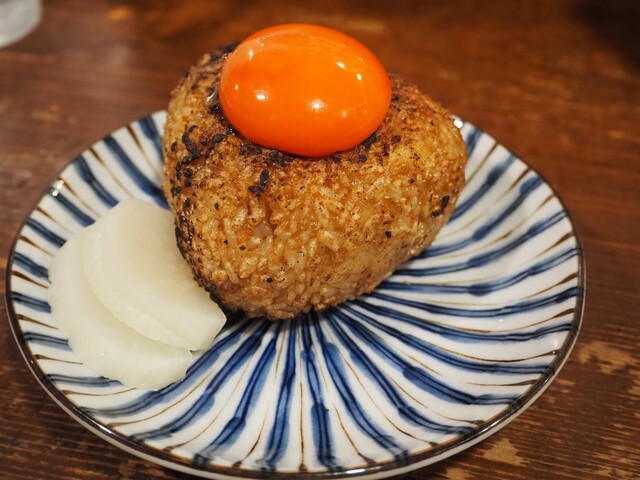
Stand Aida
Osaka, Japan
A 2025 Tabelog 100 Tachinomi selection in Sennichimae, Stand Aida serves yakitori and chicken dishes at a cash-only standing counter. Opened in 2020, the venue runs walk-in only with peak waits after 7 PM. Budget JPY 3,000–JPY 3,999 for dinner; smoking is permitted, and the format suits solo diners or quick pre-bar meals more than groups or extended dinners.
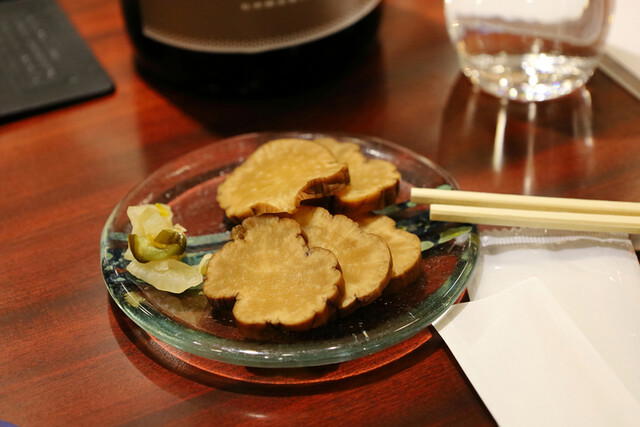
Akita Kurasu
Akita, Japan
A standing sake bar inside Akita Station serving prefectural nihonshu and craft beer from 8 AM to 8 PM daily. Selected for Tabelog 100 Tachinomi 2025, the bar operates on a no-reservations, standing-only format with most visits running ¥1,000–¥1,999. Book nothing; just show up between trains or before dinner for a quick pour at the counter.
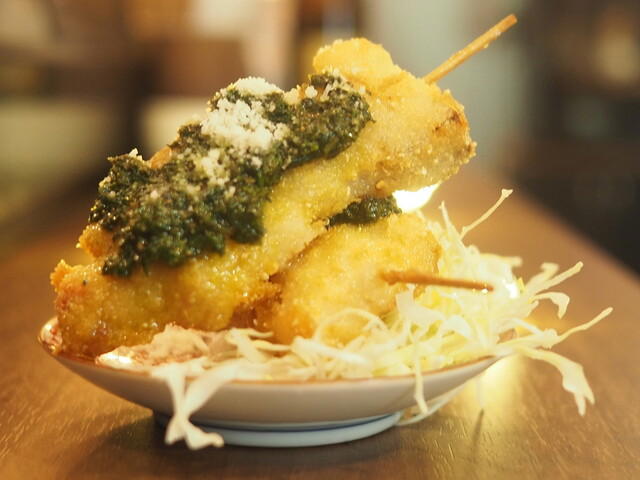
hadoromanchikka
Osaka, Japan
A cash-only stand-up bar in Namba that earned Tabelog Tachinomi 100 recognition within months of opening. At JPY 1,000–1,999 per visit, the sake-focused drink list and walk-in-only policy make this a low-commitment stop for solo drinkers or groups comfortable with standing. Best as a nightcap, not a full meal.
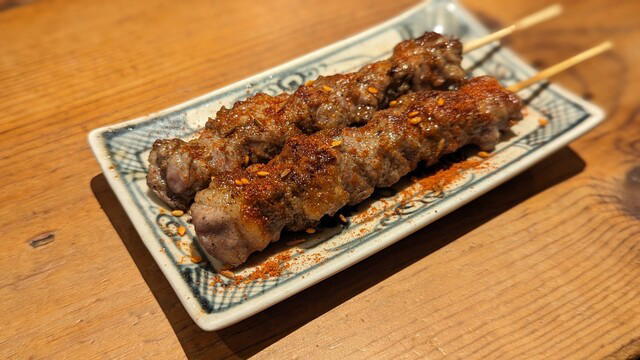
MAKE ONE TWO
Osaka, Japan
A standing bar in Hiranomachi that applies cocktail technique to the tachinomi format, recognized in the Tabelog 100 - Tachinomi - 2025 list. At JPY 2,000–2,999 per visit, it offers sake, shochu, wine, and a cocktail-forward program in a counter-only setting. Walk-in only, open daily 3–10 PM; arrive early evening for easiest access. Works for solo travelers and pairs seeking technical drinks without the seated-bar time commitment.
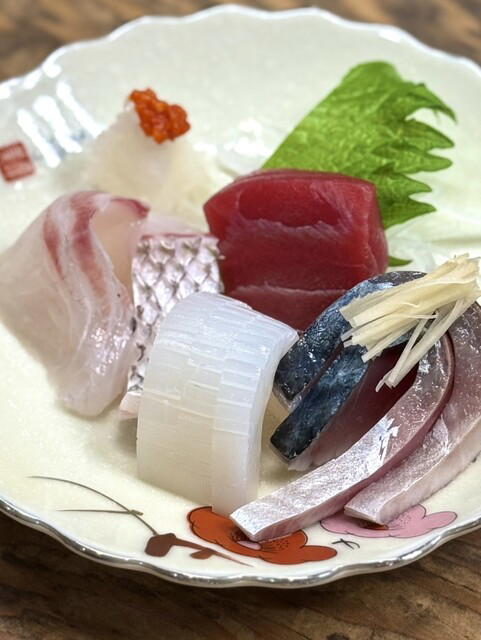
Tachinomi Dokoro Tanakaya
Akashi, Japan
A Tabelog 100 Tachinomi 2025 stand-up sake bar in Akashi's fish market district, attached to Tanakaya Liquor Store. The 25-seat space (counter and sake-barrel tables) serves Hyogo Prefecture sake alongside market-driven seafood at JPY 3,000–4,999. No reservations, closed Wednesday–Thursday; best for solo sake enthusiasts comfortable with standing format and quick service pacing.
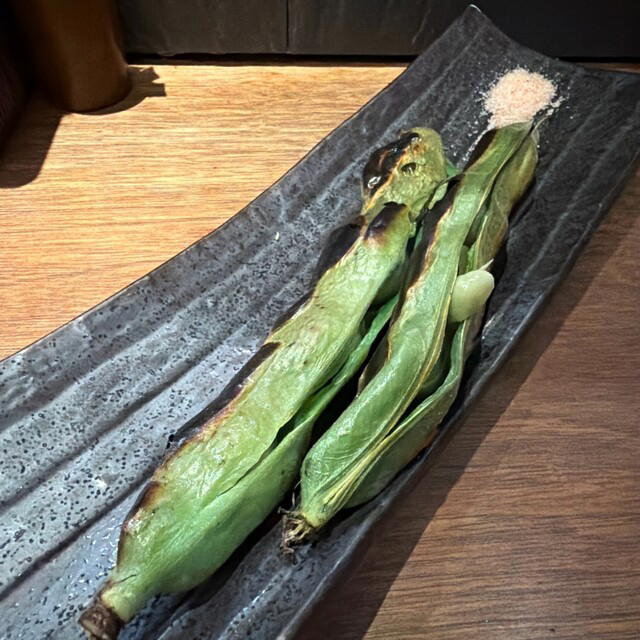
Kakomo Kitahama ten
Osaka, Japan
A Tabelog 100 Tachinomi stand-up bar in Kitahama serving fish-focused plates and sake at JPY 2,000–2,999 per visit. Counter seating only, no reservations, and cash-free payments make it more accessible than most tachinomi spots, though peak-hour waits and minimal English support require flexibility.
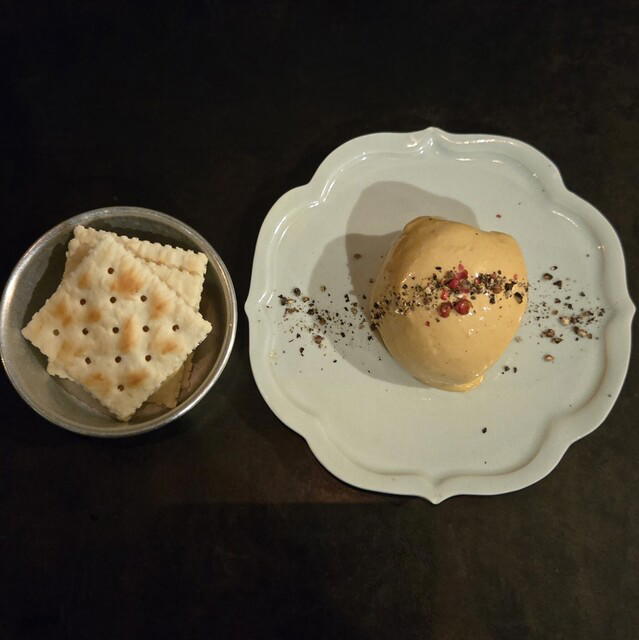
wapiti
Osaka, Japan
A Tabelog 100 stand-up bar in Azuchimachi specializing in smoked food and served with sake, shochu, wine, and cocktails. No reservations, cash-only, standing-room for 22. Dinner runs JPY 4,000–4,999; half the cost of seated competitors, but you'll trade comfort for access and speed.
Overview
Tabelog 100 - Tachinomi - 2025 is an authoritative ranking of Japan’s top 100 tachinomi bars; standing-only drinking establishments; compiled by Tabelog, the country’s largest and most trusted restaurant review platform. This list highlights the best spots nationwide where patrons enjoy quality drinks and small plates in an intimate, casual setting.
Established by Tabelog, Japan’s leading restaurant review site, the Tabelog 100 - Tachinomi - 2025 list celebrates the vibrant tachinomi scene; a uniquely Japanese style of standing bars known for their convivial atmosphere and affordable, expertly curated drinks and snacks. Since tachinomi bars often emphasize local sake, shochu, and seasonal fare, this list serves as a vital guide for both locals and travelers seeking authentic experiences beyond traditional sit-down dining. The annual ranking is based on user reviews, expert assessments, and culinary innovation, reflecting evolving trends and regional diversity within Japan’s tachinomi culture.
For aficionados of Japan’s intimate and bustling standing bars, the Tabelog 100 - Tachinomi - 2025 list is an indispensable resource. Tachinomi bars, cherished for their unpretentious yet refined approach to drinking, offer a window into Japan’s communal dining culture. This expertly curated collection spotlights the top establishments where quality sake, shochu, craft beer, and small plates converge in spaces designed for social connection and discovery. Whether you’re a traveler seeking authentic local flavors or a connoisseur of Japanese drinking culture, this list is your definitive guide to the best tachinomi experiences across Japan.
Quick Facts
- Publisher
- Tabelog
- Year
- 2025
- Coverage
- Nationwide Japan
- Items
- 100 Tachinomi Bars
- Frequency
- Annual
About This Edition
The 2025 edition of the Tabelog 100 - Tachinomi list reflects a resurgence in local and craft-focused offerings, highlighting bars that emphasize regional sake breweries and innovative small-plate pairings. New entries showcase a younger generation of owners redefining tachinomi culture with contemporary aesthetics and sustainable practices. This year’s list also reveals a geographic diversification, with rising tachinomi hotspots beyond Tokyo and Osaka gaining recognition, illustrating the enduring evolution of Japan’s standing bar tradition.
Frequently Asked Questions
What is Tabelog 100 - Tachinomi - 2025?
How are honorees selected?
How often is this list updated?
How can I find these on Pearl?
How many of these have you visited?
Find out on Pearl and keep score across every place in Tabelog 100 - Tachinomi - 2025.