

2026 Falstaff Winery Guide: The Ultimate Wine Authority — Page 14
Falstaff's 2026 Wineries guide.

Venues on this list
Château Les Croisille
Luzech, France
A sensible Luzech pick for first-timers who want a wine-led stop with a credible outside signal rather than a heavily packaged tasting experience. The Falstaff Listed (2026) recognition helps justify interest, but plan lightly if pricing, tasting format, shipping, or group logistics need to be confirmed before the day.
Château Mazeris
Saint Michel De Fronsac, France
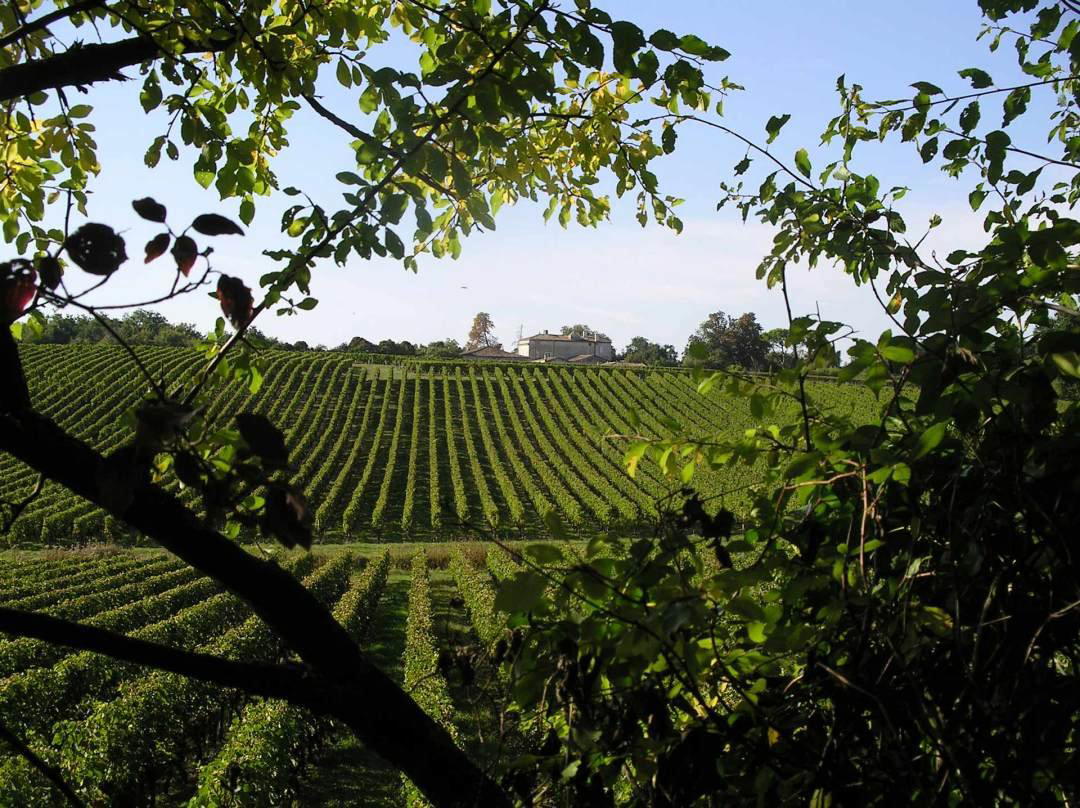
A quiet Canon-Fronsac pick for wine travelers who care more about terroir than polished château theatre. Château Mazeris works for a concise Right Bank tasting built around family continuity, Merlot-led wines, and a hillside setting, but not for visitors expecting a full food-pairing program or restaurant-style hospitality.
Château des Bois
Satigny, Switzerland
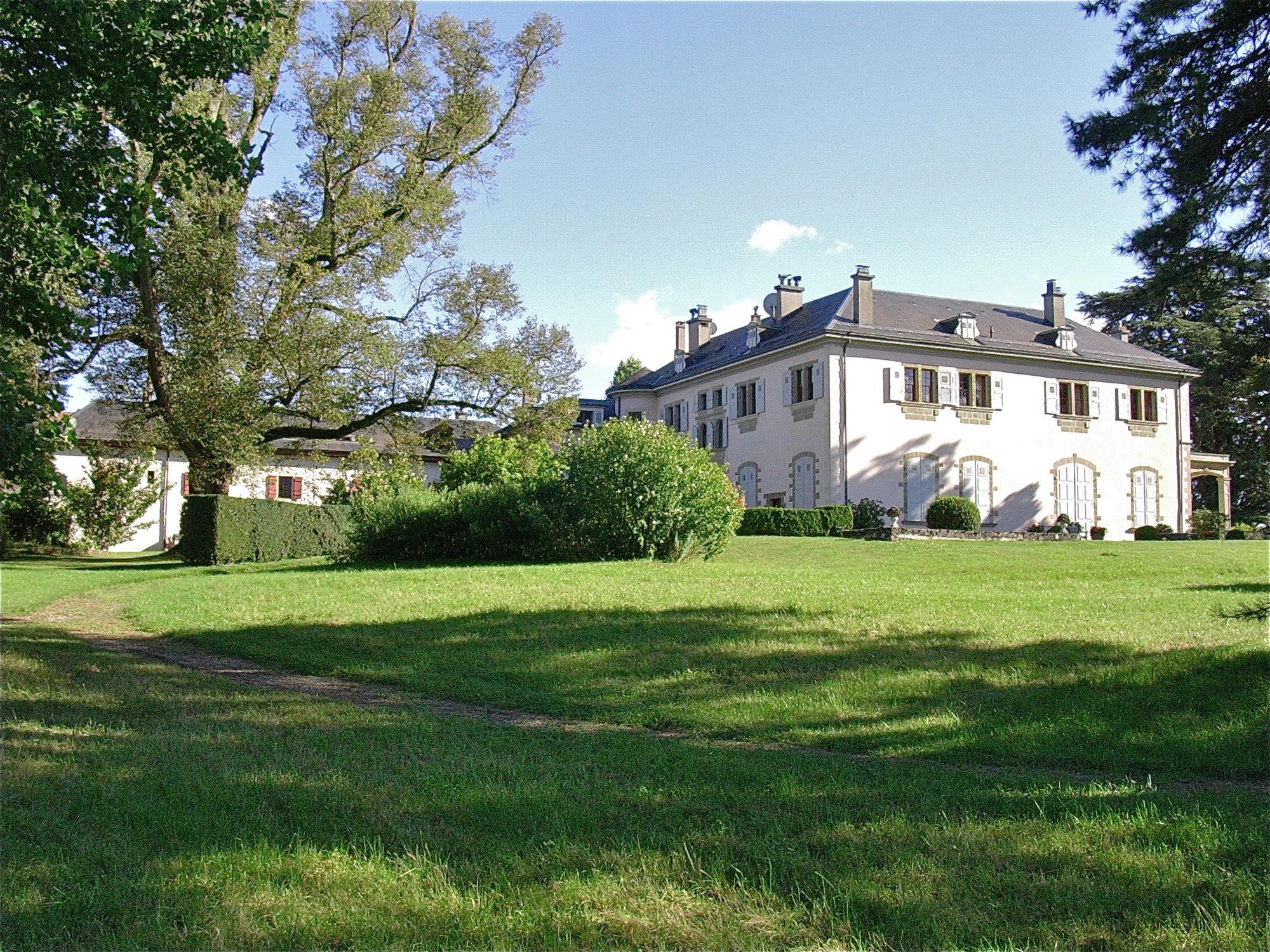
Book Château des Bois if the goal is a Genevan wine-country visit with historic estate atmosphere, not just a quick tasting. The 2026 Falstaff-listed Satigny château is strongest for private tastings, weddings, and polished group events where the gardens, orangery, and reception rooms add real value.
De'Gaeta
Castelvetere Sul Calore, Italy
De'Gaeta works if a Falstaff-listed Campanian wine stop fits your Castelvetere Sul Calore plans, especially for a quiet date or small celebration. Because pricing, hours, visit format, and direct booking details are not published here, it suits flexible travelers better than rigid itineraries.
La Chablisienne
Chablis, France
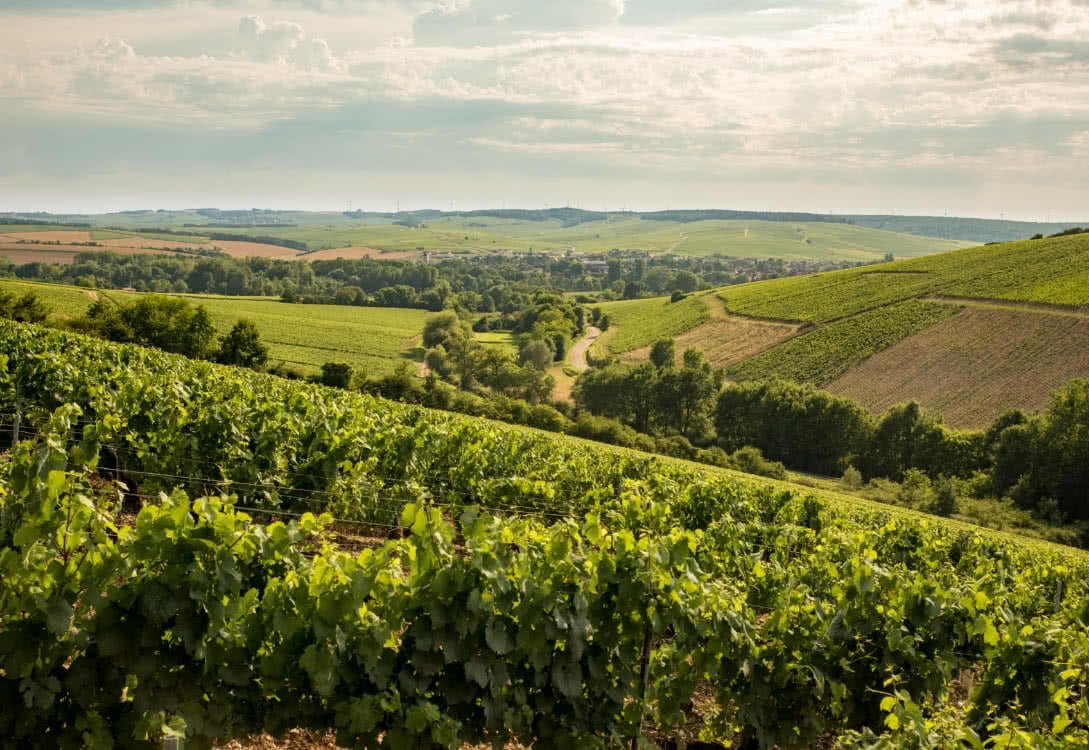
La Chablisienne is worth booking as a practical Chablis anchor, especially when smaller domaine appointments are hard to secure. Go for regional context and a broader read on the appellation, not for an intimate collector-style visit. Pair it with one smaller producer if the goal is a balanced wine day in Chablis.
Diamantakos Winery
Naoussa, Greece
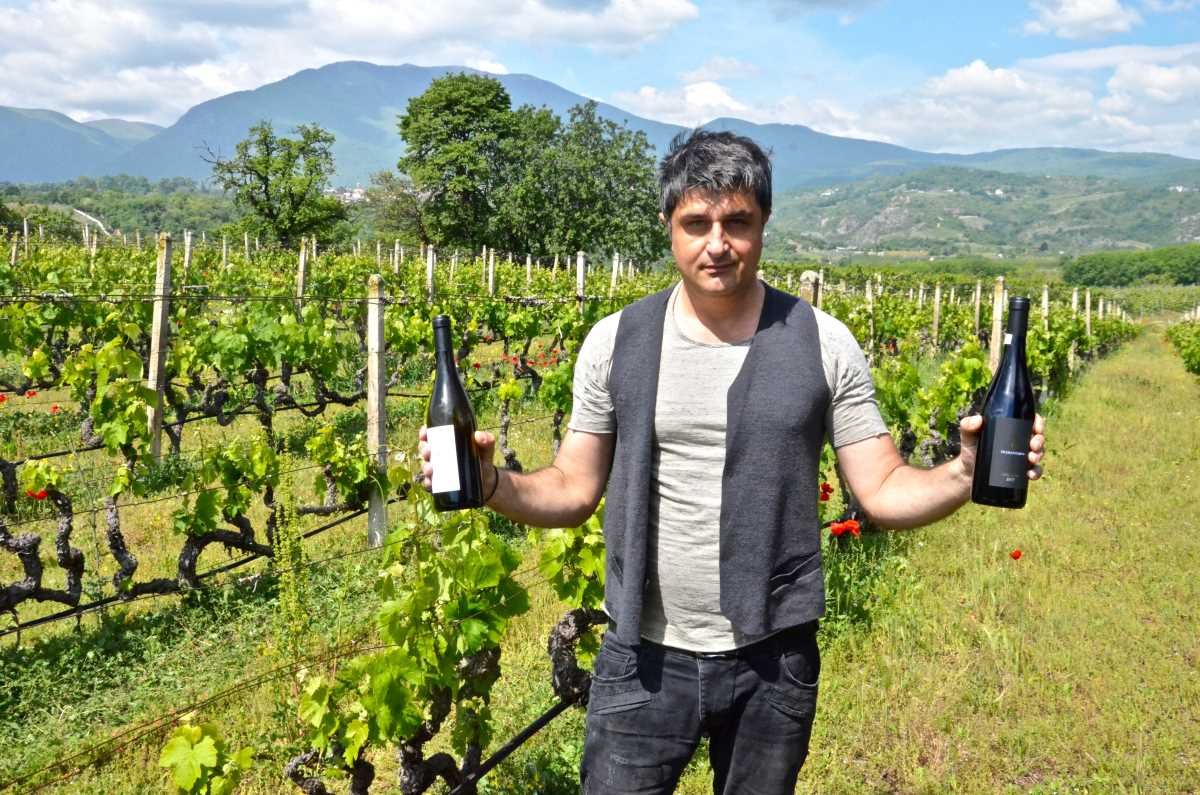
Book Diamantakos Winery if Naoussa is already the focus of the trip and Xinomavro is the reason for going. It is better treated as a serious anchor appointment than a casual add-on, with Kir-Yianni Estate, Boutari Winery, or Vaeni Naoussa as useful nearby fallbacks if availability is tight.
Château Larrivaux
Cissac Medoc, France
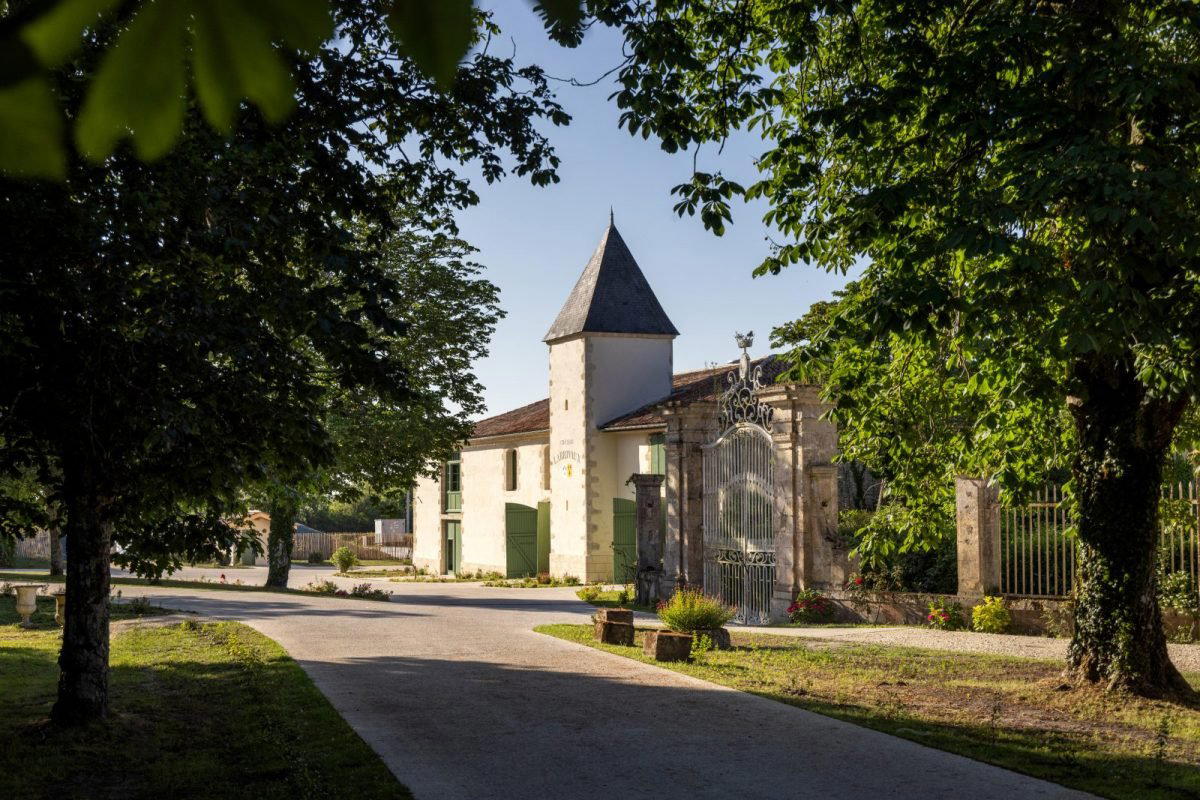
Château Larrivaux is worth booking for a quieter Haut-Médoc visit built around heritage, estate-grown reds, and a nature-forward setting. The appointment-only format suits travelers who want context rather than a rushed tasting, especially if the Cissac-Médoc day is planned around wine depth and a measured food-and-wine rhythm.
Johann Marinits
Wulkaprodersdorf, Austria
A low-cost, Falstaff-listed winery option in Wulkaprodersdorf that suits a quiet, appointment-led stop more than a fully scripted tasting day. Consider Johann Marinits for a modest local wine visit; choose a venue with clearer published hospitality details if the occasion needs food, named flagship bottles, or a polished group format.
47 Anno Domini
Trebaseleghe, Italy
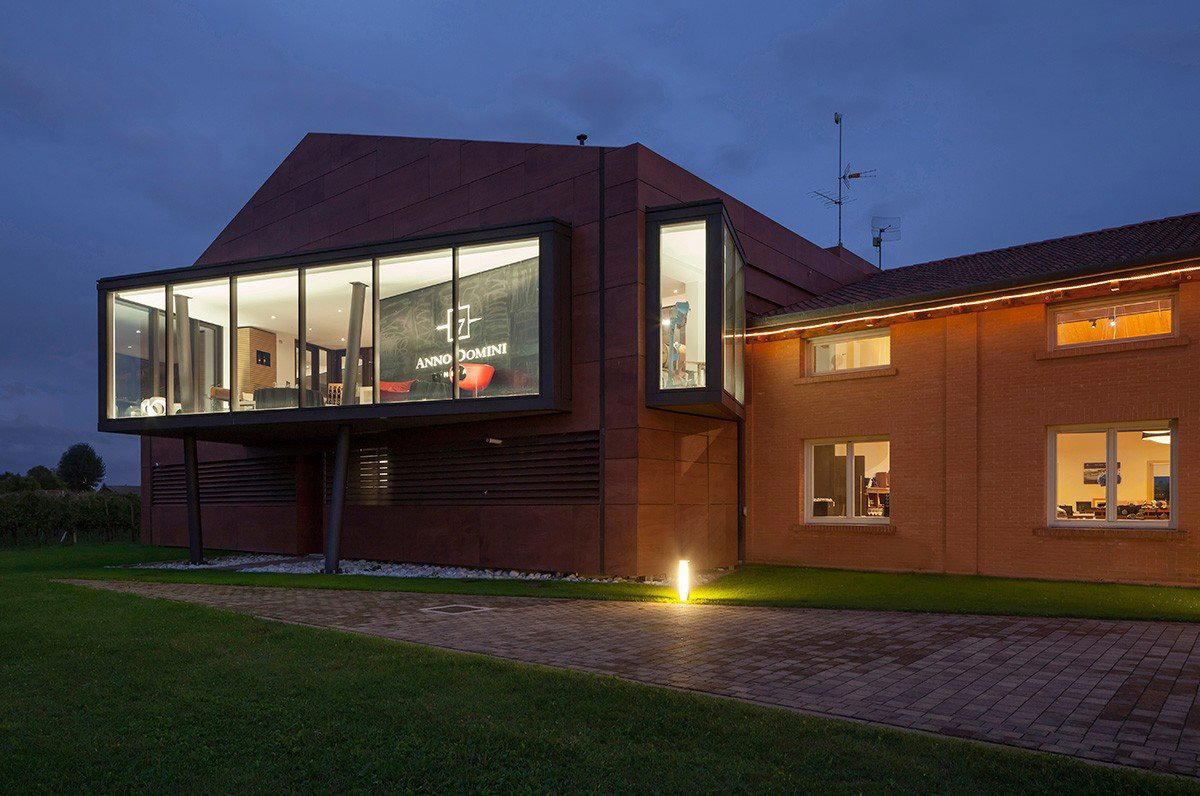
47 Anno Domini is the Treviso Mare choice for a design-led Veneto winery visit, especially for dates, celebrations, or mixed-interest groups. Book it for organic vineyards, contemporary architecture, and a polished tasting atmosphere; choose a more traditional producer if the priority is a stripped-back technical cellar session.
Ca' Lojera
Peschiera del Garda, Italy
Prioritise Ca' Lojera if the trip is about serious Lake Garda wine research rather than a guaranteed food stop. The Falstaff 4-star recognition gives it a credible quality signal, but plan ahead because public details on tasting format, hours, food, and pricing are not confirmed here.
Caparzo
Montalcino, Italy
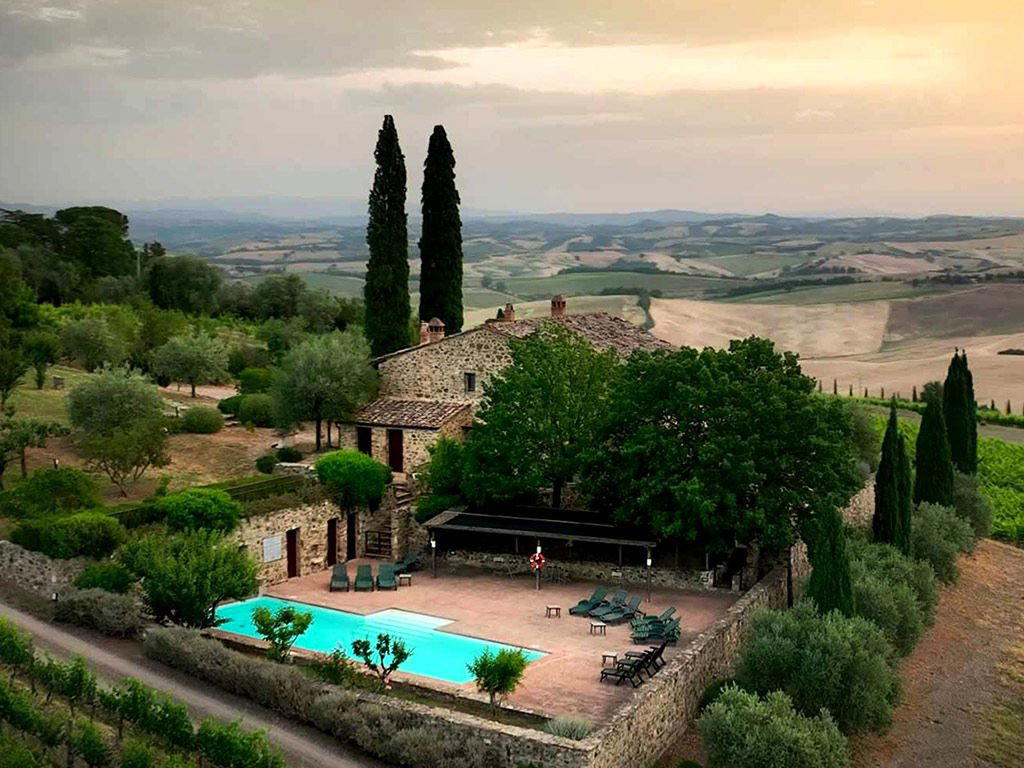
Caparzo is worth booking for a calm, wine-focused Montalcino tasting that explains Brunello through a broad estate lens rather than a flashy hospitality setup. The draw is Sangiovese context, cellar education, vineyard scenery, and a producer with Falstaff 3 Stars in 2026. Best for return visitors who want to understand the appellation more clearly.
Domaine des Hautes Noëlles
Saint Leger Les Vignes, France
Domaine des Hautes Noëlles is worth booking if the goal is a quiet, wine-focused Muscadet visit with organic farming, a modern chai, and real cellar detail. It is less suited to travelers looking for a full hospitality complex or meal-led estate experience.
Domaine Vico
Morosaglia, France
Domaine Vico is a cautious yes for wine travelers building a Morosaglia route around Corsican producers rather than polished cellar-door hospitality. The 2026 Falstaff listing gives it a credible signal, but plan flexibly and confirm the visit format before making it the day’s main anchor.
Château La Dominique
Saint-Émilion, France
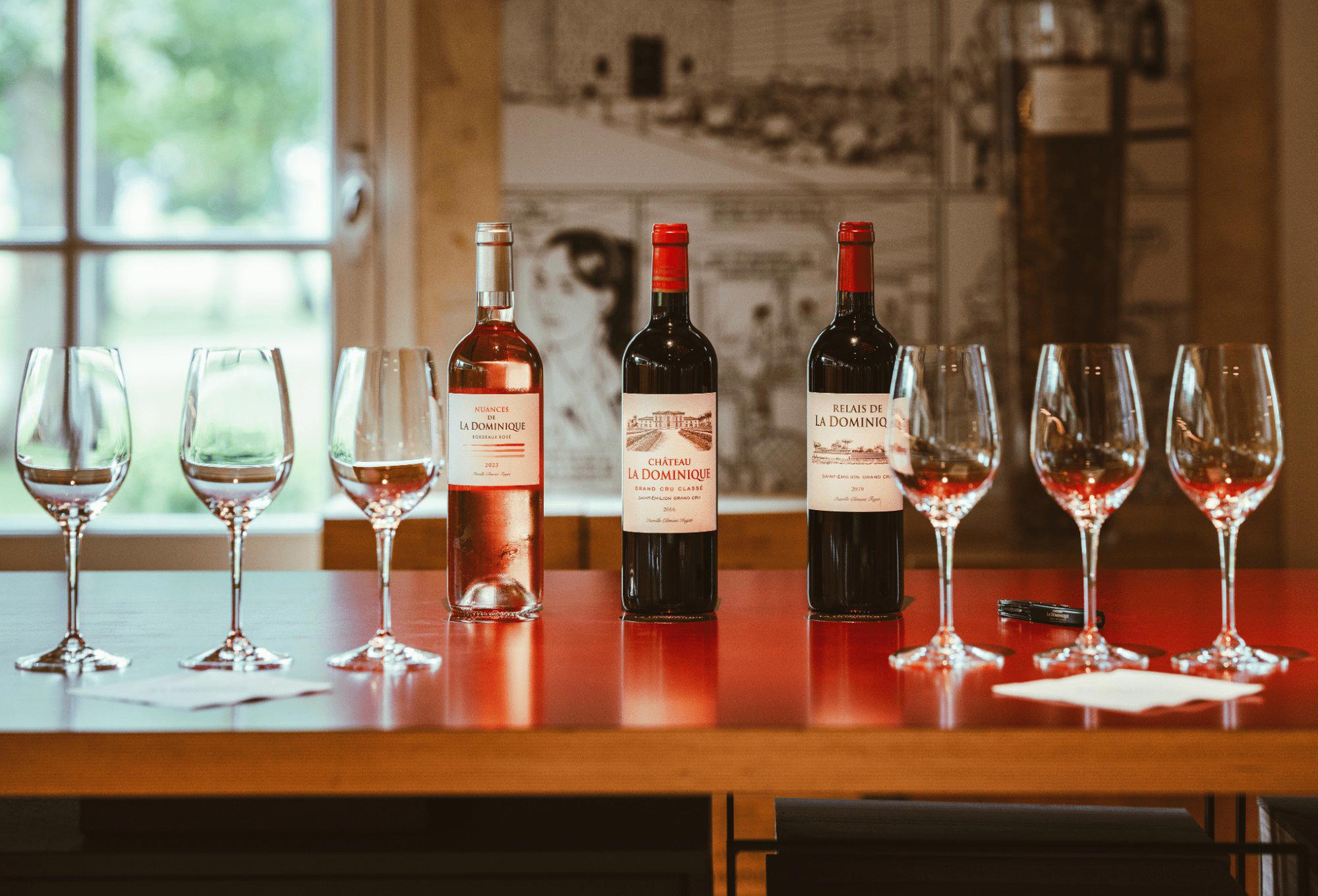
Château La Dominique is worth booking when the setting is part of the point: Jean Nouvel’s red steel winery, Grand Cru Classé credentials, and the La Terrasse Rouge restaurant make it feel more occasion-ready than a standard tasting stop. It is strongest for design-minded Bordeaux drinkers and special-occasion itineraries, less ideal for anyone seeking a rustic cellar visit.
Attems
Capriva Del Friuli, Italy
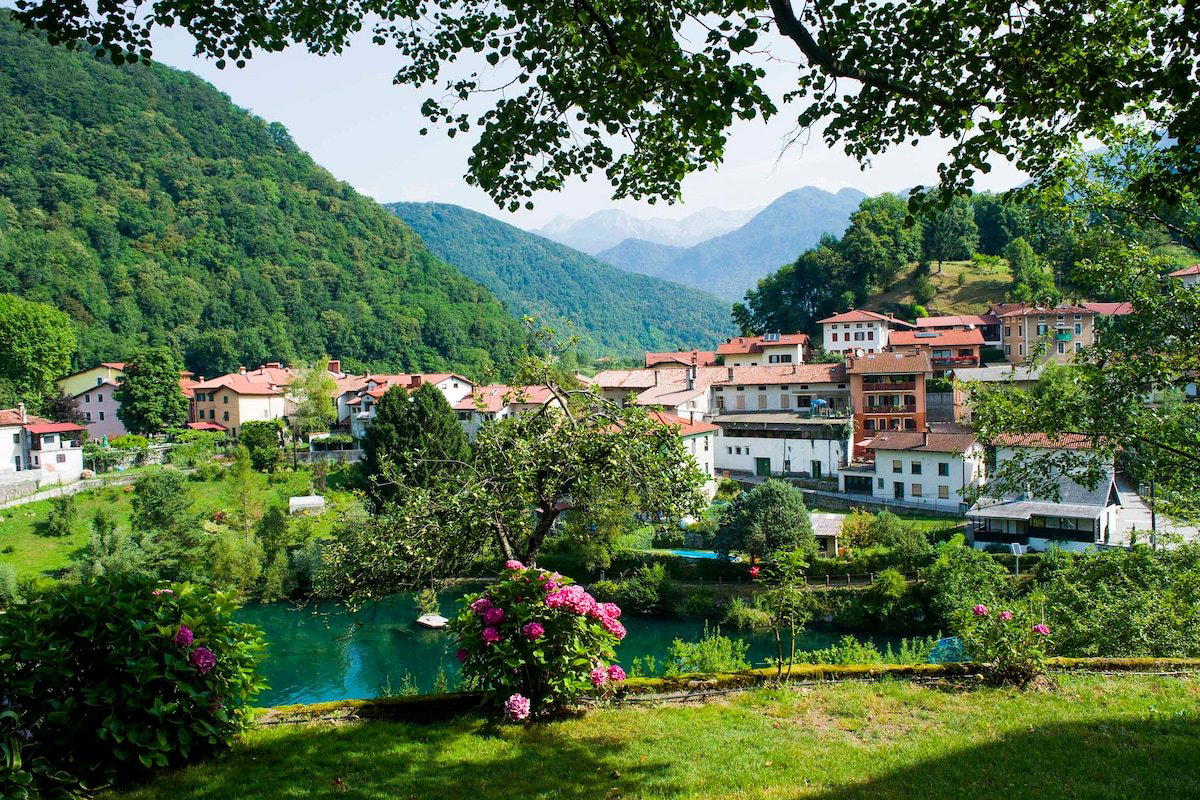
Book Attems if the goal is a serious Collio estate visit with heritage, hillside atmosphere, and a wine program centered on Friulian terroir. The $$$ positioning makes sense for travelers who want context around Sauvignon Blanc, Pinot Grigio, Ribolla Gialla, and Friulano, not just a casual tasting stop.
Celler de l’Encastell
Porrera, Spain
A strong choice for first-time Priorat visitors who want a small, appointment-led Porrera winery rather than a large hospitality setup. Celler de l’Encastell is strongest on family-run production, old-vine context and its townhouse cellar, with Falstaff 4 Stars in 2026 adding useful confidence.
Dog Point Vineyards
Marlborough, New Zealand
Dog Point Vineyards is worth the effort for wine travellers who want serious, ageable Marlborough Sauvignon Blanc rather than a casual cellar-door stop. Prioritise Section 94 and the Chardonnay; skip it if the goal is food pairings, walk-in flexibility, or a broad tasting list.
Château La Croix Toulifaut
Pomerol, France
Château La Croix Toulifaut is a smart Pomerol pick for drinkers who care more about small-scale production and vintage choice than château spectacle. The value case is strongest around its 1.9-hectare footprint, organic cultivation, Janoueix family association, and classic 85% Merlot, 15% Cabernet Franc profile.
Bodegas y Viñedos Ortega, Fournier
Burgos, Spain
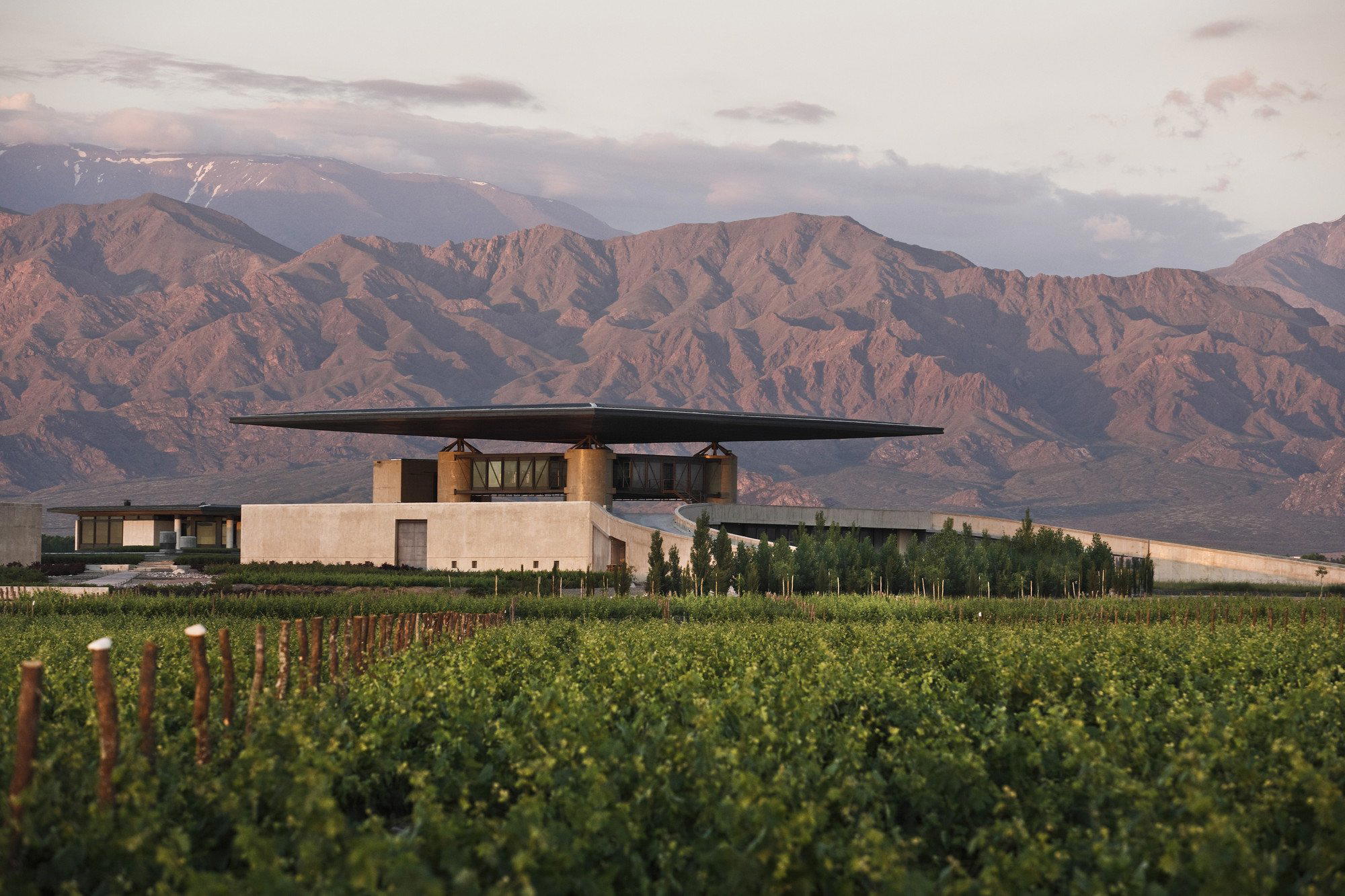
A good pick for a Ribera del Duero wine stop if the priority is production context, Tempranillo-led reds, and buying directly from a working winery. Bodegas y Viñedos Ortega, Fournier suits wine-focused travellers better than groups looking for a restaurant-style or design-led visit.
Cascina Giovinale
Nizza Monferrato, Italy
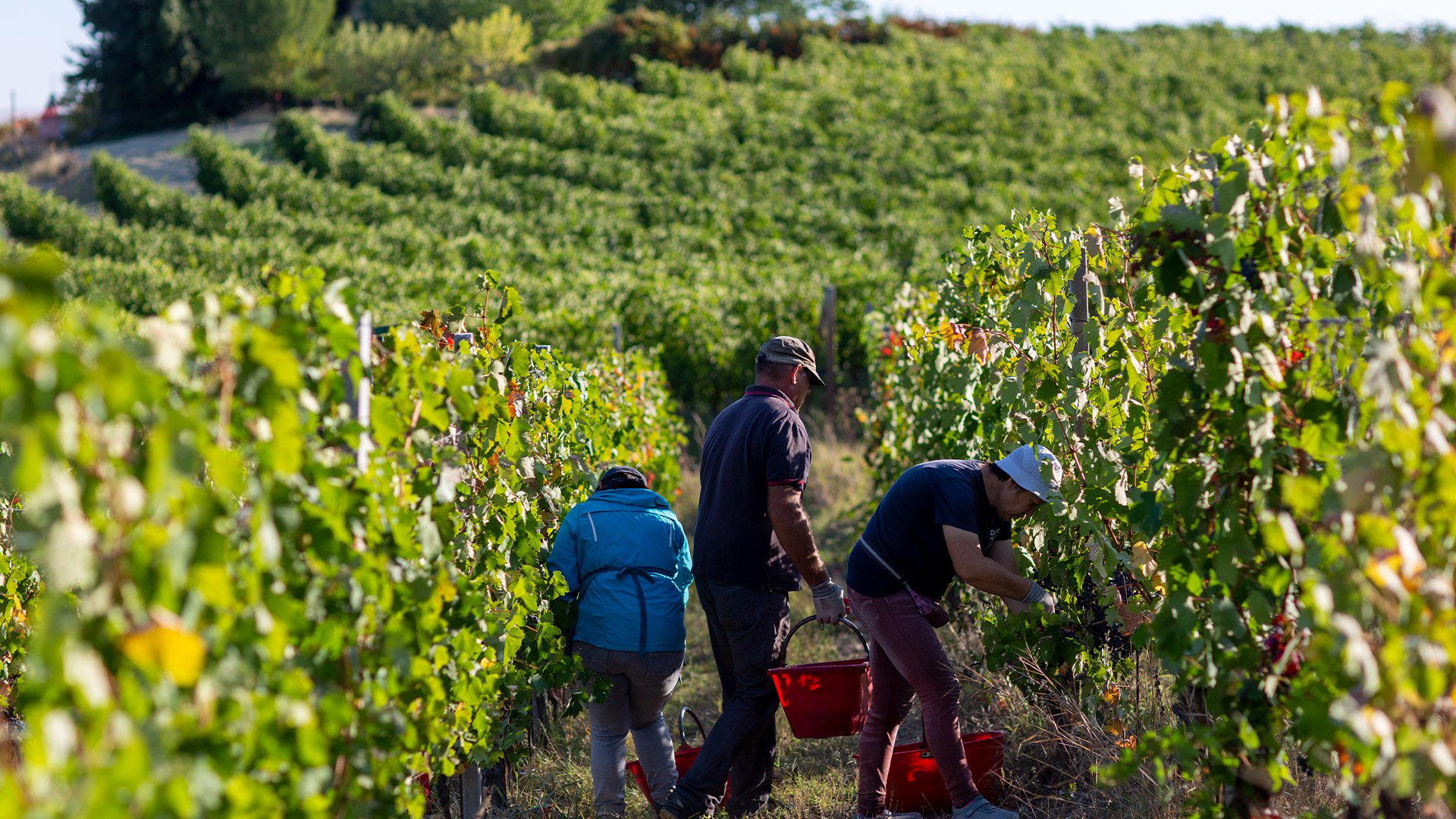
Cascina Giovinale is a low-key Nizza Monferrato option for travelers who want regional wine context rather than a heavily structured tasting-room visit. Falstaff listing in 2026 gives it a credibility signal, but confirm details before planning around food, group visits, shipping, or fixed timing.
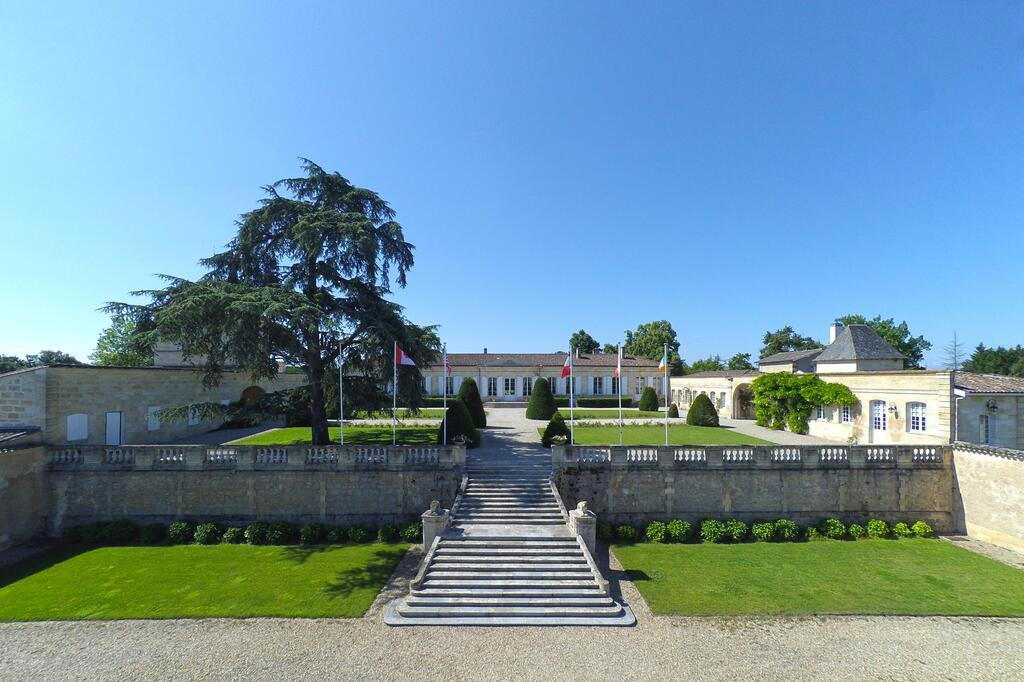
Barton & Guestier Château Magnol
Blanquefort, France
Worth considering as a Blanquefort château stop if the goal is Bordeaux wine context rather than a fully published tasting program. Confirm the visit format, timing, group suitability, and any food component before building a day around it; flexible wine travelers will get the cleanest fit.
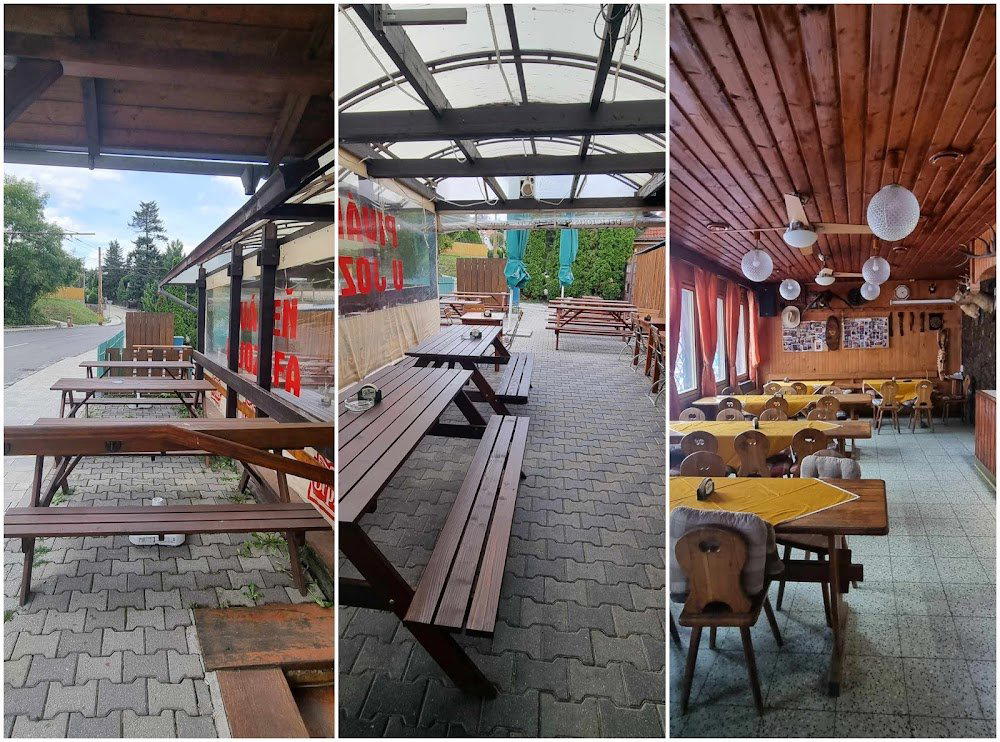
Bott Frygies
Komarno, Slovakia
Bott Frygies is worth shortlisting for wine-focused travelers in Komarno because it carries a Falstaff Listed recognition for 2026. Treat it as a focused winery stop rather than a full dining or private-tasting plan unless the format is confirmed in advance.
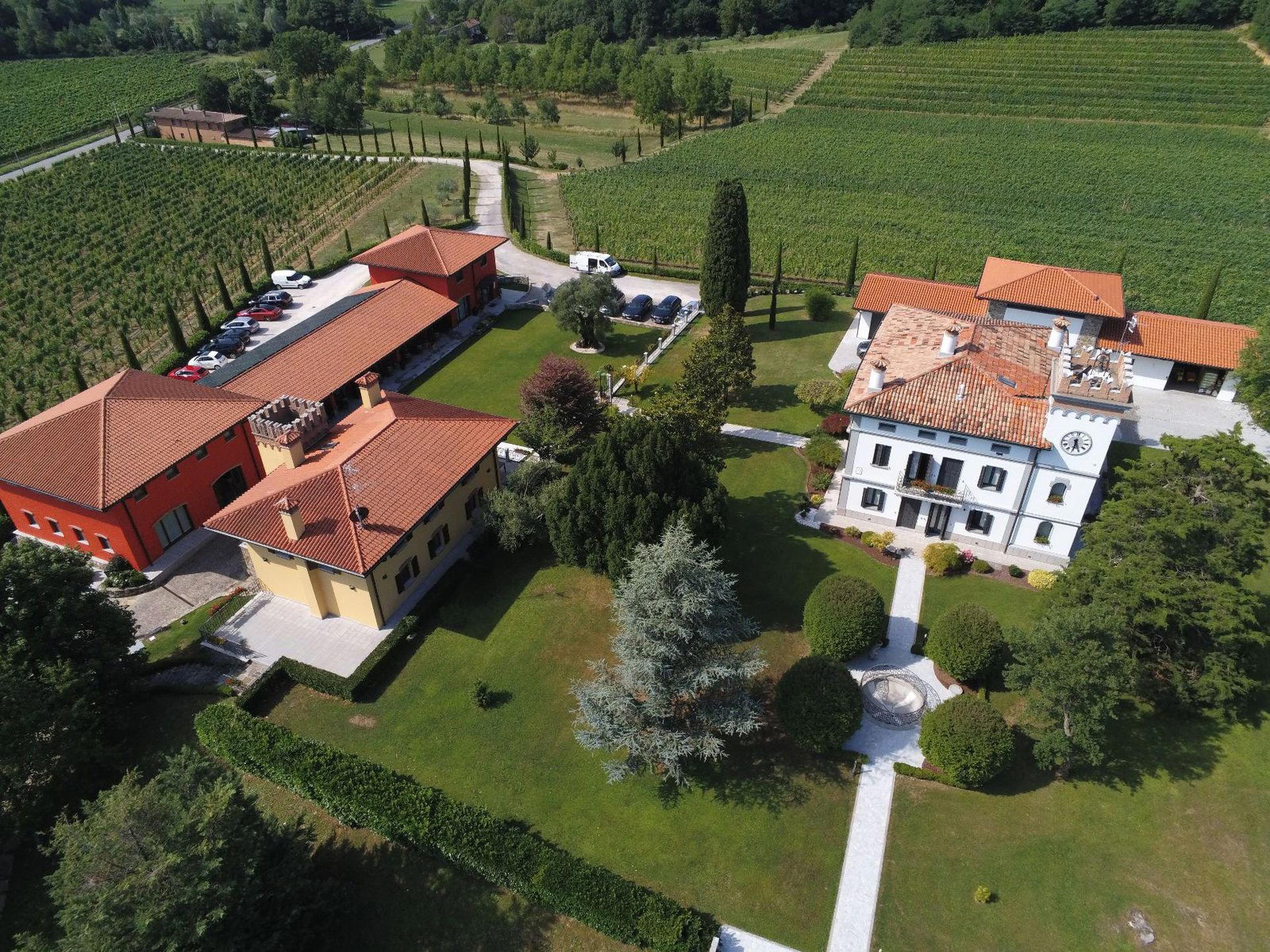
Il Roncal
Cividale del Friuli, Italy
Il Roncal is worth booking for a quiet Colli Orientali del Friuli wine visit with real production depth: terraced Montebello Hill vineyards, a broad Friulian grape range, and estate hospitality that can extend beyond a tasting. It is better for slow travelers than quick-stop tasters, especially if native varieties and landscape matter more than a restaurant-style format.
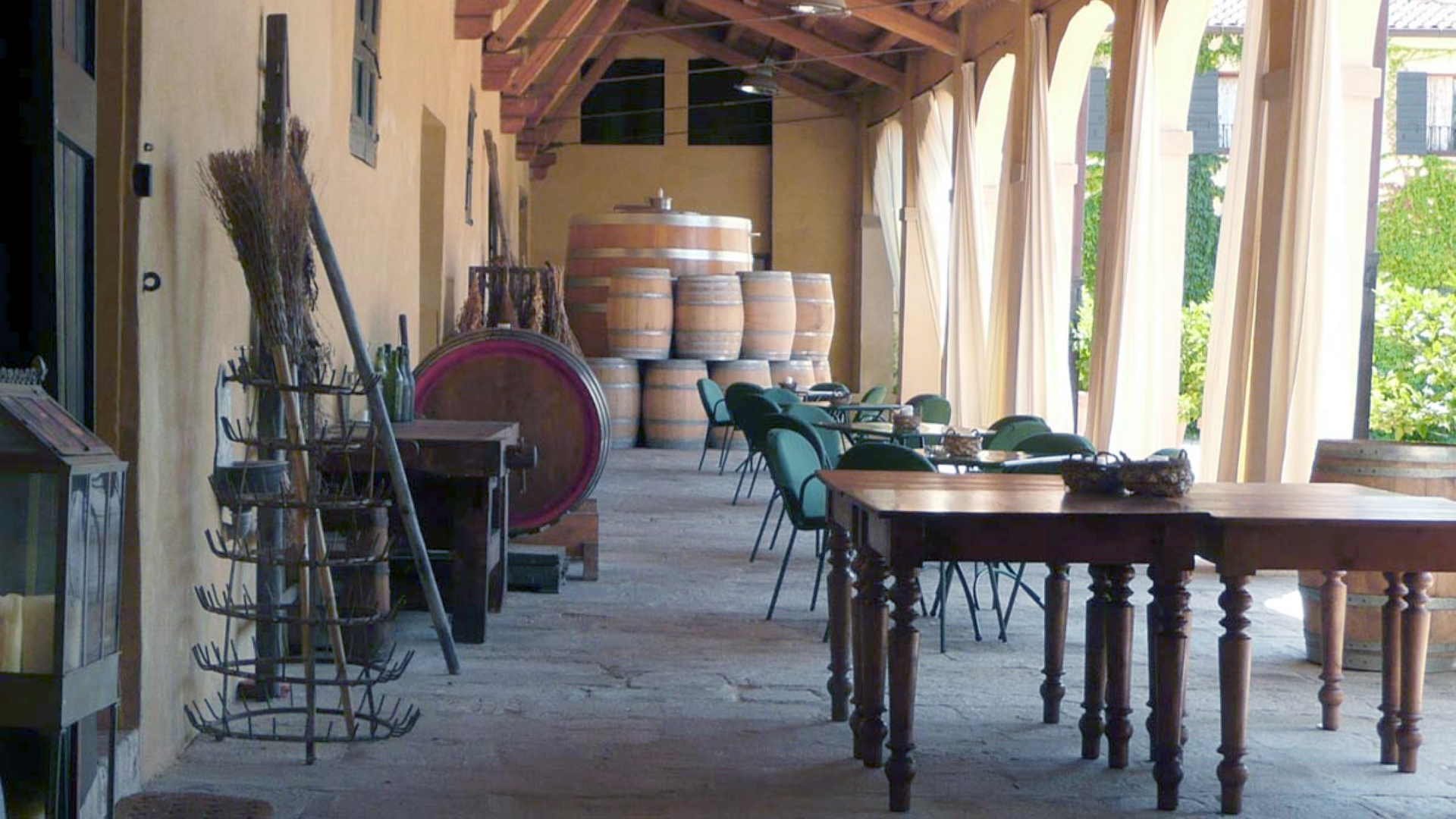
Ca’ Orologio
Baone, Italy
Ca’ Orologio is a sensible Baone pick for travelers planning a wine-focused day in the Euganean Hills, especially if outside recognition matters: it is Falstaff listed for 2026. It is less suited to visitors who need full tasting, food, shipping, and flagship-bottle details visible before planning, so treat it as a confirmed-stop itinerary choice rather than a casual drop-in.
Château Leroy-Beauval
Saint Sulpice Et Cameyrac, France
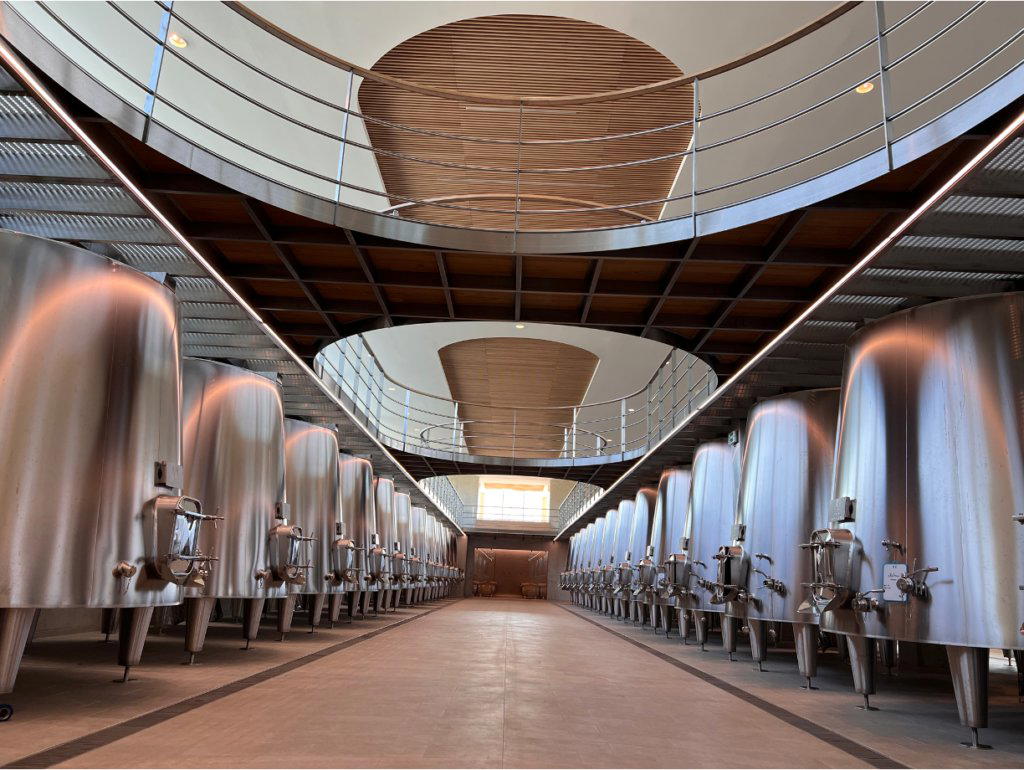
Château Leroy-Beauval is worth booking for a calm Bordeaux estate visit with real vineyard context between Bordeaux and Saint-Émilion. The draw is the combination of a 75-hectare vineyard setting, Bordeaux Supérieur reds, limited-production white wine, Crémant, and Rozélie rosé, backed by Falstaff listing and strong 2022 critic scores.
Domaine de Bellene
Beaune, France
Book Domaine de Bellene if Burgundy Pinot Noir and production philosophy matter more than a casual tasting-room scene. The draw is old-vine, BIO-certified farming, biodynamic practice since 2006, and low-intervention winemaking in renovated historic abbey buildings in Beaune. It is a better fit for small, wine-serious appointments than for large groups or food-led visits.
Château Roche-Lalande
Martillac, France
A sensible Martillac shortlist pick for travelers who care more about estate setting and Bordeaux producer context than a packaged tasting-room experience. Falstaff Listed in 2026, Château Roche-Lalande works for a quieter wine-country stop, but not for groups needing published food, event, or tasting-format details.
Château Bourdieu
Berson, France
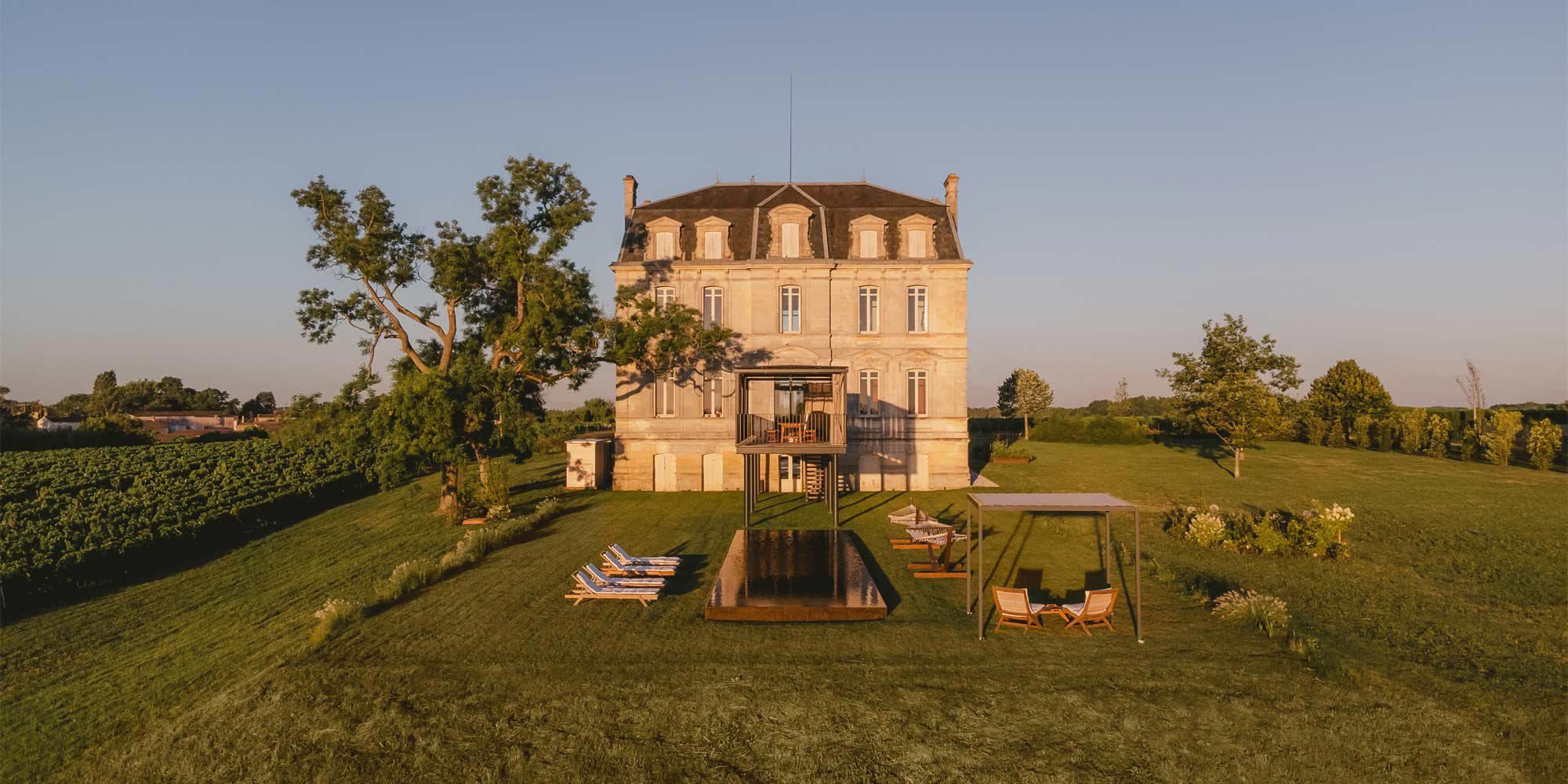
Château Bourdieu works for a focused wine stop in Berson, especially if the goal is a château-based tasting rather than a restaurant-style experience. Its Falstaff listing in 2026 gives it a credible trust signal, but visitors who need confirmed food, prices, or published hours should plan carefully before building a day around it.
Hacienda El Ternero
Ternero, Spain
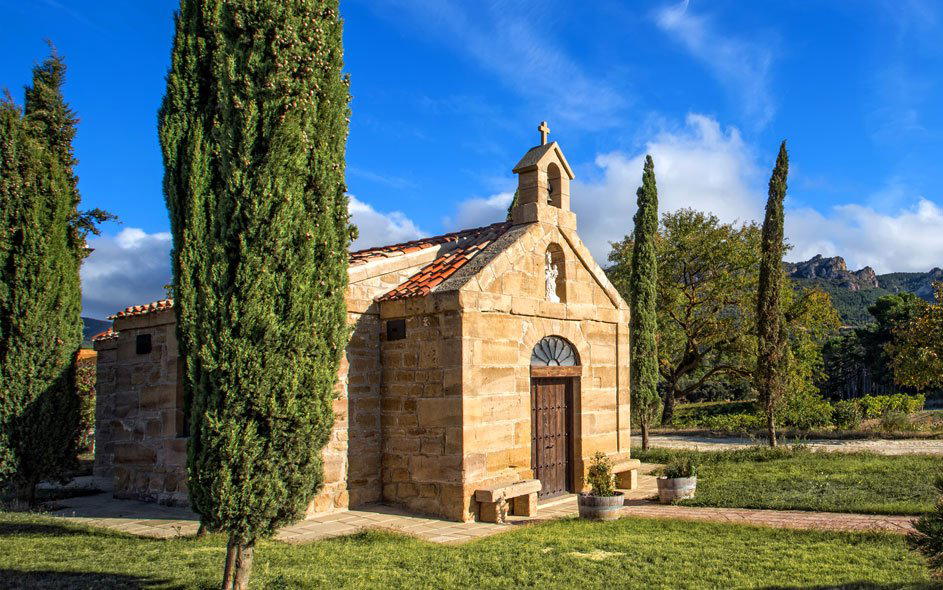
Book Hacienda El Ternero if the appeal is single-estate Rioja Alta, historic monastery-linked buildings, and a quieter countryside tasting rooted in place. It is a stronger fit for wine travellers who want terroir and heritage context than for anyone seeking a polished, fully published hospitality package or a confirmed allocation-style wine club.
Bio-Weingut Agnes und Regina Gössinger
Pillichsdorf, Austria
Book this Pillichsdorf organic winery if the goal is a quiet, family-scale Weinviertel tasting with real regional context. The strongest reasons to go are the long family presence, organic focus, and award-recognized white-wine work; choose another format if the priority is a full meal-led pairing experience.
Château Roc de Boisseaux
Saint-Sulpice-de-Faleyrens, France
A smart Saint-Émilion Grand Cru pick for drinkers who care about vineyard detail, restrained Right Bank structure, and small-production credibility. Château Roc de Boisseaux is more compelling as a bottle-focused estate than as a big hospitality stop, so it suits collectors and curious Bordeaux travelers better than groups chasing a polished tasting-room experience.
Esporão
Lisbon, Portugal
Esporão is worth planning as a slower Alentejo wine day from Lisbon, especially for a celebration, date, or business host who wants a relaxed estate setting rather than a quick tasting counter. The case rests on heritage, certified organic vineyards, and a structured rural hospitality format; skip it if convenience is the main priority.
Champagne Vincent Brochet
Ecueil, France
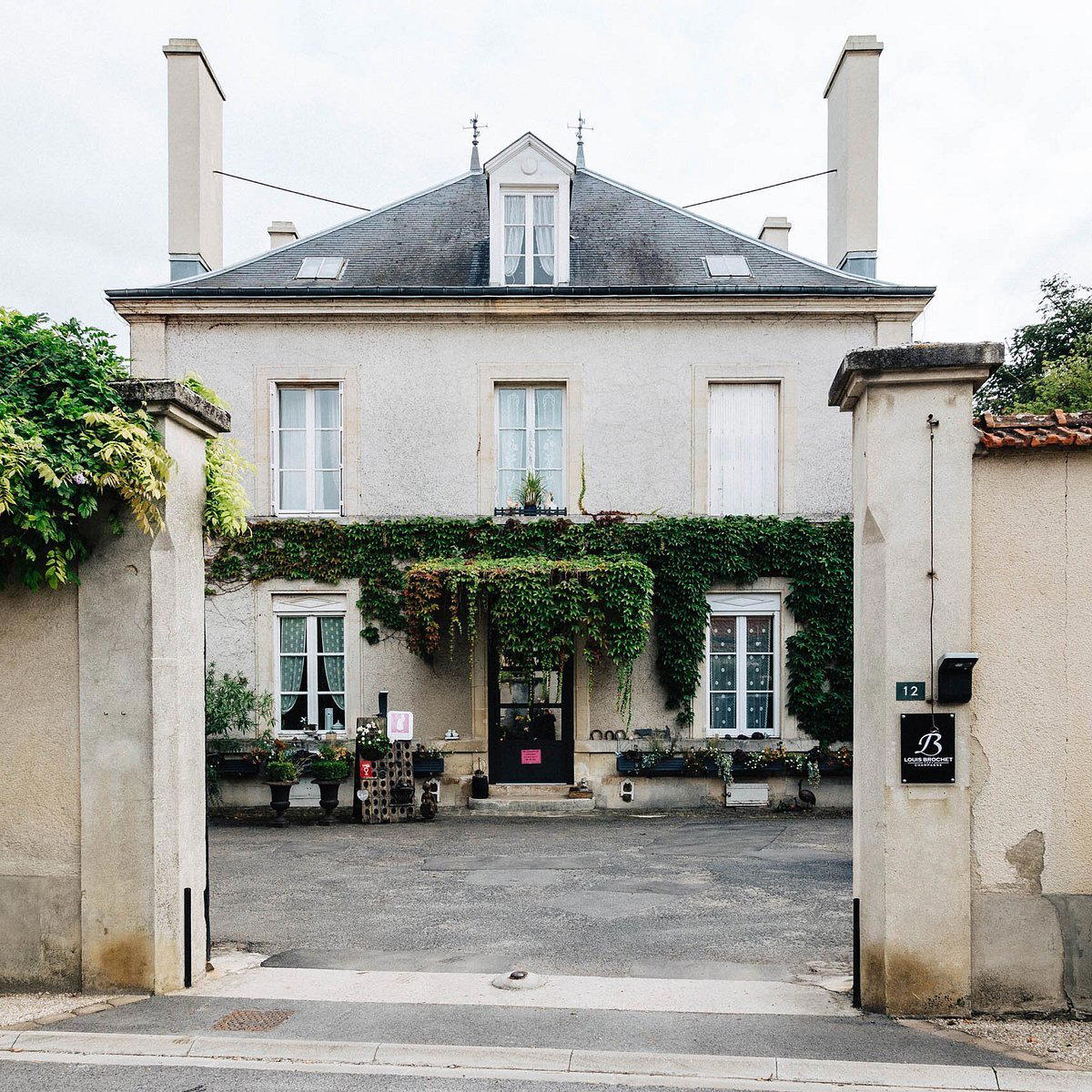
Prioritise Champagne Vincent Brochet if your Écueil stop is about grower Champagne, vineyard context, and a quieter Premier Cru village setting. The panoramic tasting room gives the visit real place-value, and the Pinot Noir focus makes it especially useful for travellers building a Montagne de Reims itinerary around terroir rather than spectacle.
Château d'Arsac
Margaux, France
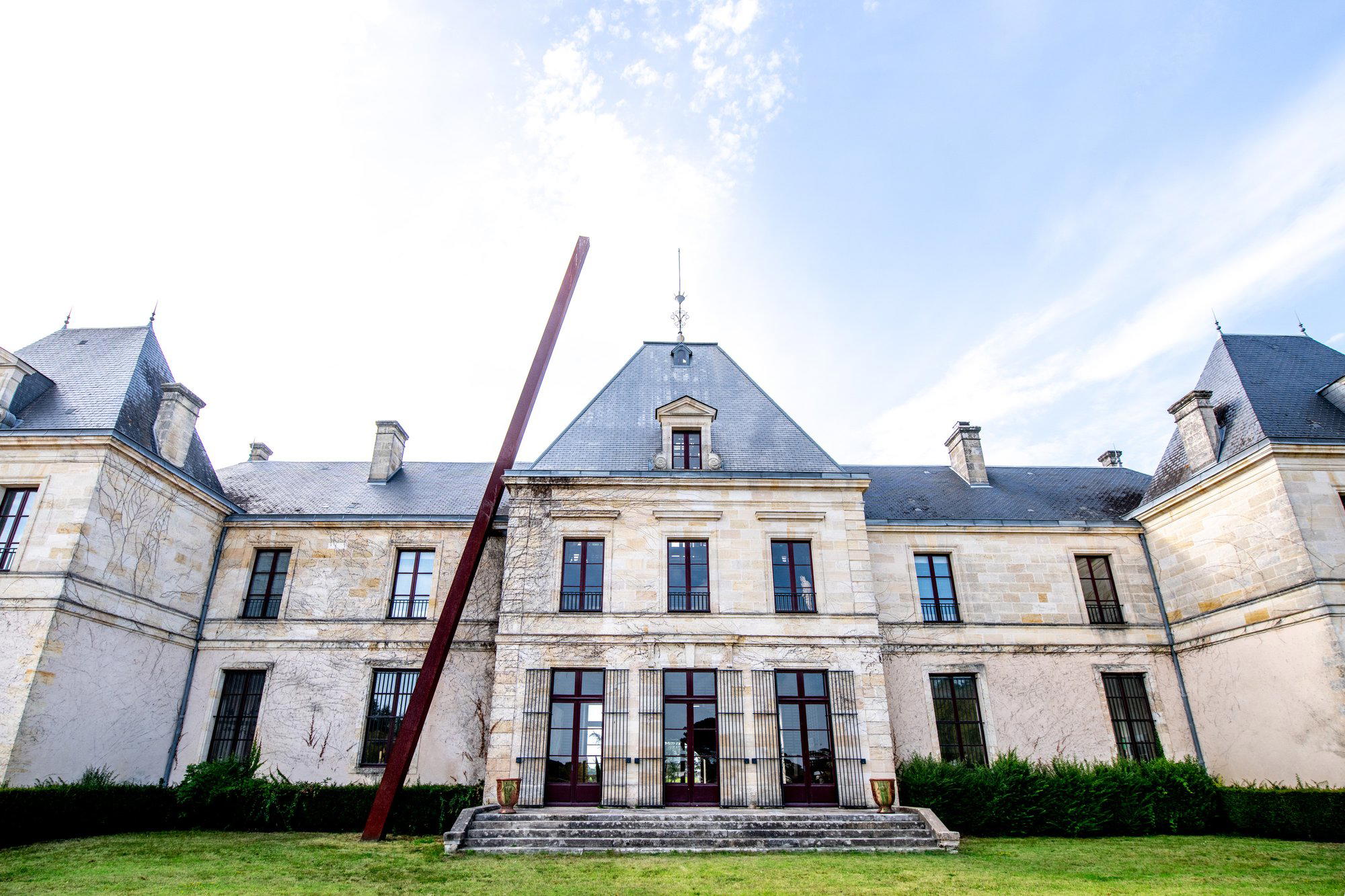
Château d'Arsac is worth booking if the Margaux visit should combine serious Bordeaux context with a strong visual setting. The estate suits couples, celebration trips, and mixed-interest groups who want wine, architecture, and outdoor art in one stop rather than a narrowly technical cellar appointment.
Ridgeview
Fragbarrow Lane, United Kingdom
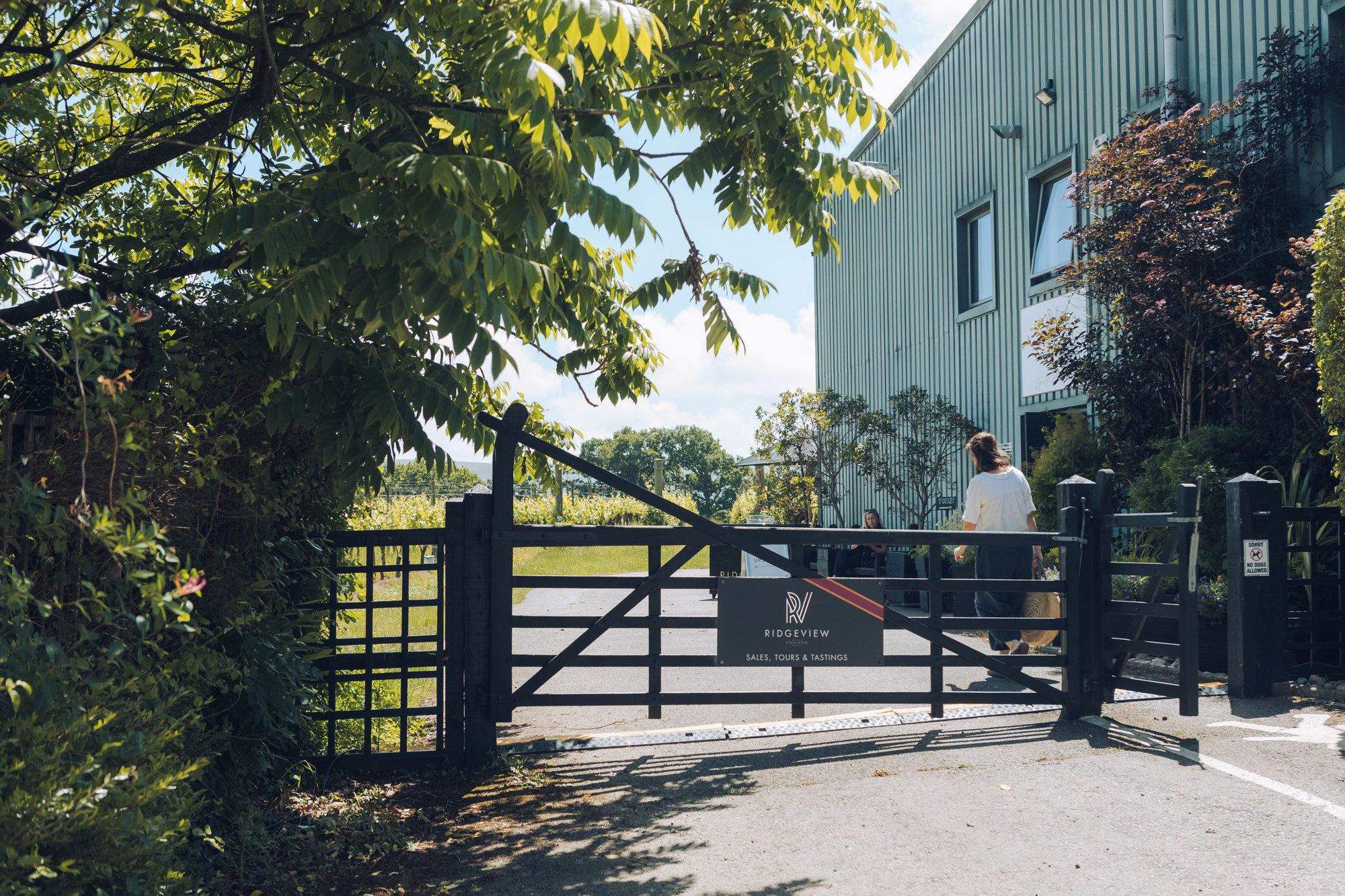
Ridgeview is worth prioritising if the goal is a focused English sparkling wine visit rather than a food-heavy countryside day. Its World's 50 Best Vineyards recognition gives it a stronger credibility signal than many casual tasting-room stops, but travellers wanting a broader hospitality setup should also compare Leonardslee Family Vineyards, Nyetimber, and Balfour Winery.
Champagne Philippe Gonet
Le Mesnil-sur-Oger, France
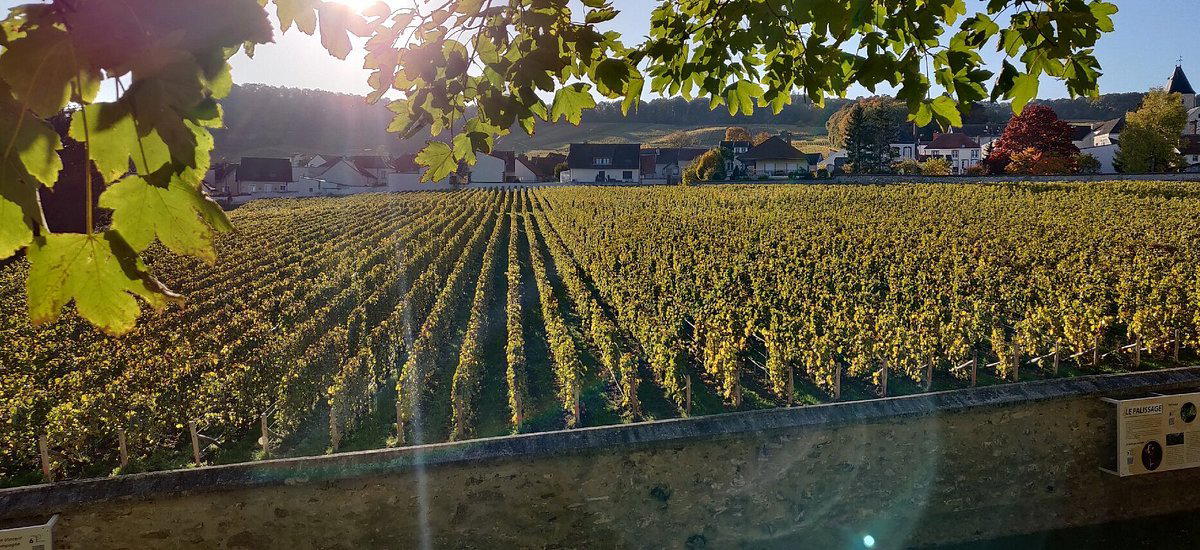
Champagne Philippe Gonet is a sensible Le Mesnil-sur-Oger shortlist pick for travelers who care about Champagne context more than hospitality extras. It is better suited to a planned wine-focused itinerary than a casual drop-in, especially because public visit details are limited and the strongest draw is the village setting plus external recognition.
Fattoria Cerbaia
Barberino Tavarnelle, Italy
Fattoria Cerbaia is worth prioritizing if you want a quiet Chianti countryside visit built around small-scale Sangiovese rather than a formal tasting-room production. The draw is the agriturismo atmosphere, olive-grove setting, and focused wine context; it is less suitable for large groups or travelers who need a full restaurant-style food program on site.
Ceraudo
Strongoli, Italy
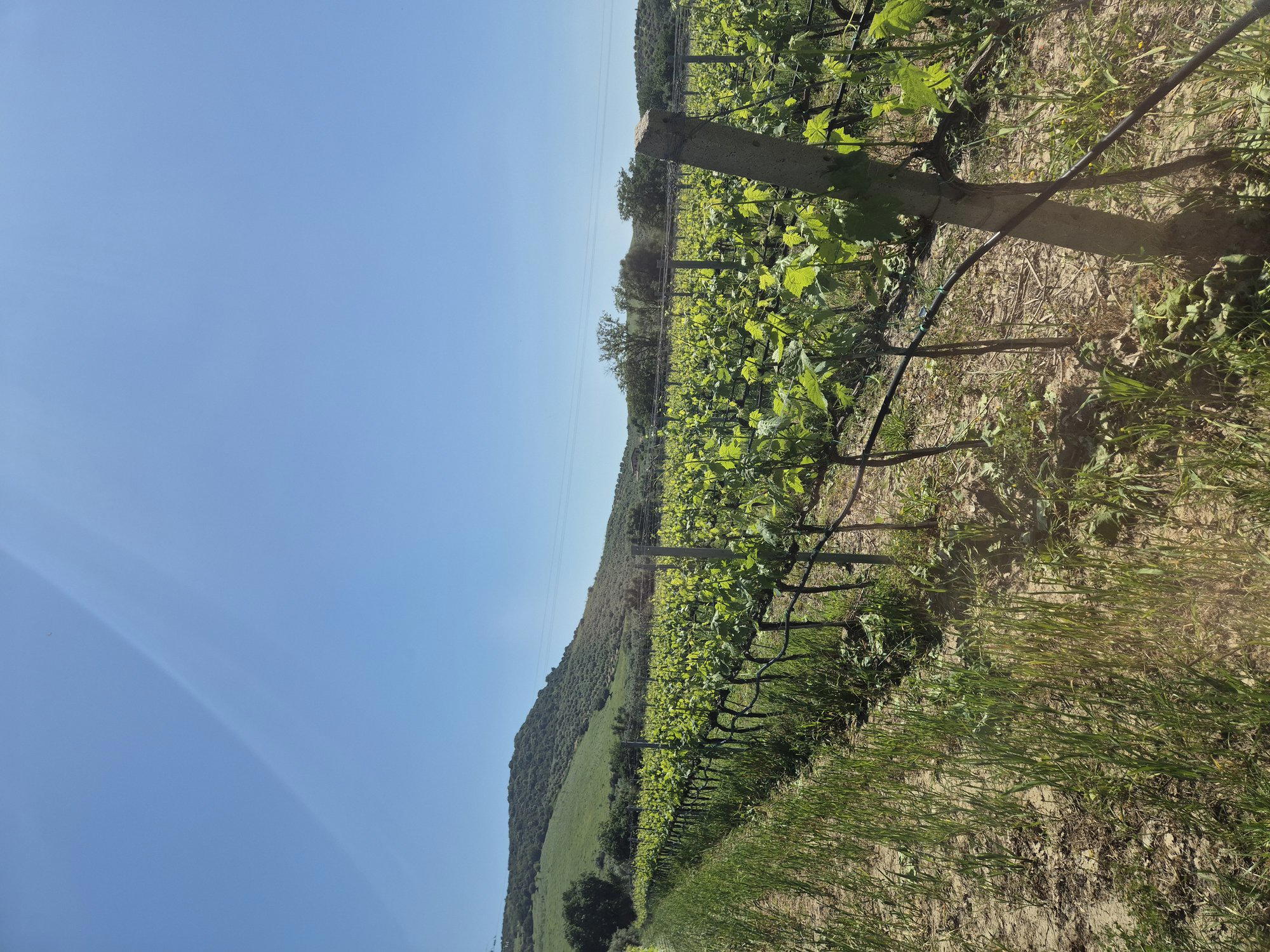
Ceraudo is a strong shortlist choice for a wine-led stop in Strongoli, backed by Falstaff 2 Stars for 2026. Treat it as a planned winery visit rather than a guaranteed restaurant-style meal, and build backup food plans if pairings are central to the day.
Château Cantelys
Martillac, France
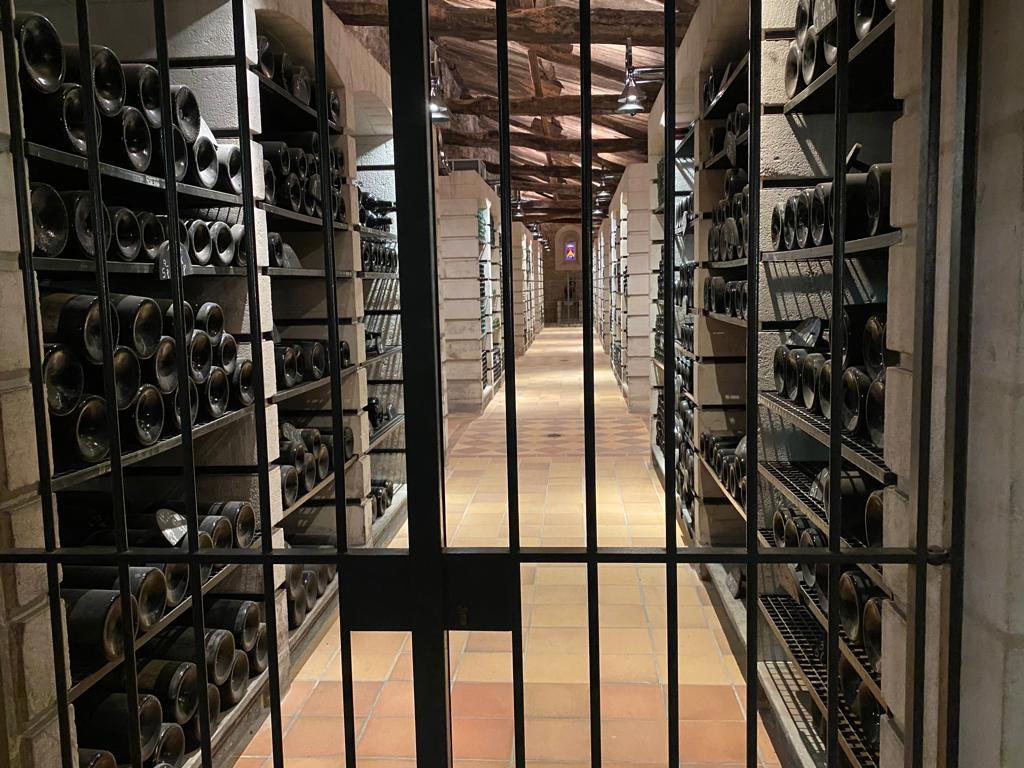
Château Cantelys is better treated as a Pessac-Léognan wine-buying target than a hosted château outing. It suits travelers planning a Martillac celebration around restaurants, hotels, or other winery visits, then adding a quieter, value-driven Bordeaux bottle to the meal or cellar plan.
Spadaio e Piecorto
Barberino Val D Elsa, Italy
Book Gastone Stefanelli – Spadaio Piecorto if you want a smaller Tuscan winery stop with a rustic feel and a Sangiovese-led, Chianti-style red focus. It is a stronger fit for relaxed wine-country exploring than for travelers who need a heavily structured tasting program. Falstaff listing adds a useful recognition signal for 2026.
Ataahua Wines
Amberley, New Zealand
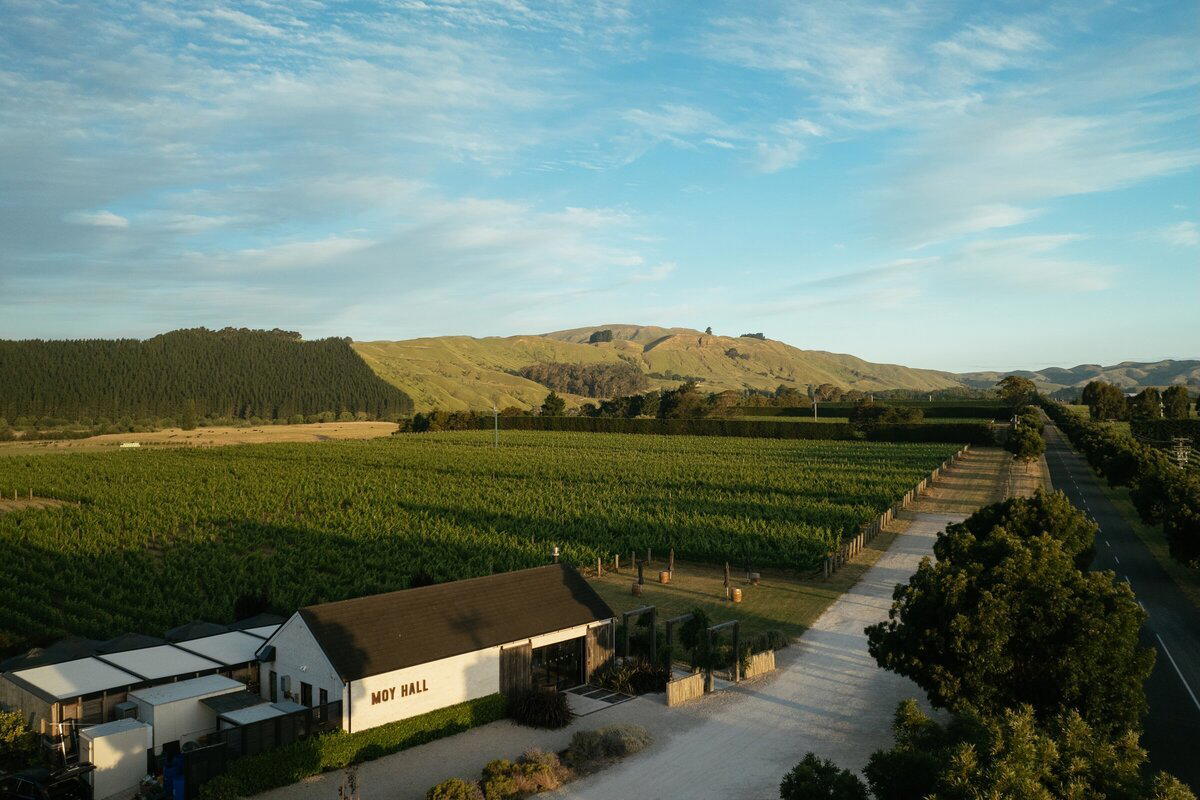
Ataahua Wines works for a quiet Amberley wine stop, especially if Falstaff Listed recognition for 2026 is enough of a quality signal for your shortlist. It is a weaker fit for visitors who need confirmed food, a named flagship bottle, or a fully mapped tasting format before committing.
Neethlingshof Estate
Stellenbosch, South Africa
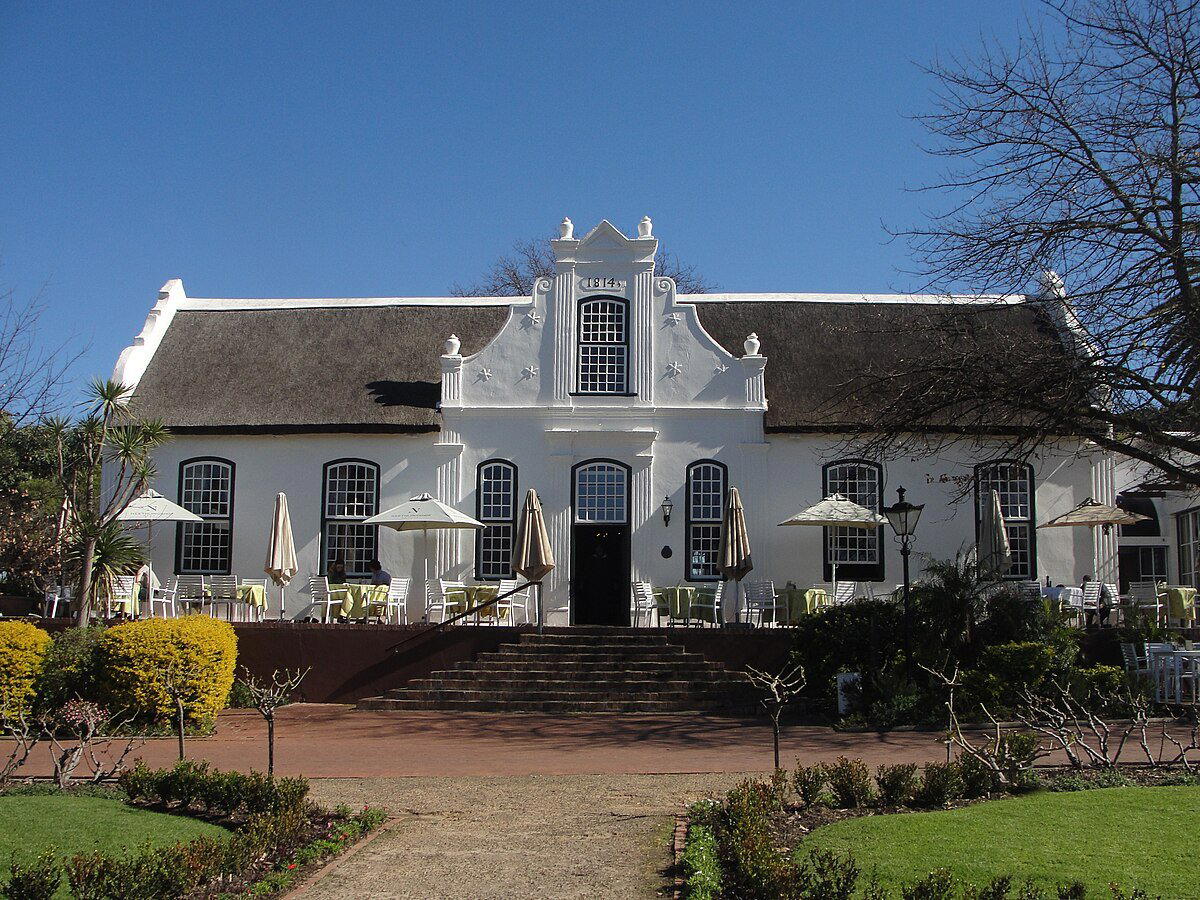
Neethlingshof Estate is worth prioritizing if your Stellenbosch day is wine-led rather than built around restaurants, hotels, or family activities. It works especially well as one stop on a focused Polkadraai Road route, with Asara Wine Estate and Spier Wine Farm stronger alternatives for visitors who want a broader estate experience.
Domaine Jean Luc Colombo
Cornas, France
Prioritise Domaine Jean Luc Colombo if the goal is to understand modern Cornas through Syrah, technical winemaking, and Rhône-wide context. It is a stronger choice for serious wine buyers and returning visitors than for a casual scenic stop, with a $$$ positioning and Falstaff Listed recognition in 2026.
Gigante Wine & Welcome
Corno Di Rosazzo, Italy
Gigante Wine & Welcome is worth booking as a quiet Friuli wine-country base, not as a guaranteed cellar-tour destination. Choose it for the countryside atmosphere, wellness facilities, pool, parking, terraces or balconies, and event-capable hospitality setup; skip it if the trip depends on a documented tasting flight, named wine portfolio, or formal production visit.
Château Clos du Marquis
Saint-Julien-Beychevelle, France
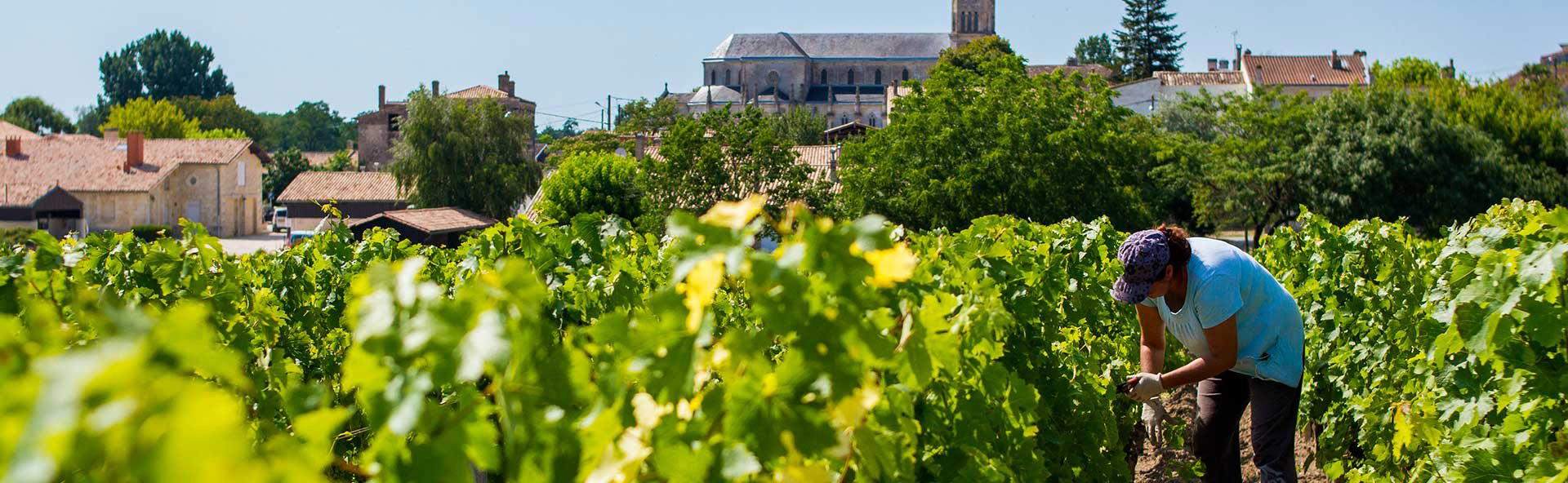
A serious Saint-Julien appointment for Bordeaux drinkers who want structure, cellar potential, and terroir context rather than casual wine tourism. Château Clos du Marquis is strongest as a focused Left Bank stop, especially when paired with a planned meal built around red meat, game, hard cheese, or other classic Bordeaux pairings.
Gregor Barth
Meisenheim, Germany
Gregor Barth is worth booking for a quiet Rheinland-Pfalz wine weekend, especially if tastings, cellar access, guest rooms, and an outdoor wine lounge matter more than named prestige cuvées. The 2026 Falstaff listing gives it a current quality signal, while the $$ positioning and casual dress code keep the experience relaxed rather than formal.
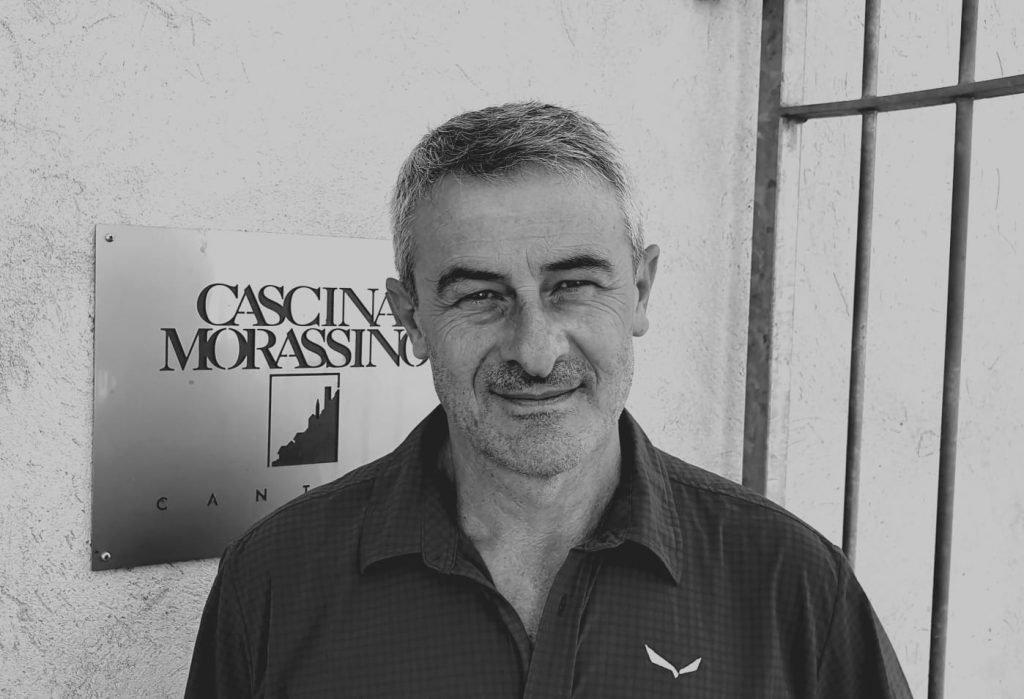
Cascina Morassino
Barbaresco, Italy
A strong choice for serious Barbaresco travelers who want a small, traditional Nebbiolo estate rather than a polished tasting-room experience. The draw is focused: Ovello-area vineyards, family-scale production, and classic cellar methods. Book it as one thoughtful appointment within a wider Barbaresco wine day, not as a casual drop-in stop.
Domaine Le Roc des Anges
Latour De France, France
Domaine Le Roc des Anges is a wine-first Latour de France stop for travellers who care about Roussillon setting as much as the tasting itself. Falstaff 2 Stars in 2026 gives it a clear credibility signal, but plan it as a focused winery visit rather than a food or walk-in hospitality stop.
How many of these have you visited?
Find out on Pearl and keep score across every place in 2026 Falstaff Winery Guide.