
La Chablisienne
Chablis
Winery in Chablis, France
 Book with Pearl
The Read
Kimmeridgian Cooperative Precision
Why go
La Chablisienne is worth booking as a practical Chablis anchor, especially when smaller domaine appointments are hard to secure. Go for regional context and a broader read on the appellation, not for an intimate collector-style visit. Pair it with one smaller producer if the goal is a balanced wine day in Chablis.
About La Chablisienne
La Chablisienne is a Chablis venue with a casual dress code and Pearl 3 Star Prestige recognition for 2025.
A useful Chablis anchor when details need confirming
For a Chablis day, La Chablisienne can be considered alongside named references such as Domaine Dauvissat, Domaine Eleni & Edouard Vocoret, Domaine Louis Michel & Fils, Domaine Moreau-Naudet and Domaine Willian Fevre. The safest approach is to confirm each stop directly rather than assuming shared hours, formats, capacity or booking requirements.
If the day also includes dining or an overnight stay, use the Chablis restaurants guide and Chablis hotels guide to leave enough flexibility between confirmed plans. That is especially important when planning around service format, food service or visit duration.
Who should consider La Chablisienne
Choose La Chablisienne if a casual Chablis stop with Pearl 3 Star Prestige recognition fits the itinerary and the venue confirms the practical details you need. Choose Domaine Dauvissat, Domaine Eleni & Edouard Vocoret, Domaine Louis Michel & Fils, Domaine Moreau-Naudet or Domaine Willian Fevre when the plan is built around one of those specific names and its own confirmed arrangements.
For broader planning, avoid stacking visits too tightly. The Chablis wineries guide, Chablis bars guide and Chablis experiences guide can help structure the day around confirmed stops.
Planning details
- Location
- 8 Bd Pasteur, 89800 Chablis
- Website
- chablisienne.com
- Phone
- +33 3 86 42 89 89
The take
The Take
The Vibe
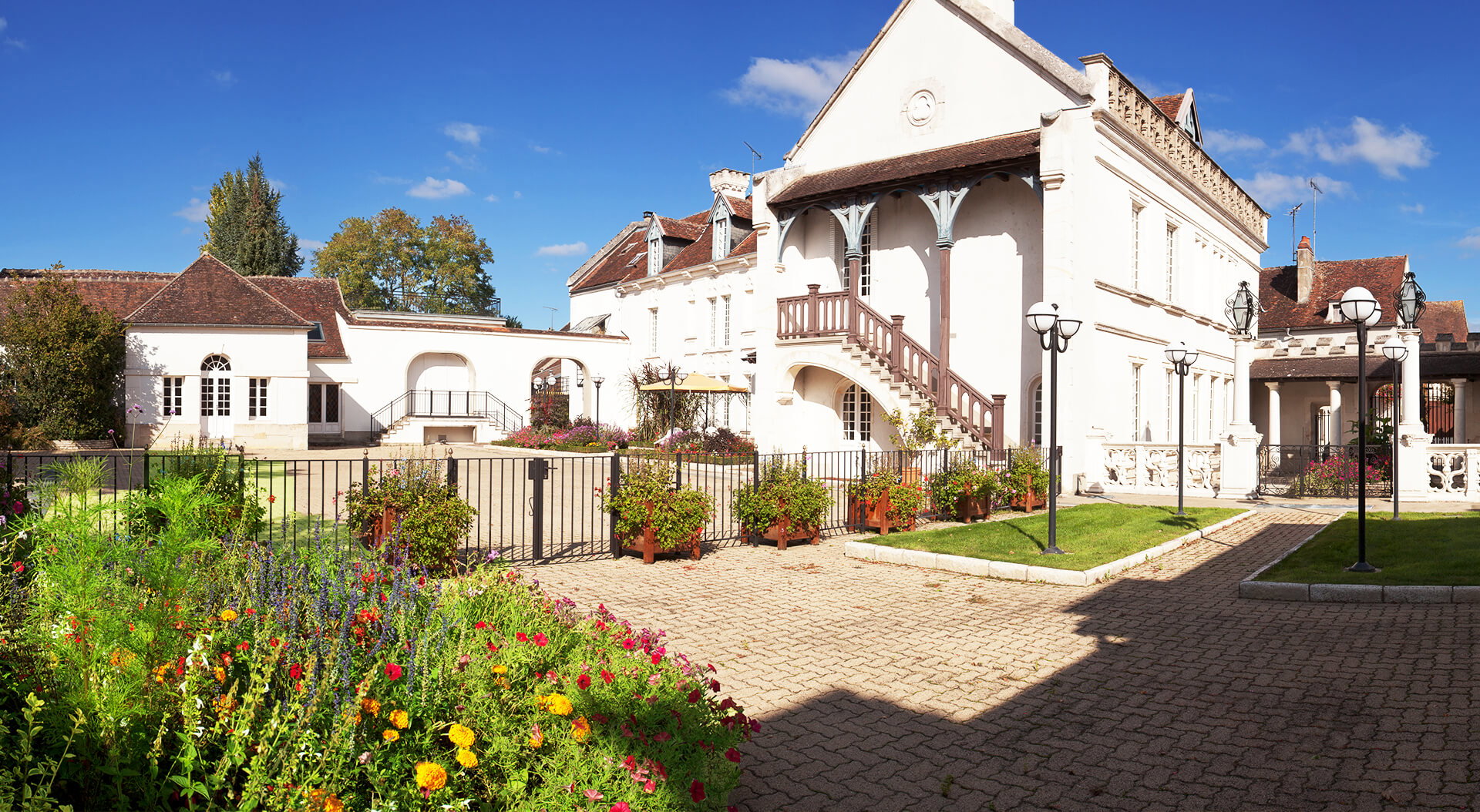
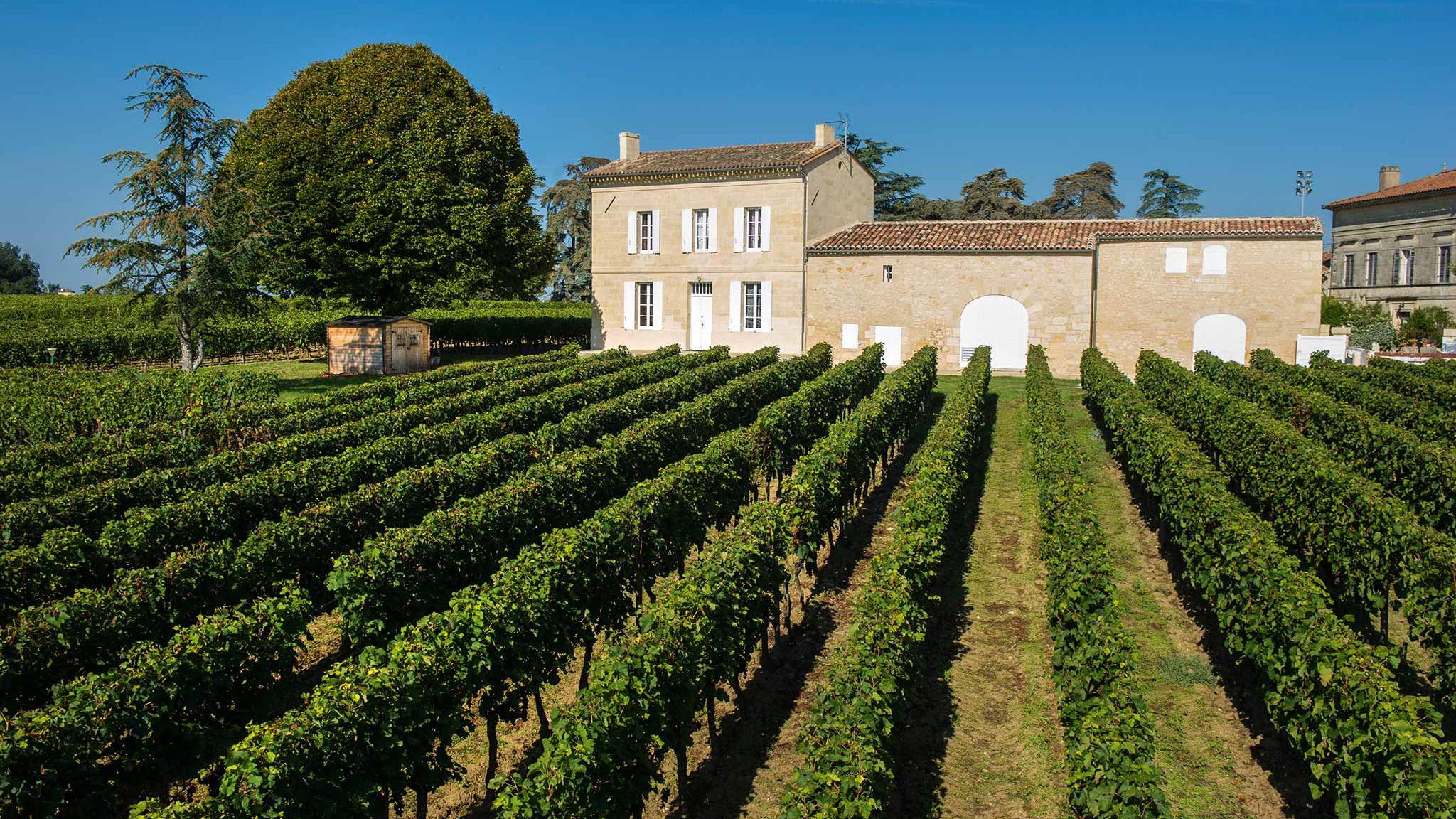
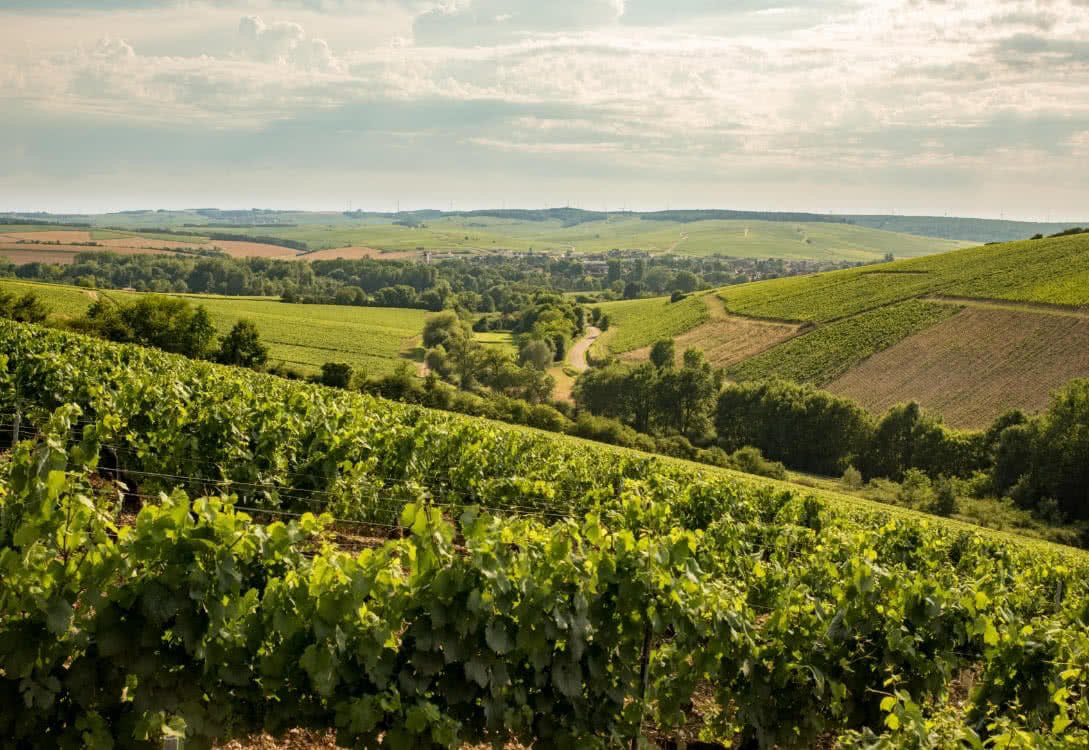
La Chablisienne presents itself with quiet authority: the tasting room sits modestly on Boulevard Pasteur rather than seeking spectacle, and the village atmosphere matches the restrained character of the wines. The proximity of the Serein river and the limestone-rich banks that define Chablis lend a scenic, contemplative quality to visits. More than a showpiece, the cooperative reads like a working archive of the appellation, where breadth of production and a focus on terroir inform a composed, unhurried experience for anyone interested in how place shapes white Burgundy.
Best For
La Chablisienne is a destination for visitors who want to understand Chablis rather than chase flash. The cooperative structure—and the fact that it sources from Petit Chablis through Grand Cru—makes it especially suited to wine education and deliberate tasting. It works well for solo exploration and for anyone seeking a quieter, more thoughtful tasting that emphasizes differences across the appellation. Travelers who prefer understated institutions to theatrical tasting rooms will find the visit rewarding and informative.
Tasting Tips
When you visit, approach tastings as a comparative survey: the cooperative explicitly draws on parcels across Petit Chablis, Chablis, Premier Cru and Grand Cru classifications, so ask for a progression that moves up the hierarchy to trace changes in minerality and concentration. Plan visits outside harvest bustle if you want the most unhurried experience—text notes that the town and its tasting rhythm are noticeably quieter outside harvest season. Keep expectations modest: this is about learning the appellation rather than spectacle.
Venue details
Ambiance
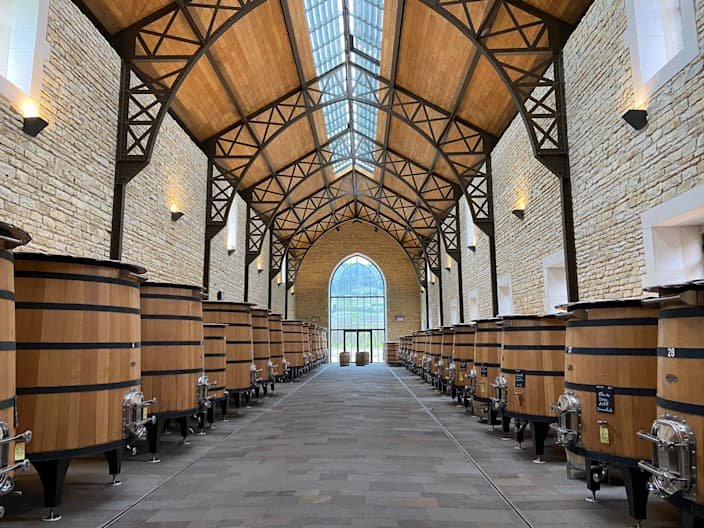
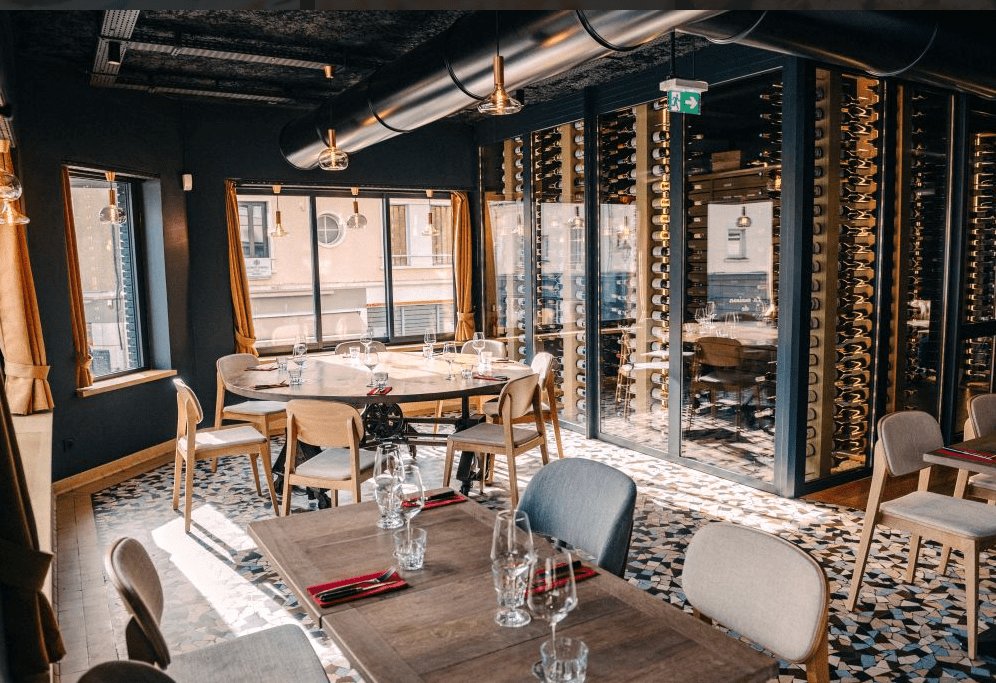
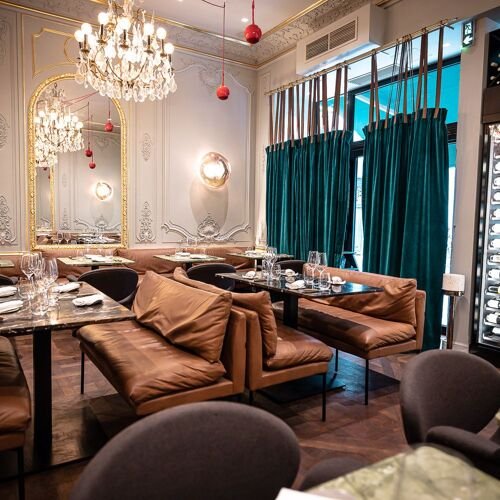
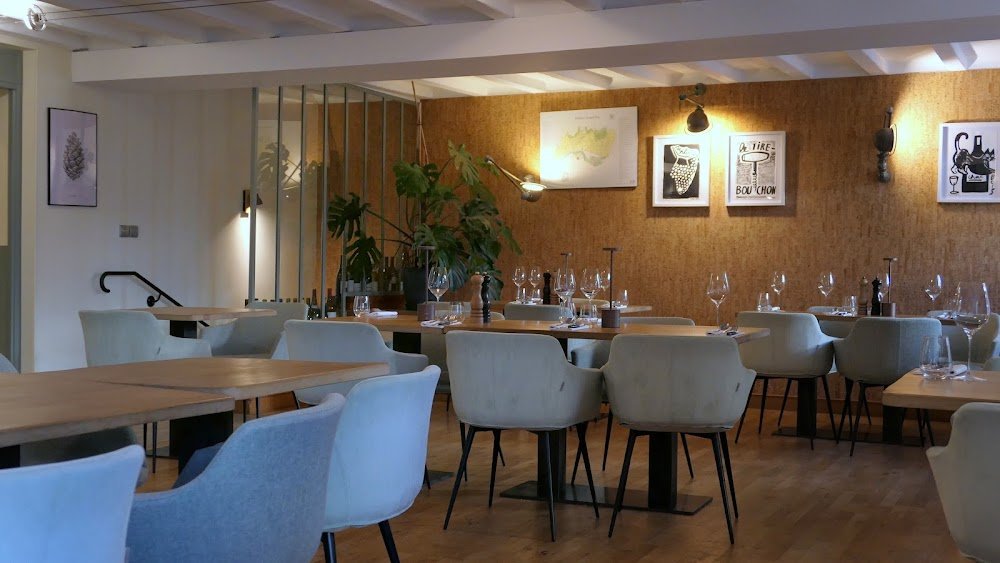
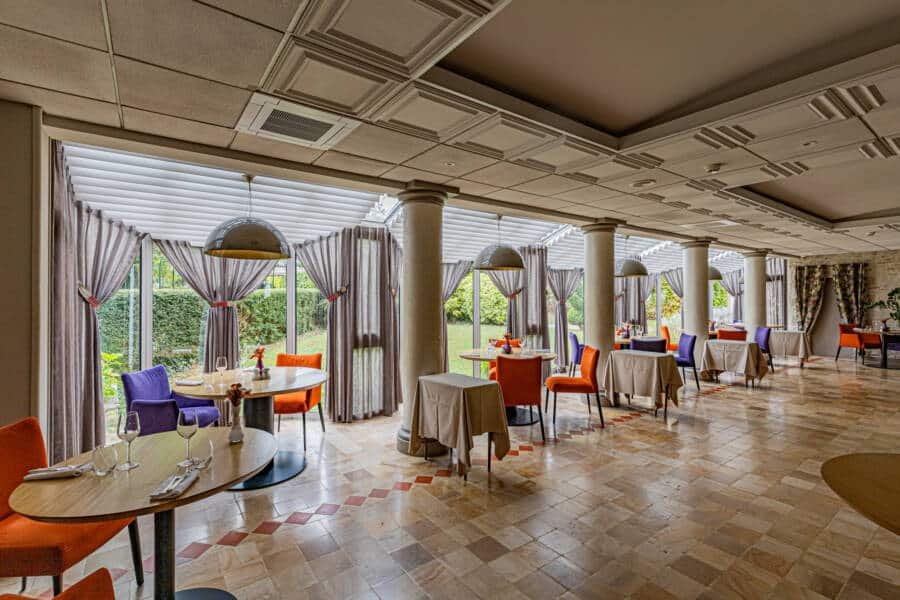
Modern, spacious tasting room with professional and welcoming staff, offering an educational and relaxed atmosphere ideal for discovering Chablis wines.
Tags
Vibe
Best For
Experience
View
At the Vineyard
- Appellation
- Chablis AOC
- Varietals
- Chardonnay
- Tour Duration
- 60-90 minutes
- Visits
- Walk-ins welcome
- Wine Styles
- Still White
- Wine Club
- Not available
Know before you go
Know Before You Go
- Getting there
- 8 Bd Pasteur, 89800 Chablis
Planning details
Location
Recognition and awards

Also consider
If this is not the right fit
Try Domaine Willian Fevre if the goal is a polished Chablis reference point, or Domaine Eleni & Edouard Vocoret if a smaller-producer visit is the priority. Keep La Chablisienne for the day when breadth and easier regional orientation matter more than scarcity.
Winery context
How it compares in Chablis
La Chablisienne is the practical choice for appellation context, while Domaine Dauvissat is the harder, more collector-led target. If the booking is available and the trip is built around scarcity, Dauvissat is the stronger flex. If the goal is understanding Chablis without risking the day on one difficult appointment, La Chablisienne is the safer anchor.
Domaine Eleni & Edouard Vocoret and Domaine Moreau-Naudet make more sense for travelers who want a smaller-producer lens and a more personal-feeling stop. La Chablisienne is better for scale, orientation and comparing the region in broader strokes. For visitors with only one tasting slot, choose based on the purpose of the trip: context here, producer intimacy at those domaines.
Domaine Willian Fevre and Domaine Louis Michel & Fils sit closer to La Chablisienne as serious Chablis reference points than as tiny passion-project alternatives. Cross-shop them if the priority is a polished regional tasting; keep La Chablisienne on the list when convenience and breadth matter more than a rarefied appointment.
Explore Chablis
Around this place
Discover more on Pearl
Unlock the full La Chablisienne guide in Pearl, including awards, comparisons, FAQs, planning details, and nearby places.
Compare La Chablisienne
| Venue | Location | Awards |
|---|---|---|
| La Chablisienne | Chablis | 2026 Falstaff Winery Guide |
| Domaine Dauvissat | Chablis | 2026 Falstaff Winery Guide2025 Pearl 4 Star Prestige |
| Domaine Eleni & Edouard Vocoret | Chablis | 2026 Falstaff Winery Guide |
| Domaine Willian Fevre | Chablis | No published awards |
| Domaine Moreau-Naudet | Chablis | 2026 Falstaff Winery Guide |
| Domaine Louis Michel & Fils | Chablis | 2026 Falstaff Winery Guide |

How La Chablisienne Chablis compares with similar nearby venues.