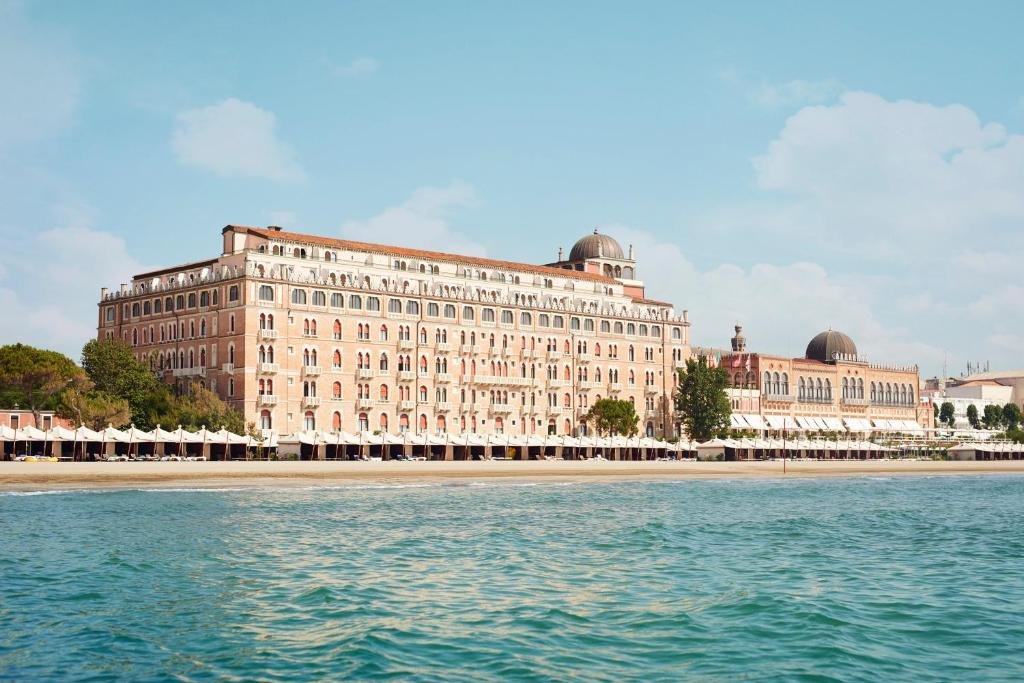


Hotel Excelsior Venice Lido Resort
Lido, Venice
Hotel in Venice, Italy
 Book with Pearl
The Read
Price
$300–500per night
Why go
Hotel Excelsior Venice Lido Resort is the Venice pick for travelers who want resort space and a quieter Lido base rather than immediate access to the historic core. Suite-level is worth considering only if the hotel will be a major part of the stay; otherwise, compare central Venice or island-resort peers before committing.
About Hotel Excelsior Venice Lido Resort
Hotel Excelsior Venice Lido Resort is a Venice hotel. The safest planning frame is simple: confirm current room, service, dining, and arrival details directly before booking.
Notable signals include a smart casual dress code and recognition from Star Wine List (2026). Forbes also lists the property as Soon To Be Rated (2026), which should be read as a pending recognition note rather than a completed rating.
Room upgrades only make sense if the room is part of the trip
The upgrade question depends on how much time you expect to spend at Hotel Excelsior Venice Lido Resort. If the room is mainly a base for exploring Venice, avoid building the stay around assumptions and compare current room details before paying more.
If you are comparing Venice hotel options, keep the shortlist focused on alternatives such as Ausonia Hungaria, Airelles Venezia, Palladio, Airelles Venezia - A Virtuoso Preview Property, San Clemente Palace, and Cipriani, A Belmond Hotel, Venice.
Plan around confirmed details, not assumptions
Assess the experience through current hotel materials and direct confirmation with the property. Do not assume a specific dining format, service style, room category advantage, or facilities package unless it is confirmed for your dates.
Dining should be treated carefully in planning. Star Wine List recognition for 2026 is relevant for wine-minded guests. Forbes Soon To Be Rated (2026) can be noted as a watch-list style recognition, not as a completed Forbes rating. For restaurant-led planning beyond the hotel, use Our full Venice restaurants guide; for pre- or post-dinner planning, check Our full Venice bars guide, Our full Venice wineries guide, and Our full Venice experiences guide.
Who should cross-shop before committing
Cross-shop before committing if the stay depends on specific room features, dining expectations, loyalty benefits, wellness facilities, or arrival logistics. Compare only what each hotel can confirm for the exact dates of travel.
For more Venice hotel options, start with Our full Venice hotels guide. Comparable hotel research may include Airelles Venezia, Palladio, Airelles Venezia - A Virtuoso Preview Property, Ausonia Hungaria, San Clemente Palace, Cipriani, A Belmond Hotel, Venice, and Hotel Excelsior Venice Lido Resort.
Planning details
- Location
- Lungomare Marconi, n.41, 30126, Italy
- Website
- hotelexcelsiorvenezia.com
- Phone
- 39-0415260201
The take
The Take
The Vibe
Hotel Excelsior Venice Lido Resort presents itself as a seaside Belle Époque spectacle rather than a canal-side palazzo. Its 1908 Moorish-Byzantine façade, horseshoe arches and decorative battlements stage a theatrical arrival that feels intentionally historic and slightly romantic. The property leans into resort leisure—wide Lido streets, bicycles and an Adriatic shoreline—so the overall mood is less about Venice’s compressed intensity and more about unhurried, sunlit repose. Visitors encounter a refined, relaxed atmosphere where ornate architecture and beachfront rhythm coexist, making the hotel read like a coastal-era escape with grand, timeworn style.
Best For
This hotel suits travelers who want a beach-forward alternative to central Venice: guests who prefer lounging by the Adriatic to navigating the city’s dense calli. Its long-standing resort tradition and theatrical, period architecture attract those after Belle Époque grandeur paired with seaside leisure—think couples seeking a polished coastal stay or groups prioritizing sun and sand over canal-front sightseeing. The Excelsior’s strengths are its historic presence on the Lido and immediate beach access, so it works best for visitors who plan to relax outdoors and treat the island as a quieter counterpoint to Venice proper.
Venue details
Ambiance
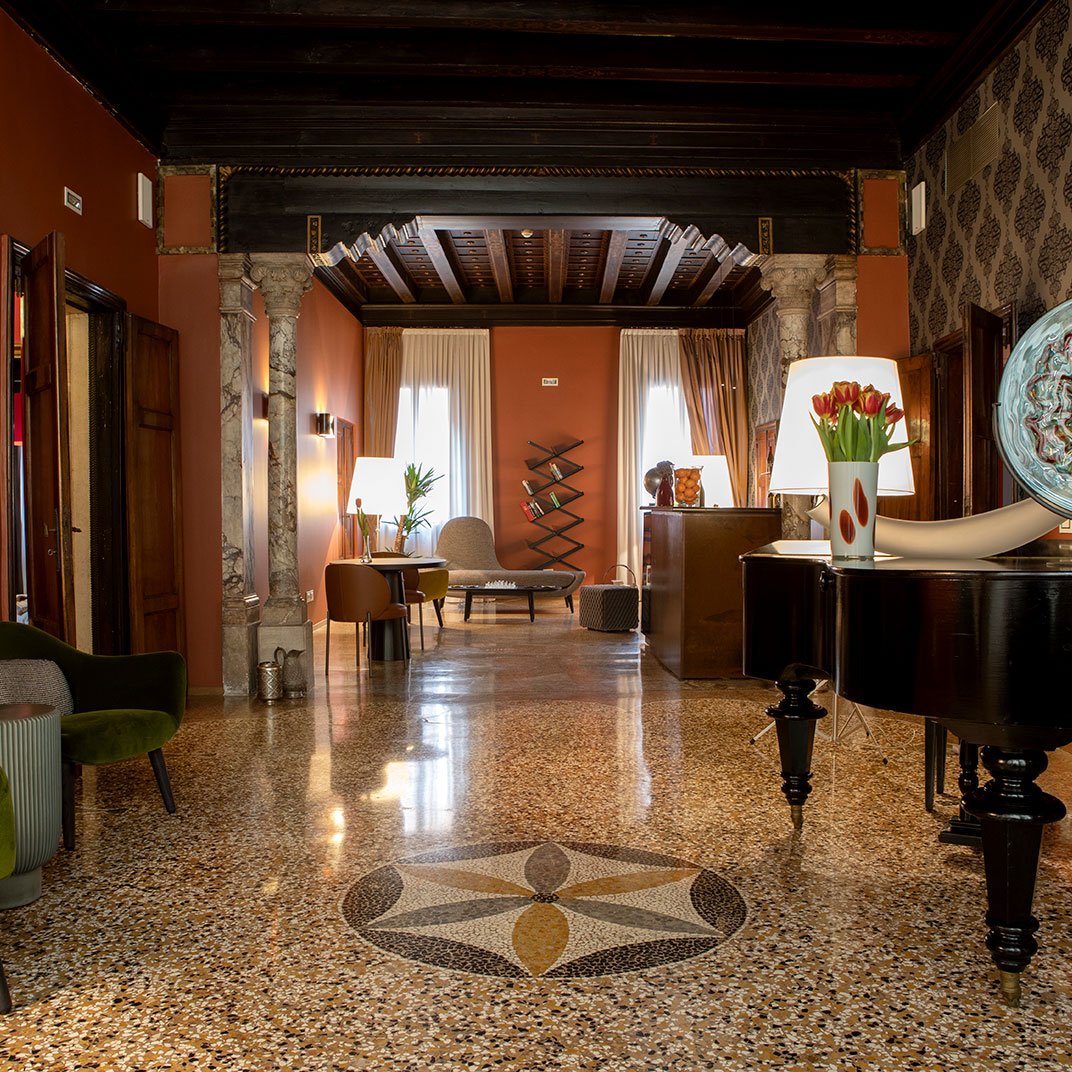
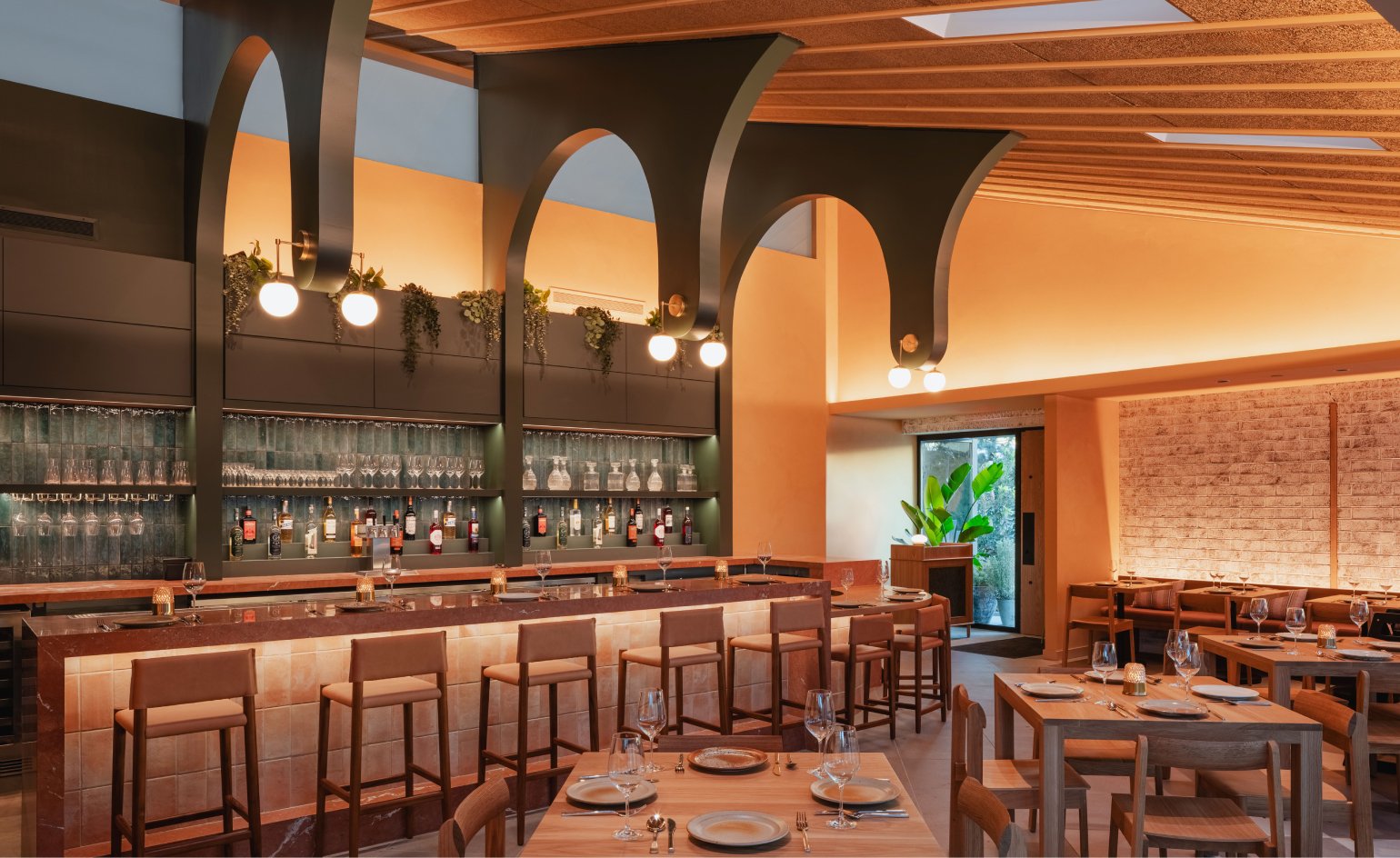
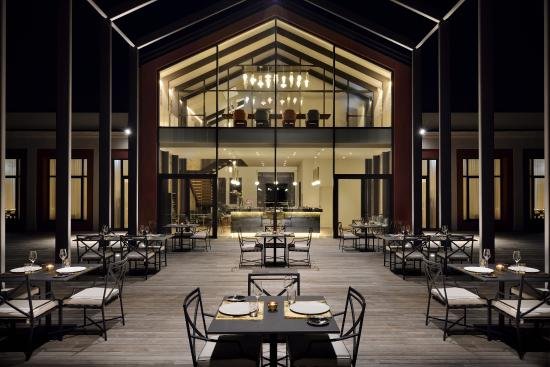
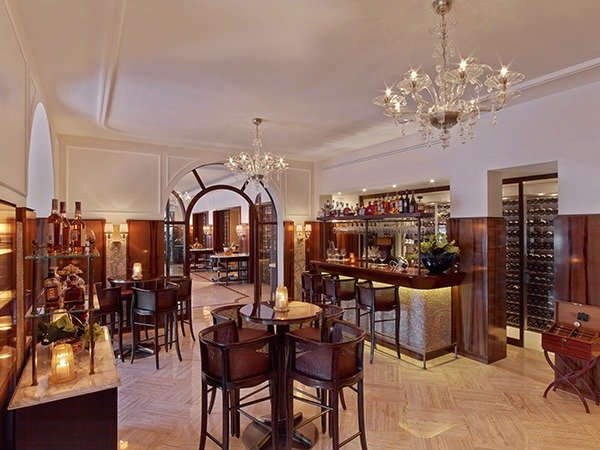
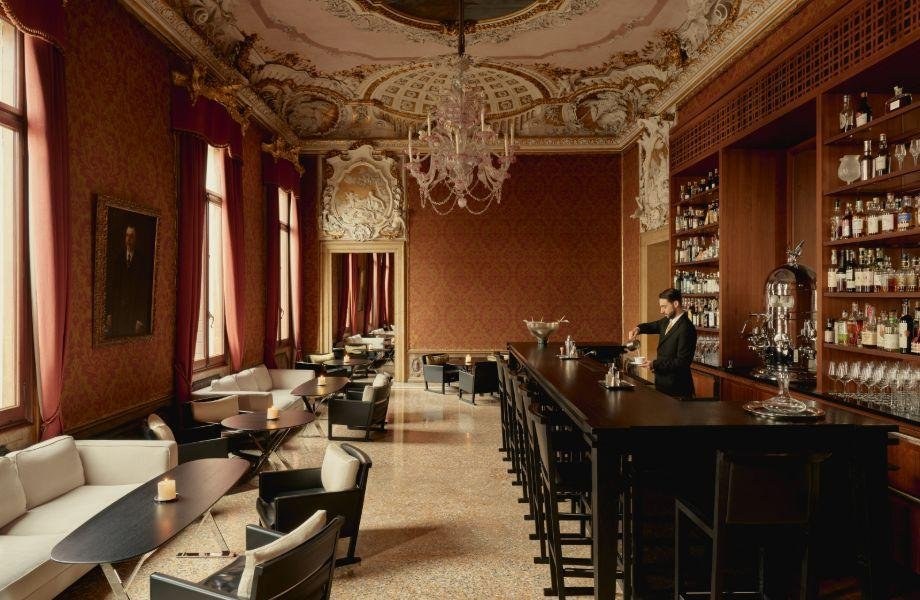
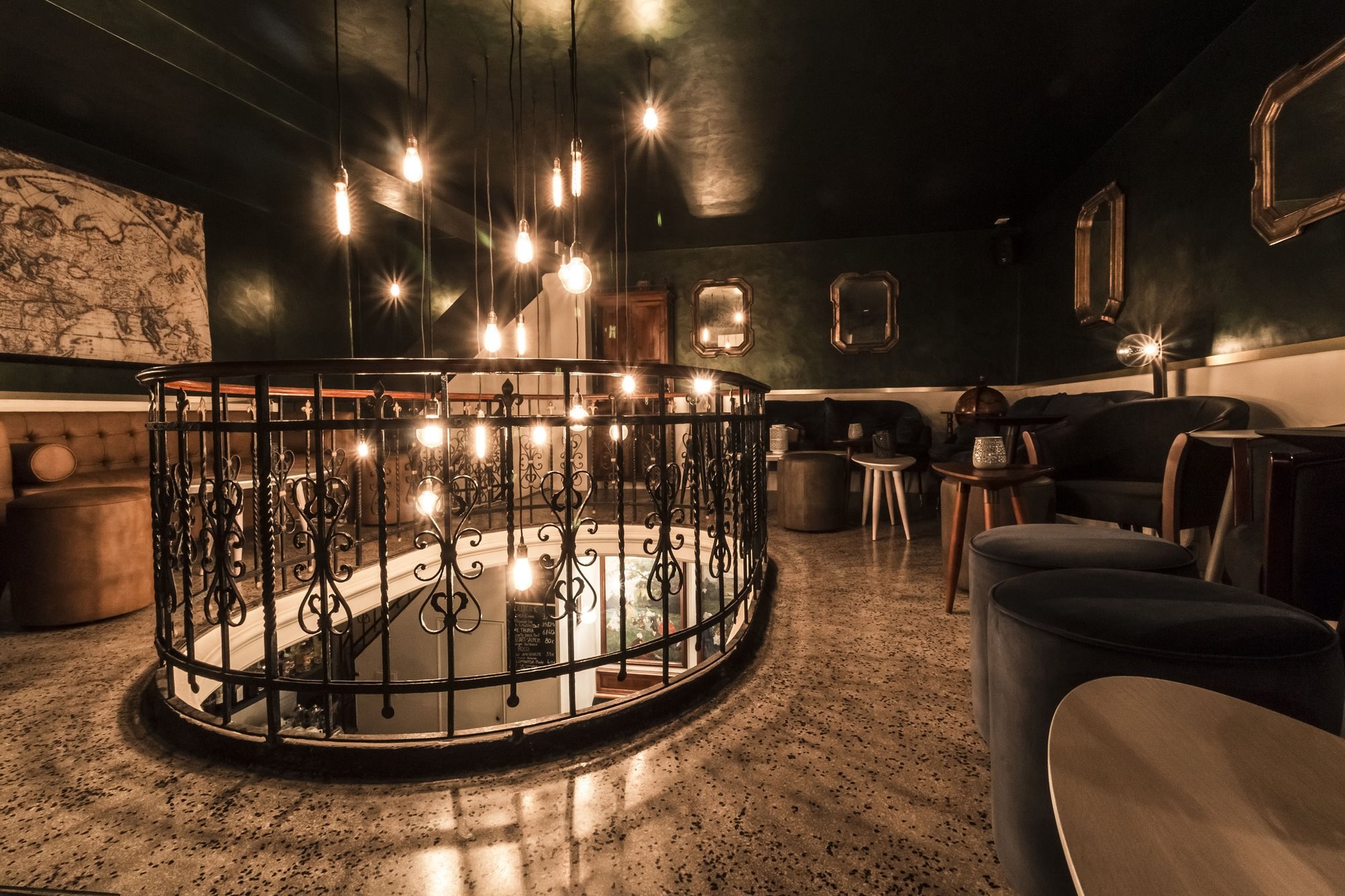
Elegant halls with majestic chandeliers, candlelit tables, wooden beams, and sea views create an enchanting, sophisticated atmosphere praised for luxury and impeccable service.
Tags
Vibe
Best For
Experience
Amenities
View
Accessibility
About the Stay
- Rooms
- 198
- Check-in
- 15:00
- Check-out
- 12:00
- Property Type
- Heritage hotel
- Property Style
- Iconic Moorish Inspired Beach Resort with Venetian Glamour and Spacious Accommodations.
- Design Style
- Moorish Elegance Featuring Grand Halls, Chandeliers, Marble Floors, and Large Windows Overlooking the Sea.
- Airport Transfer
- Available
- Pool
- Yes
- Families
- Welcome
- Cancellation
- Moderate
Know before you go
Know Before You Go
- Getting there
- Lungomare Marconi, n.41, 30126, Italy
Planning details
Location
Recognition and awards


Also consider
Also Consider
- Ausonia Hungaria, Notable alternative
- San Clemente Palace, Notable alternative
- Cipriani, A Belmond Hotel, Venice, Notable alternative
- Airelles Venezia, Palladio, Notable alternative
- Airelles Venezia - A Virtuoso Preview Property, Notable alternative
Hotel context
How it compares in Venice
Hotel Excelsior Venice Lido Resort is the right choice if the brief is Venice with a resort reset. Ausonia Hungaria keeps the Lido comparison tighter and may suit travelers who want the area without committing to the same scale of resort stay. If the booking is hard, Ausonia Hungaria is the first place to check before shifting the whole trip back into central Venice.
San Clemente Palace and Cipriani, A Belmond Hotel, Venice are stronger cross-shops for travelers who want a more separated luxury-hotel experience while staying tied to Venice. Pick Hotel Excelsior Venice Lido Resort when beach-side atmosphere and the Lido address matter; pick those peers when the island-resort format is the main reason for the trip.
Airelles Venezia, Palladio and Airelles Venezia - A Virtuoso Preview Property are better comparisons for guests prioritizing a high-touch luxury positioning. The Excelsior makes more sense for atmosphere, space, and a Lido-specific stay; the Airelles options are the ones to watch if polish and a newer luxury signal matter more than resort sprawl.
Explore Venice
Around this place
Discover more on Pearl
Unlock the full Hotel Excelsior Venice Lido Resort guide in Pearl, including awards, comparisons, FAQs, planning details, and nearby places.
Compare Hotel Excelsior Venice Lido Resort
| Venue | Location | Awards |
|---|---|---|
| Hotel Excelsior Venice Lido Resort | Venice | Star Wine Lists 20262026 Forbes Soon To Be Rated |
| Ausonia Hungaria | Venice | No published awards |
| San Clemente Palace | Venice | 2026 Forbes Recommended2025 Forbes Recommended |
| Cipriani, A Belmond Hotel, Venice | Venice | 2026 Food & Wine Top 10 Global Hotels for Food and Drink · #62026 Forbes 5-Star2026 Virtuoso Luxury Hotel Collection2026 La Liste Top Hotels2026 Michelin 3 Keys2025 World’s 50 Best Hotels · #722025 Forbes 5-Star2025 Michelin 3 Keys2024 Michelin 3 Keys |
| Airelles Venezia, Palladio | Venice | No published awards |
| Airelles Venezia - A Virtuoso Preview Property | Venice | No published awards |







How Hotel Excelsior Venice Lido Resort compares with similar nearby venues.
FAQ
Frequently Asked Questions
How does Hotel Excelsior Venice Lido Resort compare to other hotels?
Compare it with Venice options such as Ausonia Hungaria, San Clemente Palace, Cipriani, A Belmond Hotel, Venice, Airelles Venezia, Palladio, and Airelles Venezia - A Virtuoso Preview Property. The best choice depends on the room, services, and stay details each property can confirm for your dates.
Which room category is best at Hotel Excelsior Venice Lido Resort?
Choose based on the current room descriptions, availability, and confirmed inclusions from the hotel.
How is the location of Hotel Excelsior Venice Lido Resort?
What amenities should guests confirm at Hotel Excelsior Venice Lido Resort?
How is the dining at Hotel Excelsior Venice Lido Resort?
Hotel Excelsior Venice Lido Resort has Star Wine List recognition in 2026. Forbes lists the property as Soon To Be Rated in 2026, but that should not be treated as a completed Forbes rating.
What is check-in like at Hotel Excelsior Venice Lido Resort?
Do loyalty programs work at Hotel Excelsior Venice Lido Resort?
If points, upgrades, or elite recognition matter, confirm the booking channel and program terms before committing.