
Toyama Excel Hotel Tokyu
Toyama Station area, Toyama
Hotel in Toyama, Japan
 Book with Pearl
The Read
Transit-Anchored City Hotel
Why go
Toyama Excel Hotel Tokyu is a practical pick for travelers who want an easy Toyama base rather than a destination hotel. Book a standard room for short business or rail-based stays; consider a larger category only if the trip involves a celebration, luggage-heavy travel, or meaningful time in the room. Its Preferred Hotels Member status adds a useful recognition signal.
About Toyama Excel Hotel Tokyu
Toyama Excel Hotel Tokyu is a Toyama hotel and a Preferred Hotels Member (2025).
Book it as a Toyama hotel with Preferred Hotels membership
Toyama Excel Hotel Tokyu is in Toyama and is listed as a Preferred Hotels Member (2025). If you are comparing it with other regional stays such as Bed and Craft, Hitotsu Notojima, Moritosha, Yamanoo, or KUMU Kanazawa by THE SHARE HOTELS, treat each property on its own current booking details rather than assuming the same location, format, amenities, or style.
Room value depends on booking details
Make the room decision directly from the hotel's current booking information. Confirm the room type, inclusions, cancellation terms, and any services that matter to your stay before committing. For broader trip planning, use Our full Toyama hotels guide, then cross-check restaurants, bars, wineries, and experiences through Our full Toyama restaurants guide, Our full Toyama bars guide, Our full Toyama wineries guide, and Our full Toyama experiences guide.
Quick reference: Toyama hotel; Preferred Hotels Member (2025); check room, amenity, price, and service details before booking.
Planning details
- Location
- 〒930-0002 Toyama, Shintomichō, 1-chōme−2−3 CICビル
- Website
- tokyuhotels.co.jp/toyama-e/index.html
- Phone
- +81 76-441-0109
The take
The Take
The Vibe
The Toyama Excel Hotel Tokyu presents itself as a pragmatic, city‑centre full‑service property. Housed in the CIC Building with 210 rooms, it sits at the functional heart of Toyama’s transit infrastructure rather than positioning itself as a leisure resort. The editorial emphasis is on convenience and connectivity—proximity to the light rail and Hokuriku Shinkansen shapes the guest profile—while the surrounding setting (Toyama Bay and the Tateyama mountains) gives the stay a quietly scenic context. Public spaces and services read efficient and unfussy, tailored to visitors who prize location and practicality over theatrical design flourishes.
Best For
This hotel is best for travellers on the move and groups tied to business. The copy repeatedly frames the property within the 'business hotel' model and notes its role serving conference demand and transit passengers, making it a natural choice for business trips and corporate events. It also suits short leisure stays or weekend escapes for visitors using Toyama as a gateway to the Japan Sea coast or the Tateyama range—guests who want a straightforward, centrally located base for exploring local craft, seafood and the city’s compact transport network.
Venue details
Ambiance
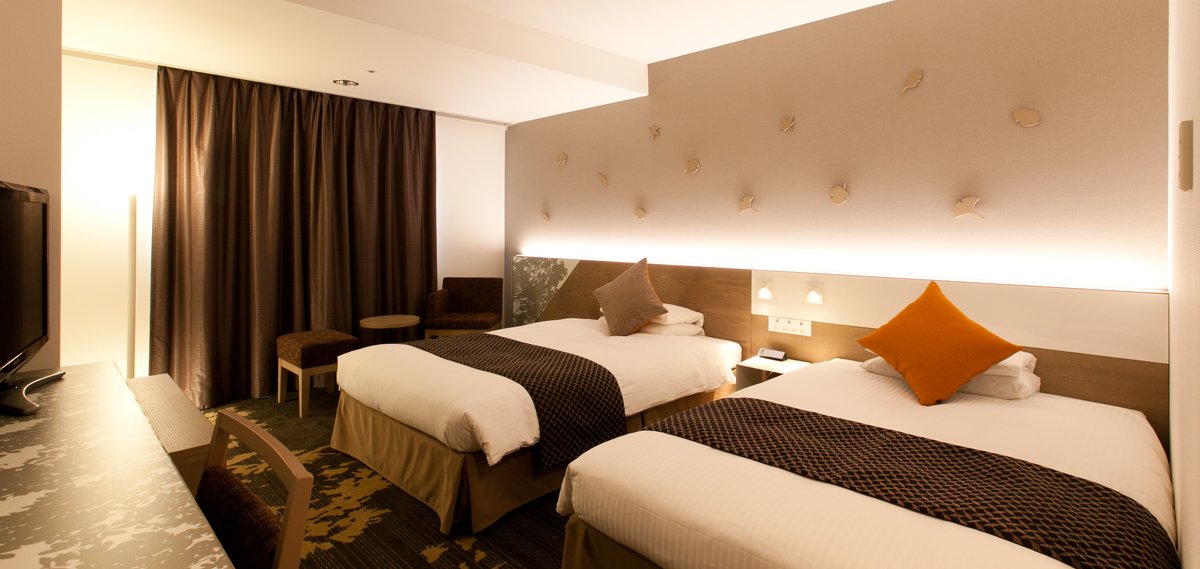
Clean, comfortable rooms with modern functional interiors, blackout drapes, and air purifiers creating a relaxing atmosphere.
Tags
Vibe
Best For
Amenities
View
Accessibility
About the Stay
- Rooms
- 210
- Check-in
- 14:00
- Check-out
- 11:00
- Property Style
- Modern Upscale Urban Hotel with Functional Luxury.
- Design Style
- Contemporary Japanese Minimalist with Tasteful Interiors.
Know before you go
Know Before You Go
- Getting there
- 〒930-0002 Toyama, Shintomichō, 1-chōme−2−3 CICビル
Planning details
Location
〒930-0002 Toyama, Shintomichō, 1-chōme−2−3 CICビル · Directions
Recognition and awards
Also consider
Also Consider
- Bed and Craft, Notable alternative
- Moritosha, Notable alternative
- Hitotsu Notojima, Notable alternative
- Yamanoo, Notable alternative
- KUMU Kanazawa by THE SHARE HOTELS, Notable alternative
Hotel context
How it compares in the Hokuriku hotel set
Choose Toyama Excel Hotel Tokyu when convenience and easy booking matter more than atmosphere. Bed and Craft and Moritosha are stronger for travelers who want a more character-led stay, but they ask more from the itinerary and suit slower trips better than quick Toyama overnights.
For a special occasion, Yamanoo and Hitotsu Notojima are the more compelling cross-shops if the hotel is meant to be part of the memory, not just the base. They are less convenient for a simple city schedule, so the trade is clear: more ambiance, less friction-free Toyama access.
KUMU Kanazawa by THE SHARE HOTELS is the better fit if the trip can shift toward Kanazawa and design matters. Stay with Toyama Excel Hotel Tokyu for business travel, train-linked sightseeing, and lower-planning stays; cross-shop KUMU when the room and common spaces matter more than being in Toyama itself.
Explore Toyama
Around this place
Discover more on Pearl
Unlock the full Toyama Excel Hotel Tokyu guide in Pearl, including awards, comparisons, FAQs, planning details, and nearby places.
Compare Toyama Excel Hotel Tokyu
| Venue | Location | Awards |
|---|---|---|
| Toyama Excel Hotel Tokyu | Toyama | Preferred Hotels Member 2025 |
| Bed and Craft | Nanto | No published awards |
| Moritosha | Nanto | No published awards |
| Hitotsu Notojima | Kōda | No published awards |
| Yamanoo | Kanazawa Shi | No published awards |
| KUMU Kanazawa by THE SHARE HOTELS | Ishikawa | No published awards |
How Toyama Excel Hotel Tokyu compares with similar nearby venues.
FAQ
Frequently Asked Questions
How does Toyama Excel Hotel Tokyu compare to other regional hotels?
Pick Toyama Excel Hotel Tokyu if you want a Toyama hotel with Preferred Hotels Member (2025) recognition. For a stay in Kanazawa, KUMU Kanazawa by THE SHARE HOTELS is a natural comparison, but it is in a different city.
Do loyalty programs work at Toyama Excel Hotel Tokyu?
Toyama Excel Hotel Tokyu is a Preferred Hotels Member (2025). Any specific loyalty-program benefits, upgrades, points, or recognition details should be confirmed directly at booking.
Is Toyama Excel Hotel Tokyu good for business travel?
It may be considered for a Toyama stay. Confirm the current room setup, work-related amenities, meeting options, and access details directly before booking for a business trip.
When is the best time to book Toyama Excel Hotel Tokyu?
Book according to your travel dates, cancellation needs, and the hotel's current availability and rates.
Which room category is best at Toyama Excel Hotel Tokyu?
Choose based on the hotel's current booking page, checking room size, bedding, inclusions, and cancellation terms before confirming.