
Hitotsu Notojima
Kōda
Hotel in Kōda, Japan
 Book with Pearl
The Read
Restraint-Led Island Retreat
Why go
Hitotsu Notojima is a location-led stay for travelers who specifically want to be on Notojima near Nanao, not a default pick for city-center convenience. Choose it for quiet Ishikawa access; compare Hyatt Centric Kanazawa or Toyama Excel Hotel Tokyu if rail links, business facilities, or chain-hotel predictability matter more.
About Hitotsu Notojima
Hitotsu Notojima is a venue in Kōda. Information regarding its hotel category, dining format, price point, amenities, hours, menu, or service style is limited.
The dress code is smart casual. For planning, consider the venue as a Kōda option where attire is the key known expectation. Please verify any booking, access, amenity, menu, or service details directly with the venue before making plans.
Choose this when Kōda is the right base for your plans
Hitotsu Notojima is best considered by visitors who specifically need a Kōda venue and are comfortable confirming practical details before arrival. If you are comparing alternatives, Bed and Craft, Hyatt Centric Kanazawa, Moritosha, Toyama Excel Hotel Tokyu, and Yamanoo may be useful reference points depending on your broader itinerary, but their details should be checked separately.
For broader planning in Kōda, compare current listings, confirm the venue's latest information, and avoid making assumptions about pricing, amenities, menus, or services.
Planning details
- Location
- 42-4 Notojima Susomachi, Nanao, Ishikawa 926-0213
- Website
- hitotsu-notojima.com
- Phone
- +81 767-85-2150
The take
The Take
The Vibe
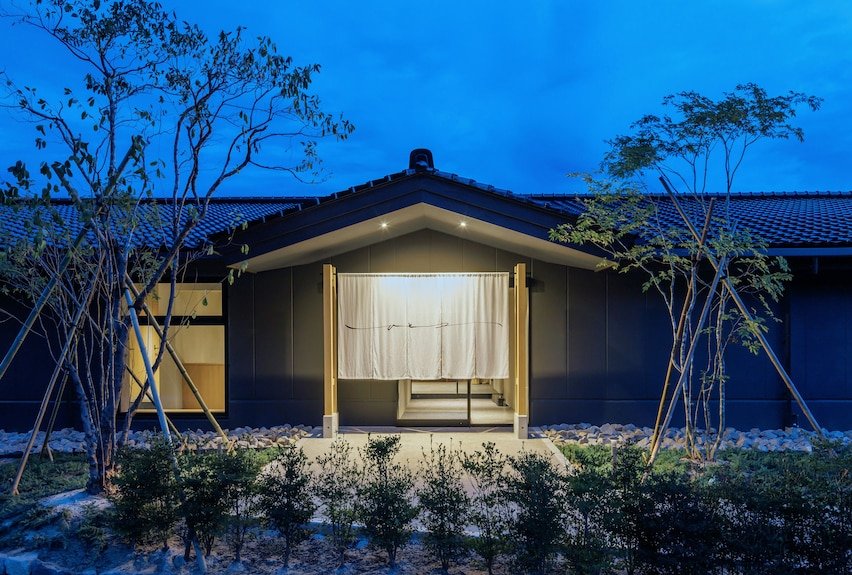
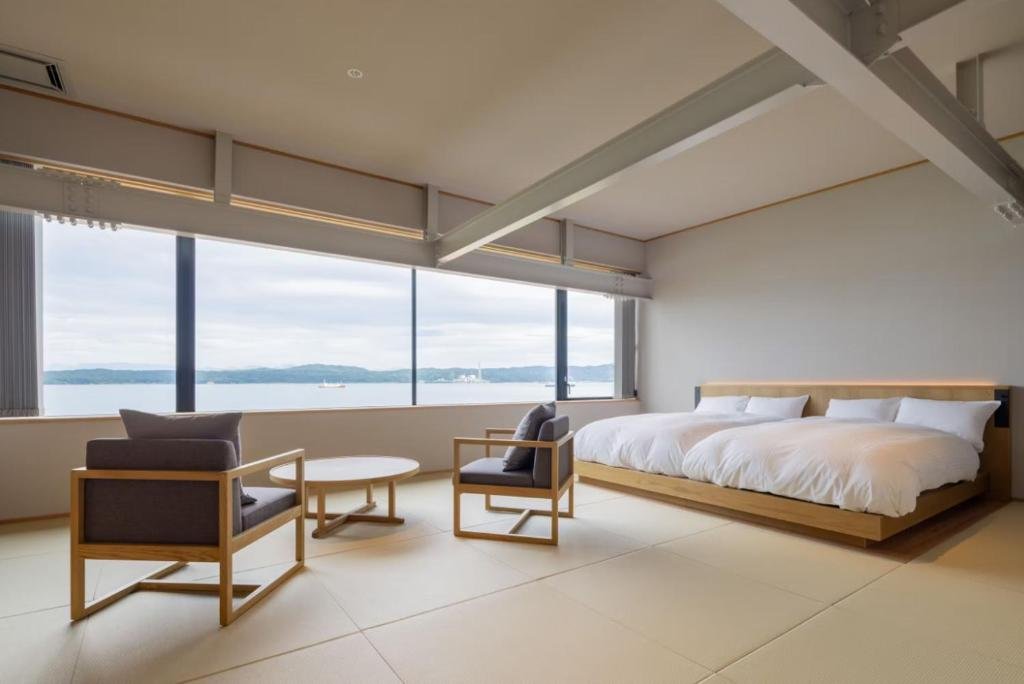
Hitotsu Notojima reads Japanese spatial principles through a contemporary lens, favoring restraint over ornament. Floor-to-ceiling windows make the Sea of Japan and Nanao Bay the primary interior feature, while a pared-back material palette—blonde timber platforms, tatami sections and dark-tiled baths—keeps attention on the view. The architecture intentionally steps aside; every choice is calibrated to complement the water rather than compete with it. With only eight rooms, the overall effect is quietly refined and measured: modern design that privileges light, sightlines and the coastal landscape over decorative flourish.
Best For
This hotel suits travelers who prioritize quiet, scenic immersion and considered design. It is particularly well matched to couples on romantic getaways, honeymoons and anniversaries as well as guests seeking a restorative wellness escape; the property’s small scale and emphasis on unobstructed sea views foster privacy and calm. Design-minded visitors who appreciate a minimalist, Scandinavian-inflected approach to Japanese materials will find the restrained interiors and intentional framing of landscape especially rewarding. The island’s low-key fishing-community character further underscores the retreat-like quality of a stay here.
Stay Tips
Book early and plan for limited inventory: with just eight rooms, availability can be constrained. When reserving, prioritize a room oriented to the Sea of Japan or Nanao Bay—floor-to-ceiling glazing makes the view the central feature of the interiors, and soaking tubs are positioned to face the ocean or bay. Expect pared-back in-room fittings (timber platforms, tatami sections) and minimal fuss; pack thoughtfully for a low-clutter stay. Note that Notojima is connected to the mainland by two bridges, so include travel time when arranging arrivals and departures.
Venue details
Ambiance
Serene and minimalist with a cozy fireplace in the lobby, floor-to-ceiling windows showcasing panoramic bay views, and a peaceful seaside setting that evokes tranquility and refined elegance.
Tags
Vibe
Best For
Experience
Amenities
View
Accessibility
About the Stay
- Rooms
- 8
- Check-in
- 15:00
- Check-out
- 11:00
- Property Style
- Contemporary Minimalist Ryokan Inspired Boutique Resort Blending Traditional Japanese Design with Modern Luxury.
- Design Style
- Minimalist Modern with Traditional Japanese Elements, Floor to Ceiling Windows, Premium Bedding, and Refined Coastal Aesthetic.
Know before you go
Know Before You Go
- Getting there
- 42-4 Notojima Susomachi, Nanao, Ishikawa 926-0213
Planning details
Location
Also consider
If this is not the right fit
Choose Hyatt Centric Kanazawa if the trip needs city convenience, business-travel ease, and more predictable hotel infrastructure. Choose Toyama Excel Hotel Tokyu if rail access and a conventional hotel setup matter more than staying near Notojima.
Hotel context
How it compares
Hitotsu Notojima is the better fit when the stay needs to be on Notojima itself. Hyatt Centric Kanazawa is stronger for travelers who want a more urban base, easier dining backup, and a familiar full-service hotel rhythm. Toyama Excel Hotel Tokyu is the safer call for rail-linked efficiency and a more conventional business-hotel setup.
For atmosphere, Yamanoo, Bed and Craft, and Moritosha are more useful cross-shops if the trip is leisure-led and the room experience matters as much as the destination. Hitotsu Notojima should win only when Notojima access outweighs the appeal of a more established hotel cluster.
Booking difficulty is listed as easy, so this is less about fighting for inventory and more about choosing the right base. For a value-minded traveler, avoid paying extra elsewhere for facilities that are not central to the trip; for business travel, pick Kanazawa or Toyama unless the meetings are near Nanao.
Explore Kōda
Around this place
Discover more on Pearl
Unlock the full Hitotsu Notojima guide in Pearl, including awards, comparisons, FAQs, planning details, and nearby places.
Compare Hitotsu Notojima
Practical comparison
| Hotel | Use case | Pearl read | Awards |
|---|---|---|---|
| Hitotsu Notojima | Notojima and Nanao access | Location-led choice; better for quiet regional stays than city efficiency. | 2025 Michelin 1 Key |
| Hyatt Centric Kanazawa | Kanazawa base | Stronger for business travel, city dining, and urban convenience. | No published awards |
| Toyama Excel Hotel Tokyu | Toyama rail access | More practical if transport links matter more than island proximity. | No published awards |
| Bed and Craft | Design-led leisure | Better cross-shop if the room character is the main reason to travel. | No published awards |
| Yamanoo | Traditional stay | Better for travelers prioritizing atmosphere over Notojima placement. | No published awards |
FAQ
Frequently Asked Questions
Is Hitotsu Notojima good for business travel?
Hitotsu Notojima is in Kōda. Whether it works for business travel depends on your schedule and the practical details you confirm directly with the venue, such as booking terms, access, and available services.
How does Hitotsu Notojima compare to other venues?
Hitotsu Notojima is in Kōda and has a smart casual dress code. For comparison planning, check current details directly for Bed and Craft, Hyatt Centric Kanazawa, Moritosha, Toyama Excel Hotel Tokyu, and Yamanoo rather than assuming matching amenities, prices, or service styles.