


The Prince Gallery Tokyo Kioicho, a Luxury Collection Hotel
Chiyoda, Tokyo
Hotel in Tokyo, Japan
 Book with Pearl
The Read
City-Frame Luxury Tower
Why go
The Prince Gallery Tokyo Kioicho, a Luxury Collection Hotel is a strong Tokyo pick when location, skyline feel, and polished luxury matter more than nightlife on the doorstep. The address suits business travellers and return visitors especially well. Cross-shop Granbell Hotel Akasaka for value, Executive House Zen for nearby premium calm, and The Capitol Hotel Tokyu for a more Japan-focused luxury comparison.
About The Prince Gallery Tokyo Kioicho, a Luxury Collection Hotel
The Prince Gallery Tokyo Kioicho, a Luxury Collection Hotel is a luxury hotel in Tokyo with a smart-casual dress code and confirmed recognition from Michelin, Forbes, and La Liste. On the record available here, the strongest grounded case for considering it is its awards profile rather than any specific claim about room views, facilities, dining, or neighborhood convenience.
Because the confirmed details are limited, the safest way to evaluate the hotel is to treat it as a premium Tokyo stay whose public accolades support a luxury positioning. Travelers should confirm current room categories, facilities, dining details, and any service-specific needs directly with the hotel before booking.
Book for confirmed luxury recognition, not specifics
The hotel is in Tokyo. Beyond that city-level location, this guide does not verify a specific address, district, nearby landmark, room configuration, view category, or amenity list. That matters for booking: if your decision depends on a particular location detail, facility, or service, verify it directly before committing to a rate.
Recognition profile supports the splurge: Michelin 1 Key in 2025, Forbes 5-Star in 2026, and a 92.5-point La Liste Top Hotels score in 2026. Those signals matter because this is not a low-risk budget choice; the hotel needs to deliver at a luxury standard for the premium to make sense. The safer play is to treat it as a polished Tokyo hotel with confirmed high-end recognition, not as a catch-all recommendation for every Tokyo trip.
Who should book it, and who should cross-shop
Book here if the priority is a Tokyo luxury hotel with a smart-casual dress code and confirmed recognition from major hotel guides. It is especially sensible for travelers who value awards and overall luxury positioning, provided they confirm any required room, dining, or facility details directly with the hotel.
Cross-shop if the decision is mainly about value, brand preference, or the exact style of stay. Granbell Hotel Akasaka, Hotel New Otani Tokyo The Main, Hotel New Otani Tokyo Executive House Zen, The Capitol Hotel Tokyu, and The Kitano Hotel Tokyo are natural Tokyo comparisons to consider alongside The Prince Gallery Tokyo Kioicho, a Luxury Collection Hotel.
For a quick reference, choose it for confirmed luxury recognition in Tokyo and a smart-casual hotel setting. Skip or keep comparing if your decision depends on specifics such as a particular facility, dining program, room view, service format, or exact location detail.
Planning details
- Location
- 1-2 Kioichō, Chiyoda City, Tokyo 102-8585
- Website
- marriott.com/en-us/hotels/tyolc-the-prince-gallery-tokyo-kioicho-a-luxury-collection-hotel/overview/?scid=f2ae0541-1279-4f24-b197-a979c79310b0
- Phone
- +81 3-3234-1111
The take
The Take
The Vibe
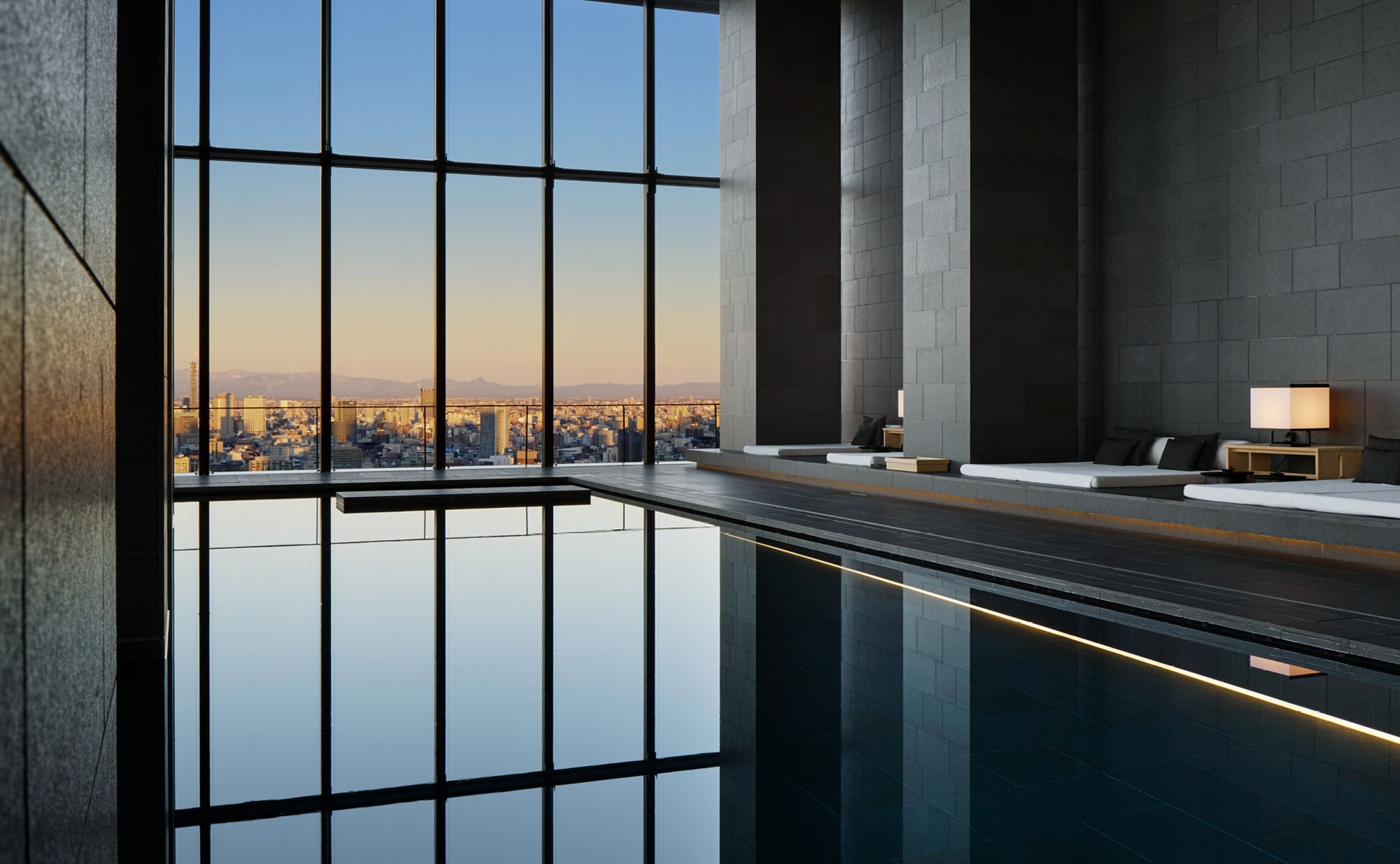
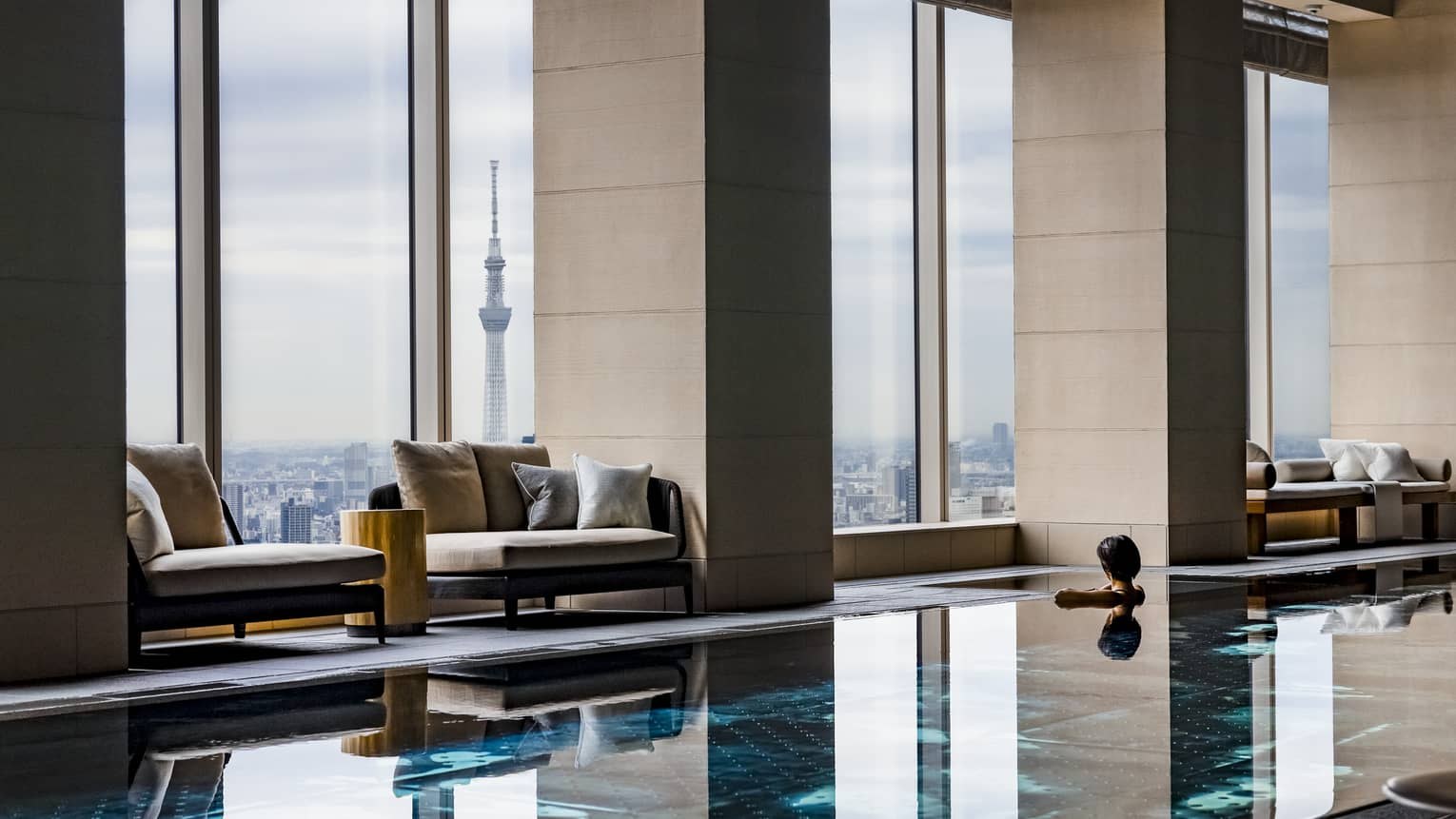
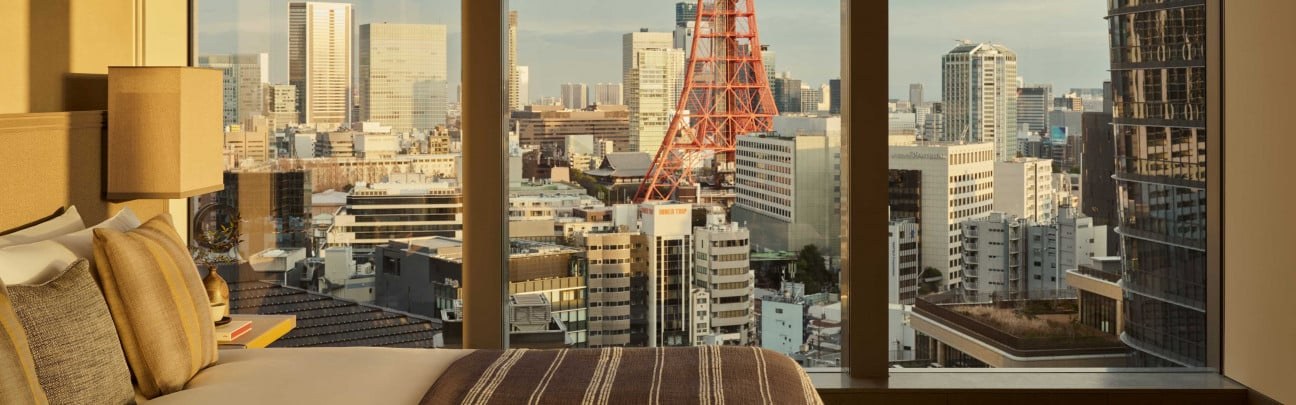
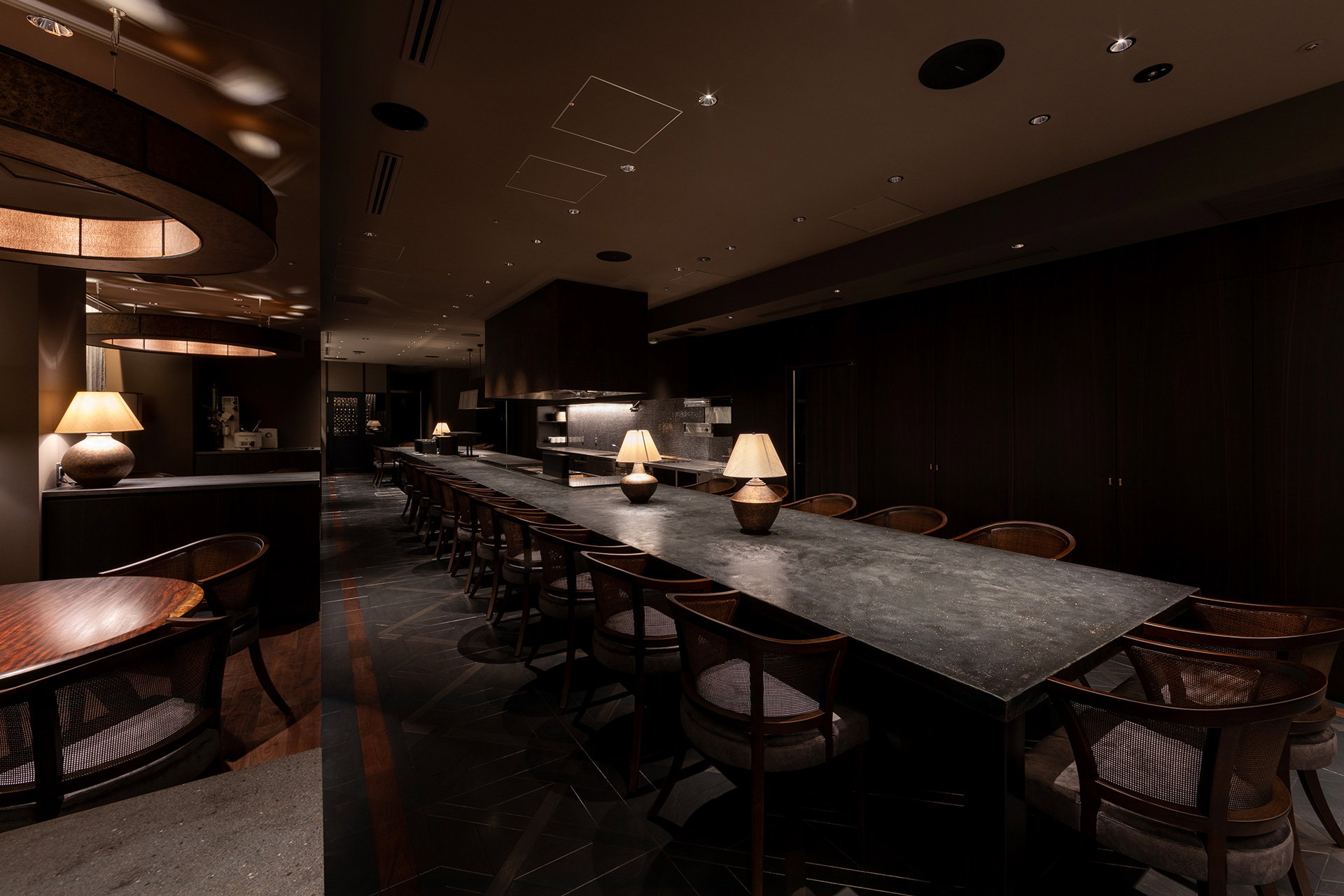
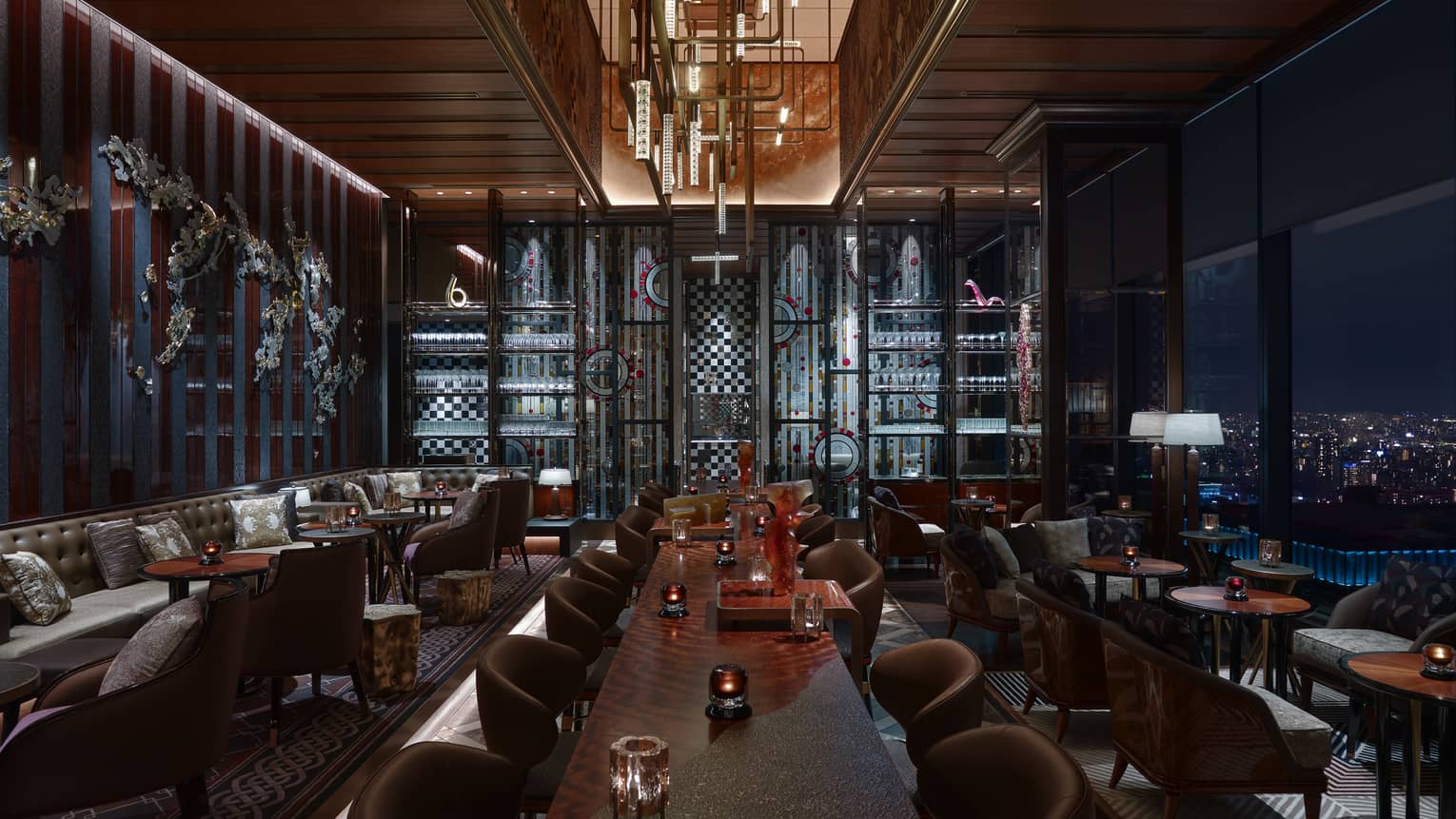
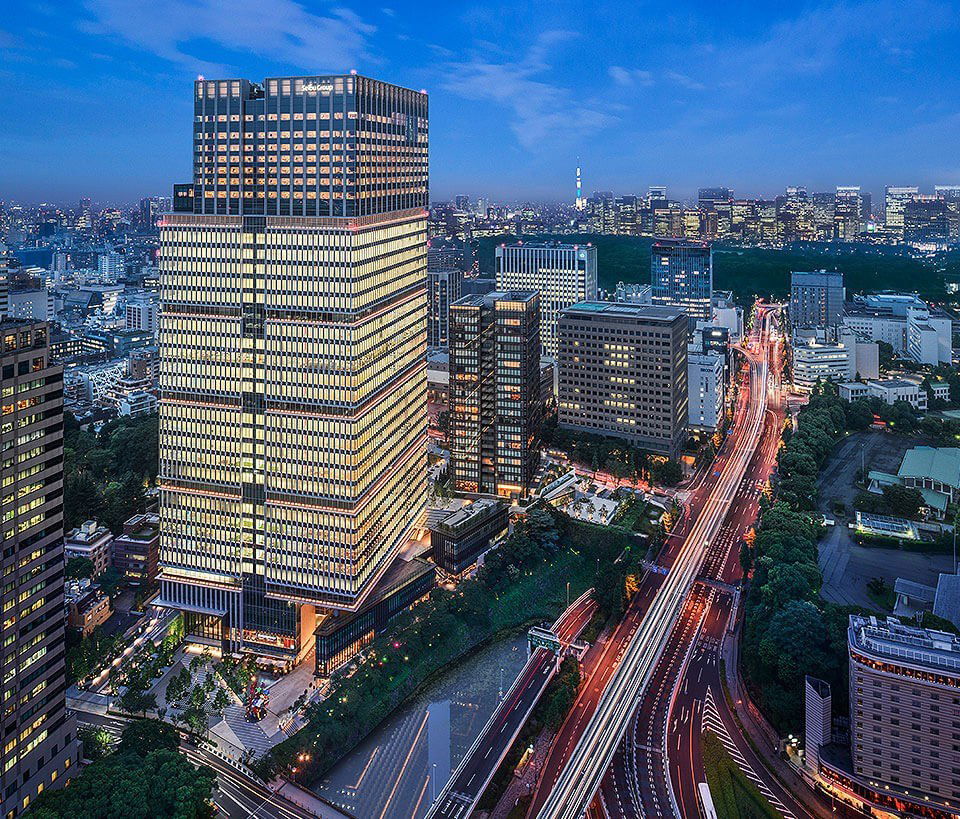
The Prince Gallery Tokyo Kioicho reads as a calm, thoughtfully theatrical skyscraper hotel. Arrival is staged—the elevator opens on the 36th-floor lobby where a 30-foot-high window and a neon-lit glass waterfall installation set an immediate visual tone. Subtle sensory touches, notably a signature hinoki (Japanese cypress) scent in the elevators, reinforce a grounded, residential calm. Design is the through-line: rooms and public spaces are oriented toward the skyline, so the property feels less about ornament and more about measured, modern composition and quiet, elevated views of the city.
Best For
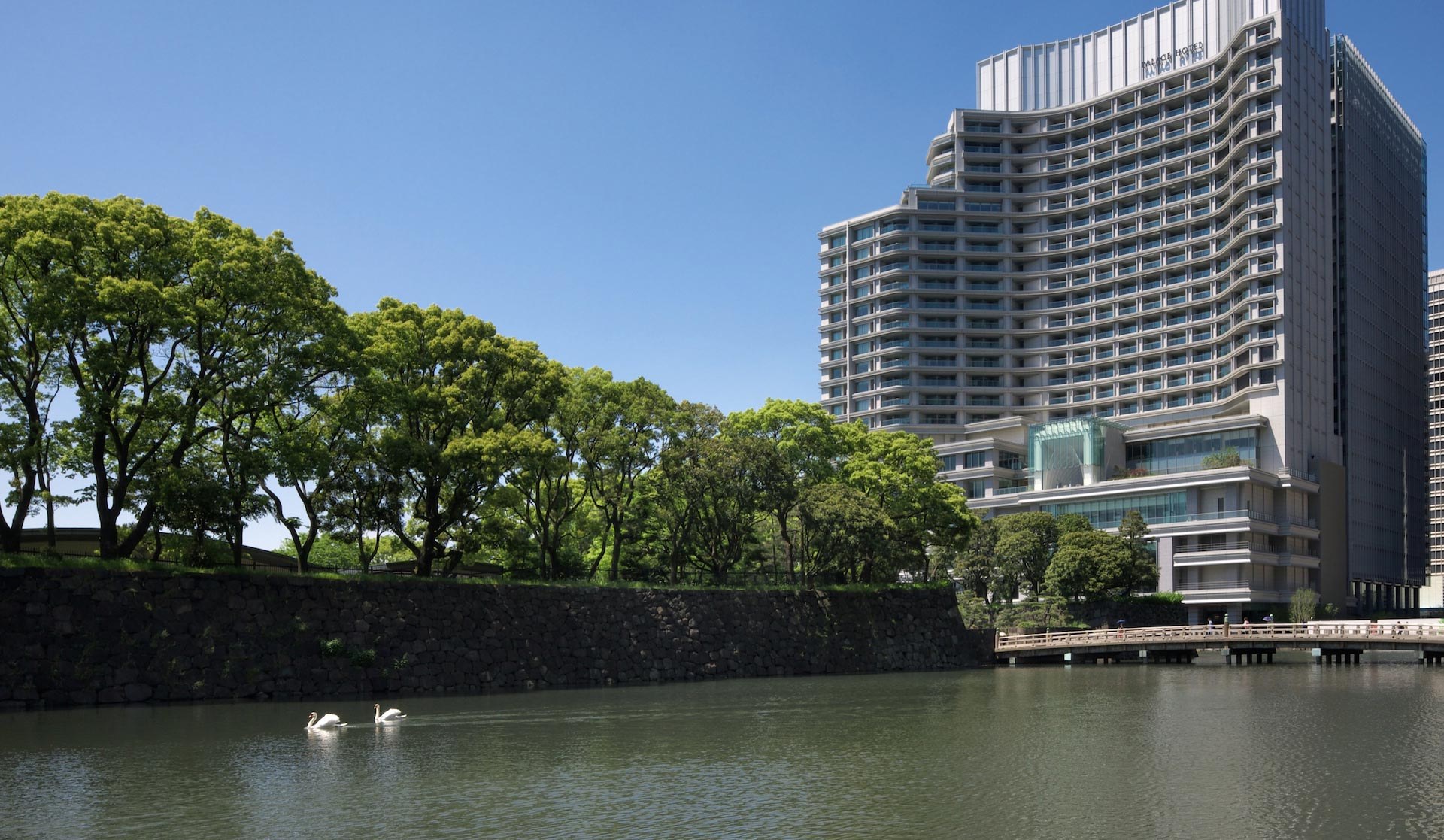
This hotel suits travelers who prize elevated design and city panoramas. Its placement in Kioicho and occupation of the tower's upper levels make it a natural fit for business trips that benefit from proximity to power and quiet rooms, while its refined, sensory details make it appealing for romantic getaways and wellness-minded stays. The property's high placement in Le Liste underscores a level of service and polish that guests expect when choosing a premium Tokyo address close to the Imperial Palace gardens.
Stay Tips
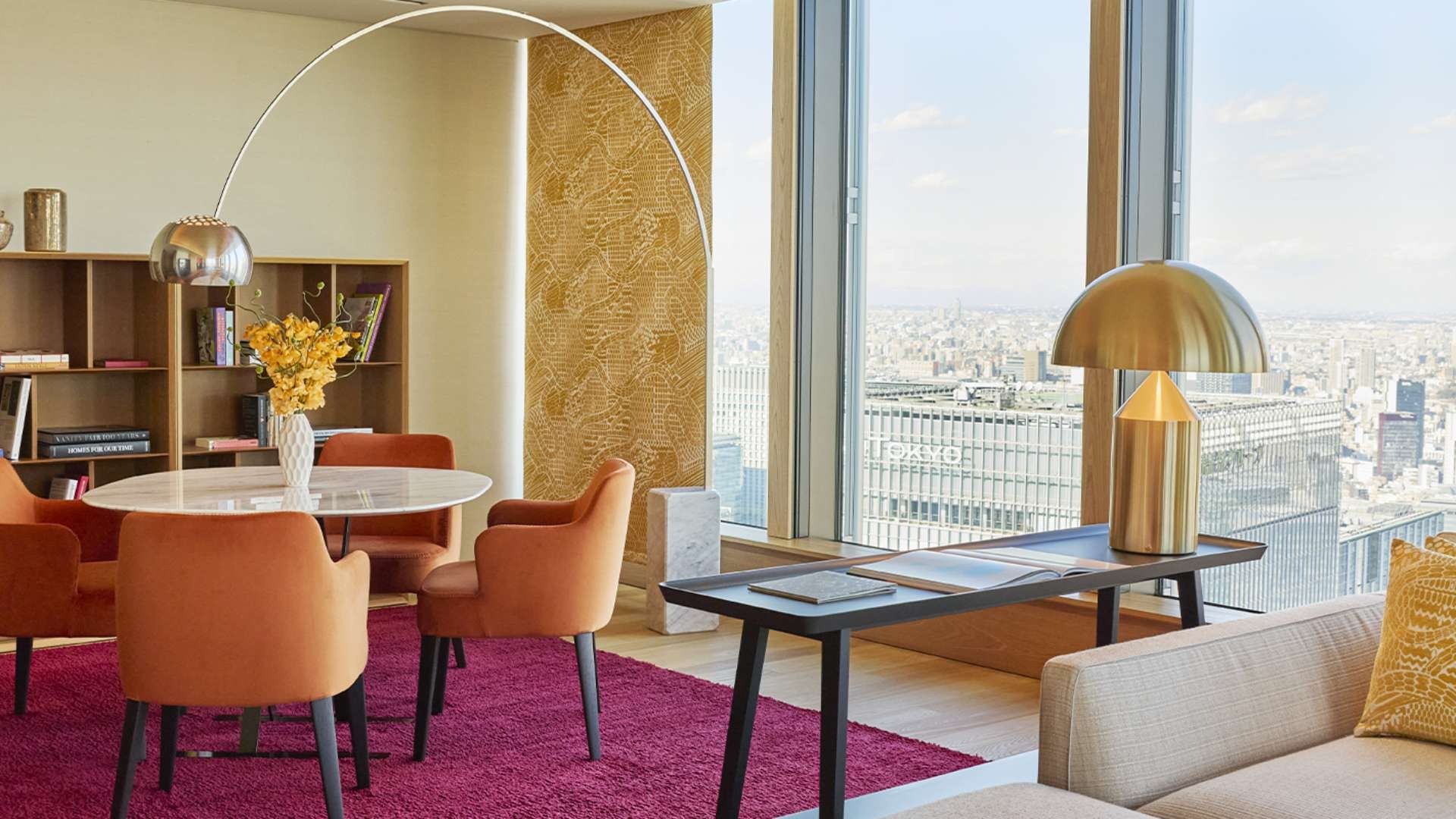
When booking, request a room on the highest available floor within the hotel's 30–36 range to maximize skyline perspectives—the property's design is explicitly organized around what Tokyo looks like from inside a room. Factor the theatrical elevator arrival and 36th-floor lobby into arrival plans (the lobby view and Mari Noguchi's glass waterfall are focal points). Note the hotel's La Liste recognition if you want a benchmark for expectations; the description foregrounds deliberate design and sensory details like the hinoki scent rather than flamboyant amenities.
Venue details
Ambiance
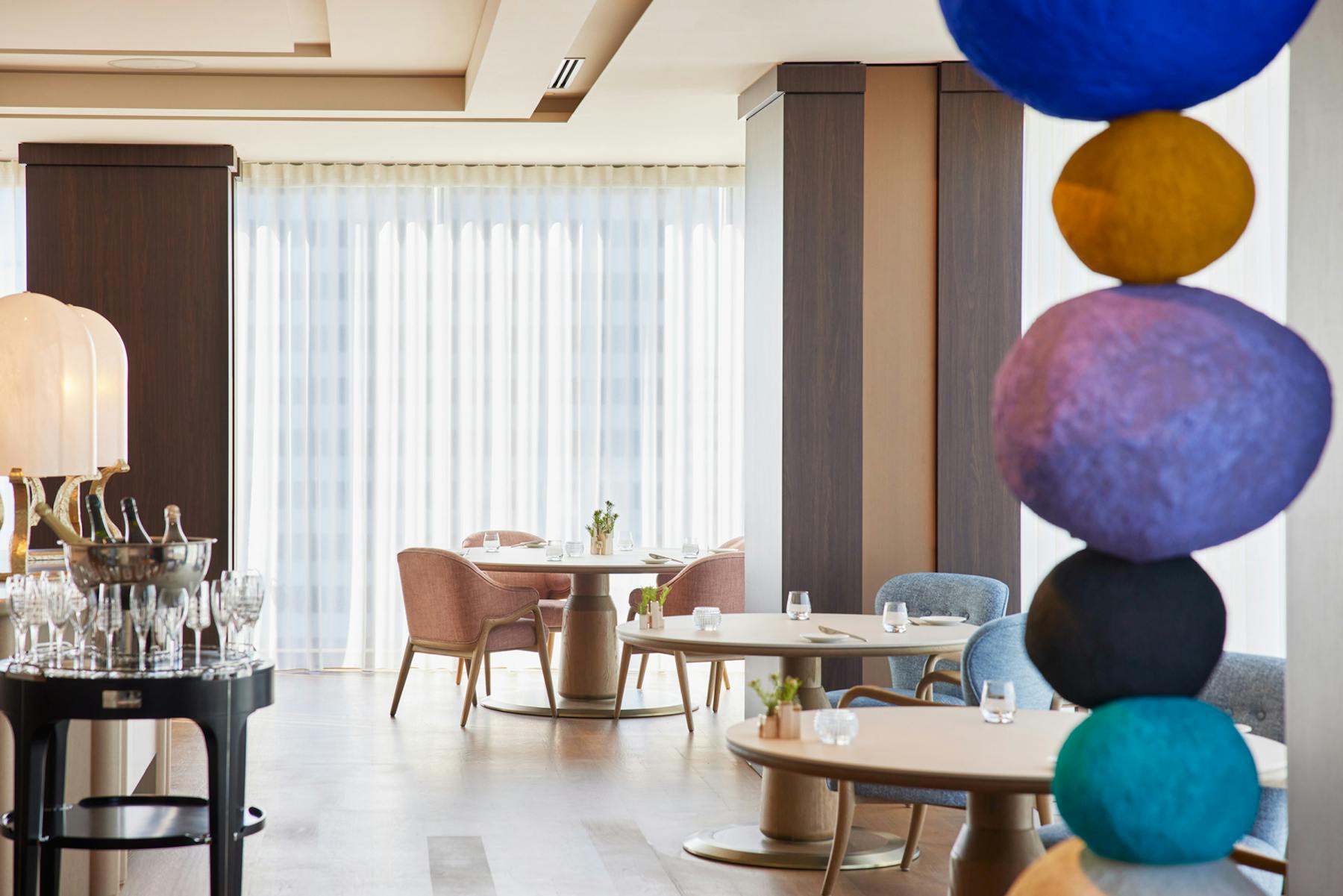
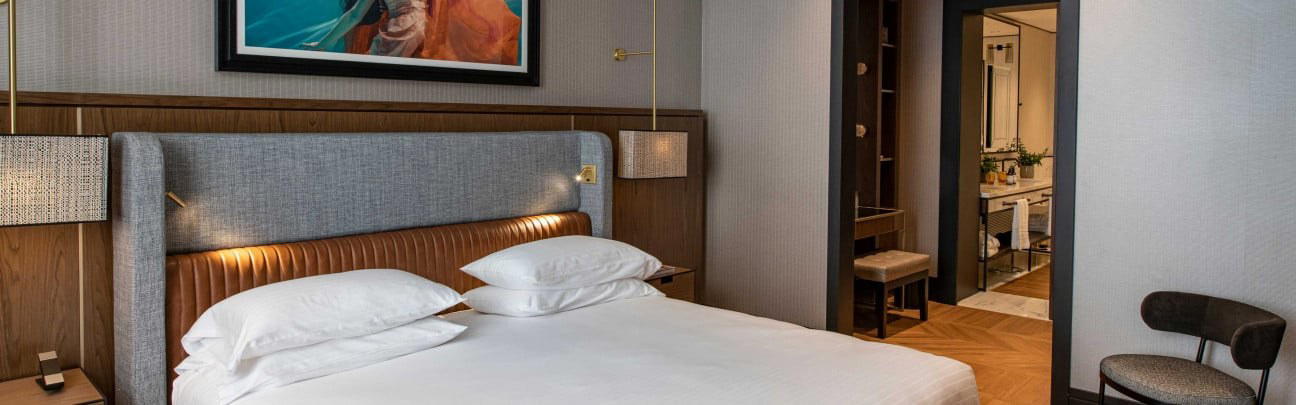
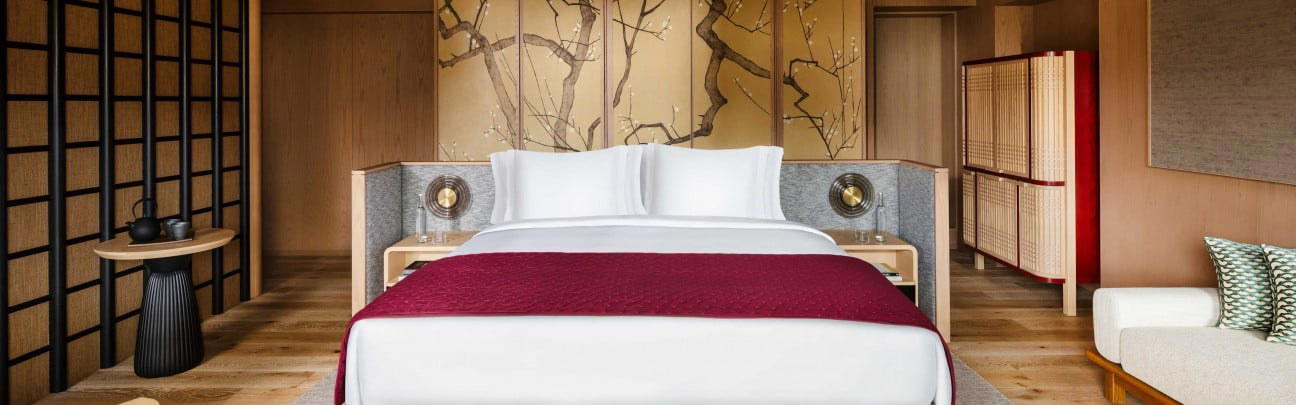
Bright, modern, and sophisticated with abundant natural light in the Sky Lobby; guest rooms feature contemporary design with high-tech amenities and unparalleled views of Tokyo's illuminated skyline.
Tags
Vibe
Best For
Experience
Amenities
View
Accessibility
About the Stay
- Rooms
- 250
- Check-in
- 15:00
- Check-out
- 11:00
- Property Style
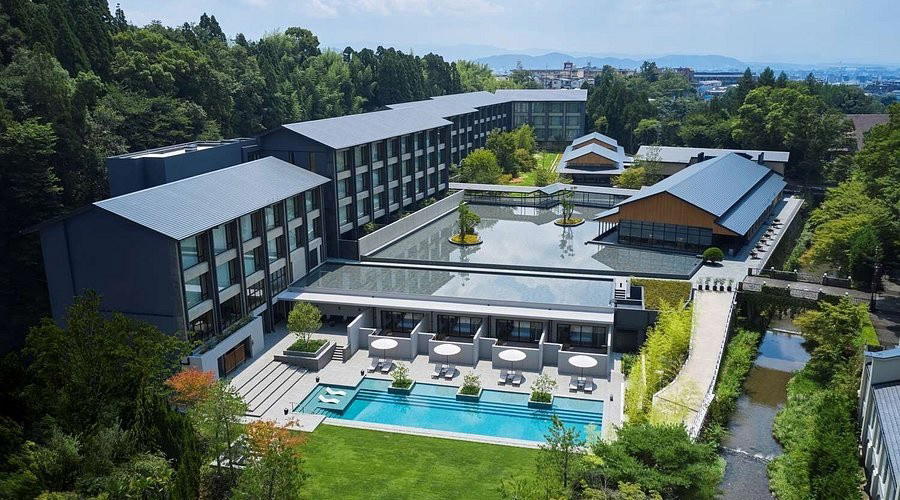
- Contemporary Luxury High Rise Integrated Into a Mixed Use Development with Emphasis on Modern Design and Panoramic Urban Views.
- Design Style
- Modern Minimalist with Gallery Inspired Interiors, Featuring Clean Lines, High Tech Controls, and Artworks That Create an Elegant, Sophisticated Aesthetic.
Know before you go
Know Before You Go
- Getting there
- 1-2 Kioichō, Chiyoda City, Tokyo 102-8585
Planning details
Location
1-2 Kioichō, Chiyoda City, Tokyo 102-8585 · Directions
Recognition and awards

Also consider
Also Consider
- Hotel New Otani Tokyo The Main, Notable alternative
- Hotel New Otani Tokyo Executive House Zen, Notable alternative
- The Kitano Hotel Tokyo, Notable alternative
- Granbell Hotel Akasaka, Notable alternative
- The Capitol Hotel Tokyu, Notable alternative
Hotel context
How it compares in Tokyo
Choose The Prince Gallery Tokyo Kioicho, a Luxury Collection Hotel if the priority is a polished central address with a view-led luxury feel and hard-to-book recognition behind it. Against Hotel New Otani Tokyo The Main, it feels more contemporary and tighter in focus; New Otani The Main is the better fit for travellers who prefer a larger classic hotel setup nearby.
Hotel New Otani Tokyo Executive House Zen is the closest premium cross-shop if the goal is a quieter, club-like stay in the same area. The Capitol Hotel Tokyu is the stronger alternative for travellers who want Japanese luxury polish and a more restrained atmosphere, while The Prince Gallery is the better pick for Marriott loyalists and guests who want a more vertical, skyline-driven stay.
For value, Granbell Hotel Akasaka is the practical downgrade: less luxury signal, but easier to justify when the itinerary keeps you out all day. The Kitano Hotel Tokyo is worth considering for a quieter, smaller-scale stay; book The Prince Gallery when the room itself is part of the trip, not just a base.
Explore Tokyo
Around this place
Discover more on Pearl
Unlock the full The Prince Gallery Tokyo Kioicho, a Luxury Collection Hotel guide in Pearl, including awards, comparisons, FAQs, planning details, and nearby places.
Compare The Prince Gallery Tokyo Kioicho, a Luxury Collection Hotel
| Venue | Location | Awards |
|---|---|---|
| The Prince Gallery Tokyo Kioicho, a Luxury Collection Hotel | Tokyo | 2026 Forbes 5-Star2026 La Liste Top Hotels2026 Michelin 1 KeyMichelin 1 Key 20252025 Michelin 1 Key2025 Forbes 5-Star |
| Hotel New Otani Tokyo The Main | Tokyo | 2026 Forbes 4-Star2025 Forbes 4-StarPreferred Hotels L.V.X. Collection 20252024 Michelin 1 Key |
| Hotel New Otani Tokyo Executive House Zen | Tokyo | 2026 Virtuoso Luxury Hotel Collection2026 Forbes 5-Star2026 La Liste Top Hotels2026 Michelin 1 Key2025 Forbes 5-Star2025 Michelin 1 KeyPreferred Hotels Member 2025 |
| The Kitano Hotel Tokyo | Tokyo | 2026 Relais Chateaux Hotels2025 Relais Chateaux Award |
| Granbell Hotel Akasaka | Tokyo | No published awards |
| The Capitol Hotel Tokyu | Tokyo | 2026 Forbes 5-Star2026 La Liste Top Hotels2026 Michelin 2 Keys2025 Michelin 2 Keys2025 Forbes 5-StarPreferred Hotels Member 20252024 Michelin 2 Keys |






How The Prince Gallery Tokyo Kioicho Hotel Review compares with similar nearby venues.
FAQ
Frequently Asked Questions
How does The Prince Gallery Tokyo Kioicho, a Luxury Collection Hotel compare to other Tokyo hotels?
It is best compared as a Tokyo luxury hotel with confirmed recognition from Michelin, Forbes, and La Liste. Hotel New Otani Tokyo The Main, Hotel New Otani Tokyo Executive House Zen, The Capitol Hotel Tokyu, The Kitano Hotel Tokyo, and Granbell Hotel Akasaka are useful alternatives to review depending on budget and preferred hotel style.
How is the location of The Prince Gallery Tokyo Kioicho, a Luxury Collection Hotel?
The location is Tokyo. Confirm the exact address, transport access, and neighborhood fit directly with the hotel or your booking channel before making plans around the location.
Is The Prince Gallery Tokyo Kioicho, a Luxury Collection Hotel good for business travel?
It may be worth considering for business travel if you want a Tokyo luxury hotel with confirmed recognition, including Michelin 1 Key (2025) and Forbes 5-Star (2026). Specific business services, meeting facilities, and transport convenience are not here, so confirm those details directly if they matter to the trip.