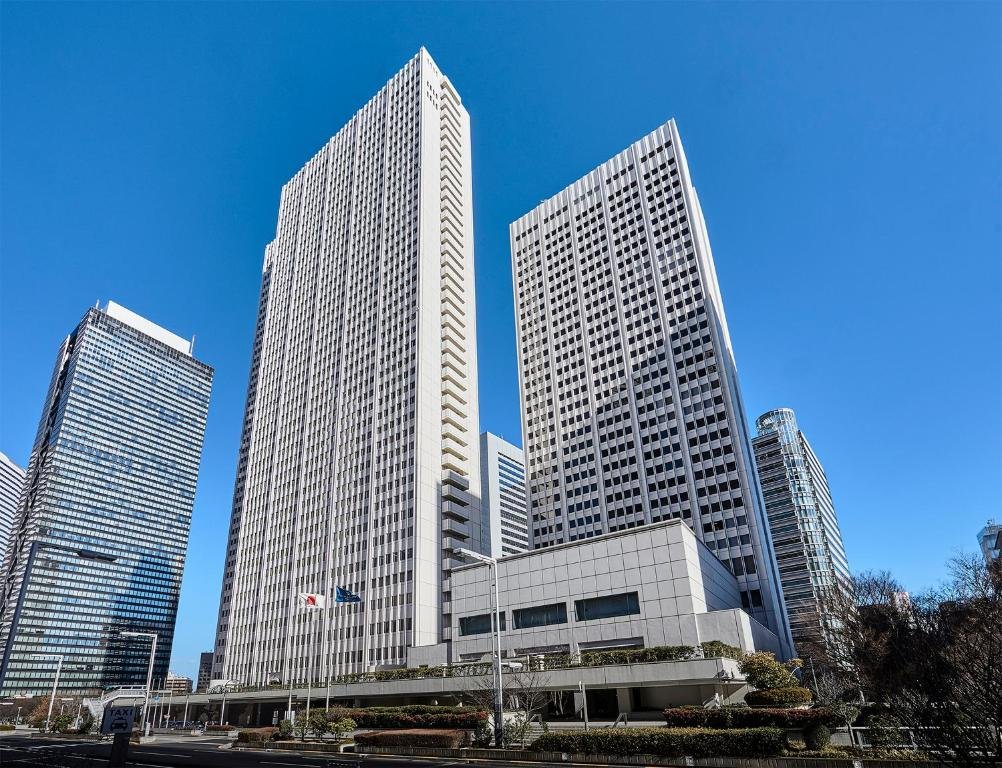


Keio Plaza Hotel Tokyo Premier Grand
Shinjuku, Tokyo
Hotel in Tokyo, Japan
 Book with Pearl
The Read
Price
$100–200per night
Why go
A practical Shinjuku pick for travelers who want a calmer Nishi-Shinjuku base rather than a nightlife-forward hotel. Keio Plaza Hotel Tokyo Premier Grand is strongest for business travel and first-time Tokyo stays where access, scale, and consistency matter; compare Park Hyatt Tokyo or Bellustar Tokyo if the hotel itself is the splurge.
About Keio Plaza Hotel Tokyo Premier Grand
Keio Plaza Hotel Tokyo Premier Grand is a Tokyo hotel with two clear signals for travelers weighing where to stay: Forbes Recommended (2026) recognition and Star Wine List (2026) recognition. It is best evaluated as a premium Tokyo hotel option, with current room, amenity, restaurant, and service details checked directly before booking.
Choose it for hotel credentials in Tokyo
The strongest reasons to keep Keio Plaza Hotel Tokyo Premier Grand on a shortlist are its Forbes Recommended (2026) recognition and Star Wine List (2026) recognition. The dress code is smart casual, which is useful to know when planning the stay.
For a Tokyo trip, compare the hotel against the wider shape of your itinerary. Use the full Tokyo hotels guide alongside the full Tokyo restaurants guide and the full Tokyo bars guide to decide whether this is the right anchor for the trip.
Where it sits against Tokyo alternatives
If you are comparing premium hotel options in Tokyo, Keio Plaza Hotel Tokyo Premier Grand can be weighed alongside Bellustar Tokyo, A Pan Pacific Hotel; HOTEL GROOVE SHINJUKU, A PARKROYAL Hotel; Hotel Sunroute Plaza Shinjuku; Kimpton Shinjuku Tokyo; and Park Hyatt Tokyo. The meaningful distinction for Keio Plaza Hotel Tokyo Premier Grand is its Forbes Recommended (2026) and Star Wine List (2026) recognition.
Keio Plaza Hotel Tokyo Premier Grand is most direct to consider when you want a Tokyo hotel with notable recognition, then compare live rates, room details, and current hotel facilities directly before booking.
Planning details
- Location
- 2-2-1 Nishi-Shinjuku
- Website
- keioplaza.com/rooms/pg/index.html
- Phone
- 81-3-3344-0111
The take
The Take
The Vibe
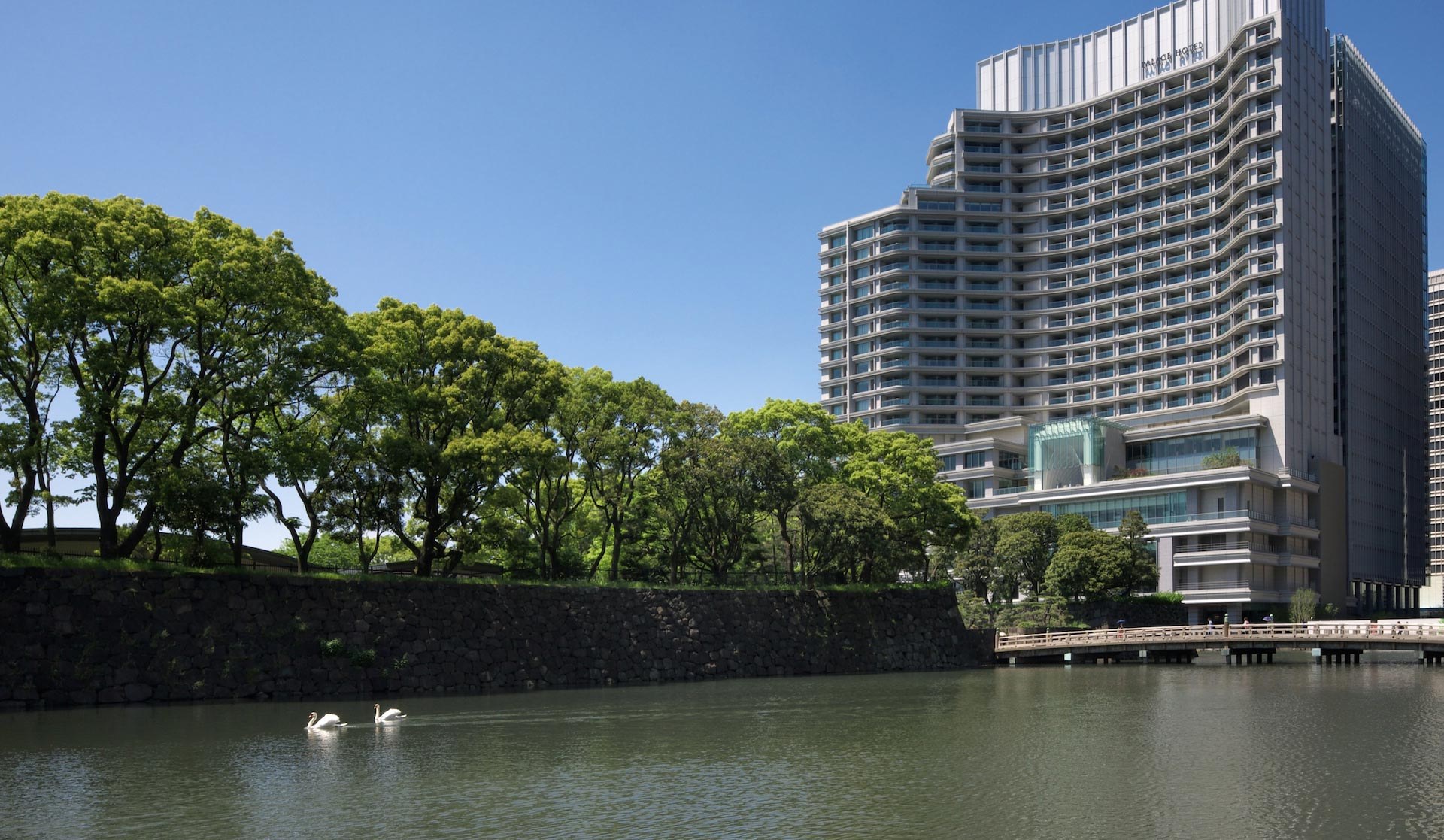
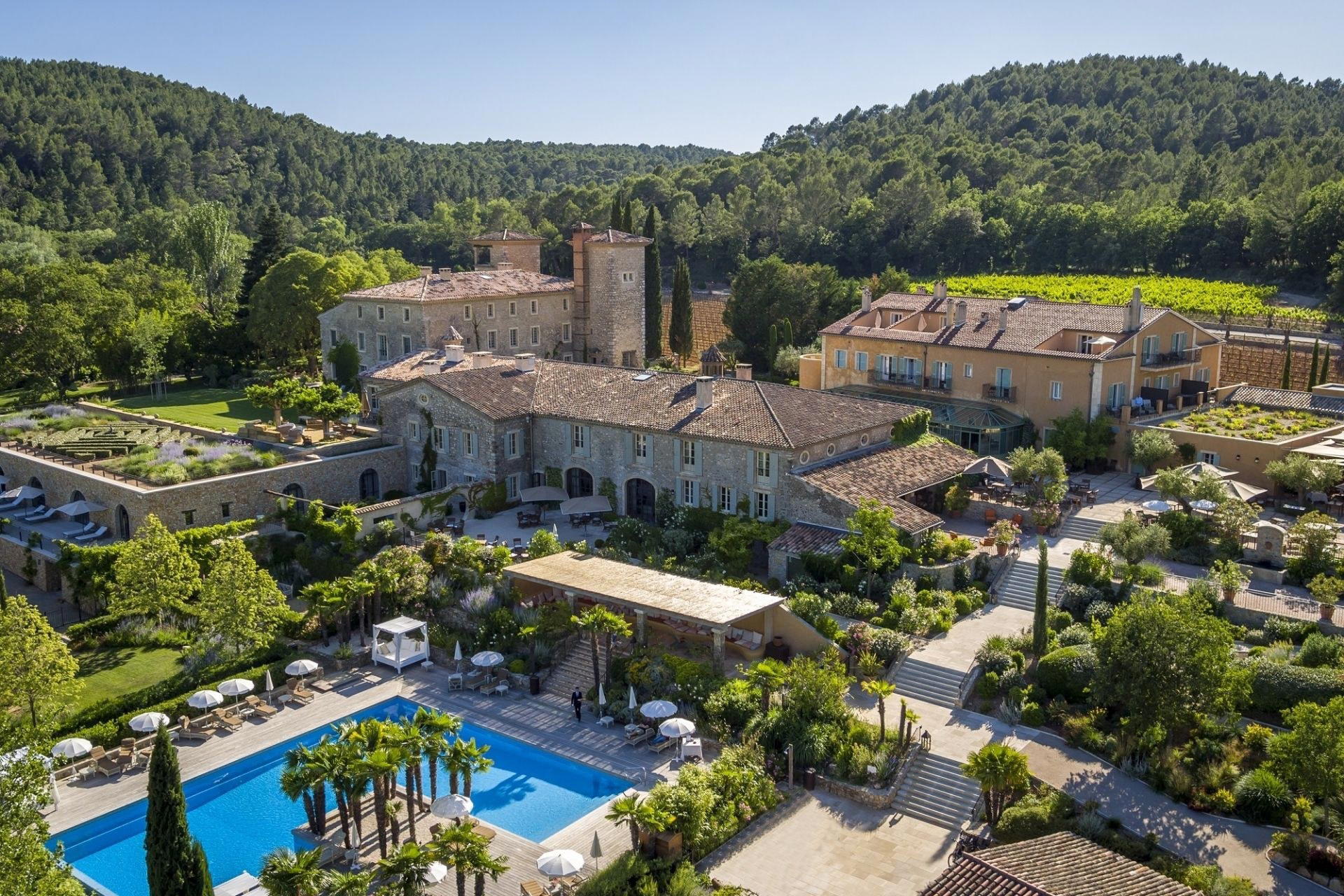
Keio Plaza Hotel Tokyo Premier Grand reads like a discreet layer of luxury inside a major urban complex. The editorial positions it as a locally owned grand hotel that creates a separate product within the larger Keio Plaza, prioritizing quiet efficiency and discretion over flashy gestures. Guests experience the scale and service of a large-format property while feeling removed from the bustle thanks to the Premier Grand’s tiered rooms and services. The result is a refined, low-key atmosphere that appeals to travelers who value privacy and seamless operations more than theatrical design statements.
Best For
This property suits travelers who need the infrastructure of a large international hotel but want a more private, restrained experience. Business guests who appreciate reliability, proximity to Nishi-Shinjuku’s corporate hub, and efficient service find it especially convenient. At the same time, the Premier Grand’s emphasis on discretion makes it a good pick for couples seeking quiet privacy without sacrificing hotel amenities. It’s a pragmatic choice for stays where calm, dependable service and easy access to Tokyo’s transit and business districts matter most.
Stay Tips
Book the Premier Grand tier specifically when reserving at Keio Plaza if privacy and separation from the main hotel are priorities; the description underlines that the Premier Grand functions as a distinct product category within the larger building. Choose Premier Grand rooms and services rather than the standard Keio Plaza offering to ensure the elevated level of discretion and tailored service the write-up describes. Given the hotel’s placement in a dense high-rise cluster, confirm the tier at booking to lock in the more secluded experience the Premier Grand promises.
Venue details
Ambiance
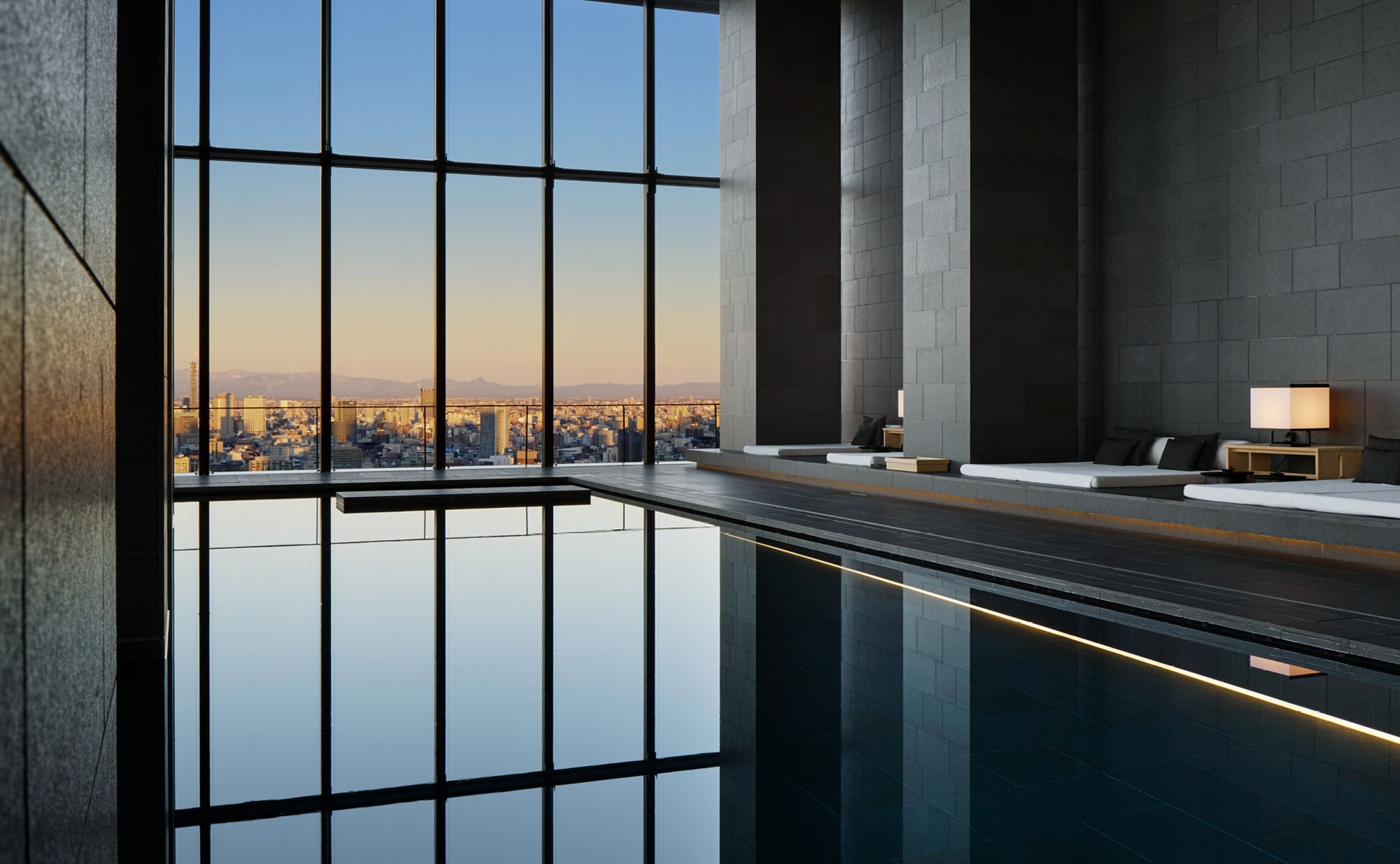
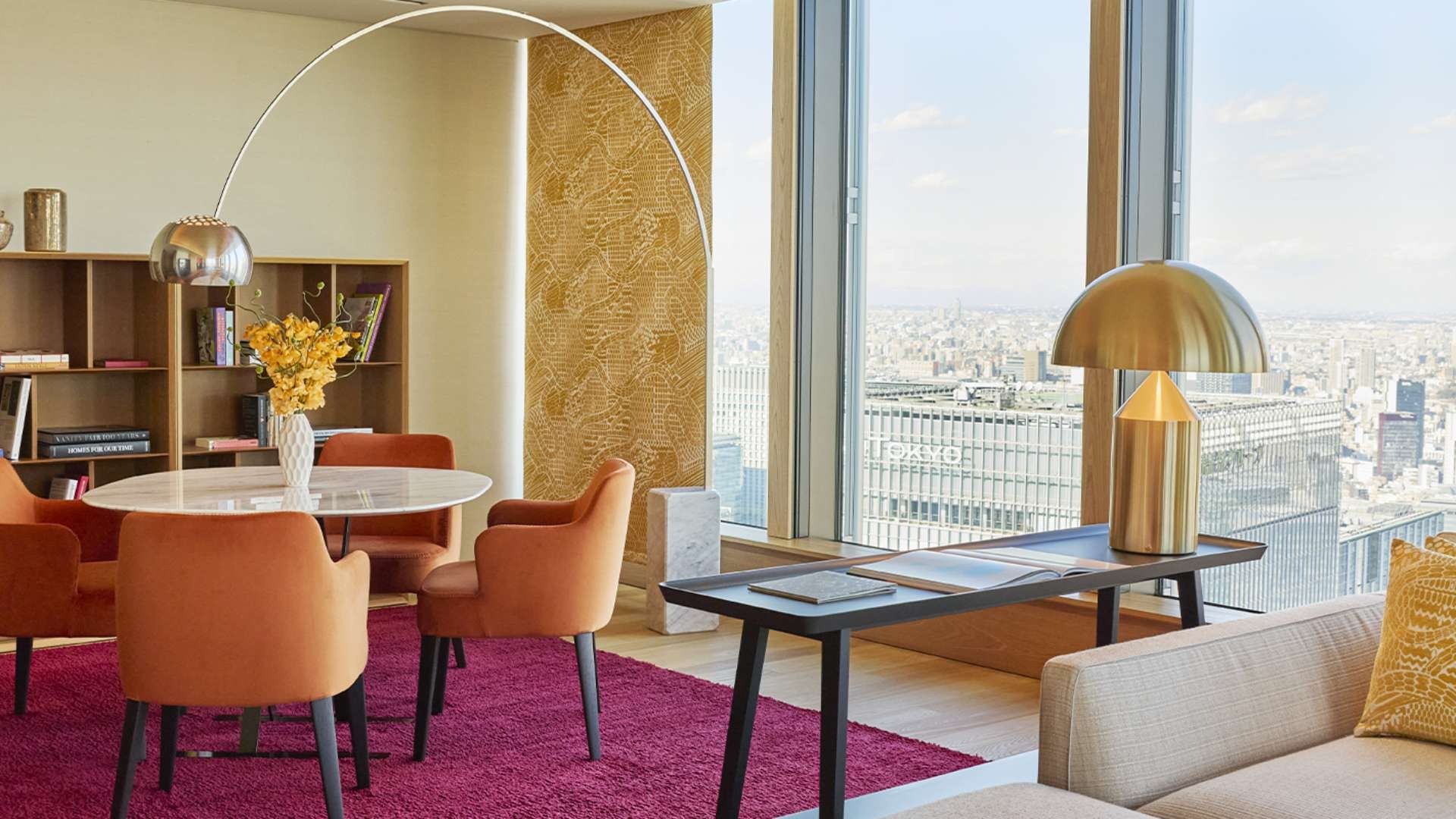
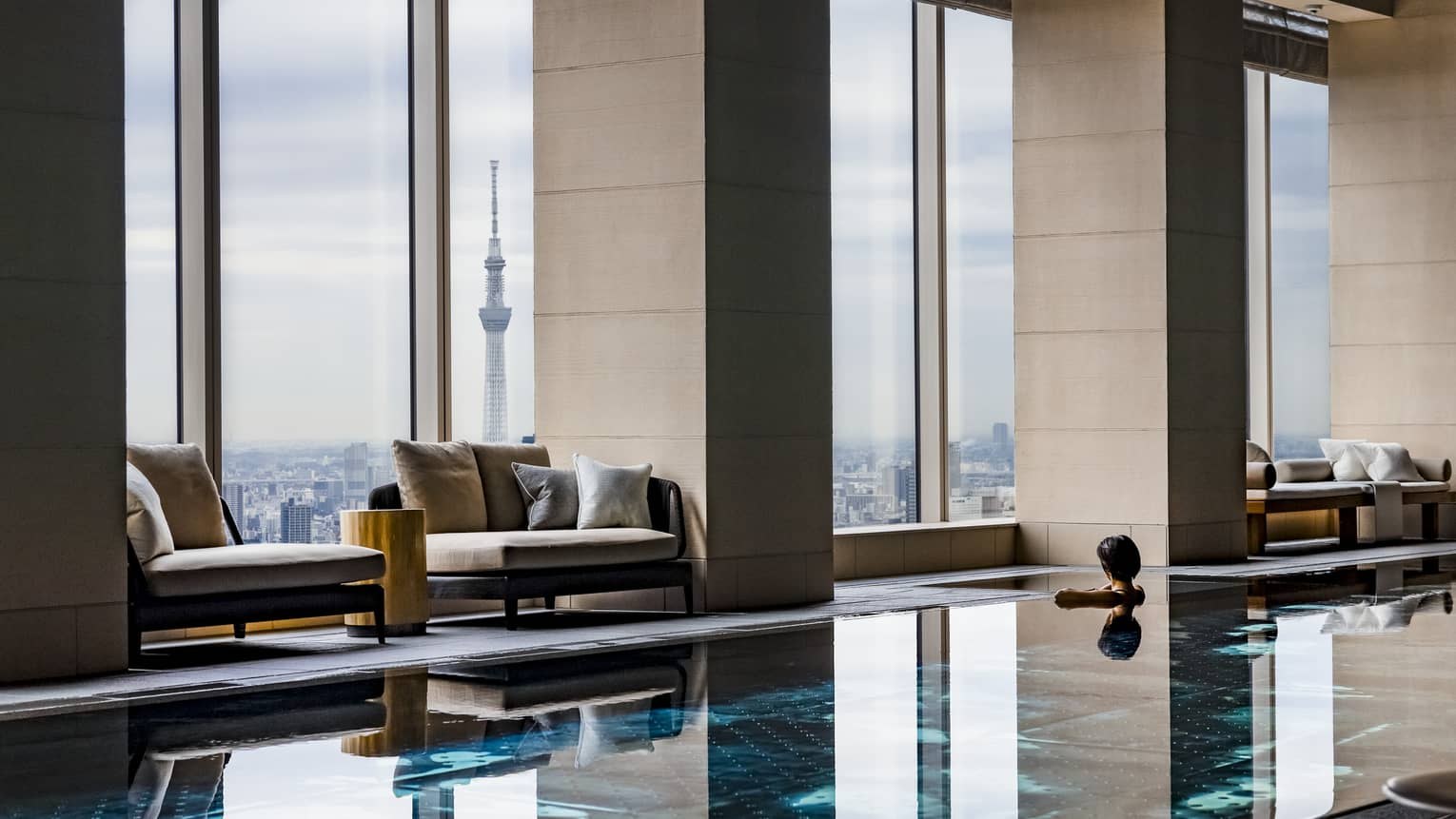
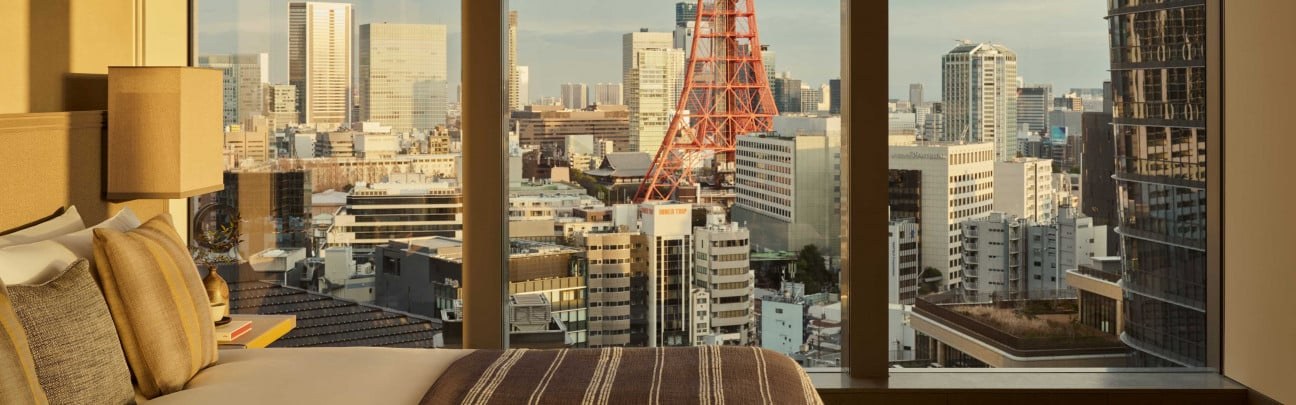
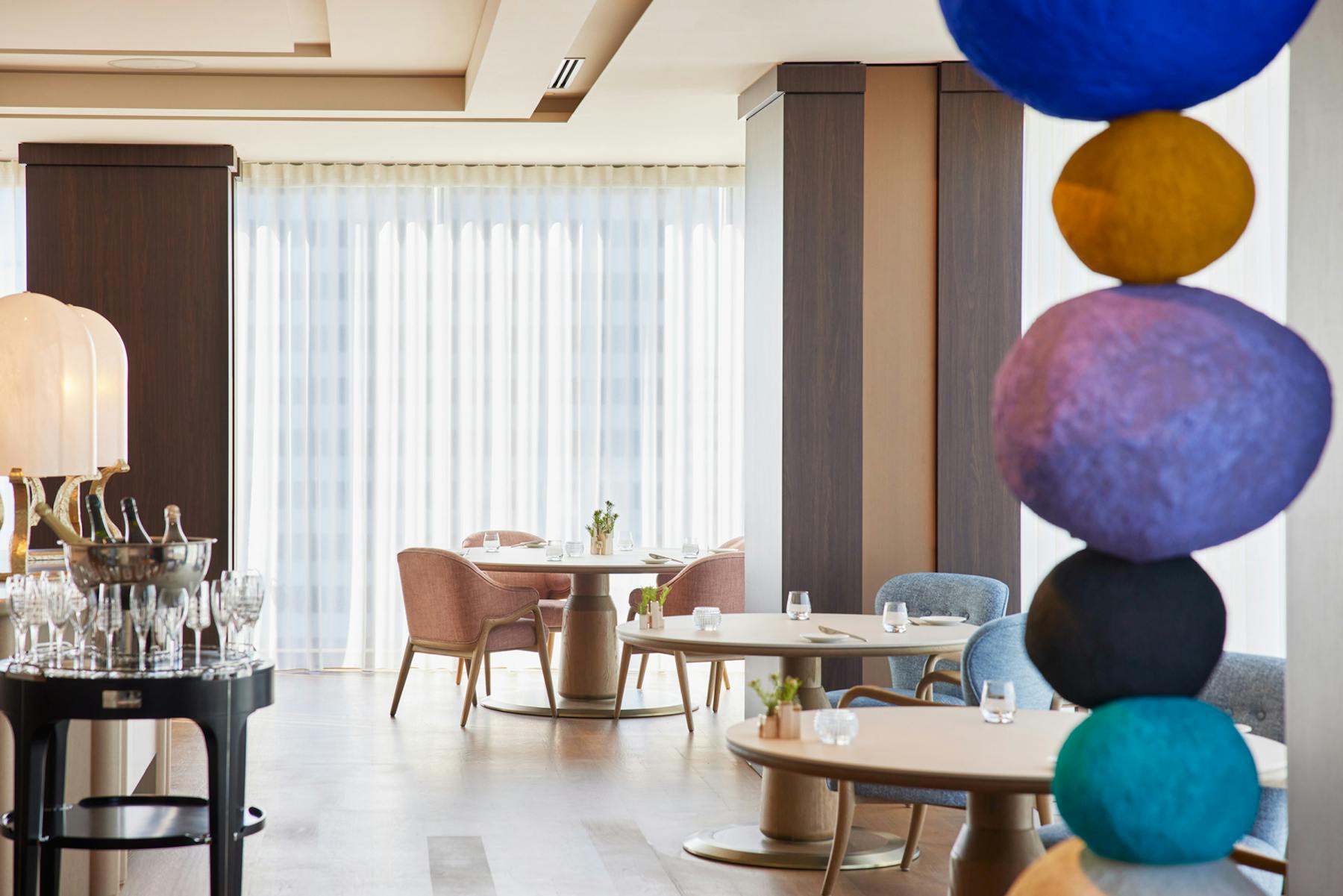
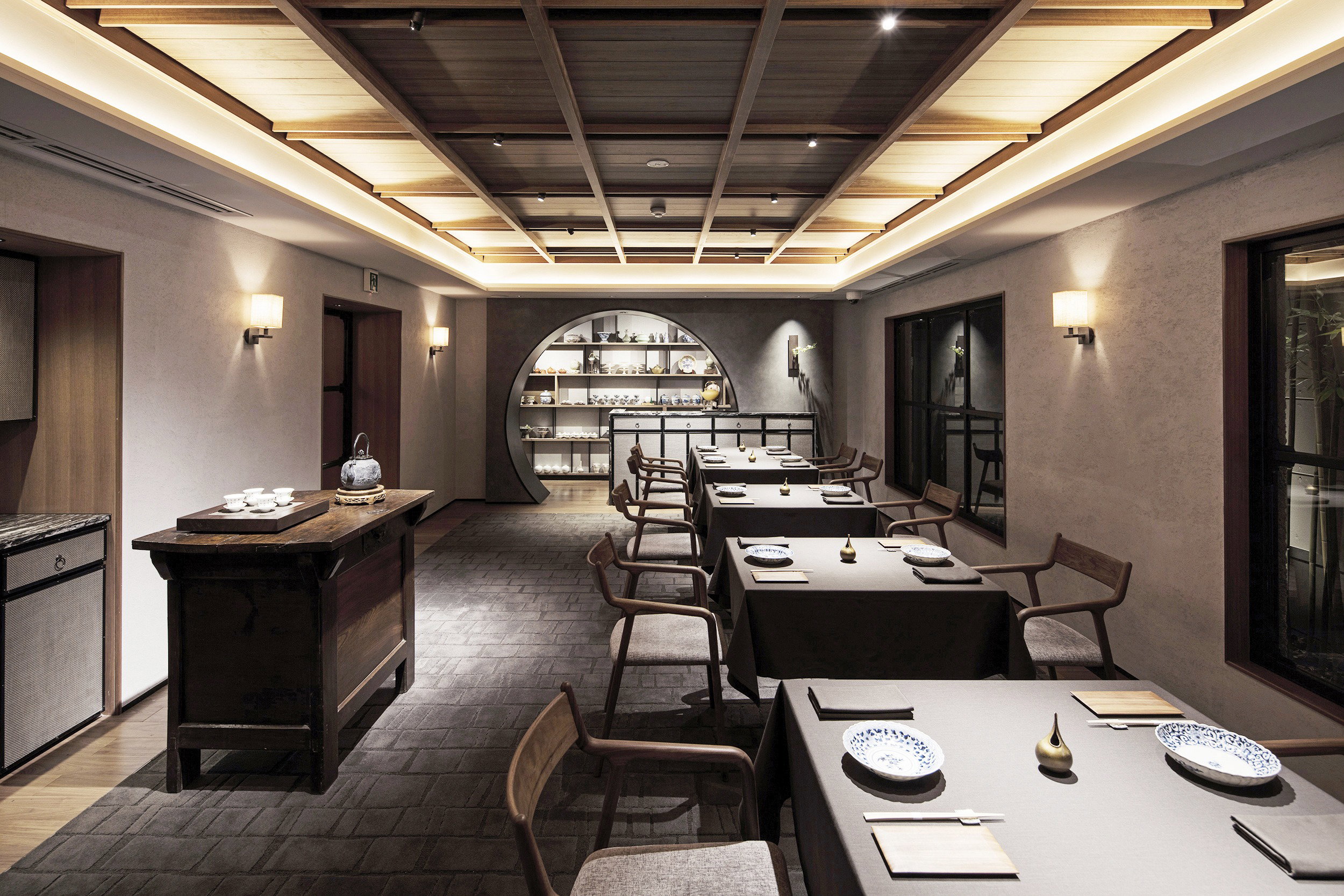
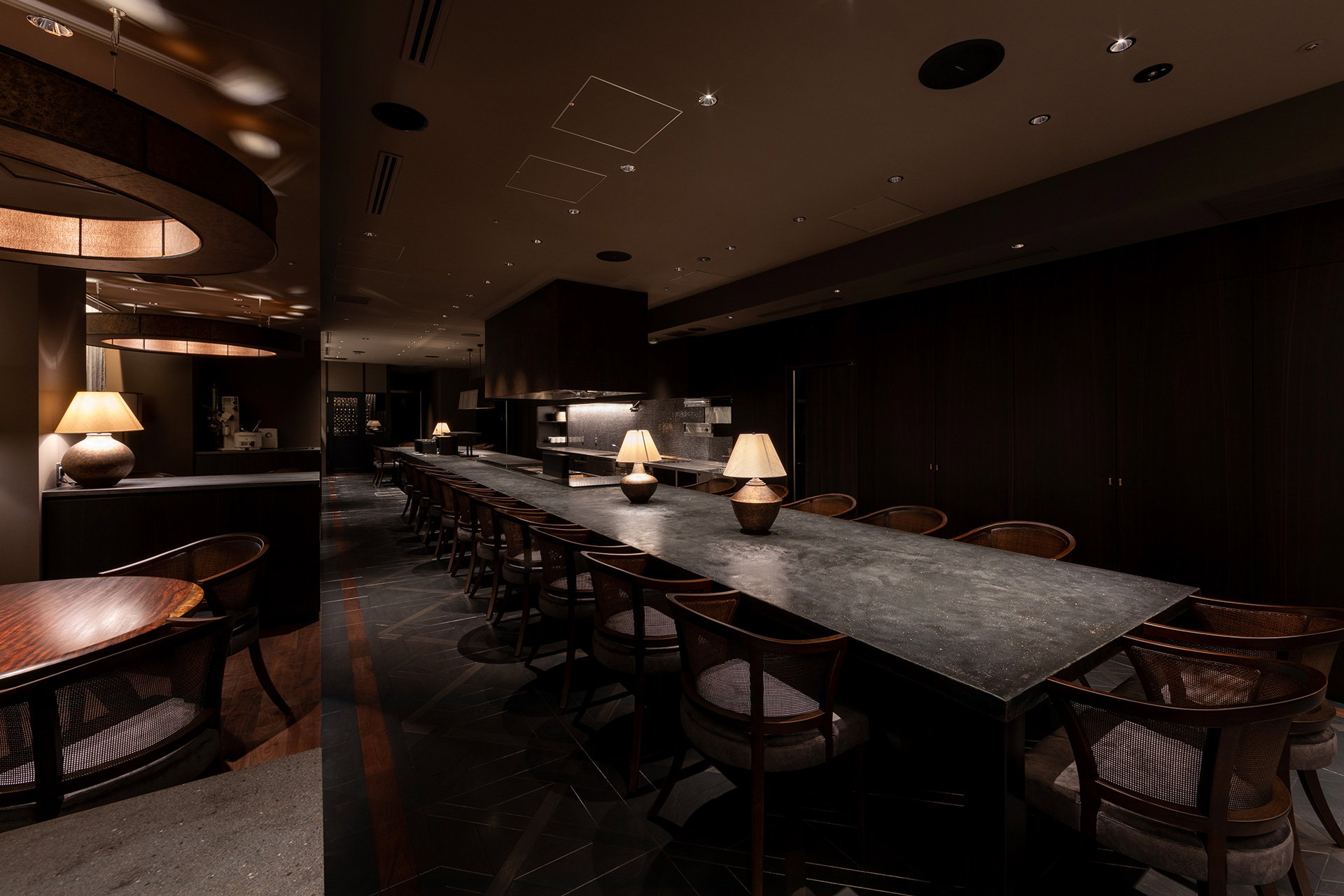
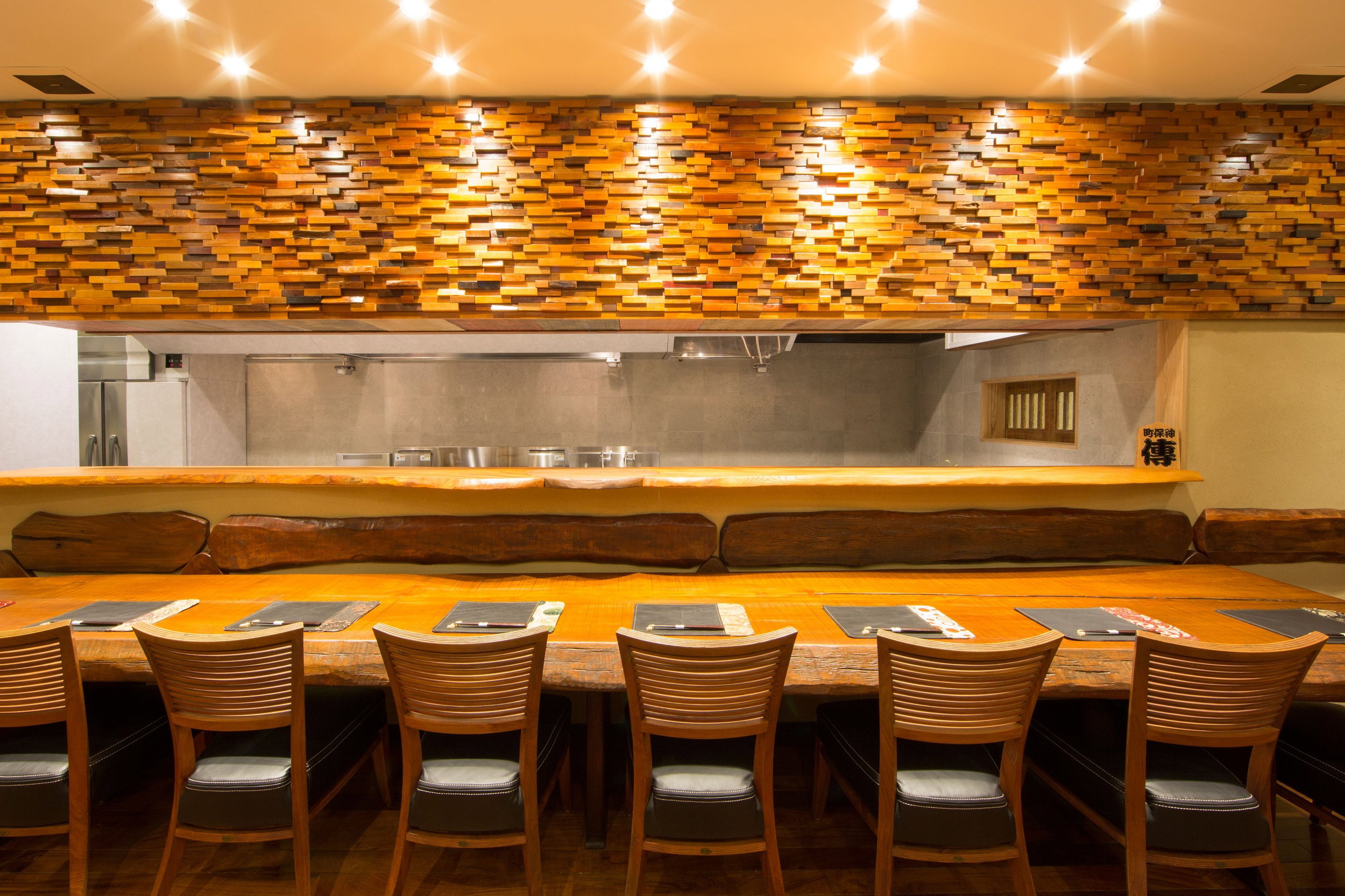
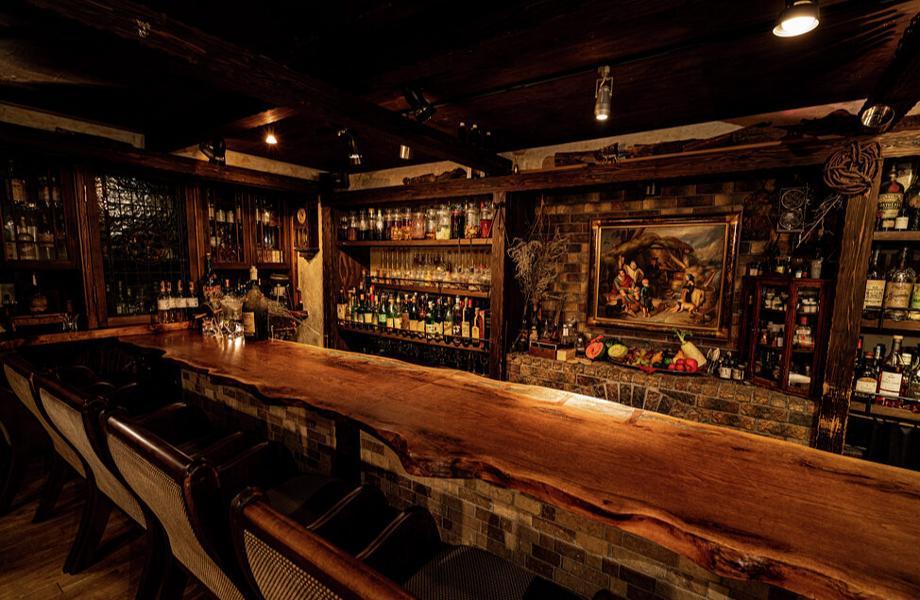
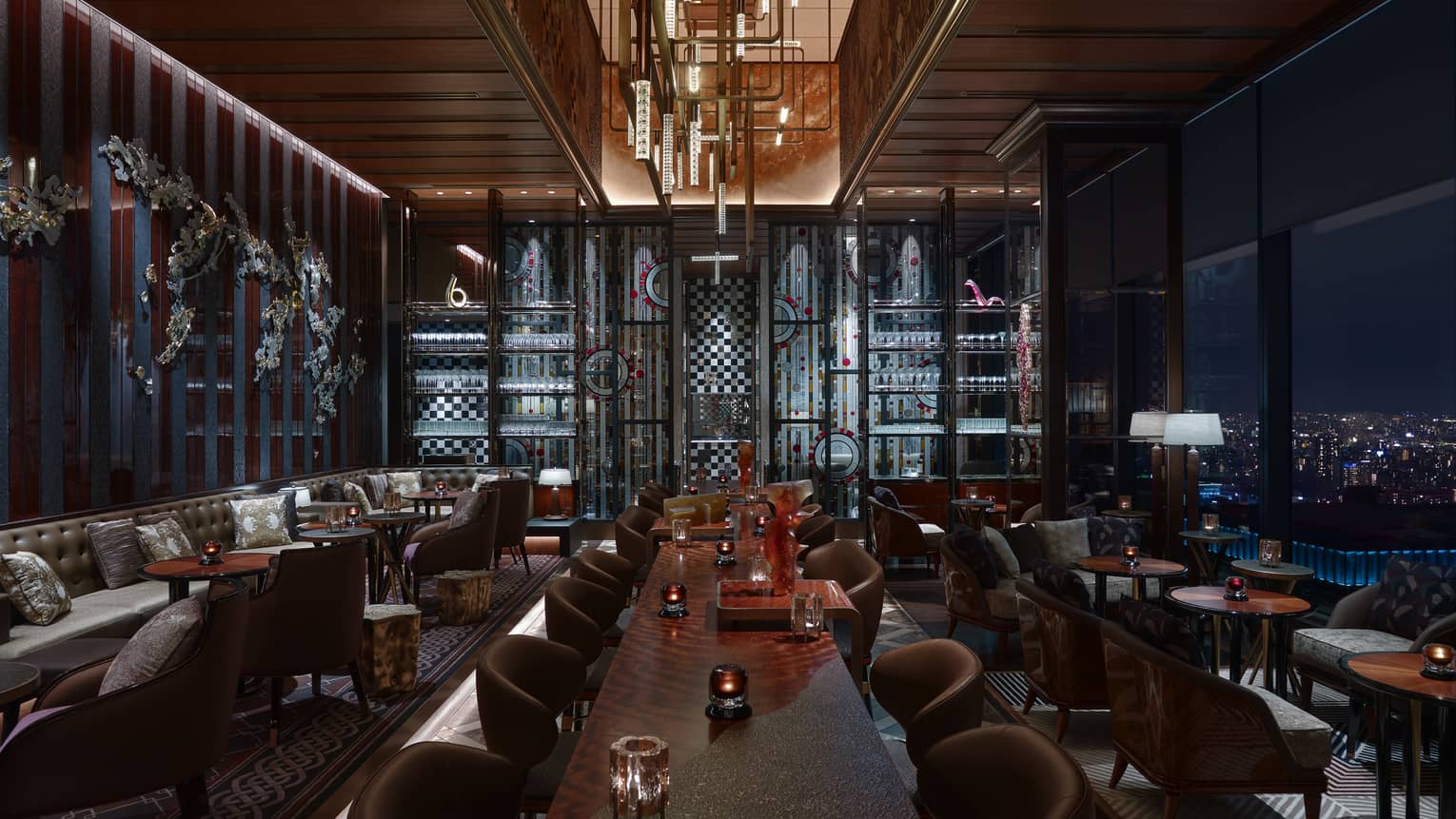
Sophisticated and relaxing with Japanese garden-inspired design, natural light, washi art, and serene atmosphere enhanced by city skyline views.
Tags
Vibe
Best For
Experience
Amenities
View
Accessibility
About the Stay
- Rooms
- 165
- Check-in
- 15:00
- Check-out
- 11:00
- Property Type
- Design hotel
- Property Style
- Modern Luxury High Rise Tower with Club Level Exclusivity
- Design Style
- Contemporary Japanese with Neutral Tones, Natural Woods, and Individual Furnishings
- Breakfast
- Included
- Airport Transfer
- Available
- Pool
- Yes
- Spa
- Yes
- Families
- Welcome
- Cancellation
- Moderate
Know before you go
Know Before You Go
- Getting there
- 2-2-1 Nishi-Shinjuku
Planning details
Location
Recognition and awards


Also consider
Where to look if this is full
If the priority is simple Shinjuku access, try Hotel Sunroute Plaza Shinjuku. If the trip needs more design personality and a livelier hotel mood, compare Kimpton Shinjuku Tokyo. For a higher-budget stay where the room and view carry more of the trip, check Bellustar Tokyo, A Pan Pacific Hotel.
Hotel context
How it compares in Shinjuku
Choose Keio Plaza Hotel Tokyo Premier Grand over Hotel Sunroute Plaza Shinjuku if the stay needs a more composed hotel environment rather than a purely transit-led base. Sunroute is the easier practical choice for travelers who mainly want station access; Keio Plaza is the better call when meetings, longer stays, or quieter evenings matter.
Kimpton Shinjuku Tokyo is the stronger fit for a design-forward, lifestyle-hotel stay. Keio Plaza is less personality-led, but that can be an advantage for business travelers and families who want a larger, more predictable operation. HOTEL GROOVE SHINJUKU, A PARKROYAL Hotel is better for a trip built around nightlife and entertainment; Keio Plaza is better when Shinjuku access matters but sleep and order matter more.
For a splurge, compare it with Park Hyatt Tokyo and Bellustar Tokyo, A Pan Pacific Hotel. Those are the stronger choices when the hotel experience is the centerpiece. Keio Plaza makes more sense when the brief is dependable Shinjuku comfort with credible recognition, including Forbes Recommended and Star Wine List in 2026, without chasing the highest-luxury lane.
Explore Tokyo
Around this place
Discover more on Pearl
Unlock the full Keio Plaza Hotel Tokyo Premier Grand guide in Pearl, including awards, comparisons, FAQs, planning details, and nearby places.
Compare Keio Plaza Hotel Tokyo Premier Grand
| Venue | Location | Awards |
|---|---|---|
| Keio Plaza Hotel Tokyo Premier Grand | Tokyo | 2026 Forbes RecommendedStar Wine Lists 2026 |
| Hotel Sunroute Plaza Shinjuku | Tokyo | No published awards |
| Kimpton Shinjuku Tokyo | Tokyo | No published awards |
| Park Hyatt Tokyo | Tokyo | 2026 Robb Report The 50 Greatest Luxury Hotels on Earth · #42026 World’s 50 Best Hotels 51-100 · #532026 Virtuoso Luxury Hotel Collection2026 Travel + Leisure It List Hotels2026 Robb Report Best Luxury Hotels in Tokyo2026 Conde Nast Traveler Hot List HotelsTown & Country Hotel Awards 2026Esquire Best New Hotels in the World 20262026 La Liste Top Hotels |
| HOTEL GROOVE SHINJUKU, A PARKROYAL Hotel | Tokyo | No published awards |
| Bellustar Tokyo, A Pan Pacific Hotel | Tokyo | 2026 Michelin 1 KeyWorld Luxury Hotel Awards 20252025 Michelin 1 Key2024 Michelin 1 Key |











How Keio Plaza Hotel Tokyo Premier Grand Review compares with similar nearby venues.
FAQ
Frequently Asked Questions
Is Keio Plaza Hotel Tokyo Premier Grand good for business travel?
It may be an option to consider if you want a Tokyo hotel with recognized credentials, including Forbes Recommended (2026). If business facilities matter, check meeting spaces, work amenities, and room details directly before booking.
How is the location of Keio Plaza Hotel Tokyo Premier Grand?
Is Keio Plaza Hotel Tokyo Premier Grand family-friendly?
How does Keio Plaza Hotel Tokyo Premier Grand compare to other hotels?
It can be compared with Bellustar Tokyo, A Pan Pacific Hotel; HOTEL GROOVE SHINJUKU, A PARKROYAL Hotel; Hotel Sunroute Plaza Shinjuku; Kimpton Shinjuku Tokyo; and Park Hyatt Tokyo. For Keio Plaza Hotel Tokyo Premier Grand, the notable points are Forbes Recommended (2026), Star Wine List (2026), and a smart casual dress code.
How is the dining at Keio Plaza Hotel Tokyo Premier Grand?
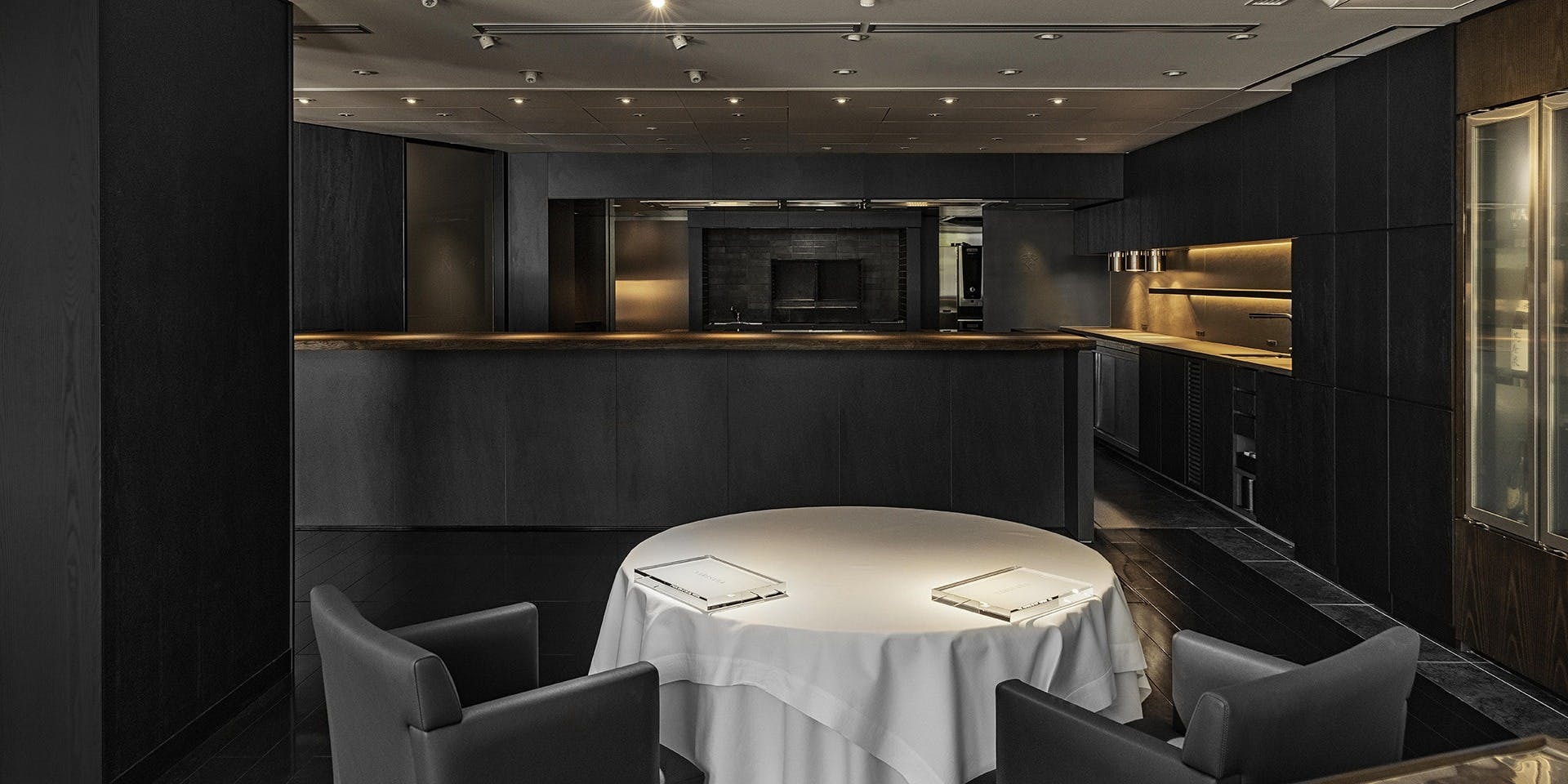
The dining-related signal is Star Wine List (2026). Check current hotel information on restaurants, menus, cuisines, prices, opening hours, and bar details before making dining plans.