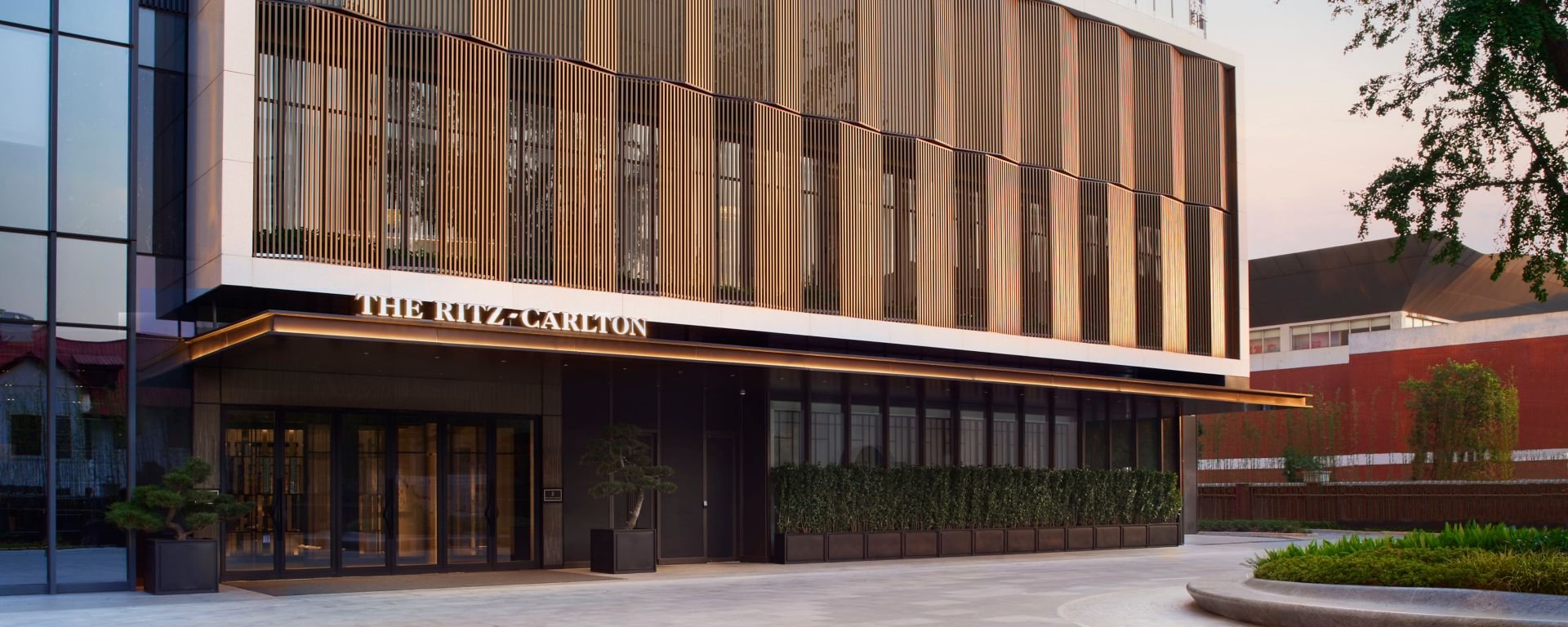


The Ritz-Carlton, Suzhou
Gusu District, Suzhou
Hotel in Suzhou, China
 Book with Pearl
Why go
The Ritz-Carlton, Suzhou is the safer premium pick for business travelers who want a Gusu District base, recognized hospitality credentials, and credible in-house dining. It makes more sense for client-facing trips than for a relaxed boutique weekend; compare Kimpton Bamboo Grove Suzhou or Hotel Indigo Suzhou Grand Canal if personality matters more than polish.
About The Ritz-Carlton, Suzhou
The Ritz-Carlton, Suzhou has two confirmed 2026 recognition signals: Forbes Recommended and Star Wine List. Consider it when you want a premium hotel name in Suzhou with confirmed recognition and wine-list credibility, rather than when you need a highly specific location, restaurant, room, or facilities brief.
The confirmed dress code is smart casual, and the confirmed recognition is Forbes Recommended in 2026 and Star Wine List in 2026. Specific claims about a street address, district, restaurant concept, room category, pool, spa, service format, or dining venues should be checked directly with the hotel before booking.
Better for client-facing trips than a casual canal-weekend base
Strongest use case is a polished Suzhou stay where the hotel needs to feel dependable without requiring a long list of specific details. For a first stay, the safer move is to treat The Ritz-Carlton, Suzhou as a premium headquarters: confirm the exact logistics you need with the property, then use the confirmed recognition and smart-casual dress code as the basis for shortlisting it.
For someone who has already stayed once, the next booking should be more selective. Use it when the trip benefits from a recognized premium hotel name and a more formal hotel tone. If the goal is a softer, design-forward stay, Kimpton Bamboo Grove Suzhou is a natural cross-shop. If the priority is a canal-area hotel comparison, Hotel Indigo Suzhou Grand Canal deserves a look.
Dining credibility is the reason to keep it on a business shortlist
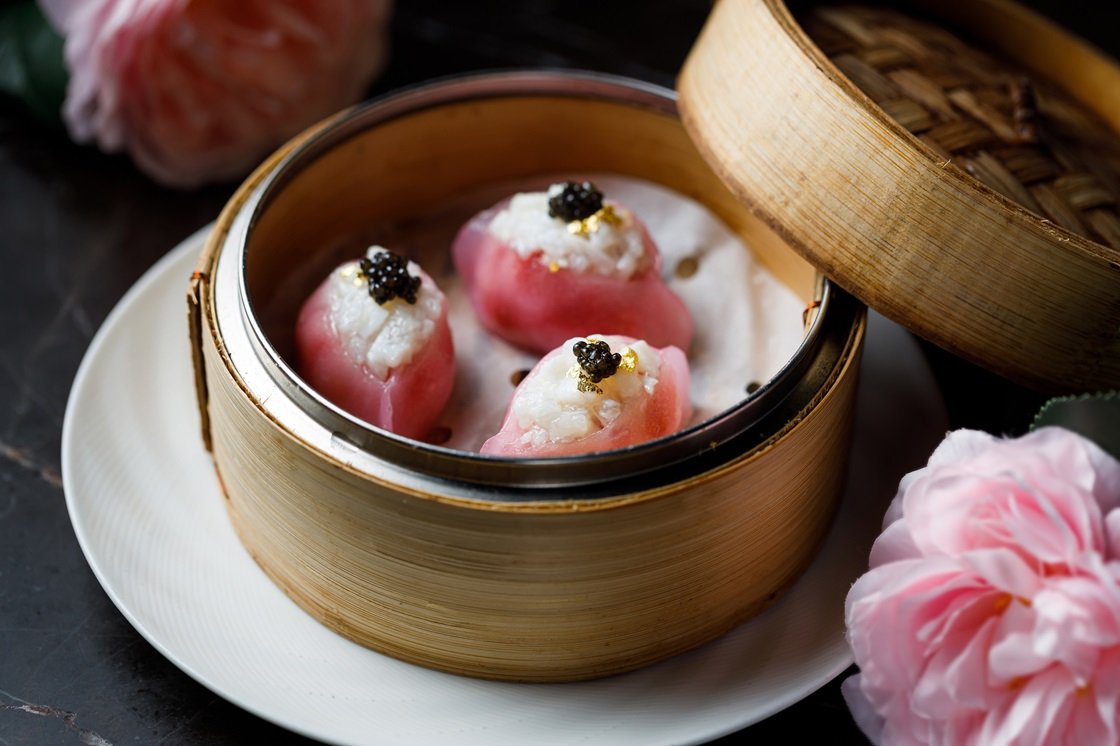
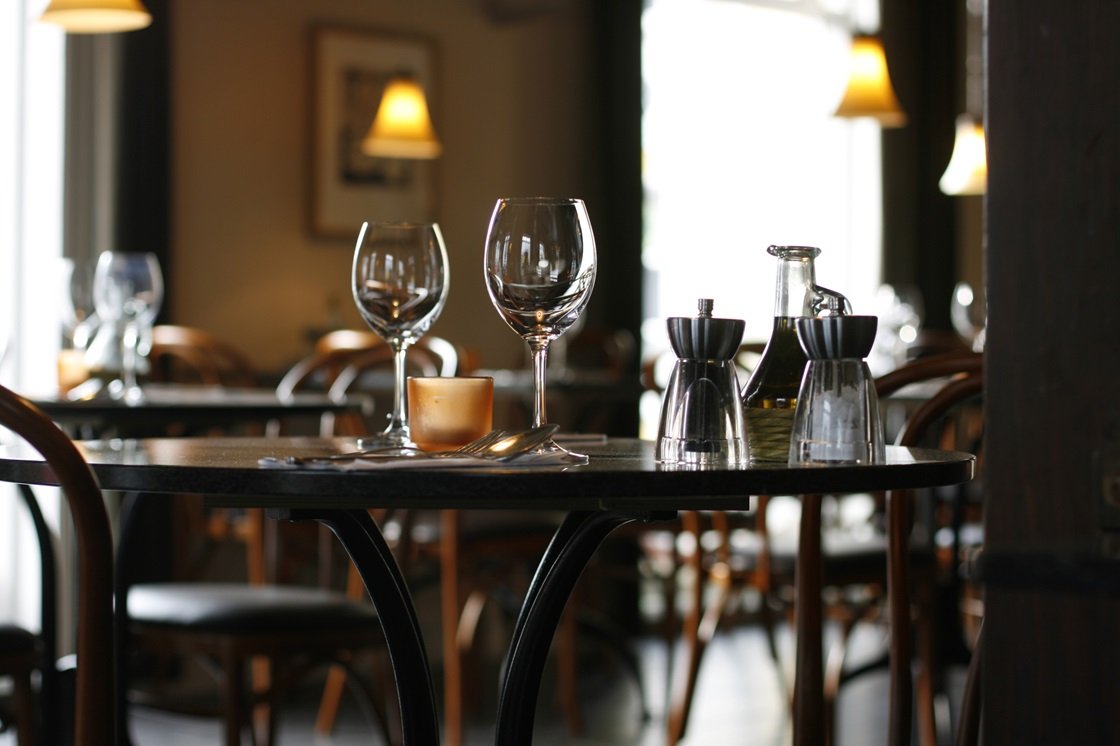
The dining-related signal is the confirmed Star Wine List recognition in 2026. That gives the property a useful point of distinction for travelers who care about a hotel with recognized wine-list credentials, without needing to rely on specific details about a named restaurant, cuisine, chef, signature dish, or menu format.
That said, do not book solely for a food-led Suzhou trip unless the plan is hotel convenience first and you have checked current dining details directly. For a broader look at where to eat around the city, use Our full Suzhou restaurants guide. For hotel-first planning, Our full Suzhou hotels guide is the better next step.
Choose it when certainty beats personality
The booking case is strongest for travelers who value a recognized premium hotel name in Suzhou and confirmed 2026 recognition from Forbes Recommended and Star Wine List. It is less useful as a shortlist entry if your decision depends on specifics such as exact facilities, room types, views, restaurant concepts, or a particular neighborhood setting. For a lake-oriented Suzhou comparison, consider Hotel Indigo Suzhou Yangcheng Lake. For a resort-style comparison outside Suzhou, Sun Island Resorts, Shanghai may be more relevant.
Bottom line: this is worth shortlisting when the trip benefits from The Ritz-Carlton name, a Suzhou base, smart-casual expectations, and confirmed 2026 recognition. Skip it as a decisive pick if the stay depends on details that should be directly with the hotel before booking.
Part of
The Ritz-Carlton187 locations on PearlPlanning details
- Location
- 369 Guangji South Road, Gusu District, Suzhou, Jiangsu
- Website
- ritzcarlton.com/en/hotels/wuxsz-the-ritz-carlton-suzhou/overview
- Phone
- 86-512-69088888
The take
The Take
The Vibe
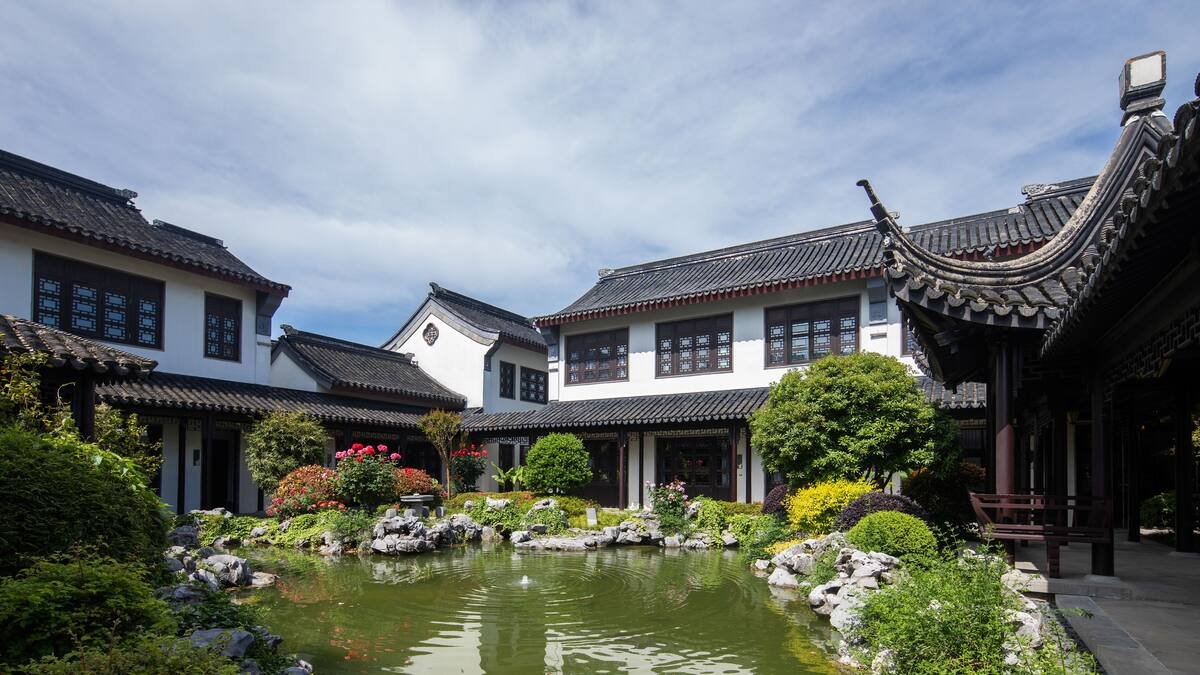
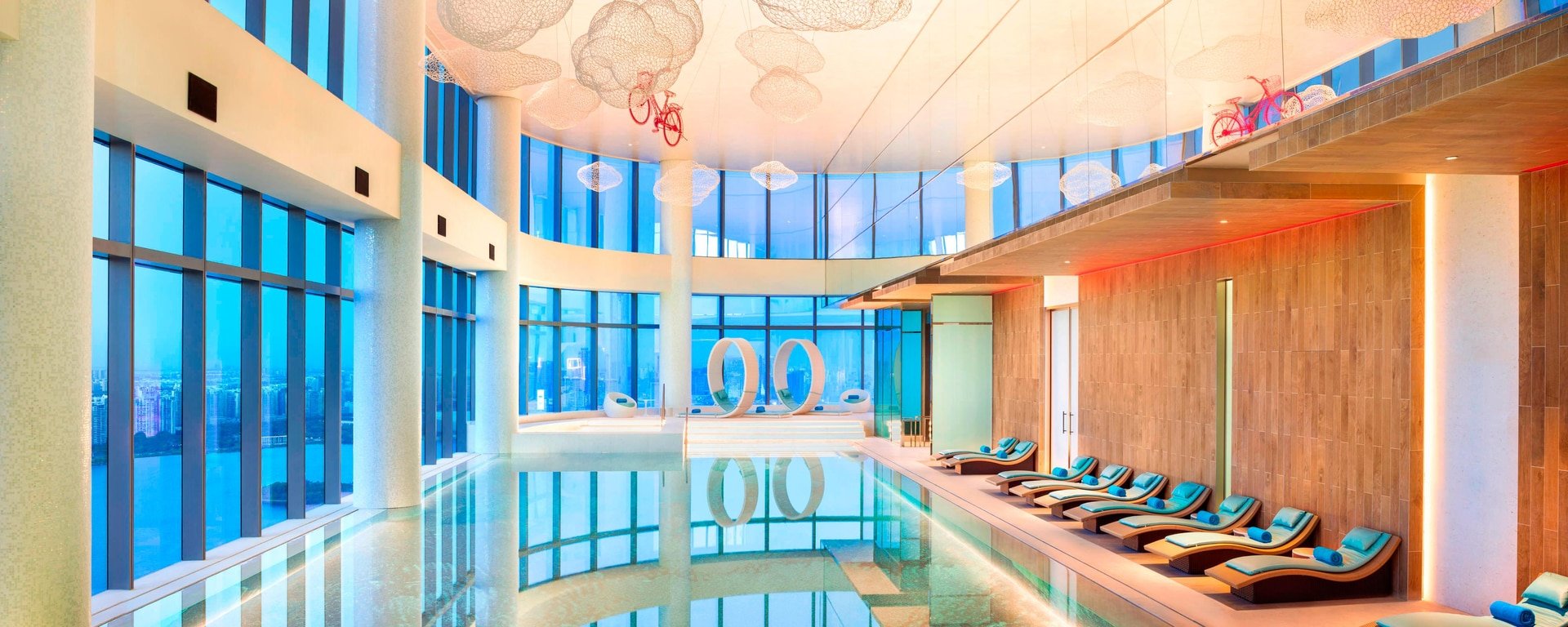
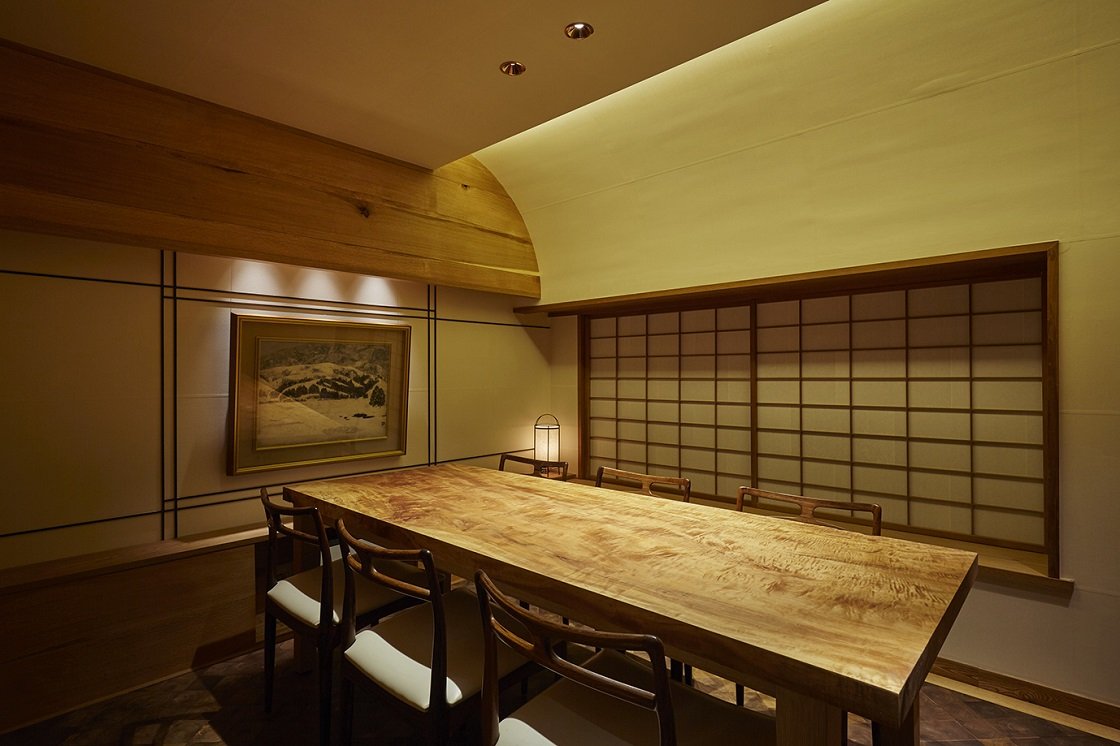
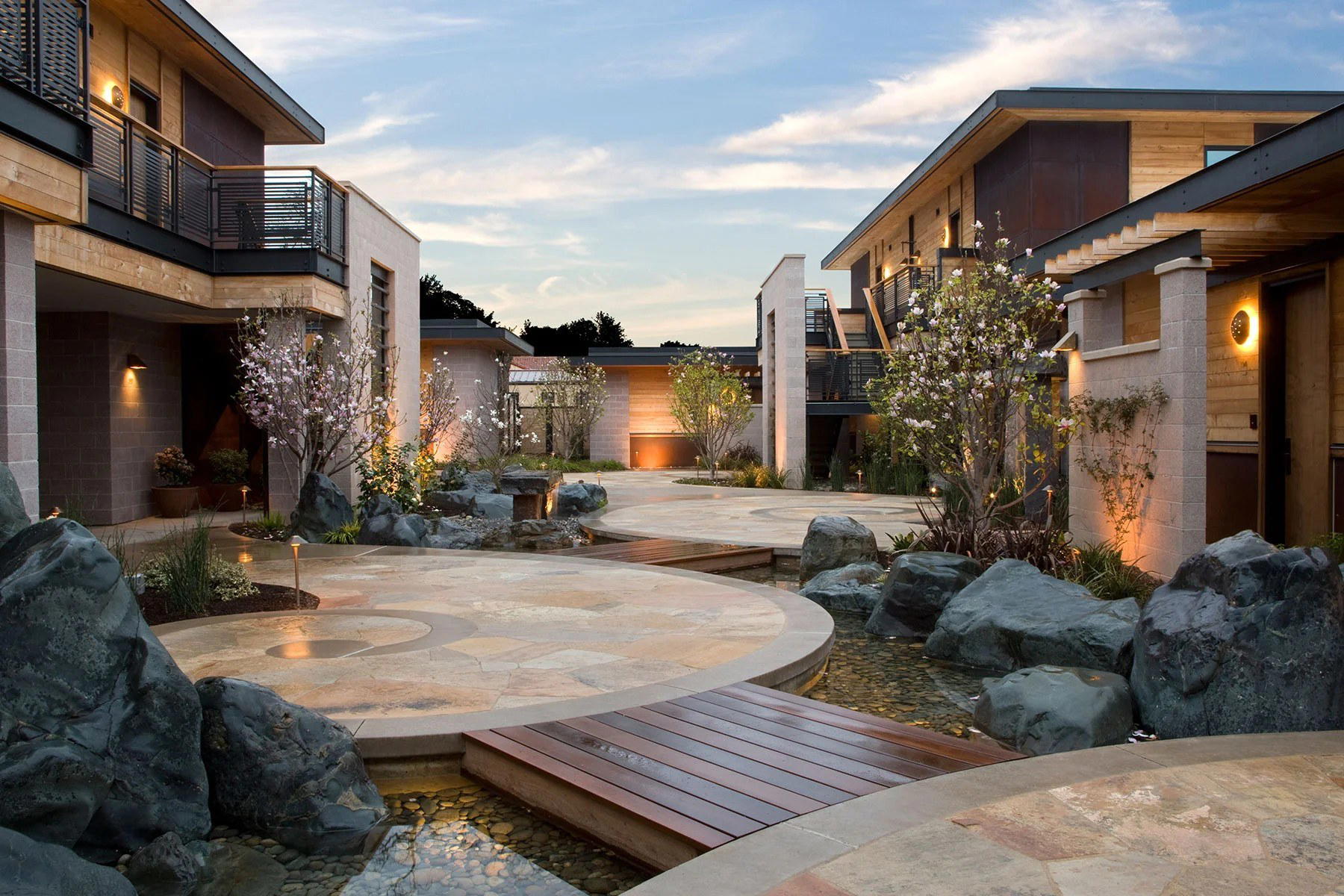
The Ritz-Carlton in Suzhou centers its identity on a reinterpretation of the city’s classical gardens, so the hotel feels composed and quietly cultivated rather than overtly showy. Design cues—moon gates, scholar’s-rock references and framed sightlines—inform a spatial logic that emphasizes compression and release. Located in the historical heart of Gusu, the property leans into local cultural memory and the measured rhythms of the scholar’s courtyard. Guests encounter a refined, composed atmosphere that privileges carefully arranged views and the long look over immediate spectacle, making the hotel feel like an urban garden estate translated into contemporary hospitality.
Best For
This hotel suits travelers who prize cultural context and composed luxury. It works well for business travelers who want a high-end base near Suzhou’s historic core, and for couples seeking a quiet getaway framed by garden design. The location beside celebrated classical gardens also appeals to culturally minded families and travelers who plan sightseeing around the UNESCO sites in Gusu. The property’s emphasis on careful composition and restrained aesthetics makes it a strong choice for anyone looking for an elevated, restful stay that connects to Suzhou’s heritage rather than a bustling, center-of-city scene.
Stay Tips
When booking, prioritize rooms that reference the gardens or framed views—those placements are central to the hotel's design concept and will best convey the property’s intent. Factor proximity to the Garden of the Master of Nets and the Canglang Pavilion into your itinerary; the hotel’s placement in Gusu is a deliberate selling point and a reason to choose it over alternatives. If comparing properties, weigh how each hotel interprets classical-garden principles rather than judging solely on typical luxury checklists—execution of the garden concept is the key differentiator here.
Venue details
Ambiance
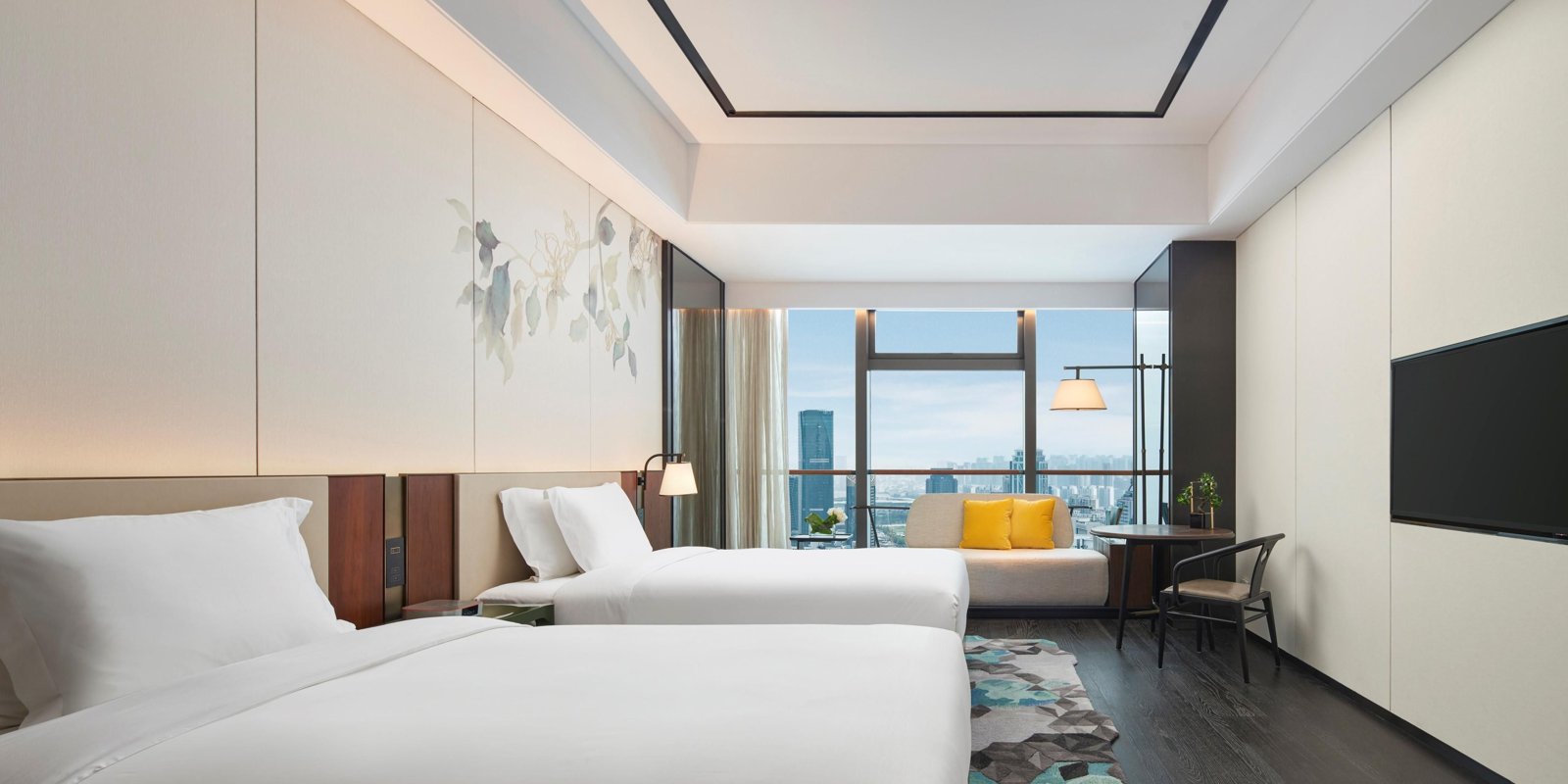
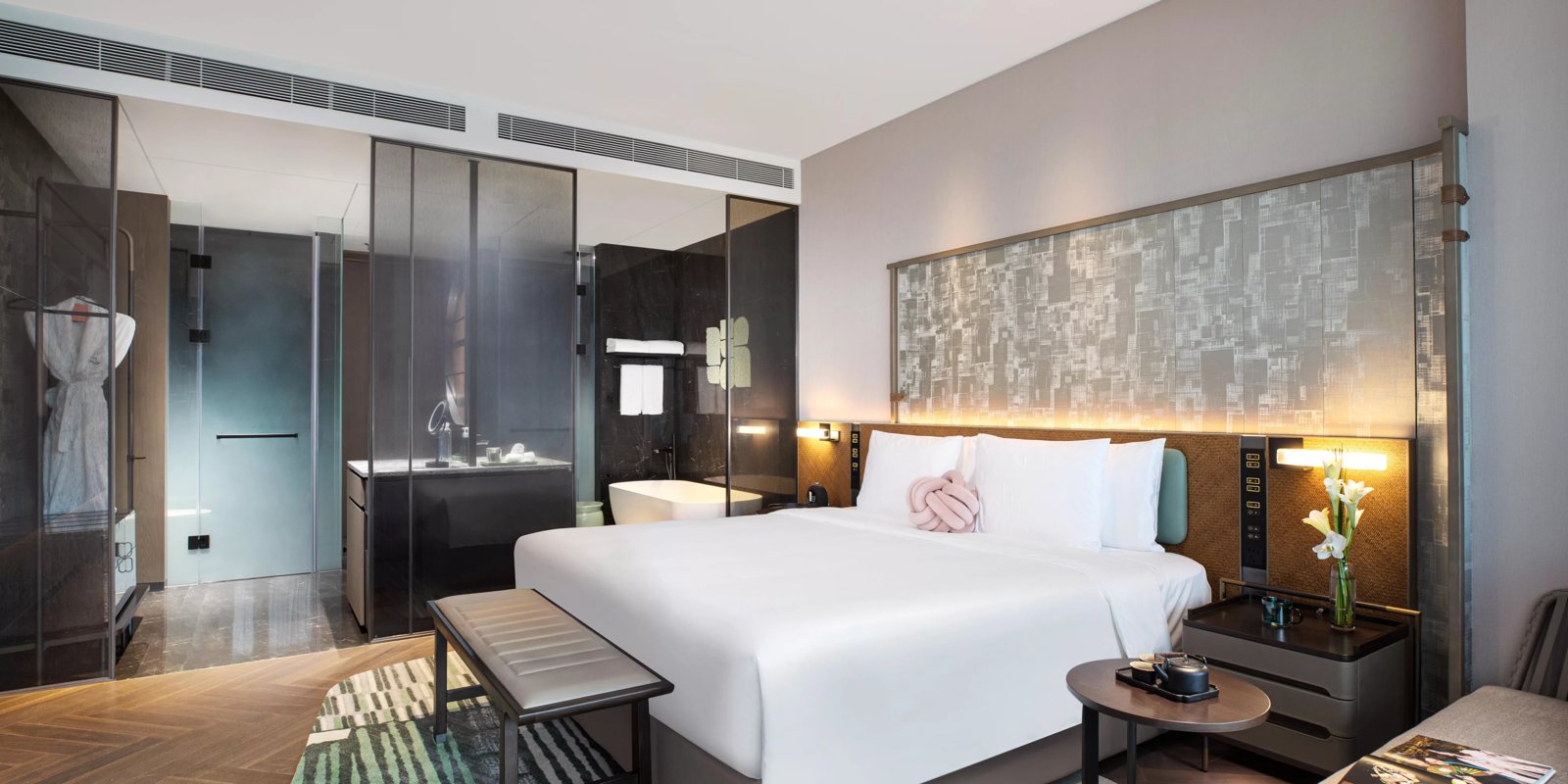
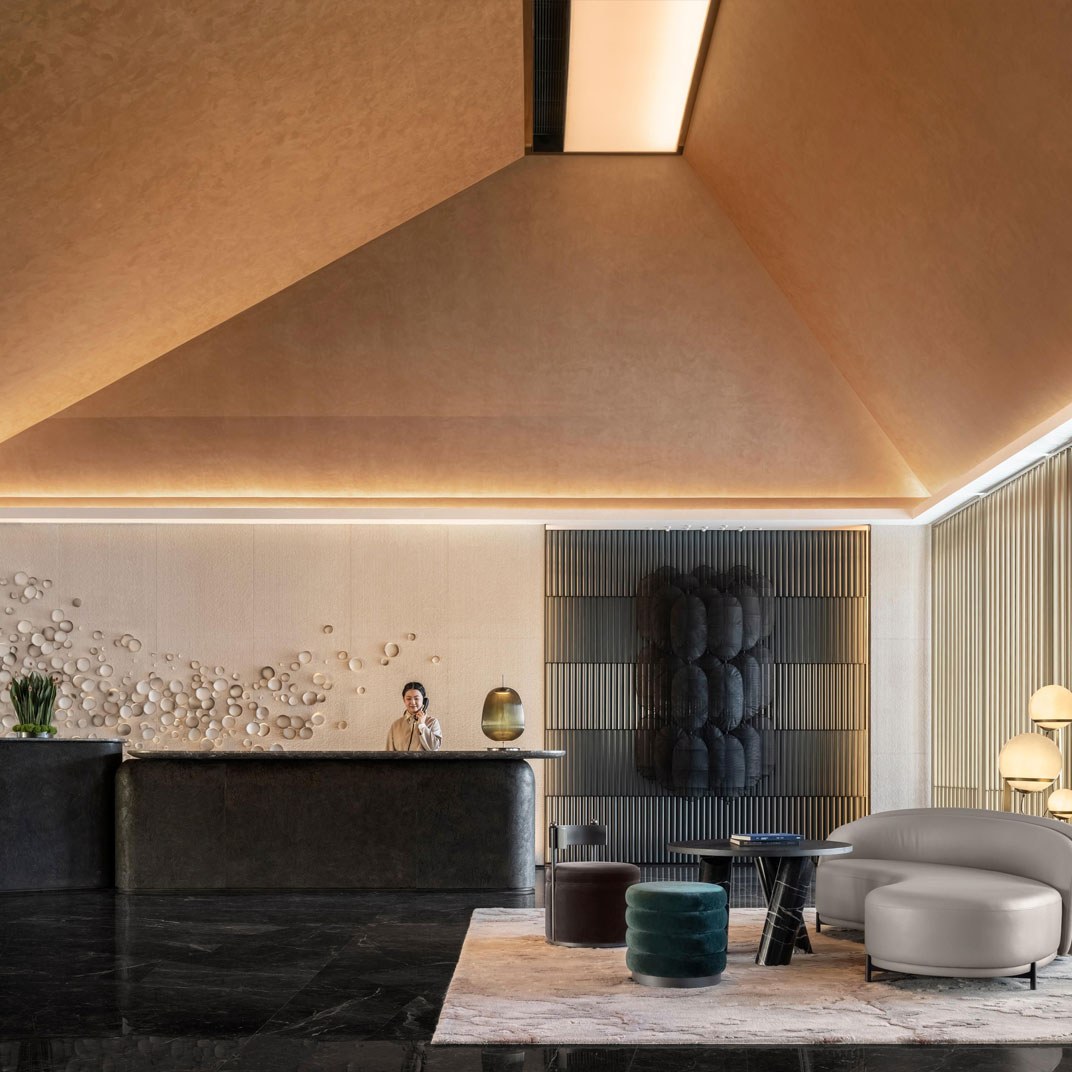
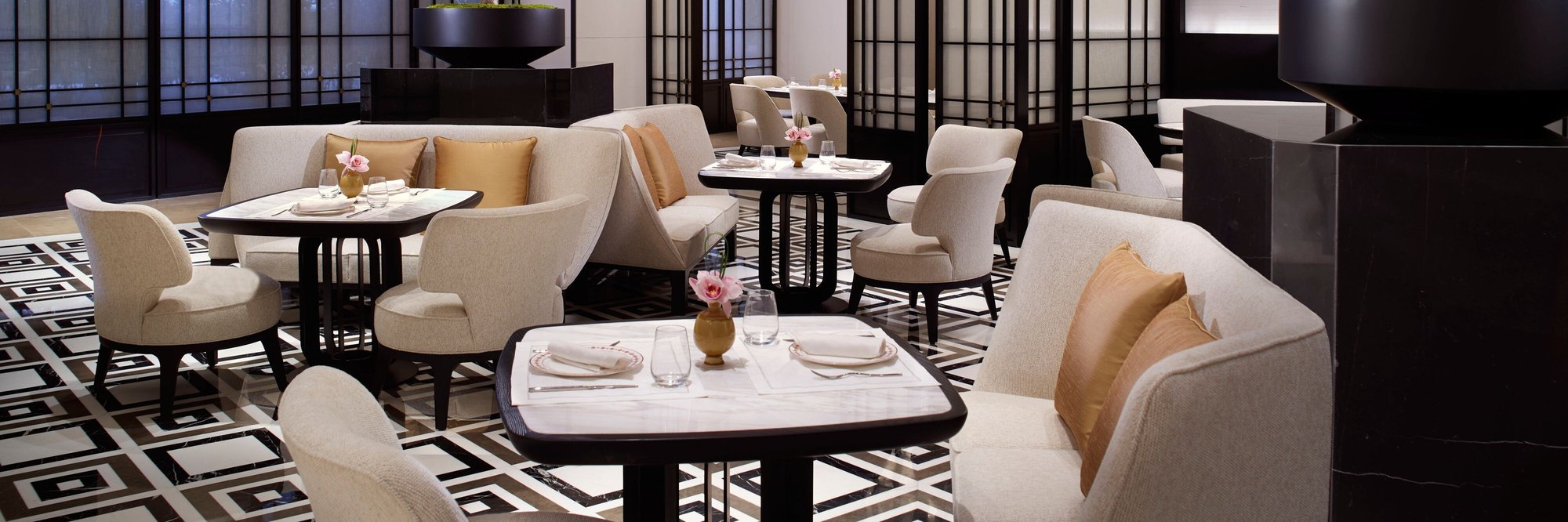
Serene and refined with oriental-inspired design elements, elegant garden settings, and soft natural lighting throughout public spaces and guest rooms featuring minimalist Chinese aesthetics with crisp black lines on white surfaces.
Tags
Vibe
Best For
Experience
Amenities
View
Accessibility
About the Stay
- Rooms
- 190
- Check-in
- 15:00
- Check-out
- 12:00
- Property Style
- Contemporary Luxury Hotel Interpreting Suzhou's Classical Garden Architecture and Jiangnan Water Town Heritage Through Modern Minimalist Design with Oriental Inspired Elements.
- Design Style
- Minimalist Chinese Aesthetic with Crisp Black Lines on White Surfaces, Neutral Tones, Elegant Simplicity, and Oriental Inspired Garden Settings Blending Timeless Charm with Vibrant Modern Energy.
Know before you go
Know Before You Go
- Getting there
- 369 Guangji South Road, Gusu District, Suzhou, Jiangsu
Planning details
Location
369 Guangji South Road, Gusu District, Suzhou, Jiangsu · Directions
ritzcarlton.com/en/hotels/wuxsz-the-ritz-carlton-suzhou/overview
Recognition and awards


Also consider
Also Consider
- Hotel Indigo Suzhou Grand Canal, Notable alternative
- Kimpton Bamboo Grove Suzhou, Notable alternative
- Hotel Indigo Suzhou Yangcheng Lake, Notable alternative
- Sun Island Resorts, Shanghai, Notable alternative
- InterContinental Shanghai Wonderland, Notable alternative
Hotel context
How it compares with Suzhou and nearby luxury hotels
Choose The Ritz-Carlton, Suzhou when the stay needs a polished city base and client-safe hospitality. Hotel Indigo Suzhou Grand Canal is the better fit for travelers who want a less formal canal-area stay, while Kimpton Bamboo Grove Suzhou should appeal more to guests prioritizing design character over corporate certainty.
Hotel Indigo Suzhou Yangcheng Lake is the stronger cross-shop for a lake-oriented escape rather than a central work trip. If the itinerary stretches beyond Suzhou, Sun Island Resorts, Shanghai moves the decision toward resort time, and InterContinental Shanghai Wonderland is more about a destination-hotel statement than practical Suzhou access.
For value, the Indigo options are likely to make more sense for travelers who do not need the Ritz-Carlton signal. For booking difficulty and business suitability, The Ritz-Carlton, Suzhou is the pick when a harder-to-secure, more formal hotel feels useful rather than excessive.
Explore Suzhou
Around this place
Discover more on Pearl
Unlock the full The Ritz-Carlton, Suzhou guide in Pearl, including awards, comparisons, FAQs, planning details, and nearby places.
Compare The Ritz-Carlton, Suzhou
| Venue | Location | Awards |
|---|---|---|
| The Ritz-Carlton, Suzhou | Suzhou | 2026 Forbes RecommendedStar Wine Lists 20262026 Michelin Guide New Hotels2025 Michelin Selected Hotels |
| Hotel Indigo Suzhou Grand Canal | Suzhou | No published awards |
| Kimpton Bamboo Grove Suzhou | Suzhou | No published awards |
| Hotel Indigo Suzhou Yangcheng Lake | Suzhou | No published awards |
| Sun Island Resorts, Shanghai | Shanghai Shi | No published awards |
| InterContinental Shanghai Wonderland | Shanghai | World Travel Awards 20252025 Michelin 1 Key |



How The Ritz-Carlton, Suzhou compares with similar nearby venues.
FAQ
Frequently Asked Questions
When is the best time to book The Ritz-Carlton, Suzhou?
Book once your Suzhou travel dates are fixed, especially if you are comparing premium hotels for a work trip or a higher-stakes stay. The confirmed Forbes Recommended 2026 recognition is a useful trust signal, but specific demand patterns are not available. If you are comparing with Hotel Indigo Suzhou Grand Canal or Kimpton Bamboo Grove Suzhou, this is the more conventional premium-name shortlist choice.
How is the dining at The Ritz-Carlton, Suzhou?
The dining-related fact is Star Wine List recognition in 2026. That is a useful signal, but it does not include details about a specific restaurant, cuisine, menu, chef, dish, or service format. If dining is central to the trip, confirm current options directly with the hotel.
How does The Ritz-Carlton, Suzhou compare to nearby hotels?
Pick The Ritz-Carlton, Suzhou when you want a recognized premium hotel name in Suzhou with confirmed Forbes Recommended 2026 and Star Wine List 2026 recognition. Hotel Indigo Suzhou Grand Canal and Hotel Indigo Suzhou Yangcheng Lake may make more sense if their settings better match your itinerary. Kimpton Bamboo Grove Suzhou is the better comparison if you are weighing a different hotel mood in Suzhou.
Which room category is best at The Ritz-Carlton, Suzhou?
Specific room-category guidance is not available. Choose based on your budget, length of stay, and current availability, then confirm the room details directly with the hotel before booking.
How is the location of The Ritz-Carlton, Suzhou?
The location is Suzhou. Specific street, district, landmark, or neighborhood details are not available, so confirm the exact location through the hotel's official channels before planning transport. If you want to compare other Suzhou options, look at Hotel Indigo Suzhou Grand Canal or Hotel Indigo Suzhou Yangcheng Lake.