
Kaipuu Belfry
Licheng District, Quanzhou
Hotel in Quanzhou, China
 Book with Pearl
The Read
Adaptive Reuse Hospitality
Why go
Book Kaipuu Belfry if the priority is a small, design-led Quanzhou stay in the old-city core. It is a stronger fit for leisure travelers who value atmosphere and location over large-hotel infrastructure; business travelers or resort-focused guests should compare InterContinental Quanzhou, Lohkah Hotel & Spa, or Waldorf Astoria Xiamen before committing.
About Kaipuu Belfry
Is Kaipuu Belfry worth booking in Quanzhou? It may be, if you are specifically considering a premium stay in Quanzhou and value a property with Small Luxury Hotels of the World membership in 2025. Beyond that recognition and the smart-casual dress code, detailed public claims about facilities, dining, pricing, room types, and service format should be confirmed directly before booking.
The case for booking is strongest for travelers who want Kaipuu Belfry itself rather than a more familiar hotel experience. Its Small Luxury Hotels of the World membership gives it a useful trust signal, but the decision should still be practical: choose it for a Quanzhou stay where the property's recognition matters more than a checklist of specified amenities.
A premium hotel choice for Quanzhou
Kaipuu Belfry is a Quanzhou option for travelers considering a premium hotel choice. It is best assessed as a premium property candidate rather than as a hotel with a fully documented facilities profile.
The recognition angle may be the reason to consider it over InterContinental Quanzhou. InterContinental Quanzhou is the safer comparison for travelers who want another established hotel reference point. Kaipuu Belfry is the more distinctive choice when its Small Luxury Hotels of the World membership is a priority for a Quanzhou stay.
Where the value is, and where it is not
The value proposition is not about published rate transparency, because pricing details are not available here. Treat it as a recognition-led decision: if the nightly rate is close to other Quanzhou hotels, choose Kaipuu Belfry when its Small Luxury Hotels of the World membership is the priority; if it prices well above other options, the premium should make sense for your specific trip.
Compared with Kaipuu on the Reef, Kaipuu Belfry is the Quanzhou option named here. Elite Spring Villas, Lohkah Hotel & Spa, and Waldorf Astoria Xiamen are better treated as broader luxury comparisons rather than substitutes with the same city-use case. For a Quanzhou-focused itinerary, confirm the practical details that matter to you before assuming any specific facilities or service style.
The main caution is simple: because details such as room categories, dining, spa, and pricing are not available here, choose Kaipuu Belfry for its Quanzhou setting, smart-casual dress code, and Small Luxury Hotels of the World membership rather than for a facilities list.
Planning details
- Location
- No, 2 East Street, 鲤城区泉州市福建省362000
- Phone
- +86 595 2838 7777
The take
The Take
The Vibe
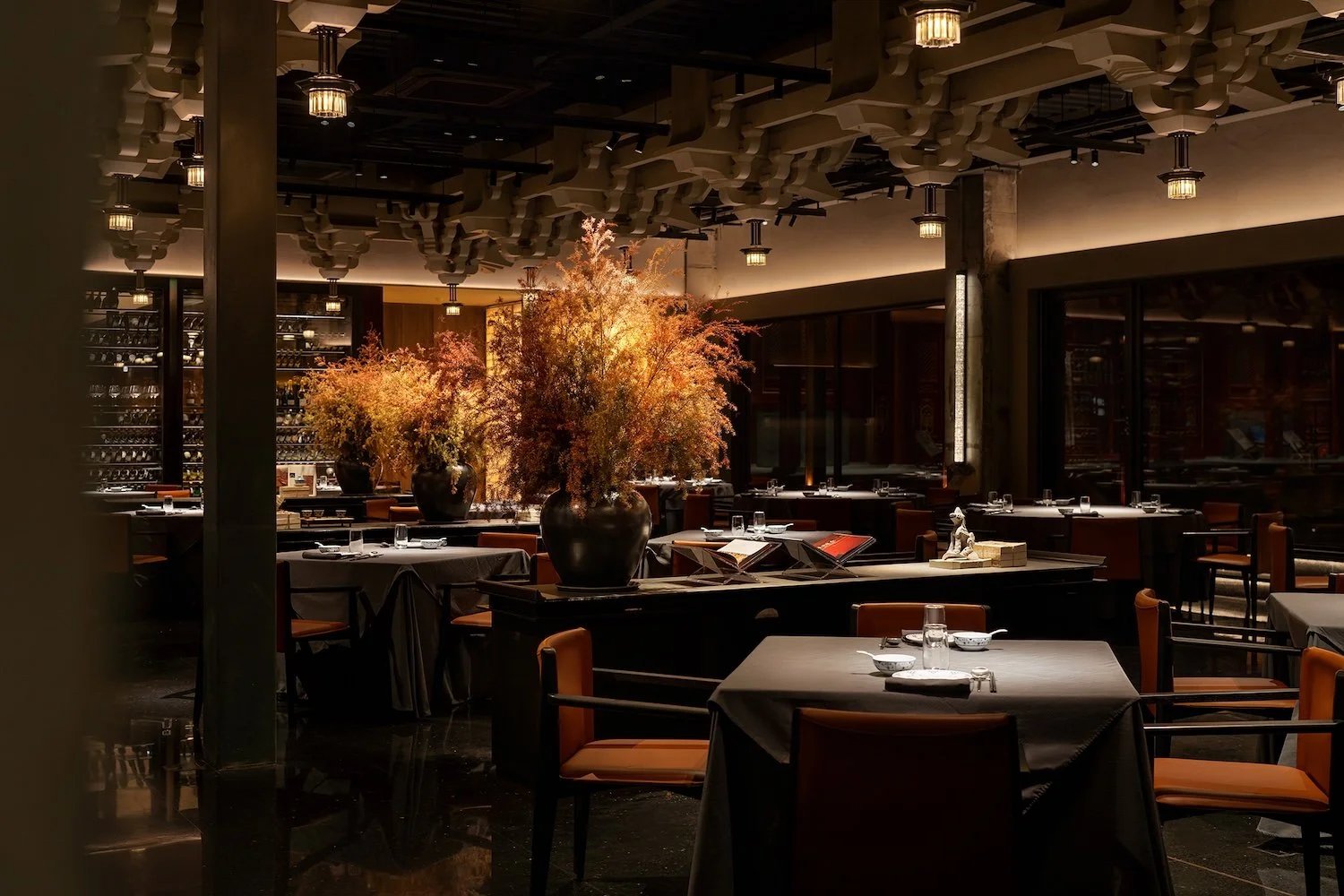
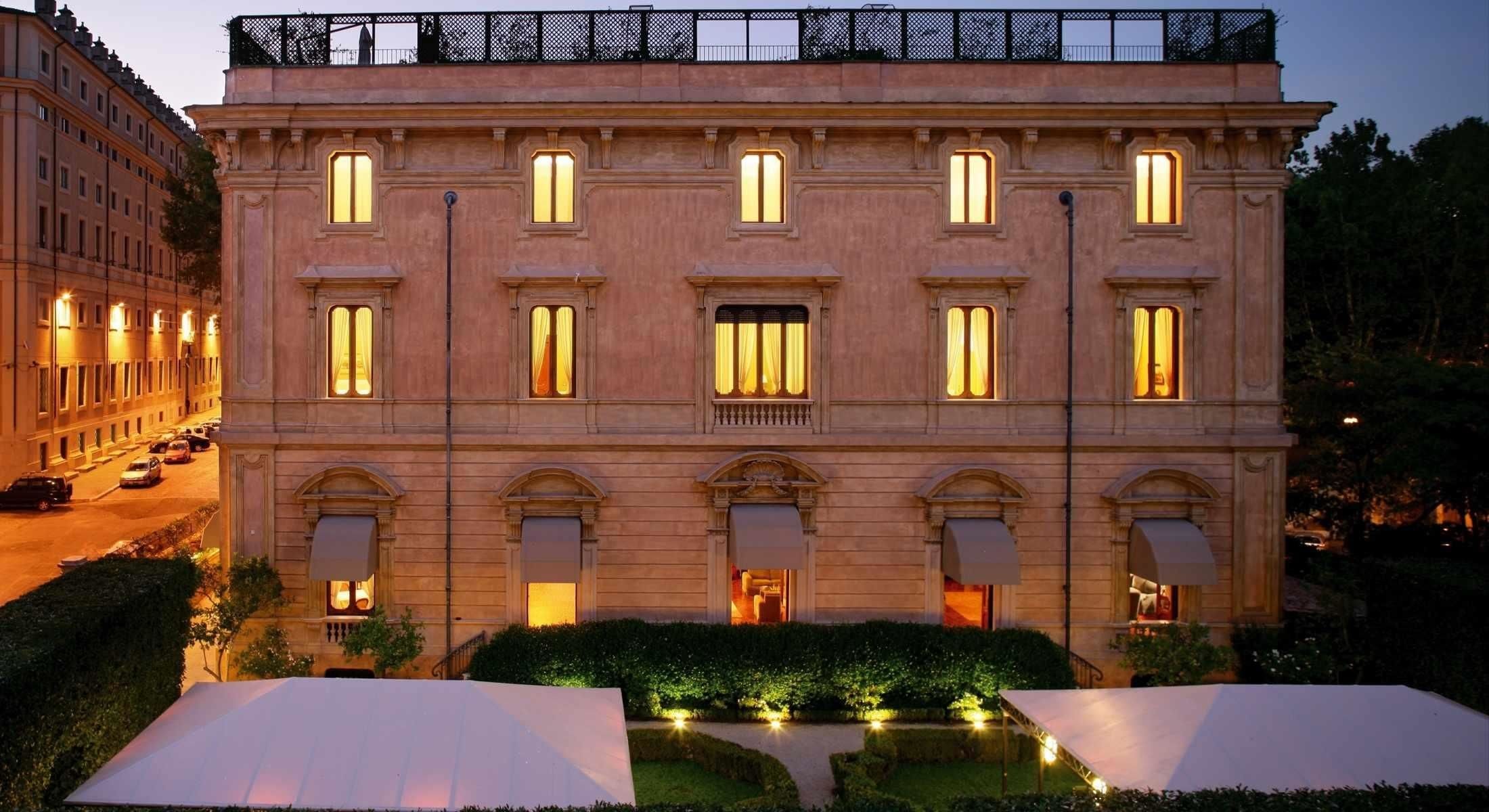
Kaipuu Belfry presents itself as an exercise in thoughtful adaptive reuse, where the building’s civic past remains a primary character of the guest experience. Set on East Street in Quanzhou’s Licheng district, the mid‑century department store’s imprint — its address, name and role as a neighbourhood anchor — is kept intact rather than erased. Design choices are framed around retaining the structure’s public authority, so interiors read as a conversation with the building’s history rather than a neutral contemporary overlay. The hotel therefore feels rooted and historically aware, offering a stay that foregrounds urban memory alongside hospitality.
Best For
This hotel resonates most with travellers who seek a strong sense of place and an architecture-driven stay. It appeals to visitors interested in adaptive-reuse projects, local history and neighbourhood-centred exploration: the property’s position at No. 2 East Street keeps guests within Quanzhou’s historically significant block. Kaipuu Belfry suits culturally curious weekenders and couples looking for a romantic, context-rich getaway, as well as anyone who prefers a boutique hotel that deliberately preserves civic memory instead of delivering a generic, brand-driven experience.
Venue details
Ambiance
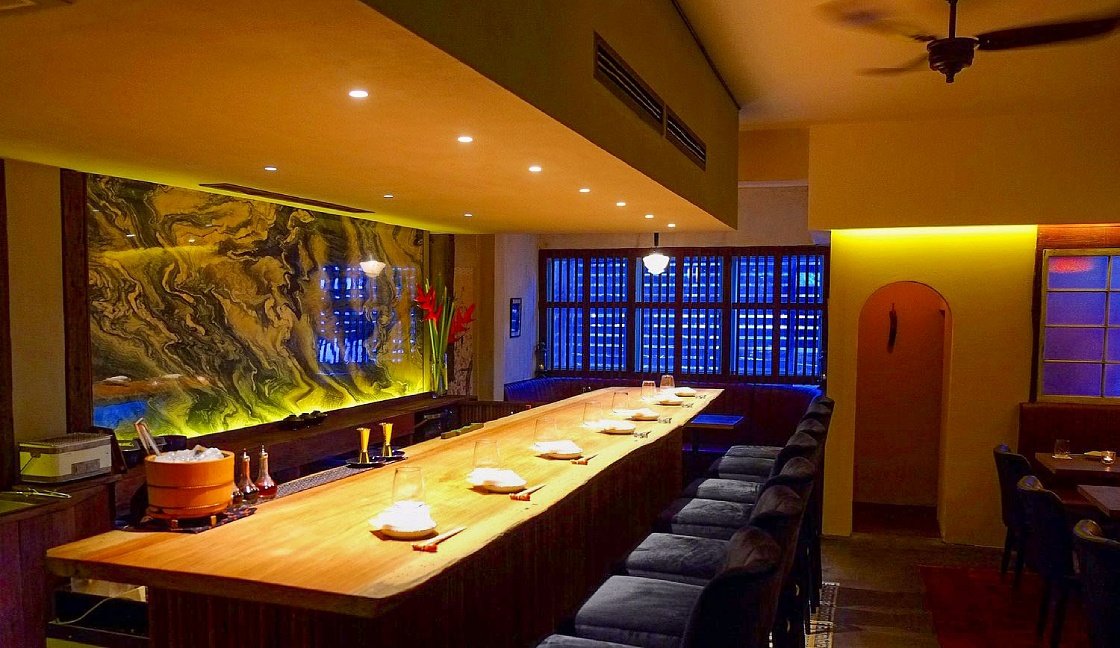
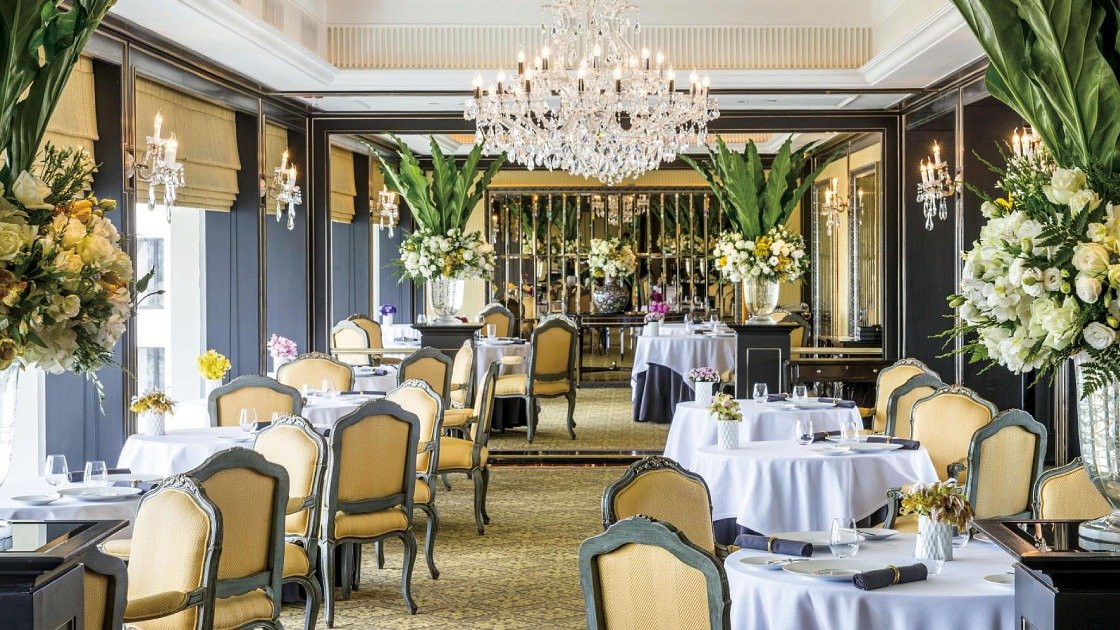
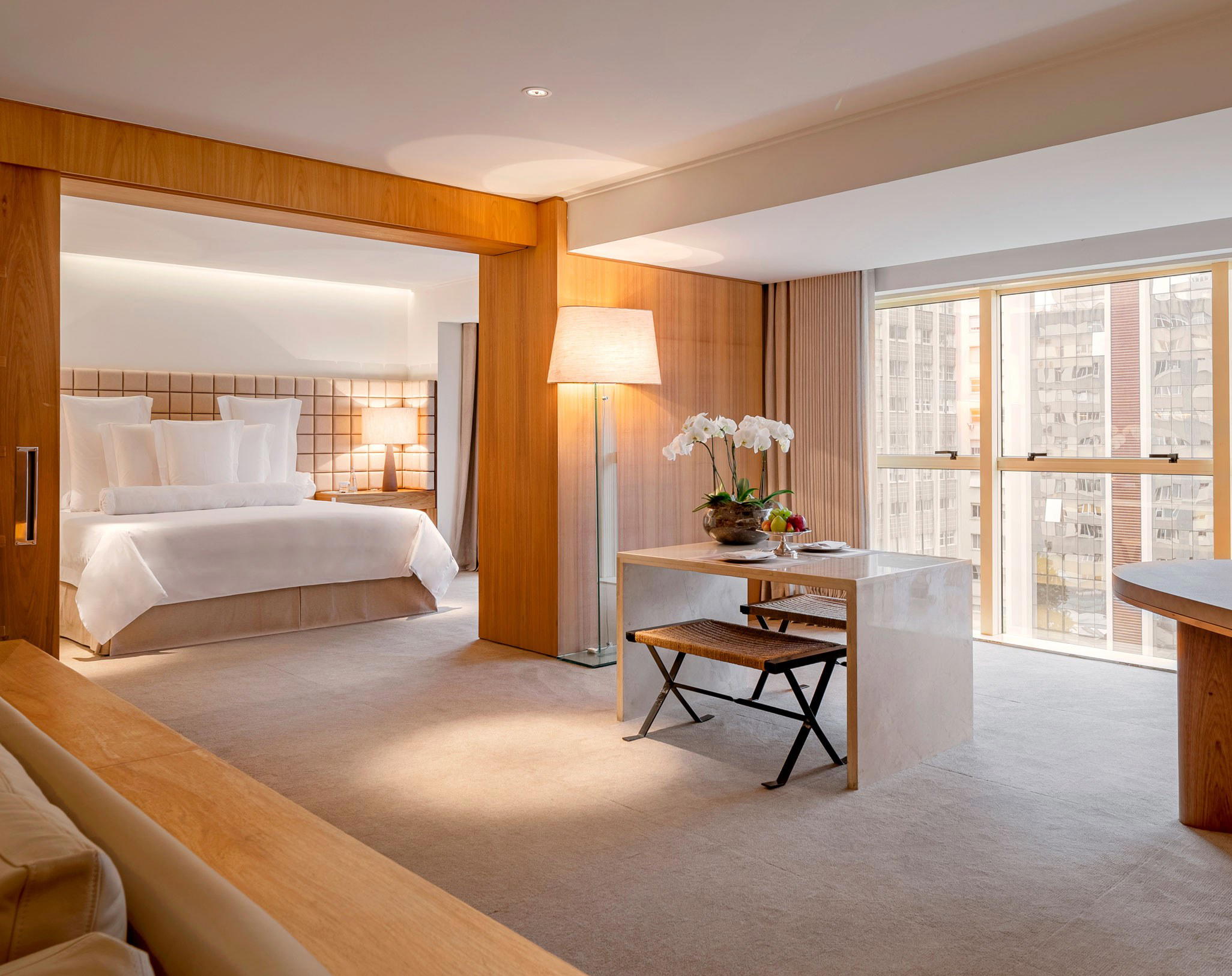
Bright, airy spaces with honey-toned wood floors and all-white walls accented with pops of color; warm mid-century modern aesthetic with intimate rooftop dining overlooking the city's historic streetscapes.
Tags
Vibe
Best For
Experience
Amenities
View
About the Stay
- Rooms
- 48
- Check-in
- 15:00
- Check-out
- 12:00
- Property Style
- A Heritage Conversion of a Historic 1979 Department Store Reimagined as a Contemporary Luxury Boutique Hotel Celebrating Chinese Design and Local Culture.
- Design Style
- Understated Nordic Elegance with Clean Lines, Honey Toned Wood, All White Walls, and Curated Accent Colors; Mid Century Modern Influences Throughout.
Know before you go
Know Before You Go
- Getting there
- No, 2 East Street, 鲤城区泉州市福建省362000
Planning details
Location
No, 2 East Street, 鲤城区泉州市福建省362000 · Directions
Recognition and awards

Also consider
Where to look if this is not the right fit
Choose InterContinental Quanzhou if the trip is work-heavy or if a larger hotel setup feels safer. Choose Kaipuu on the Reef if the appeal is the Kaipuu sensibility but the stay should feel more removed from the city center.
Hotel context
How it compares in and around Quanzhou
Kaipuu Belfry is the choice for travelers who want a smaller, more atmospheric Quanzhou base. InterContinental Quanzhou is the safer pick for business travel, larger-hotel predictability, and a broader service setup. If rates are similar, choose Kaipuu Belfry for character and InterContinental for convenience and corporate polish.
Kaipuu on the Reef is the closer cross-shop for guests who like the Kaipuu style but want a more removed-feeling stay. Kaipuu Belfry makes more sense for a first Quanzhou visit because it keeps the trip city-centered. Elite Spring Villas and Lohkah Hotel & Spa are better fits when the stay itself is the main event rather than the city itinerary.
Waldorf Astoria Xiamen is the more conventional luxury comparison for travelers willing to base outside Quanzhou. Choose it when brand consistency, formal service, and a bigger-city hotel setting matter more than staying in Quanzhou. Choose Kaipuu Belfry when the trip is built around Quanzhou and the hotel should feel connected to that setting.
Explore Quanzhou
Around this place
Discover more on Pearl
Unlock the full Kaipuu Belfry guide in Pearl, including awards, comparisons, FAQs, planning details, and nearby places.
Compare Kaipuu Belfry
| Venue | Location | Awards |
|---|---|---|
| Kaipuu Belfry | Quanzhou | Small Luxury Hotels Member 2025 |
| InterContinental Quanzhou | Quanzhou | No published awards |
| Kaipuu on the Reef | Quanzhou | Small Luxury Hotels Member 2025 |
| Elite Spring Villas | Anxi | Small Luxury Hotels Member 2025 |
| Lohkah Hotel & Spa | Xiamen | 2026 Virtuoso Luxury Hotel CollectionLeading Hotels of the World 2026 |
| Waldorf Astoria Xiamen | Xiamen | 2026 Forbes 4-Star2025 Forbes Recommended |



How Kaipuu Belfry Quanzhou compares with similar nearby venues.
FAQ
Frequently Asked Questions
How is the pool and spa at Kaipuu Belfry?
How is the location of Kaipuu Belfry?
Kaipuu Belfry is in Quanzhou. Travelers should confirm the exact address and transit fit before booking.
What is check-in like at Kaipuu Belfry?
How does Kaipuu Belfry compare to other hotels?
Kaipuu Belfry is a Quanzhou hotel option with Small Luxury Hotels of the World membership in 2025. InterContinental Quanzhou is a natural comparison if you prefer another established hotel reference point, while Lohkah Hotel & Spa, Kaipuu on the Reef, Elite Spring Villas, and Waldorf Astoria Xiamen are broader luxury comparisons for travelers weighing different stay styles.
Do loyalty programs work at Kaipuu Belfry?
The recognition here is Kaipuu Belfry's Small Luxury Hotels of the World membership in 2025. If points, elite benefits, or status benefits are central to the trip, compare the booking terms carefully with another hotel such as InterContinental Quanzhou.
Which room category is best at Kaipuu Belfry?
The safest approach is to ask the hotel directly about room size, outlook, noise, and any other stay priorities before choosing a category.
When is the best time to book Kaipuu Belfry?
Book according to your travel dates, cancellation needs, and confirmed rate conditions.