
Elite Spring Villas
Guanqiao Town, Anxi
Hotel in Anxi, China
 Book with Pearl
The Read
Tea-Terrace Immersion
Why go
Elite Spring Villas is worth considering for a quiet Anxi County stay where privacy and slower pacing matter more than city convenience. Its 2025 Small Luxury Hotels of the World membership gives it a useful trust signal, but travelers needing business infrastructure or broader dining access should compare it with Quanzhou and Xiamen peers before committing.
About Elite Spring Villas
Elite Spring Villas is a hotel in Anxi with a clear 2025 recognition signal: it is listed as a Small Luxury Hotels of the World member. For travelers considering it, the grounded case is simple: treat it as an Anxi stay first, and confirm the practical details directly before booking.
Because public details are limited, this should not be evaluated on assumed amenities, dining formats, room counts, or resort facilities. If the trip depends on a specific service level, location convenience, or brand program, compare the confirmed details with alternatives such as InterContinental Quanzhou, Waldorf Astoria Xiamen, Lohkah Hotel & Spa, HUANG YAN 36 Hotel, or Kaipuu Belfry.
Choose it for an Anxi stay, not for extras
The strongest points are its Anxi location, smart-casual dress code, and Small Luxury Hotels of the World membership in 2025. Beyond that, travelers should avoid assuming a particular room format, dining style, wellness setup, or on-property activity list unless those details are confirmed by the hotel for the intended dates.
This makes Elite Spring Villas a better fit for guests who are specifically looking at Anxi and are comfortable checking details in advance. Travelers who need a different base may also compare it with InterContinental Quanzhou or Waldorf Astoria Xiamen, depending on where the trip is centered.
Timing matters more than itinerary density
For a stay with limited public detail, planning should focus on fit rather than assumptions. Confirm room type, dining availability, arrival arrangements, and any facilities that matter before committing. The Small Luxury Hotels of the World membership is useful context, but it should not be treated as a substitute for checking the services needed for a specific trip.
If the decision comes down to Elite Spring Villas and other hotels, choose based on trip purpose and confirmed logistics. Elite Spring Villas makes the most sense when Anxi itself is the right base; other hotels may be more practical when the itinerary is centered elsewhere.
For broader planning around the area, use Our full Anxi hotels guide, then pair it with Our full Anxi restaurants guide, Our full Anxi bars guide, Our full Anxi wineries guide, and Our full Anxi experiences guide if the stay needs more structure beyond the hotel.
Planning details
- Location
- Anxi County, Quanzhou, China, 362441
- Website
- bluepillow.com/search/594383a37c00cb0e643244f4?dest=bkng&cat=Villa&lat=25.02097&lng=118.09903&language=en
- Phone
- +8659526166666
The take
The Take
The Vibe
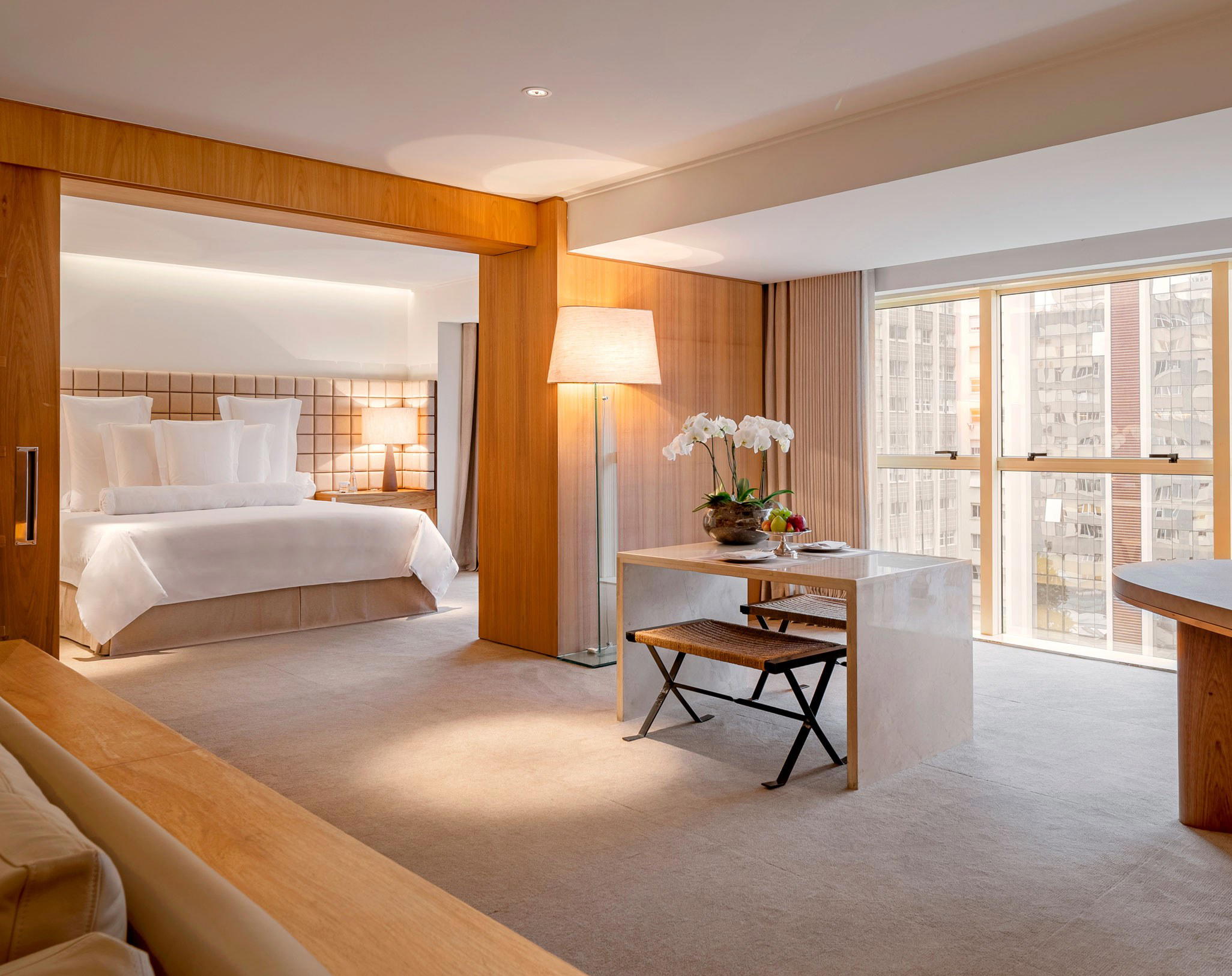
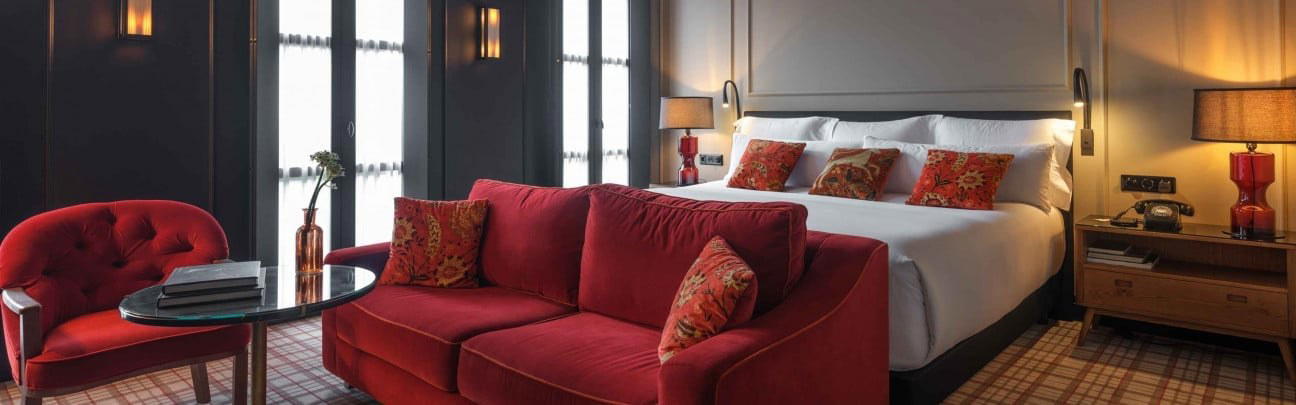
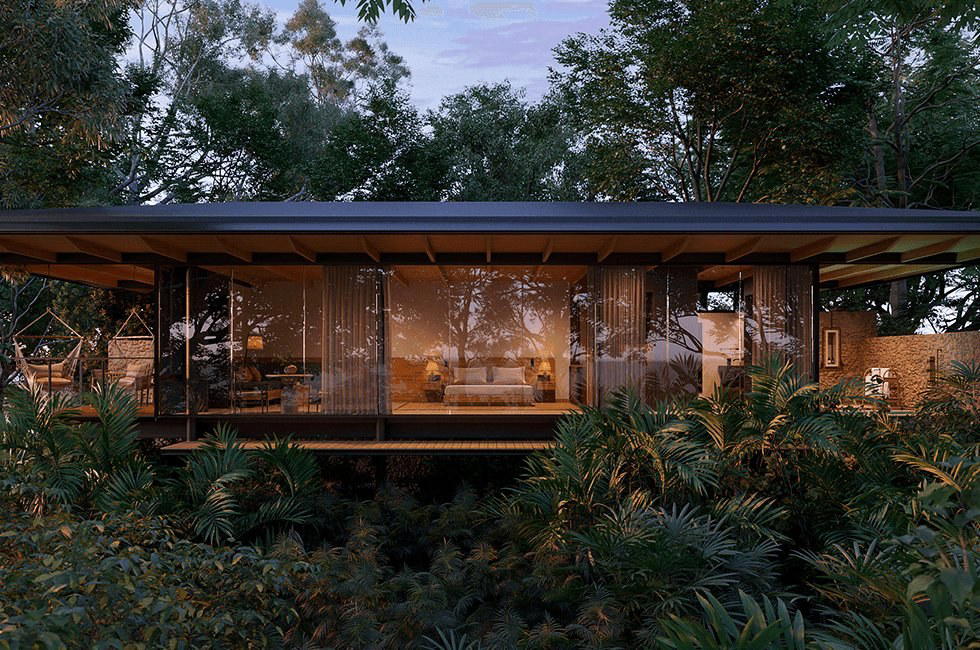
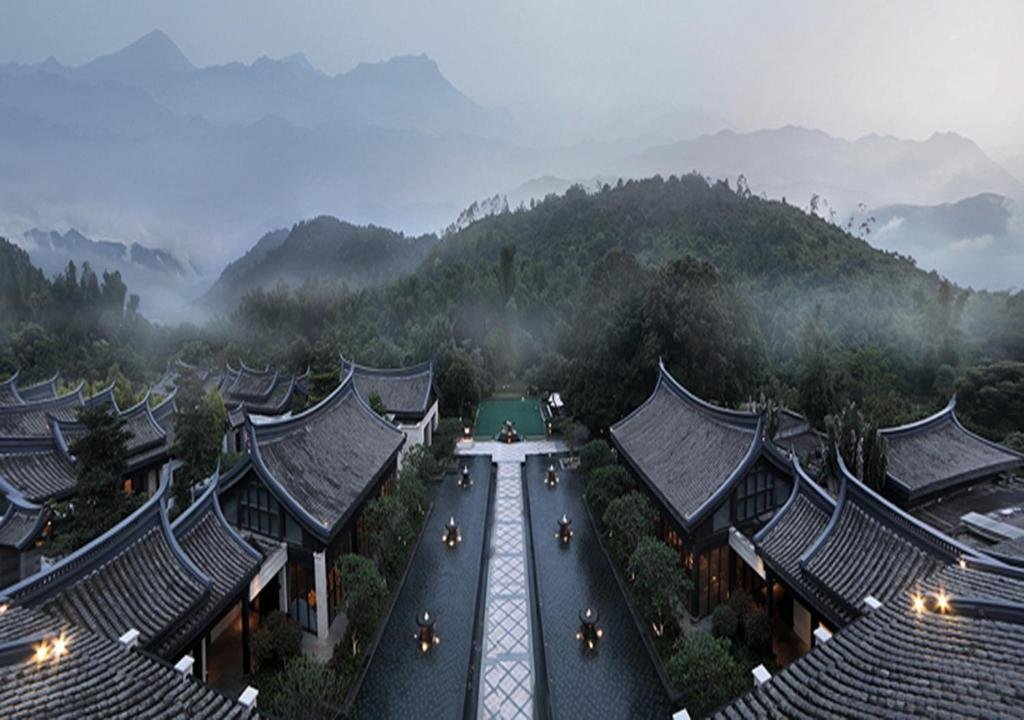
Elite Spring Villas presents a quiet, place-driven retreat that foregrounds Southern Fujian’s built traditions. The design consciously references local vernaculars — low-slung heritage buildings, internal courtyards and reflective pools — so the architecture reads as extension of the tea terraces beyond. Materials and forms are rooted in regional practice rather than international generic luxury, which gives the property a rustic-historic character tempered by refined detailing. The overall feeling is serene and composed: a boutique estate where the relationship between interior and exterior, and the cooling presence of water, defines daily rhythms and the visitor’s sense of arrival.
Best For
This is a stay for travelers who prioritize sense of place over branded gloss. The villas appeal to couples seeking a romantic, architecture-forward escape, wellness-minded guests drawn to a tranquil setting, and families or small groups who value private accommodation set into cultivated grounds. It also suits weekend visitors wanting an immersive detour into Tieguanyin country — the surrounding terraces and heritage-building logic are the property’s main draw. Guests come to experience the landscape, local building traditions and the quiet composure of a resort that reads like an extension of its highland tea fields.
Venue details
Ambiance
Secluded tranquility with calming lighting, beautiful gardens, atmospheric water features, and relaxing hot spring ambiance.
Tags
Vibe
Best For
Experience
Amenities
View
About the Stay
- Rooms
- 17
- Check-in
- 15:00
- Check-out
- 12:00
- Property Style
- Zen Tea Cultural Hot Spring Resort with Private Villas
- Design Style
- Contemporary Authentic Chinese Heritage
Know before you go
Know Before You Go
- Getting there
- Anxi County, Quanzhou, China, 362441
Planning details
Location
Anxi County, Quanzhou, China, 362441 · Directions
Recognition and awards

Also consider
Also Consider
- Kaipuu Belfry, Notable alternative
- Lohkah Hotel & Spa, Notable alternative
- InterContinental Quanzhou, Notable alternative
- Waldorf Astoria Xiamen, Notable alternative
- HUANG YAN 36 Hotel, Notable alternative
Hotel context
How it compares in the Anxi and coastal Fujian set
Elite Spring Villas is the Anxi pick for travelers who want a quieter county base and an easier booking path. InterContinental Quanzhou is the more practical choice for business travel, city access, and predictable full-service hotel infrastructure. If the trip is built around meetings or a short stop in Quanzhou, choose the InterContinental instead.
For a more explicitly spa-led coastal stay, Lohkah Hotel & Spa is the stronger cross-shop. Waldorf Astoria Xiamen is better for travelers who want a polished urban luxury hotel with broader city access. Elite Spring Villas makes more sense when the value is the Anxi setting itself, not a coastal or city-hotel program.
Kaipuu Belfry and HUANG YAN 36 Hotel are useful alternatives if the priority is a smaller-format stay with more character than a major chain. Cross-shop those if the decision is about ambiance first; choose Elite Spring Villas if the Anxi location and retreat pacing are the deciding factors.
Explore Anxi
Around this place
Discover more on Pearl
Unlock the full Elite Spring Villas guide in Pearl, including awards, comparisons, FAQs, planning details, and nearby places.
Compare Elite Spring Villas
| Venue | Location | Awards |
|---|---|---|
| Elite Spring Villas | Anxi | Small Luxury Hotels Member 2025 |
| Kaipuu Belfry | Quanzhou | Small Luxury Hotels Member 2025 |
| Lohkah Hotel & Spa | Xiamen | 2026 Virtuoso Luxury Hotel CollectionLeading Hotels of the World 2026 |
| InterContinental Quanzhou | Quanzhou | No published awards |
| Waldorf Astoria Xiamen | Xiamen | 2026 Forbes 4-Star2025 Forbes Recommended |
| HUANG YAN 36 Hotel | Xiamen | Small Luxury Hotels Member 2025 |



How Elite Spring Villas Anxi compares with similar nearby venues.
FAQ
Frequently Asked Questions
Is Elite Spring Villas good for business travel?
It can work if Anxi is the right base for the trip. Meeting facilities or business services should be checked directly with the hotel before booking.
Which room category is best at Elite Spring Villas?
Choose based on the hotel's current official room descriptions, and confirm the layout, size, privacy, and inclusions before booking.
What is check-in like at Elite Spring Villas?
Do loyalty programs work at Elite Spring Villas?
Elite Spring Villas is a Small Luxury Hotels of the World member as of 2025. For points, benefits, or booking-channel privileges, check the current terms with the hotel or the relevant program before reserving.
How is the dining at Elite Spring Villas?
No cuisine type, menu format, or dining schedule is listed here. If dining is important, confirm the current restaurant availability and dress expectations with the hotel; the dress code is smart casual.