
Cala Beach Resort
Punta Ala
Hotel in Punta Ala, Italy
 Book with Pearl
The Read
Maremma Shoreline Retreat
Why go
Cala Beach Resort is worth considering for a Punta Ala coastal stay when the seasonal rate is reasonable and location matters more than a heavily documented amenity list. Cross-shop Gallia Palace Beach - Golf - Spa - Resort for a more established resort signal, or Cala del Porto Punta Ala if a harbor-side setting is the stronger priority.
About Cala Beach Resort
Cala Beach Resort is a Punta Ala resort with one clearly positioning signal: Leading Hotels of the World membership in 2025. Beyond that, the confirmed public details available here are limited, so the safest way to evaluate it is not by assuming a specific dining program, amenities list, room hierarchy, or service format.
The practical case for booking is direct: consider it if you want Cala Beach Resort specifically in Punta Ala and the quoted rate makes sense for your dates. The dress code is smart casual, which is useful to know when packing, but it should not be stretched into assumptions about the formality of the full stay.
Book for the confirmed fit, not for an assumed hotel checklist
That does not make it a weak choice. It makes it a choice that should be checked carefully before booking. If those details matter to your trip, confirm them directly before committing to a restrictive rate. If the main priority is staying at Cala Beach Resort in Punta Ala, the decision is simpler.
Where it sits in Punta Ala
Among Punta Ala options, Cala Beach Resort should be judged on the specific facts that are confirmed rather than on assumptions created by the resort name. Gallia Palace Beach - Golf - Spa - Resort and Cala del Porto Punta Ala are other options to compare when you want to weigh Cala Beach Resort against another Punta Ala stay.
Vedetta Relais and The Sense Experience Resort are also useful comparison points if you are considering a broader set of stays rather than only Cala Beach Resort. If the rate at Cala Beach Resort is close to those alternatives, the decision should come down to which property's confirmed details best match the trip you are planning.
Quick read: book Cala Beach Resort when Punta Ala is the priority, the price works for your dates, and you are comfortable with the confirmed information. Cross-shop or contact the hotel directly if dining, spa, family facilities, business services, or other specifics are central to the stay.
Planning details
- Location
- Via della Dogana, 58043 Punta Ala GR
- Website
- calabeachresort.com/it/cala-beach
- Phone
- +39 0564 080127
The take
The Take
The Vibe
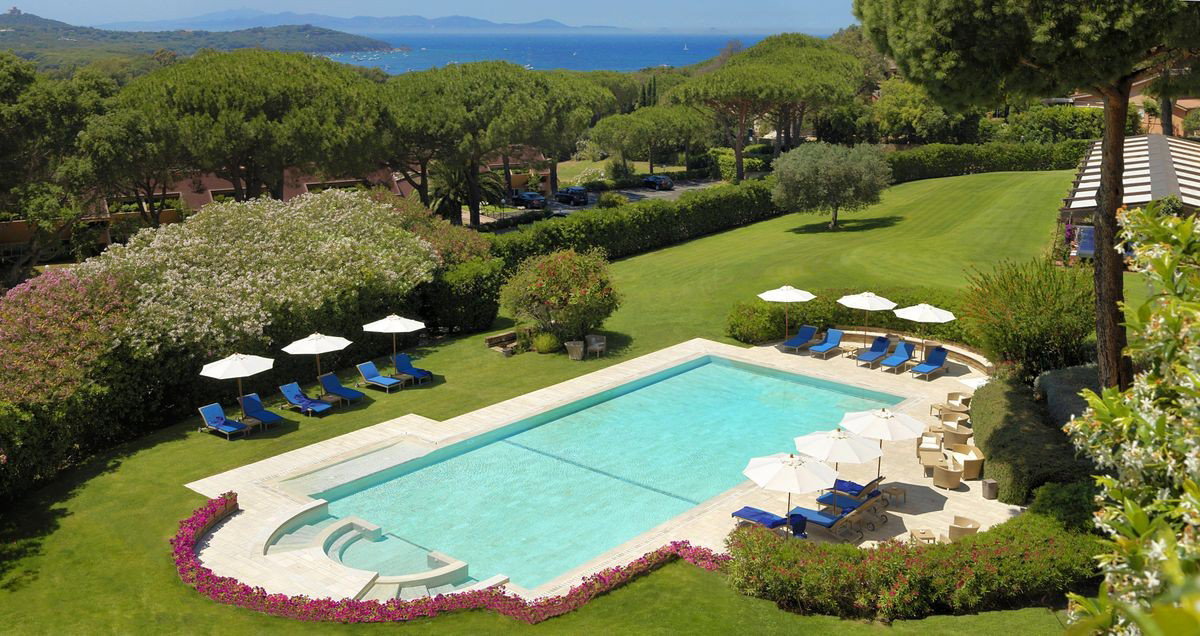
Cala Beach Resort presents a quietly refined coastal character that favors place over program. It reads like a deliberately scaled private enclave — a hotel that participates in Punta Ala’s low-key marina, golf course and pine-forested cliffs rather than dominating them. Membership in the Leading Hotels of the World signals a commitment to independent, high-quality hospitality, and the property’s tone is shaped by returning guests and restrained development rather than tourist bustle. The result is an intimate, serene seafront retreat where spatial quality and the surrounding landscape carry the conversation.
Best For
Cala Beach Resort suits travelers who prioritize setting and calm over busy resort spectacle. It is ideal for couples and small groups seeking a quiet coastal escape — the description frames it as a place for returning guests and repeat stays — and for families who value proximity to a marina, a golf course and shallow-scale development. The hotel works particularly well for weekend escapes and relaxed, place-focused vacations on the Tyrrhenian coast, where views of Elba and Giglio and the surrounding pine forest are central to the experience.
Venue details
Ambiance
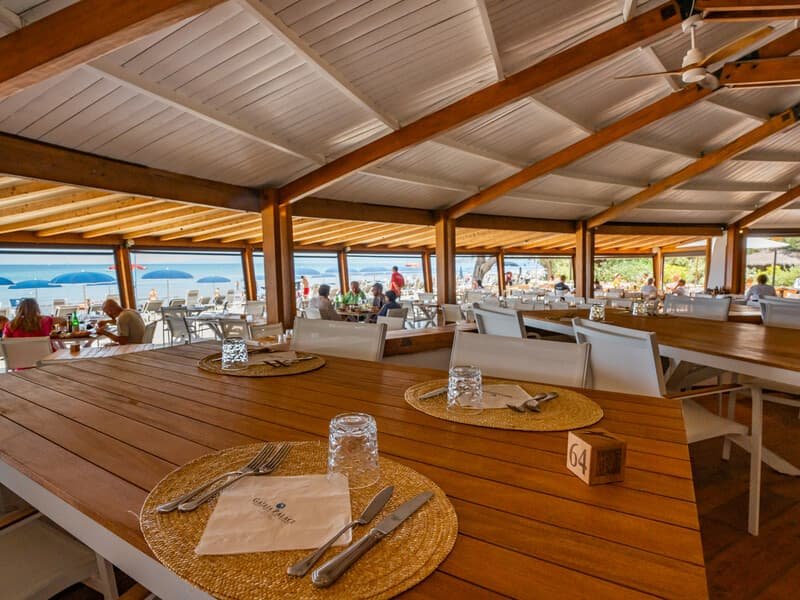
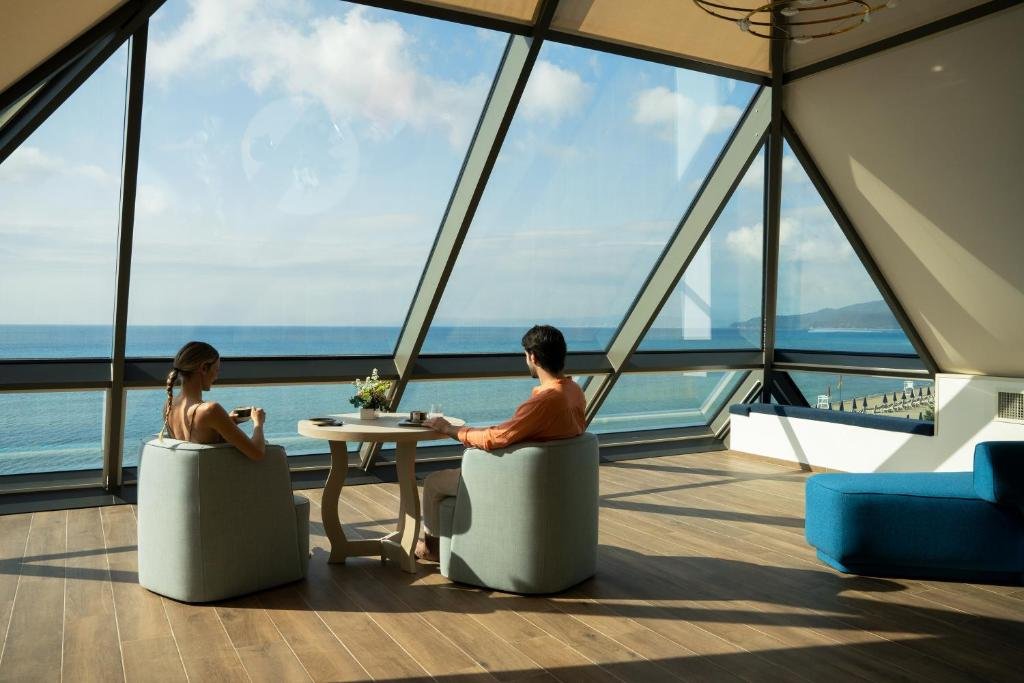
Luminous and sophisticated with fresh contemporary styling, offering total relaxation in a quiet natural setting between pinewoods and the sea.
Tags
Vibe
Best For
Experience
Amenities
View
Accessibility
About the Stay
- Rooms
- 12
- Check-in
- 15:00
- Check-out
- 12:00
- Property Style
- Luxury Boutique Beach Resort
- Design Style
- Pyramid Like Art Deco with Modern Contemporary Styling
Know before you go
Know Before You Go
- Getting there
- Via della Dogana, 58043 Punta Ala GR
Planning details
Location
Recognition and awards

Also consider
Also Consider
- Gallia Palace Beach - Golf - Spa - Resort, Notable alternative
- Cala del Porto Punta Ala, Notable alternative
- Cala del Porto Punta Ala, Notable alternative
- Vedetta Relais, Notable alternative
- The Sense Experience Resort, Notable alternative
Hotel context
How Cala Beach Resort compares in Punta Ala
Cala Beach Resort is the value-sensitive pick when the quote is meaningfully below Gallia Palace Beach - Golf - Spa - Resort. Gallia Palace is the safer choice for travelers who want a clearer beach, golf, and spa resort proposition; Cala Beach Resort makes more sense when Punta Ala access is the main reason for the stay and the price gap is doing real work.
Cala del Porto Punta Ala is the more obvious cross-shop for guests who want a harbor-oriented stay. If the rates are similar, choose Cala del Porto for that setting and Cala Beach Resort for a more beach-resort-leaning base.
Vedetta Relais and The Sense Experience Resort are better comparisons for travelers willing to look outside the immediate Punta Ala choice set. Use them as a price discipline check: if Cala Beach Resort is priced close to broader-area alternatives with more visible resort detail, compare inclusions before committing.
Explore Punta Ala
Around this place
Discover more on Pearl
Unlock the full Cala Beach Resort guide in Pearl, including awards, comparisons, FAQs, planning details, and nearby places.
Compare Cala Beach Resort
| Venue | Location | Awards |
|---|---|---|
| Cala Beach Resort | Punta Ala | Leading Hotels of the World 2026 |
| Gallia Palace Beach - Golf - Spa - Resort | Punta Ala | 2026 Relais Chateaux Hotels2025 Relais Chateaux Award |
| Cala del Porto Punta Ala | Castiglione della Pescaia | 2025 Michelin Selected HotelsPreferred Hotels L.V.X. Collection 2025 |
| Cala del Porto Punta Ala | Grosseto | 2025 Michelin Selected HotelsPreferred Hotels L.V.X. Collection 2025 |
| Vedetta Relais | Scarlino | No published awards |
| The Sense Experience Resort | Follonica | 2025 Michelin Selected HotelsPreferred Hotels Member 2025 |



How Cala Beach Resort Punta Ala compares with similar nearby venues.
FAQ
Frequently Asked Questions
When is the best time to book Cala Beach Resort?
Book once your Punta Ala dates are fixed and the rate works for your plans.
How is the location of Cala Beach Resort?
Cala Beach Resort is in Punta Ala. No more specific address detail is included here, so location-sensitive travelers should confirm the exact setting directly before booking.
Is Cala Beach Resort family-friendly?
If you are traveling with children or a mixed-age group, ask the hotel directly about room setup, services, and any relevant policies before booking.
Do loyalty programs work at Cala Beach Resort?
Cala Beach Resort is as a Leading Hotels of the World member in 2025. For any specific recognition, benefit, or booking-channel question, confirm the current terms directly with the hotel or program.
How is the dining at Cala Beach Resort?
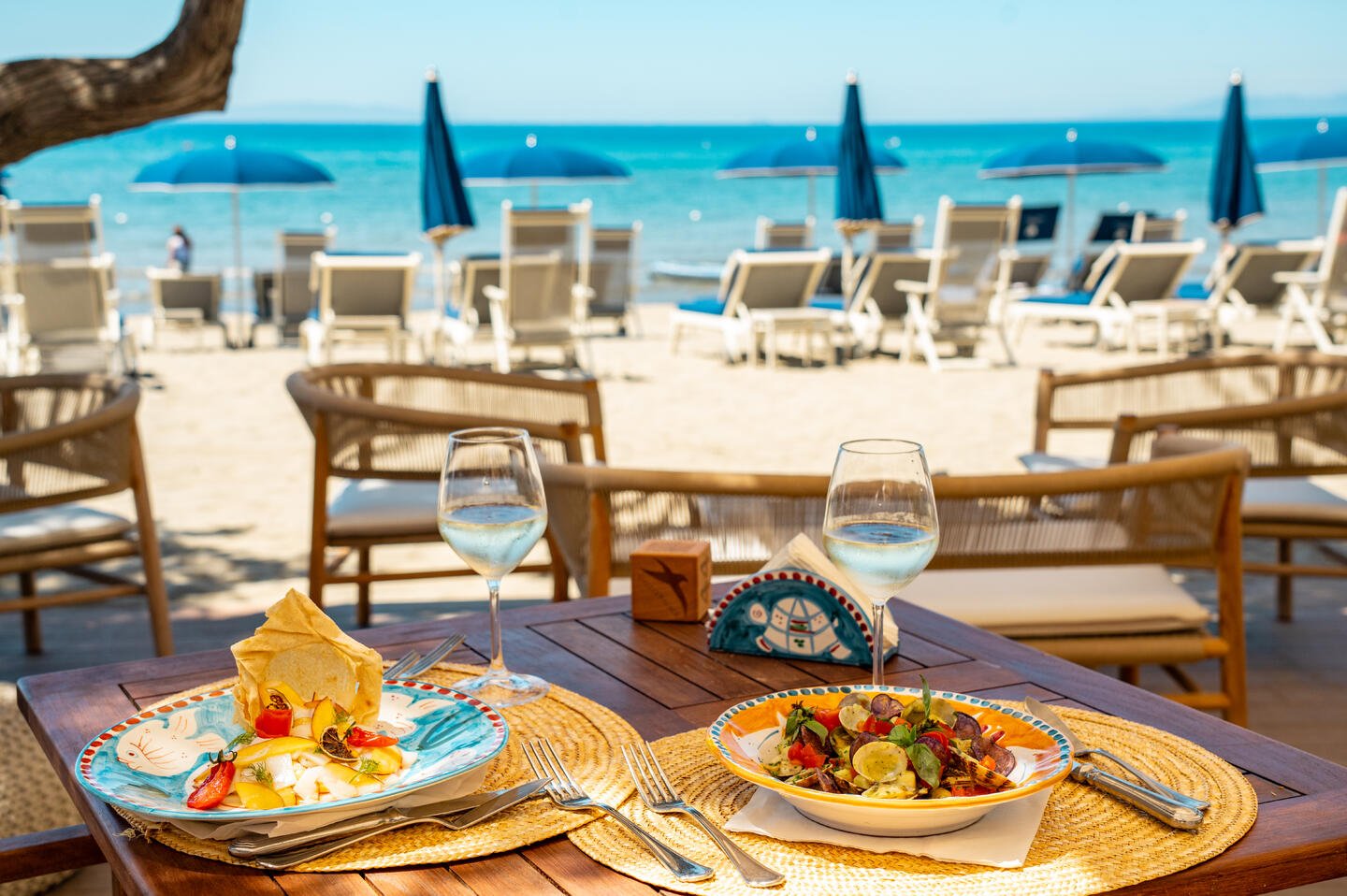
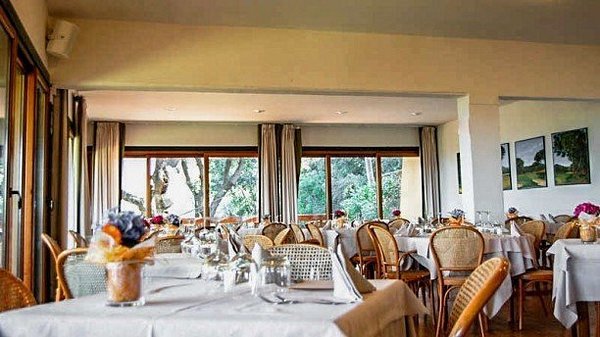
Treat dining as something to verify directly rather than as the main basis for choosing the stay.
How does Cala Beach Resort compare to other stays?
Compare Cala Beach Resort with Gallia Palace Beach - Golf - Spa - Resort and Cala del Porto Punta Ala if you want another Punta Ala option. Vedetta Relais and The Sense Experience Resort are also useful broader comparisons, especially if you are weighing different styles of stay.